


House votes: Attorney General Garland in contempt of Congress
The House of Representatives voted Wednesday that Atto...


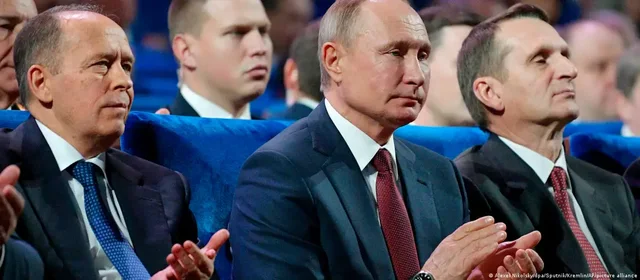
They seem like good neighbors, they are friendly. Some have families with children and live quiet and civil lives. Others are students, attending universities in different countries, working as scientists. In Russia, they are considered elite among spies. Vladimir Putin proudly calls them "Wunderkinder" - "children who do miracles". The so-called "illegals" are Russian intelligence agents who live under a false identity: often for years and sometimes decades in the country where they are on duty, gathering information and performing tasks different from embassies and consulates. Illegals have no diplomatic protection and face long prison terms if discovered.
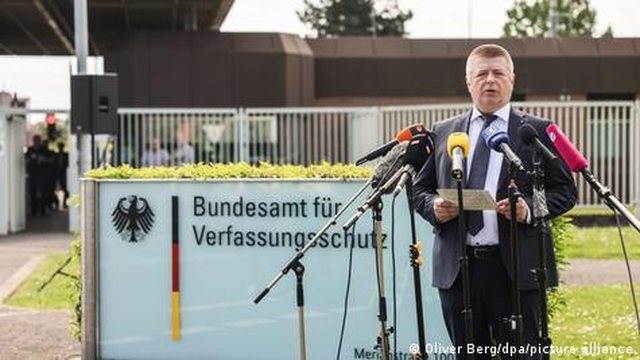
According to research by WDR and NDR, German security services believe that Russia will increasingly use these "undercover" spies in the future - and that such undercover spies are already active in Germany. "Yes, we assume that there are various illegals in Germany," said the president of the Federal Office for the Protection of Constitutional Order (BfV) Thomas Haldenwang. "This instrument, this very complicated system of illegals, seems to be still being used. The Office for the Protection of Constitutional Order works "very intensively" to detect such cases, Haldenwang said.
Since the end of the Cold War, Russian "illegals" have been detected in Germany only in one case: In October 2011, a married couple was arrested under the false names of Heidrun and Andreas Anschlag. They were sentenced to prison and later deported to Russia. They pretended to be Austrian, grew up in South America and spied in Germany for decades. The new WDR-NDR podcast "Die Anschlags - Russlands Spione unter uns" (Attacks - Russian spies among us) sheds light on this case. Journalists followed the trail of the spy couple and investigated how they prepared for the assignment in Germany, how they managed to remain undetected for so many years and what led to their eventual capture. The most important source of these spies spoke for the first time: a Dutch diplomat who had been leaking secret NATO documents for years.
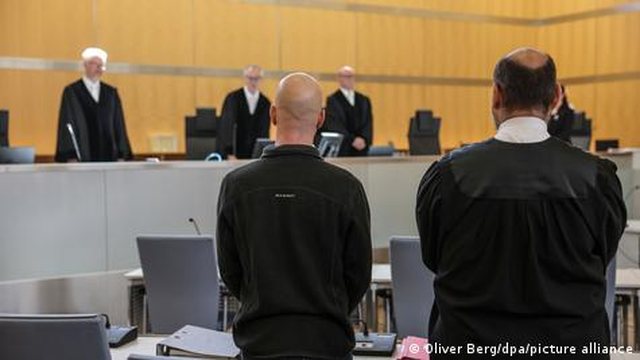
Since the start of the Russian invasion of Ukraine in February 2022, several secret Russian spies have been discovered in the Netherlands, Greece, Norway and Slovenia. This includes a Russian who pretended to be Brazilian, studied at universities in Ireland and the US before moving to the Netherlands. He began his practice there - at the International Criminal Court.
A university researcher was arrested in Tromsø, Norway, who was dealing with the geopolitical importance of the Arctic region. He too claimed to be a native Brazilian. In December 2022, a married couple with children were arrested in the Slovenian capital, Ljubljana. This couple is believed to have followed the work of other Russian "illegals" in Europe and supported them financially by supplying them with money. During the search, investigators found surprisingly large amounts of money (cash). The German Office for the Protection of Constitutional Order assisted the authorities Slovenian in discovering the contacts of this spy couple and their travels in Germany. The arrested, who claimed to be originally from Namibia, visited, for example, an IT fair in southern Germany. His wife, allegedly from Argentina, ran one gallery and worked, among others, with artists from Germany.
According to the Office for the Protection of the Constitutional Order, Russia conducts extensive espionage activities in Western Europe: "We assume that Russia uses a full arsenal of every espionage tool you can imagine, including the assassination of opponents," Haldenwang said. For several weeks, European intelligence services have increasingly warned of sabotage and fires, which could be caused by Russian spies. There have already been several arrests in Poland. Two people were arrested in Bavaria on suspicion of espionage. They are also accused of planning sabotage to cut off military support for Ukraine.
The head of the Office for the Protection of the Constitutional Order says that Germany is "in the focus of the intelligence work of the Russian services". According to him, information about defense policy, weapons policy, support for Ukraine or sanctions against Russia is of interest. "Everything it needs to be clarified and appropriate efforts are being made in this regard," Haldenwang said. "We will strongly oppose this."
"Illegals" are, according to the assessments of security circles, more important for Russia at this moment than ever. Because, since the Russian attack on Ukraine until today, hundreds of employees of Russian embassies have been expelled from Europe. This significantly reduced the number of persons who can spy for Russia with the protection given by the diplomatic immunity. According to the predictions of the security services, Russia will increasingly rely on illegal spies, who, without being noticed, are already in Europe , "Russian illegals" also invade European intelligence communities. Projects are developing strategies to detect such spies. For example, by recognizing some patterns in legends, or fake biographies of Russian spies.
The "illegal" espionage program in the USSR was created shortly after the founding of the Soviet Union in 1922. The KGB then sent spies with fake biographies around the world to gather information, spy on dissidents and opposition figures. After the end of the Cold War, this espionage was continued by the new Russian foreign intelligence service SVR. In addition, the Russian military intelligence service GRU has again used "illegals" for several years. European security services believe there is also some kind of "Illegal Light" program in Russia, where spies are trained for a shorter time and given less detailed fake biographies so they can be hired more quickly - undercover , for example, as students or businessmen.
According to information from WDR and NDR, Russia still uses a classic tool for spies operating illegally, which looks like a relic from the Cold War: shortwave radio communication. In this way, the tasks are passed on to the spies. These messages, in principle, can be heard by anyone, which makes it difficult to identify the real recipients. Messages are encrypted and can only be read with the correct decryption code. Since the beginning of the aggression against Ukraine, the activity of these radio stations attributed to Russia has increased. This is an indication that perhaps the spies who have already been in office are taking on new tasks or that the number of illegals has increased significantly in recent years./ DW

The House of Representatives voted Wednesday that Atto...
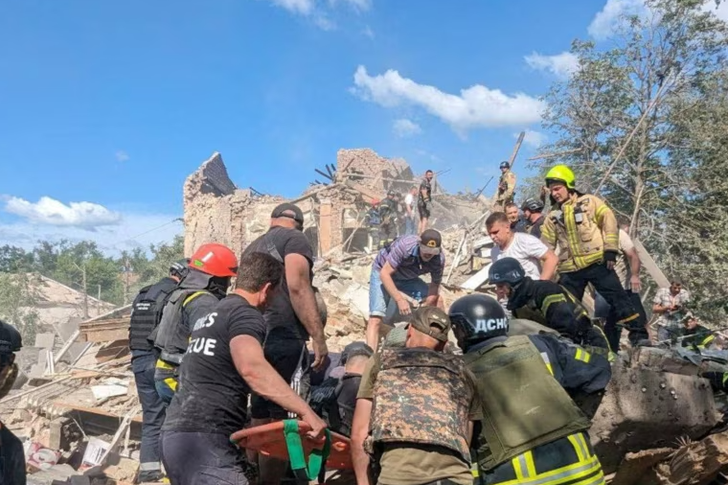
A Russian ballistic missile attack on the Ukrainian city o...

A fleet of Russian warships arrived in Cuban waters on...

Human rights experts commissioned by the United Nation...
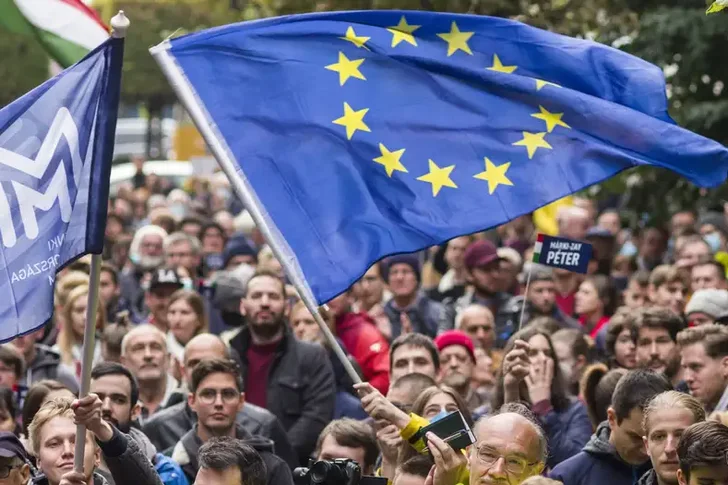
The upheaval in Europe is great: in the most important EU ...
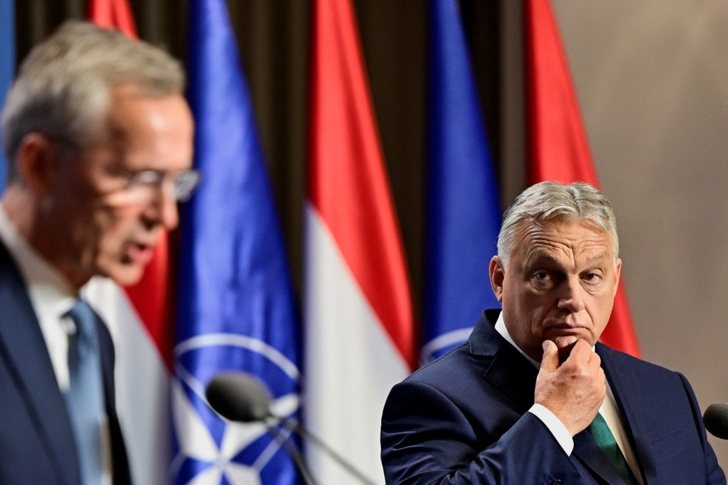
NATO chief Jens Stoltenberg says Hungary has agreed not to...
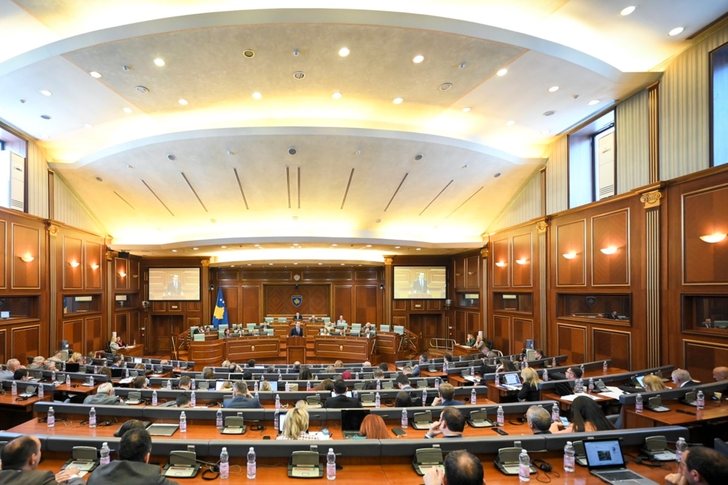
The Assembly of Kosovo is holding a solemn session on June...

Kosovo today marks the 25th anniversary of the Day of ...
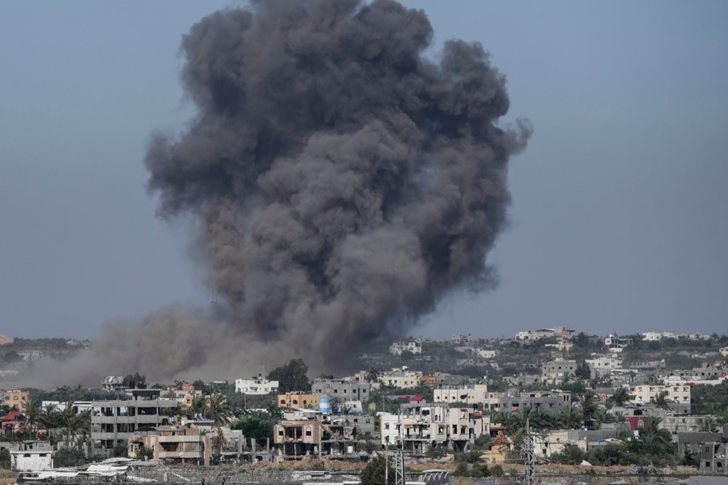
Hamas - the Palestinian group designated a terrorist o...
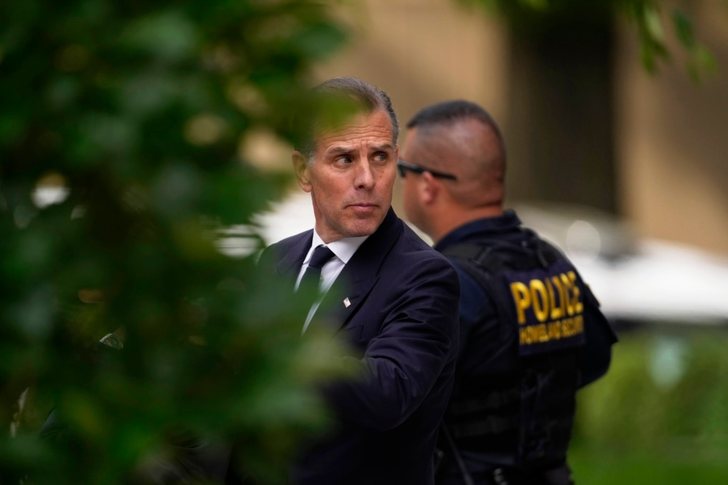
President Joe Biden's son, Hunter Biden, pleaded guilt...

Hunter Biden pleaded guilty Tuesday to three felonies ...

The special envoy of the European Union for the Kosovo...
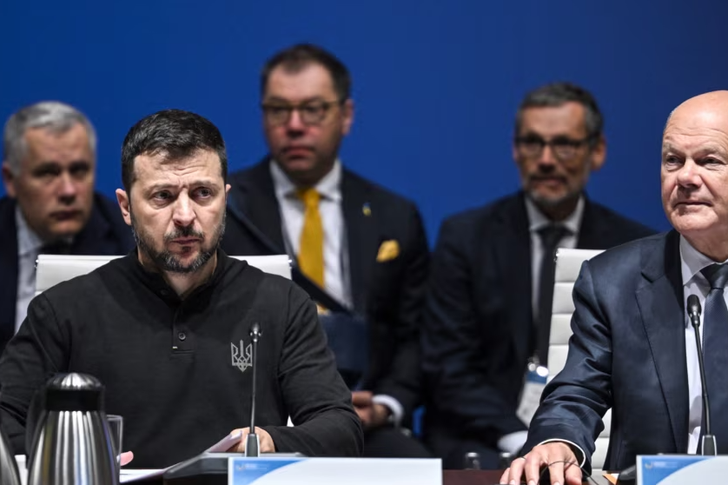
A two-day conference on the recovery of Ukraine started to...
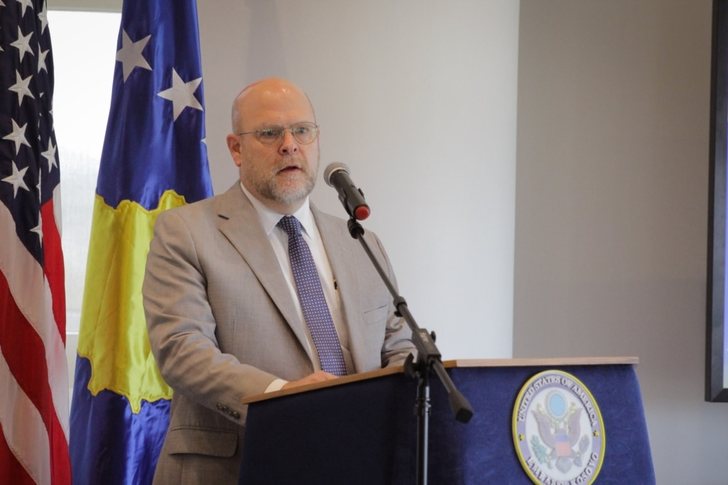
The Ambassador of the United States in Kosovo, Jeffrey...

The threat of Islamic terrorist attacks in Germany is ...
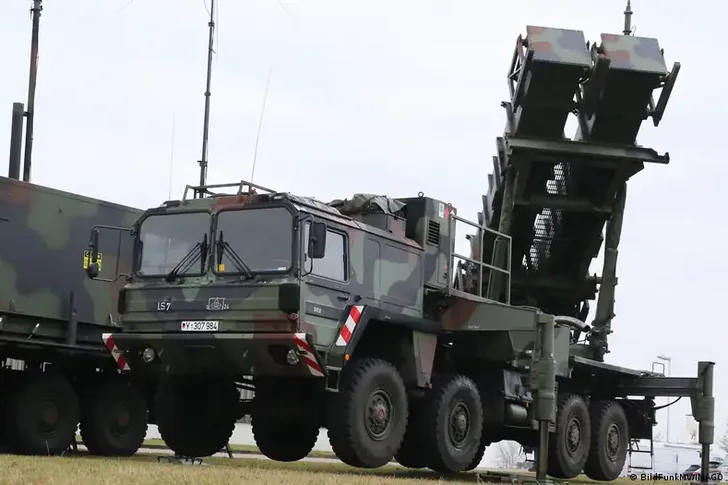
The German federal government has long hesitated: Shou...
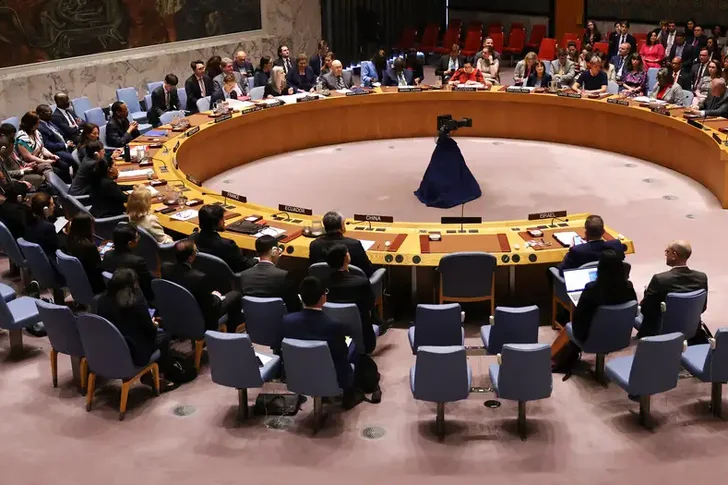
A plan presented by US President Joe Biden for a cease...

Two brothers from Kosovo have forged all the papers th...

A prosecutor said Monday that "no one is above the law...

The joint "all-Serbian" declaration between Serbia and...

CNA has launched another investigation that could lead to ...

Irfan Hysenbelliu is a businessman that we call "Irfan the...

In March 2026, CNA launched another investigation centered...
The arrested mayor of Tirana, Erion Veliaj, with 13 charge...

The Special Board of Appeal (KPA) decided this Monday ...

The KPA vetting decided this Thursday to dismiss the p...

Suela Salavaçi, a prosecutor in the Prosecutor's Offic...

The Special Board of Appeal reinstated the prosecutor ...
A road accident occurred this evening on Nikolla Zoraqi St...
Three people were shot and wounded in Elbasan last night b...
A serious incident occurred this Tuesday in the Yrshek are...

An accident occurred this Tuesday on "Dituria" street in K...

This Wednesday, our country will be under the influence of...

All of Southern Europe will face changing weather conditio...

Albania was hit by temperatures significantly higher than ...

For the first time, Pogradec welcomed the Inter-Lake Chess...

Prime Minister Andy Burnham has announced that most bus fa...

France's parliament has passed a law to ban social media f...

US Secretary of State Marco Rubio arrived in Manila on Jul...
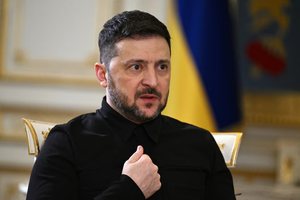
In the space of a few days, Ukrainian President Volodymyr ...

At a time when industrial products are increasingly taking...

Trust among people is not just a three-syllable word. It c...

Master of humor Todi Llupi has passed away at the age of 7...

The ninth edition of "MIK Festival" kicked off with one of...

Businesses will no longer be required to simply register t...

Despite economic growth and income in recent years, Albani...

This Wednesday, one US dollar is bought for 81.4 lek and s...

Construction company licenses will have a validity period ...