

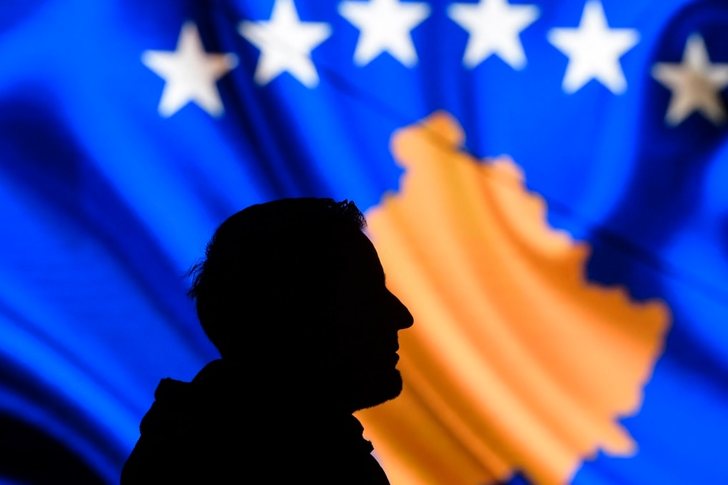
Migration and the decline in the birth rate shrink the population in Kosovo
Migration and the decline in the birth rate in Kosovo are ...


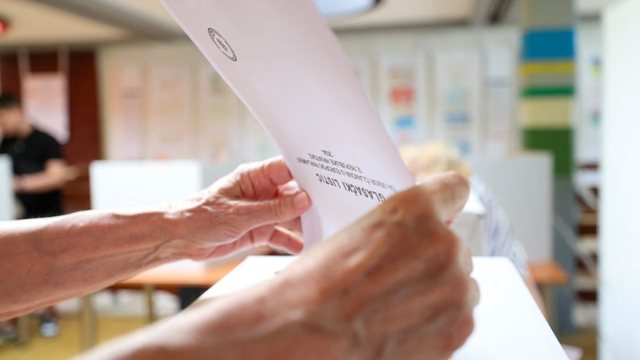
Far-right parties appear to have made significant gains in Germany and Austria in Sunday's European Parliament elections, according to some polls.
Thus, these two countries join the Netherlands, which gives the first signs that the turn to the right will happen in this EU institution.
The centre-right party, the European People's Party (EPP), is expected to be the largest political group in the European Parliament again, and its candidate, Ursula von der Leyen, will have another term at the head of the EU.
However, she may need the support of right-wing nationalists such as Italian Prime Minister Giorgia Meloni's Brotherhood of Italy party to secure a majority in Parliament.
The far-right Alternative for Germany party is second with 16.5 percent of the vote, compared to 11 percent in the 2019 election, according to a poll published by public broadcaster ARD.
The three parties participating in the coalition of the German chancellor, Olaf Scholz, have lost votes compared to the past, according to polls.
The results are in line with the already expected changes in favor of the right-wing parties in the European Parliament, which covers the 450 million inhabitants of the European bloc.
Meanwhile in Austria, the Freedom Party, also of the extreme right, is expected to win the elections in this country, according to polls.
Polls in the Netherlands, whose residents voted on Thursday, show that the nationalist and anti-immigration party Geert Wilders is expected to win seven of the country's 29 seats in the European Parliament.
The new European Parliament is expected to have softer policies in the fight against climate change and more support for measures to limit migration in the European bloc.
The parliament may be even more divided, which will make it difficult to pass any important decision, as the EU faces a hostile Russia and increased rivalry with China, in the field of industry.
This means that the German chancellor, Olaf Scholz, and the French one, Emmanuel Macron, will be weaker.
Voting started on Thursday in the Netherlands and in some other countries on Friday and Saturday, but most EU residents voted on Sunday.
The European Parliament votes on legislation that is key for citizens and businesses in the bloc with 27 member countries./ REL

Migration and the decline in the birth rate in Kosovo are ...
A Greek candidate for the European Parliament was arre...
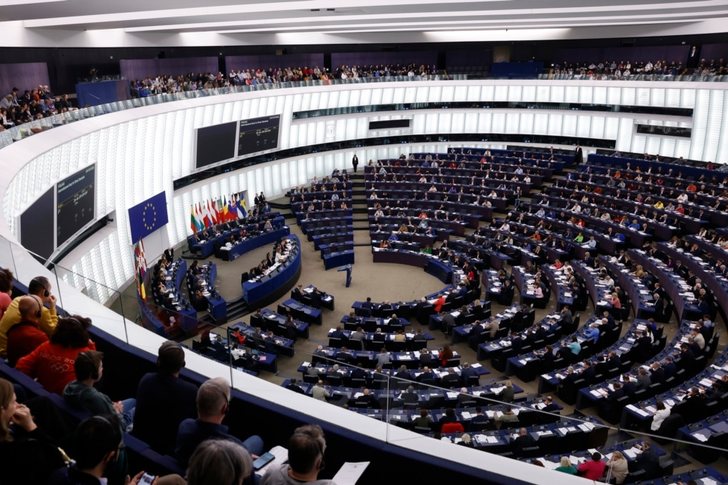
Tens of millions of people across the European Union are v...
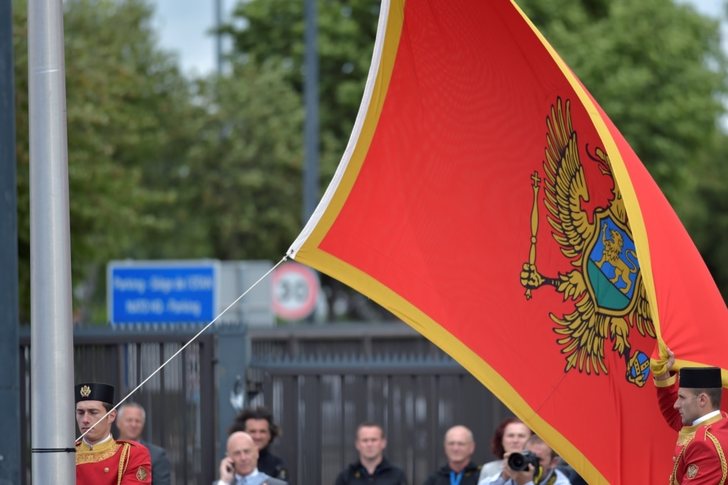
Analysts in Montenegro appreciate the support of the Europ...
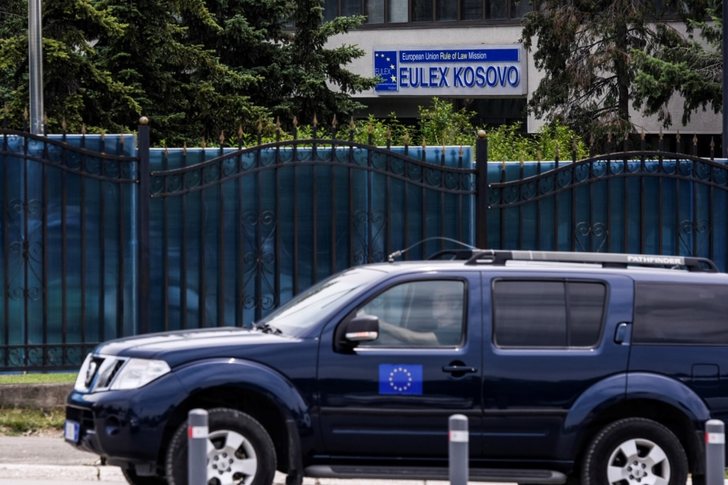
The head of the mission of the European Union for the rule...
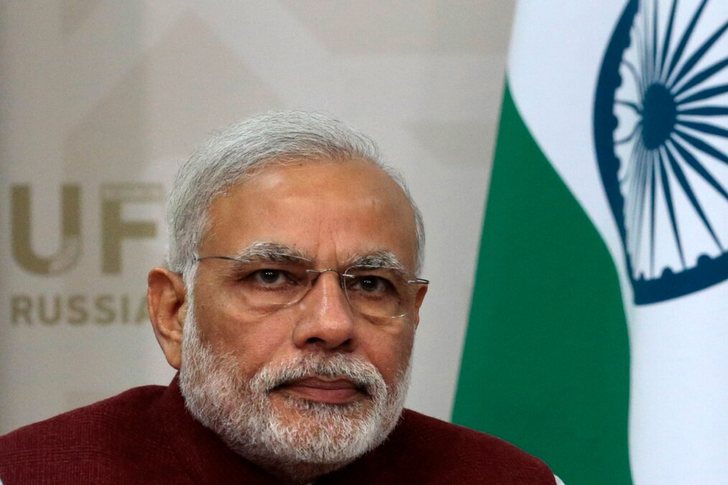
Narendra Modi, leader of the Hindu nationalist Bharatiya J...
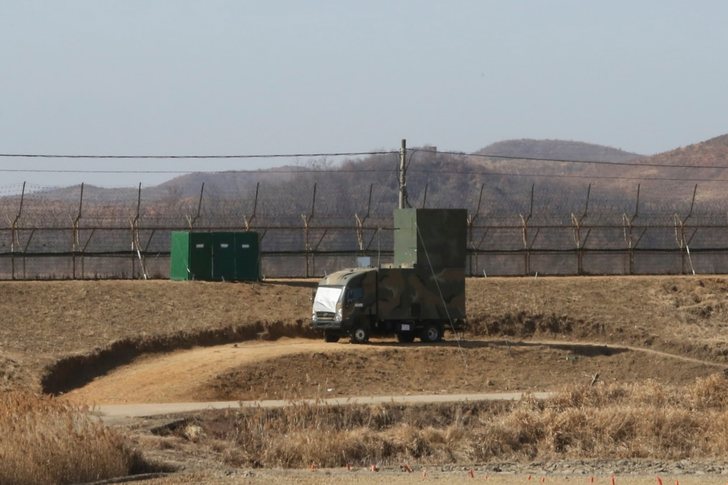
South Korea resumed megaphone propaganda broadcasts agains...
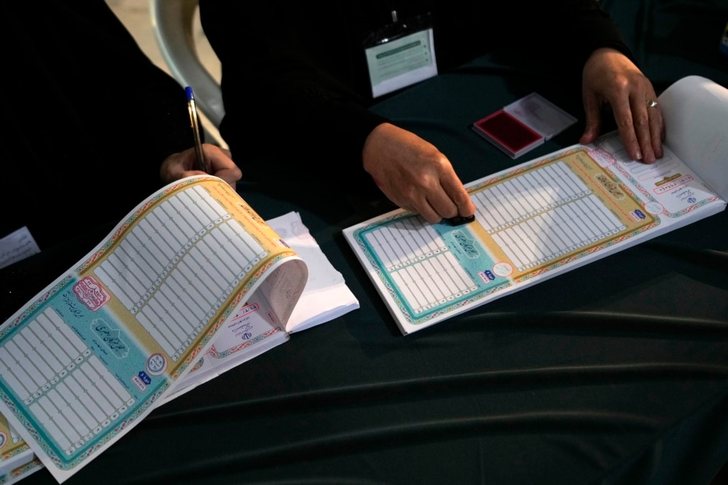
Iran has announced the names of six candidates - mostly co...
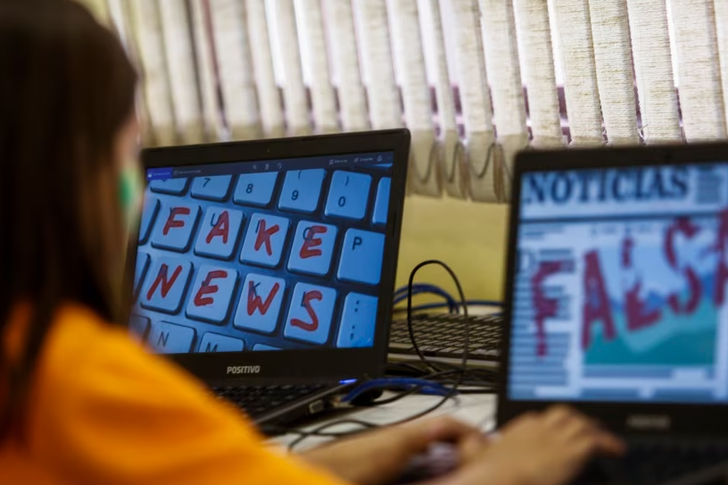
The Western Balkans is facing disinformation from Russ...
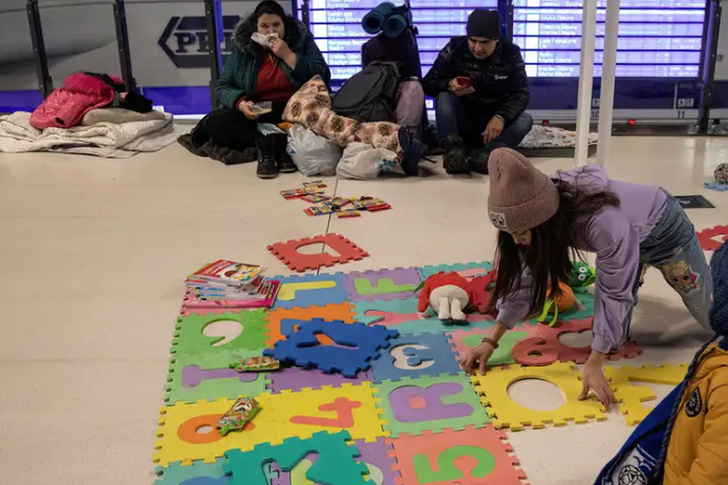
More than 13,000 children from Ukraine are growing up with...
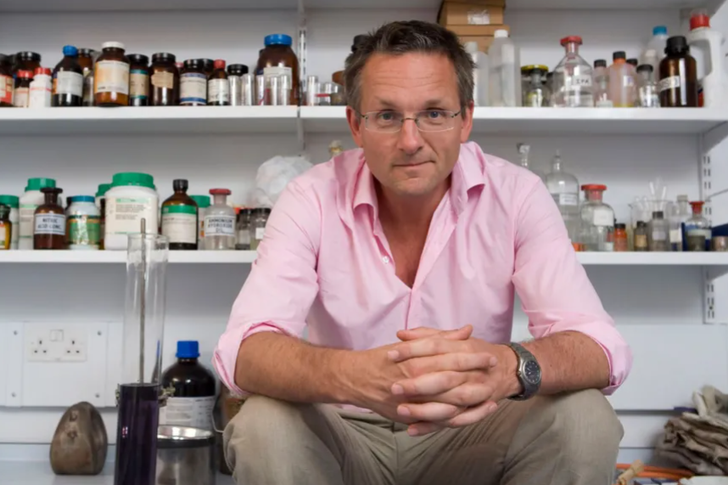
The dead body of the well-known TV and radio presenter...
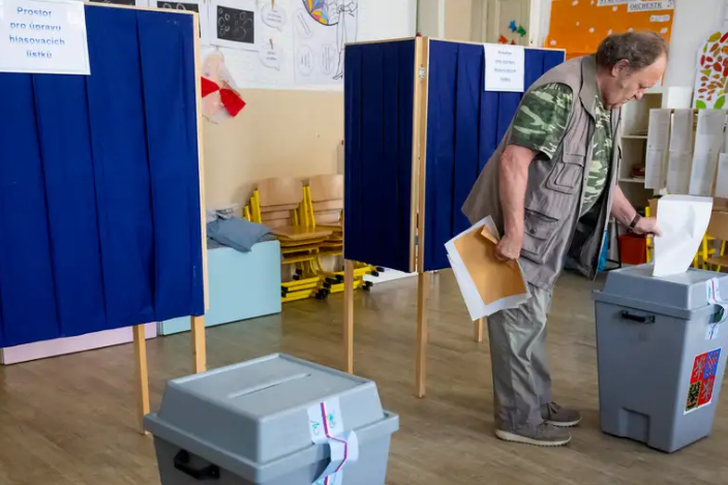
The EU elections enter the decisive phase on Sunday. What ...
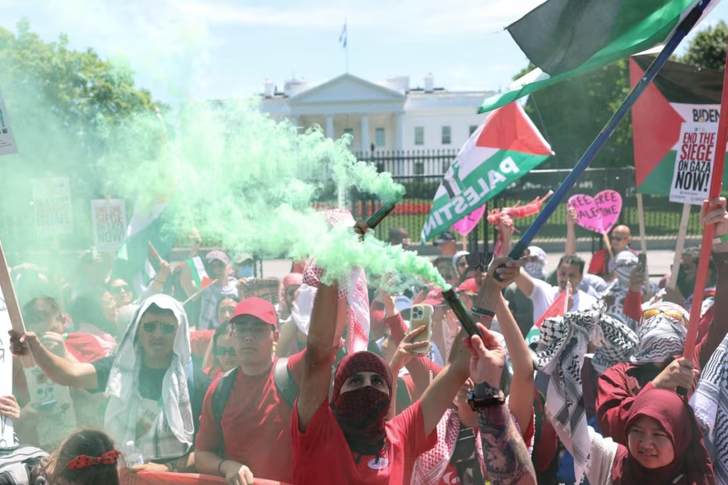
Pro-Palestinian activists demanded over the weekend an...

During an attack in Gaza on Saturday, Israeli forces r...
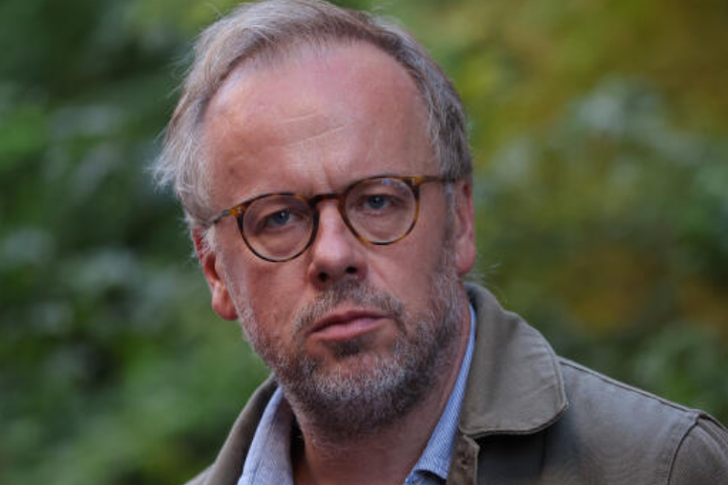
The Director General of Reporters Without Borders, Chr...
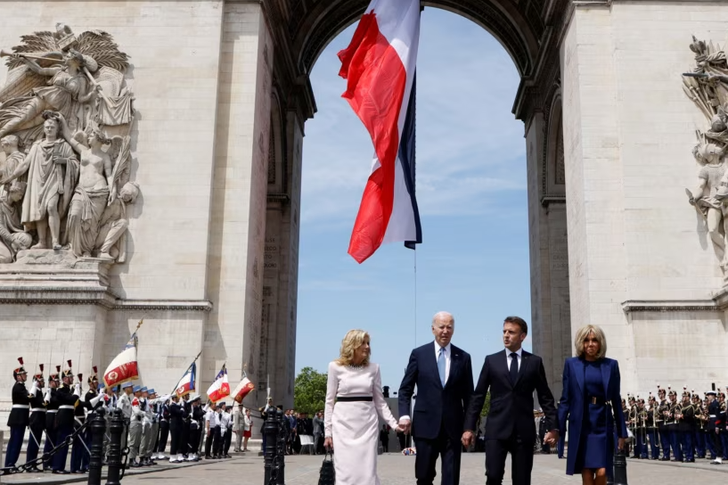
President Joe Biden is today in Paris where he was receive...

Four Israeli hostages kidnapped by Hamas from the Nova mus...
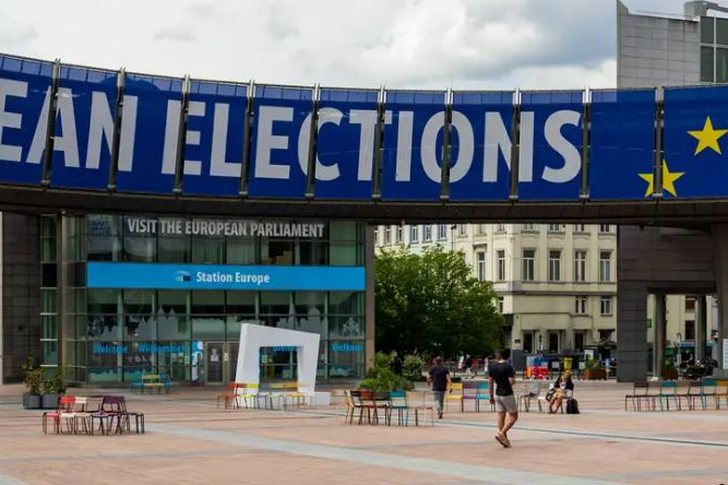
The enlargement of the European Union is not one of the ma...
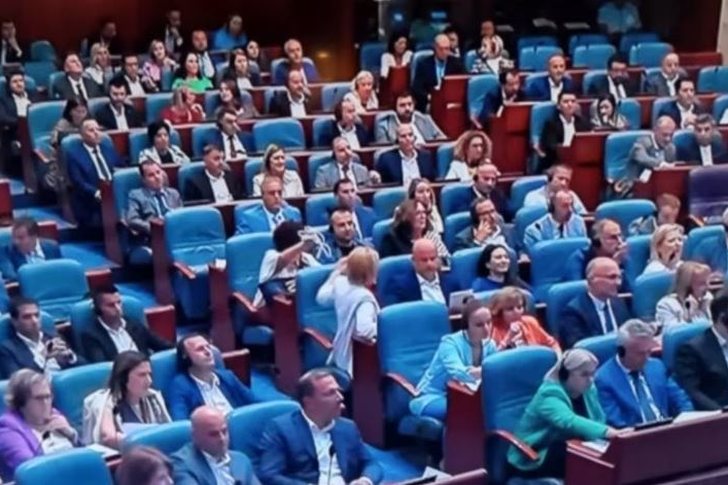
With 88 votes for and 22 against, the Assembly of North Ma...
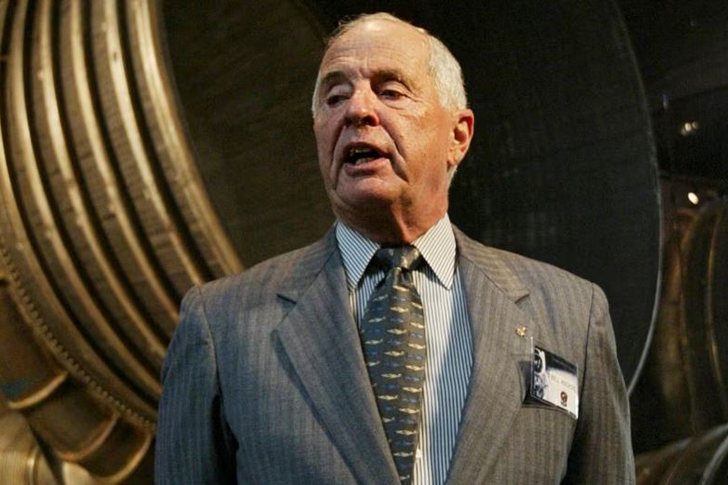
American Apollo 8 astronaut Bill Anders, who took one of t...
CNA has launched another investigation that could lead to ...

Irfan Hysenbelliu is a businessman that we call "Irfan the...
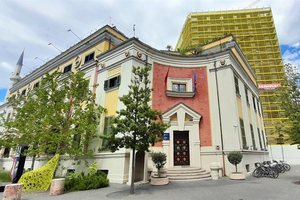
In March 2026, CNA launched another investigation centered...
The arrested mayor of Tirana, Erion Veliaj, with 13 charge...

The Special Board of Appeal (KPA) decided this Monday ...

The KPA vetting decided this Thursday to dismiss the p...

Suela Salavaçi, a prosecutor in the Prosecutor's Offic...

The Special Board of Appeal reinstated the prosecutor ...
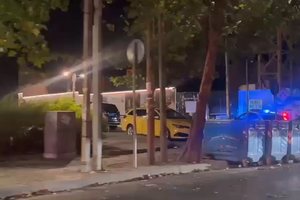
A road accident occurred this evening on Nikolla Zoraqi St...
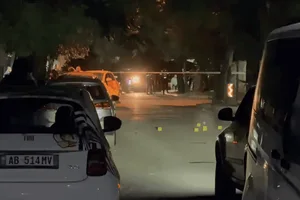
Three people were shot and wounded in Elbasan last night b...
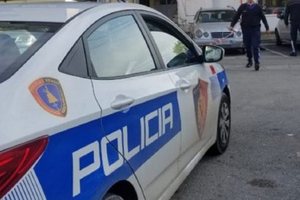
A serious incident occurred this Tuesday in the Yrshek are...
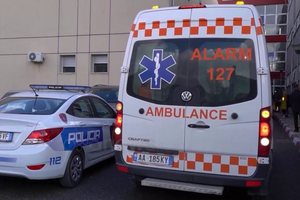
An accident occurred this Tuesday on "Dituria" street in K...

This Wednesday, our country will be under the influence of...
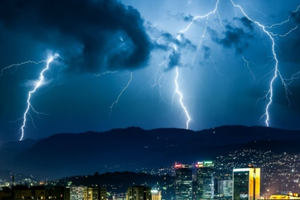
All of Southern Europe will face changing weather conditio...
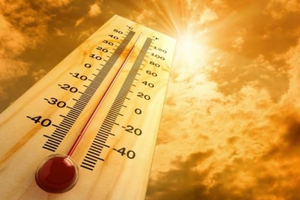
Albania was hit by temperatures significantly higher than ...

For the first time, Pogradec welcomed the Inter-Lake Chess...
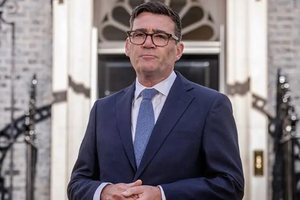
Prime Minister Andy Burnham has announced that most bus fa...

France's parliament has passed a law to ban social media f...

US Secretary of State Marco Rubio arrived in Manila on Jul...
In the space of a few days, Ukrainian President Volodymyr ...
At a time when industrial products are increasingly taking...

Trust among people is not just a three-syllable word. It c...

Master of humor Todi Llupi has passed away at the age of 7...

The ninth edition of "MIK Festival" kicked off with one of...

Businesses will no longer be required to simply register t...

Despite economic growth and income in recent years, Albani...
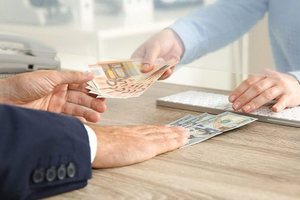
This Wednesday, one US dollar is bought for 81.4 lek and s...
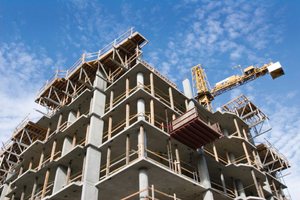
Construction company licenses will have a validity period ...