


The candidate for MEP in Greece is arrested
A Greek candidate for the European Parliament was arre...


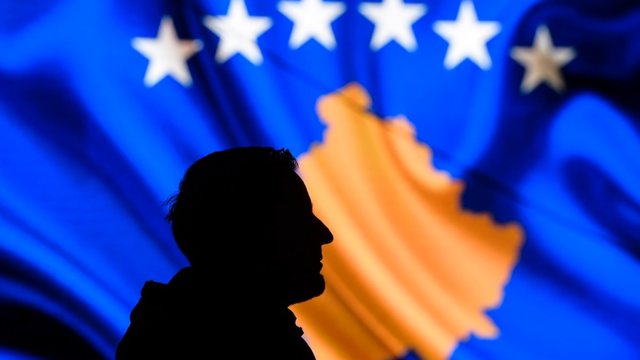
Migration and the decline in the birth rate in Kosovo are considered by experts to be among the main factors that have influenced the shrinking of the country's population.
The final data of the population census is expected to be published in July, but according to the preliminary data published last month by the Statistics Agency, the number of the population in Kosovo has decreased by about eight percent.
"In the first place is the external migration of the population, then we have the birth rate that has started to fall in Kosovo as in all countries in the region but also beyond. Then we have the aging of the population, that is, the increase in life expectancy that affects the aging of the population and we have other factors that are economic and that result in demographic changes", said in a conversation with the Voice of America, Visare Mujko Nimani from the UNFPA office in Kosovo.
A survey conducted by the GAP Institute for Advanced Studies at the end of last year revealed that 27 percent of citizens in Kosovo have plans to emigrate.
Blend Hyseni from this institute told the Voice of America that these figures are worrying since the flight of citizens directly affects the labor market in Kosovo.
"In the period 2012 - 2022, about 340 thousand citizens have emigrated from Kosovo, these are official figures. Only in the last two years for which we have official figures, there are somewhere around 41 thousand citizens who have emigrated from Kosovo to other countries of the European Union, mainly Germany or Switzerland", he said.
Mr. Hyseni says that the sectors with the highest tendency for migration are production and construction, which are very important for the country's economy.
"From what we have identified, the economic conditions or aspects still dominate why citizens are deciding to flee from Kosovo. So bad wages, bad conditions are the main reasons that still prevail. These are well argued because we have seen that the labor market in Kosovo, especially the private one, has been very rigid in terms of adapting salaries to living conditions. So at a time when the cumulative inflation has continued to rise from 20 percent, 30 percent and salaries have remained at the level of 300 or 400 euros, this has continuously increased the dissatisfaction of the citizens", he says.
The expert in the field of Economics, Lekë Musa, says that the migration of the most productive part of the population has multiple effects on the economy of Kosovo.
"It will have a direct impact on any businessman who is thinking of starting a process of either production or service, because it will be very difficult to find qualified workers. In the countries of the region, we have an emigration of the working class from Asian countries to replace some jobs, but it is not a solution because in some way the country invests to raise and create human capital and this human capital created in the country is withdrawn for free. let's say from other countries of the European Union". , he says.
The prevention of migration, says Mr. Musa, represents Kosovo's main emergency in economic terms.
"Therefore, everything must be undertaken to turn the country into an attractive place for investors, political problems must be chosen precisely because of this urgency, because of the emptying of the country. This is because if this trend of emptying and escaping potential continues, then it will be very difficult to have a good basis for economic development", he says.
Policy changes to prevent migration should start now, says Visare Mujko Nimani from the UNFPA office in Kosovo.
"In the first place, let's see how we can manage migration and that, for example, with various policy incentives that would influence the return of our diaspora or the population that has emigrated to return to Kosovo and operate here or create businesses that will increase the employment of young people", she says.
Mrs. Mujko Nimani considers the implementation of what she calls 'friendly policy for young families' to be essential.
"Which can be stimulated, for example, by tax exemptions, either by stimulating the provision of housing, child care and flexible hours, parental leave, paternity leave, family leave which would enable the flexibility of family members in the balance between work and family", she says.
Mr. Hyseni recommends increasing wages in the private sector, where three quarters of all employees in Kosovo are employed.
"If this would also fit with a government commitment to improve the conditions at the labor inspectorate, to improve the health and education sectors, I think it may be the last time to react and maybe change the minds of the citizens so that they don't run away from Kosovo", he says.
According to preliminary data from the Statistics Agency, about one million and 600 thousand inhabitants participated in the population census process in Kosovo. In the last registration process that took place 13 years ago, one million and 740 thousand inhabitants participated./ VOA

A Greek candidate for the European Parliament was arre...
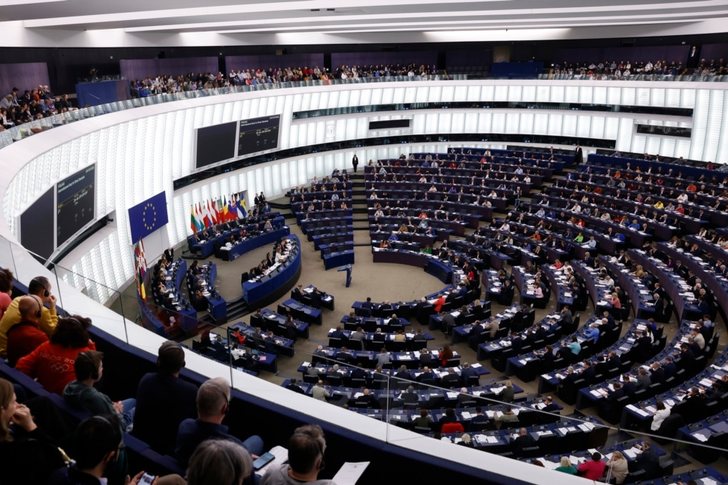
Tens of millions of people across the European Union are v...

Analysts in Montenegro appreciate the support of the Europ...
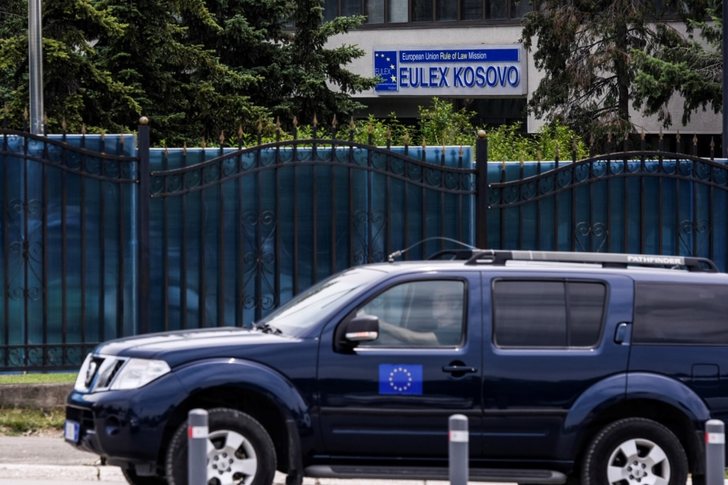
The head of the mission of the European Union for the rule...
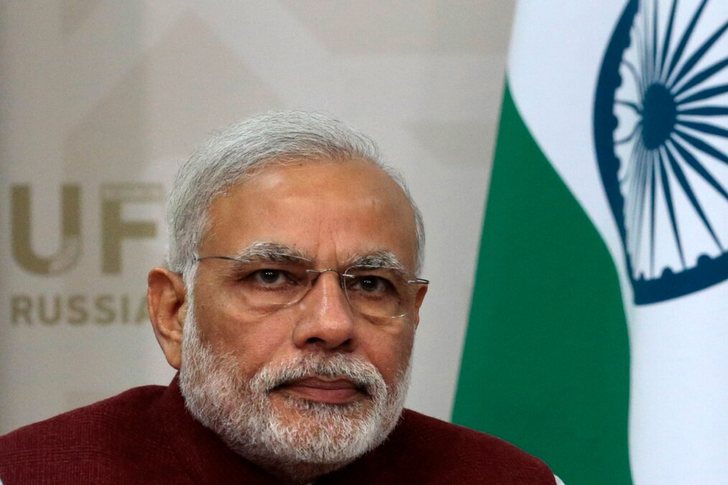
Narendra Modi, leader of the Hindu nationalist Bharatiya J...
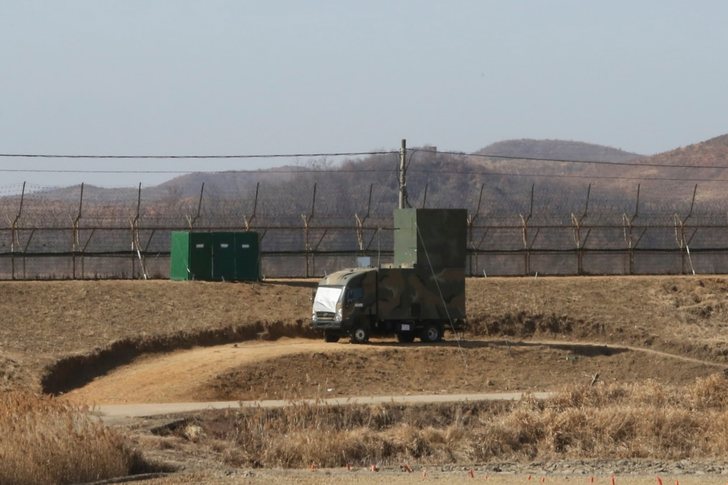
South Korea resumed megaphone propaganda broadcasts agains...
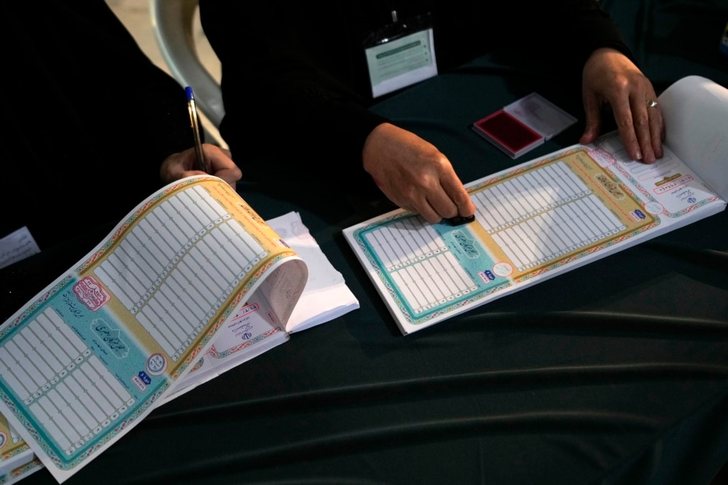
Iran has announced the names of six candidates - mostly co...
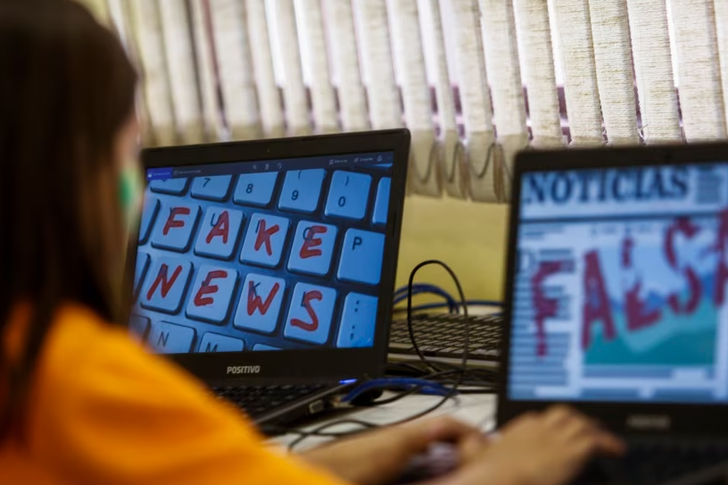
The Western Balkans is facing disinformation from Russ...
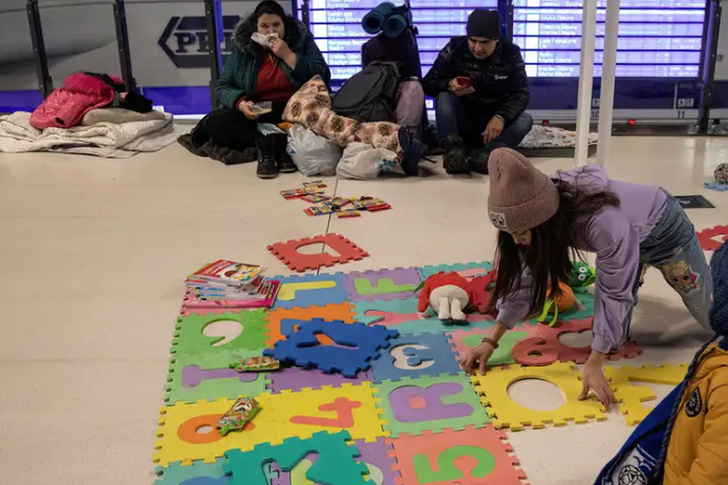
More than 13,000 children from Ukraine are growing up with...
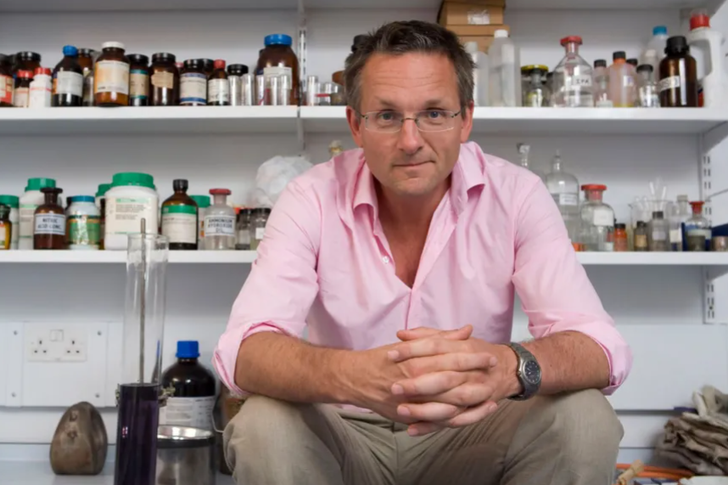
The dead body of the well-known TV and radio presenter...
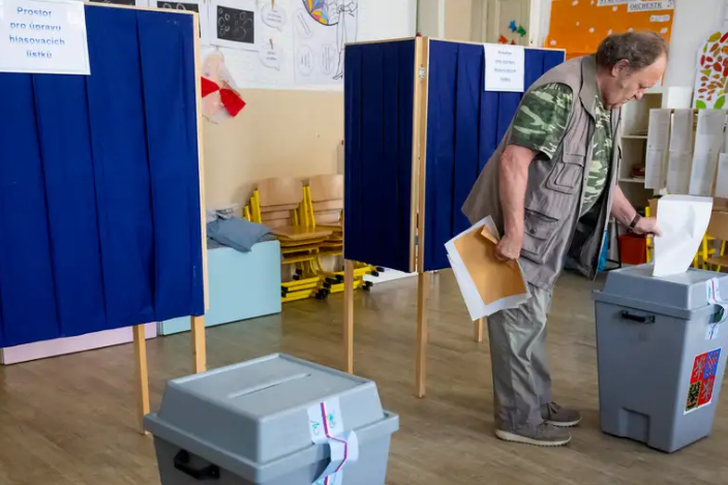
The EU elections enter the decisive phase on Sunday. What ...
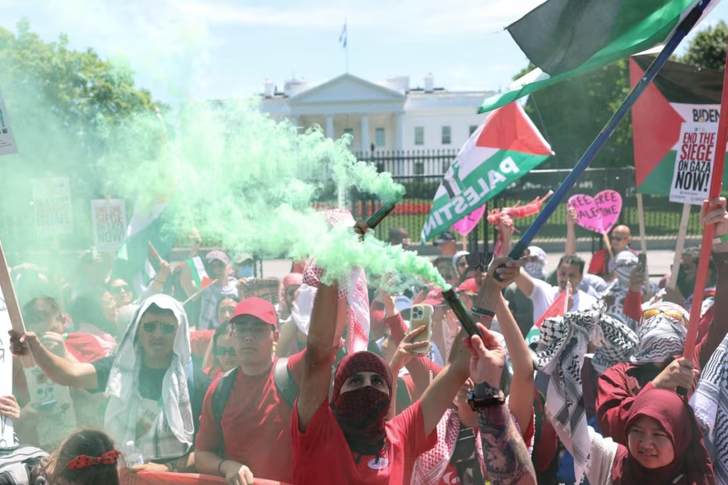
Pro-Palestinian activists demanded over the weekend an...

During an attack in Gaza on Saturday, Israeli forces r...
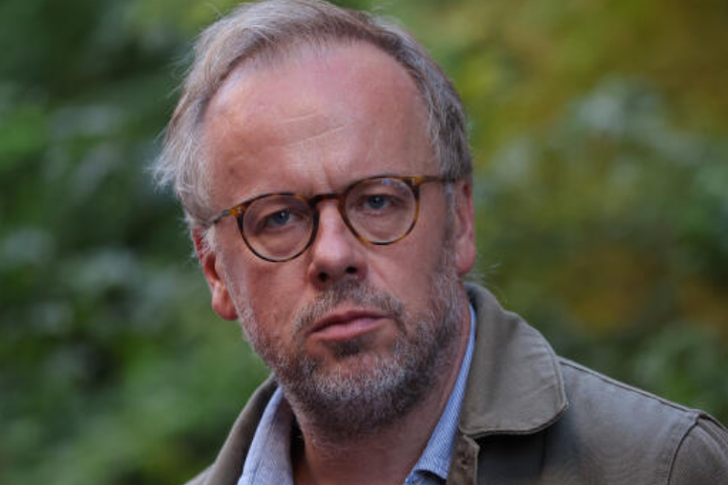
The Director General of Reporters Without Borders, Chr...

President Joe Biden is today in Paris where he was receive...

Four Israeli hostages kidnapped by Hamas from the Nova mus...
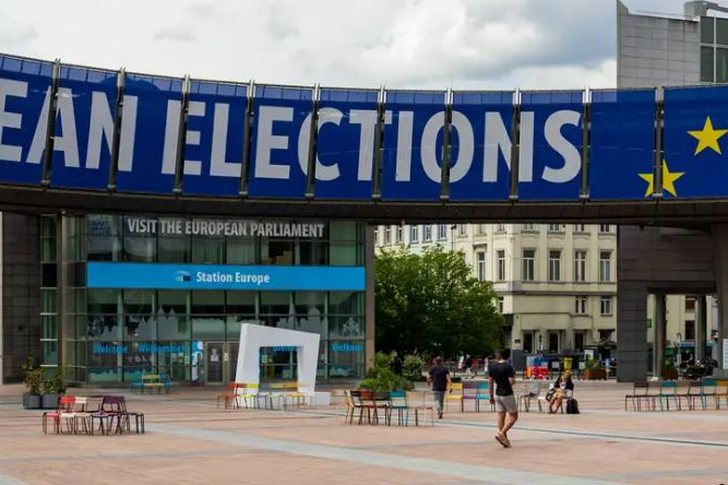
The enlargement of the European Union is not one of the ma...

With 88 votes for and 22 against, the Assembly of North Ma...
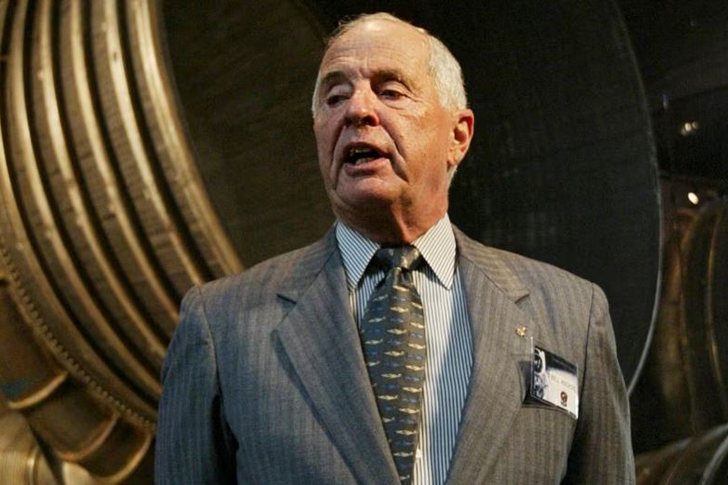
American Apollo 8 astronaut Bill Anders, who took one of t...
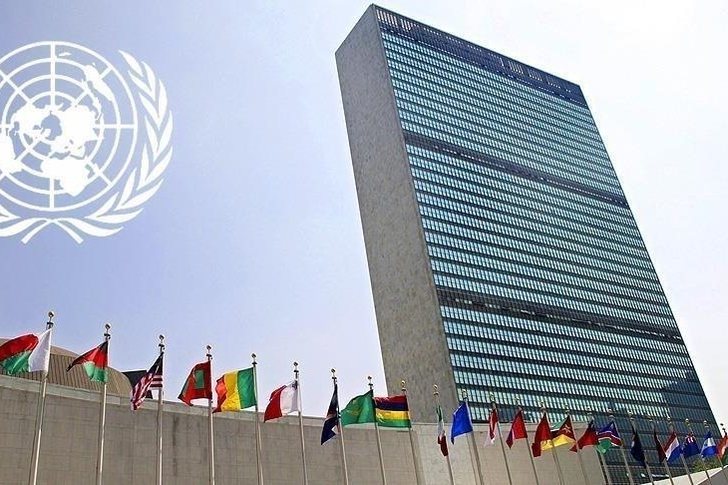
The UN has added the Israeli army to the list of violators...

CNA has launched another investigation that could lead to ...

Irfan Hysenbelliu is a businessman that we call "Irfan the...

In March 2026, CNA launched another investigation centered...
The arrested mayor of Tirana, Erion Veliaj, with 13 charge...

The Special Board of Appeal (KPA) decided this Monday ...

The KPA vetting decided this Thursday to dismiss the p...

Suela Salavaçi, a prosecutor in the Prosecutor's Offic...

The Special Board of Appeal reinstated the prosecutor ...

A road accident occurred this evening on Nikolla Zoraqi St...

Three people were shot and wounded in Elbasan last night b...

A serious incident occurred this Tuesday in the Yrshek are...

An accident occurred this Tuesday on "Dituria" street in K...

This Wednesday, our country will be under the influence of...

All of Southern Europe will face changing weather conditio...

Albania was hit by temperatures significantly higher than ...

For the first time, Pogradec welcomed the Inter-Lake Chess...

Prime Minister Andy Burnham has announced that most bus fa...

France's parliament has passed a law to ban social media f...

US Secretary of State Marco Rubio arrived in Manila on Jul...
In the space of a few days, Ukrainian President Volodymyr ...

At a time when industrial products are increasingly taking...

Trust among people is not just a three-syllable word. It c...

Master of humor Todi Llupi has passed away at the age of 7...

The ninth edition of "MIK Festival" kicked off with one of...

Businesses will no longer be required to simply register t...

Despite economic growth and income in recent years, Albani...

This Wednesday, one US dollar is bought for 81.4 lek and s...

Construction company licenses will have a validity period ...