


Bad weather in the country/ Electrician loses his life
The bad weather that swept the country on Tuesday evening ...

The bad weather that swept the country on Tuesday evening ...

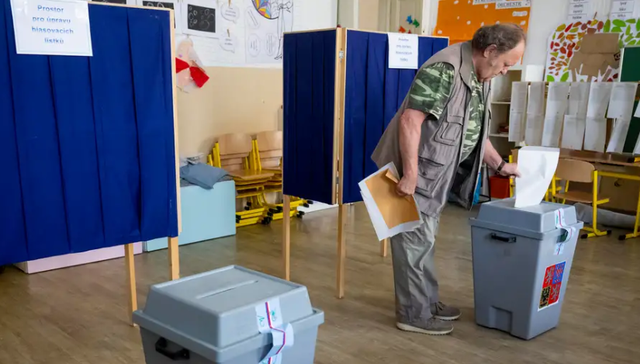
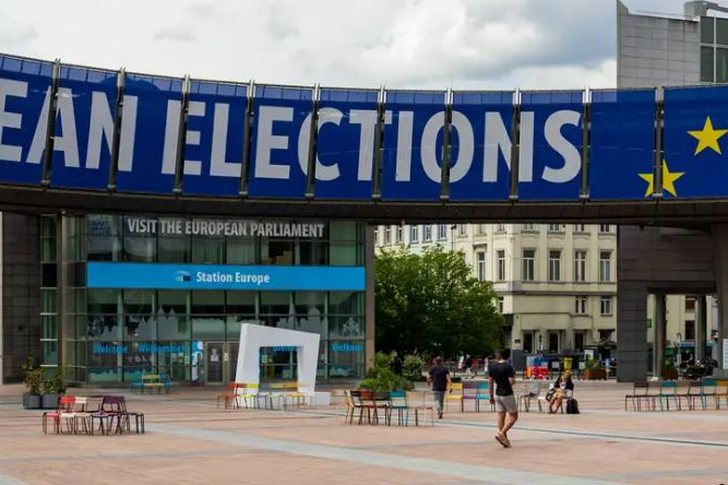
The EU elections enter the decisive phase on Sunday. What important issues concern Europeans and what will happen next?
Since Thursday, Europeans are electing the new EU Parliament for the tenth time. About 360 million eligible voters decide for 720 representatives from 27 EU countries. While the first results are already coming from several countries, such as the Netherlands and Ireland, as well as in 20 other countries, where the vote is given for the new European Parliament and the policies of the next five years.
Each country in the European Union is represented by a certain number of MEPs - depending on the size of the country, but not so much in proportion to its population. As the most populous member state, Germany is represented by 96 members. Smaller member states such as Malta, Luxembourg and Cyprus send six each. What are the topics that concern Europeans?
Peacekeeping, social security and migration are the three most important aspects for Germans in this European election, according to the ARD Deutschlandtrend poll from the end of May. At the EU level, for Europeans, the most important election issues are the fight against poverty and health care. After that, according to the Eurobarometer in April, the strengthening of the economy, the creation of new jobs and the security and defense policy in the EU come.
What are the most important tasks of the European Parliament?
In many areas such as environmental protection, migration policy and economic policies, the EU Parliament is one of the two legislators. MEPs must decide on new EU laws always together with the Council of the European Union, the representative body of the 27 member states. In other areas, such as security and defense policy, the EU Parliament is simply informed and has a consultative function. The EP itself cannot propose laws as a rule, this is the task of the European Commission.
Over 70 percent of Europeans said in the Eurobarometer survey that the EU affects their daily lives. However, turnout in EU elections is traditionally low. In 2019, after a long time, it reached the figure of 50 percent again. In Germany, turnout was substantial, over 61 percent. For the first time in Germany, young people aged 16 and over are allowed to vote in these elections.
After the votes, the competition for the most important posts begins
A week after the elections, on June 17, EU leaders meet at the European Council in Brussels. On the agenda is the election of key positions in the EU, including the President/President of the EU Commission. The EU treaties stipulate that this EU summit must nominate the candidates.
In general, the "principle of the leading candidate" applies, according to which the party with the largest number of votes takes the presidency of the EU Commission. If the heads of state and government follow this principle, Ursula von der Leyen, the current president and the candidate of the European People's Party (EPP), would have the best chance of remaining in charge of the EC, according to recent polls, however, after the EU elections in 2019, when von der Leyen took over , the heads of state did not apply this principle.The next president of the Commission is then elected by the EU Parliament with a simple majority.
Meanwhile, the shopping has started
The negotiations to reach the majority have long started in Brussels. Current EC president Ursula von der Leyen said in a televised debate that she would work with MEPs who clearly support Europe and the rule of law - and who support Ukraine. She also included right-wing Italian populist Prime Minister Giorgia Meloni. But von der Leyen ruled out cooperation with the French "Rassemblement National" party, the right-wing nationalist party led by Marine Le Pen. The parties of these two politicians, Meloni and Le Pen, previously belonged to different party families. Meloni's ultra-right brothers in Italy are part of the "European Conservatives and Reformers" group, while Le Pen's party is in the right-wing ID (Identity and Democracy) group. Approaching the right-wing camp is not without risk for von der Leyen, because other party groups, such as the Social Democrats, may refuse to vote for the German politician. The German Social Democratic Party, SPD has meanwhile sent the first warnings.
If there is to be a rightward turn in the EU, as many have warned these months, it also depends on whether Europe's right-wing and ultra-right populist and nationalist parties can come together. Marine Le Pen is pursuing this goal, because, according to forecasts, these parties could then form the second strongest force in the EU Parliament after the EPP. But this is not certain.
The newly elected new parliament will meet for the first time in Strasbourg on July 16. Until then, it will be crystallized how and in which parliamentary groupings the new MPs will join./ DW

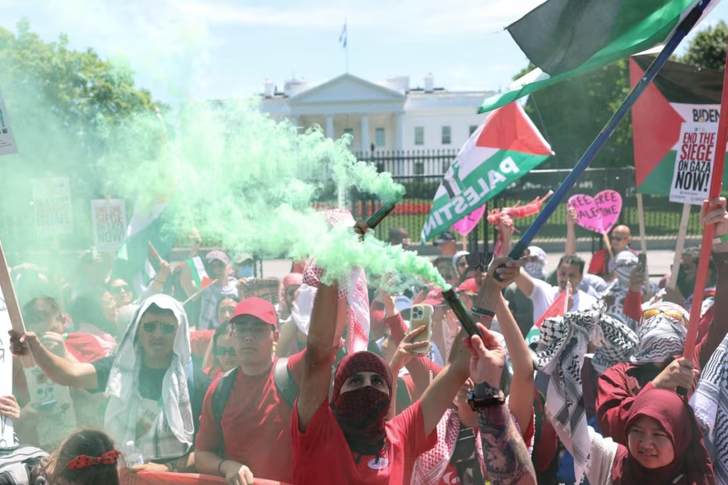
Pro-Palestinian activists demanded over the weekend an...

During an attack in Gaza on Saturday, Israeli forces r...
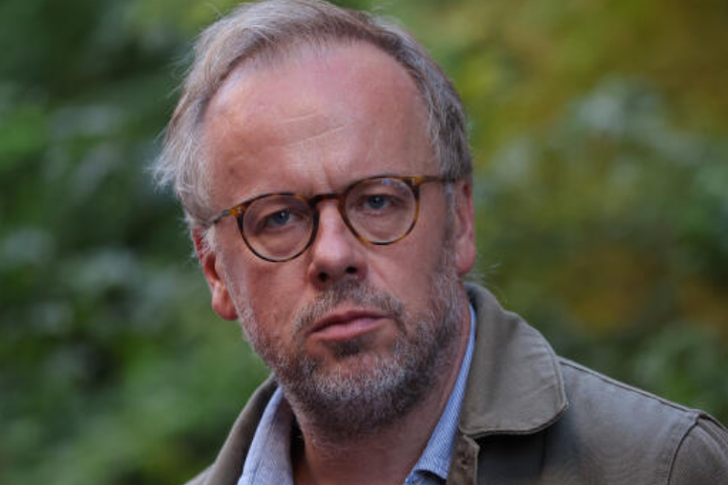
The Director General of Reporters Without Borders, Chr...
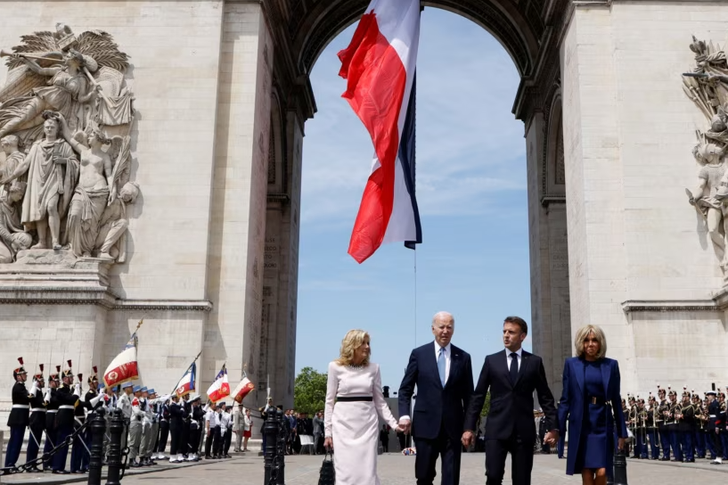
President Joe Biden is today in Paris where he was receive...

Four Israeli hostages kidnapped by Hamas from the Nova mus...
The enlargement of the European Union is not one of the ma...
With 88 votes for and 22 against, the Assembly of North Ma...
American Apollo 8 astronaut Bill Anders, who took one of t...
The UN has added the Israeli army to the list of violators...
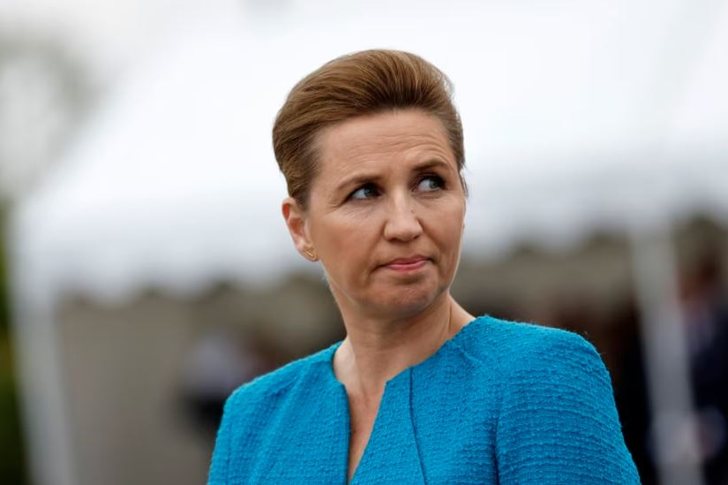
The Prime Minister of Denmark, Mette Frederiksen, was ...
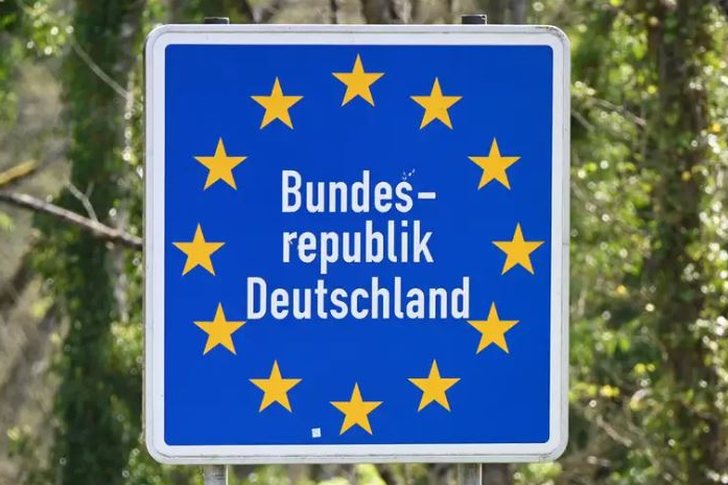
German police began carrying out temporary checks along...
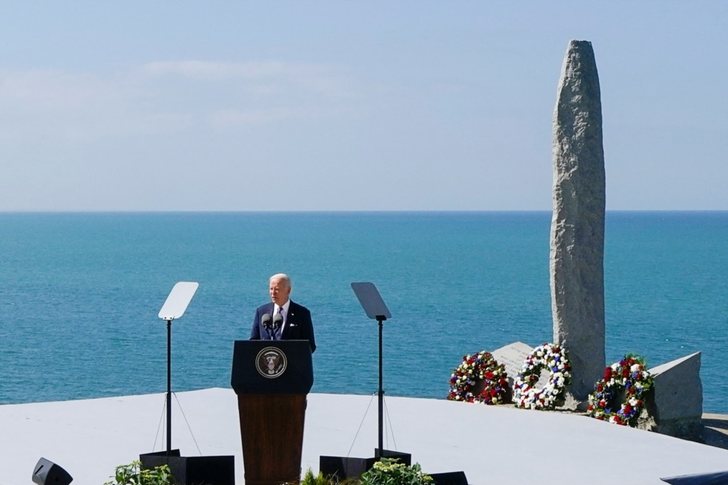
President Joe Biden called on Americans to renew their...
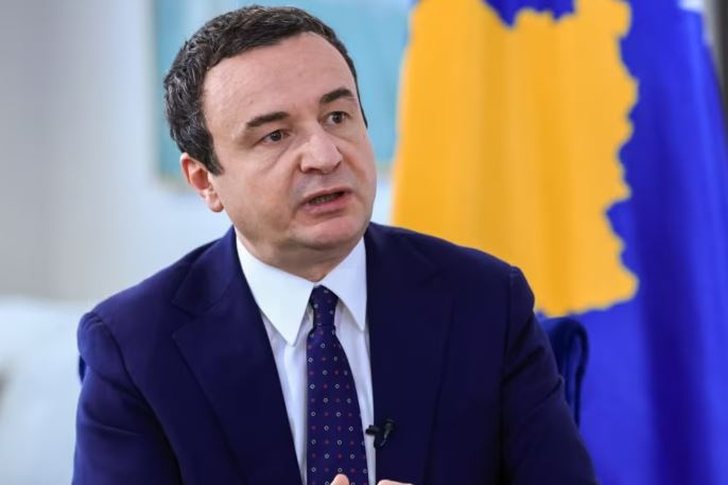
The Ambassador of the United States of America in Koso...
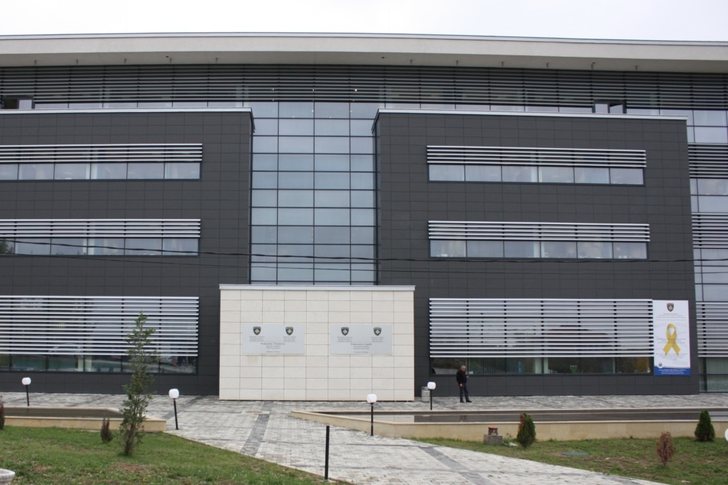
The Special Prosecutor's Office of Kosovo has filed an ind...
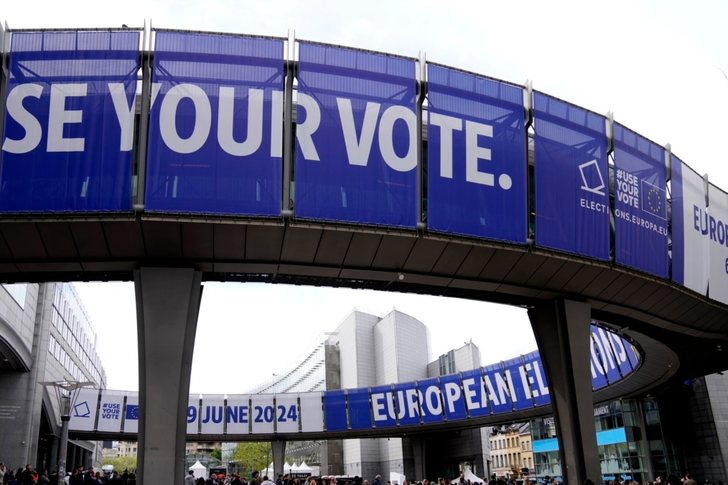
While the war in the eastern part of Ukraine continues, vo...
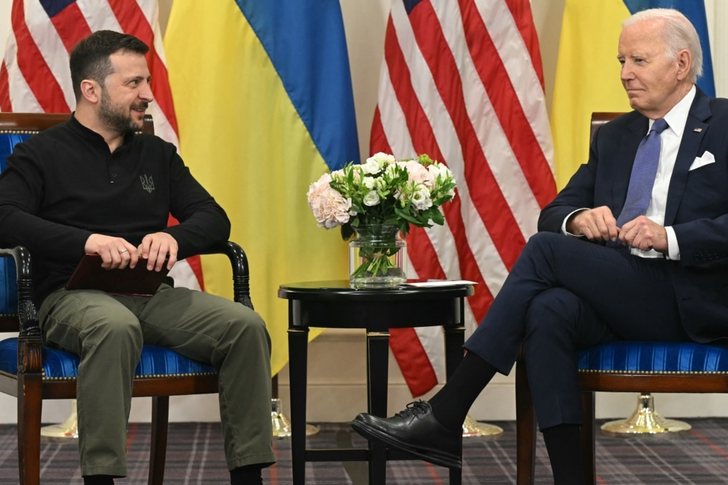
US President Joe Biden met in Paris with Ukrainian Preside...
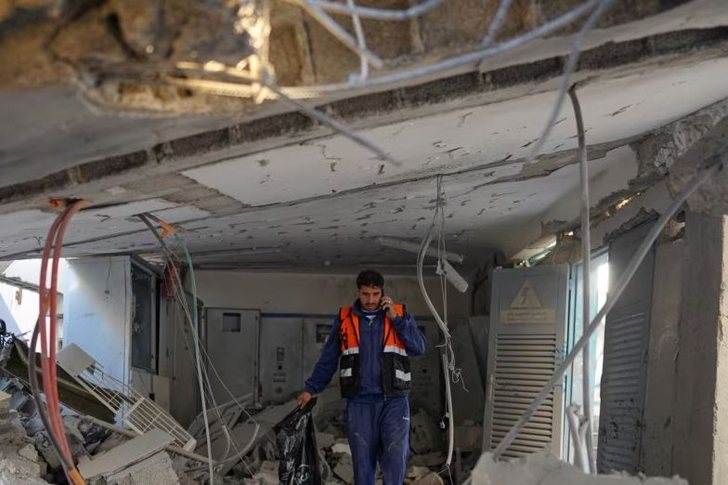
With no sign of progress in efforts by mediators to broker...

Workers at tech giant Samsung Electronics in South Korea l...
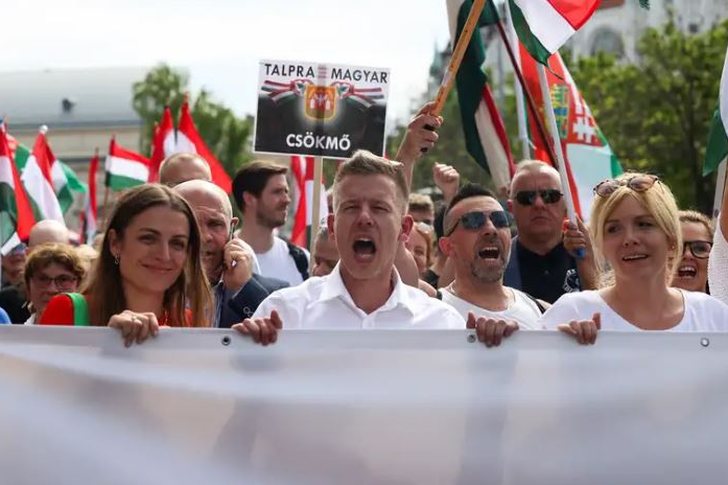
Kur Hungaria ndodhet para zgjedhjeve, Viktor Orban fillon ...

The still new phenomenon called "sextortion" means sex and...

CNA has launched another investigation that could lead to ...

Irfan Hysenbelliu is a businessman that we call "Irfan the...

In March 2026, CNA launched another investigation centered...
The arrested mayor of Tirana, Erion Veliaj, with 13 charge...

The Special Board of Appeal (KPA) decided this Monday ...

The KPA vetting decided this Thursday to dismiss the p...

Suela Salavaçi, a prosecutor in the Prosecutor's Offic...

The Special Board of Appeal reinstated the prosecutor ...
The bad weather that swept the country on Tuesday evening ...
A road accident occurred this evening on Nikolla Zoraqi St...
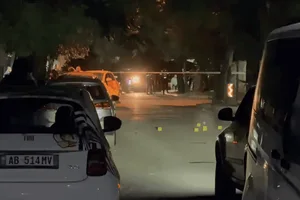
Three people were shot and wounded in Elbasan last night b...
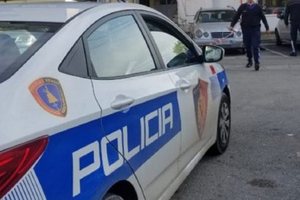
A serious incident occurred this Tuesday in the Yrshek are...

This Wednesday, our country will be under the influence of...

All of Southern Europe will face changing weather conditio...
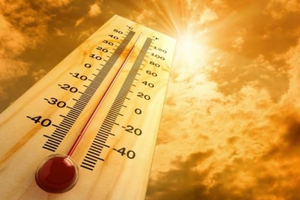
Albania was hit by temperatures significantly higher than ...

For the first time, Pogradec welcomed the Inter-Lake Chess...
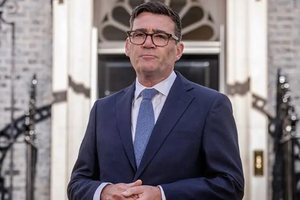
Prime Minister Andy Burnham has announced that most bus fa...

France's parliament has passed a law to ban social media f...

US Secretary of State Marco Rubio arrived in Manila on Jul...
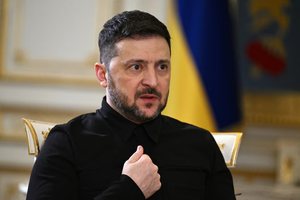
In the space of a few days, Ukrainian President Volodymyr ...

At a time when industrial products are increasingly taking...

Trust among people is not just a three-syllable word. It c...

Master of humor Todi Llupi has passed away at the age of 7...

The ninth edition of "MIK Festival" kicked off with one of...

Businesses will no longer be required to simply register t...

Despite economic growth and income in recent years, Albani...

This Wednesday, one US dollar is bought for 81.4 lek and s...

Construction company licenses will have a validity period ...