

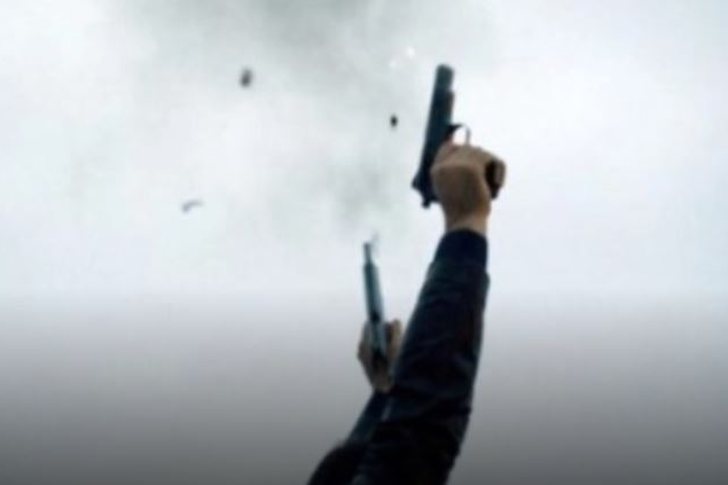
The wedding guest shoots a gun, a 39-year-old man and a minor are injured
A wedding in Ohrid almost turned into a tragedy. The musi...


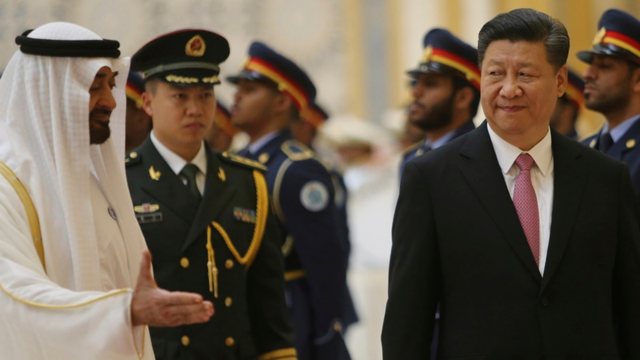
As China's investment and trade in the Middle East and North Africa grows, as VOA correspondent Graham Kanwit reports, young Arabs' views of the Asian country are changing, just as beliefs about the United States are changing.
Through investments in real estate, infrastructure and trade in the Middle East, China is increasing its influence in the region, including among Arabs under 30, who make up 60 percent of the population.
In its research in the region of Arab youth aged 18 to 24, communications firm BCW found that young people from 18 countries consider China and Turkey to be the two main allies of the Middle East and North Africa.
"China is seen as the main ally by 80 percent of respondents, which is the highest figure in the last four years, compared to the United States, with 72 percent," says Sunil John, President of the firm 'BCW' for Middle East and North Africa, who conducted the research.
The change in Arab youth's conviction is partly due to Beijing's 'One Belt, One Road' initiative, which aims to build connectivity and strengthen trade by investing in global infrastructure projects, Mr John says.
"Approximately 28.5 percent of investments in the 'One Belt, One Road' initiative are within the Middle East and North African markets," he added.
Another reason, according to him, is that Chinese investments are made without conditions.
"Arab youth sees China, as it says in its policies, as non-interventionist. So, in a way, China is not involved in the politics of the region," says Mr. John.
He adds that with increasing Chinese ownership of real estate, business interests and tourism, China's economic influence in the region will continue to grow.
"The Middle East or the Gulf countries provide half of the oil that China needs. China has in many ways replaced the United States as the region's main trading partner, and that happened in 2010," Mr. John continues.
But not everyone has a positive attitude towards Beijing.
"I think they mainly invest in projects where you have to work hard for little money," says Saleh Ahmed, a student at the University of the United Arab Emirates.
The US accuses China of forced labor, particularly of Uyghurs and other Muslim minority groups, a charge China denies. Student Saleh Ahmed says that, given the choice, he would rather live in the US than in China ... echoing what other young Arabs said in the survey.
"The US has diversity. It brought Arabs, non-Arabs, Europeans and others from all over the world together," says Falah al-Saidi, a student at Khalifa University in the United Arab Emirates.
Sixty percent of young Arabs surveyed said that in the next five years, however, the US would be a more important ally for the region than China.
While many view American democracy positively, views of the US military presence in the Middle East are more mixed. Washington has more than 30,000 troops in the Middle East, most of them in Kuwait and Bahrain.
"Almost 60 percent want the US to break away from the region. But on the other hand, they also see the United States as a great example of democracy, seeing it as a model that they would like their countries to copy," says Sunil John, BCW's President for the East Middle and North Africa, who conducted the research.
By surveying Arab youth, the organization that conducted the research hopes to influence business decisions and policy-making in the Middle East./ DW

A wedding in Ohrid almost turned into a tragedy. The musi...

Qeveria polake e ka reduktuar mësimin në gjuhën e orig...
European and American politicians demand a change of a...
The political adviser of the prime minister of Kosovo for ...
The head of the Ukrainian presidential office, Andriy Yerm...
A year before Russia's presidential election, Kremlin ...

The "Barbie" phenomenon is reaping an incredible success w...

Pope Francis has stated that the Catholic Church is open t...
Nigeria's airspace was closed at midnight on Sunday, the d...
Illegal immigration has once again caught the attention of...
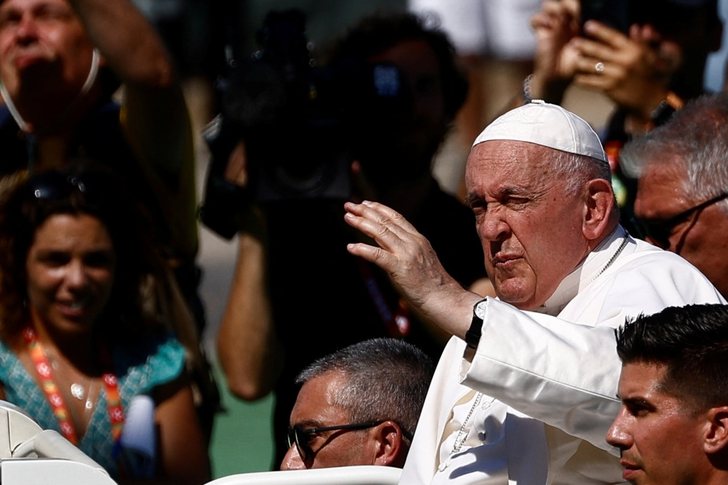
Pope Francis has called on young people around the world n...

Elon Musk has announced that his cage match with Mark Zuck...
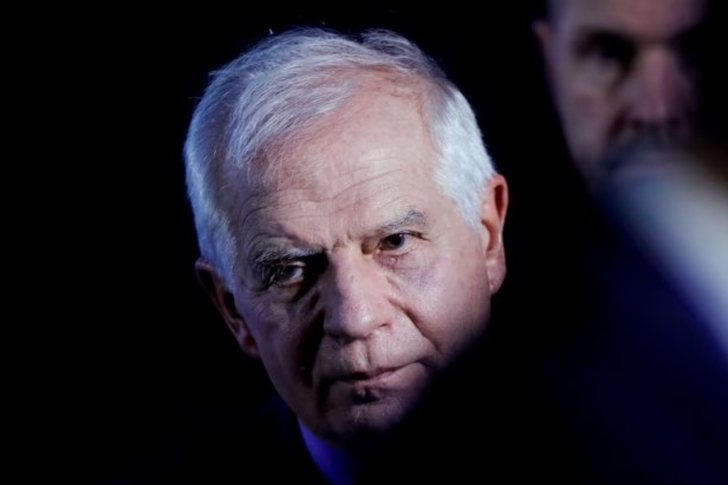
Weather volatility moving to extremes is clearly a consequ...
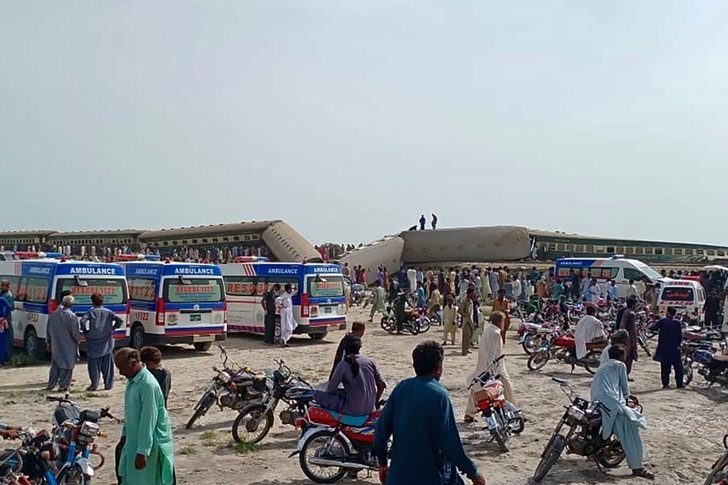
At least 22 people were killed and more than 50 injured wh...
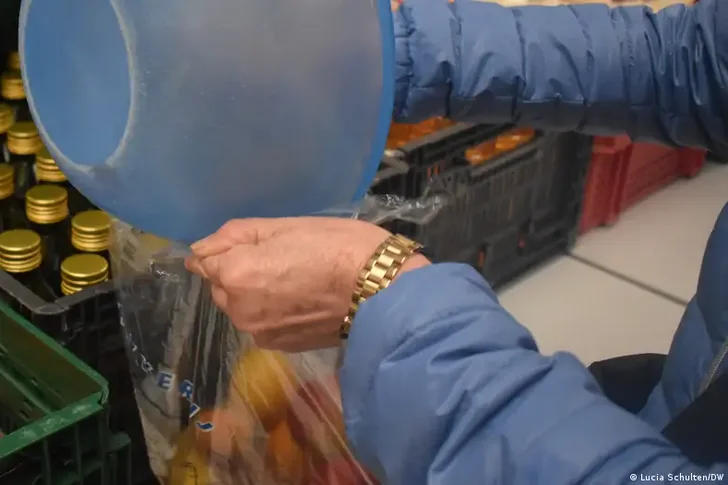
Once a week, Jeannine Weyekmans and other volunteers give ...
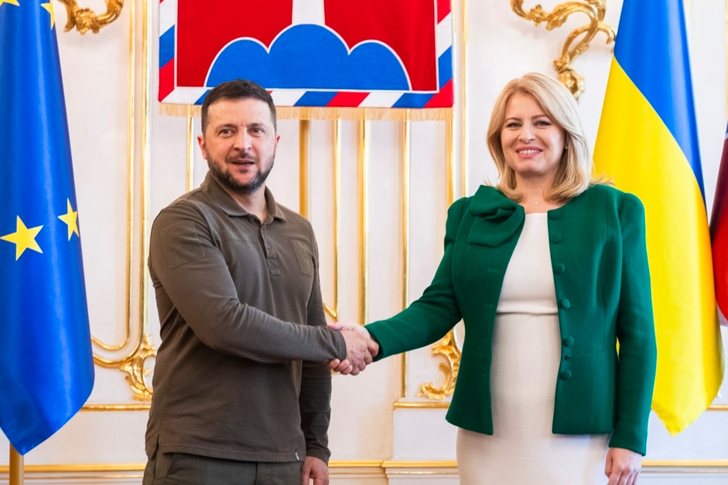
The President of Slovakia, Zuzana Caputova, has given perm...
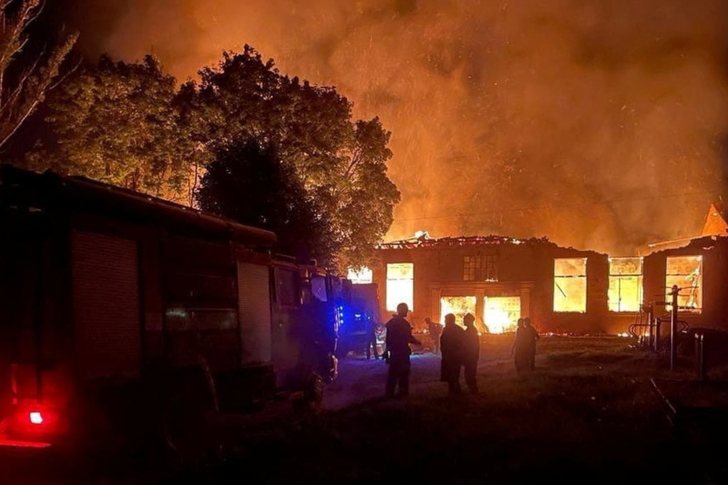
Russia has bombed a blood transfusion center in northeaste...
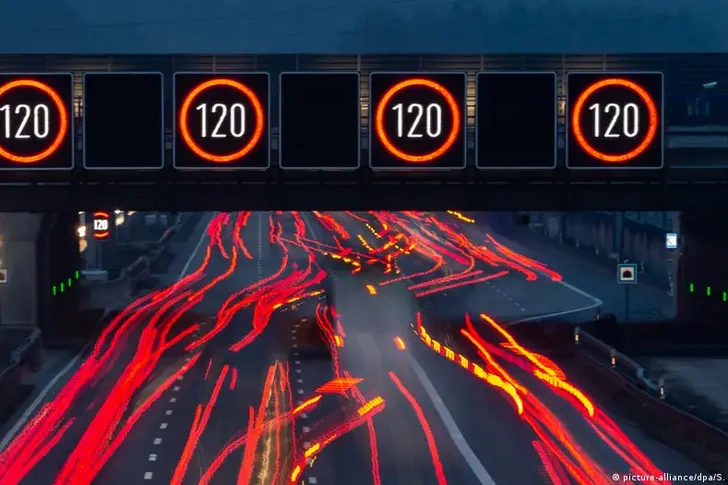
In Germany, speed has great value. The Germans have no...
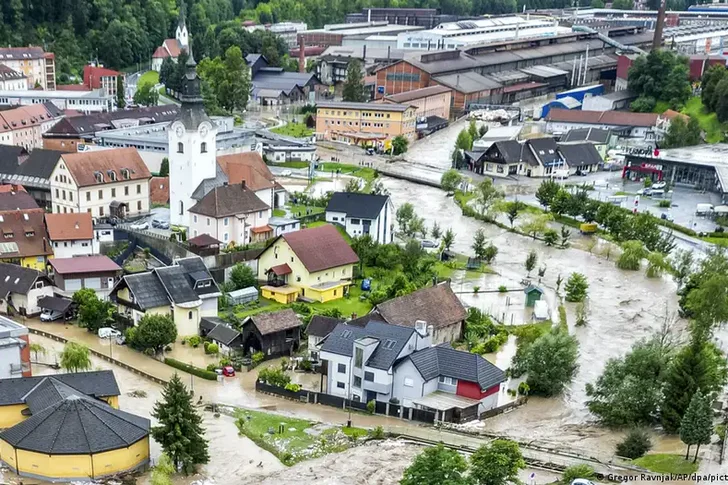
The torrential rains in many areas have created dramatic c...
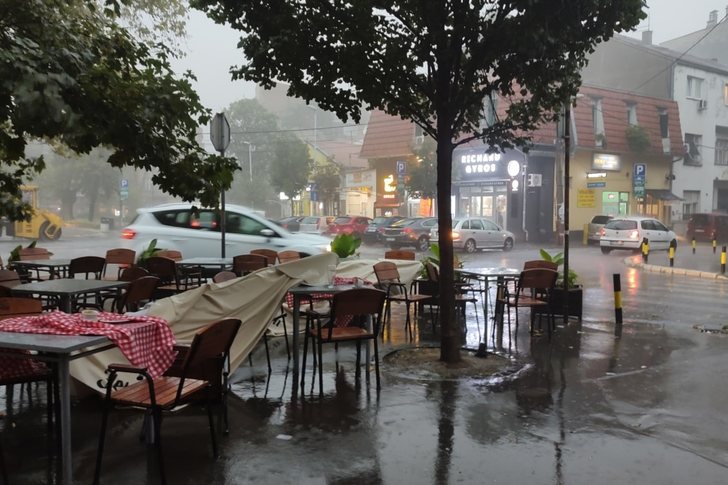
A hailstorm hit Belgrade on the afternoon of August 5, cau...

For 6 months now, CNA has been sending several letters to ...
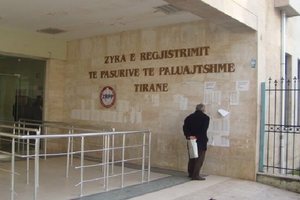
The word "fatherland" with properties is not enough. The m...

The justice reform claimed that it would bring faster, fai...
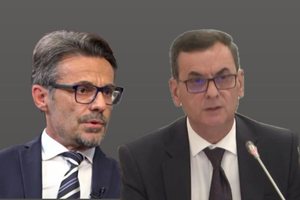
The Justice Reform and the vetting process were trumpeted ...

The Special Board of Appeal (KPA) decided this Monday ...

The KPA vetting decided this Thursday to dismiss the p...

Suela Salavaçi, a prosecutor in the Prosecutor's Offic...

The Special Board of Appeal reinstated the prosecutor ...

Two citizens with high social risk, wanted by the authorit...
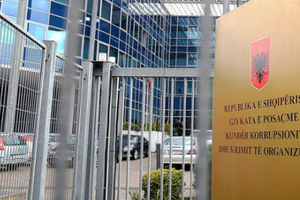
The Special Court against Corruption and Organized Crime h...
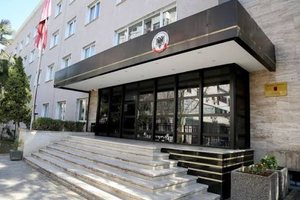
The Berat Prosecution Office has finalized a 6-month proac...
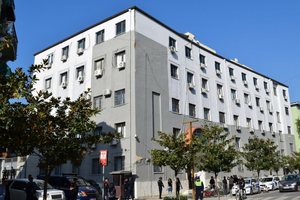
The Durrës Prosecutor's Office has uncovered a sophisticat...
Today our country will be affected by stable weather condi...

Emigration, an aging population, and low participation in ...
Today, our country will be affected by relatively stable w...

Albania has been awarded two medals of honor at the awards...
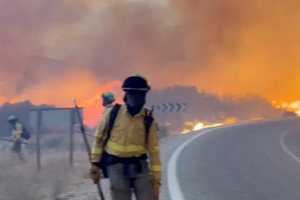
At least 11 people have died and six others have been inju...

Patriot, Tomahawk, Starlink, F-35: Europe's security still...
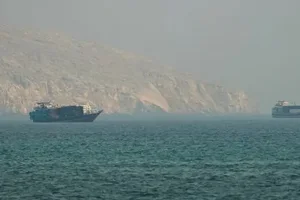
The threat level to maritime security in the Strait of Hor...
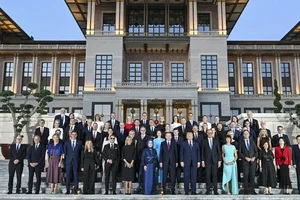
After the end of the NATO summit, Turkish President Recep ...
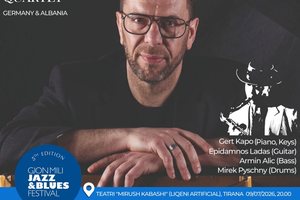
The German Embassy in Tirana has invited the Albanian publ...

Professor and literature scholar Ali Xhiku has passed away...
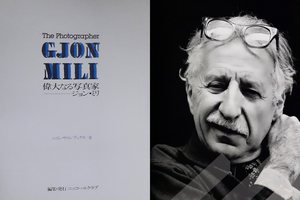
During my research into the life and artistic photographic...

This year's edition of the Gjon Mili International Video A...

In addition to food, household appliances, oil, and more, ...
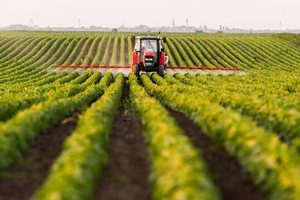
The government has reduced the funds foreseen for rural de...
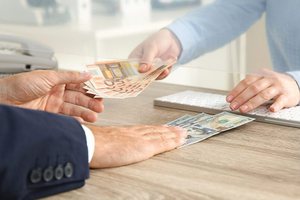
This Friday, one US dollar is bought for 81.4 lek and sold...

The Tax Directorate has announced that the process of auto...