


Territorial Reform/ Berisha warns Rama: We will get Albania back on its feet
DP leader Sali Berisha has spoken about extending the dead...

DP leader Sali Berisha has spoken about extending the dead...


The European Parliament (EP) and the Council of the European Union have not yet reached full agreement on the text of the decision on the EU plan for economic growth in the Western Balkans.
These two institutions of the bloc are continuing the talks on this under great time pressure.
For the formal approval of this plan, which includes 6 billion euros of financial assistance for the six countries of the region, the agreement of the European Parliament and the Council is necessary.
Of the 6 billion euros, 2 billion will be given as non-returnable grants, while 4 billion in the form of favorable loans.
The sources of Radio Free Europe have said that the positions have been aligned, but there is still no full agreement between the EP and the Council.
The new round of talks between the EP and the Council on this matter will be held in April, and this will also be the last meeting. This date is also the deadline for reaching an agreement, because if there is no agreement by then, it will not be possible for the decision to be voted on in the plenary session of the European Parliament.
Due to the European Parliament elections in June, the last plenary sessions will be held from 21 to 24 April. The vote on this plan is scheduled for a hearing on April 23.
But, before the vote, the talks between the Parliament and the Council must be completed, and their agreement voted on in the foreign policy and budget committees.
If the plan fails to be voted by then, it will remain in the hands of the new composition of the European Parliament, ie towards the end of this year.
"We would like the first payments from this fund for the countries of the region that meet the conditions to be made already in the second half of the year. If we do not reach an agreement with the European Parliament on April 4, then everything can be jeopardized", a European diplomat told Free Europe.
According to REL sources within the Council of the EU and the Parliament, the main obstacle to achieving reconciliation is the Council's insistence that the Council have the main say in the administration of this plan, while the Parliament insists that it also has a role in the decisions to accepted reform programs from the countries of the Western Balkans, as a condition for payments from this fund.
Some details about the specific conditionality for Kosovo and Serbia and the conditionality with the adaptation of the countries of the region to the visa policy remain to be clarified.
Before the so-called "Trialog" begins - the tripartite talks between the European Parliament, the Council of the EU and the European Commission - each institution approves its position and mandate for these negotiations. Here too there were some differences which should be overcome.
The three EU institutions have insisted that the countries of the region, in order to benefit from this package of financial assistance, must fulfill a series of not so easy criteria.
Among them are the basic criteria which apply equally to all member countries. They relate to the rule of law, respect for the principles of democracy, institutional reforms and taking the necessary steps to ensure that the funds will not be misused.
Besides the criteria related to reforms and the rule of law, there are also criteria of a political nature. For Kosovo and Serbia, another prerequisite will be constructive engagement in the normalization of relations between them in order to fully implement the respective obligations arising from the Agreement on the path to the normalization of relations and the Annex for implementation, which were reached in 2023 under the mediation of the EU -, as well as all previous obligations from the Brussels dialogue.
What needs to be clarified is the way and form in which "constructive engagement" will be proven when it is requested to prove whether Kosovo and Serbia have fulfilled this condition. The differences in this point are not big.
In the meantime, the disagreement about the conditionality or not of these means with adaptation to the EU's foreign and security policy has been overcome. The position of the European Commission and a larger number of member states has dominated that this should not be a specific precondition, but that the countries of the region are expected to adapt.
Free Europe learns that the EU member states were divided into three groups. The first group, consisting of Finland, Sweden, Estonia, Lithuania, Latvia and Poland, had demanded that adaptation to foreign policy be a condition. However, this group has accepted the compromise as a sign of solidarity in the Council. Whereas, the second group, consisting of Spain, Hungary, Austria, Cyprus, Italy, France, Greece and Portugal, had requested that "in no case should adaptation to foreign policy be a precondition for access to financial means". These countries had asked the Belgian presidency of the EU not to make any concessions on this point in the negotiations with the European Parliament. They accepted the compromise position.
The position for compromise is that the focus should be on the adaptation of the partners to the positions of the EU in the field of foreign and security policy, but not as a definite precondition.
"Beneficiaries must prove reliable commitment to European values, including through their adaptation to the common foreign and security policy of the union, including restrictive measures", was the text of the compromise from the Council with which 27 were finally agreed EU member countries.
The European Parliament here had to issue a PE, because without this it would be unlikely to approve the plan. The European Parliament, in its initial position, had proposed that adaptation to the EU's positions in foreign policy should be a clear precondition and that it should also be formally mentioned that this also means supporting sanctions against Russia.
Serbia is the only country in the region which so far has not adapted to the EU's positions regarding sanctions against Russia and does not have a 100 percent level of adaptation to the EU's positions in foreign affairs.
Both the European Parliament and the Council believe that the differences about the roles of the EU institutions in the administration of the growth and reform plan for the Western Balkans will be overcome during the month of April and this plan will be finally approved.
"With this, we will send a clear message to the countries of the region that we want to help them in reforms and economic growth and in this way get ready faster for integration in the EU", an EU official told REL ./ Rel

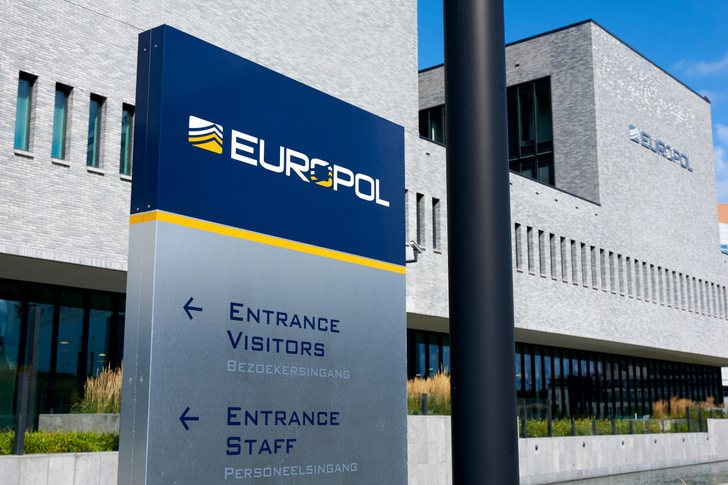
The top law enforcement agency in the fight against or...

North Korea's state-run TV channel has censored a BBC gard...
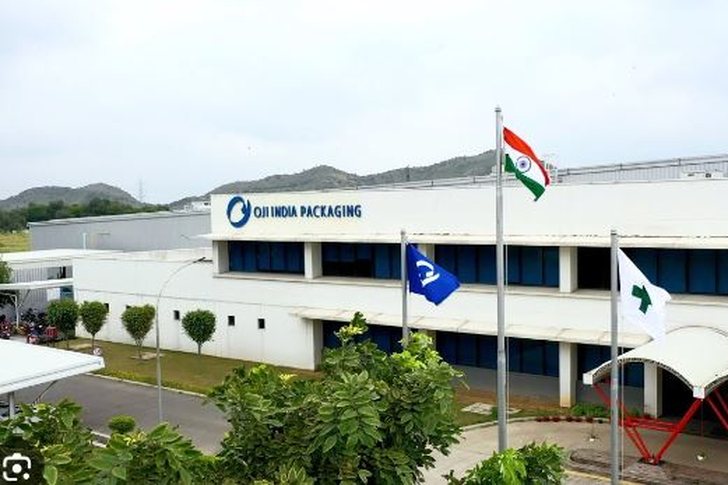
Një prodhues japonez i pelenave ka njoftuar se do të ndalo...
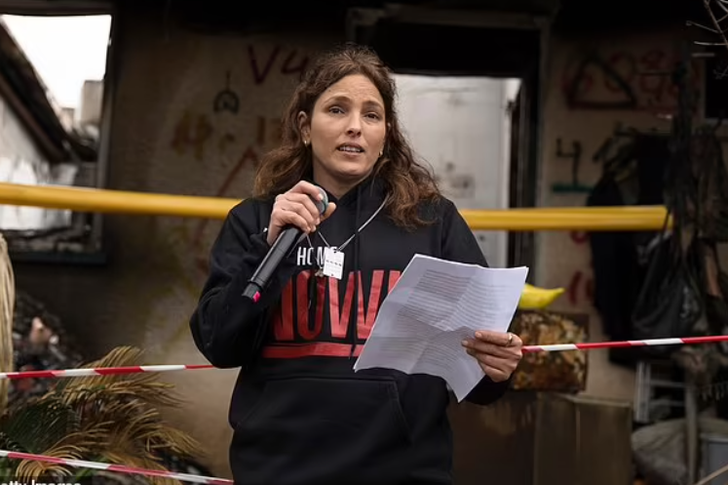
Amit Soussana is one of the Israeli hostages who confessed...

Sipas një studimi të ri, rreth një në gjashtë adoleshentë ...

A serious incident took place yesterday evening in Pri...

Spain's most visited city has increased the new increa...

In Slovenia, the ancient Pust festival takes place before ...
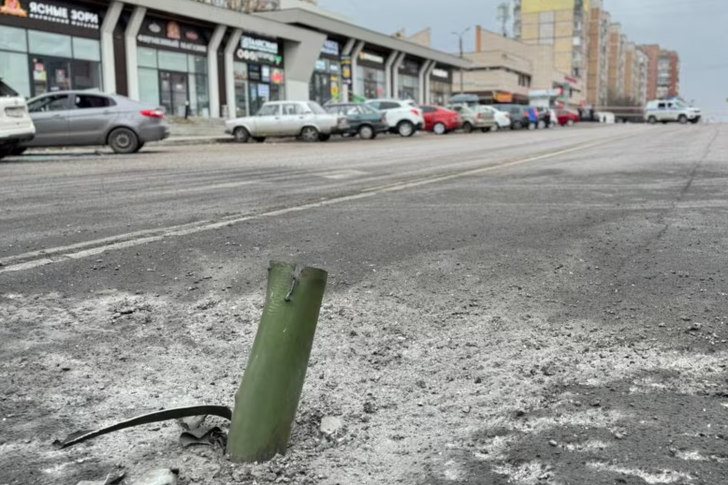
Russian forces shot down 18 Ukrainian missiles aimed at Ru...
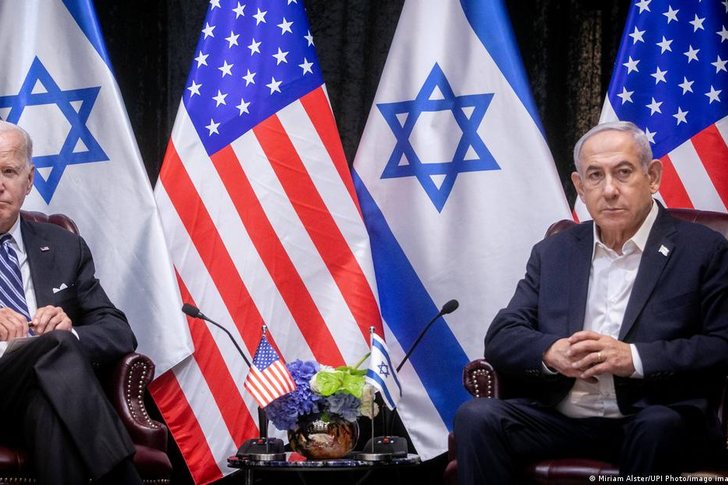
Unreserved support for Israeli military action in the ...

The European Commission asked major social platforms s...
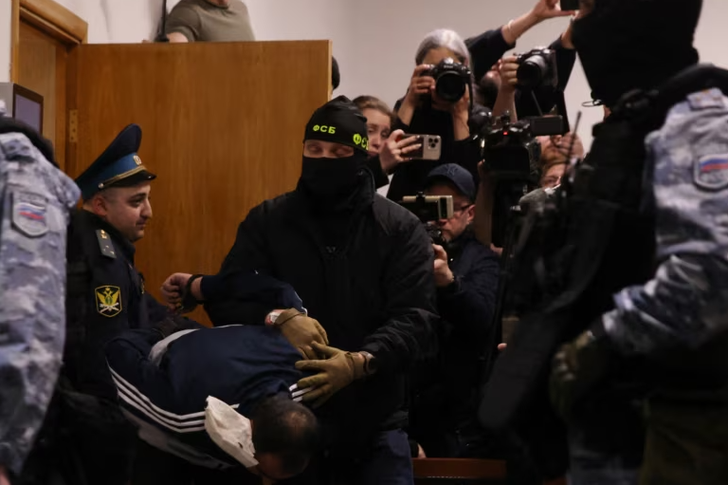
Since it first emerged a decade ago, the Islamic State of ...
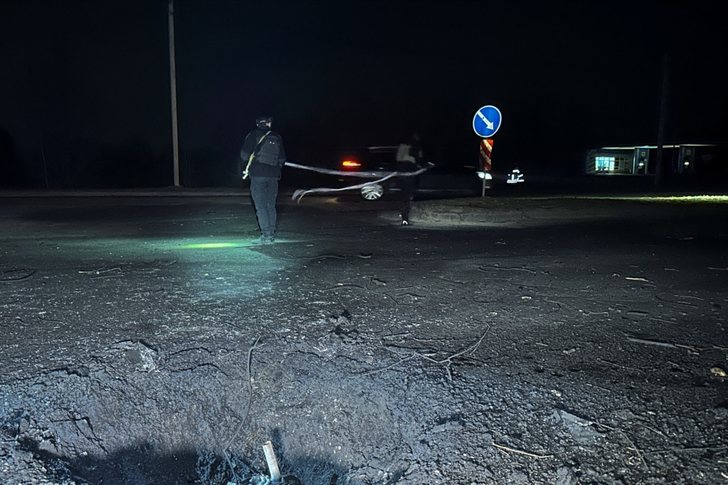
Ukraine said on Tuesday it had destroyed 12 Russian drones...
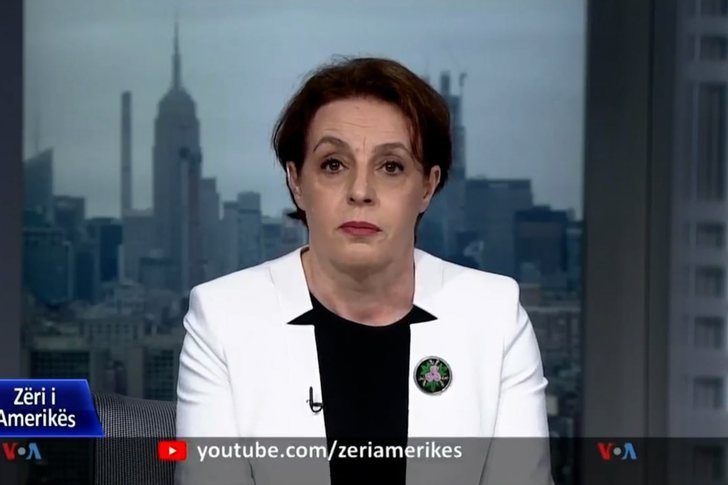
Kosovo's Foreign Minister Donika Gërvalla said that Kosovo...
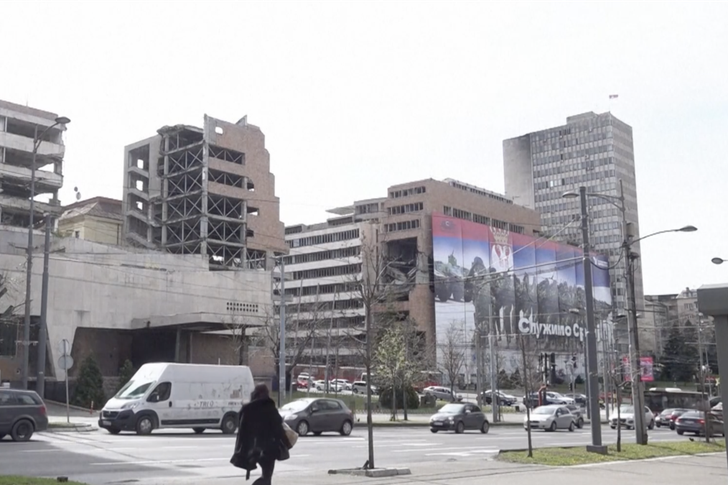
An opposition group in Serbia has started collecting signa...
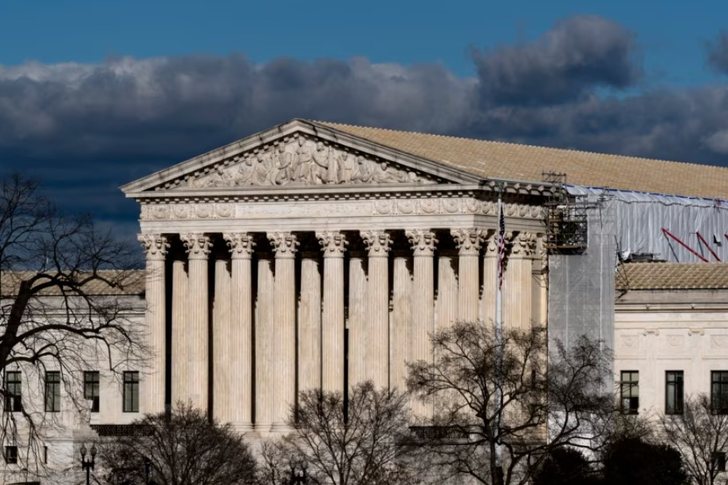
The United States Supreme Court seemed inclined on Tuesday...
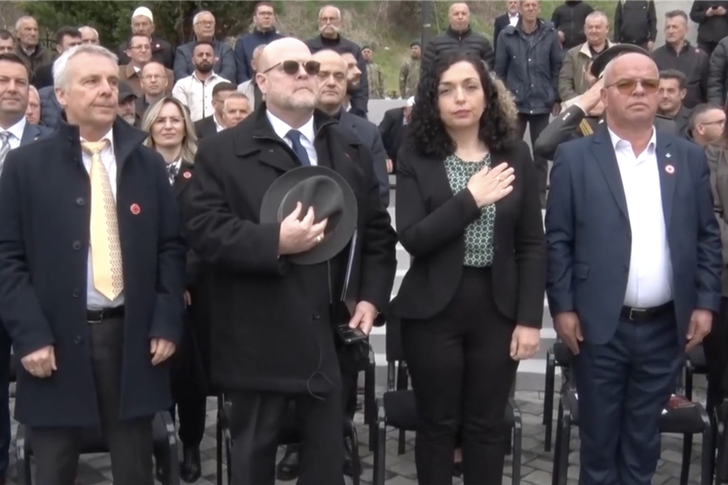
The American ambassador in Pristina, Jeff Hovenier, said o...
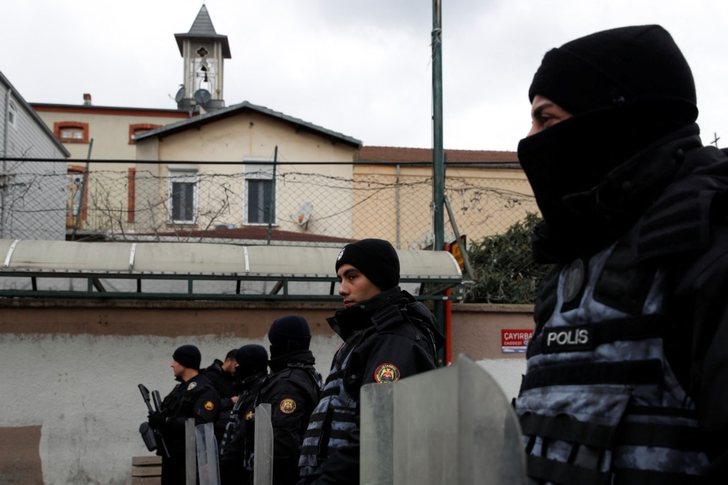
Turkish police have arrested 147 suspected Islamic State (...
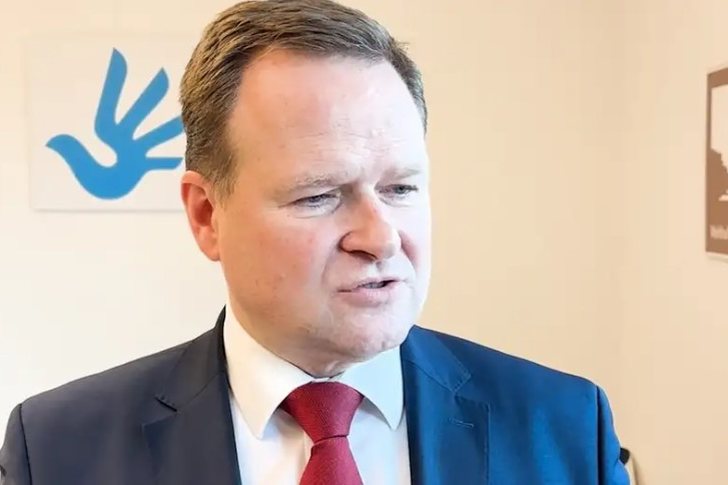
On the eve of the presentation of the fact-gathering r...
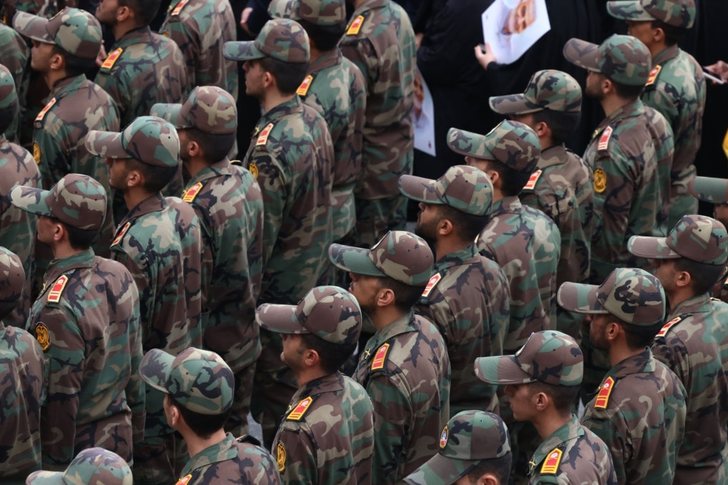
Iran has confirmed the death of a member of the Islamic Re...

CNA has launched another investigation that could lead to ...

Irfan Hysenbelliu is a businessman that we call "Irfan the...

In March 2026, CNA launched another investigation centered...
The arrested mayor of Tirana, Erion Veliaj, with 13 charge...

The Special Board of Appeal (KPA) decided this Monday ...

The KPA vetting decided this Thursday to dismiss the p...

Suela Salavaçi, a prosecutor in the Prosecutor's Offic...

The Special Board of Appeal reinstated the prosecutor ...
Citizen MH, 61, a fisherman, was found dead near the islan...
Another phase of the international operation, codenamed "T...
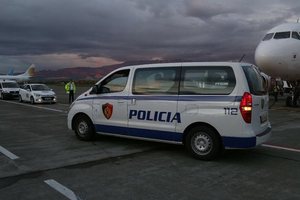
Police have arrested a 34-year-old woman at Rinas Airport ...
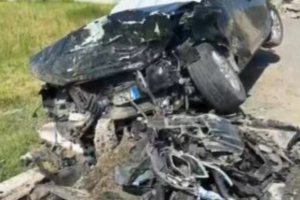
A serious accident has occurred on the Lezhë-Shëngjin axis...

This Wednesday, our country will be under the influence of...

All of Southern Europe will face changing weather conditio...
Albania was hit by temperatures significantly higher than ...

For the first time, Pogradec welcomed the Inter-Lake Chess...
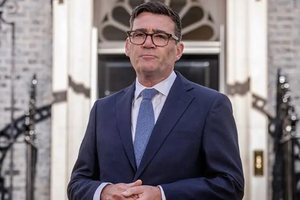
Prime Minister Andy Burnham has announced that most bus fa...

France's parliament has passed a law to ban social media f...
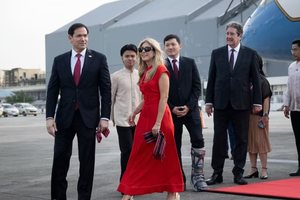
US Secretary of State Marco Rubio arrived in Manila on Jul...
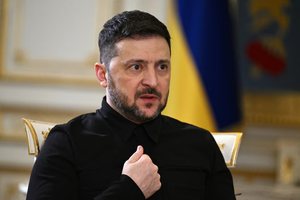
In the space of a few days, Ukrainian President Volodymyr ...

At a time when industrial products are increasingly taking...

Trust among people is not just a three-syllable word. It c...
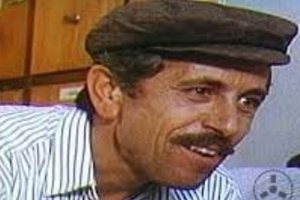
Master of humor Todi Llupi has passed away at the age of 7...
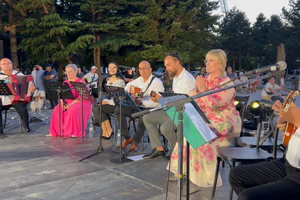
The ninth edition of "MIK Festival" kicked off with one of...

Businesses will no longer be required to simply register t...

Despite economic growth and income in recent years, Albani...

This Wednesday, one US dollar is bought for 81.4 lek and s...
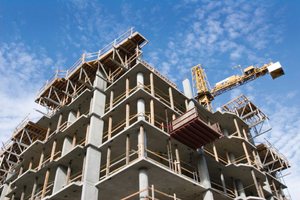
Construction company licenses will have a validity period ...