


Territorial Reform/ Berisha warns Rama: We will get Albania back on its feet
DP leader Sali Berisha has spoken about extending the dead...

DP leader Sali Berisha has spoken about extending the dead...

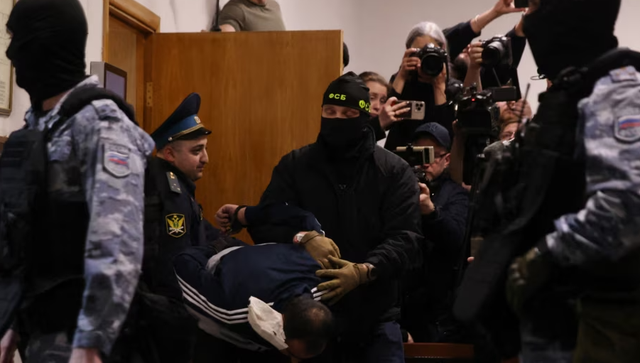
Since it first emerged a decade ago, the Islamic State of Khorasan (IS-K) militant group has largely focused its attacks on Afghanistan and Pakistan.
But IS-K, the Islamic State (IS) affiliate in Afghanistan, is carrying out an increasing number of deadly attacks outside its stronghold in South Asia, including in Iran and Russia
Experts said the deadly concert hall attack outside Moscow on March 22, widely blamed on IS-K, showed the growing capability and ambitions of this branch, but also its leadership role in the organization's umbrella.
"This branch has become the spearhead, the leading international branch of the Islamic State," said Lucas Webber, co-founder and editor of MilitantWire.com.
Webber said IS's central leadership in Syria and Iraq had to "focus more on survival, regrouping and rebuilding its capabilities and its networks" after the group was largely defeated and destroyed in 2019 by the coalition-led from the United States.
"It's basically become the parent organization of IS," Webber said, referring to IS-K, which first emerged in Afghanistan in late 2014, the same year IS took control of large areas in Syria and Iraq and self-proclaimed a caliphate.
IS also has branches in the Arabian Peninsula, Africa, Southeast Asia and the Caucasus.
External operations
While continuing to carry out attacks in Afghanistan and Pakistan, IS-K appears to have shifted its focus to overseas operations in recent months.
In January, IS-K was blamed for killing more than 90 people in the southern Iranian city of Kerman, the deadliest attack in the Islamic Republic in decades.
On March 22, gunmen stormed a concert hall in the Moscow region, killing at least 139 people. It was the worst terrorist attack in Russia in two decades
IS claimed responsibility for the attack. US officials specifically blamed IS-K, while Moscow attributed the attack to Islamic extremists, without naming the IS branch. IS-K on March 25 threatened to carry out more "massacres" against Russia. Russia has targeted IS militants in Syria and Africa and has forged ties with the Taliban government, which is IS-K's rival in Afghanistan.
MilitantWire.com's Webber said IS-K poses a rapidly growing threat to the West. "For the foreseeable future, this seems to be an indicator of things to come," he said.
Gen. Michael E. Kurilla, who heads the U.S. Army's Central Command, told lawmakers on March 21 that IS-K "has the capability and will to attack U.S. and Western interests abroad within six months or less, with little or no warning”.
Law enforcement officials in Europe have uncovered several IS-K plots in recent years.
German police on March 19 said they had arrested two suspected IS-K supporters. they were accused of planning to attack the Swedish Parliament.
In July last year, police in Germany and the Netherlands arrested nine people they said were in contact with IS-K.
Over the past year, the group has threatened to carry out attacks in Sweden, the Netherlands and Denmark after burning the Koran, the holy book of Islam, in these countries.
"cell network"
After its emergence, IS-K initially took small swaths of territory in eastern and northern Afghanistan as part of IS's broader aim to expand across South and Central Asia.
However, IS-K was driven out of its territorial strongholds around 2019 after facing attacks carried out by Afghan and international forces, as well as by the Taliban. Since then, IS-K has implemented a new strategy of urban warfare.
"We are witnessing a new phase of the Islamic State of Khorasan," said Riccardo Valle, co-founder of The Khorasan Diary, an online platform that tracks militant groups in Afghanistan and Pakistan. He said IS-K has evolved into a group that aims to take territory like a "traditional army" in a "network of cells, which tends to carry out more lethal attacks".
IS-K is made up of Afghan and foreign fighters. In a report published in June 2023, the United Nations Security Council said the number of IS-K militants in Afghanistan ranges from "4,000 to 6,000", including family members. Some experts estimate that the number is much lower.
Sara Harmouch, a terrorism and defense policy expert in Washington, said IS-K's focus is on asymmetric warfare rather than territorial control, and this has enabled the group to adapt to local conditions and withstand counter-terrorism operations. terror.
"This flexibility can make IS-K more dynamic and a more stable leader within the IS network, able to navigate the complexities of the post-caliphate era," she said. Harmouch said the IS-K group's ability to carry out high-profile attacks outside Afghanistan and Pakistan has raised its profile and hints that its capabilities are expanding.
"This visibility could position the IS-K group as a leading figure within the wider IS network, especially in attracting recruits and resources," she said./ Rel

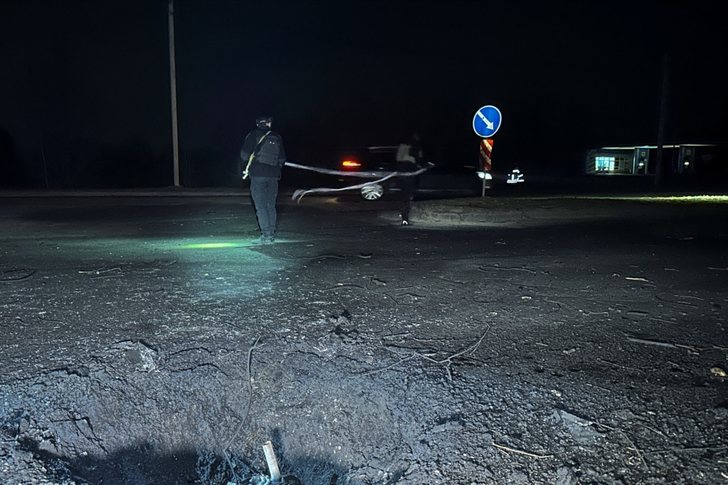
Ukraine said on Tuesday it had destroyed 12 Russian drones...
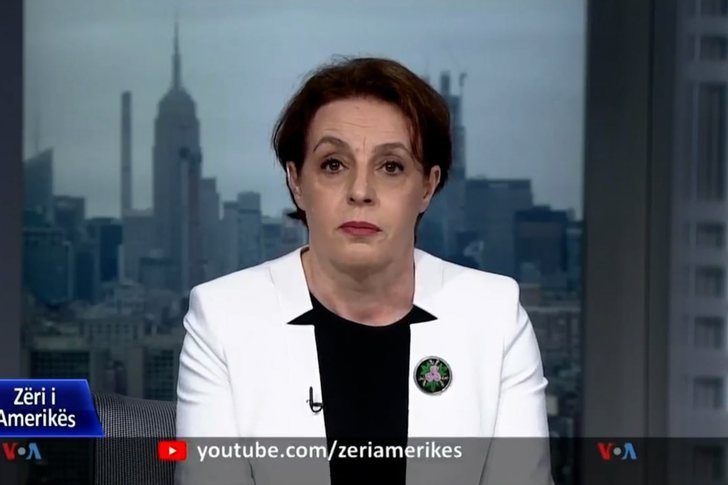
Kosovo's Foreign Minister Donika Gërvalla said that Kosovo...

An opposition group in Serbia has started collecting signa...
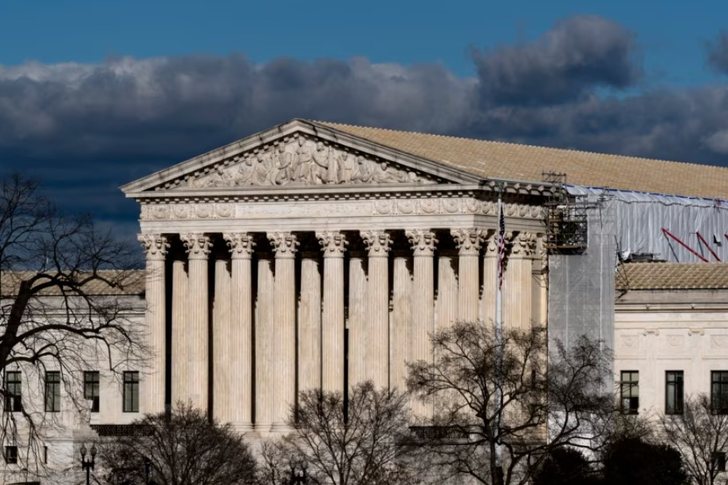
The United States Supreme Court seemed inclined on Tuesday...
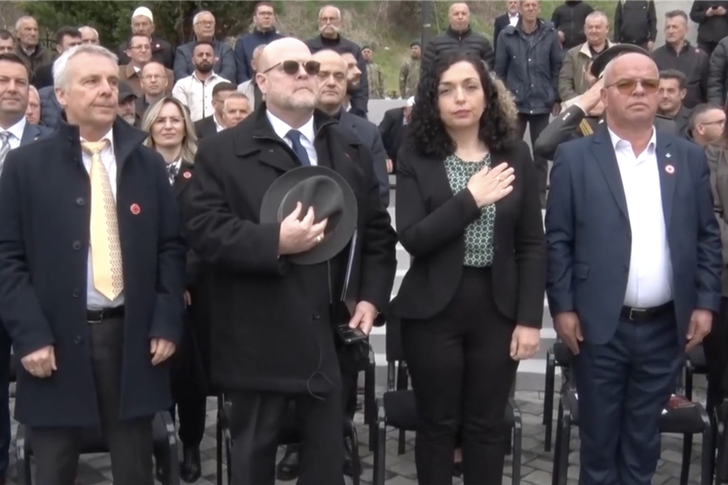
The American ambassador in Pristina, Jeff Hovenier, said o...
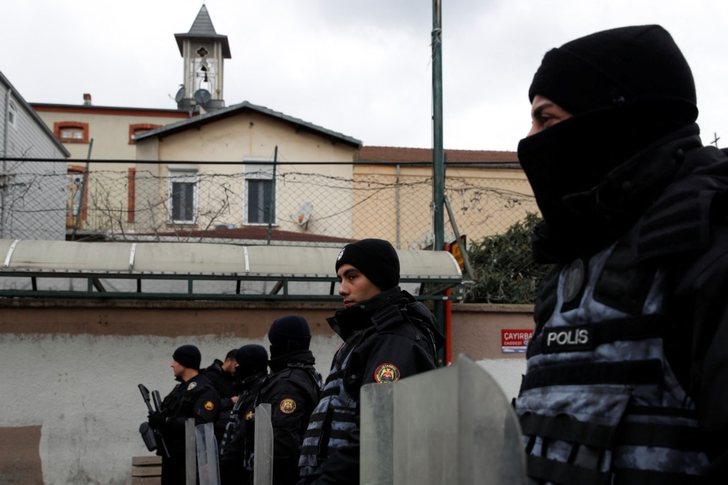
Turkish police have arrested 147 suspected Islamic State (...
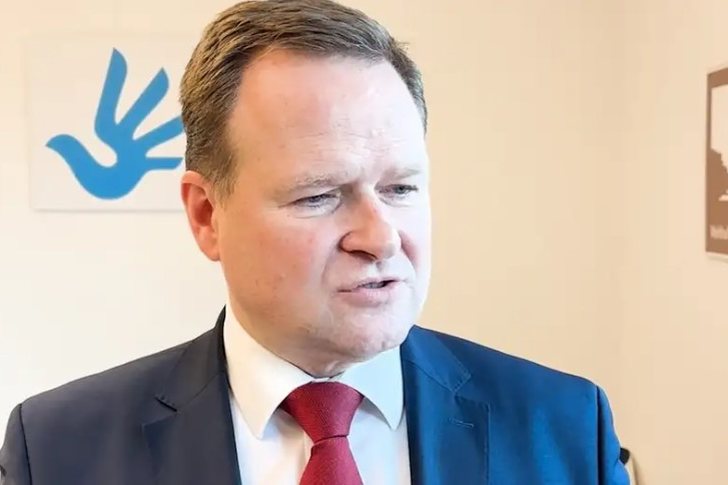
On the eve of the presentation of the fact-gathering r...
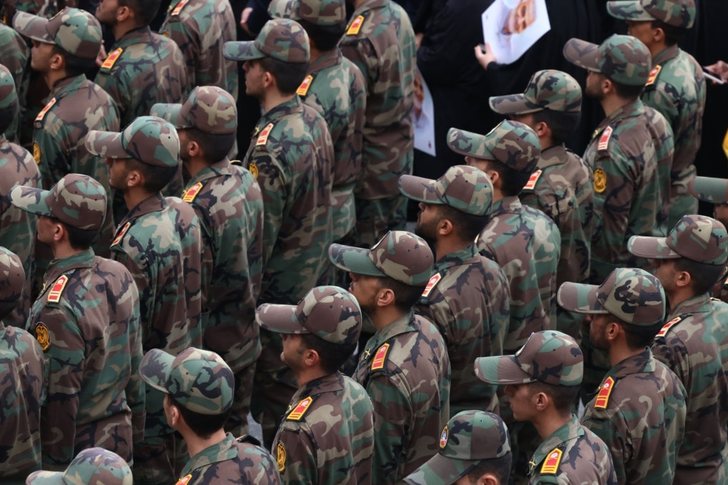
Iran has confirmed the death of a member of the Islamic Re...
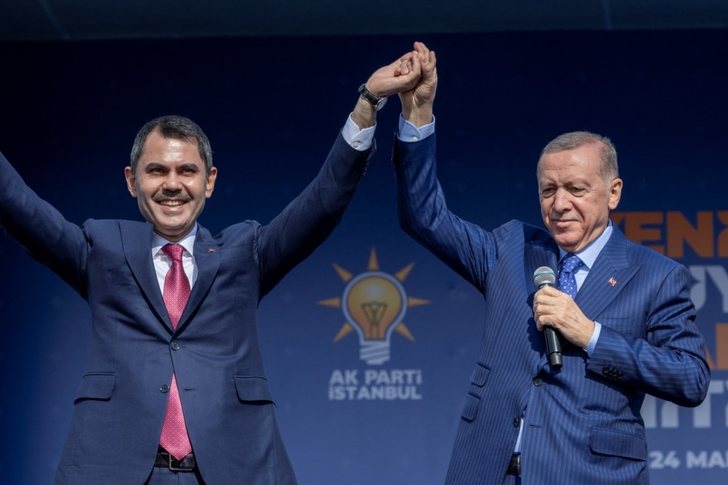
Local elections are held in Turkey on Sunday. The vote...
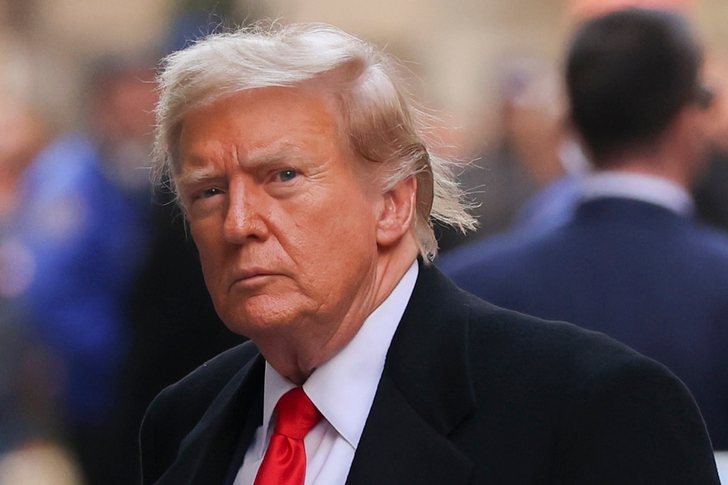
Former President Donald Trump on Monday criticized the cou...
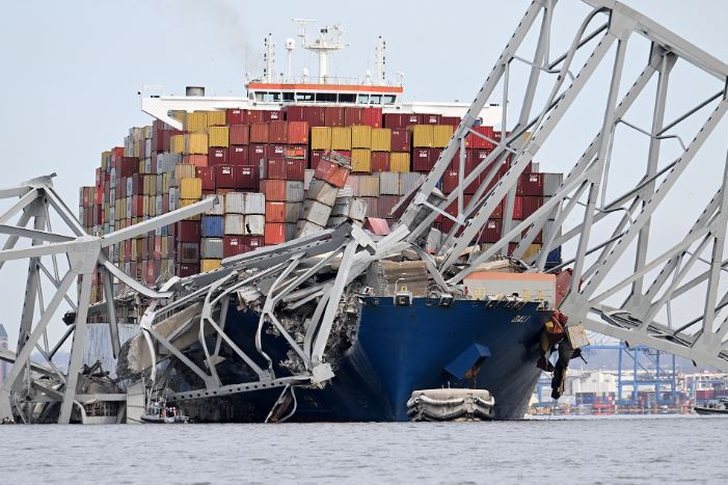
Gjashtë persona janë të pagjetur pas shembjes së urës ...

London's High Court ruled on Tuesday that Julian Assange c...
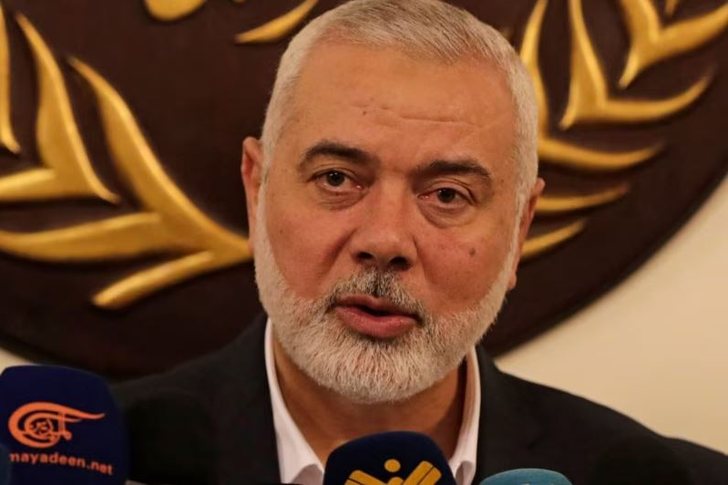
Mediat iraniane kanë raportuar të martën se lideri i grupi...
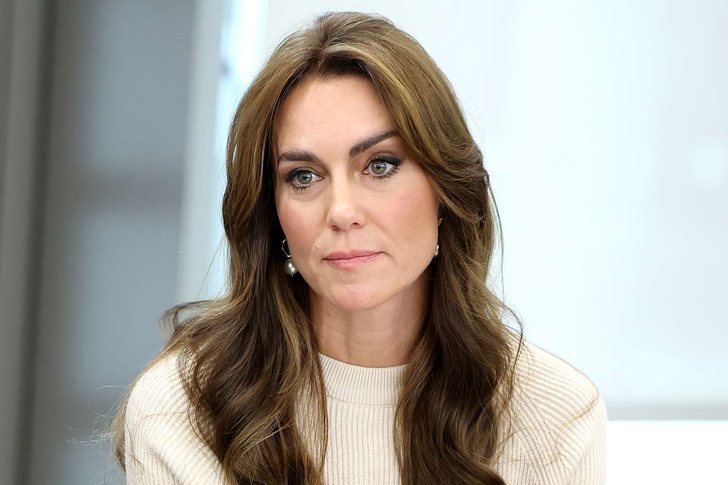
The Princess of Wales, Kate Middleton revealed a few d...

New research reveals the parts of Europe with the fast...
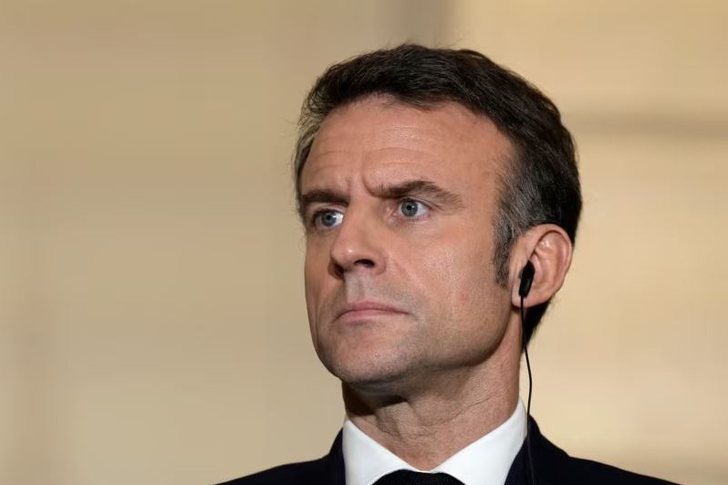
Presidenti Emmanuel Macron tha të hënën se personat e ...

Një urë në Baltimorë, Meryland është shembur mbi lumin Pat...

The American actor Arnold Schwarzenegger has announced...
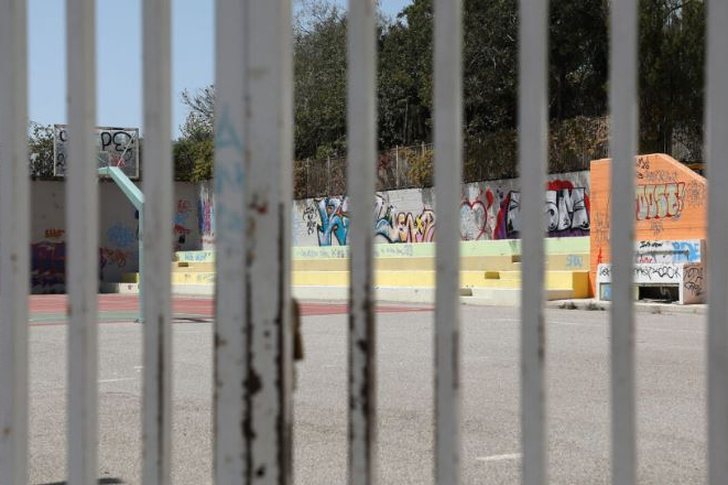
An unprecedented event took place in Patisia, Athens, ...

The Russian army attacked the capital of Ukraine, Kiev, as...

CNA has launched another investigation that could lead to ...

Irfan Hysenbelliu is a businessman that we call "Irfan the...

In March 2026, CNA launched another investigation centered...
The arrested mayor of Tirana, Erion Veliaj, with 13 charge...

The Special Board of Appeal (KPA) decided this Monday ...

The KPA vetting decided this Thursday to dismiss the p...

Suela Salavaçi, a prosecutor in the Prosecutor's Offic...

The Special Board of Appeal reinstated the prosecutor ...
Citizen MH, 61, a fisherman, was found dead near the islan...
Another phase of the international operation, codenamed "T...
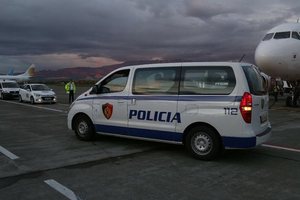
Police have arrested a 34-year-old woman at Rinas Airport ...

A serious accident has occurred on the Lezhë-Shëngjin axis...
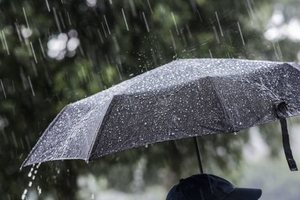
This Wednesday, our country will be under the influence of...

All of Southern Europe will face changing weather conditio...

Albania was hit by temperatures significantly higher than ...

For the first time, Pogradec welcomed the Inter-Lake Chess...

Prime Minister Andy Burnham has announced that most bus fa...

France's parliament has passed a law to ban social media f...

US Secretary of State Marco Rubio arrived in Manila on Jul...
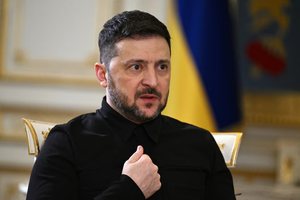
In the space of a few days, Ukrainian President Volodymyr ...

At a time when industrial products are increasingly taking...

Trust among people is not just a three-syllable word. It c...

Master of humor Todi Llupi has passed away at the age of 7...

The ninth edition of "MIK Festival" kicked off with one of...

Businesses will no longer be required to simply register t...

Despite economic growth and income in recent years, Albani...

This Wednesday, one US dollar is bought for 81.4 lek and s...

Construction company licenses will have a validity period ...