


Territorial Reform/ Berisha warns Rama: We will get Albania back on its feet
DP leader Sali Berisha has spoken about extending the dead...

DP leader Sali Berisha has spoken about extending the dead...

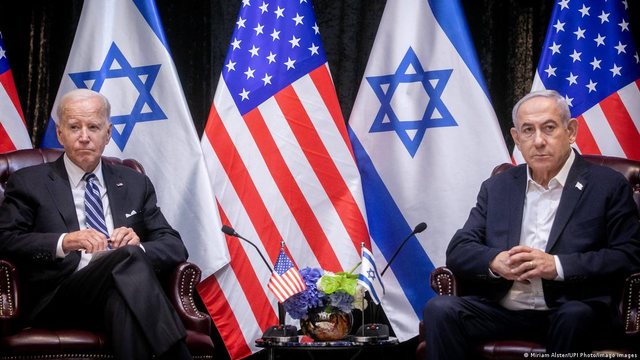
Unreserved support for Israeli military action in the Gaza Strip is waning. The partners expect Israel to show flexibility.
According to information from the Ministry of Health in the Gaza Strip (which is controlled by Hamas), almost 32 thousand people have lost their lives since the Israeli army began its military operation. According to the same source, more than 74,000 people were injured in the same period. Although these figures cannot be verified by independent sources, the war in the Gaza Strip began after Hamas terrorist attacks on civilians in Israel on October 7, when according to Israeli information, about 1,160 people were killed and about 250 were kidnapped. However, having given the high number of casualties and civilian suffering in the Gaza Strip, doubts about the proportionality of Israel's military actions are growing, even among close allies.
The concern between the partners is mainly due to the Israeli government's plans to continue the ground offensive in the overcrowded Rafah in order to completely destroy Hamas. There is also great concern about the humanitarian disaster. And so the calls for a ceasefire in the Gaza Strip are growing louder and more urgent. Is Benjamin Netanyahu losing the support of his closest allies?
USA: disagreement with Netanyahu
The US is a longtime ally of Israel. Until now, Washington has always kept a protective hand against Israel in the UN Security Council. The United States has vetoed several resolutions in the past calling for an immediate ceasefire in the war between Israel and Hamas. But the US did not use its veto in the recent UN Security Council vote calling for a cessation of hostilities and a cease-fire.
But cracks have already appeared in the close and harmonious relationship between the US and Israel. Last week, during a telephone conversation, there was allegedly a heated debate between US President Joe Biden and Israeli Prime Minister Benjamin Netanyahu. Biden described a possible ground offensive in Rafah as a "mistake," but Netanyahu still wants to go ahead with the plan.
But Netanyahu himself recently made it clear that preparations for this offensive will take several weeks. However, the uncompromising stance of the Israeli prime minister, combined with the increasingly catastrophic humanitarian situation in the Gaza Strip, prompted a review of the American position in the UN Security Council. Meanwhile, intense negotiations continue for a cease-fire agreement and the release of Israeli hostages in exchange for Palestinian prisoners. US Secretary of State Antony Blinken is currently visiting the Middle East to speak with all parties involved. "A deal is coming and it's very possible," Blinken said recently with considerable confidence.
Canada suspends arms shipments
Canada also sent clear signals to Israel this week. In Ottawa, the Canadian Parliament, with the help of Greens and Liberal votes, passed a decision to temporarily suspend all arms shipments to Israel. In addition, Canada should continue to work towards the two-state goal of recognizing an independent Palestinian state. Canadian Foreign Minister Mélanie Joly explained how the current war between Israel and Hamas motivated the decision: the situation on the ground, she said, no longer allows Canada to export weapons to the region.
Canada is considered a close ally of Israel, as is the US. But Prime Minister Justin Trudeau has recently come under fire for consistently taking ambiguous positions on the conflict in the Middle East. In December, Canada passed a UN General Assembly resolution calling for a humanitarian ceasefire, but the resolution did not include a call for Hamas to lay down its arms. After allied countries and opposition politicians reacted with incomprehension, the Government was forced to clarify its position in a full statement. Even when South Africa brought a genocide case against Israel to the International Court of Justice (ICJ), Trudeau failed to formulate a clear position on the case. Trudeau told reporters that Canada supports the ICJ and "will abide by any decision" made by the ICJ. At the same time, however, he declined to say whether Canada shared the accusations of genocide.
The opposition, as well as numerous civil society actors, have recently increased pressure on the Trudeau government to take a clearer position on the conflict in the Middle East. This probably led to an arms embargo that was imposed by parliament and the government wants to enforce it, although the parliament's decision is not legally binding. This ranks Canada among countries that have banned arms exports to Israel, which include Japan, Belgium, the Netherlands and Spain.
EU summit: pressure on Israel is increasing Especially within the European Union, Spain has become one of the harshest critics of the Israeli military operation. Along with his Irish counterpart Leo Varadkar (who has since announced his resignation), Spanish Prime Minister Pedro Sanchez called on the European Commission to review the EU's association agreement with Israel. Madrid and Dublin have expressed doubts that Israel will fulfill its obligations under this agreement, especially regarding "respect for human rights and democratic principles" which are "essential elements of the relationship." German Foreign Minister Annalena Baerbock rejected this proposal. But the German minister, before her new tour in the Middle East, warned Israel about the humanitarian disaster in the Gaza Strip.
Despite this, the EU's 27 heads of state and government agreed to a joint statement on the Middle East conflict on Thursday (March 21st), which aims to emphasize Israel's responsibility. The statement calls for an immediate ceasefire which should "lead to a lasting ceasefire, the unconditional release of all hostages held in the Gaza Strip and the provision of humanitarian aid". The EU calls on the Israeli government not to launch a ground offensive in Rafah. It was the first joint statement of the 27 European member states on the war between Israel and Hamas in the last five months./ DW


The European Commission asked major social platforms s...
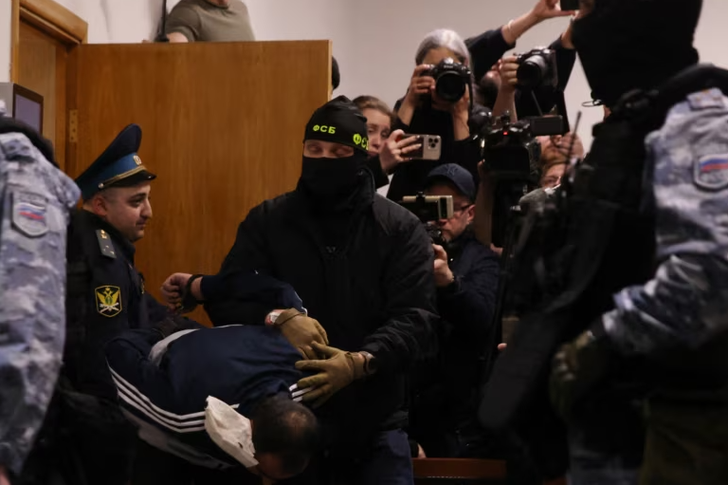
Since it first emerged a decade ago, the Islamic State of ...
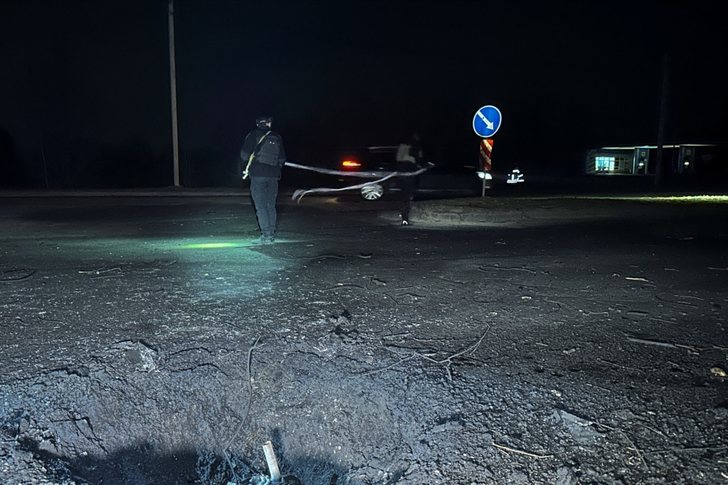
Ukraine said on Tuesday it had destroyed 12 Russian drones...
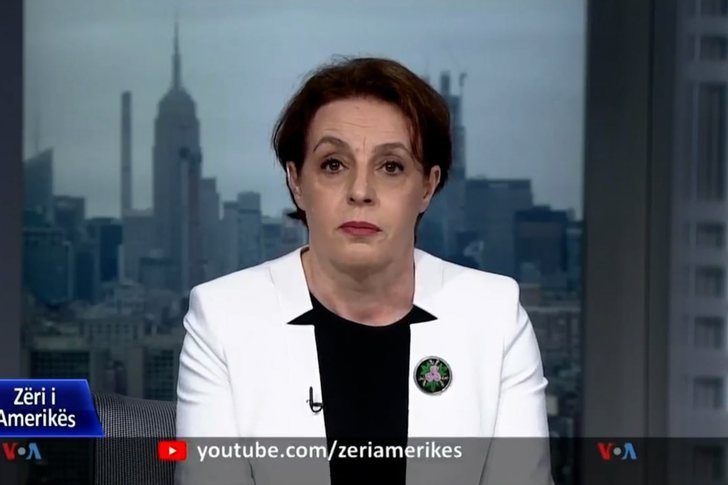
Kosovo's Foreign Minister Donika Gërvalla said that Kosovo...

An opposition group in Serbia has started collecting signa...
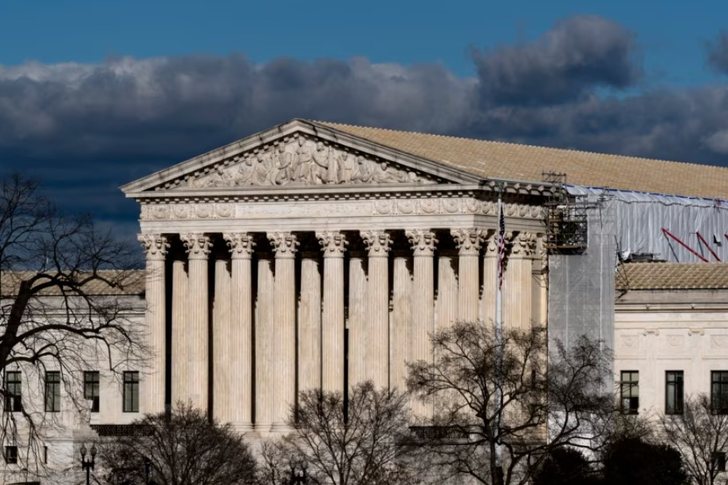
The United States Supreme Court seemed inclined on Tuesday...

The American ambassador in Pristina, Jeff Hovenier, said o...
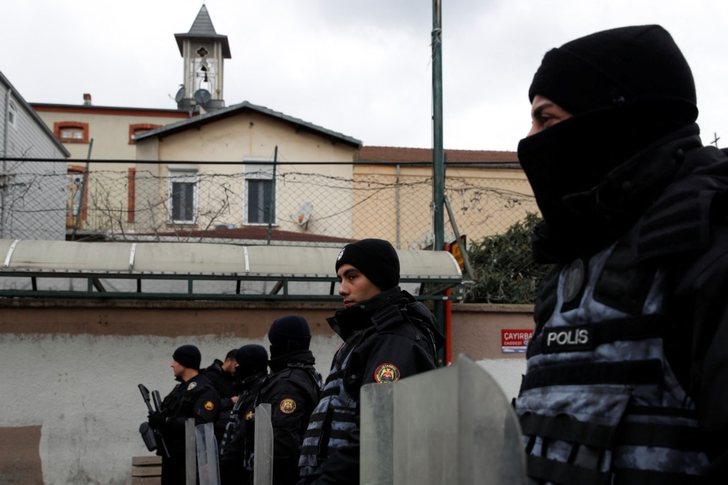
Turkish police have arrested 147 suspected Islamic State (...
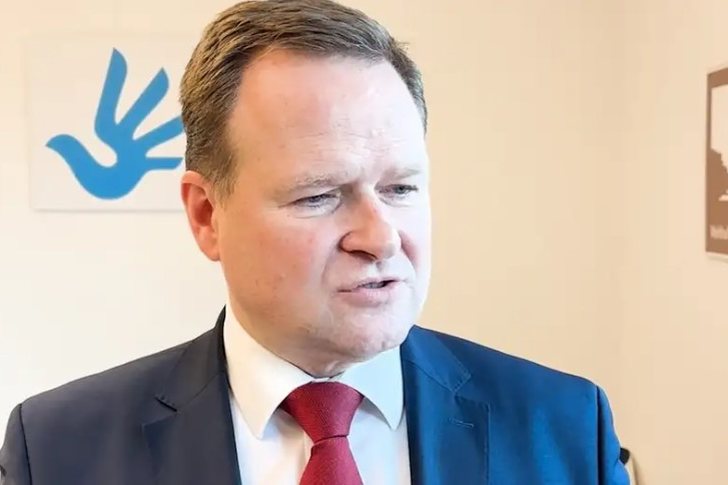
On the eve of the presentation of the fact-gathering r...
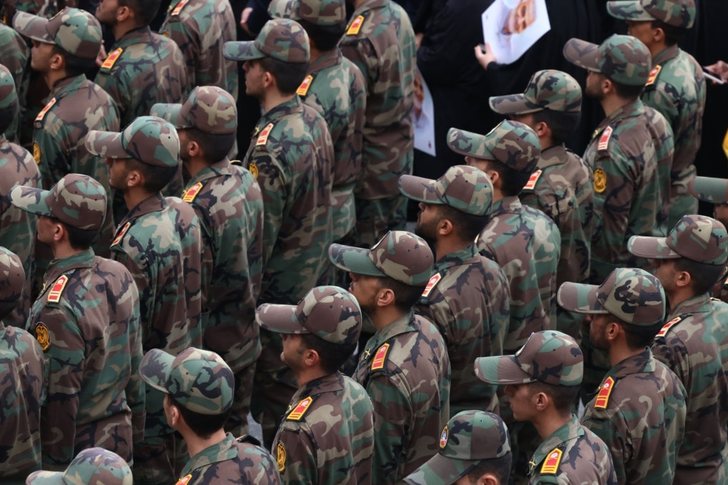
Iran has confirmed the death of a member of the Islamic Re...
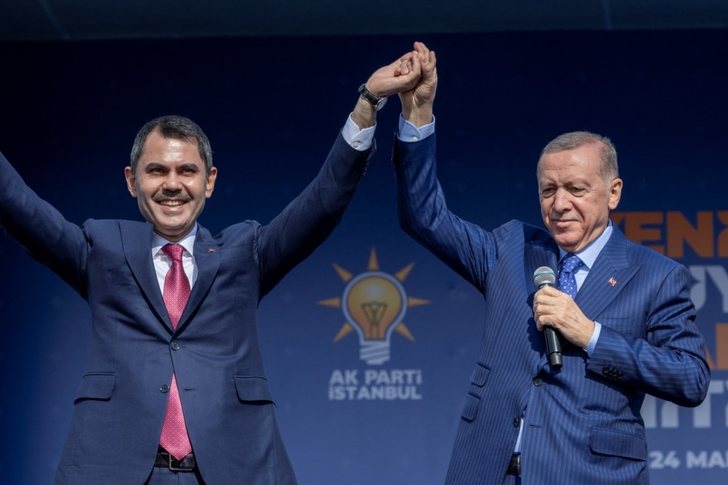
Local elections are held in Turkey on Sunday. The vote...
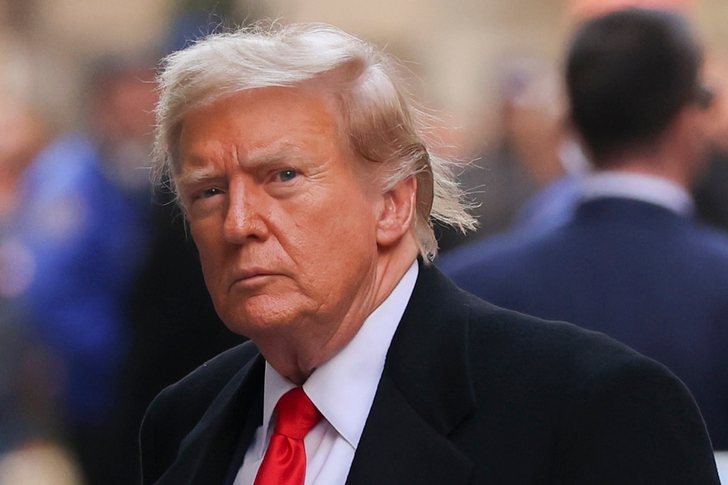
Former President Donald Trump on Monday criticized the cou...
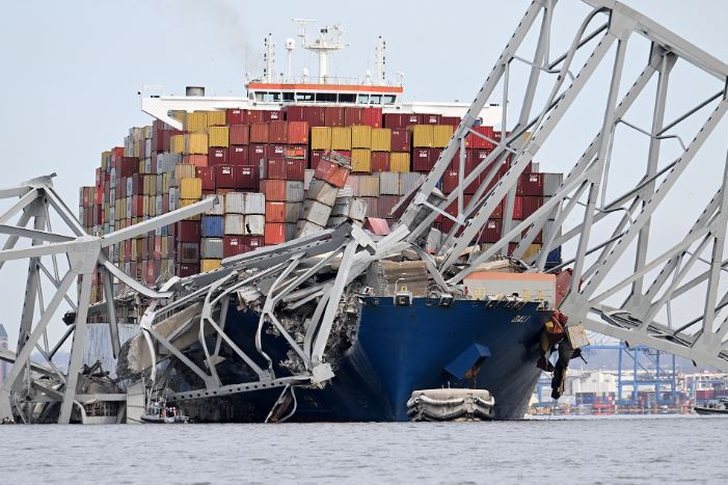
Gjashtë persona janë të pagjetur pas shembjes së urës ...

London's High Court ruled on Tuesday that Julian Assange c...
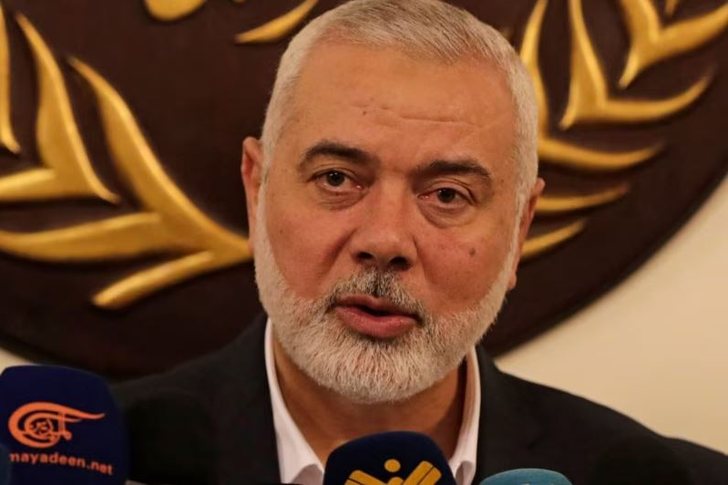
Mediat iraniane kanë raportuar të martën se lideri i grupi...
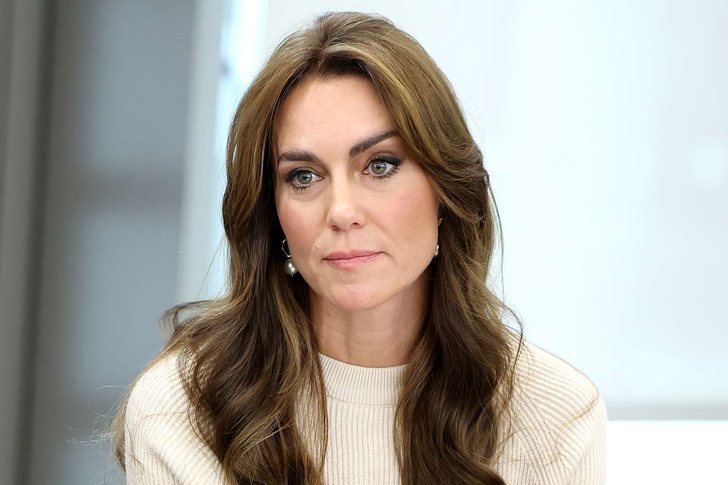
The Princess of Wales, Kate Middleton revealed a few d...

New research reveals the parts of Europe with the fast...
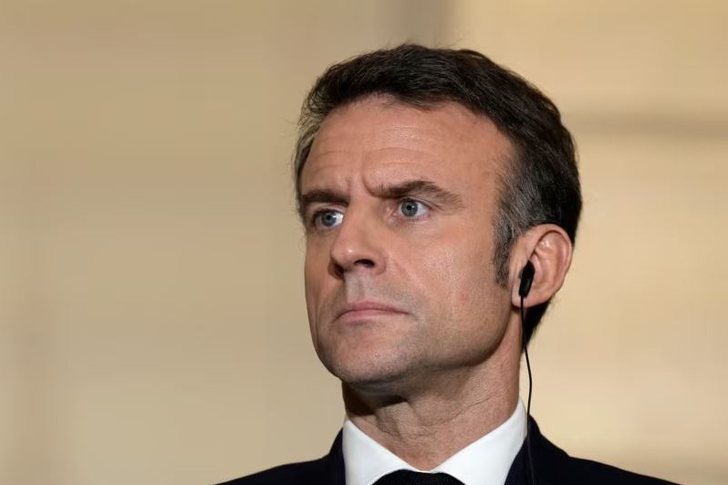
Presidenti Emmanuel Macron tha të hënën se personat e ...
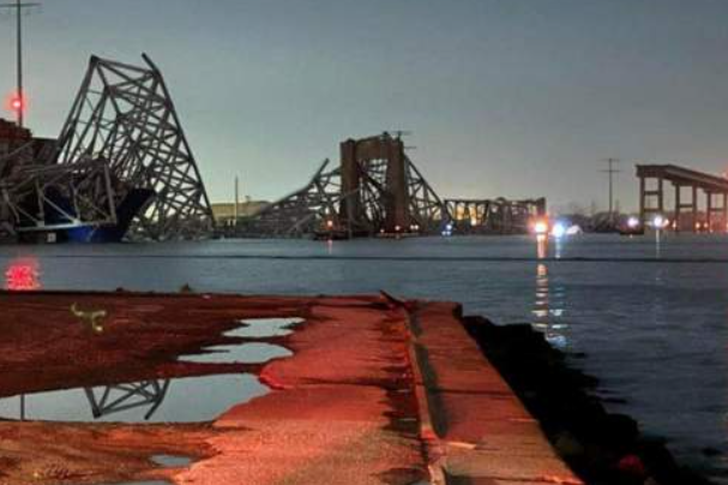
Një urë në Baltimorë, Meryland është shembur mbi lumin Pat...
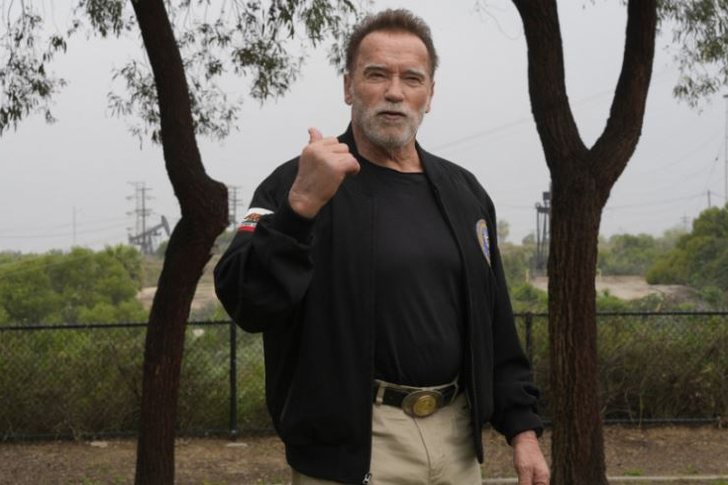
The American actor Arnold Schwarzenegger has announced...

CNA has launched another investigation that could lead to ...

Irfan Hysenbelliu is a businessman that we call "Irfan the...

In March 2026, CNA launched another investigation centered...
The arrested mayor of Tirana, Erion Veliaj, with 13 charge...

The Special Board of Appeal (KPA) decided this Monday ...

The KPA vetting decided this Thursday to dismiss the p...

Suela Salavaçi, a prosecutor in the Prosecutor's Offic...

The Special Board of Appeal reinstated the prosecutor ...
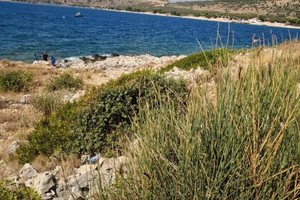
Citizen MH, 61, a fisherman, was found dead near the islan...

Another phase of the international operation, codenamed "T...
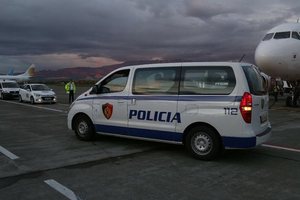
Police have arrested a 34-year-old woman at Rinas Airport ...

A serious accident has occurred on the Lezhë-Shëngjin axis...

This Wednesday, our country will be under the influence of...

All of Southern Europe will face changing weather conditio...
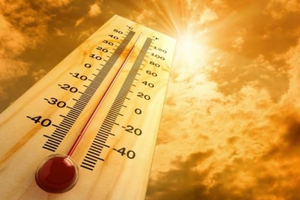
Albania was hit by temperatures significantly higher than ...

For the first time, Pogradec welcomed the Inter-Lake Chess...
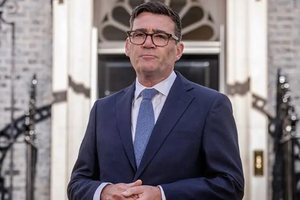
Prime Minister Andy Burnham has announced that most bus fa...

France's parliament has passed a law to ban social media f...

US Secretary of State Marco Rubio arrived in Manila on Jul...
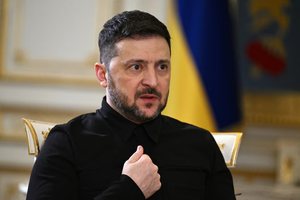
In the space of a few days, Ukrainian President Volodymyr ...

At a time when industrial products are increasingly taking...

Trust among people is not just a three-syllable word. It c...

Master of humor Todi Llupi has passed away at the age of 7...

The ninth edition of "MIK Festival" kicked off with one of...

Businesses will no longer be required to simply register t...

Despite economic growth and income in recent years, Albani...

This Wednesday, one US dollar is bought for 81.4 lek and s...

Construction company licenses will have a validity period ...