


Political scientist: The problem in Albania is corrupt officials who refuse to face justice
Political scientist Afrim Krasniqi said today that the mai...

Political scientist Afrim Krasniqi said today that the mai...

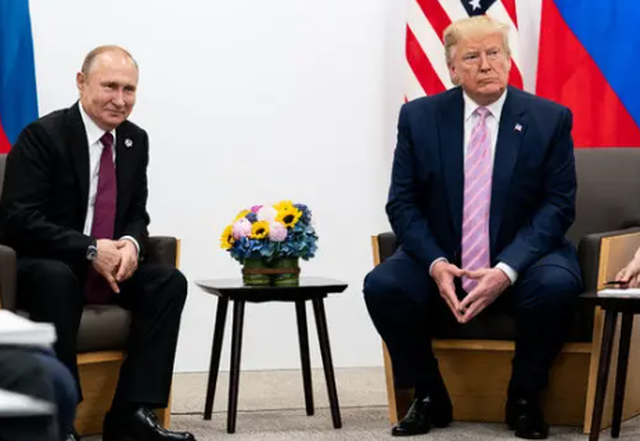
As US President Donald Trump and Russian President Vladimir Putin prepare to meet this Friday at a summit in Alaska, questions are arising about the agenda and the potential implications for the war in Ukraine.
With Ukrainian President Volodymyr Zelensky currently expected to be absent from the talks, concerns have arisen about the scope of any potential agreement, the role of Ukraine's allies, and the sustainability of any negotiated solution.
American experts give their opinion on the political, military and diplomatic factors surrounding the meeting.
Peace agreements rarely end wars, making it important to set expectations for peace negotiations in Ukraine. Only 16% of interstate wars since World War II ended in a peace settlement. Approximately 21% ended with a decisive military victory by one side, while another 30% ended with a ceasefire after the warring parties faced a military stalemate but failed to reach a formal settlement.
In addition, peace agreements usually fail. Over a third of peace agreements between 1975 and 2018 failed for a variety of reasons: Domestic support for the agreement eroded, one or more parties violated the terms of the agreement, or policymakers changed their minds for strategic or other reasons.
For peace agreements to end wars and last, warring parties must generally view their prospects for military success as low; there must be significant external pressure for an agreement, including positive incentives, security guarantees from third parties, and penalties for non-compliance with an agreement; and there must be domestic support for an agreement from critical domestic constituencies.
A better understanding of how wars end has several implications for the prospects for a peace agreement in Ukraine.
First, Ukraine needs to be heavily armed by Europe and ideally by the United States —to convince Russian leaders that their prospects for military success are low and to deter a future Russian invasion. Ukraine needs air and missile defense capabilities, medium- and long-range munitions, advanced fighter jets, intelligence, drone components, and other materials that could be used to draw advancing Russian forces away if Moscow avoids a deal.
Second, there must be credible penalties—especially from the United States— if Russia backs out of an agreement, and positive incentives if Russia keeps its word. For example, increased sanctions on Russia’s energy sector are likely to cause significant pain. Energy sanctions could be combined with sanctions on other Russian exports, such as minerals, metals, agricultural commodities, and fertilizers. After all, Russia is struggling with high inflation, labor shortages, and limited paths to economic growth.
Ultimately, the central question for Trump, Ukraine, and Putin is the same: the theory of victory . For Trump, why assume that any deal would be anything other than a pause between two Russian invasions? For Zelensky, if he is unwilling to give up territory — even temporarily — how does he sustain the war toward anything resembling victory? For Putin, how can marginal territorial gains — bought with over a million casualties, NATO expansion, a dangerously violent group of returning veterans, and a badly damaged economy — look like victory? /CNA

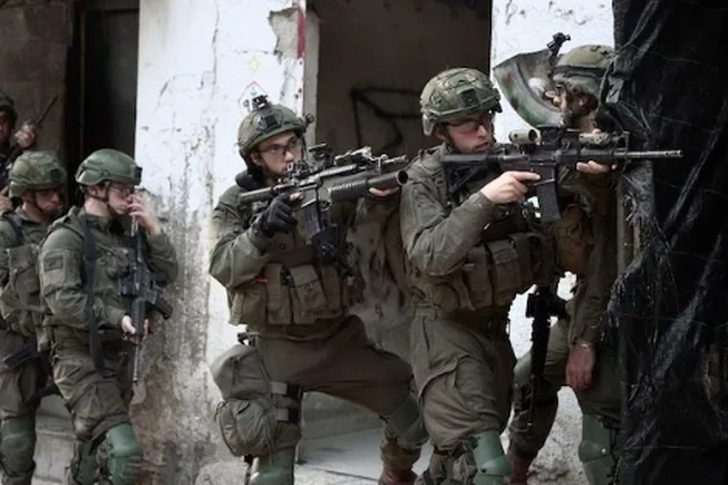
The Israeli military has approved plans for an expanded op...
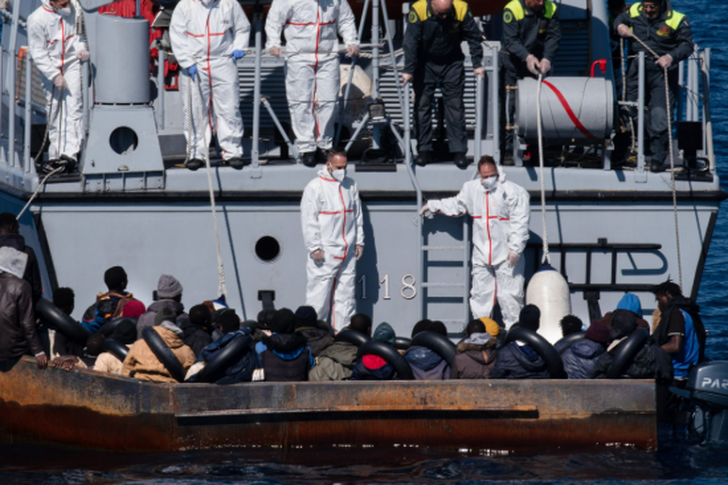
A boat carrying almost 100 migrants capsized today near t...
President Trump will meet with Russian President Vladimir ...
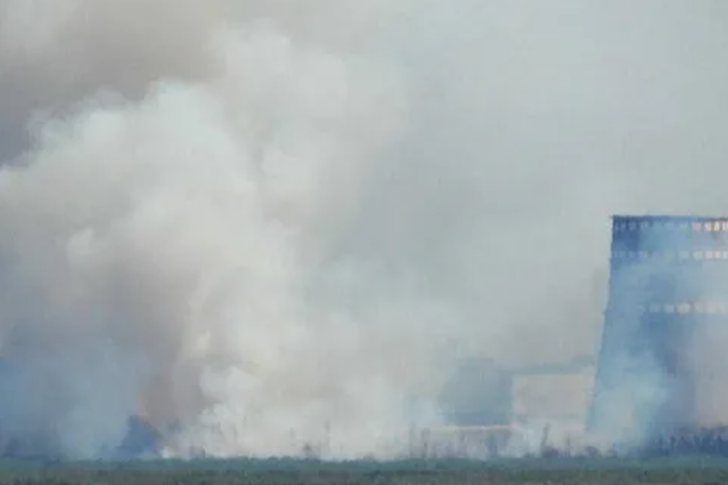
A fire has been spotted near a cargo facility belonging to...
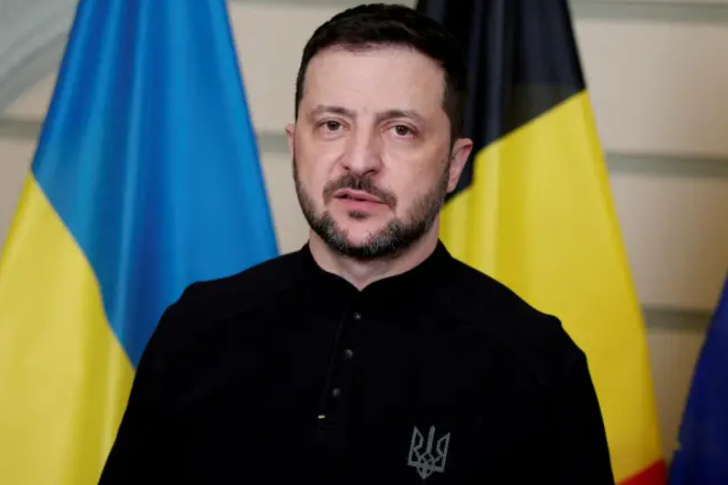
Russia is preparing to launch new offensives in Ukraine an...
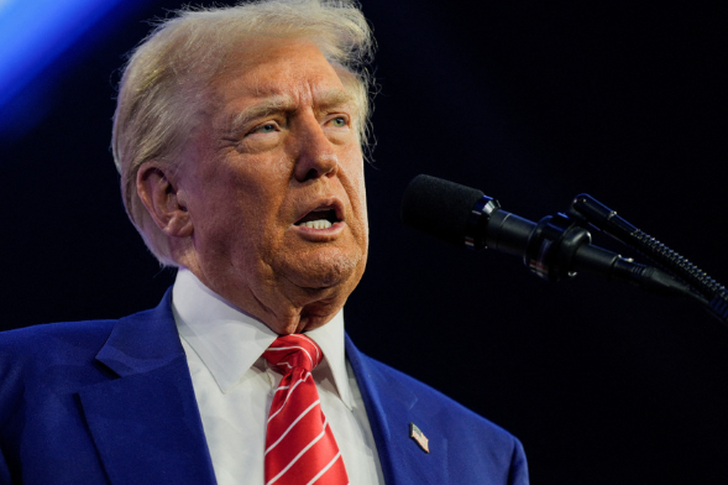
Ahead of Friday's summit with Russian President Vladimir P...
Hungarian Prime Minister Viktor Orbán said the EU is tryin...
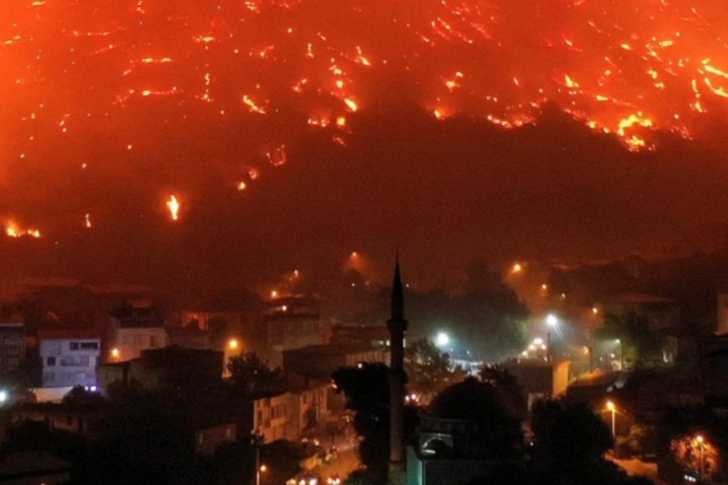
More than 2,000 people were evacuated from their homes in ...
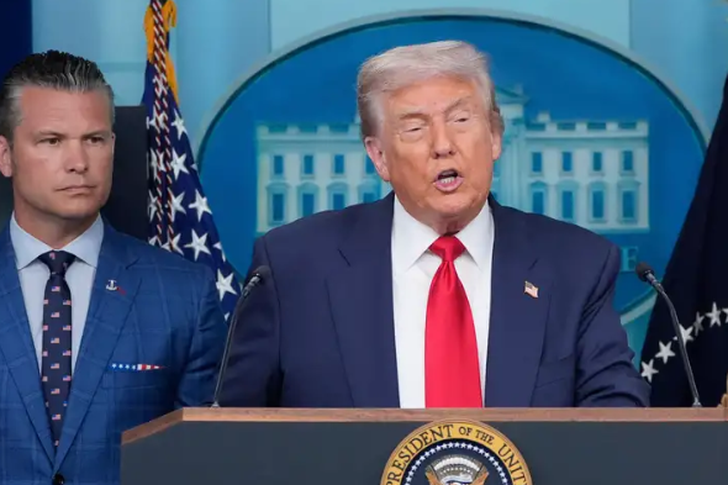
US President Trump justifies the planned deployment of the...
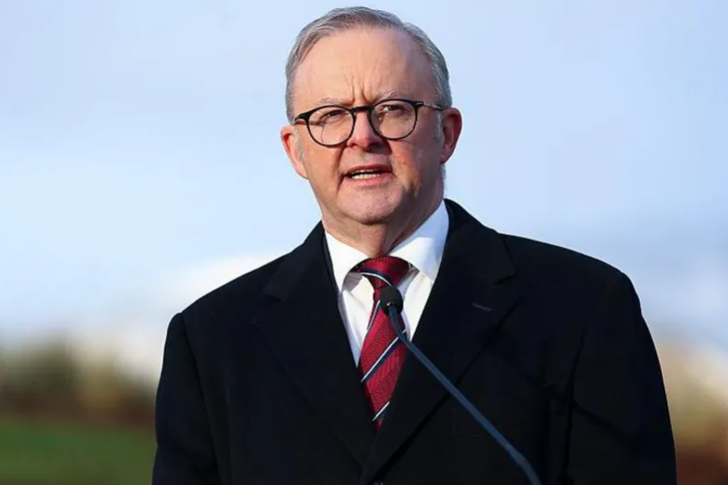
Australian Prime Minister Anthony Albanese has accused his...
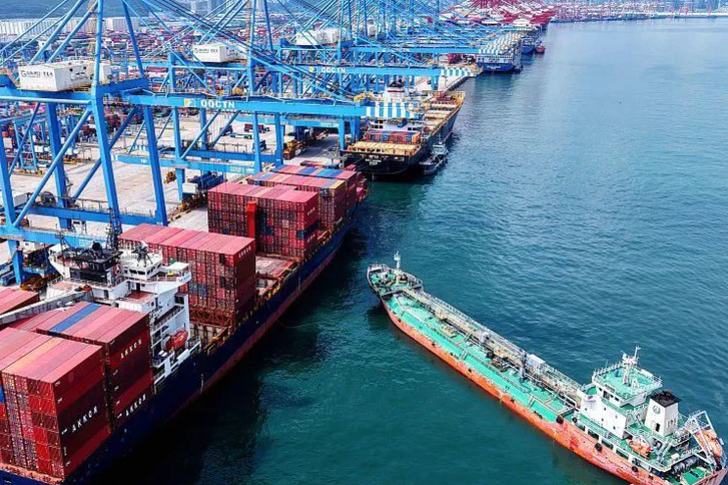
The US and China have extended a trade truce until Novembe...

Four of the six units of the Gravelines nuclear power plan...
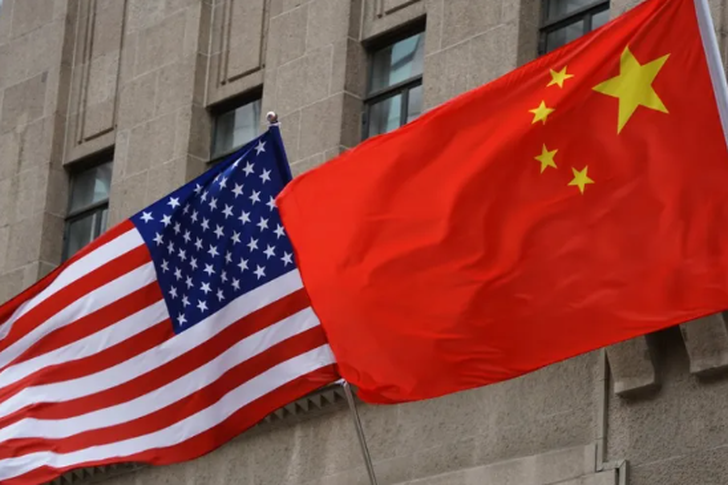
US President Donald Trump has extended his tariff truce ag...
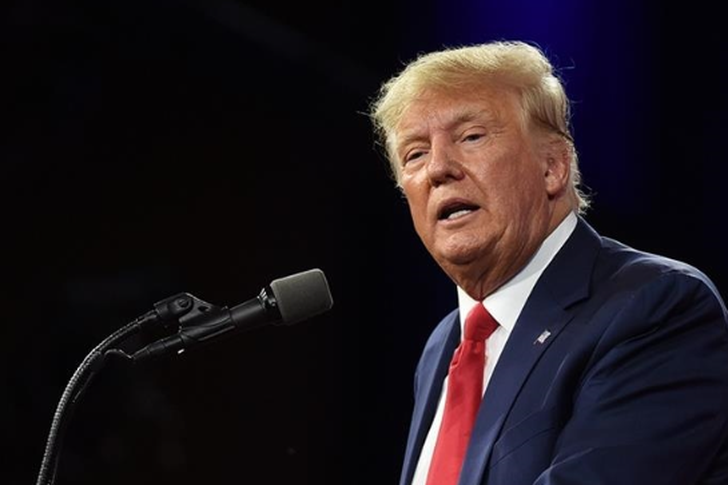
US President Donald Trump today criticized Ukrainian Presi...
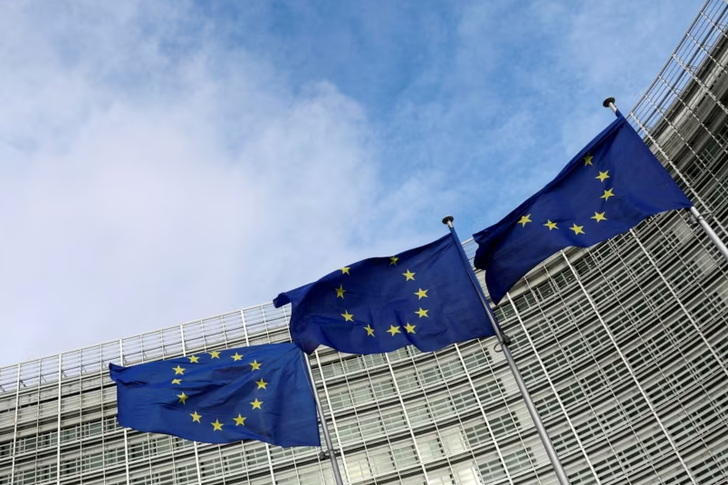
EU foreign ministers called on Monday for transatlantic un...
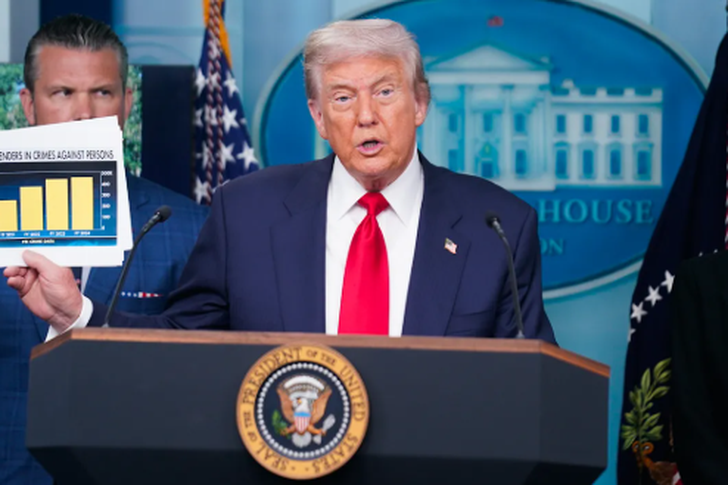
US President Donald Trump today signed an executive order ...

Two separate outbreaks of botulism poisoning have troubled...
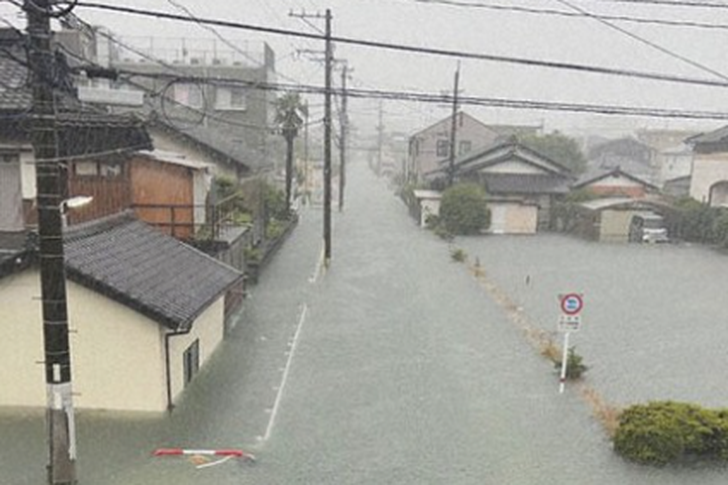
Several people have been reported missing after torrential...

The Office of the UN High Commissioner for Human Rights co...
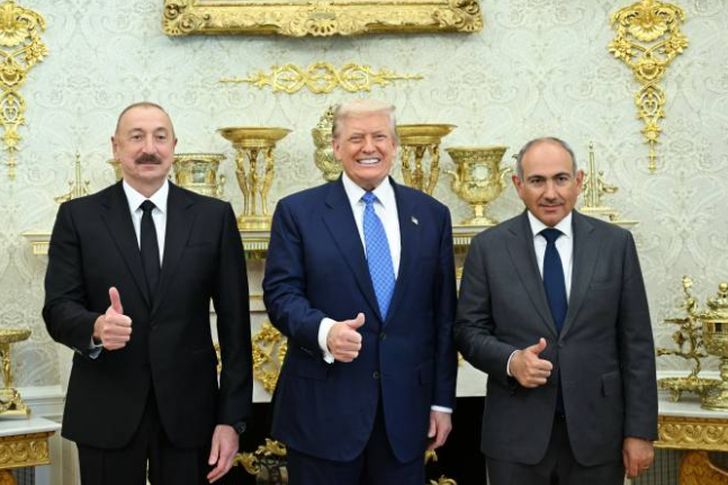
On August 7-8, 2025, the President of the Republic of Azer...

CNA has launched another investigation that could lead to ...

Irfan Hysenbelliu is a businessman that we call "Irfan the...

In March 2026, CNA launched another investigation centered...
The arrested mayor of Tirana, Erion Veliaj, with 13 charge...

The Special Board of Appeal (KPA) decided this Monday ...

The KPA vetting decided this Thursday to dismiss the p...

Suela Salavaçi, a prosecutor in the Prosecutor's Offic...

The Special Board of Appeal reinstated the prosecutor ...
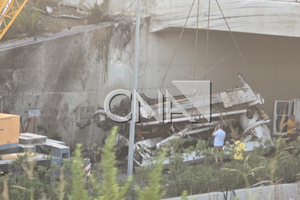
This Wednesday, around 4:00 PM, a serious accident occurre...

Tirana Police have shared details regarding the accident t...
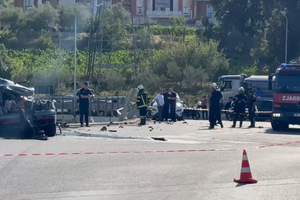
New details have emerged regarding the accident that occur...

New details have emerged from the serious accident that oc...

A serious accident that occurred this Wednesday with the c...

The Institute of Geosciences has shared a forecast for wea...

Rising energy and fertilizer prices are expected to contin...

Over 18,000 foreign citizens from 140 countries have appli...

US President Donald Trump has issued another warning to Ir...
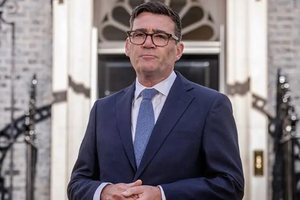
Prime Minister Andy Burnham has announced that most bus fa...

France's parliament has passed a law to ban social media f...

US Secretary of State Marco Rubio arrived in Manila on Jul...

At a time when industrial products are increasingly taking...

Trust among people is not just a three-syllable word. It c...

Master of humor Todi Llupi has passed away at the age of 7...

The ninth edition of "MIK Festival" kicked off with one of...
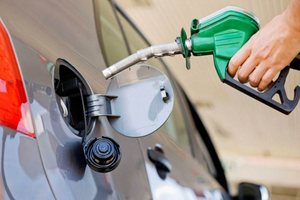
The price of diesel reached 206 lek per liter from 198 lek...

Businesses will no longer be required to simply register t...

Despite economic growth and income in recent years, Albani...

This Wednesday, one US dollar is bought for 81.4 lek and s...