


Trump launches investigation into Brazil's "unfair" trade practices
The Trump administration says it has launched an investiga...


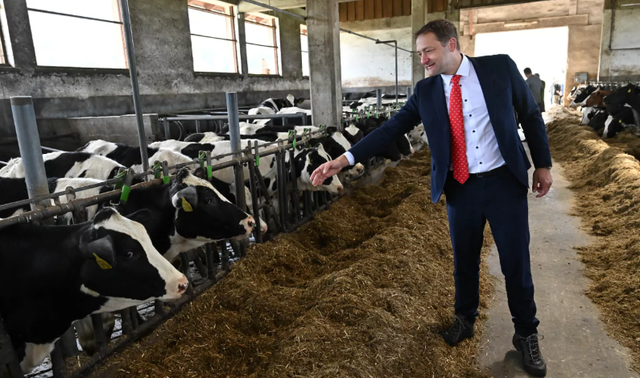
The long-awaited reform of the EU budget marks a turning point for EU agricultural policy, giving member states greater control in a partial renationalization of the bloc's agricultural subsidies.
What the European Commission is expected to unveil today marks only the first phase of a comprehensive transformation that will redefine the Common Agricultural Policy (CAP) at its core.
In many ways, the upcoming changes are the culmination of reforms initiated in response to farmers' protests, focused on simplification and reducing conditionality.
Now, these efforts are being pushed to their logical extreme.
However, EU Agriculture Commissioner Christophe Hansen faces a difficult road ahead, as the reforms are expected to be seen as drastic.
At the heart of this change is a simplification: the CAP will be absorbed into a single fund - together with previously distinct funding mechanisms, such as Cohesion Policy or EU fisheries subsidies - under a unified set of funding rules.
One of the most symbolic changes is the removal of the long-standing structure of the CAP built around two pillars, a structure in place since the 1999 reform.
For the PPB "traditionalists", this is a major blow.
Despite the clear rationale behind this revision - simplifying EU agricultural regulation - the new architecture of EU agricultural subsidies will be among the most complex elements of the future EU budget.
Here are five main ideas that support the reform:
Since taking office, Commissioner Hansen has repeatedly stressed that the future Common Agricultural Policy (CAP) will be an “evolution, not a revolution.” But reality seems to contradict his rhetoric.
The new structure — and particularly the move to a single fund and the removal of strong conditionality — has left many in the sector surprised, given Hansen's previous moderate stance, which enjoyed support from key stakeholders.
In fact, it is a mix of both. The reform is truly an evolution, building on the recent simplification measures introduced after last year's farmers' protests.
Even the new service delivery model, for example, closely mirrors the current system agreed in 2021 based on 27 national strategic plans.
However, these “evolutionary” elements have now crystallized into a full-scale revolution: a single fund, a single budget line, and minimal conditionality at the EU level.
Another long-feared development has occurred: the merging of regional funds and agricultural subsidies.
Both the CAP and Cohesion Policy, which account for two-thirds of the EU budget, will now be included in a broader Single Fund.
For the agricultural sector, the impact has been mitigated. A ring-fencing mechanism ensures that a minimum part of the fund remains earmarked for agriculture, protecting it from budgetary flexibility that would affect other areas such as cohesion policy more significantly.
Despite agriculture receiving special consideration, the von der Leyen Commission's push for radical simplification of the program has proven unstoppable.
Since 2000, the CAP has operated under a two-pillar system, separating direct payments (the so-called first pillar) from rural development projects (also known as the second pillar), with the latter financed through multiannual co-financed programmes.
The new EU budget proposal would eliminate the “second pillar” of the CAP, but this does not mean that rural development will disappear completely.
Under the new CAP architecture, rural development actions, such as support for small farmers or agri-environmental measures, will continue, but no longer as part of a distinct 'pillar' with its own distinctive policy objectives.
Critical elements such as terminology, structural division and the fundamental aspect have disappeared, although the content of rural development (including its co-financing feature) remains.
The risk of renationalisation — where the "Common" part of the Common Agricultural Policy begins to fade — has increased since the previous CAP reform proposed by then Agriculture Commissioner Phil Hogan and approved by lawmakers in 2021.
This risk is now a reality. After 2028, the implementation of the CAP will rely heavily on bilateral negotiations between the European Commission and individual member states.
Other influential actors, especially local authorities, but also the European Parliament, will have little say.
With member states gaining considerable autonomy over how funds are spent, the CAP is becoming increasingly national in character, which could undermine its “common” objectives.
Some fundamental elements of the CAP will remain intact. Area-based income support and coupled income support - both central features of direct payments - will still be in place (with some changes).
The crisis reserve, introduced in the recent reform to address market shocks or disasters, also survives.
But there are also new features. In particular, all member states will have to create support services for farmers.
These will provide support when farmers are unable to work due to illness, childbirth or family care responsibilities, with co-financing from national governments./ CNA

The Trump administration says it has launched an investiga...

Cuban Minister of Labor and Social Security, Marta Elena F...

The President of Kosovo, Vjosa Osmani, continued today the...

US President Donald Trump said today that Ukrainian Presid...
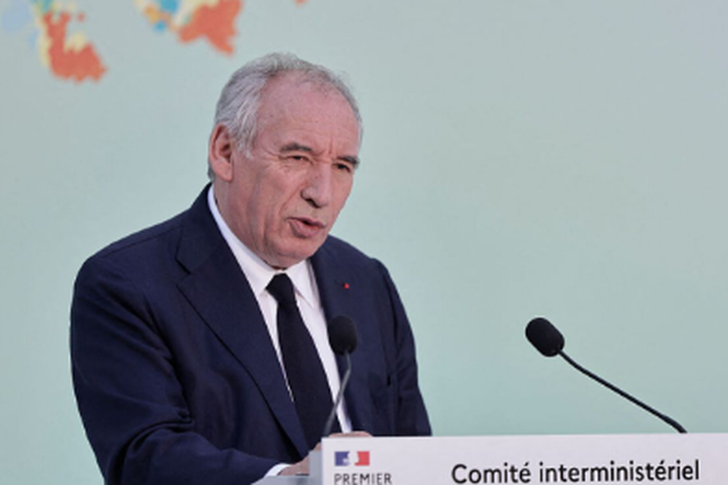
France's Prime Minister, François Bayrou, has presented pl...
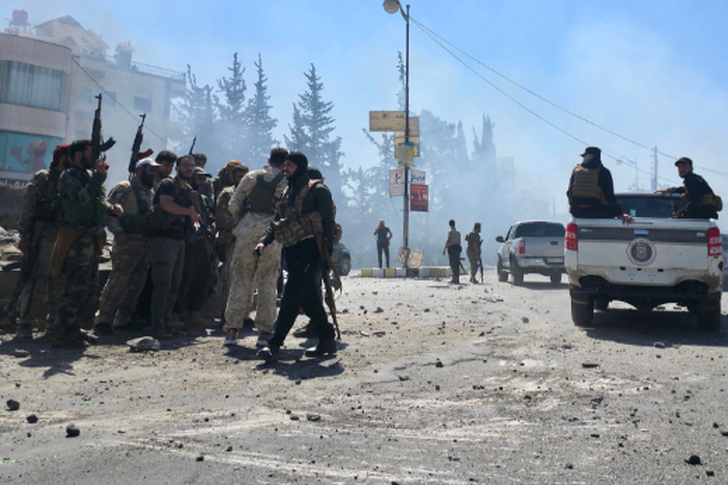
Fierce fighting and an Israeli airstrike have led to casua...
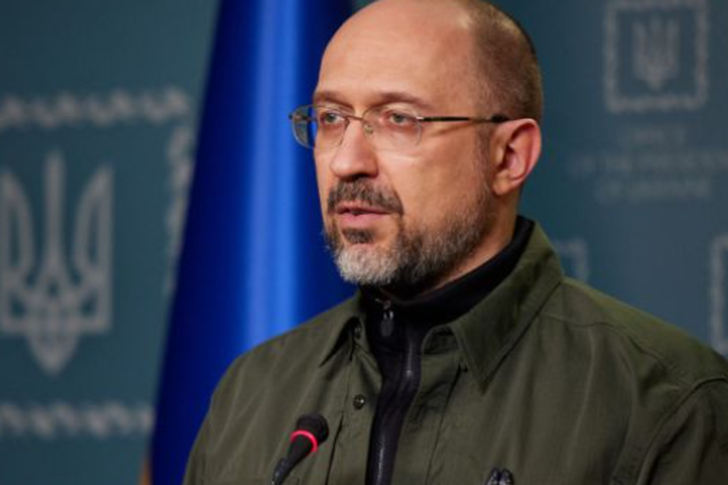
Ukrainian Prime Minister Denys Shmyhal announced on Tuesda...
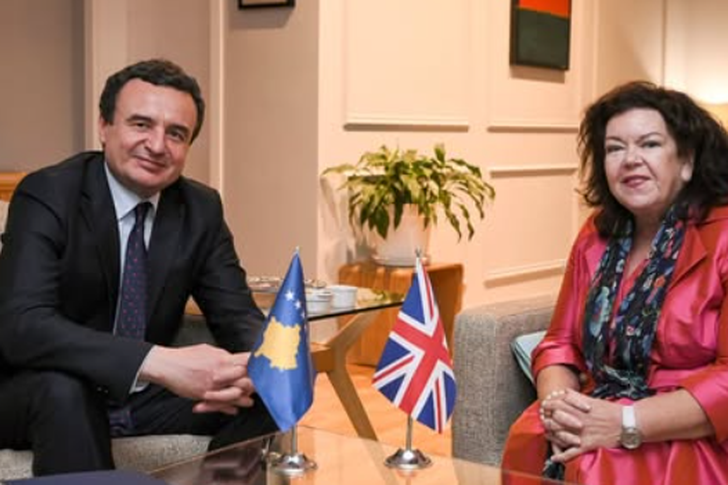
The Prime Minister of Kosovo, Albin Kurti, held a meeting ...

Kiev and Odessa are under the most massive Russian attacks...
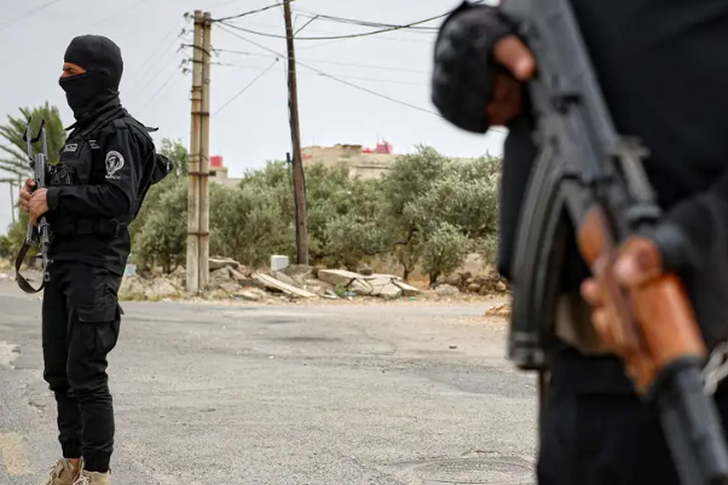
At least 40 dead, including children: conflict between Dru...
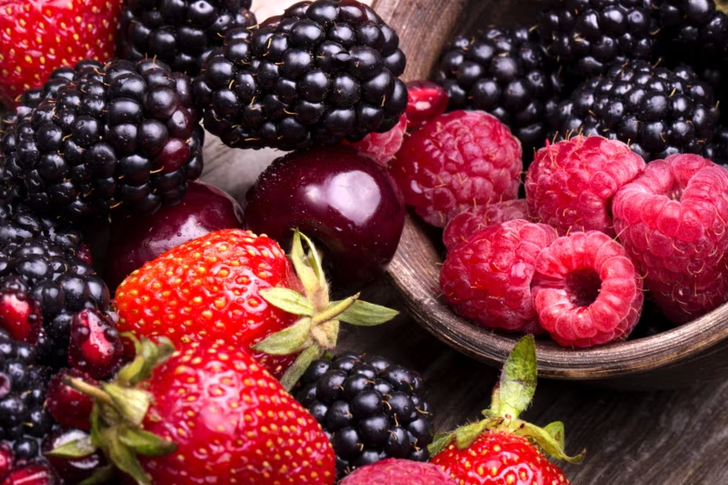
The presence of the hepatitis A virus has been detected in...

US President Donald Trump said today that he has reached a...
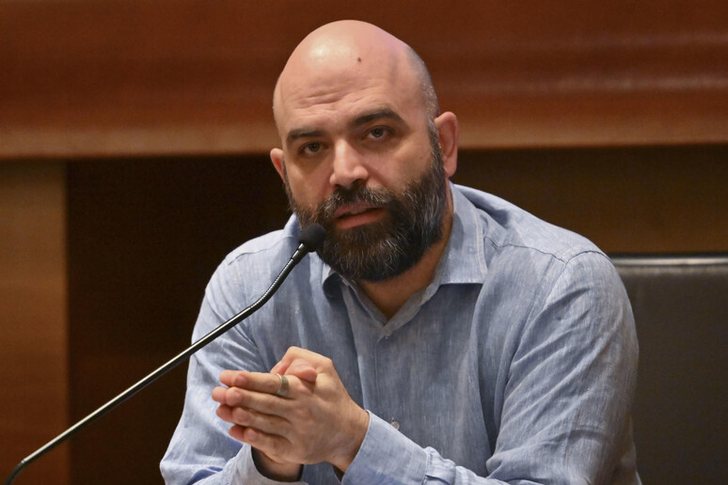
One of the leaders of the Italian mafia, Francesco Bidogne...

The President of Kosovo, Vjosa Osmani, traveled to Latvia ...

France celebrates its biggest national day today, Bastille...

President Trump announced that he will impose 30 percent t...

Clashes between Bedouins and local fighters in the town of...
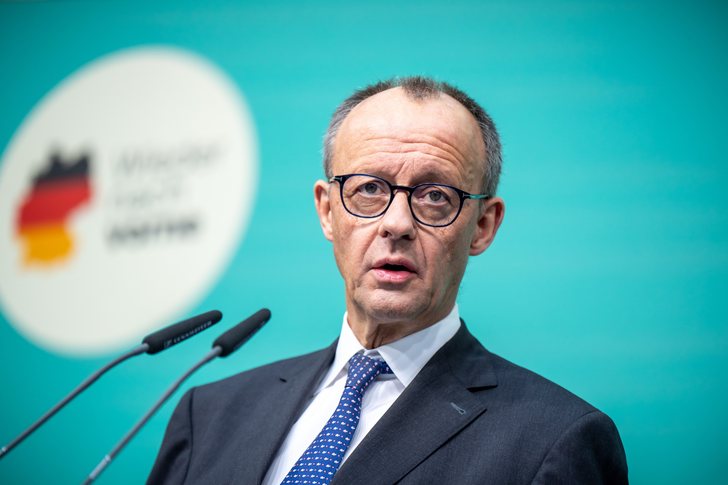
German Chancellor Friedrich Merz said today that US Presid...
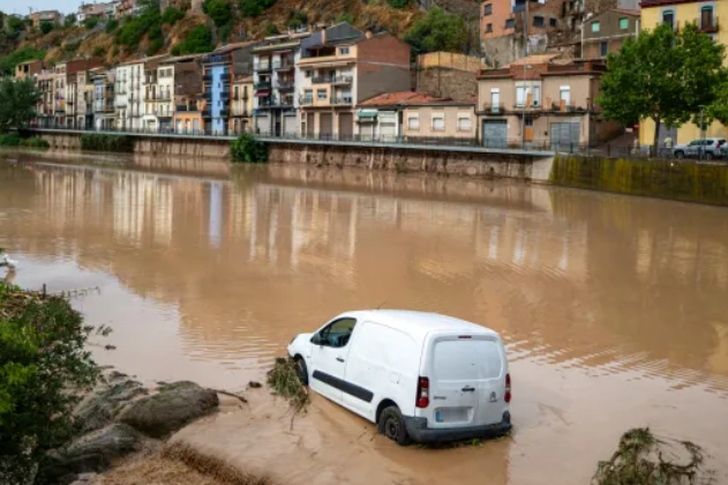
Two people are reported missing in Catalonia after torrent...

Pope Leo XIV celebrated Sunday Mass today at the Parish of...

CNA has launched another investigation that could lead to ...

Irfan Hysenbelliu is a businessman that we call "Irfan the...

In March 2026, CNA launched another investigation centered...
The arrested mayor of Tirana, Erion Veliaj, with 13 charge...

The Special Board of Appeal (KPA) decided this Monday ...

The KPA vetting decided this Thursday to dismiss the p...

Suela Salavaçi, a prosecutor in the Prosecutor's Offic...

The Special Board of Appeal reinstated the prosecutor ...
New details have emerged regarding the accident that occur...

New details have emerged from the serious accident that oc...
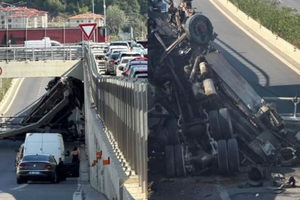
A serious accident occurred this Wednesday on the Elbasan-...
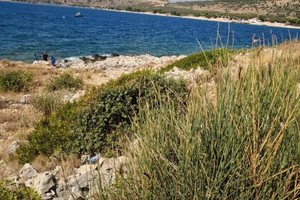
Citizen MH, 61, a fisherman, was found dead near the islan...
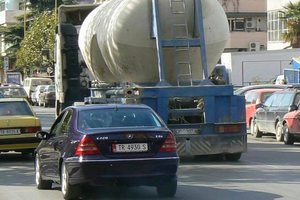
A serious accident that occurred this Wednesday with the c...

The Institute of Geosciences has shared a forecast for wea...
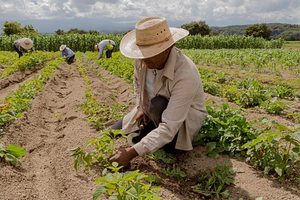
Rising energy and fertilizer prices are expected to contin...

Over 18,000 foreign citizens from 140 countries have appli...

US President Donald Trump has issued another warning to Ir...

Prime Minister Andy Burnham has announced that most bus fa...

France's parliament has passed a law to ban social media f...

US Secretary of State Marco Rubio arrived in Manila on Jul...

At a time when industrial products are increasingly taking...

Trust among people is not just a three-syllable word. It c...

Master of humor Todi Llupi has passed away at the age of 7...

The ninth edition of "MIK Festival" kicked off with one of...

Businesses will no longer be required to simply register t...

Despite economic growth and income in recent years, Albani...

This Wednesday, one US dollar is bought for 81.4 lek and s...

Construction company licenses will have a validity period ...