

The joint exercises aim to strengthen Finland's security in the face of the Russian threat
On May 31, US troops completed the first ever drills to re...


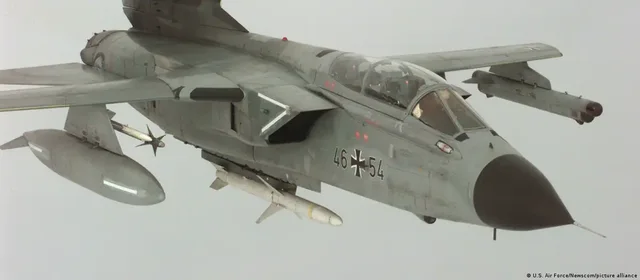
The Kosovo War ended on September 10, 1999. On that day, the UN Security Council in New York adopted Resolution 1244, which officially ended the fighting, which had ceased the day before, following the signing of the Technical-Military Agreement in Kumanovo.
Two and a half months earlier, on the evening of March 24, 1999, NATO had begun its first bombing of targets in Yugoslavia (consisting of Serbia and Montenegro). This was the first combat mission of the North Atlantic Defense Alliance without a UN mandate and the first with the participation of German soldiers. It was a taboo violation - for NATO because of the lack of a UN mandate and for the German public because of its involvement in a war. NATO's goal was to force the Yugoslav army to withdraw from Kosovo to prevent deportations and human rights violations against the Kosovo Albanians living there.
The disintegration of Yugoslavia began in 1991 with the declaration of independence by Slovenia, Croatia and Macedonia. Bosnia-Herzegovina followed in 1992. Serbia led or initiated wars against Slovenia, Croatia and Bosnia-Herzegovina, only Macedonia was spared by Serbian forces.
Even in Kosovo, the early signs pointed to an escalation: as early as 1989, the head of the League of Communists in Serbia, Slobodan Milosevic, removed the autonomy of the province of Kosovo. The removal of Albanians from the state administration and the public sector (health and education) in Kosovo had started earlier and was massively expanded with the removal of autonomy. For a long time there was non-violent resistance by Kosovo Albanians, led by the writer Ibrahim Rugova, who later became the first president of Kosovo.
By the mid-1990s, supporters of violent resistance against Serbia became increasingly popular. They were organized in the Kosovo Liberation Army (KLA). The initially small force grew quickly and became a major force in the second half of the 1990s.
These forces took action against Serbian police stations and other points, to which Belgrade responded with disproportionate severity. Armed conflicts turned into a war in Kosovo, in the period 1998/1999. The reason for NATO's intervention is the discovery of the bodies of 40 dead Kosovar Albanians in the village of Reçak in January 1999. International observers led by William Walker spoke of mass killing of civilians, which was denied by the authorities in Belgrade.
Negociatat e paqes mes palës serbe dhe asaj të Kosovës, me ndërmjetësimin ndërkombëtar, u zhvilluan në Rambuje afër Parisit në shkurt 1999. Bisedimet u mbajtën nën udhëheqjen e Grupit të Kontaktit. Këto ishin përpjekjet e fundit diplomatike të evropianëve dhe të SHBA-së për t'i detyruar shqiptarët dhe serbët e Kosovës t'i japin fund luftimeve me një marrëveshje.
Por negociatat dështuan. Një përpjekje e fundit nga i dërguari i posaçëm i SHBA Richard Holbrooke për të bindur njeriun e fortë të Serbisë Millosheviq të dorëzohej në Beograd dështoi po ashtu vetëm pak kohë para fillimit të bombardimeve.
Në prag të sulmeve ajrore të NATO-s, politikanët perëndimorë, duke përfshirë presidentin amerikan Bill Clinton në veçanti, e kishin akuzuar vazhdimisht Serbinë për planifikimin e gjenocidit në Kosovë. NATO nuk kërkoi një mandat të OKB-së për këto bombardime, sepse ekzistonte dyshimi se do të kishte dështuar për shkak të rezistencës nga Rusia dhe Kina në Këshillin e Sigurimit të OKB-së. Për koalicionin e atëhershëm të qeverisë gjermane të përbërë nga socialdemokratët (SPD) dhe ekologjistët, pjesëmarrja në luftë me disa avionë luftarakë ishte një vendim delikat. Pacifistët dhe mbështetësit e ndërhyrjes ishin kundër njëri-tjetrit në Gjermani.
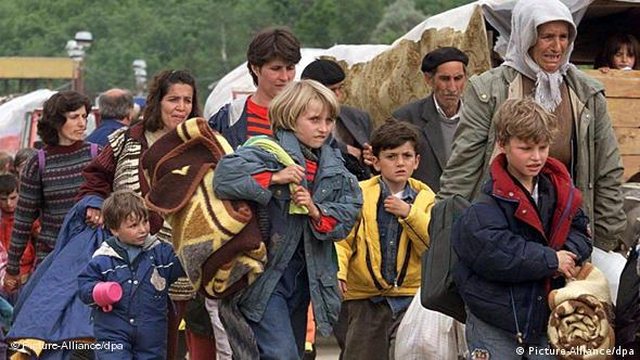
I ashtuquajturi "plani patkoi" i Serbisë (për dëbimin e shqiptarëve nga Kosova) kishte për qëllim t'i jepte qeverisë federale justifikimin e nevojshëm për pjesëmarrjen gjermane në luftën e Kosovës. Plani për të cilin flitej se ekzistonte në Beograd, kishte për qëllim të dëbonte popullsinë shqiptare përtej kufirit jugor të Kosovës në Shqipëri. Zyrtarisht nuk është konfirmuar nëse ky plan ka ekzistuar në të vërtetë. Por është e padiskutueshme se qindra mijëra shqiptarë të Kosovës u larguan ose u dëbuan nga shtëpitë e tyre dhe kaluar në radhë të parë në Shqipëri e Maqedoni.
Shumica e ekspertëve sot pajtohen se bombardimet e NATO-s zgjatën më shumë se njëmbëdhjetë javë për shkak të llogaritjeve të gabuara reciproke të palëve. NATO ishte e bindur se Millosheviqi do të dërgonte sinjale për negociata pas disa ditësh bombardime.
Nga ana tjetër, në Beograd spekulohej se NATO do të dorëzohej dhe do të vinte një kompromis në tryezë. Në fund të fundit, Millosheviçi u dorëzua, ndoshta sepse Moska po ushtronte ndikim në Beograd. Rusia, e cila kishte vështirësi të mëdha ekonomike në atë kohë, kishte nevojë për bashkëpunim me Perëndimin, mendon edhe ish-përfaqësuesi special i BE-së për Kosovën, austriaku Wolfgang Petritsch.
Përfundimi i luftës u rregullua me dy akte juridike ndërkombëtare. Marrëveshja Teknike-Ushtarake në Kumanovë më 9 qershor 1999, një qytet në atë që sot quhet Maqedonia e Veriut, parashikonte tërheqjen e ushtrisë jugosllave dhe forcave serbe nga Kosova. Përgjegjësia e sigurisë për rajonin kaloi me këtë Marrëveshje në duart e NATO-s. Marrëveshja parashikonte edhe çarmatimin e UÇK-së.
A day later, the UN Security Council adopted Resolution 1244, also known as the Kosovo Resolution. It formed the international legal basis for resolving the Kosovo crisis. The resolution determined that Kosovo would remain an integral part of the Federal Republic of Yugoslavia, although with very wide autonomy. To create a civilian administration, the United Nations created UNMIK, a temporary international administration mission. The UN sent the international military force of KFOR to guarantee security in Kosovo. But the final status of Kosovo remained unclear in this Resolution.
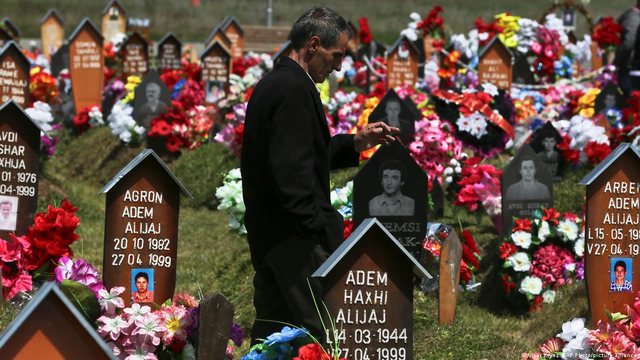
After 78 days, about 2,300 airstrikes and thousands of dead, the NATO intervention ended. The Kosovo war, which started a year and a half ago, came to an end.
Nine years later, on February 17, 2008, Kosovo was declared independent and is now recognized by about 115 of the 192 UN member states, including the USA, Germany, Great Britain, France... But Russia and China as well five EU countries (Greece, Romania, Spain, Slovakia, Cyprus) have not recognized Kosovo as a state. Serbia still claims that Kosovo is part of it and refuses to recognize Kosovo's independence./ DW

On May 31, US troops completed the first ever drills to re...
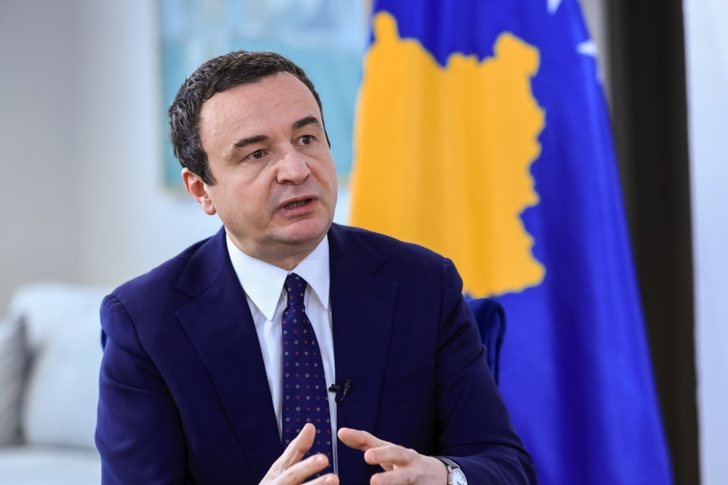
The Prime Minister of Kosovo, Albin Kurti, has said th...
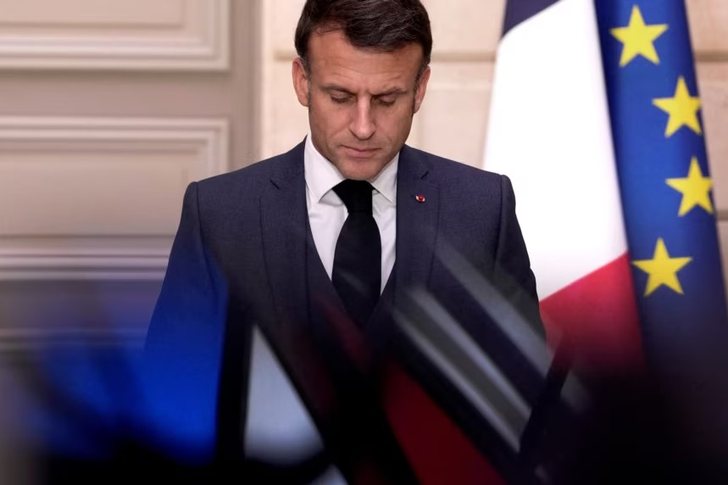
The President of France, Emmanuel Macron, has announce...
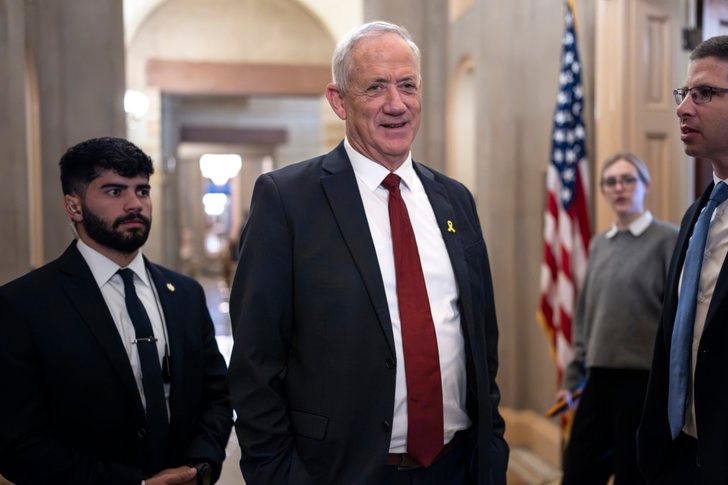
Israeli Minister Benny Gantz announced today his resig...
Far-right parties appear to have made significant gain...
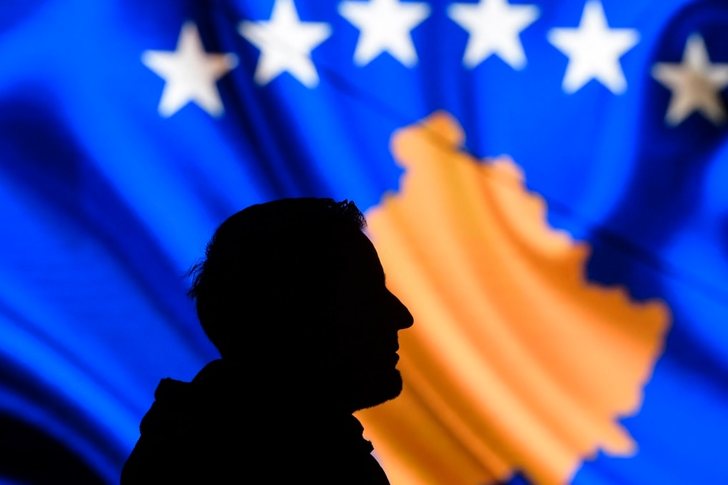
Migration and the decline in the birth rate in Kosovo are ...
A Greek candidate for the European Parliament was arre...
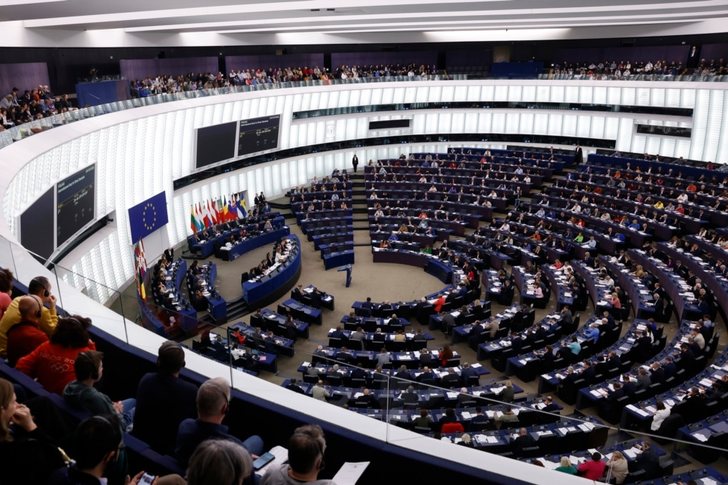
Tens of millions of people across the European Union are v...
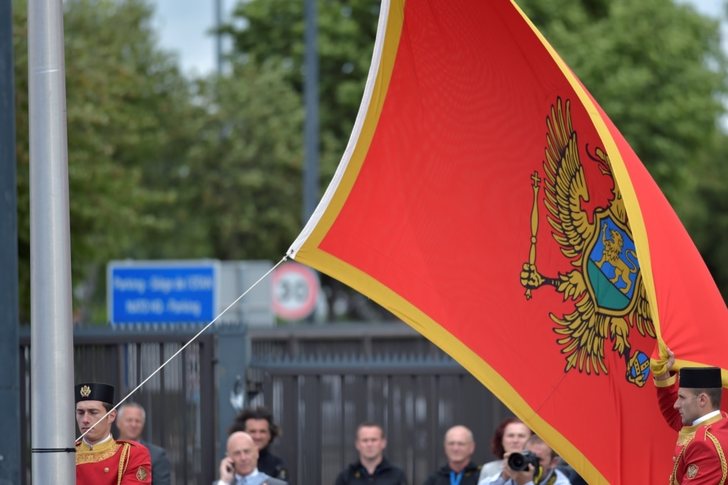
Analysts in Montenegro appreciate the support of the Europ...
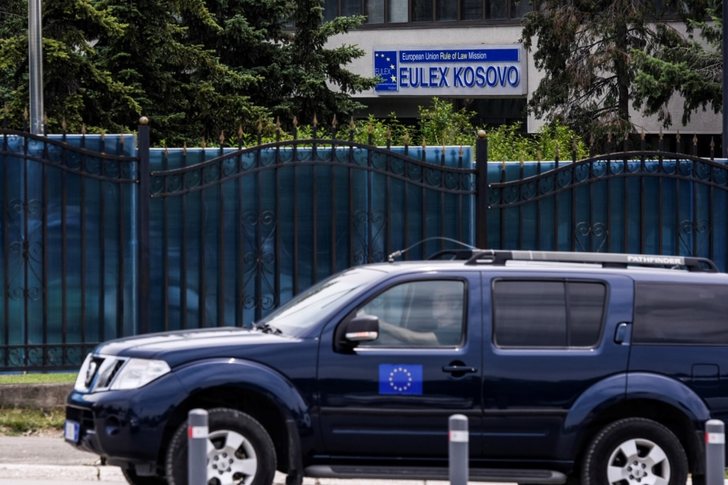
The head of the mission of the European Union for the rule...
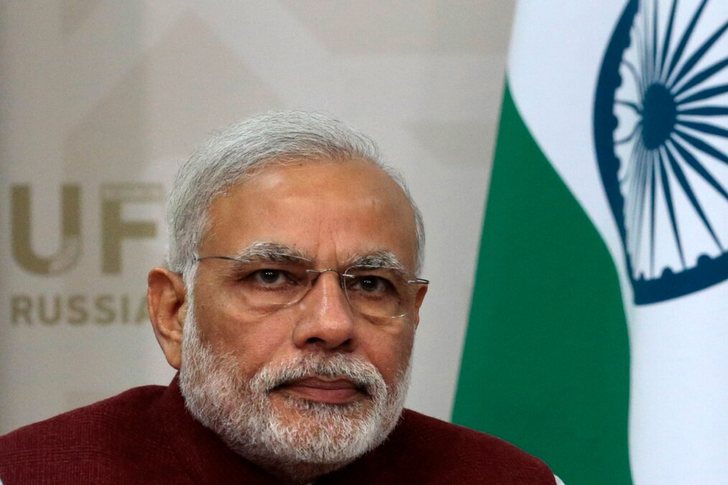
Narendra Modi, leader of the Hindu nationalist Bharatiya J...
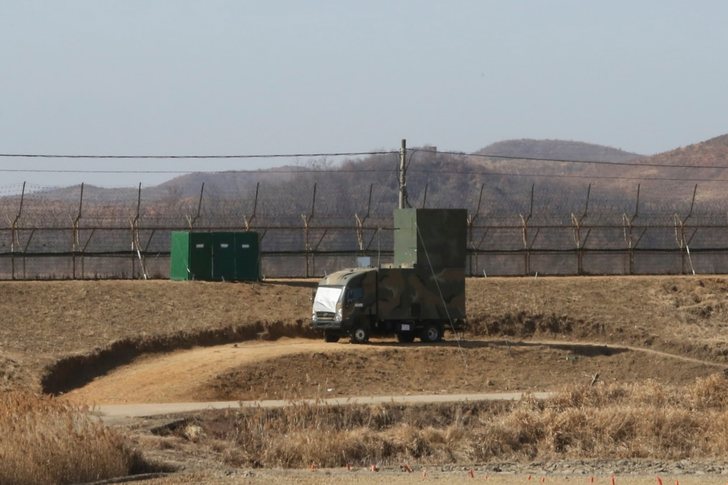
South Korea resumed megaphone propaganda broadcasts agains...
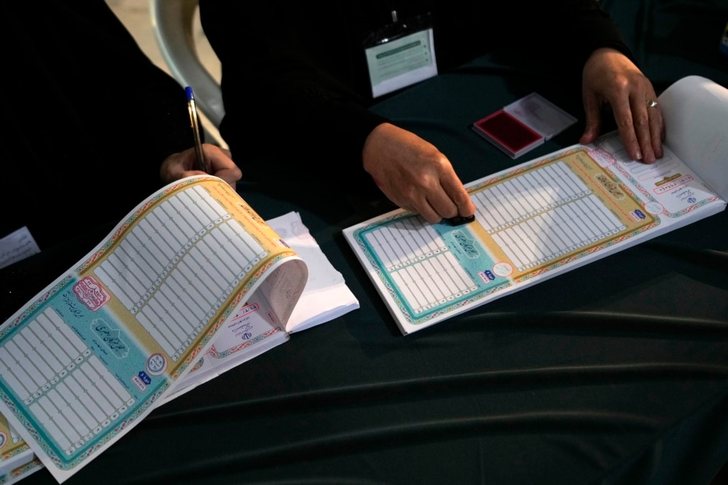
Iran has announced the names of six candidates - mostly co...
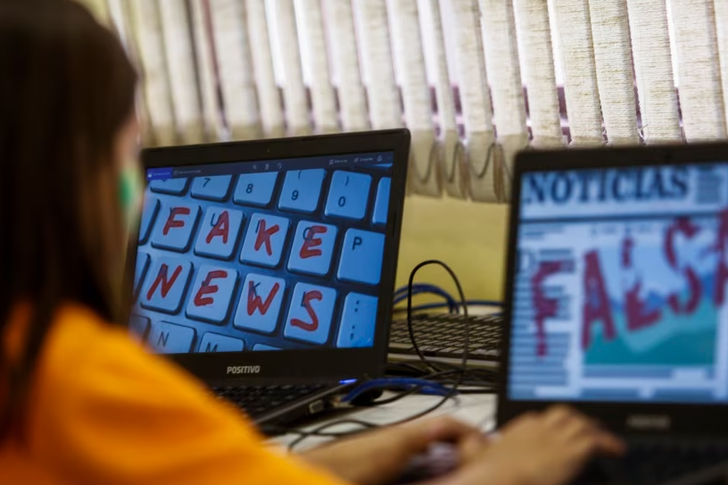
The Western Balkans is facing disinformation from Russ...
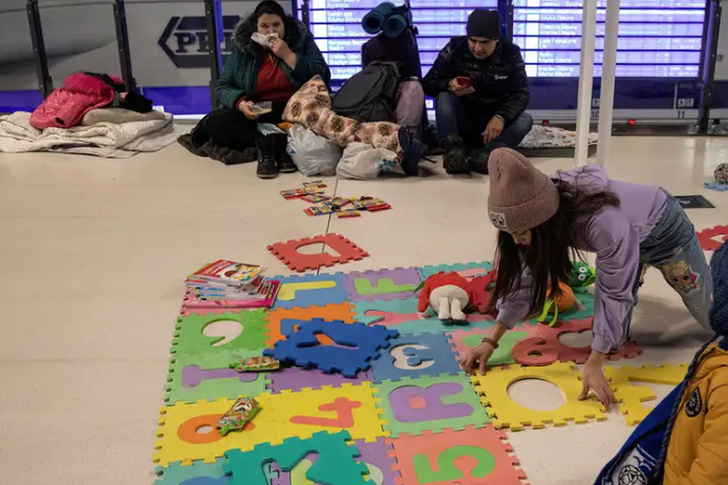
More than 13,000 children from Ukraine are growing up with...
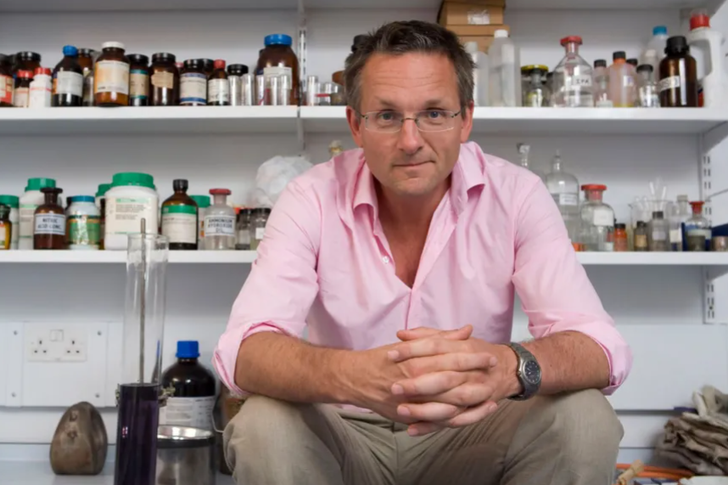
The dead body of the well-known TV and radio presenter...
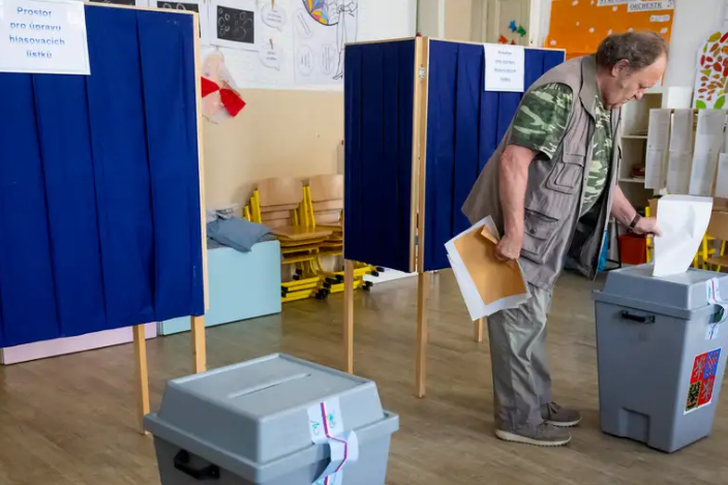
The EU elections enter the decisive phase on Sunday. What ...
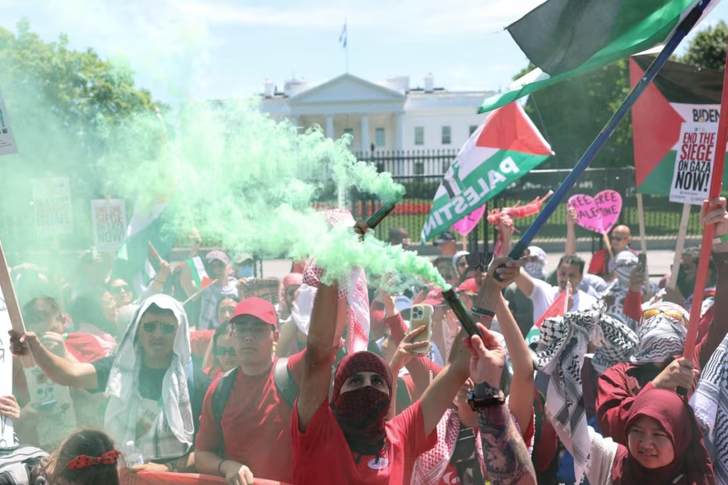
Pro-Palestinian activists demanded over the weekend an...
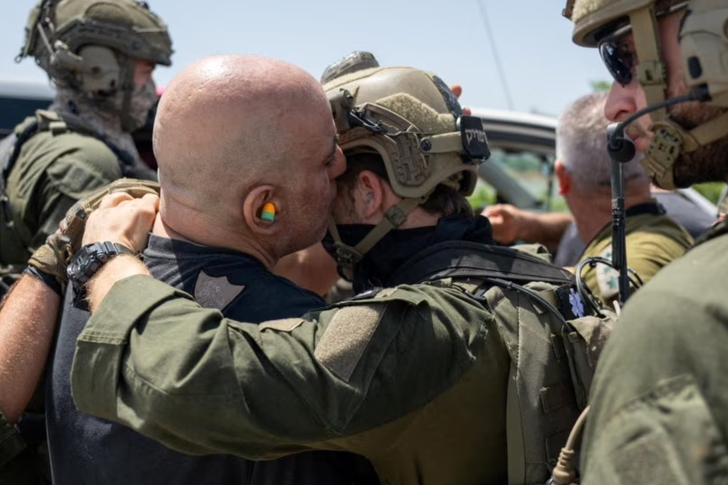
During an attack in Gaza on Saturday, Israeli forces r...
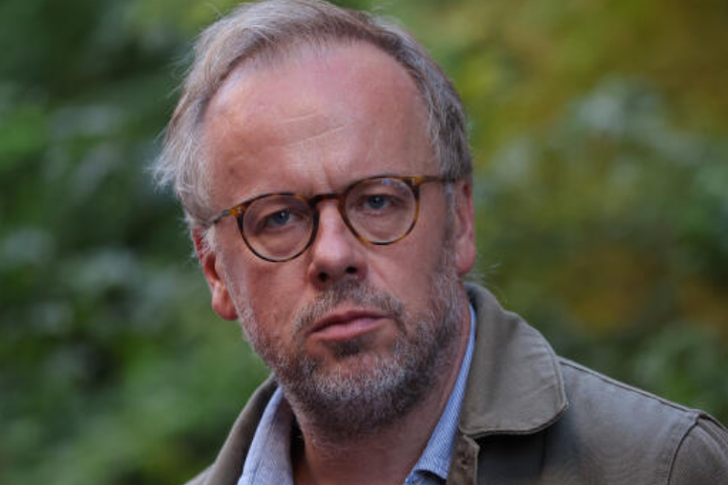
The Director General of Reporters Without Borders, Chr...

CNA has launched another investigation that could lead to ...

Irfan Hysenbelliu is a businessman that we call "Irfan the...

In March 2026, CNA launched another investigation centered...
The arrested mayor of Tirana, Erion Veliaj, with 13 charge...

The Special Board of Appeal (KPA) decided this Monday ...

The KPA vetting decided this Thursday to dismiss the p...

Suela Salavaçi, a prosecutor in the Prosecutor's Offic...

The Special Board of Appeal reinstated the prosecutor ...
A road accident occurred this evening on Nikolla Zoraqi St...
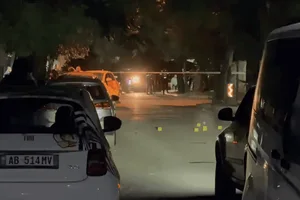
Three people were shot and wounded in Elbasan last night b...
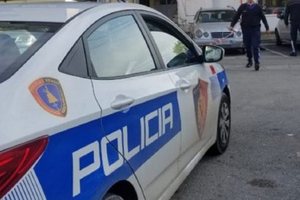
A serious incident occurred this Tuesday in the Yrshek are...
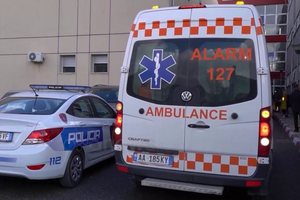
An accident occurred this Tuesday on "Dituria" street in K...
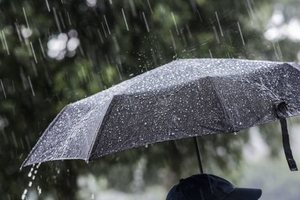
This Wednesday, our country will be under the influence of...
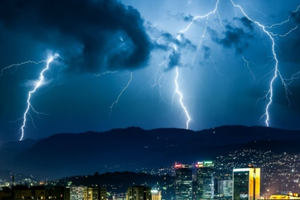
All of Southern Europe will face changing weather conditio...

Albania was hit by temperatures significantly higher than ...
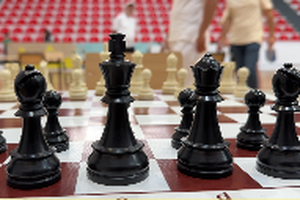
For the first time, Pogradec welcomed the Inter-Lake Chess...
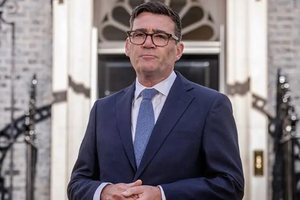
Prime Minister Andy Burnham has announced that most bus fa...
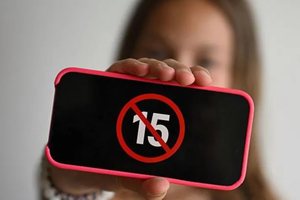
France's parliament has passed a law to ban social media f...
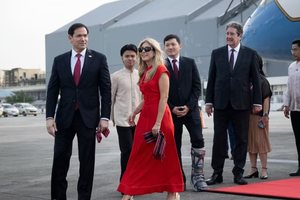
US Secretary of State Marco Rubio arrived in Manila on Jul...
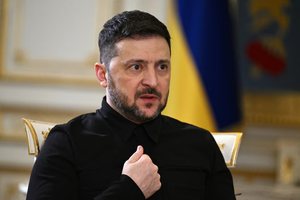
In the space of a few days, Ukrainian President Volodymyr ...

At a time when industrial products are increasingly taking...

Trust among people is not just a three-syllable word. It c...

Master of humor Todi Llupi has passed away at the age of 7...

The ninth edition of "MIK Festival" kicked off with one of...

Businesses will no longer be required to simply register t...

Despite economic growth and income in recent years, Albani...

This Wednesday, one US dollar is bought for 81.4 lek and s...

Construction company licenses will have a validity period ...