


Tirana's incinerator company devoured billions of lek in 2024
The Integrated Energy BV SPV company, during 2024, has rec...


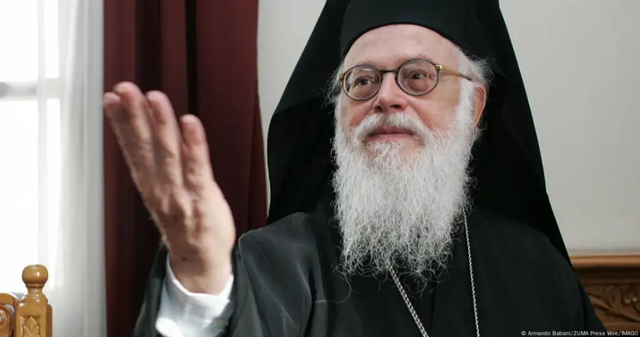
Archbishop of the Albanian Autocephalous Orthodox Church Anastasios Janullatos in an interview for DW Albanian a few years ago about respecting religious pluralism.
This interview was first published on DW Albanian on 10.05.1998 and we are republishing it on the occasion of the passing of Archbishop Anastasios.
A.Dodi: In your opinion, what is the relationship that Albanians have with religion?
A. Janullatos: In these last 50 years Albanians were educated in an atheistic structure and system. For this reason most people were far from religious experience. Now, after the advent of democracy, first of all we have the revival of religious communities. They are Muslims (Sunnis and Bektashis) and Christians (Orthodox and Roman Catholics). They traditionally live together, in a society that does not have any particular positive or negative relations with any religious community.
But at the same time, we have a large group of people who are not against religion, but are indifferent to it. We must also acknowledge this group, which has no formal structure and which is a reality in today's society. This group has its source not only in the tradition of communist society, but also in the fact that today's young people are facing new challenges in capitalist society, which is secular and indifferent to religion.
In today's Albania we have a religious pluralism and we must accept this as a reality. In this situation I believe that all religious communities must respect this religious pluralism and try to find the best of their doctrines, behavior and tradition, to have not only tolerance, but also a peaceful fraternal coexistence. This is because the needs of the people in Albania are numerous and urgent. To this, the religious experience must add reconciliation, brotherhood, understanding and not conflicts.
A.Dodi: The religion-nation relationship preoccupies many people in today's Balkans. They project an earlier phase of development, when people were identified by religion, since states and nations were not fully consolidated, in today's time. In many countries in the Balkans today, suddenly, if you are Catholic, they consider you pro-Italian or Italian, if you are Orthodox, they consider you pro-Greek or Greek. How do you see this issue?
A. Janullatos: Of course, no one came from the stars. We have left behind a long history and we carry with us all the experiences of this history. But I would like to remember that the current reality of Western Europe, this Commonwealth of the West, has been for many centuries a reality for us in Eastern Europe as well. In the first Christian centuries, the Roman Empire, the Byzantine Empire and the Ottoman Empire, all these people lived together for a long period of time. They were able not only to coexist, but also to have a deep respect for each other.
I fear that these that you spoke about are labels and categorizations that have been put in place by people with other, different interests, to divide people. Of course, it is natural to have bridges of union with people who have the same faith as you. But this is not a negative element, but a positive element. For a country to have many bridges with other countries, this is something positive and not negative. We do not need to use the terms of enemy and friend, but we should use the terms of bridges and relationships, and of being open to other religious experiences, cultures or other experiences.
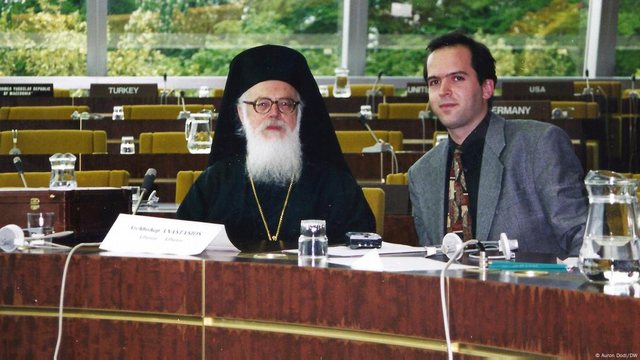
A.Dodi: Albania is a country with many religious beliefs, but also with many conflicts. Today's world, especially in the Balkans, tends to immediately look for religious roots. Do you think there is a potential risk of religious confrontation in Albania?
A. Janullatos: In general, being a historian, I would not like to make prophecies about the future. I believe that today we have no other options than coexistence and working together. Albanian society has this old tradition of coexistence. Many families are families with people belonging to different religious beliefs. It would be a great tragedy to cultivate ghetto tendencies and any hostility towards each other.
For this reason, I insist that, at the initiative of the leaders of religious communities, we cultivate not only a spirit of tolerance, but also of respect for others, respect for the identity of others as they are, regardless of what they believe or do not believe. This, I believe, is the secret of remaining faithful to our faith, but also being open with deep respect for others.
A.Dodi: How would you characterize the current stance of political forces in Albania towards the Albanian Autocephalous Orthodox Church? Does the issue of the nationality of the Head of the Orthodox Church and similar matters belong to the past, or do you still see problems?
A. Janullatos: You know that we are preparing the new constitution. It is very clear that there will be a dependence of religious communities on the state. I believe that this will also be the model of the future. Even in the new draft constitution, the separation and respect between the state and religious communities is sanctioned. Unfortunately, there are some individuals, belonging to other religions, or no religion at all, who tend to give a lot of advice to the Orthodox.
And there is a clear reaction now from the Orthodox, from the intellectuals and the youth, who say: "leave us alone, we are very prudent, let us decide for ourselves, we do not need outside protectors to explain to us what the basic law of the Orthodox is."
But these are more individual voices and are not the general one. I would not say that we now have problems with the Albanian state. My dream is to congratulate the first metropolitan of the Albanian Orthodox Church on his appointment as soon as possible.
I would like to emphasize one more aspect: during all these years, the Orthodox Church in Albania has had a reconstruction program: more than 70 new churches have been built, 65 have been rebuilt and more than 100 have been repaired. This means jobs for hundreds of people, investment and development for those who worked. During the year of unrest, more than 800 tons of aid packages have been distributed throughout the country, with the participation of Albanians. Now we are building a new hospital center in Tirana, which is open to everyone. 8,000 people were treated last year in this center. We should not only be recipients, but we should also contribute to building society and the financial and dignity development of Albanians. We will build other clinics in Gjirokastër, in Korçë. We will also build kindergartens there, because I believe that the future is children, so we must give them priority./ DW

The Integrated Energy BV SPV company, during 2024, has rec...

This Monday we are introducing you to some of the main hea...
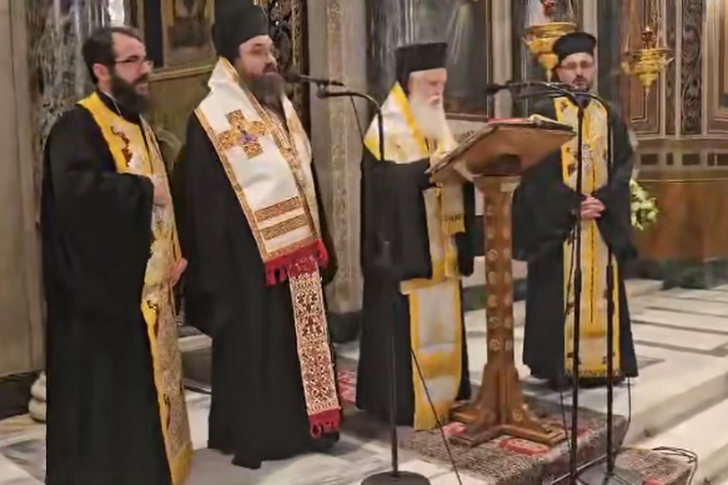
At the Metropolitan Cathedral of Athens, the Metropolitan ...
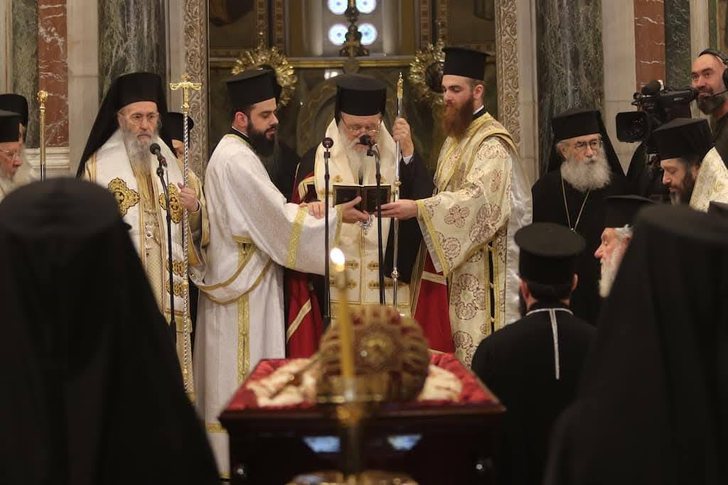
This Sunday, a mass was held at the Metropolis of Athens f...
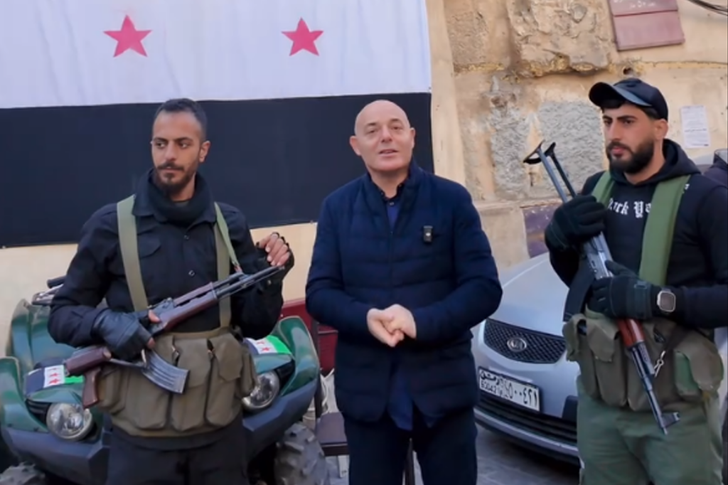
Gazetari Blendi Fevziu ndodhet në Damask të Sirisë ku ...
Lake Ulza celebrates today the declaration of a "Natur...
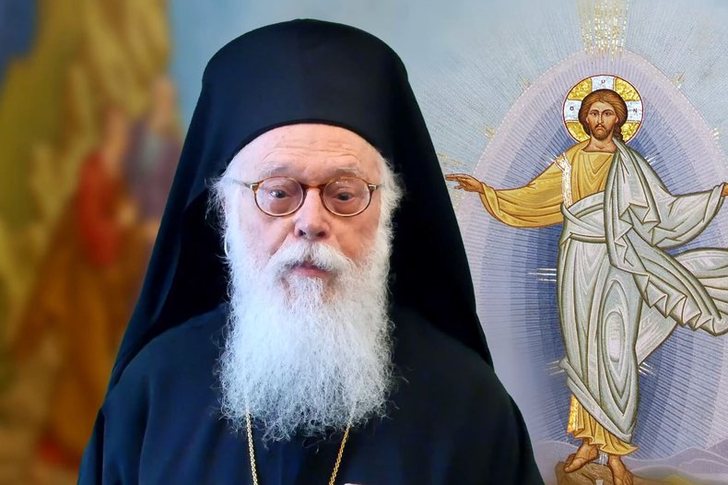
A mass dedicated to Archbishop Anastasios Janullatos was h...
Former Minister of Health, Ilir Beqaj, has reacted publicl...
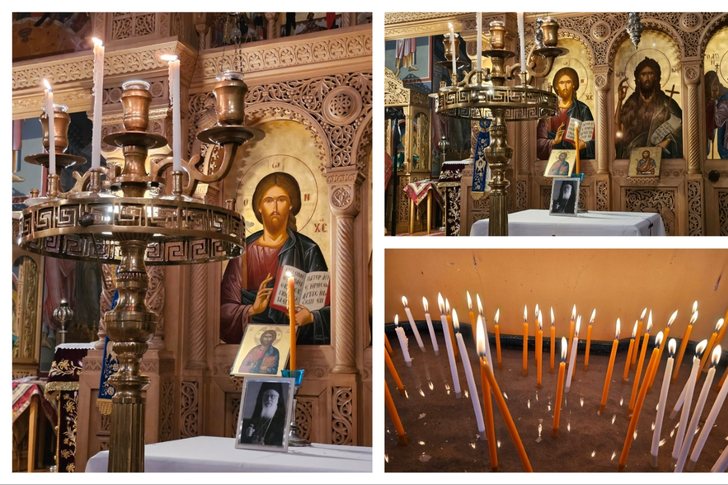
Following the passing of Archbishop Anastasios Janullatos,...
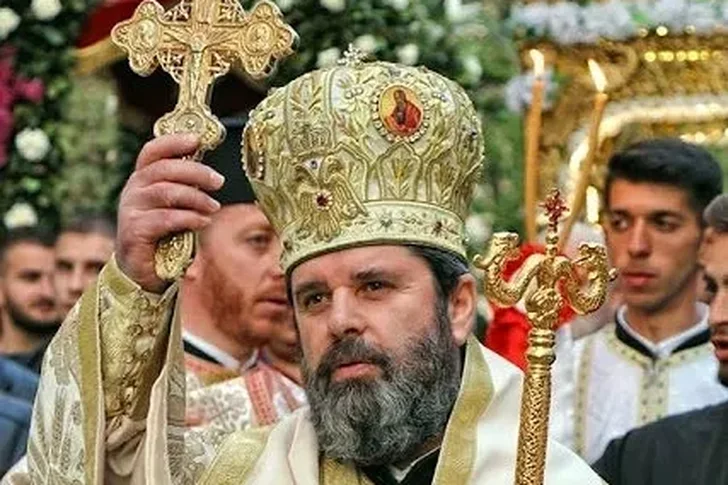
The Holy Synod of the Autocephalous Orthodox Church of...
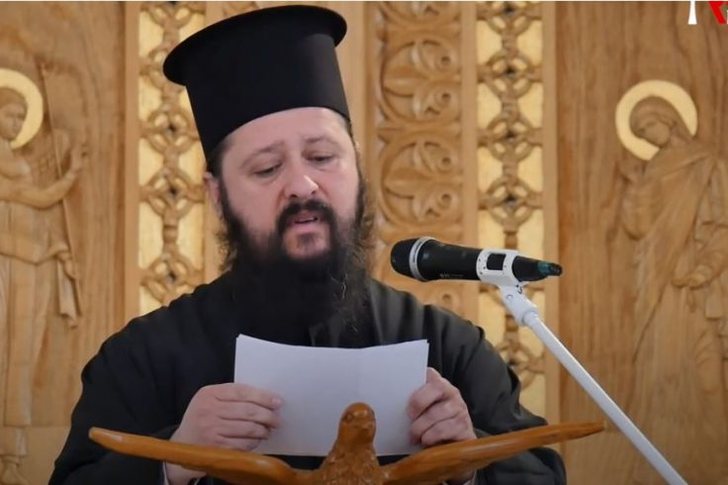
Father Nikolla Kodheli has stated that Archbishop Anas...
The Holy Synod of the Church of Greece announced that ...
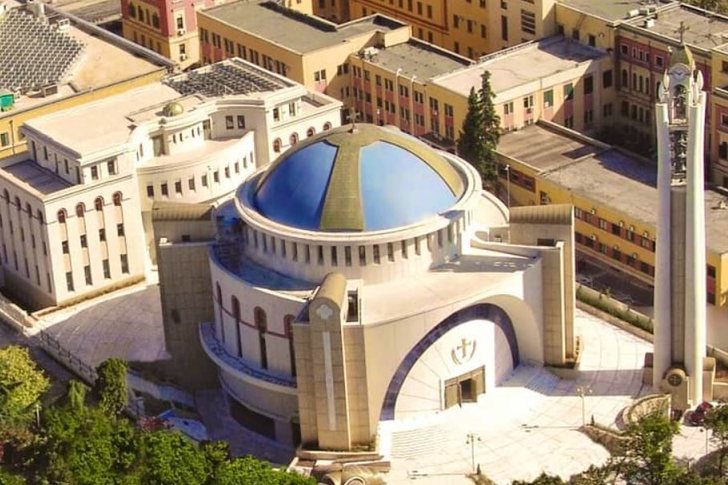
The Holy Synod of the Autocephalous Orthodox Church of Alb...
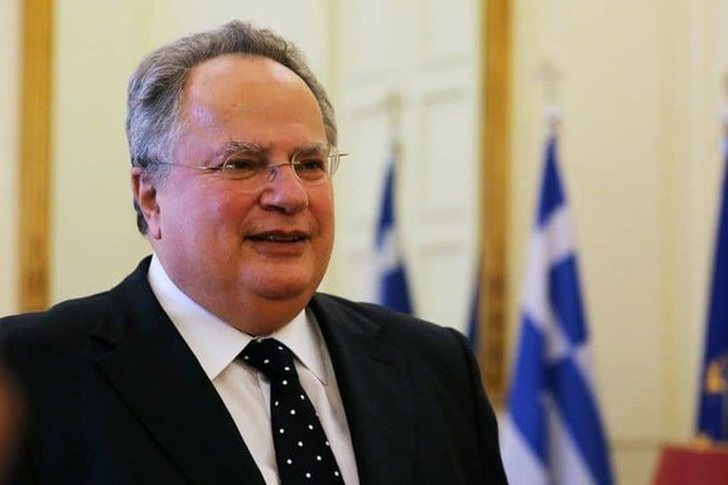
Former Greek Foreign Minister Nikos Kotzias has reacte...
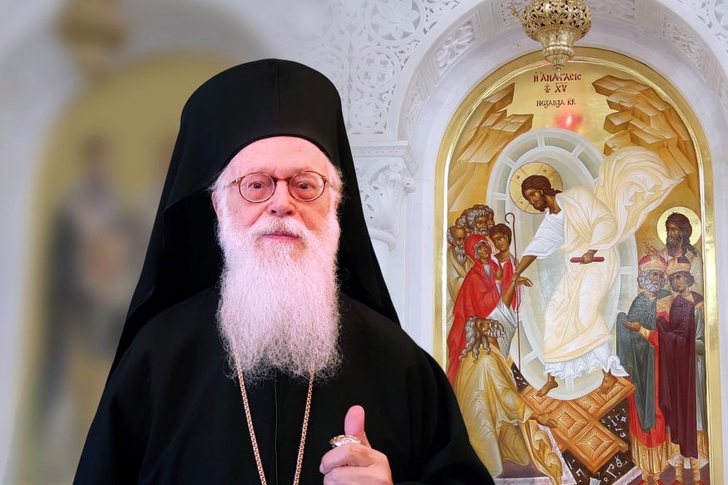
The funeral ceremony of Archbishop Anastasios Janullat...
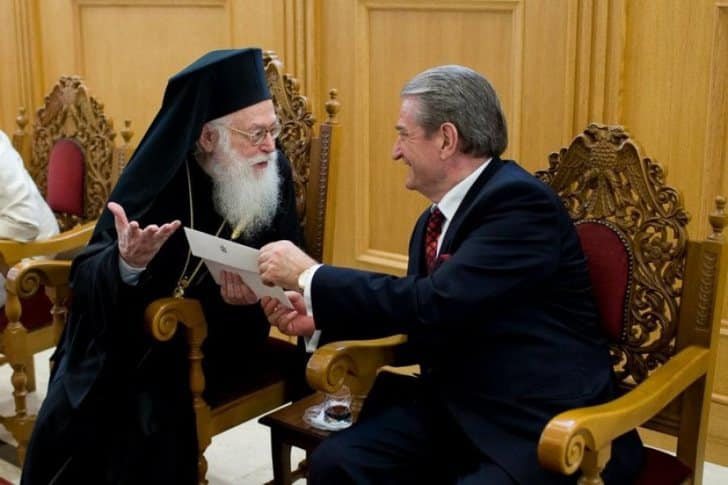
DP leader Sali Berisha has reacted to the passing of Archb...
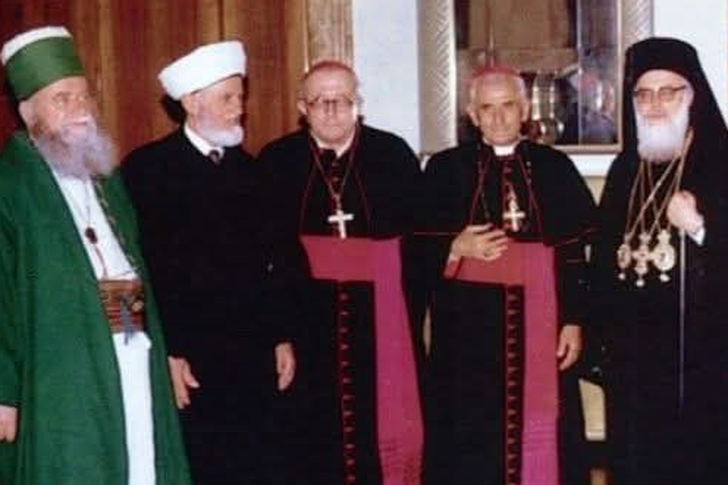
The Director of the Center for Interreligious Cooperation ...
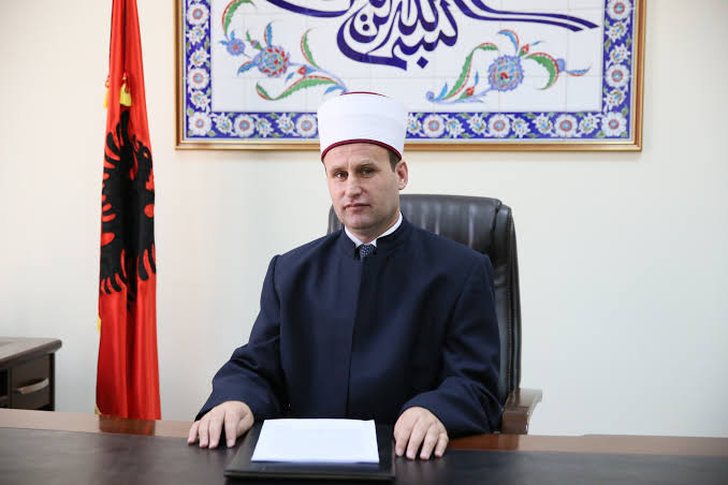
The head of the Albanian Orthodox Church, Bujar Spahiu, ha...
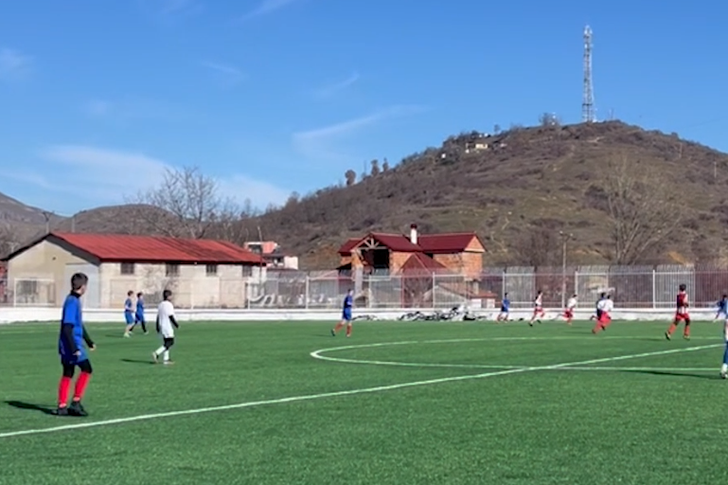
This morning, a football match was held at the Maliqi stad...
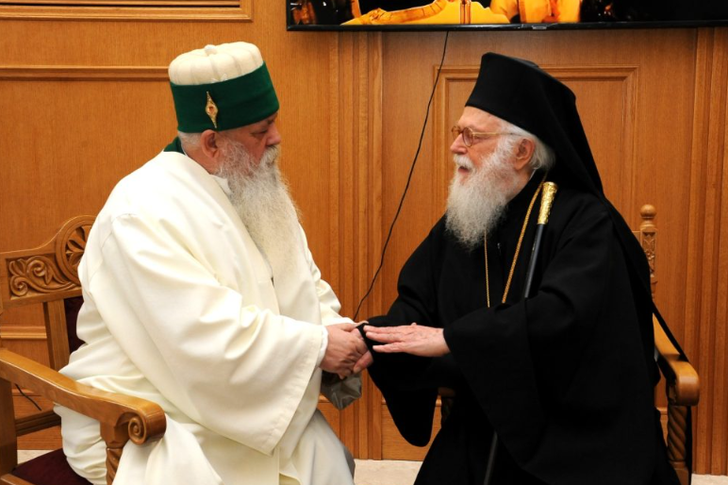
The World Bektashi Grand Patriarch, His Holiness, Haxhi De...
The next case broadcast on the show "Stop", this Thursday,...
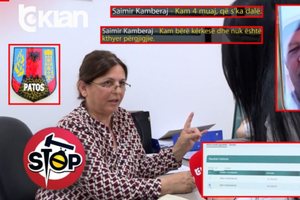
The case published this Thursday, June 4, on the show "Sto...

The protests of recent days related to the situation in Zv...
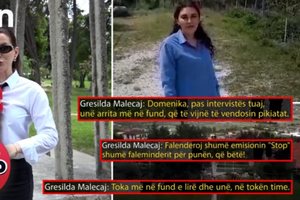
The case addressed this Wednesday, June 3, on the show "St...

The Special Board of Appeal (KPA) decided this Monday ...

The KPA vetting decided this Thursday to dismiss the p...

Suela Salavaçi, a prosecutor in the Prosecutor's Offic...

The Special Board of Appeal reinstated the prosecutor ...
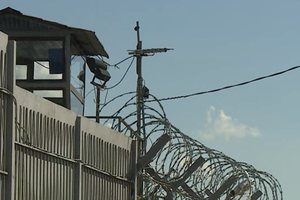
A convict was found dead today in the premises of the Pris...
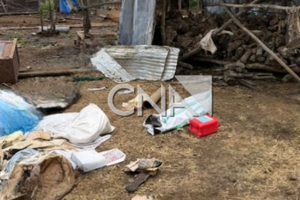
Several images provided by CNA show the area where this mo...
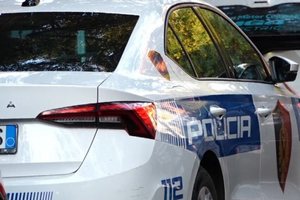
A quantity of explosive material exploded this morning at ...
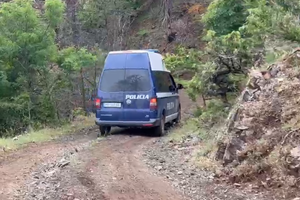
Witnesses in Lozhan, Maliqi, have shared details from the ...
Today our country will be affected by stable weather condi...

For many children and teenagers, the long summer holidays ...
Albania is facing an unprecedented demographic transition,...
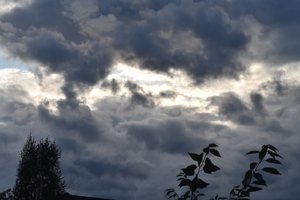
On Thursday, our country will be affected by unstable weat...
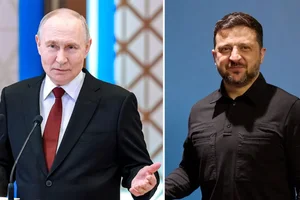
Russian President Vladimir Putin said the war in Ukraine c...
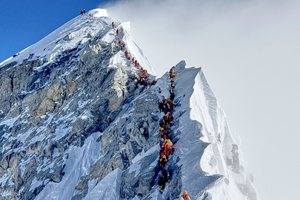
An extraordinary story of survival has been recorded in Ne...
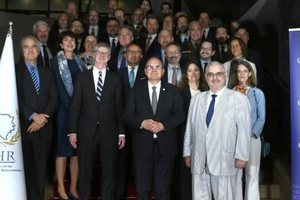
The Peace Implementation Council in Bosnia and Herzegovina...
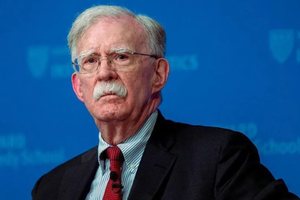
John Bolton, the former national security adviser to US Pr...
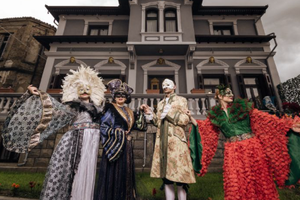
Korça is ready to open the summer season with one of the c...
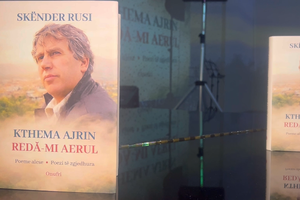
Two years after his passing, the renowned Korçë poet Skënd...
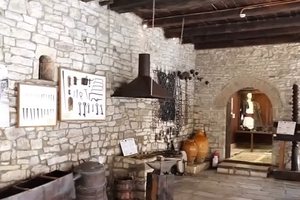
The Ethnographic Museum of Berat has opened its doors to v...
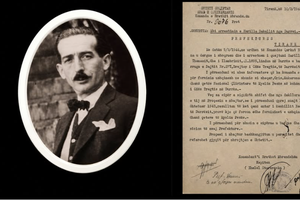
The story of Harilla Bakalli is one of the most chilling t...
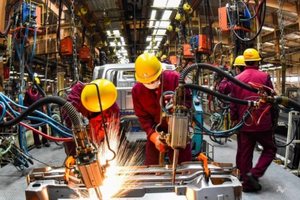
The government aims to transform the country's industrial ...
Kursi i këmbimit të euros me lekun ka rënë më tej këtë jav...
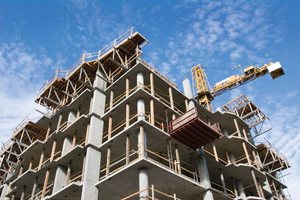
Profit margins in the construction sector have increased s...
The Transparency Board, at its meeting today, decided to i...