

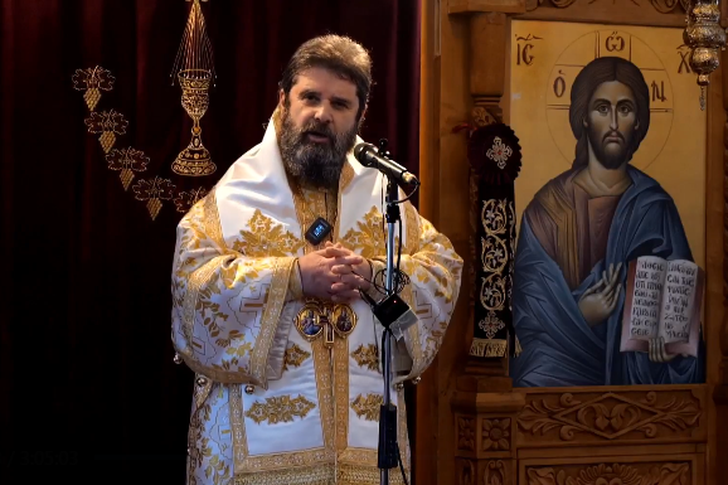
Archbishop Joan's Message: Slander, envy, and empty pride do not elevate a person, but faith in God does
The Archbishop of Tirana, Durrës and All Albania, His Beat...


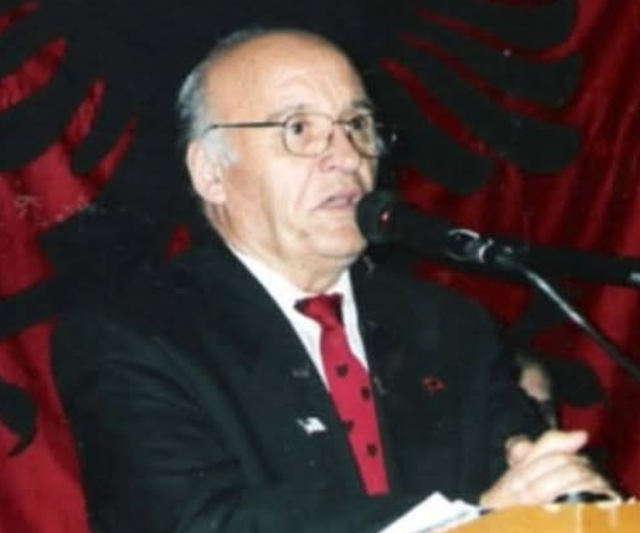
Today, on his 91st birthday, we remember Pjetër Arbnori, who spent 28 years of his life in the prisons of the dictatorship. Pjetër Arbnori called for a sincere confrontation with the past on August 3, 1991, at the First Pluralist Assembly before senior communist officials who had served the dictator with zeal.
Full speech:
If anyone has the right to complain, I am one of them. However, I have never opened my mouth to speak of my suffering and I have never cursed or insulted anyone.
Guilts committed with conscience
First, the People's Assembly has never granted amnesty. There have always been some half-hearted pardons ordered by Enver Hoxha, while there has never been a real amnesty in Albania. The People's Assembly has not been allowed to exercise the right of amnesty that it has.
Second, the figure of 8400 or so prisoners that is given for those convicted since 1951 is a very big lie, as have other lies, such as it was once said that there were 50 political prisoners and then hundreds and hundreds more came out and the political prisoners did not end in Albania.
I emphasize that immediately after the war in Shkodra, one prison became 13 prisons. For a city with 35-40 thousand inhabitants to have 13 prisons is a very ugly thing. Residential buildings, the Franciscan convent, the cinema, the theater, etc. were turned into prisons.
The amnesty that has been presented, no matter how positive, has many flaws. I listened to the speakers and many talk about the mistakes that have been made. This is not about mistakes. Everyone makes mistakes. This is about guilt committed with conscience over a very long period of time.
Desecration of history and culture:
The remains of three Albanians were removed from their graves, Skanderbeg, Bogdan and Fishta. The Turks took Skanderbeg's body, but they did not desecrate his grave, they took his remains and put them as a talisman. Bogdan was taken out on the pretext of cholera to be burned and left to be eaten by dogs. In 1967, the remains of Fishta and Dedë Gjo Luli were taken out of the Franciscan church and left there in the sun and rain until they were taken and thrown into the river. Can this be called a mistake or a crime?
There was talk here of criminals, of spies, of collaborators. I have lived in prison for a long time and I have seen simple peasants and workers who were convicted as criminals, as spies and who knows what else. I remember a certain Karafil Kalaci, an old Cham peasant, who, just because he had said to an ox while petting it “you got it, ox, how your neck has become, my heart has become” was sentenced to 10 years in prison as an enemy and traitor to the country.
I remember another old man, Resul Tarelli, who had dreamed of buying a cow all his life. When he bought the cow, they arrested him, told him that he had conspired to assassinate Khrushchev, kept him in the interrogation room for a long time, forced him to say that "I would sell the cow to buy a pair to assassinate Khrushchev" and for this they sentenced him, I don't remember, to 15, 20 or 25 years in prison. Uncle Resul died in prison as a criminal, as a terrorist, as a traitor, as an agent.
So who are the criminals?
We do not ask for the rehabilitation of the criminals of February 4, 1944, nor of February 27, 1951, those who killed dozens and dozens of people for throwing the bomb at the Soviet legation, nor the massacrers of the infamous Spaç camp on May 23, 1973.
I am surprised by the hesitation of some deputies yesterday. Without mentioning Enver, they defend Enverism and it seems to me as if they are defending themselves. I say that if Enver Hoxha were alive, many of these honorable deputies who are in this hall and who defend this line, their turn would have come, he would have grabbed them by the ear, he would have twisted their necks and they, in the majority, would have admitted that they were agents, that they were criminals, that they were spies, just like many of their friends with whom I lived in the prisons of Burrel.
Communism only has one turn. Those whose turn it was not would say: “Those who were sentenced were guilty”. But when they came to prison they would say: “You must have done something, but I did nothing”. And then they would take and study the works of Enver Hoxha one by one to discover where they had made a mistake or to exonerate them. They would take the works of Lenin and Stalin one by one and in the end they would not find any mistakes. After about 10 years in prison, they would be convinced that they had been opponents of Enver Hoxha and had fought for democracy.
The need for justice and reparations
There is talk of material compensation for prisoners, it is a duty and this duty must be carried out by the People's Assembly that represents the entire country. It is true that the state does not have money today, but it must declare that it owes this money to former prisoners of conscience and that it will pay them as soon as it has it. And give them a part of it from the beginning.
People are in a very bad situation. We have released them with an amnesty, but they are jobless, homeless, they don't know where to go, they don't know where to drown. And I'll tell you one more thing: the political prisoner in Albania is a working example. Ask the directors of companies and they will tell you that the most regular people at work, the ones who work the hardest, the ones who don't cheat, the ones who don't steal are the political prisoners. Everyone else should take this example. The state should provide assistance to political prisoners for the time until it can get them back to work.
Innocence and seeking forgiveness
When I was in the United States of America, I met with Albanians of all classes, of all groups. I talked with them, I answered the questions they asked me. Many of them told me: “We don’t need amnesty, we don’t need forgiveness, we don’t feel that we have done anything wrong, we fled the dictatorship so that they wouldn’t arrest us. Although we ate, drank and worked, even here we were prisoners as long as we didn’t see our mothers, our fathers, our sisters and brothers. Therefore, we don’t need forgiveness, we don’t need amnesty. The state, through the People’s Assembly, must apologize to us for our persecution.”
I remember that Albania, which needs good schools, had two famous American schools, the Fulci school and the agricultural school of Kavaja. The technicians of these schools are mentioned throughout Albania. However, all of them have been convicted, shot, persecuted as spies of America and other powers in succession. We have labeled these people, whom we should have kept in the palm of our hand, to teach other people, to advance the country, as spies and agents. We have even labeled one of the most prominent directors, Fulci, as a spy when he worked for Albania. The People's Assembly should think about decorating Harri Fulci, who was truly a friend of Albania.
Someone says that Parliament has no right to grant acquittal to former political prisoners of conscience. I say that Parliament has the right to grant this acquittal, because the court has not even implemented the laws of the dictatorship. In the laws of the dictatorship, in the Constitution, there was talk of freedom of speech, thought and association. This law has not been implemented, the court itself has violated it. It has also made arbitrary interpretations of the propaganda law. As long as the courts have not implemented these things, the People's Assembly has the right to grant acquittal to all political prisoners of conscience. That's it!
*Speech delivered on August 3, 1991.

The Archbishop of Tirana, Durrës and All Albania, His Beat...
The census of wintering birds continues in Albania's lake ...
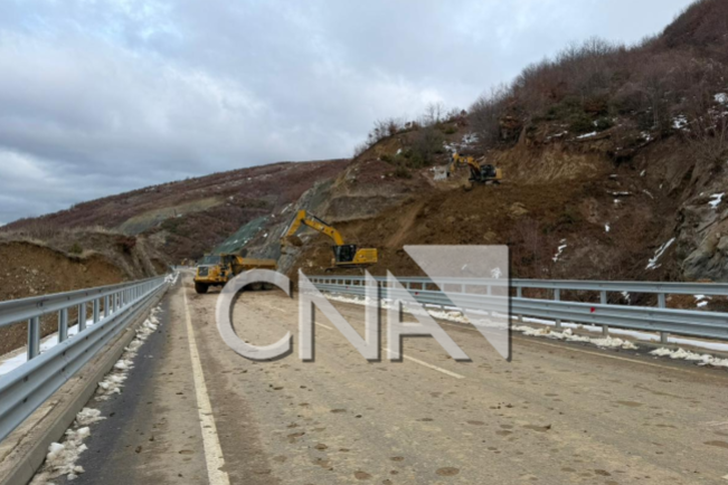
Intensive work is being carried out on the Qukë-Qafë Plloç...
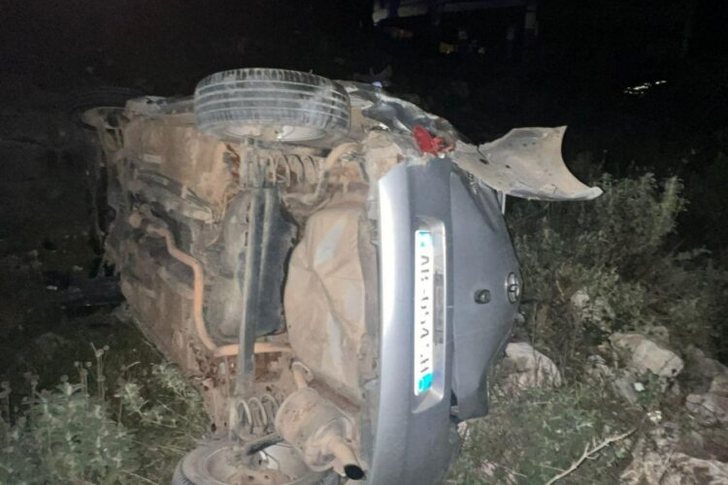
A road accident occurred this evening in Saranda, on "Karl...
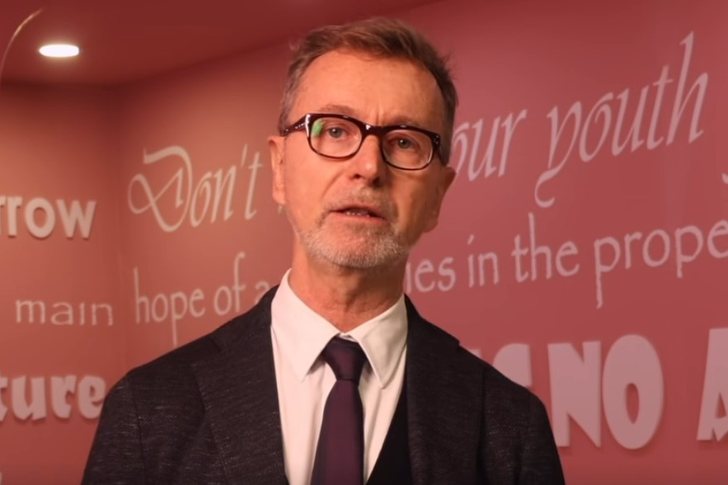
The European Union Ambassador to Tirana, Silvio Gonzato, g...
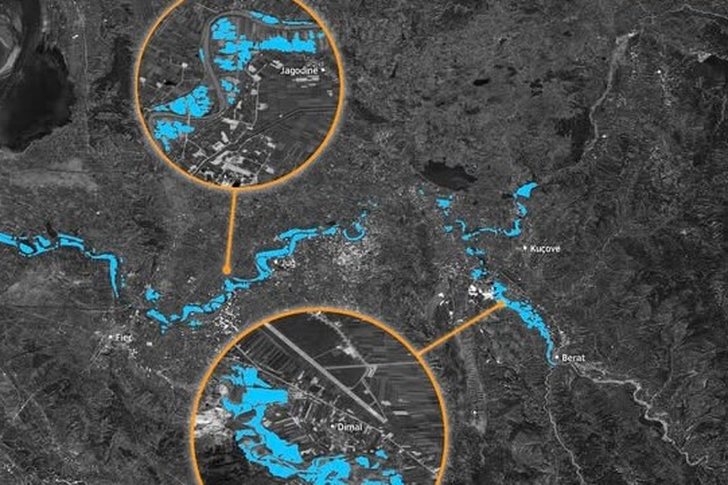
The European Union's "Copernicus" satellite has today ...
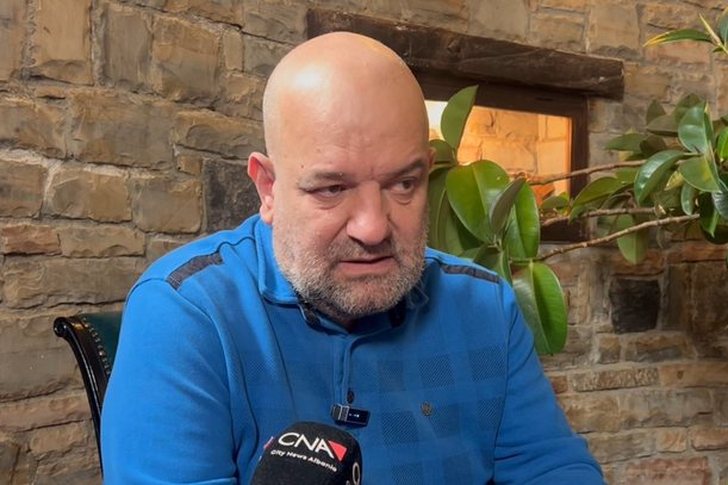
The famous democrat from Korçë, Ilir Vrenozi, made the dec...
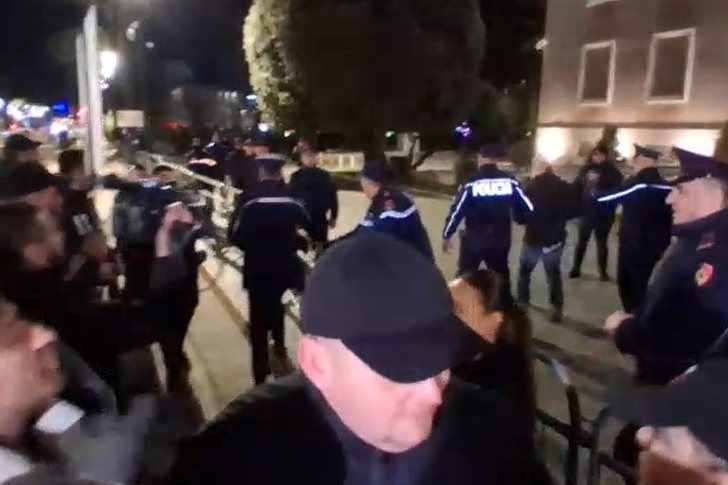
Lëvizja Shqipëria Bëhet ka organizuar ditën e sotme protes...

Monday, April 4, 2022. With suitcases in her hands, a bag ...
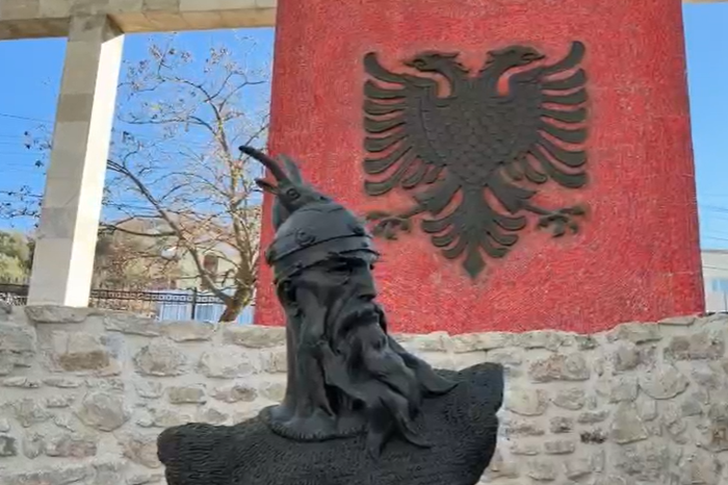
Commemorative activities were held in Lezha in honor of th...
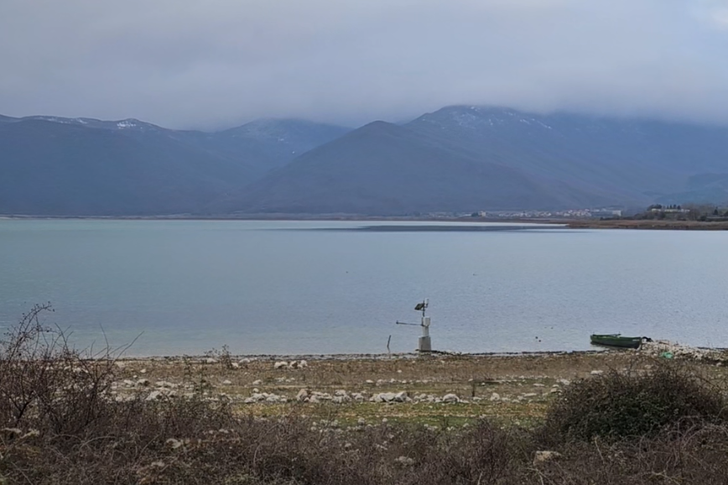
This Saturday, the census of wintering birds in Lake Presp...
The Durrës Court has set security measures for the officia...
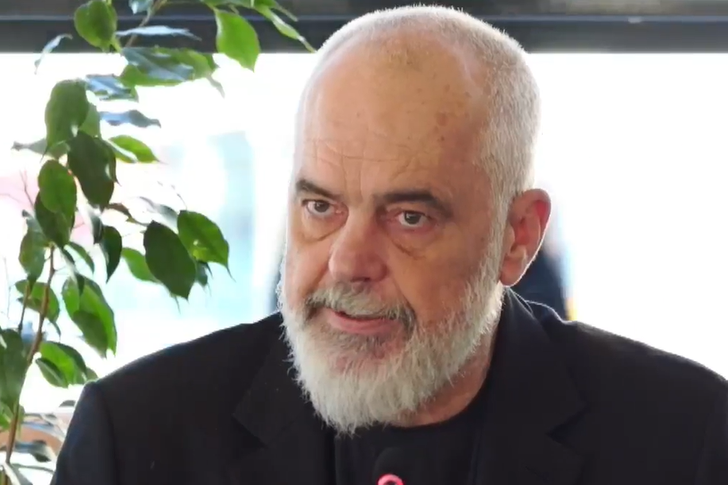
Prime Minister Edi Rama has been clear with the socialist ...
Prime Minister Edi Rama's statements during the "Energy Co...
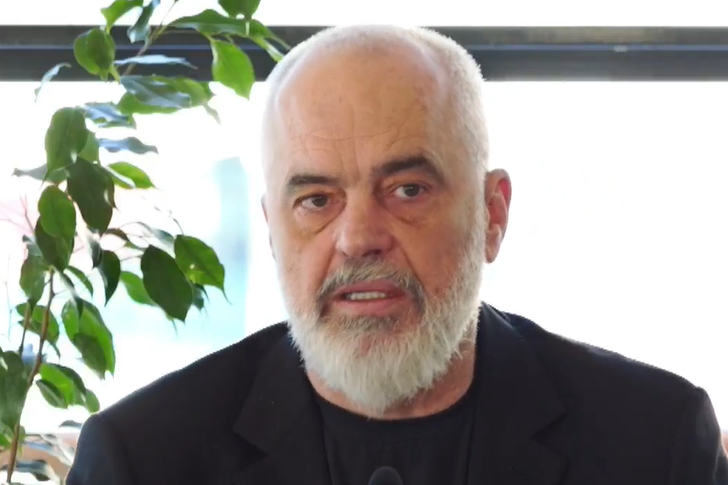
Prime Minister Edi Rama has warned builders that he will n...

Actor and director Mevlan Shanaj has reacted sharply to Pr...
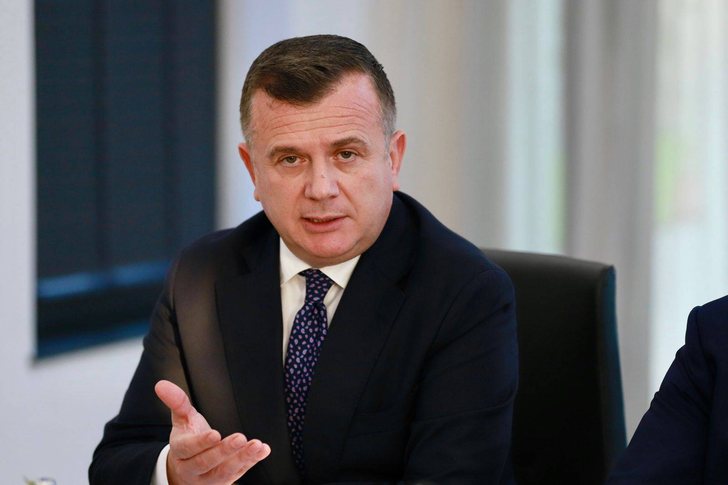
The head of the Socialist Party Parliamentary Group has re...
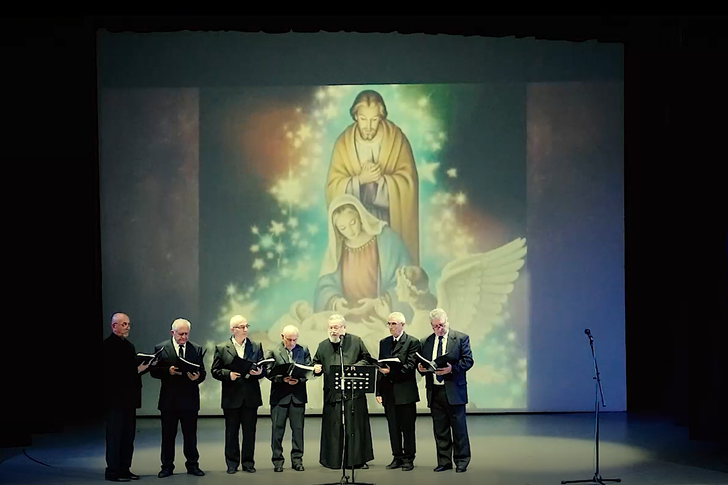
CNA TV tonight at 7:00 PM broadcasts the festive concert "...
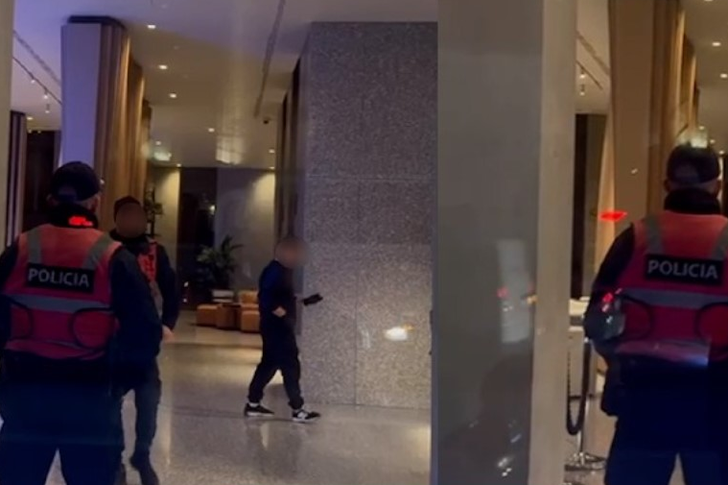
It has been reported in some media that behind the subjects ...
Prime Minister Edi Rama stated a day ago at a meeting of t...
The next case broadcast on the show "Stop", this Thursday,...
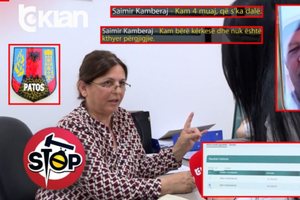
The case published this Thursday, June 4, on the show "Sto...

The protests of recent days related to the situation in Zv...
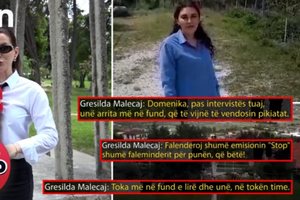
The case addressed this Wednesday, June 3, on the show "St...

The Special Board of Appeal (KPA) decided this Monday ...

The KPA vetting decided this Thursday to dismiss the p...

Suela Salavaçi, a prosecutor in the Prosecutor's Offic...

The Special Board of Appeal reinstated the prosecutor ...
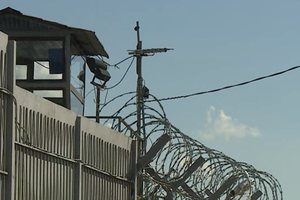
A convict was found dead today in the premises of the Pris...
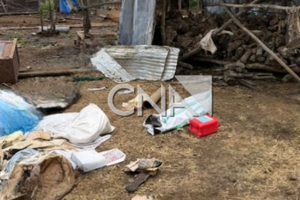
Several images provided by CNA show the area where this mo...

A quantity of explosive material exploded this morning at ...
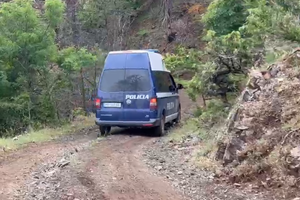
Witnesses in Lozhan, Maliqi, have shared details from the ...

Today our country will be affected by stable weather condi...

For many children and teenagers, the long summer holidays ...

Albania is facing an unprecedented demographic transition,...

On Thursday, our country will be affected by unstable weat...

Russian President Vladimir Putin said the war in Ukraine c...
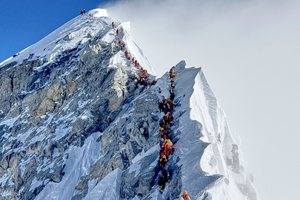
An extraordinary story of survival has been recorded in Ne...
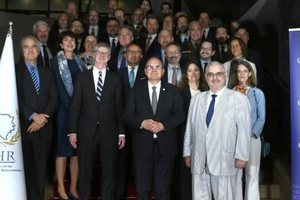
The Peace Implementation Council in Bosnia and Herzegovina...
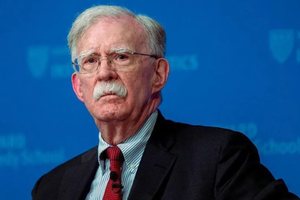
John Bolton, the former national security adviser to US Pr...
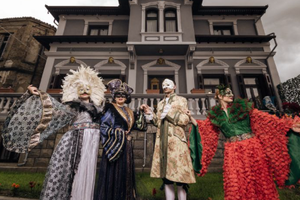
Korça is ready to open the summer season with one of the c...
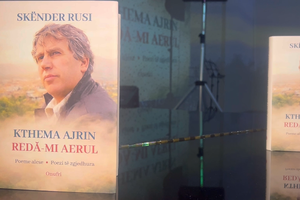
Two years after his passing, the renowned Korçë poet Skënd...
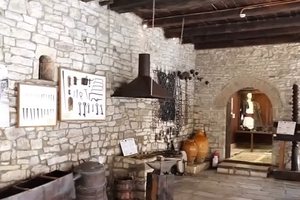
The Ethnographic Museum of Berat has opened its doors to v...
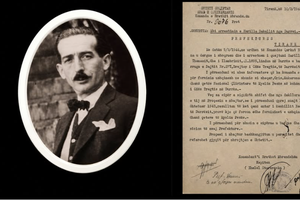
The story of Harilla Bakalli is one of the most chilling t...

The government aims to transform the country's industrial ...

Kursi i këmbimit të euros me lekun ka rënë më tej këtë jav...

Profit margins in the construction sector have increased s...

The Transparency Board, at its meeting today, decided to i...