

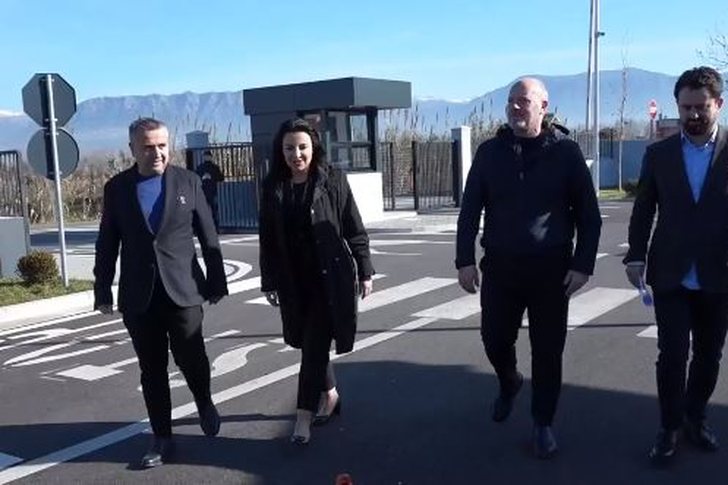
Balluku at the Practical Test Range for driving licences: Space that raises standards
The Practical Testing Ground for driving licenses is t...



The presentation of the Growth Plan for the Western Balkans in Skopje was also a confirmation that the European Union (EU) is committed to accelerating the integration of the region in its structures. The integration of the region and access to the European common market, followed by a fund of six billion euros, is expected to reduce the difference of socio-economic development between the EU and the Western Balkans, as a precondition for faster membership in the Union.
The Secretary of the Regional Cooperation Council (RCC), Majlinda Bregu, was present in Skopje. The Council she leads is most meritorious in conceiving cooperation between the countries of the region, which leads to the creation of the Common Regional Market.
Bregu talks about the stages of implementation of the Growth Plan and the concrete benefits that the citizens of the countries of the region will have.
The leaders of the Western Balkans approved a joint statement in Skopje as a commitment to the implementation of activities from the EU Growth Plan for the Western Balkans.
Prime Minister Kovacevski said the growth plan will accelerate fundamental reforms for the Western Balkans, creating a link with the Common Regional Market.
Having attended the meeting, can you elaborate on the practical implications of this engagement for the region?
Of course. It means many things, but let's start with the good news first: the European Commission presented the Growth Plan for the Western Balkans in November last year, aiming to bring some of the benefits of EU membership to our region before accession. The plan aims to boost economic growth and accelerate much-needed socio-economic convergence, supported by a commitment of six billion euros in grants and loans. During the meeting, EC representatives announced that the distribution of these funds is expected to begin this summer – a much-needed boost for a region in urgent need of financial support.
However, behind every good news lies considerable work. Many small steps must be taken to pave the way for more substantial advances that bring us closer to our ultimate goal: EU membership. Our 'yellow brick road' to get there is quite clear - advancing a national reform agenda and creating a Western Balkans Regional Common Market serves as a fundamental step towards the EU's Single Market, eventually leading towards full EU membership. However, while the vision is clear, the challenge lies in ensuring swift action that matches the clarity of the vision, because there can be no access to the EU Single Market without advancing the integration of the region.
To make this effort successful for all the countries of the region, we need to do two parallel processes within this year. The first involves improving the Common Regional Market Action Plan beyond 2024, while the second process involves formulating a roadmap to join the EU Single Market.
Indeed, you mentioned that the RCC has already started work on the new Common Regional Market Action Plan and will present it for approval at the next Berlin Process Summit. What important aspects can you share about this new plan?
The Common Regional Market is modeled on the logic of the EU's Single Market, with four freedoms deeply rooted in it – the free movement of goods, capital, people and the freedom to establish and provide services. In this new phase, it will be enhanced with an additional focus on increasing human capital, something we noticed as necessary during this previous phase of implementation, because education and innovation play an important role in identifying resources. new economic growth and mechanisms for future transformation. Addressing the lack of good jobs and the constant exodus of young people from the region is essential. Migration and brain drain present significant challenges for the societies of the Western Balkans. In addition, the plan prioritizes women's economic empowerment, digitalization for better governance and services, cyber security and removing barriers to the movement of citizens within the region.
Now, regional cooperation has made quite a significant difference throughout the region with the implementation of the Common Regional Market. Our region has now been roaming free for almost three years. Since last October, roaming charges with the EU are significantly lower, making traveling to the EU cheaper for our citizens and more importantly, without the stress of huge phone bills. Four mobility agreements have been signed, enabling easier circulation of students in our region with simpler procedures for the recognition of diplomas, as well as professional qualifications for seven professions.
The green lanes that the region agreed to during the pandemic enabled the uninterrupted supply of medicine and food to the region, and now extended in the post-pandemic period are significantly reducing waiting times at border points. The existing green lanes, last year, saved 20 years of waiting.
Isn't that amazing? While the results are promising, our efforts must be redoubled, because this is where our future perspective lies, in regional cooperation. The Common Regional Market can serve as a vehicle towards the EU's Single Market, provided it functions smoothly, unimpeded by regional disputes. Therefore, the commitment of the leaders in Skopje is warmly welcomed.
However, what if a country blocks the process due to bilateral or unilateral issues, as we have seen with the impasse in the Belgrade-Pristina dialogue or with Bosnia and Herzegovina blocking the ID travel agreement?
This is an unfortunate reality of our region, as we do not see eye to eye on many things and consensus is challenging to achieve. But there are many others for which we do this, and one should not get in the way of the other. However, despite our differences, we must not allow one issue to hinder the progress of others. This sentiment was echoed in the leaders' meeting, emphasizing the need to ensure that the agreements reached and approved can be implemented without hindrance from either side.
This brings us back to the good news I mentioned at the beginning of this interview that may not be so good for those who choose to be on the blocking side. The European Commission is actively considering mechanisms to prevent deadlocks, meaning that trying to block progress at the regional level will only block much-needed funding for the blocking party, allowing others to continue uninterrupted.
As time goes on for our region, constant gridlock and gridlock are no longer affordable. Standing still when the situation calls for running jeopardizes our purpose and it is essential that we collectively strive for progress before 'winter' arrives./ KDP

The Practical Testing Ground for driving licenses is t...

The General Director of the "Ryanair" Group, Michael O'Lea...

The Special Prosecutor's Office against Corruption and...
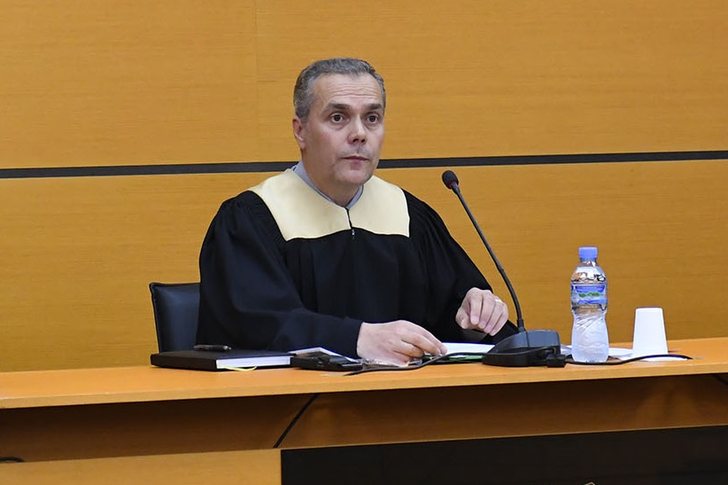
The judge of the Special Appeal Panel (KPA), Ardian Ha...
Even though the work on collecting data for the Popula...

The ex-girlfriend of Charles McGonigal, Allison Guerriero,...
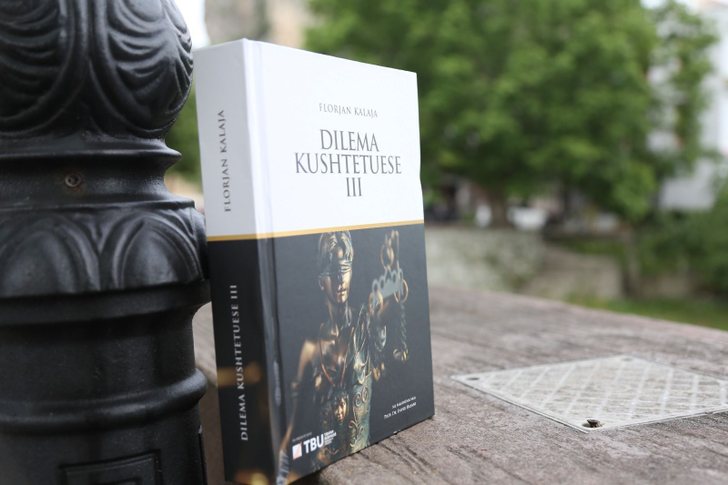
The judge of the Special Court of Appeal against Corruptio...
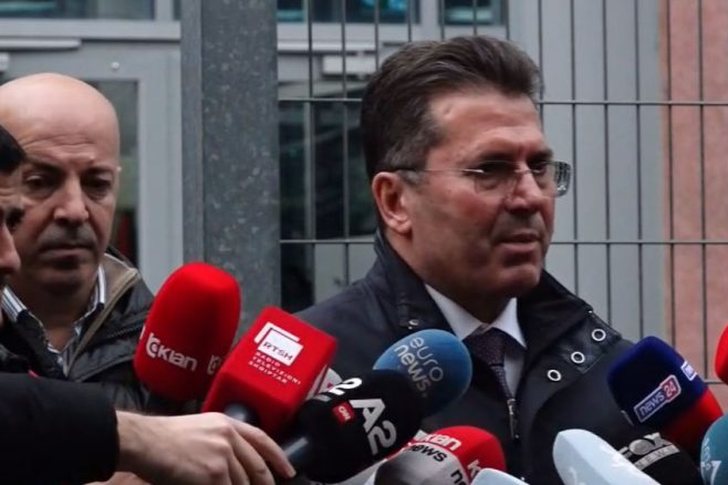
After testifying at SPAK about the "Gërdeci" file, the...
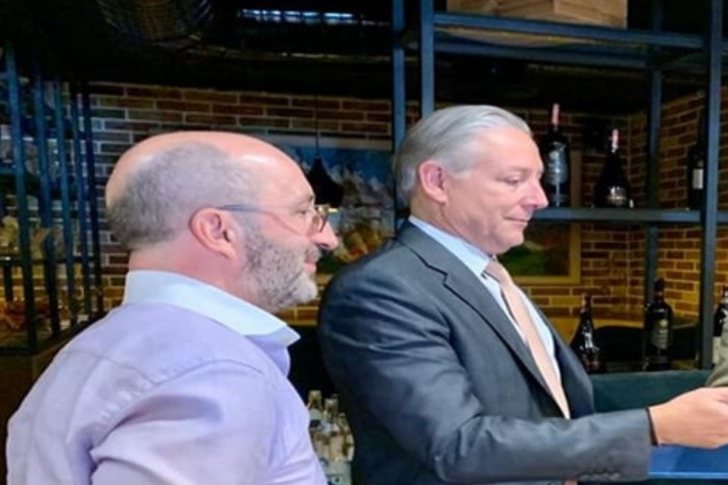
Charles McGonigal's ex-girlfriend, Allison Guerriero, has ...
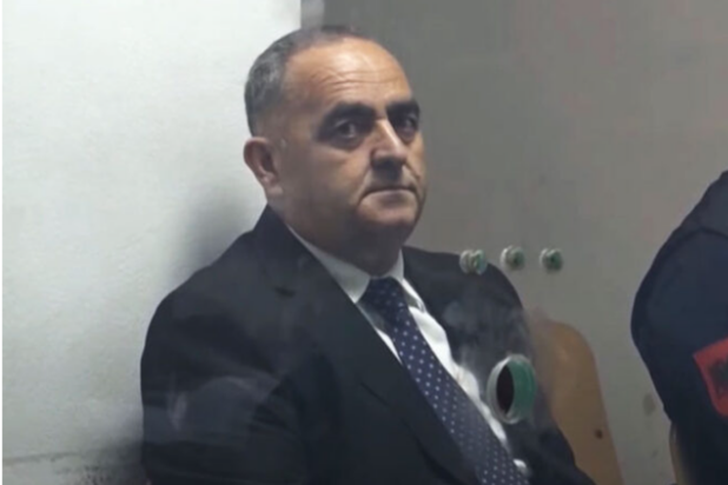
On Wednesday, the Special Court of Appeal adjourned to...
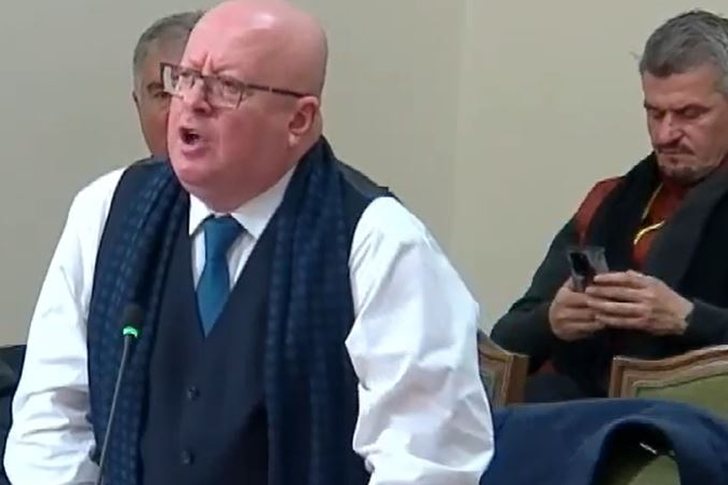
A day before the Special Court of Appeal gave the deci...
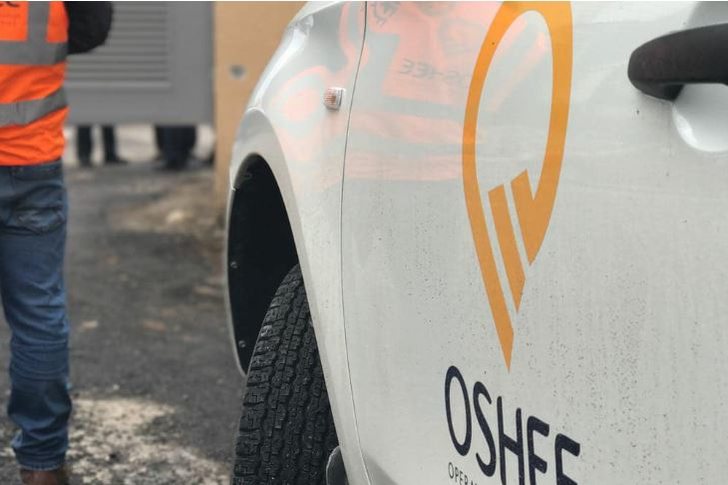
Officials of the National Bureau of Investigation went...
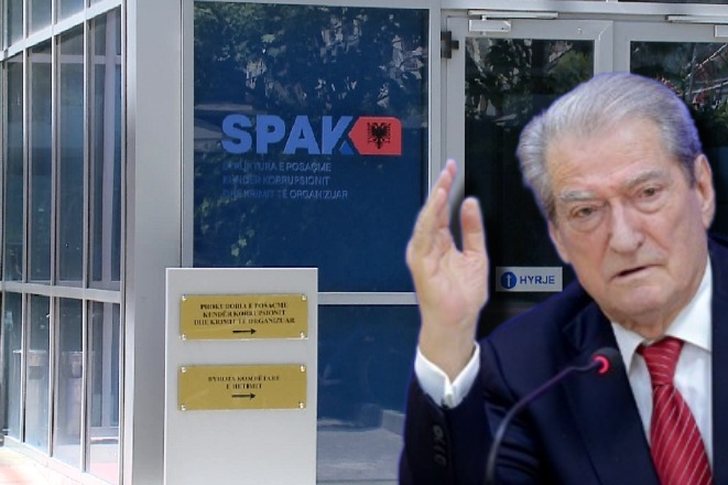
The Special Court will deliver the verdict for Sali Be...
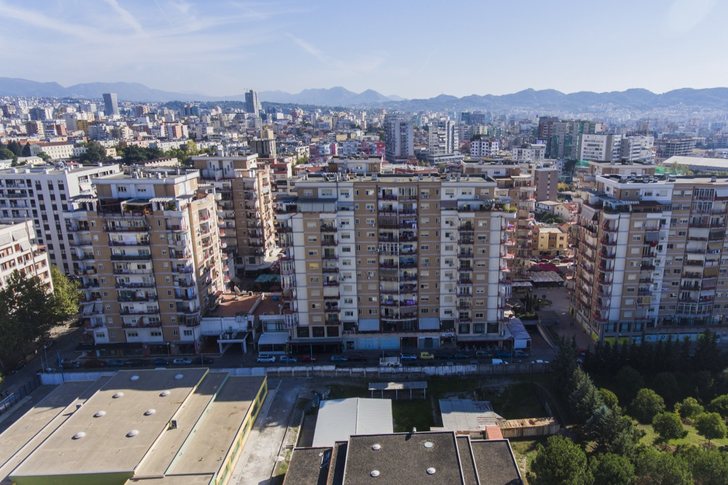
Since yesterday evening, the area located on the right...
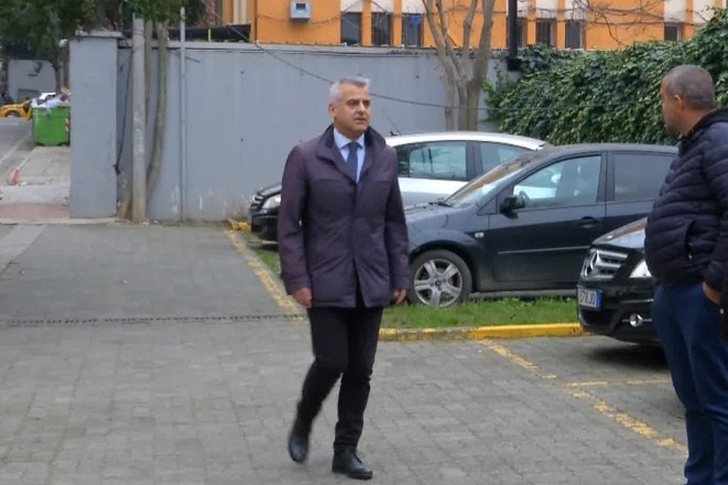
In the Special Appeal, the hearing is held for the ele...
The frosts that have covered the southeast for several...
Hekurudha Shqiptare nisi këtë javë ngritjen e njësisë ...
Instituti i Shëndetit Publik ka bërë të ditur për A2 C...
Today on International Education Day, the Minister of ...
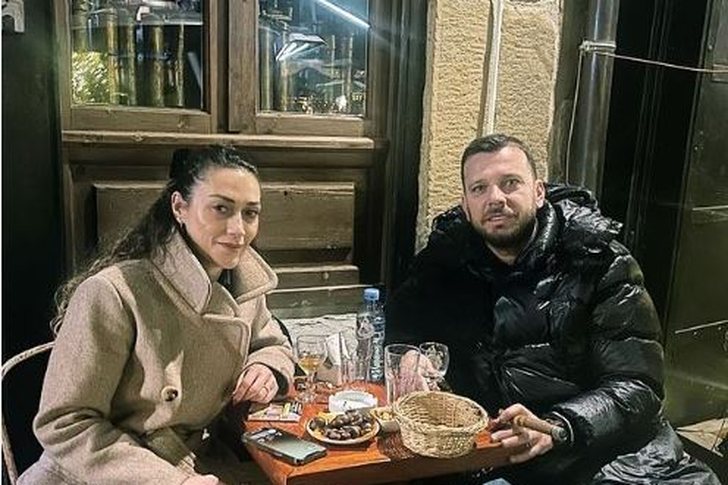
The family members of two people who were injured on M...
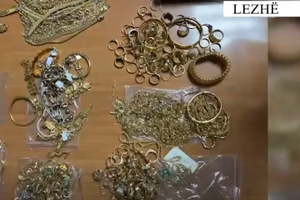
A 39-year-old citizen has been arrested in Lezha, after se...

CNA has launched another investigation that could lead to ...

Irfan Hysenbelliu is a businessman that we call "Irfan the...

In March 2026, CNA launched another investigation centered...

The Special Board of Appeal (KPA) decided this Monday ...

The KPA vetting decided this Thursday to dismiss the p...

Suela Salavaçi, a prosecutor in the Prosecutor's Offic...

The Special Board of Appeal reinstated the prosecutor ...
Several gunshots were reported today in the village of Gjo...
Following the successive operations carried out by the ope...
The Police Supervision Agency has seized the service weapo...
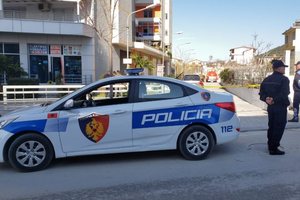
A serious incident occurred in Lushnje, where citizen IY, ...

As the year 2026 is in its second half, the world is exper...

Today, our country will be under the influence of stable a...

By noon, cloudiness is expected to prevail in almost all o...

Children without parental care, for whom alternative famil...
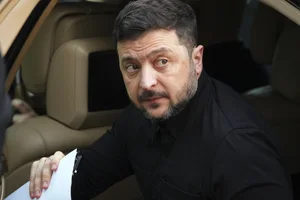
Ukrainian President Volodymyr Zelensky said Russia wants t...
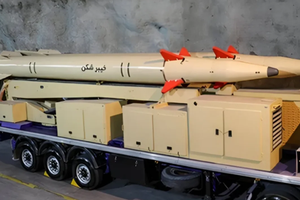
Iran is adapting and enhancing the capabilities of its bal...
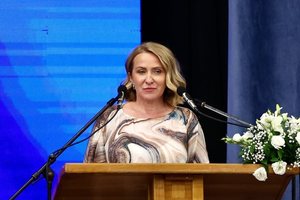
Serbia's Minister of State Administration and Local Self-G...
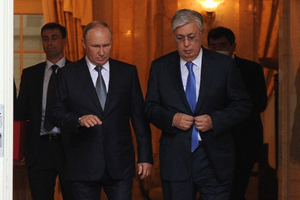
Kazakh President Kassym-Jomart Tokayev shared some critici...
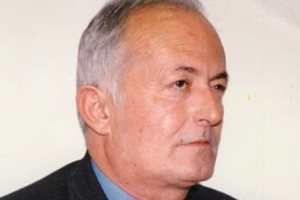
Two windows, a century of history and the metaphysics of p...
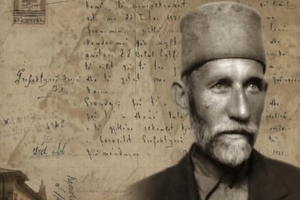
In my research at the Central State Archives, specifically...

At a time when industrial products are increasingly taking...

Trust among people is not just a three-syllable word. It c...
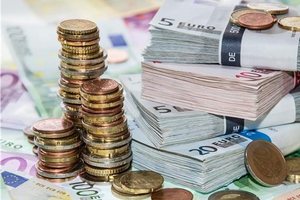
This Saturday, one US dollar is bought for 81.7 lek and so...
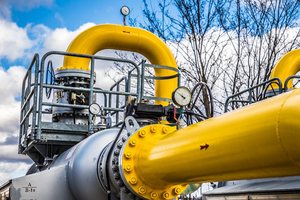
War, weather and supply disruptions could send gas prices ...
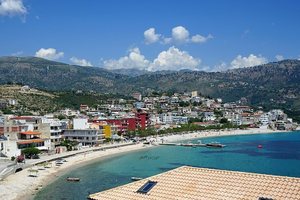
The number of active enterprises in Albania continued to g...
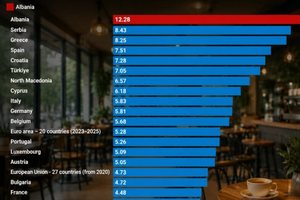
In Albania, the bar-cafe has long become an almost unique ...