

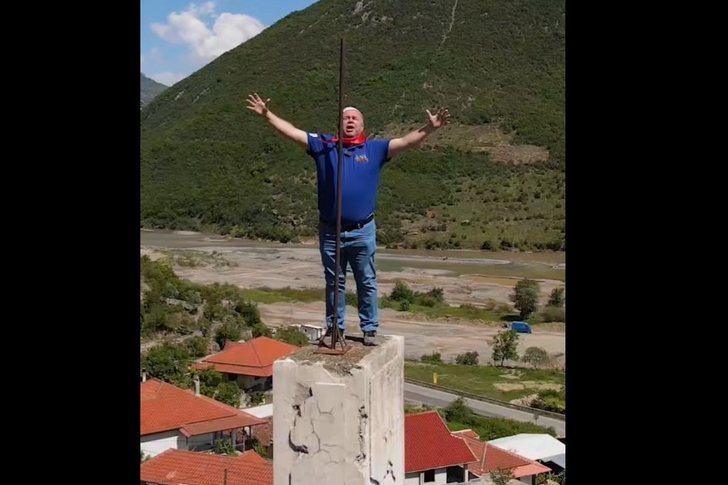
Video - Gjergj Luca climbed to the top of the tombstone/ The bitter irony for Ilir Meta
An occasional irony comes from the entrepreneur Gjergj...


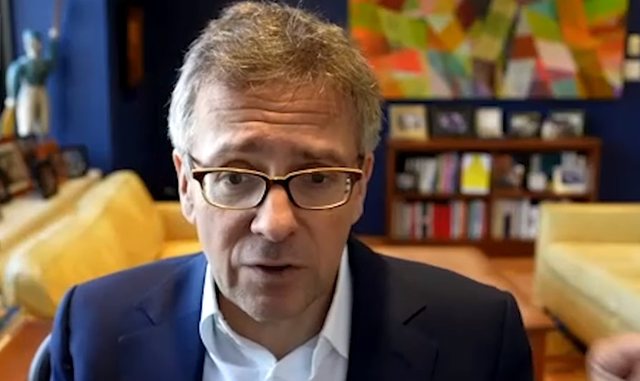
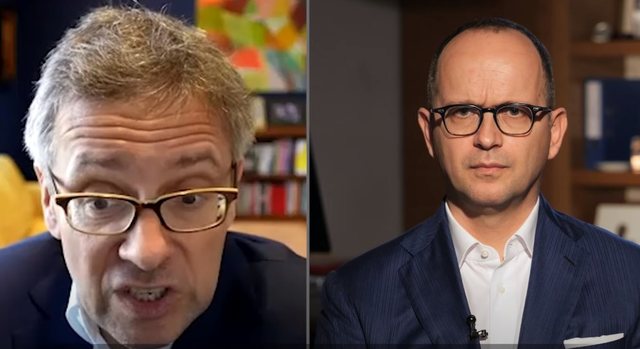
Ditmir Bushati talked on his "Public Square" podcast with Ian Bremmer, a very prominent political scientist, not only in the USA, but also abroad. Bremmer is the founding president of the company "Eurasia group", a consulting company, which deals with the analysis of risks around the world. Ian, at the same time, is also the founder and manager of the digital media "GZERO"
Bushati and Bremmer discussed important issues that are the headlines of international public opinion, starting from the presidential battle Biden-Trump in the USA, which will be decisive for several conflicts and for the new geopolitical environment, but also related issues with democracy, with the rule of law, with the economy, with artificial intelligence and rapid technological developments, with the role of international organizations, with the role of international companies, and the influence they have on human behavior, political, economic, state and not only .
Bushati and Bremmer discuss the November election process in the US, which has booked a Biden-Trump showdown. The interlocutors agree that these elections have a great impact, both domestically and internationally.
"Domestically, this race will be accompanied by an environment of disinformation and perceived disinformation, where Americans do not accept most of what they hear from the other opposing side in politics. It is a very tough battle, where the majority of Americans increasingly do not believe in the values ??and institutions that represent their country", he said.
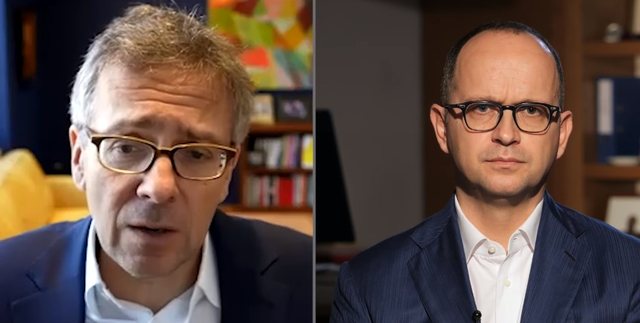
Bushati and Bremmer discuss what will happen in Europe and further in Asia, if the former US President is the winner of these elections.
"There will be much more instability, instability, uncertainty from the world's most powerful states," Bremmer said.
According to him, there are four main fronts of geopolitical tension that will come from Trump's election, on which he would put much more pressure on each of them.
"In the case of the Middle East, there is more chance that the results will be in favor of the USA. In the case of Europe and Ukraine, the results are more likely to be against the US and NATO. China is entirely a mystery. Anything can happen. China could end up in a much bigger war with the US, or a weaker economy. And with an Asia in a challenging geopolitical environment, they may be drawn back to try to find a way to accept the situation and keep the relationship stabilized," he declares.
NATO this year marks the 75th anniversary of its establishment, and Bushati and Bremmer agree that the past year marked the peak of this alliance in decades. NATO was weakening before Russia invaded Ukraine in 2022. Despite the war starting in 2014, the Europeans were not spending, and certainly not committing, to make Ukraine or Georgia part of NATO in the near future. Russia took advantage of this. Then Russia did what it should never have done. Sun Tzu said: "Don't interrupt your opponent while he is making mistakes."
"NATO was weakening, there was less support, France was talking about strategic autonomy, Trump was saying maybe he shouldn't be in the alliance anymore, and then Putin invades Ukraine, which brought NATO together. This made Sweden and Finland want to join NATO. This situation made everyone spend more, made Germany talk about a Zeitänende (turning point). But two years later, Russia is more attentive to Ukraine, more patient and willing to endure longer than most – not all – but most NATO allies. Unfortunately, in 2024 we are not looking at the NATO peak that we saw in 2023," Bremmer continued.
Bremmer believes that the European Union exists as a political community, it is the most successful experiment of supranational governance in the world, nowadays, but expresses reservations if it will be as successful with the establishment of the defense committee.
According to him, the community is stronger after the response to crises, such as Brexit, after the response to the pandemic, the response to the invasion of Ukraine by Russia or common energy policies. But, in terms of protection, this is something late and little.
"Overall, this is a welcome step to strengthen Europe's defense capabilities. I'm skeptical that calls for a defense commission will be enough to make a significant difference, even if they make small changes, when we talk about the future of Ukraine, or when we talk about the future of NATO— s. I don't think this will be one of the successes alongside the other successes I mentioned", he declares.
Bushati and Bremmer share the opinion that the US is the dominant security power at the global level, as the only country in the world that can project its military power throughout the world. But the economic order is a multipole order, with a number of poles varying their relative influence. The USA, China, the EU, but also India is becoming more important.
"In 2030, it will be the third largest economy. Japan, too. A multi-pole order where no one can dominate, with many shifting alliances. But then we also have a digital order that is increasingly dominated by technology companies. And technology is moving much faster than governance and the ability to run it. We're not yet thinking of tech companies as geopolitical actors, but they are. They are becoming more and more so. And this is especially true with the artificial intelligence revolution. Consequently, this is a particularly exciting period for geopolitics, but most likely an important period for the West," says Bremmer.
While agreeing that artificial intelligence is a dominant factor that can be a positive force, but can also have very serious consequences, Bushati and Bremmer state that the US and China are two dominant powers in the world that control artificial intelligence.
"However, it is not clear whether governments will have a major role in decision-making. In the US this is unclear. But political decision-making could prevent China from becoming a world-class AI player, as China worries about what AI could do to its citizens, disrupting authoritarian regimes. And it is not clear whether the US and China will be the two dominant powers in artificial intelligence. Or if they will think about it more in a fragmented way, with a large number of non-state actors that governments will not be able to control. And if this becomes a reality, the roles of the US and Chinese governments will be limited. They will not be able to be decision-makers", emphasizes Bremmer./ CNA

An occasional irony comes from the entrepreneur Gjergj...
Eduard Zaloshnja has published one of his next polls, ...
SPAK ka dalë me një njoftim zytar në lidhje me arresti...
In Tirana, Andri Ibrahimaj, the husband of the Minister of...
Në një intervistë televizive, analisti Eduard Zaloshnj...
Me urdhër të SPAK kanë rënë në prangat e policisë Drit...

This Saturday we are introducing you to some of the ma...
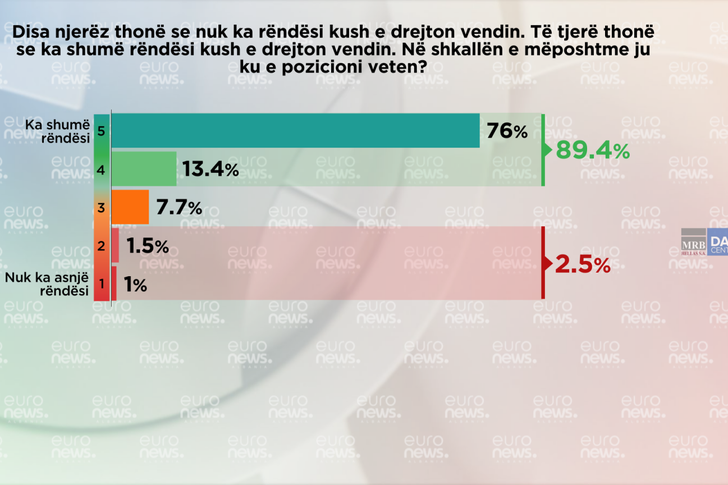
Placed before two other statements related to "how importa...
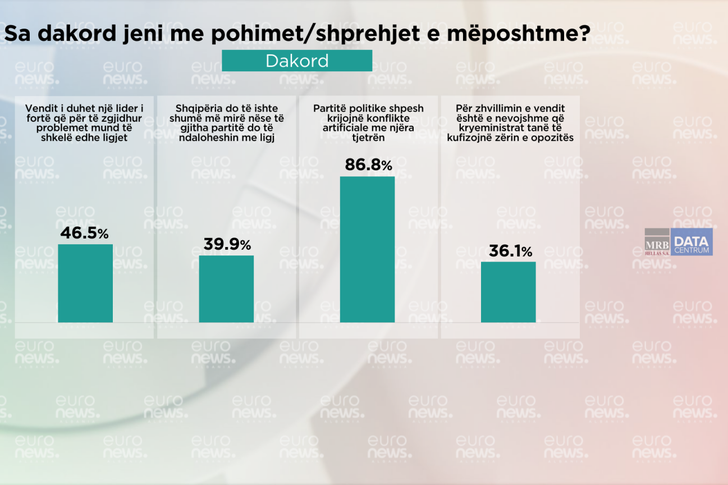
Another statement given by the Barometer and which receive...
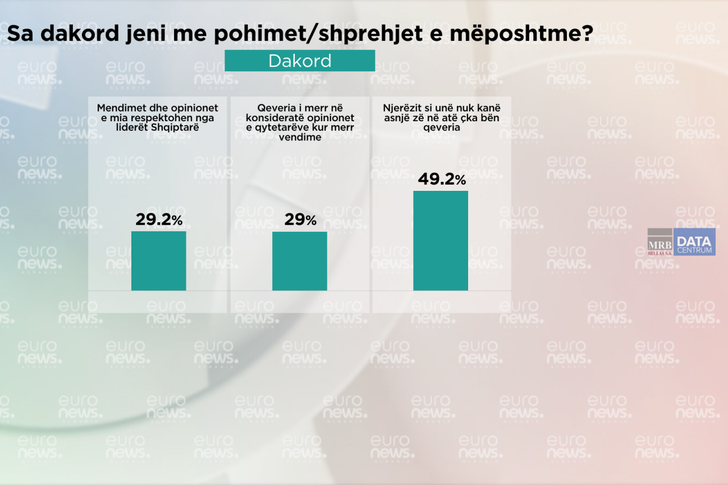
The barometer has put citizens in front of several stateme...
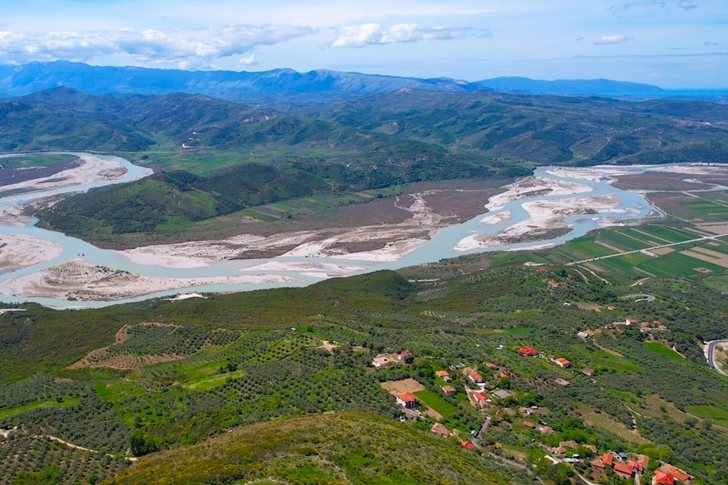
About 40 Albanian and foreign naturalists asked the Albani...
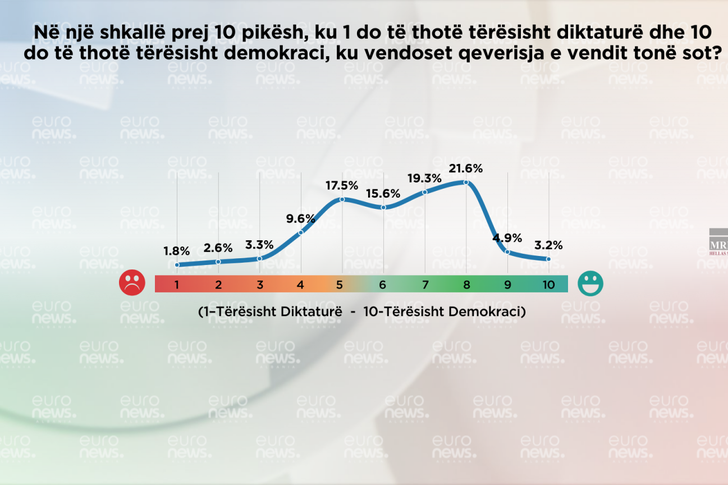
The level and functioning of democracy in our country is a...
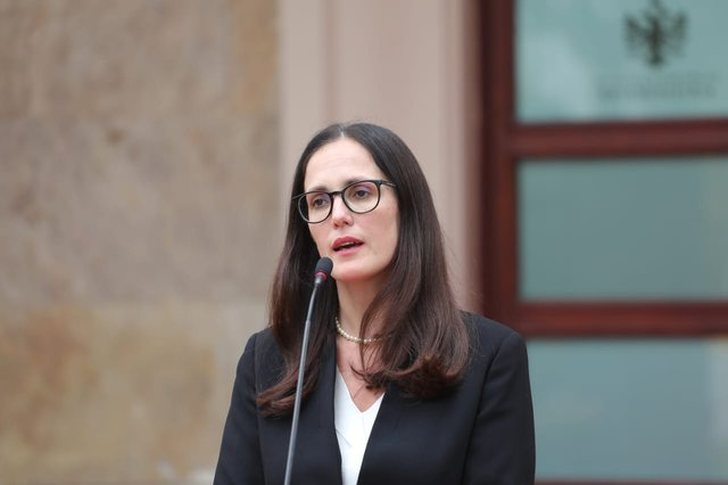
The Minister of Entrepreneurship, Delina Ibrahimaj, ha...
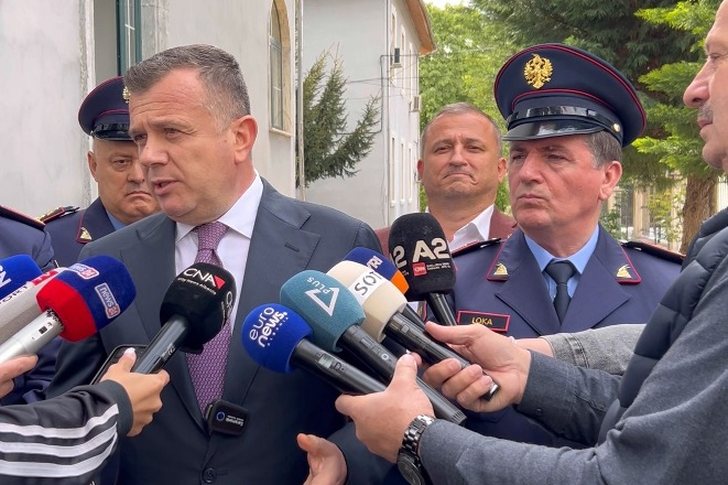
Two days ago, the citizen with the initials AI was rel...
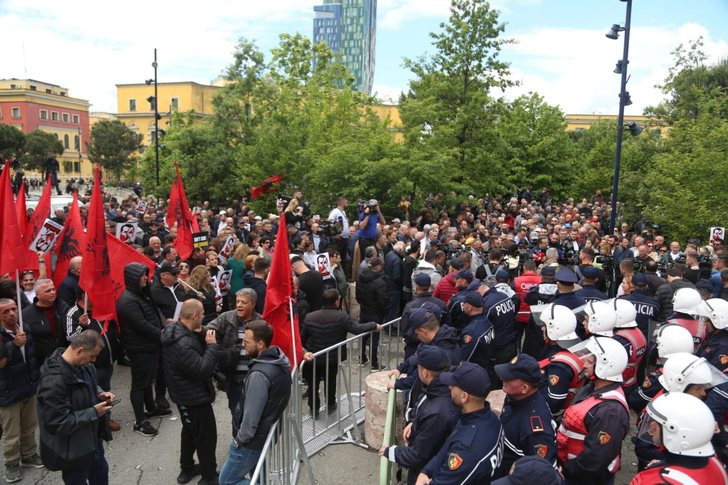
Today in the fourth protest against the mayor of Tiran...
The former Minister of Health, Ilir Beqaj, appeared at...
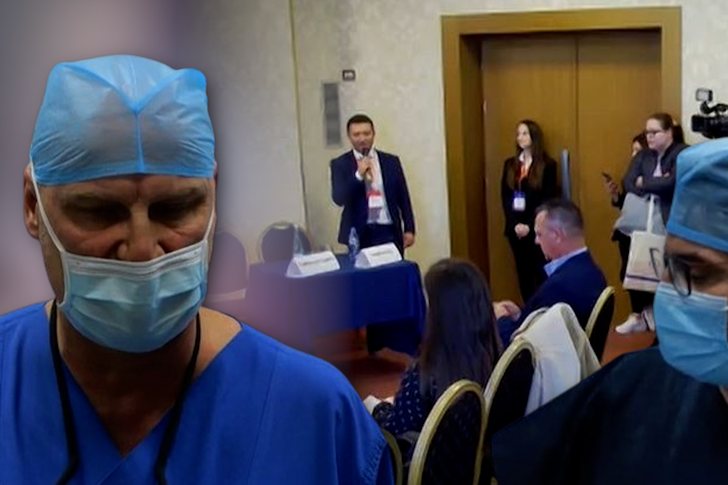
The rare surgical intervention was successfully performed ...
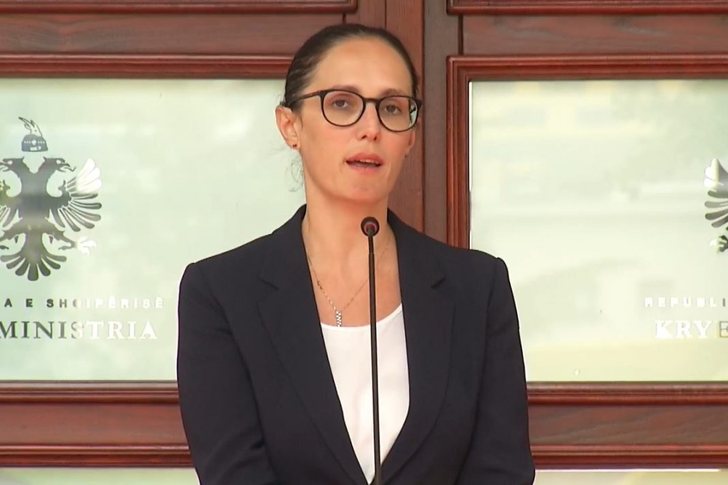
The threats to resign from the post of General Directo...
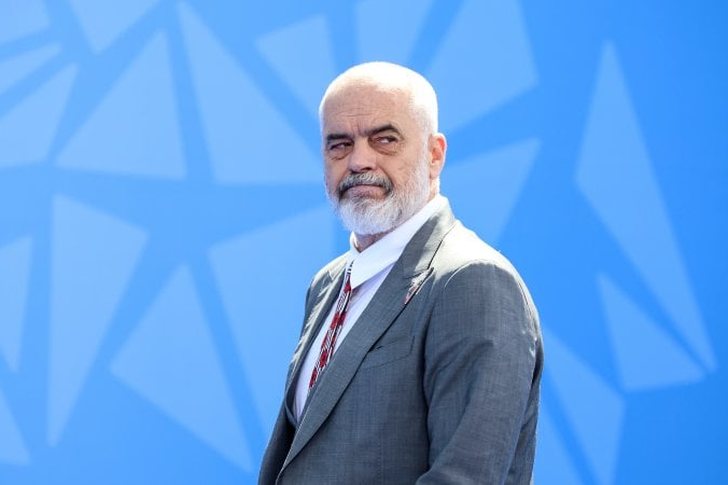
Kreu i qeverisë, Edi Rama, është shprehur se nuk ka as...
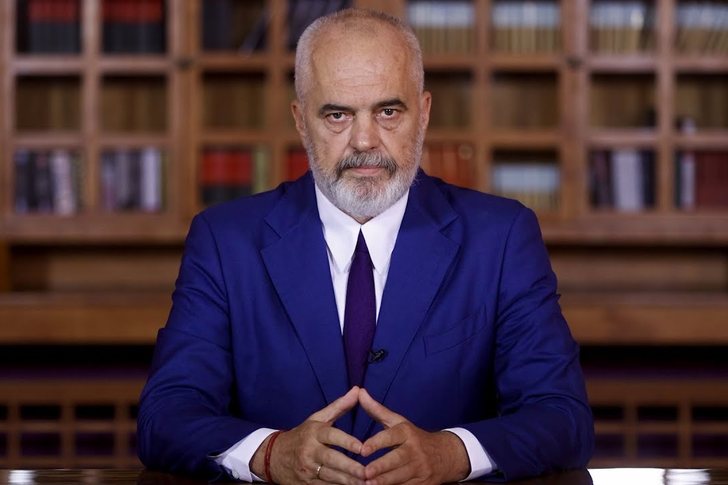
Prime Minister Edi Rama, in a long reaction on the "X"...

CNA has launched another investigation that could lead to ...

Irfan Hysenbelliu is a businessman that we call "Irfan the...

In March 2026, CNA launched another investigation centered...
The arrested mayor of Tirana, Erion Veliaj, with 13 charge...

The Special Board of Appeal (KPA) decided this Monday ...

The KPA vetting decided this Thursday to dismiss the p...

Suela Salavaçi, a prosecutor in the Prosecutor's Offic...

The Special Board of Appeal reinstated the prosecutor ...

A road accident occurred this evening on Nikolla Zoraqi St...
Three people were shot and wounded in Elbasan last night b...

A serious incident occurred this Tuesday in the Yrshek are...

An accident occurred this Tuesday on "Dituria" street in K...
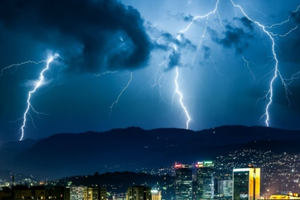
All of Southern Europe will face changing weather conditio...
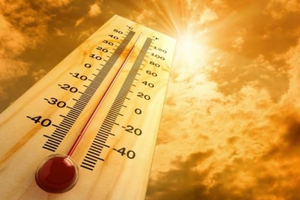
Albania was hit by temperatures significantly higher than ...

For the first time, Pogradec welcomed the Inter-Lake Chess...
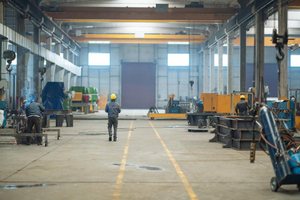
Albania has achieved a record for the employment of foreig...
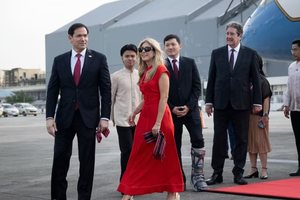
US Secretary of State Marco Rubio arrived in Manila on Jul...
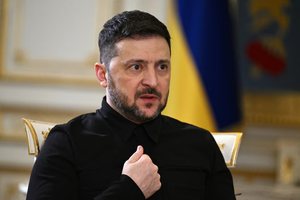
In the space of a few days, Ukrainian President Volodymyr ...
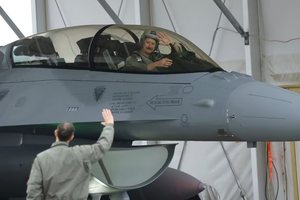
The spokesman for the Iranian Foreign Ministry warned Bulg...

Autoritetet italiane sekuestruan pako me afër 800 kilogram...

At a time when industrial products are increasingly taking...

Trust among people is not just a three-syllable word. It c...

Master of humor Todi Llupi has passed away at the age of 7...

The ninth edition of "MIK Festival" kicked off with one of...

Construction company licenses will have a validity period ...
The Centralized Purchasing Operator recently opened a tend...
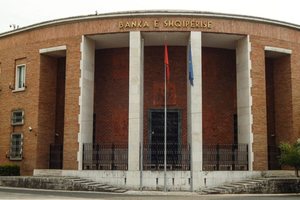
The new draft law "On the Bank of Albania" provides that t...
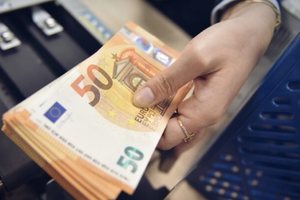
This Tuesday, one US dollar is bought for 81.2 lek and sol...