


Flood situation/Vengu: Priority, return of residents to their homes
Minister of Defense, Pirro Vengu, spoke to the media after...



The Parliament has published for consultation the draft law "On some additions and amendments to law no. 10 236, dated 18.2.2010, "On the takeover of companies with public offering", which aims to harmonize the rules for the functioning of capital markets with those of the European Union countries.
Although legislation is being harmonized, the capital market in Albania is still in a development phase: limited number of issuers, low liquidity, and an investor base that is still taking shape.
According to the report accompanying the draft law, in this context, a clear, predictable and EU-standard framework for takeover bids is not a technical issue, but a prerequisite for increasing trust and integrating our market with European markets. The full approximation of our law with the acquis, with clear rules on the offer document, deadlines, fair price, board neutrality, “breakthrough”, as well as post-bid rights (squeeze-out/sell-out), gives the market the missing link: legal certainty.
Albania is on track to complete full alignment of its legal framework with the EU by the 2030 political horizon, and therefore it is important for investors and issuers that capital market rules will be the same as those of the European Union. With this draft law, according to the report, we de facto enter a much broader ecosystem, the rules becoming understandable for investment banks, funds and advisors operating throughout Europe. This means less regulatory arbitrage, more real competition and a greater likelihood that a legitimate offering will be successfully and timely concluded.
The draft law places the parties in a network of internationally recognized rules and reduces the costs of uncertainty. When an offeror knows exactly what to include in the offer document, how the fair price is assessed, what measures the board of the target company can (or cannot) take and what the rights of shareholders are after the completion of the offer. Also, mutual recognition of documents approved by an EU/EEA authority avoids duplication and speeds up the process, becoming a key element for a small market seeking to attract large capital.
Companies are encouraged to list and sell shares under these rules for the following main reasons:
• Permanent capital for growth—listing gives companies the fuel for investment, geographic expansion, digitalization, and without burdening the balance sheet with debt.
• Liquidity and transparent pricing—a regulated market enables fair valuation and orderly exit for existing shareholders; listed shares are converted into purchase currency (stock-for-stock).
• Governance and reputation—listing and transparency standards increase managerial discipline, customer and bank confidence, and the ability to attract talent (shares for employees).
But these motives only materialize when the legal infrastructure supports them. A complete bidding law does exactly that: it reduces uncertainty, prevents artificial control blockages, protects the small and increases the predictability of the outcome.
This law gives companies clear guidelines for large transactions, gives investors the guarantee that the rules are respected, and gives the Authority the tools to maintain the integrity of the market.
According to the report, the objectives to be achieved are:
a) Expanding the scope of application and clarifying definitions (e.g. “voluntary/mandatory offer”, “shares with multiple voting rights”).
b) Increasing the transparency of the bid document (e.g. data on compensation/price and determination methodology).
c) Reinforced rules for “fair price”: mandatory price increase if purchased more expensively during the offer period; authority of the Authority to adjust the price in exceptional circumstances.
d) Clarification of safeguards and voting rights in the AGA during the offer period (neutrality, "breakthrough", treatment of shares with multiple votes).
e) Special exemption from mandatory offer in cases of resolution/intervention under financial legislation.
f) Strengthening the Authority's powers: mutual recognition of the document adopted by an EU/EEA member state; inter-authority cooperation; possibility for limited exceptions in exceptional circumstances; implementing regulations.
g) Annual reporting to the European Commission and filing in ESAP to ensure public access and interoperability of data (“machine-readable” formats, standard metadata).
h) Transitional provisions and entry into force related to EU membership and updating of legal references (capital markets)./Monitor.al

Minister of Defense, Pirro Vengu, spoke to the media after...
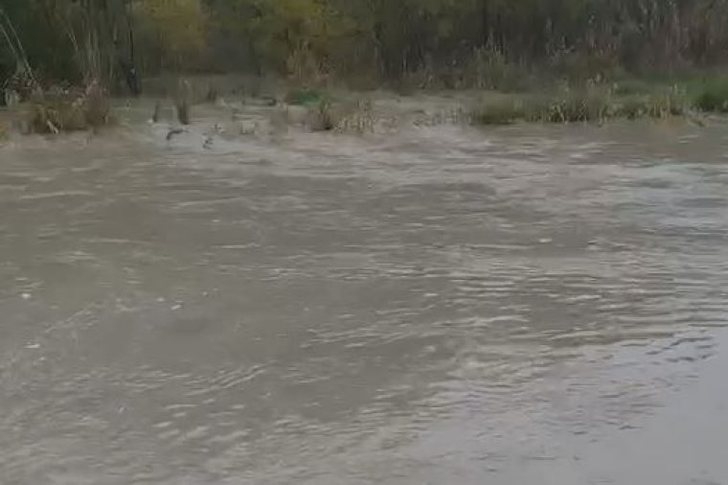
Bad weather and heavy rainfall for two days have brought m...

Flights at Tirana International Airport continue normally ...
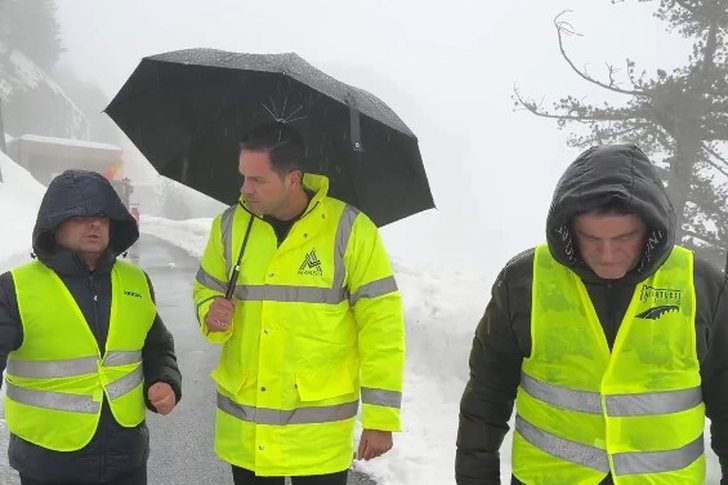
The head of the Albanian National Disaster Response Force,...
Excellent news comes from TRING this beginning of the year...
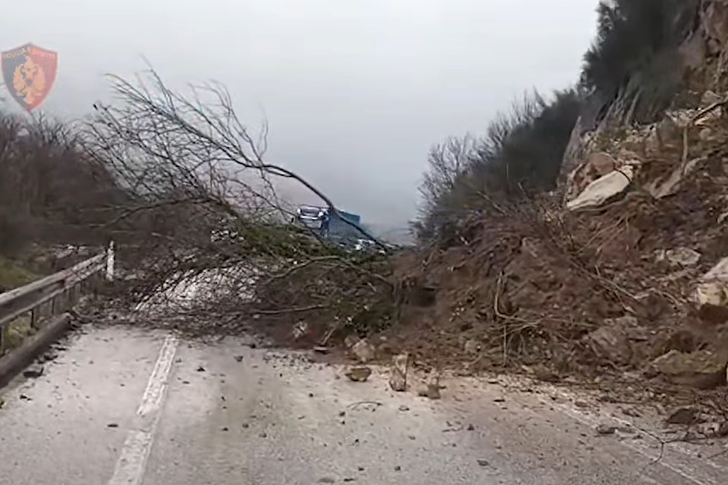
Landslides and rockslides have been recorded today on the ...
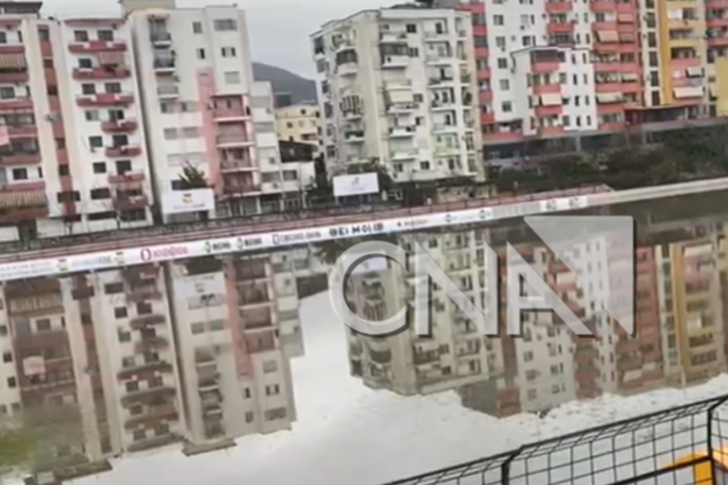
The heavy rainfall that has engulfed the city of Lezha has...
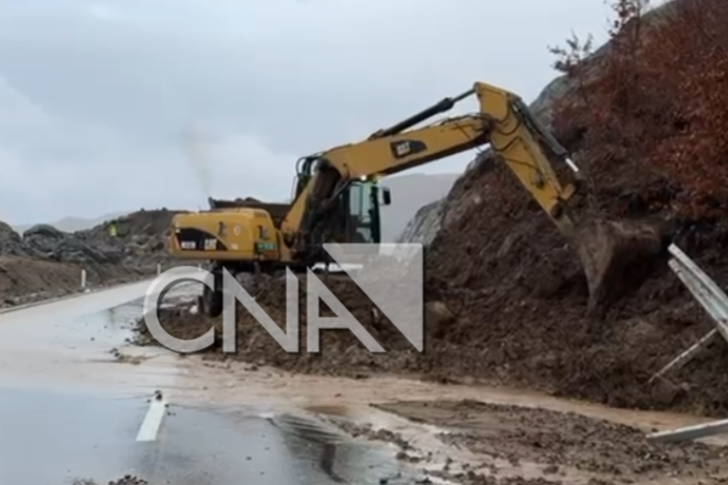
Problems continue on the Qukës-Qafë Plloçë road axis, foll...

Prime Minister Edi Rama has reacted to the floods caused i...
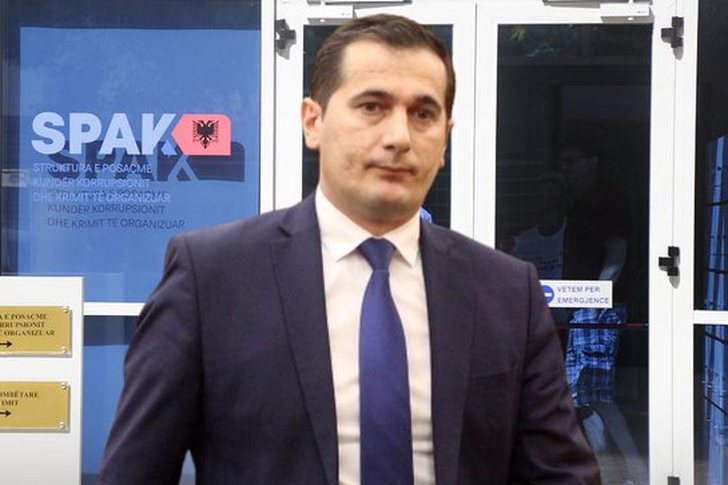
The next day, at 08:30, the Chief Prosecutor of SPAK, Klod...
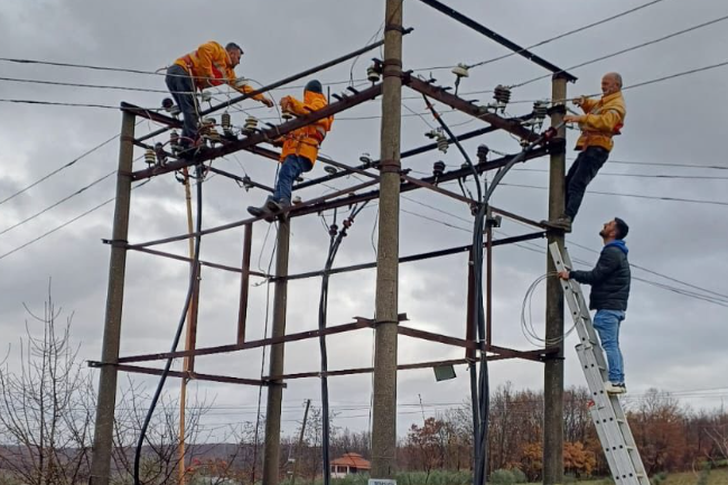
Heavy rainfall continued throughout the country yesterday ...
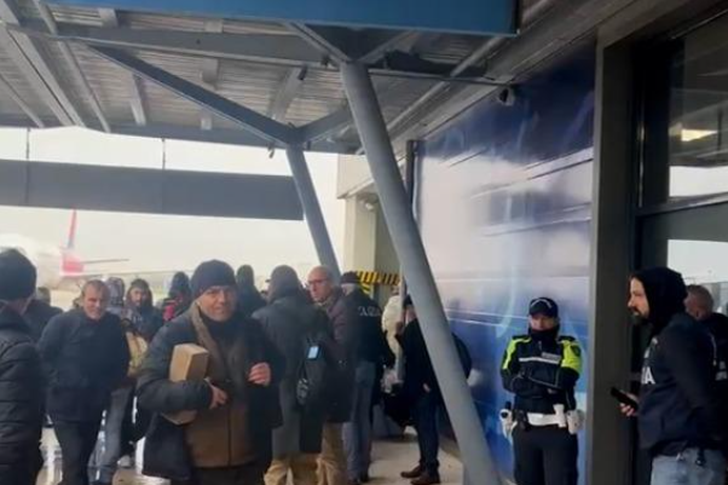
Wizz Air is involved in a scandal again. Around 400 passen...
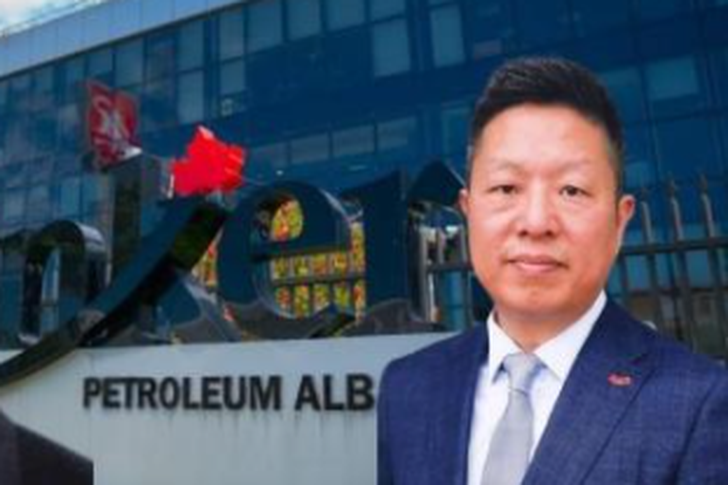
The Special Court has decided to release from custody ...
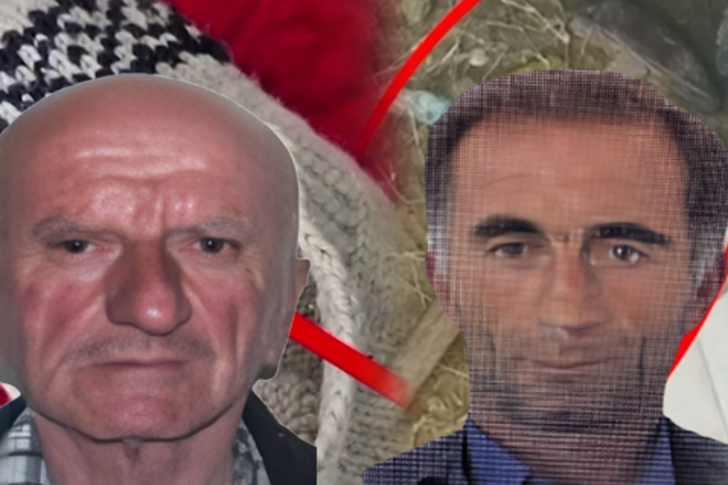
The Tirana Court has sentenced Isuf Hasa to 25 years in pr...
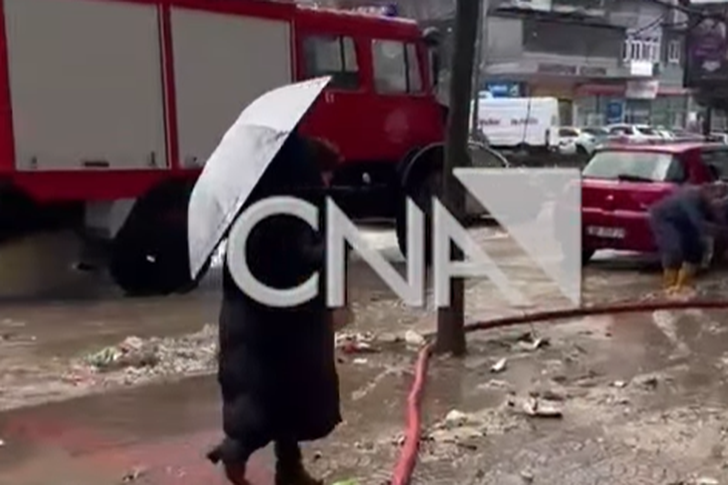
The Gjirokastra Municipality Fire Service has been engaged...
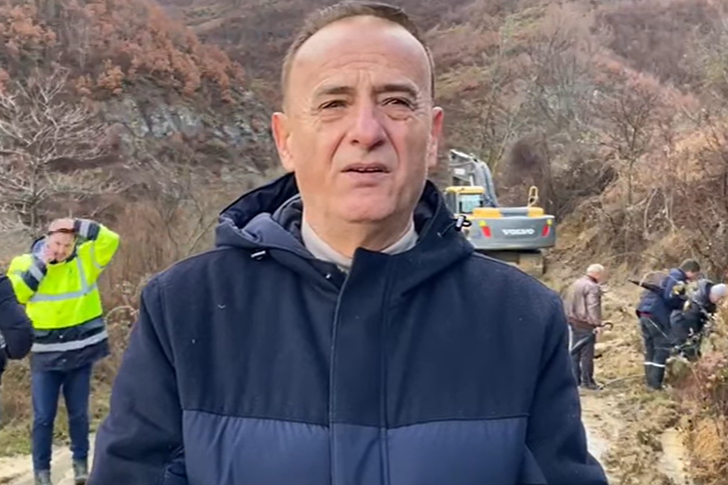
The Mayor of Pogradec, Ilir Xhakoli, has provided informat...
The Serbo-Montenegrin minorities in Shkodra celebrated...
Sonte në emisionin 'Opinion', që nis në orën 22:45, do të ...
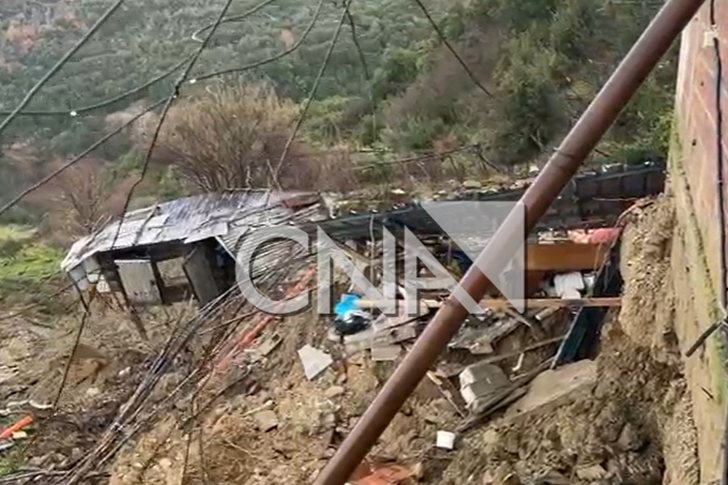
In the village of Vajzë in the municipality of Selenica, a...
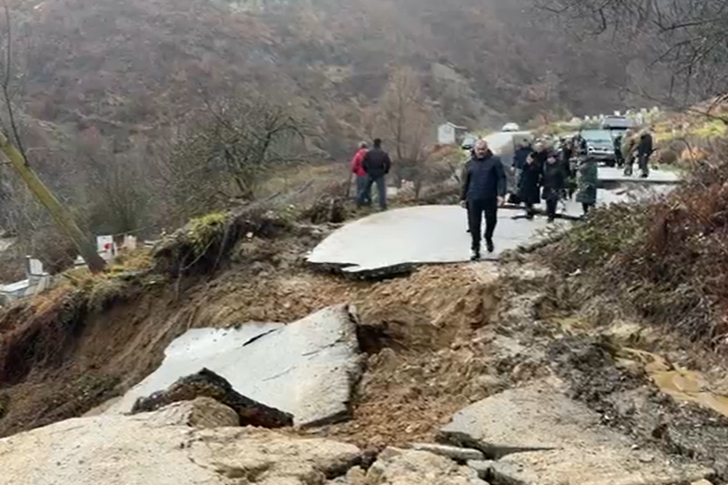
Landslides have blocked several villages in Pogradec, maki...

Irfan Hysenbelliu claims to be a big businessman, an hones...

The murder of officer Enea Mekolli in the line of duty has...
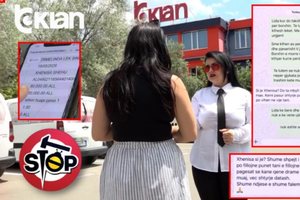
The next case broadcast on the show "Stop", this Thursday,...
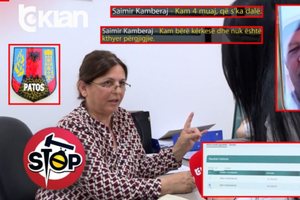
The case published this Thursday, June 4, on the show "Sto...

The Special Board of Appeal (KPA) decided this Monday ...

The KPA vetting decided this Thursday to dismiss the p...

Suela Salavaçi, a prosecutor in the Prosecutor's Offic...

The Special Board of Appeal reinstated the prosecutor ...

A 38-year-old man was arrested today near the Kamza turnof...

A money changer in Durrës lost 60 thousand euros after bei...
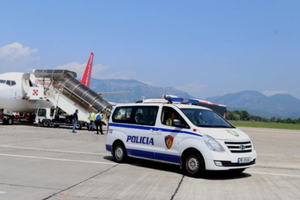
The 6 citizens captured in Dubai, members of criminal grou...
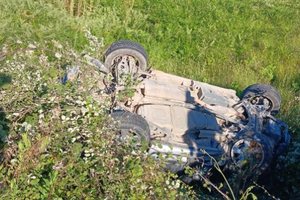
A serious accident occurred on the Kardhiq-Delvinë axis, i...

Today our country will be affected by stable weather condi...

For many children and teenagers, the long summer holidays ...

Albania is facing an unprecedented demographic transition,...

On Thursday, our country will be affected by unstable weat...
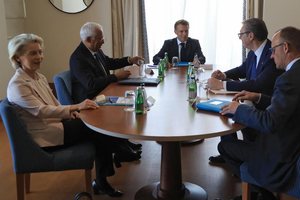
Leaders of the European Union and Western Balkan countries...
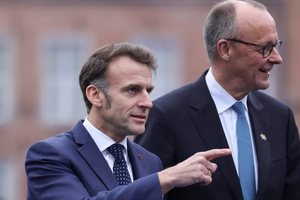
On the eve of the EU-Western Balkans summit, Germany and F...

Russian President Vladimir Putin said the war in Ukraine c...
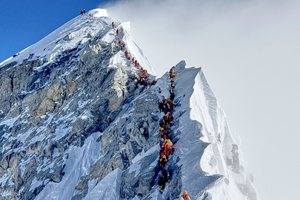
An extraordinary story of survival has been recorded in Ne...
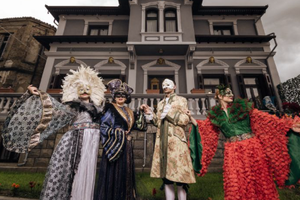
Korça is ready to open the summer season with one of the c...
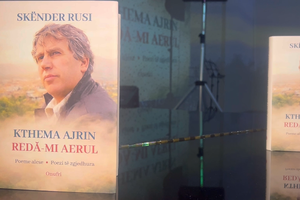
Two years after his passing, the renowned Korçë poet Skënd...
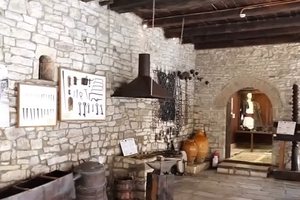
The Ethnographic Museum of Berat has opened its doors to v...
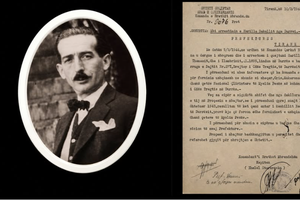
The story of Harilla Bakalli is one of the most chilling t...

Despite years of efforts at regional cooperation and free ...

Albania is the country with the highest level of severe ma...

This Friday, one US dollar is bought for 81.3 lek and sold...
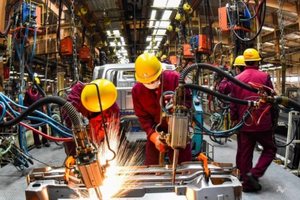
The government aims to transform the country's industrial ...