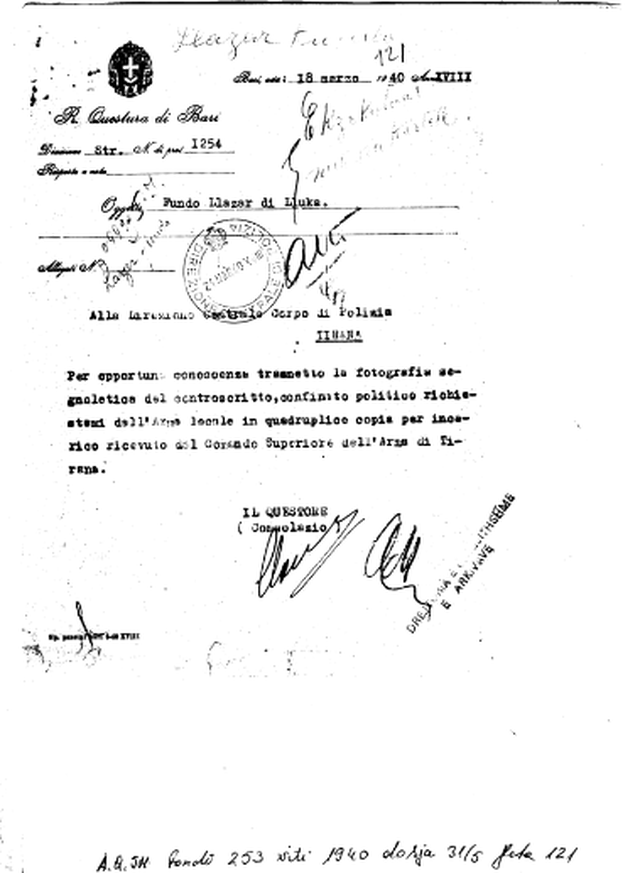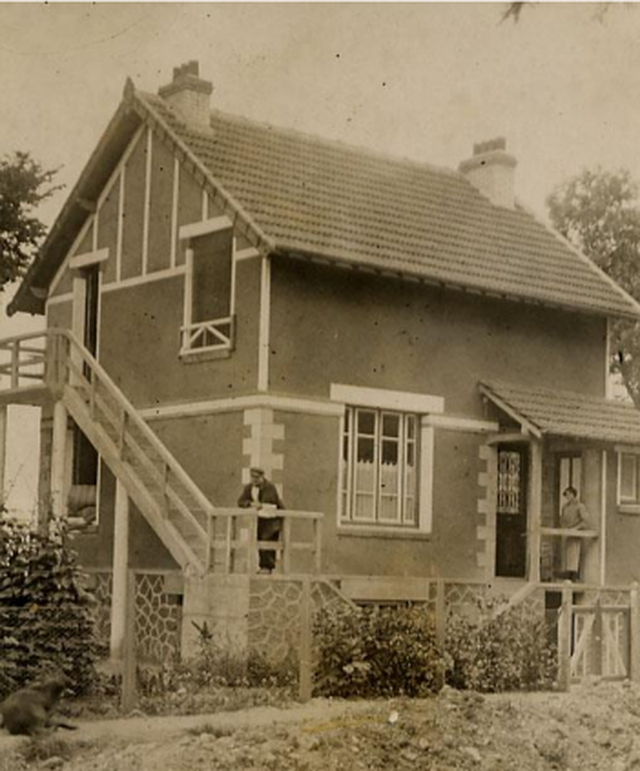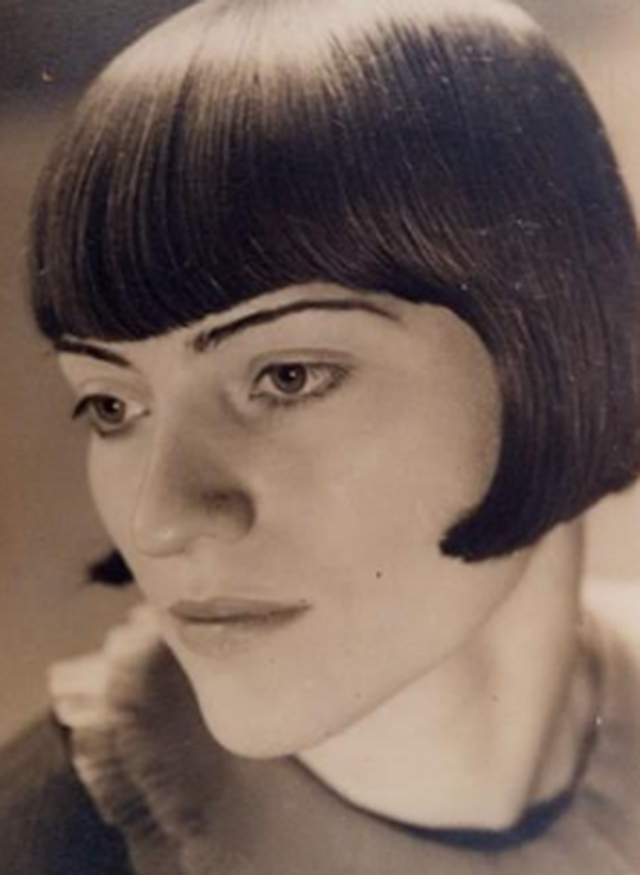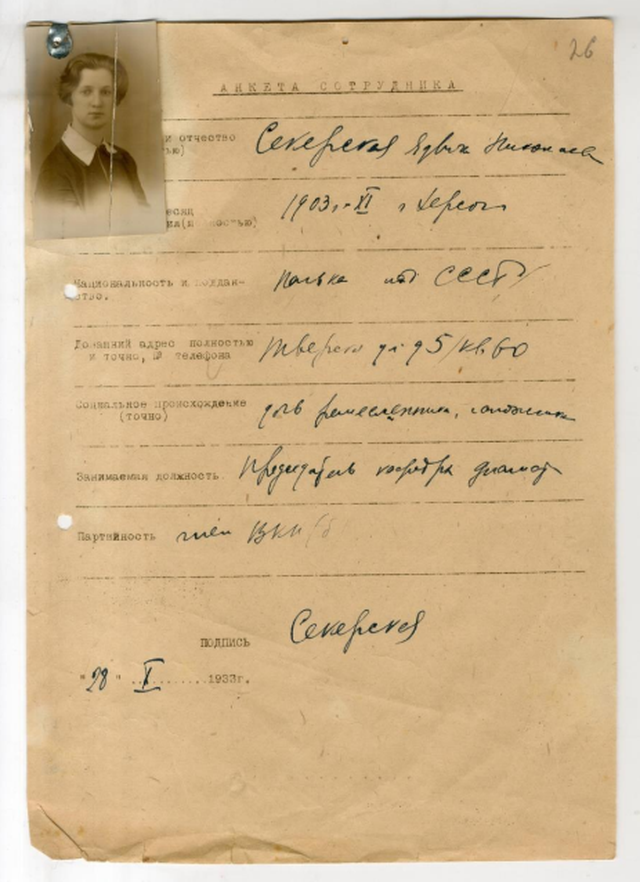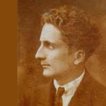


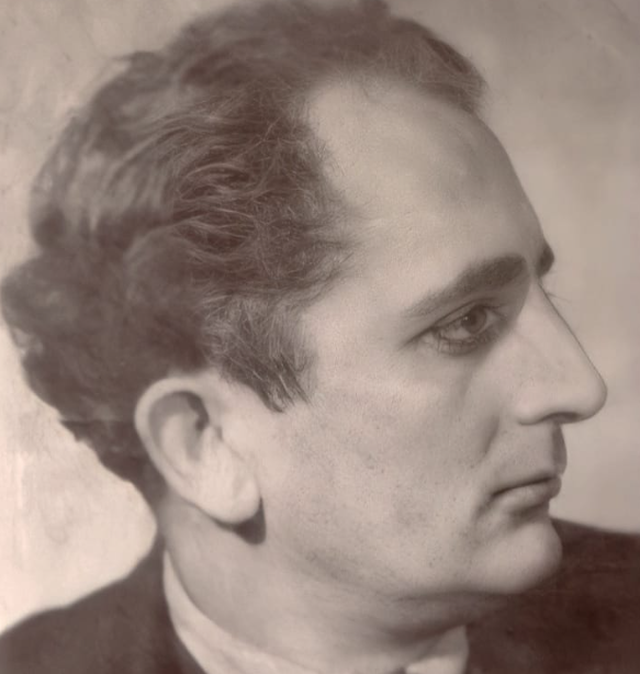
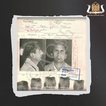
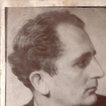
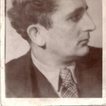
Llazar Fundo is a complex figure in Albanian history. A polyglot intellectual with a total of 9 foreign languages, who was born in a merchant family from Voskopoja in Korça, then became a communist in his youth, was shot by the communists and left his testament before the firing squad: "Communism that we idealized as Christ, in terms of wickedness, it surpasses even the devil. I was a communist, but I will never die as one. I could lie to save my head, but I can't do that. The photos that are in the bag should be given to the mother if she is alive."
These are the words of an intellectual of European caliber. A former member of the Comintern who subsequently denounced and accused Stalin and his crimes.
The history of the dictatorship in Albania accuses him as a traitor, someone else as the founder of the Communist Party, but the facts and truths revealed show an intellectual who stood with values ??and dedication by the side of the greatest people of the time.
Fundo was arrested by the Italians on May 5, 1939 and has nothing to do with the establishment of the NPSH by Dushan Mugosha, Miladin Popovic and Enver Hoxha as their tool in November 1941. Llazar Fundo was interned in Vetontene and when in Albania the Yugoslavs founded The Communist Party, he signed 'Il Manoifesto Di Vetontene', which is the document where the roots of the European Union are laid and one of its drafters and signatories is Llazar Fundo, who was often called Zai.
Fundo is appreciated by Italian, German, French, Albanian historiographers, etc., as one of the greatest philosophers of the time, a politician and a principle full of ideas that sought a Europe without borders.
Below we present a summary of some writings, facts and documents published at different times about Llazar Fundon.
Llazar Fundo, known as Zai Fundo, was born in Korça, on March 20, 1899, in a commercial family originally from Voskopoja. He attended the French Lyceum in Thessaloniki, then studied law at the Sorbonne in Paris, where he came into contact with communist ideas. In 1923 he returned to Albania with the profession of lawyer. He was an activist and chairman of Avni Rustemi's "Bashkimi" society, a well-known exponent of the communist movement, then a social democratic journalist. Meanwhile, he participated in the Society "Bashkimi" (1922-1925) and after the murder of Avni Rustemi in 1924, he was elected chairman of the society and directed the newspaper "Bashkimi". At the end of December, when Noli's government fell, he left his homeland for Italy, Austria, Germany, France and Russia.
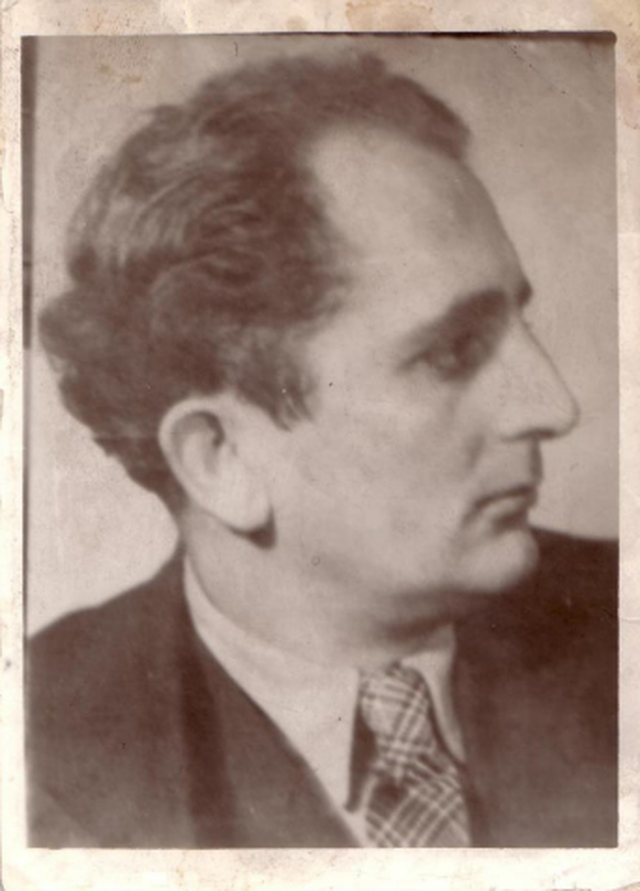
During this time he collaborated with the newspaper "Liria Kombëtare" of Omer Nishan. During his stay in Vienna, he joined the Balkan Communist Federation, which included the Kosovo Committee, where Zai Fundo was active. He then emigrated to the USSR, graduated in philosophy in Moscow and lectured on the subject in Leningrad, and joined the Comintern.
He participated in the 8th Congress of the Balkan Communist Federation where he discussed the formation of the Communist Party in Albania, helping to form the Korca Communist Group.
In 1933, he was in Germany where he saw the Reichstag fire and left for the Soviet Union with Leipzig judge Georgi Dimitrov. He was sentenced to death by the Comintern for his anti-Stalinist stance in 1938, but Dimitrov, then head of the Comintern, overturned the sentence.
In 1939, after the Italian invasion, he returned to his homeland and started working as a high school teacher. Removed after a year for his anti-Italian activity together with Ali Këlcyra, with whom he disagreed in the center-left political opinion. Captured by the Italians and exiled to the infamous island of Ventotene. He would be there with Safet Butka, Muzafer Pipa, Isuf Luzaj, Altiero Spinelli and Sandro Pertini.
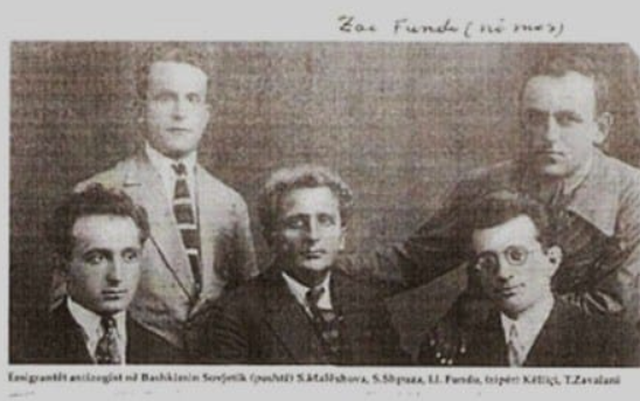
Fundo had become a communist in Paris during his university studies. While his intelligence and knowledge of several languages ??added to his credibility, his political commitment had reached beyond Albania, and when Dimitrov was arrested after the Reichstag fire, Fundo was in Berlin as one of his accomplices. He escaped arrest and re-entered Moscow where he worked at International. When the wind of the great purges began, he, a loyal communist but educated in a liberal cultural atmosphere in democratic countries, had frequented quite a few opponents of Stalin...
In Ventotene he had naturally become close to ex-communists and socialists, with whom he often spoke about the curse of Stalin's regime. Otherwise he walked calmly, upright, handsome, blond hair blowing in the wind, softly muttering the words of Plato as he read Greek, searching in the ancient texts for the peace of mind that the failure of his communist experience had taken from him and that he could not find it anywhere. After September 8, when he was released and the last group of Ventotene internees, Lazar Fundo went down to the coast of Apulia, crossed to Albania, got to know the communist partisans, telling them who he was and who would come to fight with them, he settled behind the wall and was shot.
After the fascist regime succeeded in 1943, with all the fraternal and friendly support that Sandro Pertini gave him, in a last meeting with him in Rome, in August 1943, who wanted to convince him to stay in Italy to fight fascism with him, he decided to return to Albania to fight. He joins the Kryeziu brothers and the British mission near them in the Highlands of Gjakova.
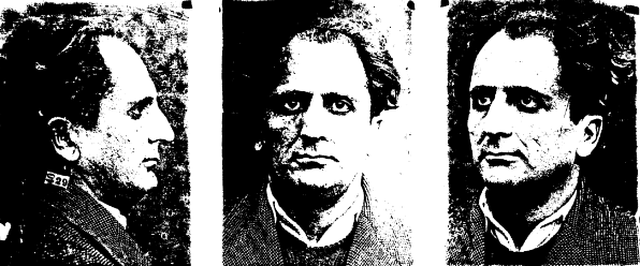
In September 1944, he was captured by the Yugoslav partisans on the mountain of Dobrej i Tropoja and handed over to the Albanian communists. Convicted of "Trotskyism" and collaboration with the British Intelligence Service. He was arrested and killed by partisan forces in Kolesjan of Kukës on September 23, 1944.
Enver Hoxha's radiogram on September 21, 1944 states: "Zai Fundon tortured him to death and then shot him."
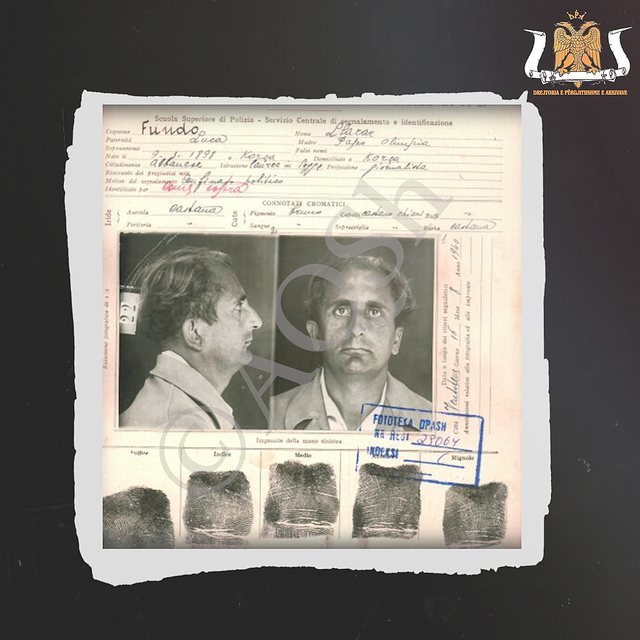
Exiled on the island of Ventotene as an anti-fascist, he would come into contact with the Italian ideologues, Altiero Spinelli and Ernesto Rossi, with whom Fundo would draw up the "Manifesto of Ventotene", known as the forerunner of the Hague Congress and the Schuman Declaration .
They developed a new vision for the creation of a free and united Europe, based on the idea of ??sovereignty, the workers' movement, the common currency, etc.
Italian researchers would call the ideas of the lawyer born in Korça and graduated from the Sorbonne as the forerunners of the European Union. Fundo had a long and complex political experience, in Albania and Europe.
Llazar Fundo was a tragic representative of those Albanian leftist intellectuals who embraced communism as a savior ideal for humanity, but who were completely disillusioned by the criminal practice of communism in Russia, other countries and Albania, and became one of the most vocal opponents. greats of that inhumane system, even one of its victims.
Llazar Fundo was one of the anti-fascists and one of the first fighters of the war against the invaders, but who was annihilated by Enver Hoxha because he fought as a patriot and a democrat, but not as part of the NPSH and the NC Front.
He completed high school at the French Lyceum of Thessaloniki and advanced law studies in Paris, a man with extensive Western culture and a friend of prominent personalities of the time: Heminguejt, A. Barbys, R. Rolan, L. Pirandelo, S. Pertini, A. Anshtejn, Gj. Dimitrov, FS Noli, L. Gurakuqi. A. Rustemi etc.
It played an important role in the democratic movement of the 30s-40s in Albania and beyond. After the murder of Avni Rustemi, he was elected chairman of the "Bashkimi" society and helped in the uprising of June 1924. He then emigrated to Europe and took part in the revolutionary wing of the Albanian political emigration there. He went to BS to study and get to know the Soviet experience that was propagated so loudly, he even became a part of the Comintern, but there he found Stalinist tyranny and state crime in force, which he denounced with courage. From Moscow, he wrote to Noli: "Communism, which we idealized as Christ, surpassed even Satan in terms of wickedness." The Comintern sentenced the renegade Fundo to death, and he barely escaped with his head. "He escaped the purges", wrote E. Hoxha. "After that he lived sometimes in France, sometimes in Switzerland and elsewhere, where he waged a furious war against communism, against BS, against Stalin" (E. Hoxha, "When the Party was born").
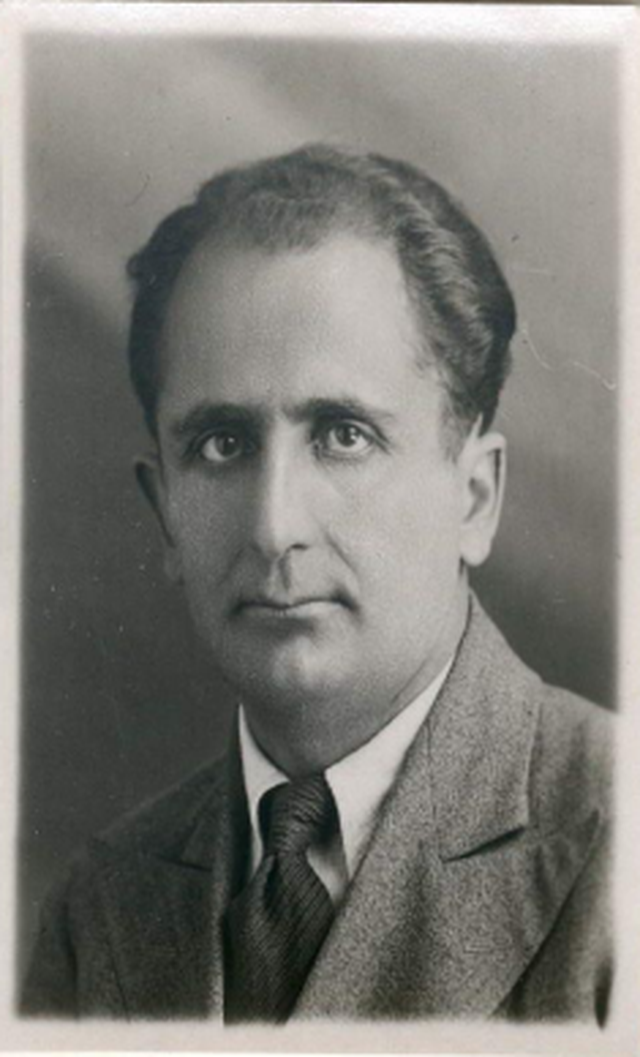
On the eve of the fascist occupation of Albania, he returned to his homeland and openly opposed this occupation. "On the eve of the fascist invasion" E. Hoxha wrote boastfully, with cynicism and envy, "at the peak of the popular demonstration, Zai Fundo climbed the steps of the town hall and gave an anti-fascist speech with exact figures and gestures. We knew the real figure of the renegade, we didn't eat his words, but nevertheless they made the effect". (E. Hoxha, "When the Party was born".)
For Fundo's open opposition to the occupation, in 1941 he was imprisoned and interned in Ventotene, Italy, together with many other anti-fascists, such as Safet Butka, Abaz Ermenji, Selman Riza, Faslli Frashëri, Myzafer Pipa, Gani and Said Kryeziu. Hasan Reçi, Sadik Bekteshi, etc.
Sandro Pertini highly valued Llazar Fundo when he said: "Zai Fundo is a valuable personality not only for Albania, but also for Europe". (From the memoirs of A. Krepashan, former political internee in Ventotene.)
The prisoners in Ventotene, including the Albanian anti-fascist intellectuals, helped not only in the anti-fascist resistance, but also in the drafting of a political project for a United Europe after the war, which was called the "Ventoten Manifesto" and became the basis of the subsequent construction of the United Europe. So these are also the persecutors of the United Europe, where we are trying to integrate Albania today. However, neither the "History of Albania", nor that of the Anti-Fascist War, mentions these outstanding contributions of the first Albanian anti-fascists.
A resistance committee was created in Ventotene, which also included Ll. Fundo, composed of prominent anti-fascists: Alessandro Pertini, Altiero Spinelli, Francesco Fancello, Pietro Seçhia, Mauro Scoçimarro, Lazar Fundo, Ante Babich, Antonio Francovich, who demanded the immediate release of political prisoners "as an automatic consequence of the expulsion the law of the fascist regime". (Paolo Spriano: "Storia del Partito Communista italiano", Turin, 1978).
One of the most well-known personalities of the Albanian Communist Movement of the 20s-30s remains undoubtedly Llazar Fundo, or as he is otherwise known, Zai Fundo. Together with Sejfullah Malëshova, they were and remained until the end of their lives two of the most theoretically and intellectually formed members of this movement. This made him quickly understand the reality and distance himself from communism towards social democracy.
Zai Fundo was born in Gorica, Korça in 1899. After finishing the French High School in Thessaloniki, he went to France to study law at the Sorbonne University. During this period he came into contact with the communist movement. After returning to his homeland, Zai Fundo worked for a short time as a lawyer. He joined the ranks of the organization "Bashkimi", whose chairman he became after the murder of Avni Rustemi.
After the fall of Noli's government in December 1924, Zai Fundo left for Italy, Austria, Germany, France and Russia. In collaboration with other anti-Zogist figures, he was involved in the newspaper "Liria Kombëtare" and other organs of the time, publishing articles and criticism with a critical emphasis on the foreign policy and reforms of the president and later King Ahmet Zogu. In addition, Zai Fundo also joined the Balkan Communist Federation.
To delve even deeper into the theoretical aspect, Zai Fundo headed to the Soviet Union where he studied philosophy in Moscow, and after completing his studies he lectured at the University of Leningrad. During this period he joined the Comintern and played an active role in the Albanian Communist Group in the Soviet Union. This is proven by the documentation and published memoirs.
But during his stay in the Soviet Union, Mr. Fundo witnessed the murders, exiles and persecution of hundreds and thousands of innocent people, many of whom came from the ranks of the communists themselves. He saw with his own eyes how what was propagated by Stalin and the Soviet state in Europe, did not match reality at all. Therefore, he gradually began to moderate his political attitudes and views, moving towards social democracy.
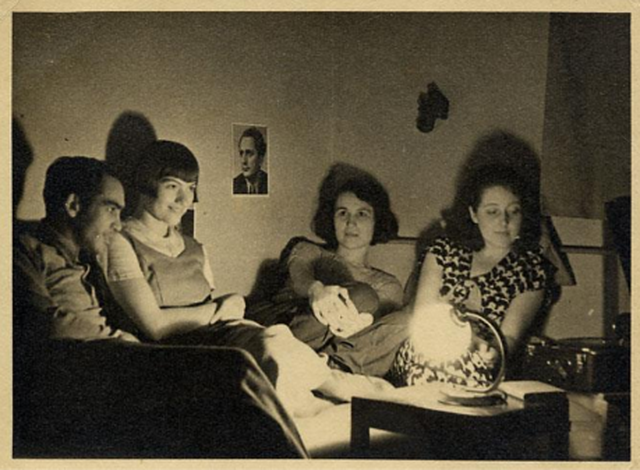
This most likely began in the fall of 1937. Because on July 5-6, 1937, based on the new orientation of the Comintern, Ali Kelmendi and Llazar Fundo held a meeting with the anti-Zogist Albanians in the city of Lyon. According to them, a way to penetrate the masses of the population and to work with them for the spread of the communist movement by legal means, was the creation of philanthropic societies. This would avoid the control of state bodies and the police.
But Fundo's distance from the communist movement and its representatives also caused the failure of the plan to draft a brochure that, after being printed, would be distributed in Albania. However, the new orientation that came from the Comintern influenced the communist movement to cooperate with different layers of society, aiming at its integration in the links of local government and in some segments of the administration.
In another letter that Koço Tashko sent to the Comintern on June 8, 1938, he complains about Llazar Fundo, who had begun to speak openly against the symbols of world communism. Thus, at a lunch organized by the anti-zogists of the "Bashkimi Kombëtar" organization, Fundo had spoken against Stalin, describing him as a murderer. He had considered the Soviet Union a prison, which, from a military point of view, was unable to give useful assistance to revolutionary movements.
After the invasion of Albania by the Italians in 1939, Zai Fundo returned to his homeland where he worked as a teacher for a short time. But because of his activity, he was viewed with suspicion and after a year, together with other personalities such as Isuf Luzaj, Safet Butka, etc., he was exiled to the prison of Ventotene. With the capitulation of the fascist regime, he returned to his homeland, where he joined the anti-fascist movement of the Kryeziu brothers in the Highlands of Gjakova.
This move was openly supported by British officers. But because of its Anglo-American and nationalist orientation, both the Kryeziu brothers and Zai Fundo were viewed with hostility by the Yugoslav emissaries near Enver Hoxha and Tito's partisans. This comes out clearly from the orientations of Enver Hoxha for the capture, torture and murder of Zai Fundo.
Zai Fundo was shot at noon on September 23, 1944, Shefqet Peçi was present at the shooting of Fundo.
Zai Fundo, after he was arrested in Malin Dobrej i Tropoja (Malesi e Gjakova), was brought tied to Kolesjan i Luma. Of course, Shefqet Peçi would carry out Enver Hoxha's order, because two days ago, Enver Hoxha had started the radiogram about the torture to death and then the shooting of Fundo.
Ironically, the out-of-date, cultured and anti-conformist Fundo, the connoisseur of seven foreign languages, would be shot in the village, in which the first Albanian school was opened in Luma in 1911. Later, Fan Noli, when he found out about Fundo's execution, would express with obvious sadness: "What is left for Albania if we destroy other great people like Fundo?!"/ CNA


The lawyer of the leader of the DP, Sali Berisha, Genc Gjo...

The "General Assembly of the United Nations" decided Septe...
The Special Prosecutor's Office has closed the investigati...
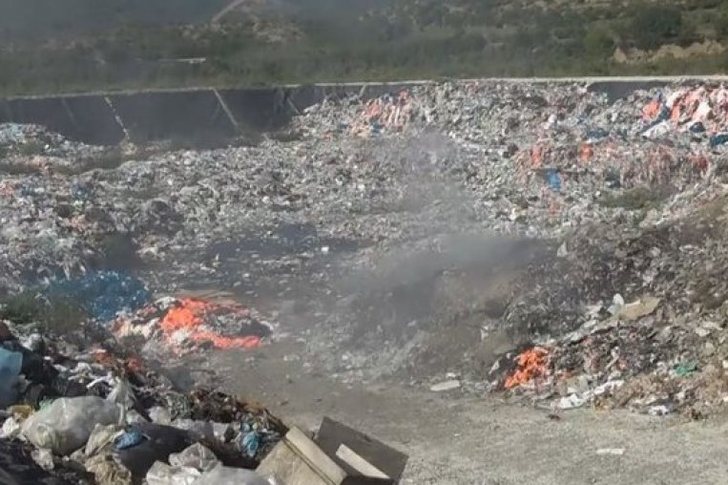
The garbage dump in Përmet has been engulfed in flames. Th...
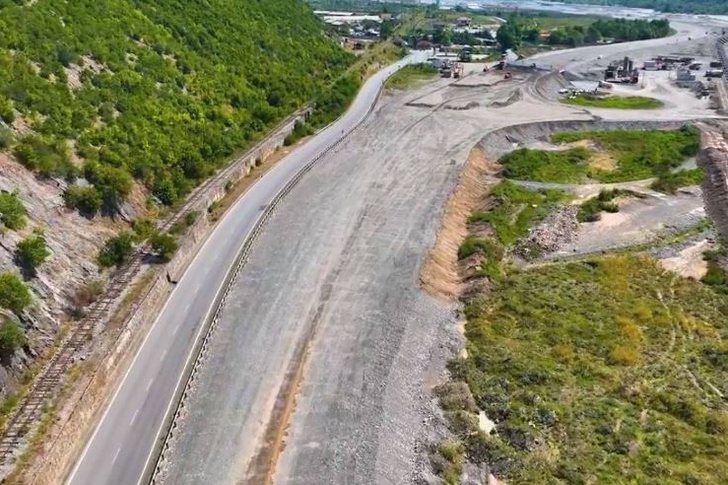
"GOOD MORNING and from the construction site of the Elbas...

This Monday we are introducing you to some of the main pre...
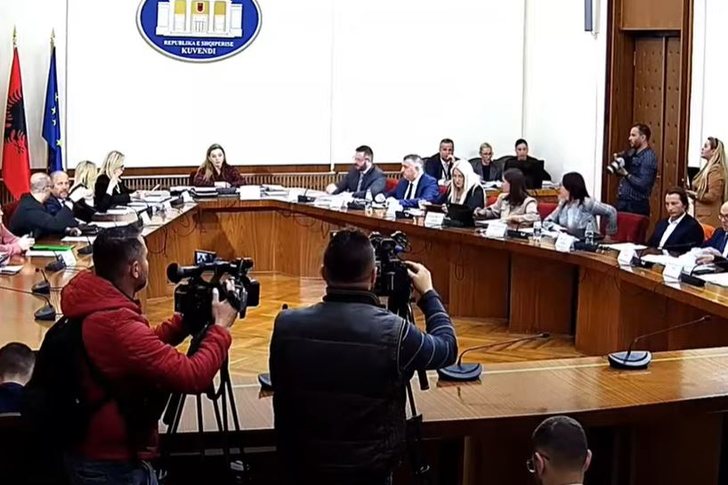
Monday starts with the meeting of 4 commissions, the commi...
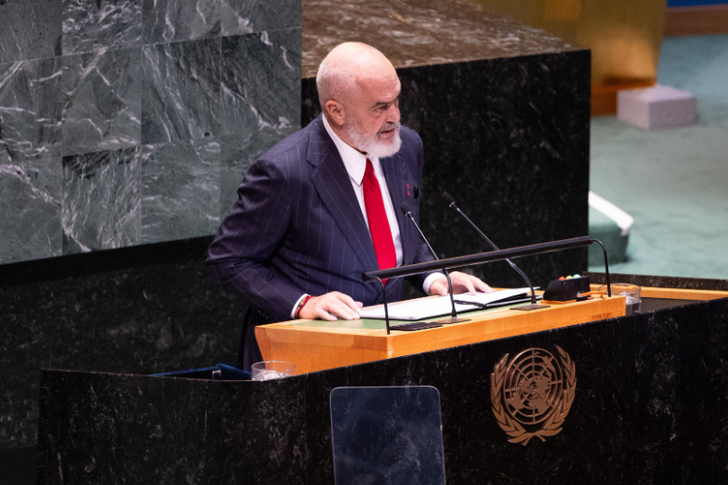
Prime Minister Edi Rama, during his speech at the summ...
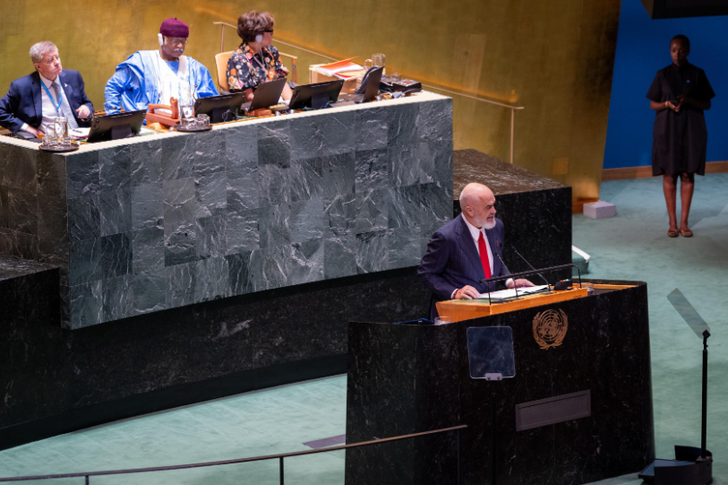
Prime Minister Edi Rama, in his speech held at the UN ...
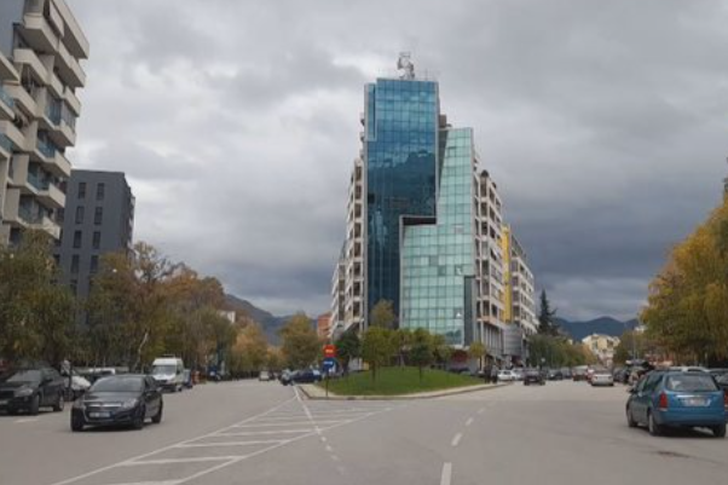
The Ambassador of Azerbaijan in Albania, Anar Huseynov, sp...
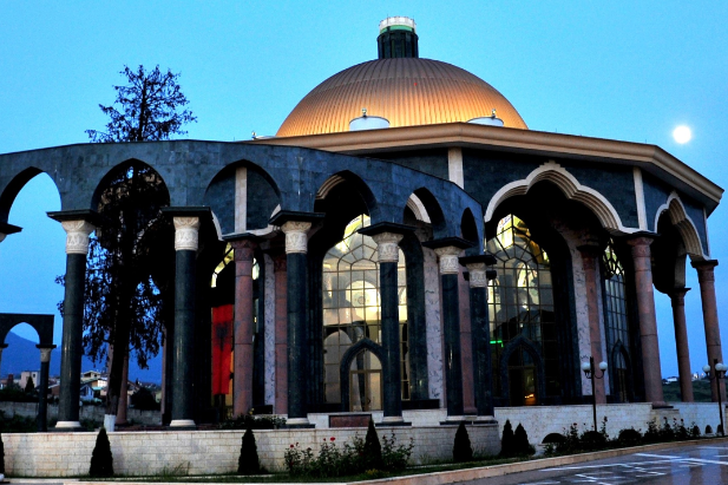
The World Headquarters of the Bektashis in an official sta...
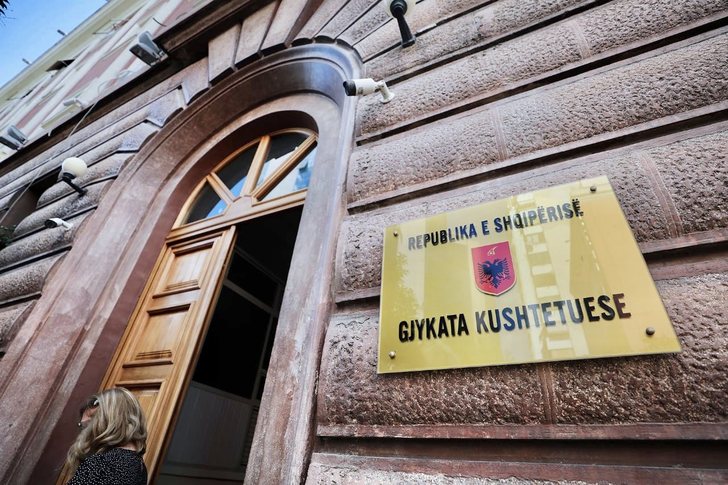
The Constitutional Court's decision to reject the governme...
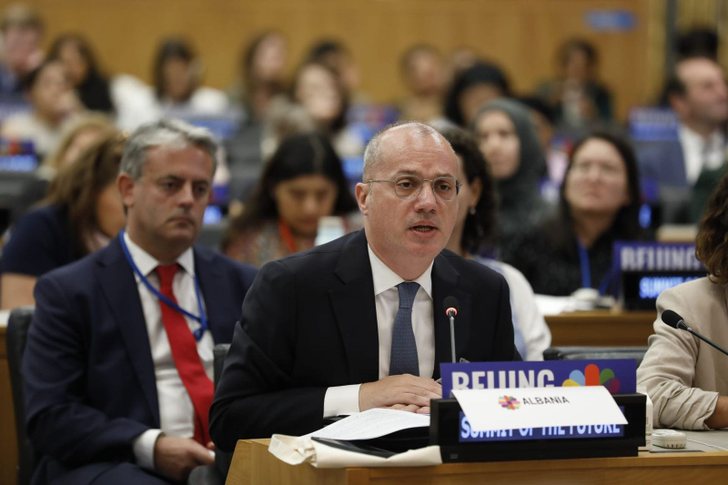
Prime Minister Edi Rama and Foreign Minister Igli Hasani a...
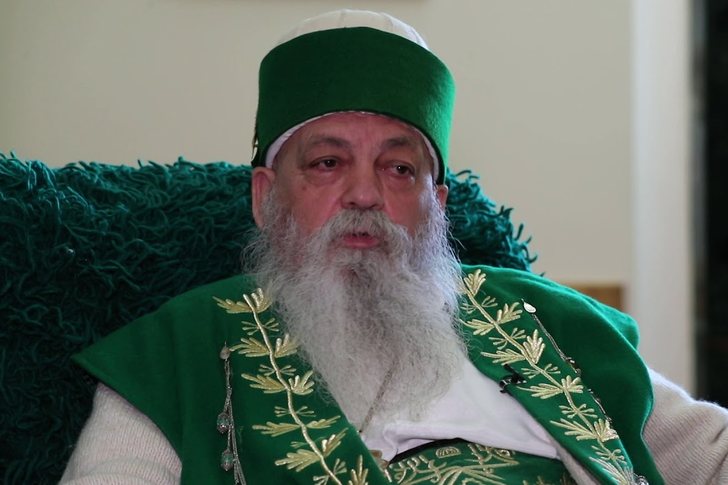
The Bektashi World Grandmother has denied the news that ci...
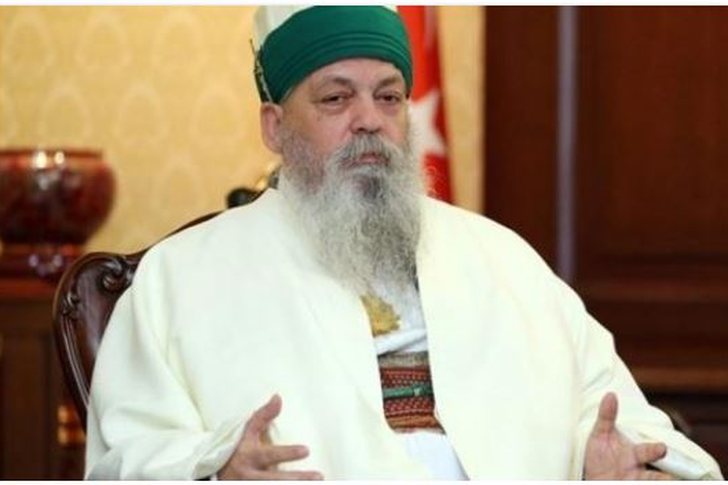
The World Grandfather of the Bektashians, Haxhi Dede E...
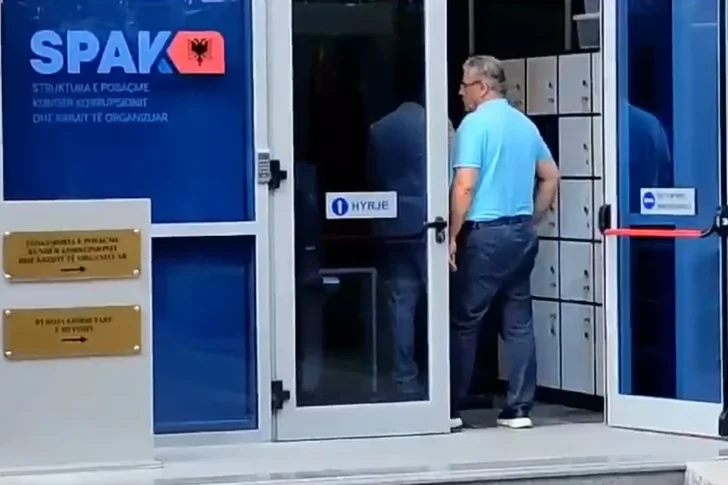
The Special Prosecutor's Office against Corruption and Org...

The former mayor of Bulqiza Lefter Alla has been released ...
The granddaughter of SPAK prosecutor Arben Kraja is pa...
The political leader of Berat District, Enno Bozdo, ac...
We extracted this sentence without much effort from ...

CNA has launched another investigation that could lead to ...

Irfan Hysenbelliu is a businessman that we call "Irfan the...

In March 2026, CNA launched another investigation centered...
The arrested mayor of Tirana, Erion Veliaj, with 13 charge...

The Special Board of Appeal (KPA) decided this Monday ...

The KPA vetting decided this Thursday to dismiss the p...

Suela Salavaçi, a prosecutor in the Prosecutor's Offic...

The Special Board of Appeal reinstated the prosecutor ...
A road accident occurred this evening on Nikolla Zoraqi St...
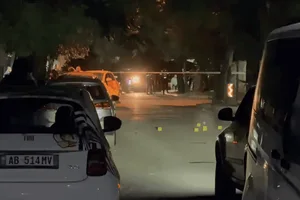
Three people were shot and wounded in Elbasan last night b...
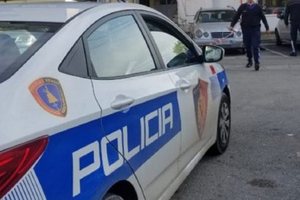
A serious incident occurred this Tuesday in the Yrshek are...

An accident occurred this Tuesday on "Dituria" street in K...

All of Southern Europe will face changing weather conditio...

Albania was hit by temperatures significantly higher than ...

For the first time, Pogradec welcomed the Inter-Lake Chess...

Albania has achieved a record for the employment of foreig...
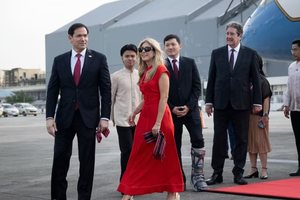
US Secretary of State Marco Rubio arrived in Manila on Jul...
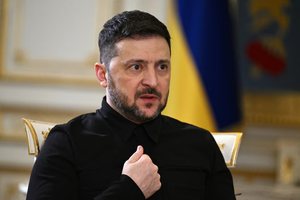
In the space of a few days, Ukrainian President Volodymyr ...

The spokesman for the Iranian Foreign Ministry warned Bulg...
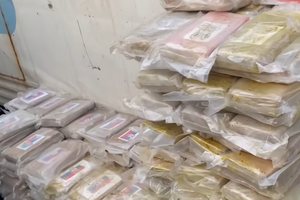
Autoritetet italiane sekuestruan pako me afër 800 kilogram...

At a time when industrial products are increasingly taking...

Trust among people is not just a three-syllable word. It c...

Master of humor Todi Llupi has passed away at the age of 7...

The ninth edition of "MIK Festival" kicked off with one of...

Construction company licenses will have a validity period ...

The Centralized Purchasing Operator recently opened a tend...
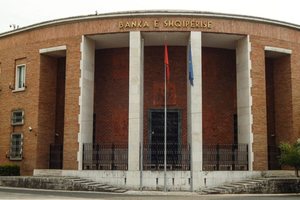
The new draft law "On the Bank of Albania" provides that t...

This Tuesday, one US dollar is bought for 81.2 lek and sol...