

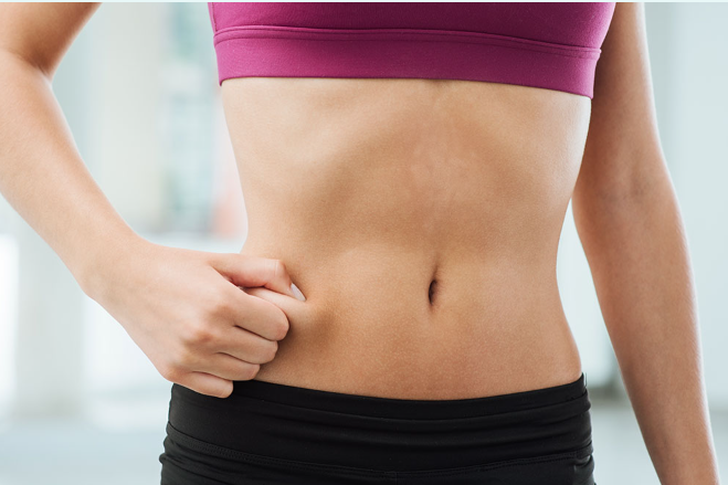
Belly fat/Five ways to get rid of it
Move as much as you can Running, cycling, swimming and an...



A healthy gut not only ensures a smoother daily life, but also helps reduce the risk of inflammatory diseases such as inflammatory bowel disease (IBD).
Dr. Victor Chedid, MD, a gastroenterologist specializing in inflammatory bowel disease at the Mayo Clinic in Rochester, offers tips to keep your gut healthy and inflammatory disease at bay.
According to the expert, the approach should approach four axes: "Attention to all these factors is necessary to maintain the health of the intestines", emphasizes Dr. Chedid.
Eat properly
The optimal diet plan for the gastrointestinal system is the Mediterranean diet, said Dr. Chedid. The Mediterranean diet contains many gut-healthy foods, including vegetables, fruits, whole grains, beans, nuts and seeds, as well as olive oil. Fiber is considered vital, so aim for 30 to 40 grams a day.
Stay active
Exercise can keep your immune and digestive systems in shape. Dr. Chedid recommends incorporating exercise into your daily routine, trying whatever type of activity works best for you.
Take care of your mental health
The brain affects the gut and vice versa: stress can have a big impact on the gut, said Dr. Chedid. Risks for irritable bowel syndrome, constipation and other problems are more likely to occur in people who have experienced trauma in childhood or later in life.
Stay hydrated
Water protects and lubricates the digestive tract and Dr. Chedid recommends at least 8 glasses a day for optimal gut health. Water is considered vital for intestinal motility, he points out.
The two most common diseases
Gut health is considered even more important when a person is already dealing with inflammatory bowel disease. There are two main types of IBD: Crohn's disease and ulcerative colitis. IBD is a global disease with approximately 6-8 million cases worldwide. The prevalence of Crohn's disease and ulcerative colitis is increasing in countries in Africa, the Middle East and the Asia-Pacific region.
"That's why we need to raise awareness and make sure people seek care when they have symptoms so they get the diagnosis and care that's right for them," Dr Chedid points out.
Currently, there is no cure for IBD, but there are various treatments that help patients control their symptoms. These include anti-inflammatory drugs, immune system suppressants, biologics, antibiotics and surgery.
Diarrhea and bleeding are the most common symptoms, but can make people with IBD feel embarrassed and reluctant to seek support. Dr. Chedid points out that families can play a key role in helping their loved ones manage IBD./ CNA

Move as much as you can Running, cycling, swimming and an...
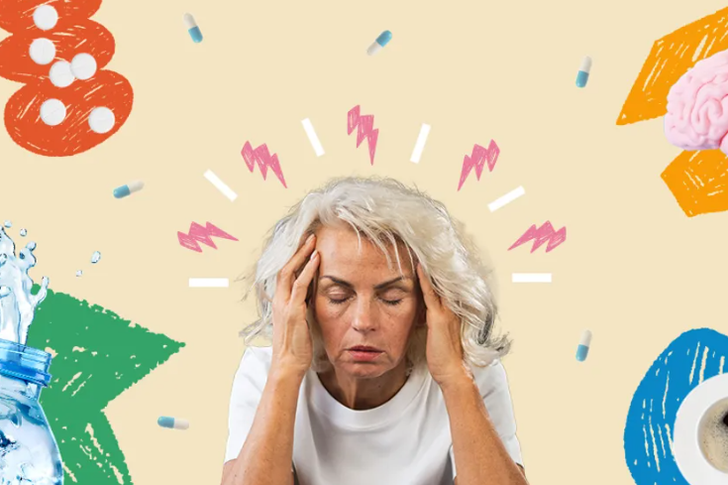
Primary headache tension Tension headaches are often...
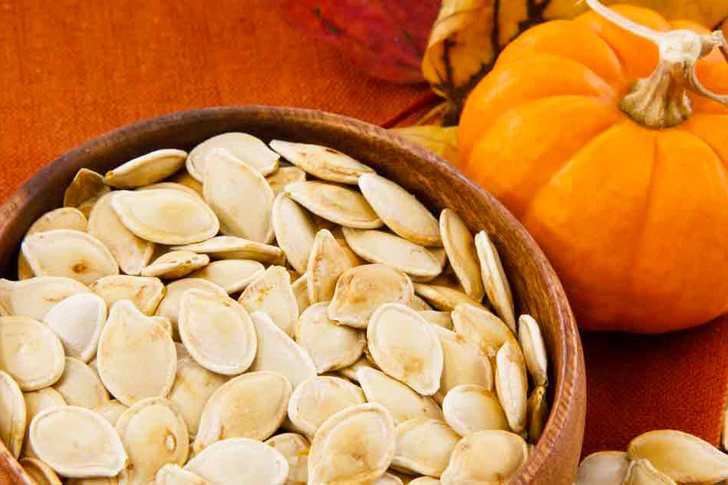
Nowadays, modern scientific research shows that at lea...
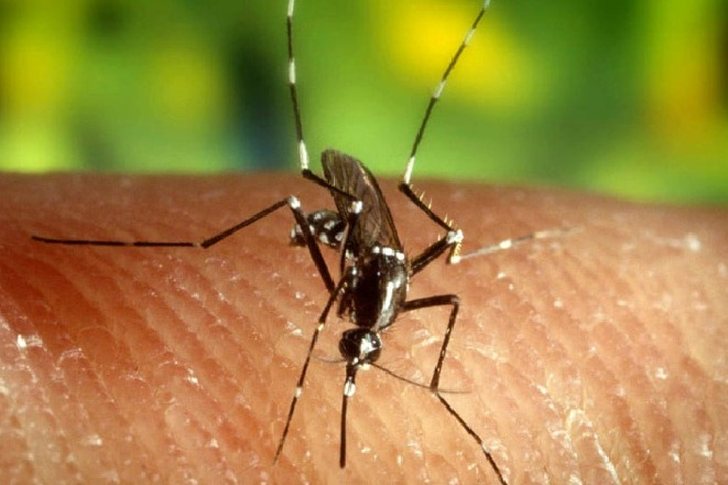
A Massachusetts city has closed its parks and municipa...
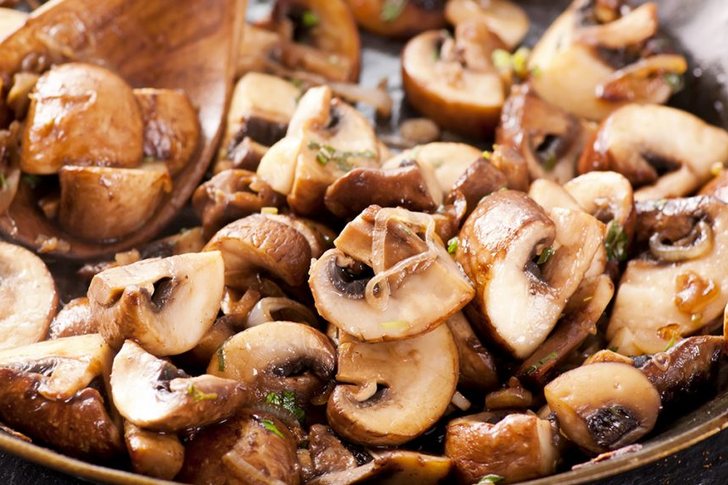
The hectic lifestyle in modern times highlights the im...

Eating healthy foods is very important to keep away from v...
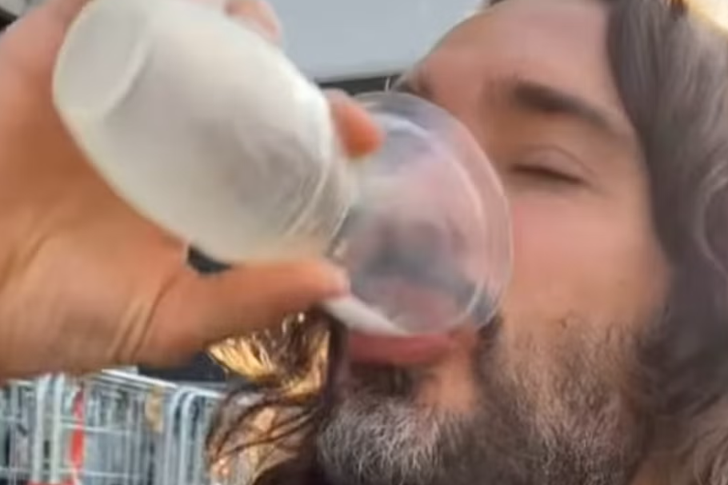
Joe Wicks, famous for encouraging people to exercise durin...
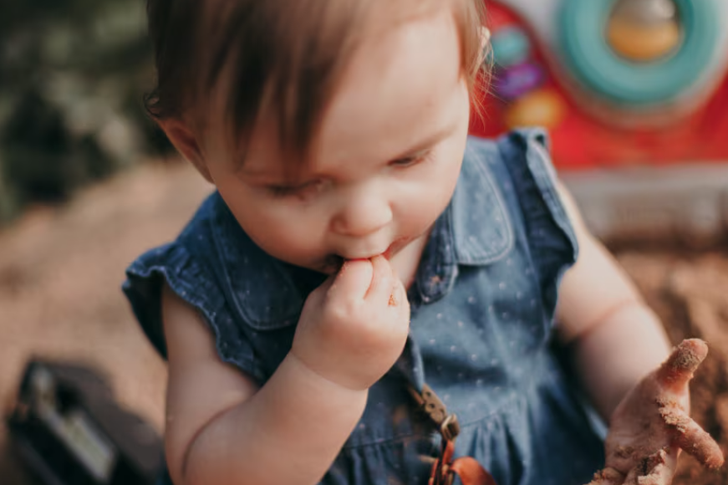
Children can be taken to the beach even when they are very...
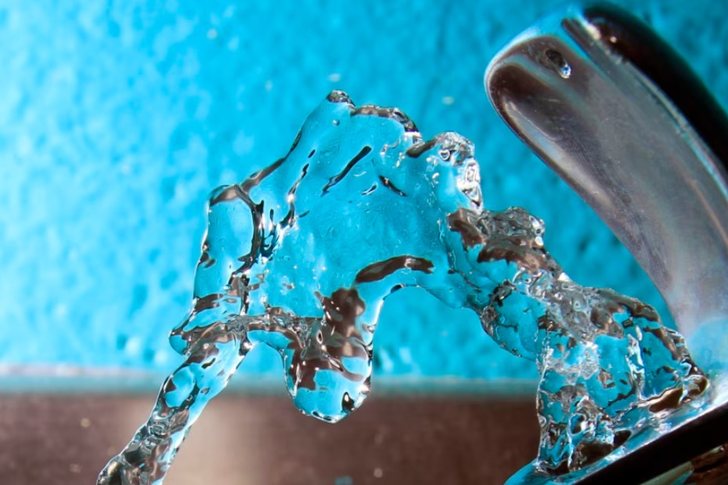
A US government report concludes that fluoride in drin...

Turmeric is a spice known for centuries, but in recent yea...

Various studies have shown that eating breakfast can h...
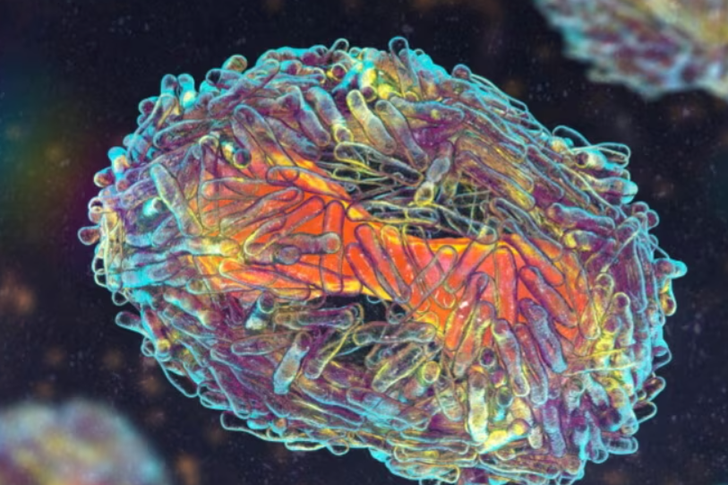
A World Health Organization official said Tuesday that mon...
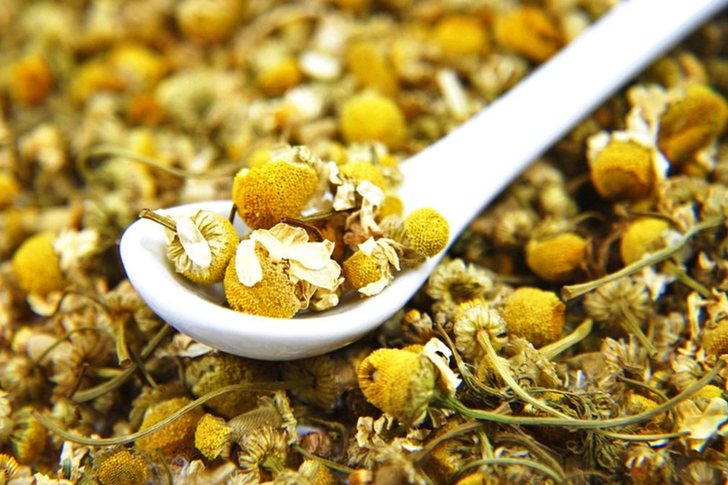
Snoring is a problem that affects many people around the w...
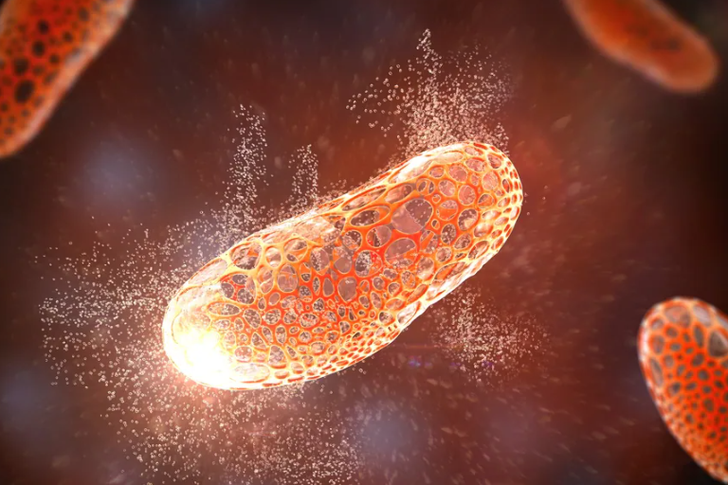
A new class of antibiotics, macrolones, affects bacter...
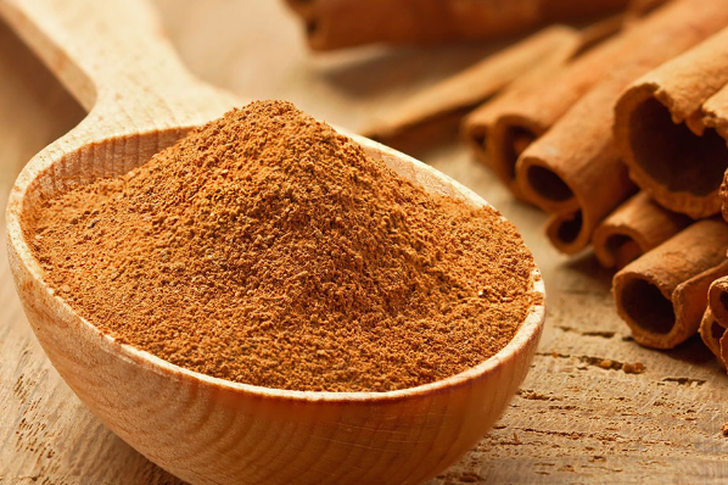
The taste and aroma of cinnamon is an unforgettable pleasu...
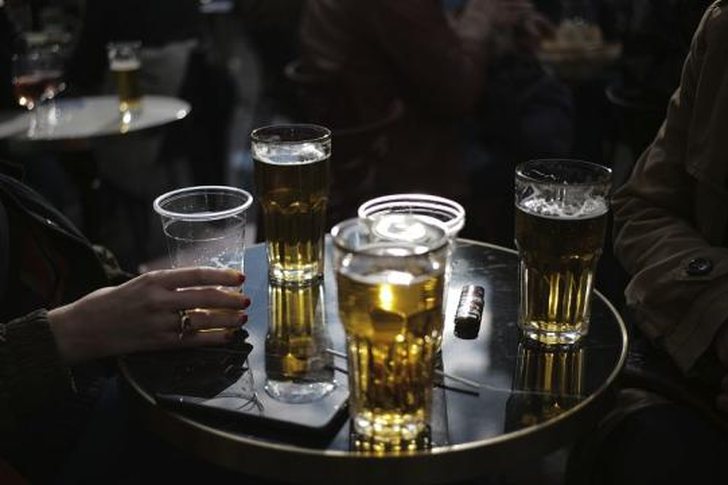
A recently published study has revealed important data. P...
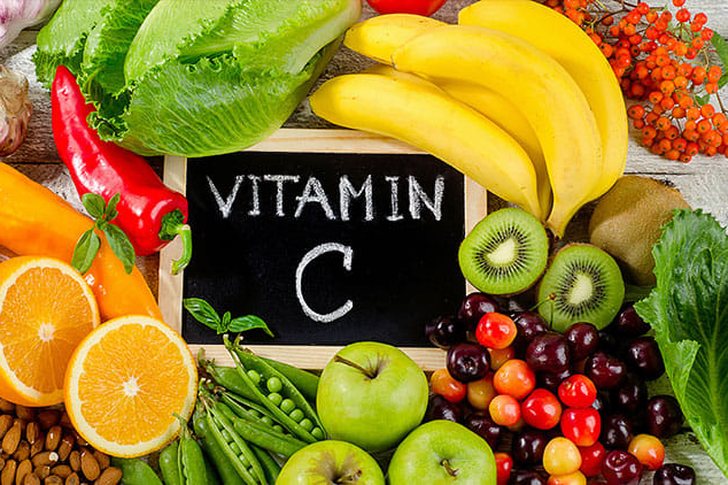
Vitamin C is an essential micronutrient for life, cont...
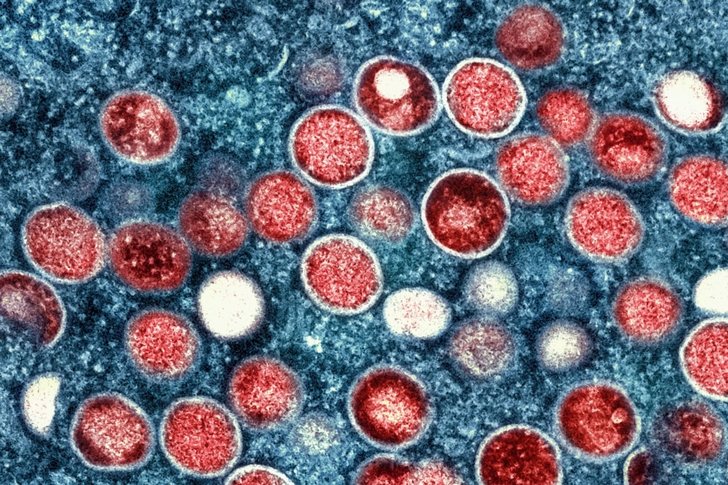
The World Health Organization has declared monkeypox, wide...
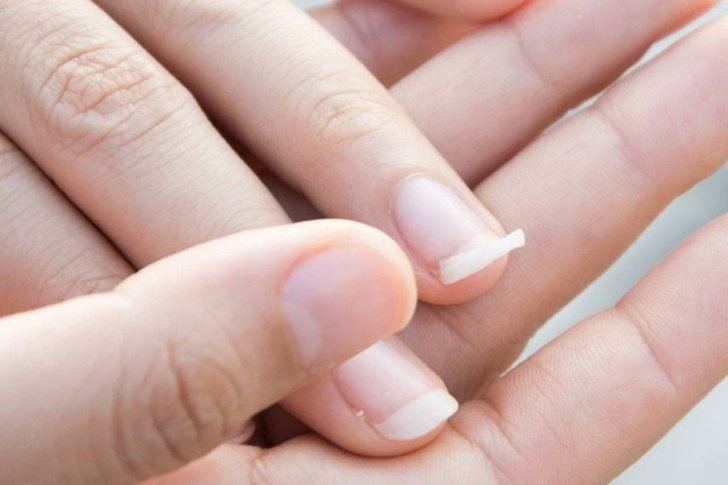
Nails are one of the most delicate and fragile parts o...
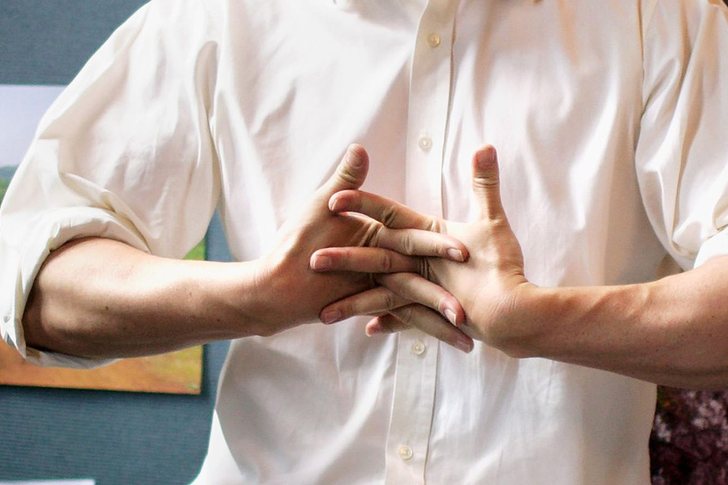
Man creates daily habits. This choice can be good or ...

Irfan Hysenbelliu claims to be a big businessman, an hones...

The murder of officer Enea Mekolli in the line of duty has...

The next case broadcast on the show "Stop", this Thursday,...

The case published this Thursday, June 4, on the show "Sto...

The Special Board of Appeal (KPA) decided this Monday ...

The KPA vetting decided this Thursday to dismiss the p...

Suela Salavaçi, a prosecutor in the Prosecutor's Offic...

The Special Board of Appeal reinstated the prosecutor ...

A 38-year-old man was arrested today near the Kamza turnof...

A money changer in Durrës lost 60 thousand euros after bei...

The 6 citizens captured in Dubai, members of criminal grou...
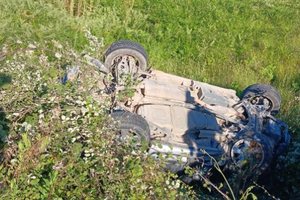
A serious accident occurred on the Kardhiq-Delvinë axis, i...

Today our country will be affected by stable weather condi...

For many children and teenagers, the long summer holidays ...

Albania is facing an unprecedented demographic transition,...

On Thursday, our country will be affected by unstable weat...

Leaders of the European Union and Western Balkan countries...

On the eve of the EU-Western Balkans summit, Germany and F...

Russian President Vladimir Putin said the war in Ukraine c...
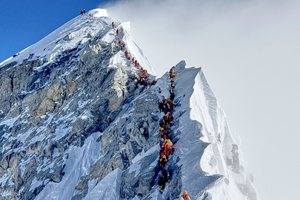
An extraordinary story of survival has been recorded in Ne...

Korça is ready to open the summer season with one of the c...

Two years after his passing, the renowned Korçë poet Skënd...

The Ethnographic Museum of Berat has opened its doors to v...
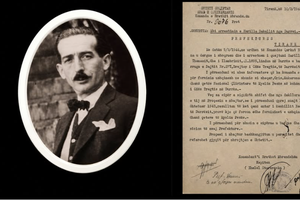
The story of Harilla Bakalli is one of the most chilling t...

Despite years of efforts at regional cooperation and free ...

Albania is the country with the highest level of severe ma...

This Friday, one US dollar is bought for 81.3 lek and sold...

The government aims to transform the country's industrial ...