


Massive brawl in Saranda, 6 people escorted to the police
A massive brawl was recorded on Friday evening in Saranda,...

A massive brawl was recorded on Friday evening in Saranda,...

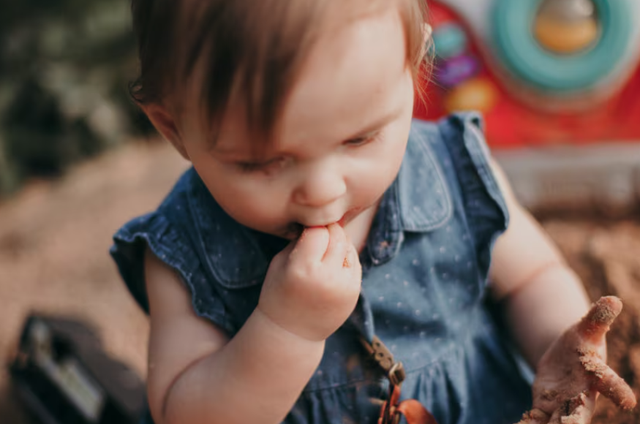
Children can be taken to the beach even when they are very young as long as they avoid the hottest hours, from 10am to 4.30pm. However, we must remember that that giant expanse of sand is a completely new environment for them, which they will want to explore and dig deeper. To do this, they will use what is the vehicle of knowledge, the mouth. Therefore it is not uncommon for a few grains of sand to be swallowed to understand what that element is that they have never seen before.
Let's immediately try to calm our fears, in most cases, children eat such a small amount that it does not cause them any harm. This is also clarified by the Veronesi Foundation. The problem is that on the beach, unfortunately, there is not only sand.
When we go on vacation to the seashore, our feet sink into a layer that consists mainly of fragments of rocks and skeletons or shells, all turned into dust by a long process of erosion.
But along our shores, as we now unfortunately know, there are objects that are certainly not part of the ecosystem. Among them are cigarette butts (according to Legambiente, the most common waste of all), food and other food packaging, plastic pieces of different sizes such as corks or bottle caps, parts of fallen food and so on.
Finally, more natural, but equally dangerous to health, are the droppings of dogs, cats and other animals that may have trampled the area during the night. In all these cases, the possibility of infection increases.
It is therefore the presence of foreign bodies and specific infectious microorganisms that make sand ingestion potentially dangerous. Meeting germs and bacteria is not necessarily a negative episode, as it contributes to the education and strengthening of the child's immune system, which will detect new threats against which the necessary defenses will be developed.
However, you should pay attention to what the little one puts in his mouth, because some elements, such as food waste, can create more dangerous bacteria, such as salmonella.
And again, animal feces can contain Escherichia Coli, a microorganism that causes gastroenteritis, but also urinary tract infections and that can have serious consequences in patients with an immune system that is not yet fully trained.
Finally, toxoplasmosis transmitted by cats, which usually causes only a slight swelling of the lymph nodes, but, again, can be very dangerous in case of low protection.
The possibility that the child swallows an object whose size does not allow passage through the intestines and therefore causes an obstruction or internal damage should not be neglected.
In short, the problem is not so much sand, but everything that can be found in it. How to prevent your child from eating sand
Using an alarming tone and trying to scare the child to prevent him from putting grains of sand in his mouth can be counterproductive. For him, it remains an important channel of exploration of the outside world and is a mechanism that should not be completely inhibited. Better to react calmly. It also helps to lay out a beach towel where he can gather his favorite toys to distract him from the unfamiliar environment around him. It's certainly not easy to ignore!/ Adapted from CNA

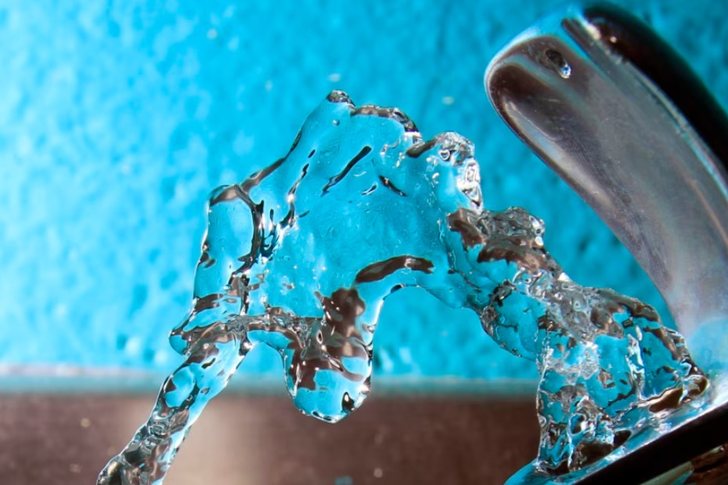
A US government report concludes that fluoride in drin...
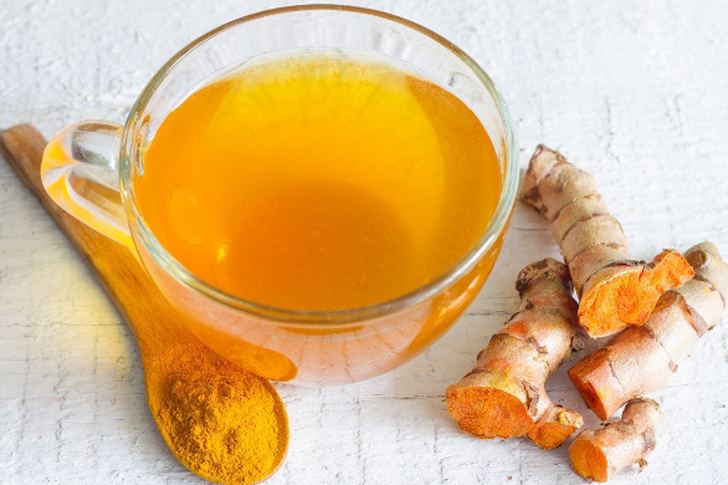
Turmeric is a spice known for centuries, but in recent yea...
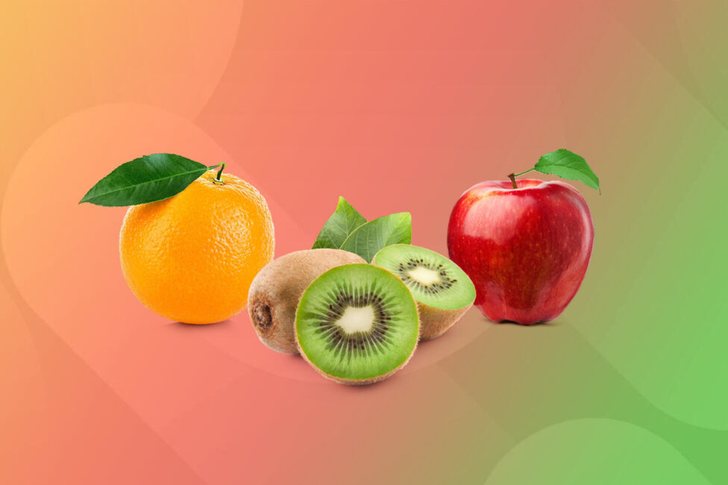
Various studies have shown that eating breakfast can h...
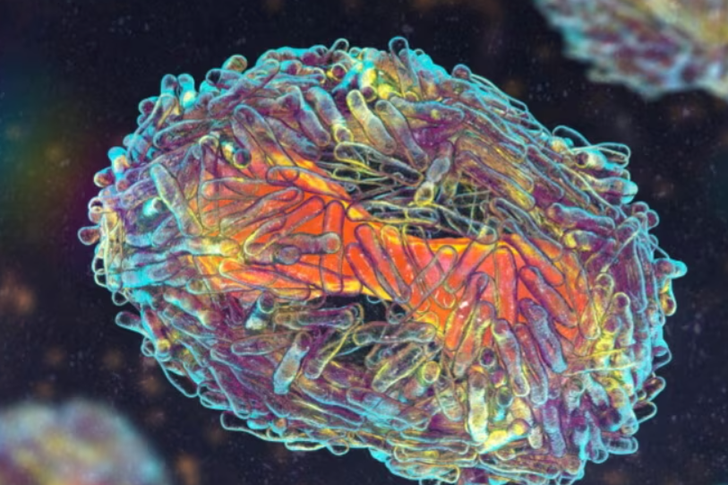
A World Health Organization official said Tuesday that mon...
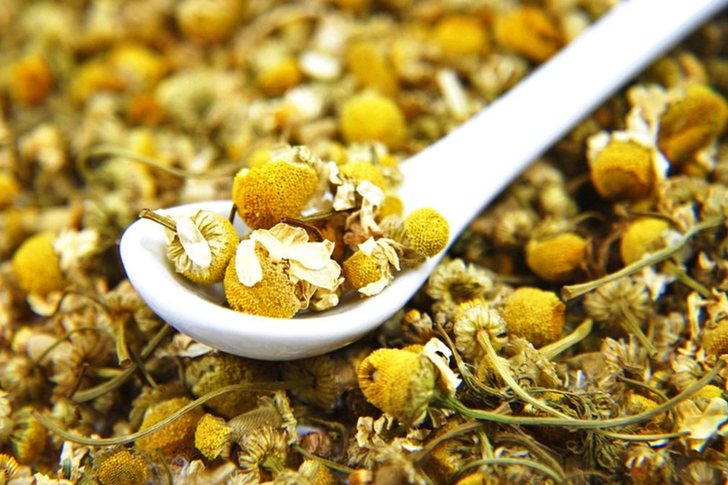
Snoring is a problem that affects many people around the w...
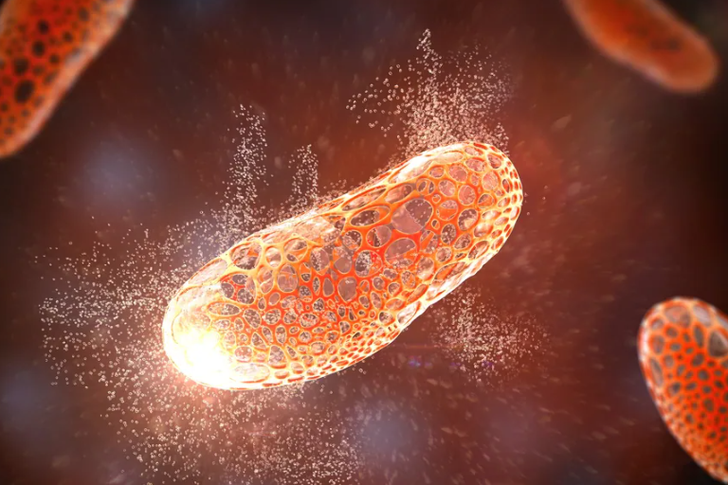
A new class of antibiotics, macrolones, affects bacter...
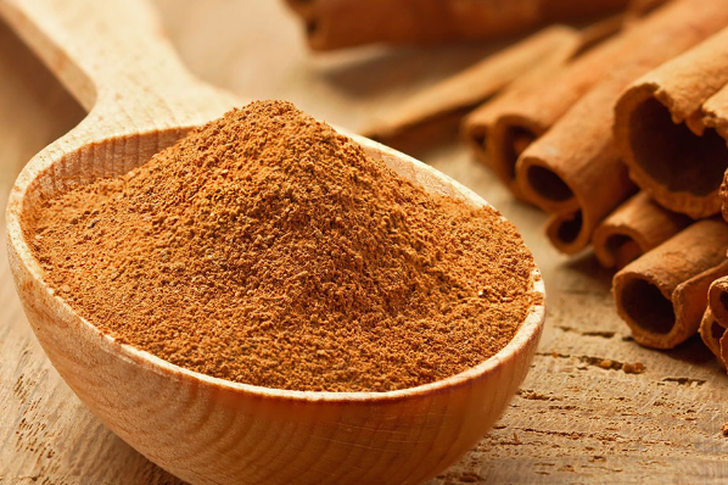
The taste and aroma of cinnamon is an unforgettable pleasu...
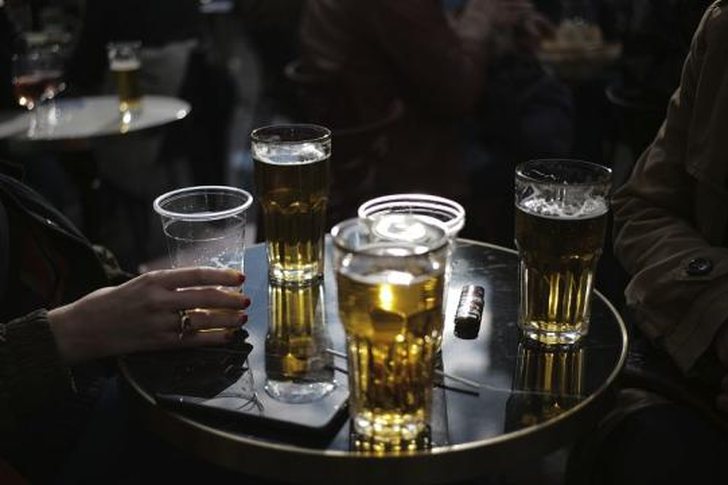
A recently published study has revealed important data. P...
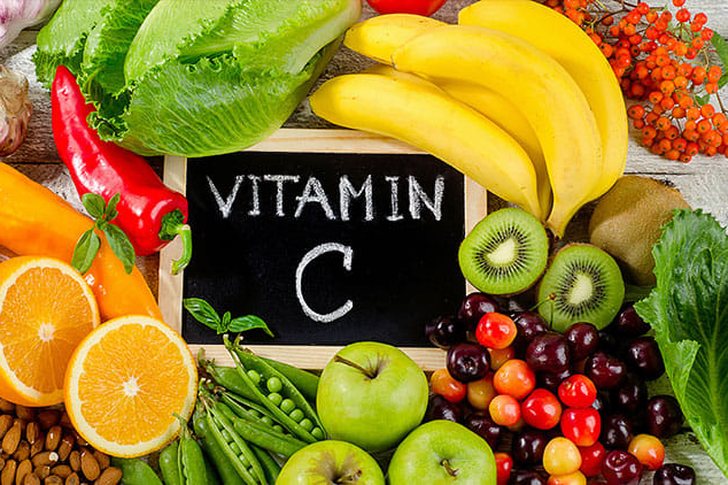
Vitamin C is an essential micronutrient for life, cont...
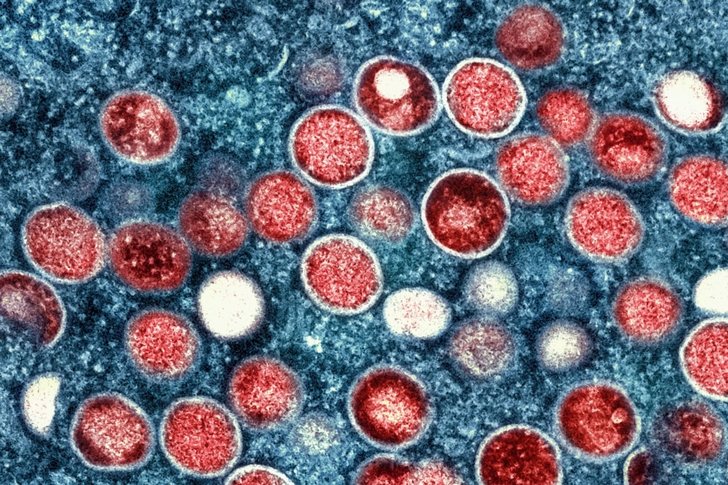
The World Health Organization has declared monkeypox, wide...
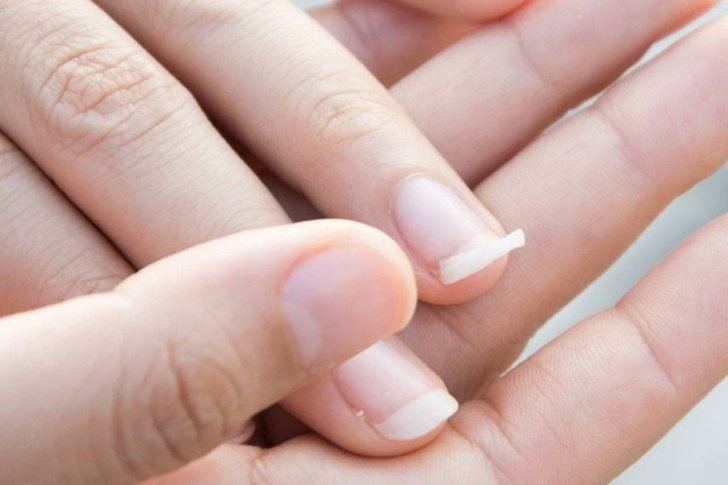
Nails are one of the most delicate and fragile parts o...
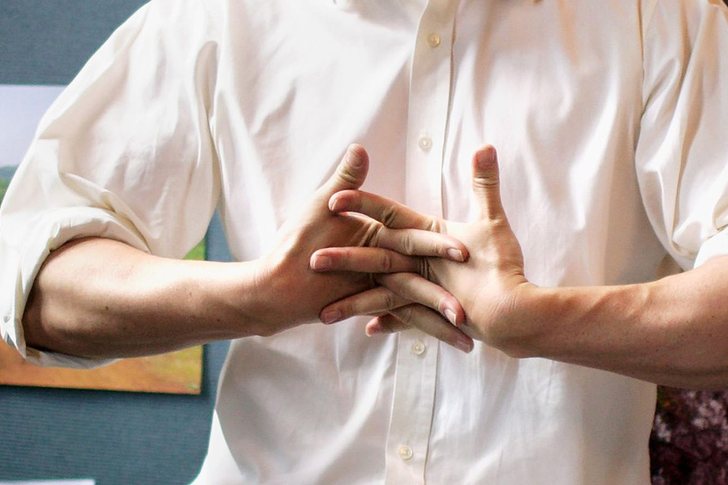
Man creates daily habits. This choice can be good or ...
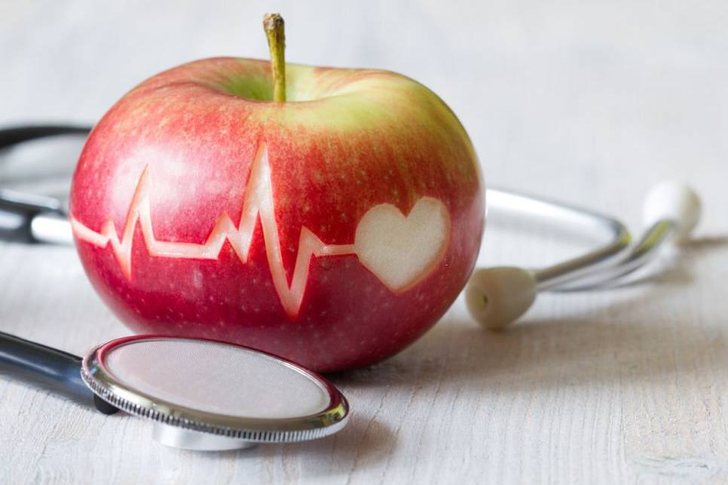
Experts referred to by AgroWeb.org say that measuring ...
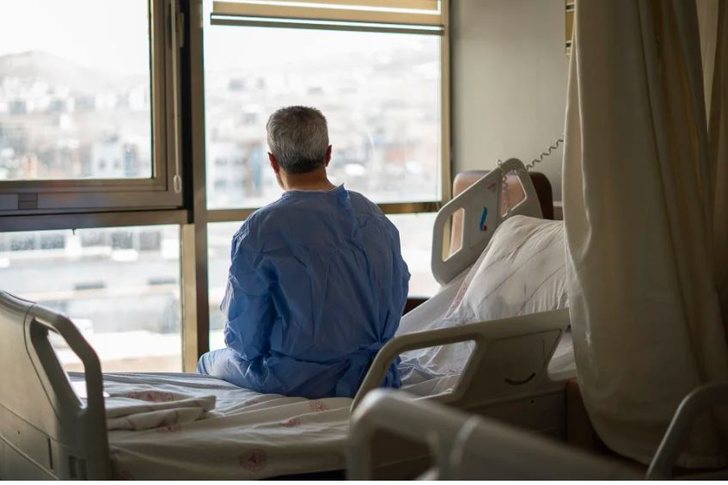
Cancer cases and deaths among men are expected to rise...
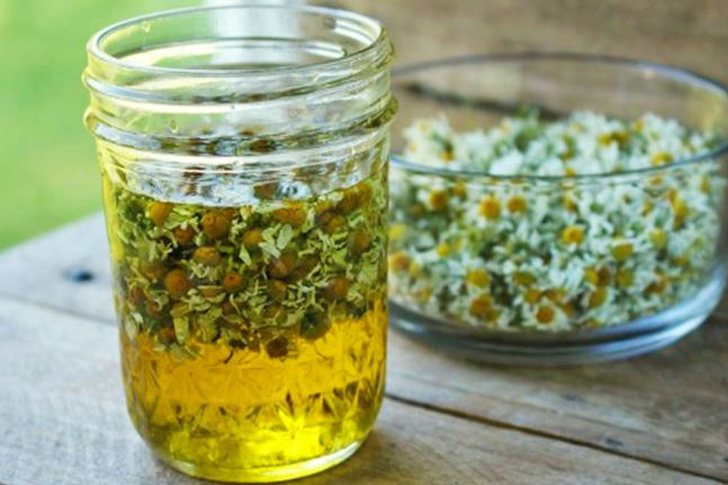
The properties are numerous, starting from skin proble...
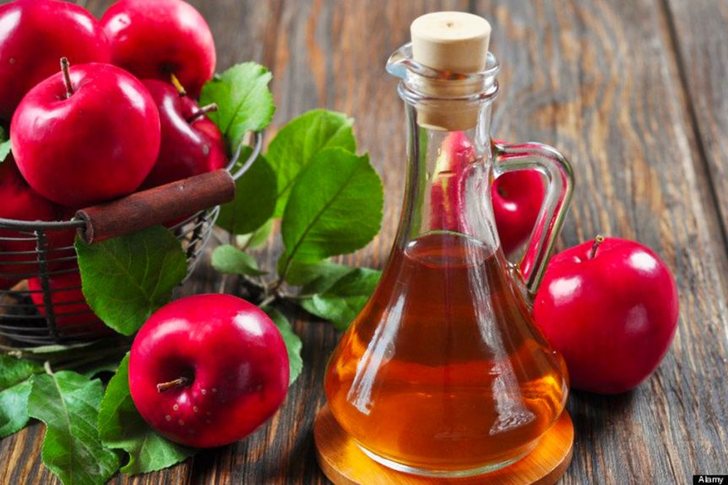
Apple cider vinegar is used for many different health purp...
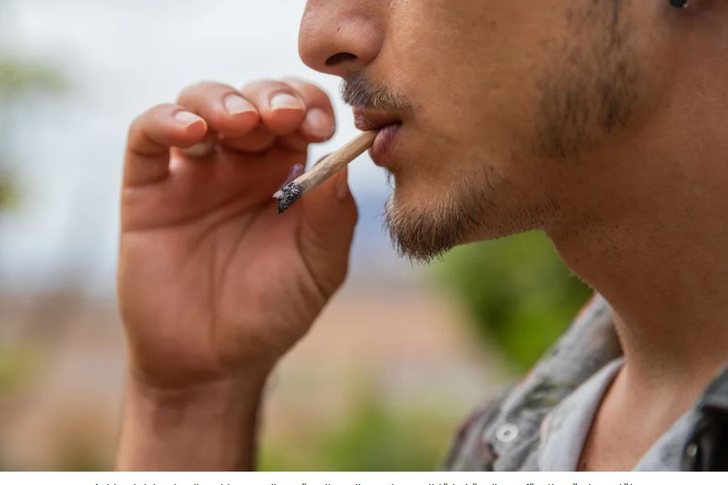
Daily marijuana use for years can increase the overall...
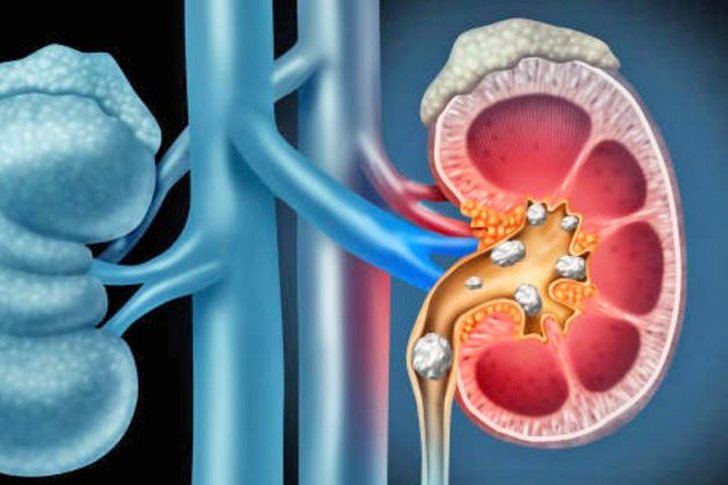
The kidneys are responsible for eliminating various minera...
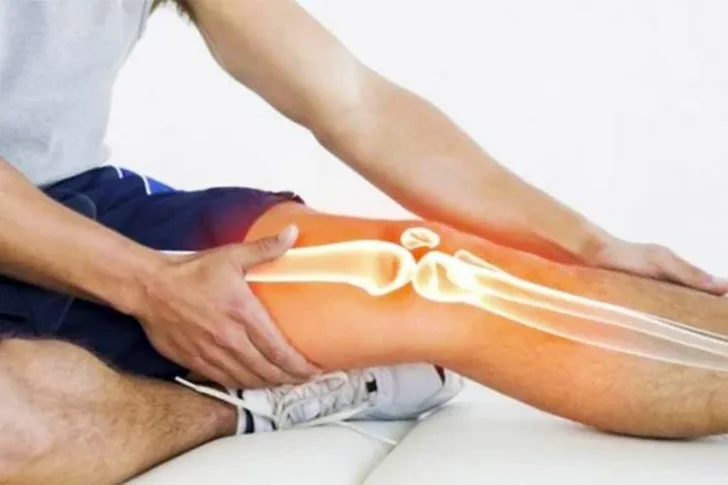
Although medicine has progressed with giant steps, unf...
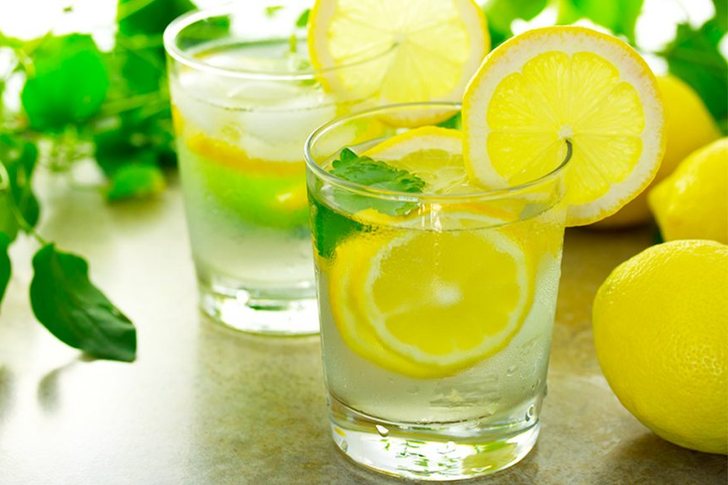
Lemon water in the morning is a very good way to start the...

Irfan Hysenbelliu claims to be a big businessman, an hones...

The murder of officer Enea Mekolli in the line of duty has...

The next case broadcast on the show "Stop", this Thursday,...

The case published this Thursday, June 4, on the show "Sto...

The Special Board of Appeal (KPA) decided this Monday ...

The KPA vetting decided this Thursday to dismiss the p...

Suela Salavaçi, a prosecutor in the Prosecutor's Offic...

The Special Board of Appeal reinstated the prosecutor ...

A massive brawl was recorded on Friday evening in Saranda,...

A 38-year-old man was arrested today near the Kamza turnof...

A money changer in Durrës lost 60 thousand euros after bei...
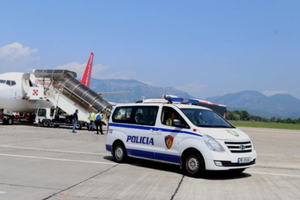
The 6 citizens captured in Dubai, members of criminal grou...
This Saturday will be characterized by mostly clear weathe...
Today our country will be affected by stable weather condi...
For many children and teenagers, the long summer holidays ...
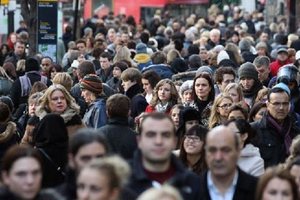
Albania is facing an unprecedented demographic transition,...
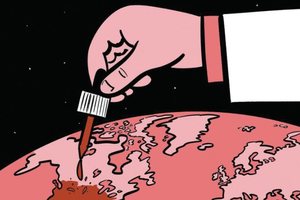
Following the Covid-19 pandemic, the World Health Organiza...

Leaders of the European Union and Western Balkan countries...

On the eve of the EU-Western Balkans summit, Germany and F...

Russian President Vladimir Putin said the war in Ukraine c...

Korça is ready to open the summer season with one of the c...
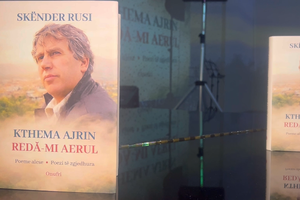
Two years after his passing, the renowned Korçë poet Skënd...

The Ethnographic Museum of Berat has opened its doors to v...
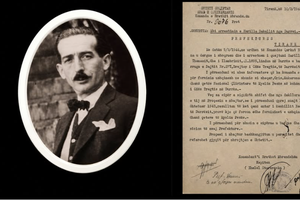
The story of Harilla Bakalli is one of the most chilling t...
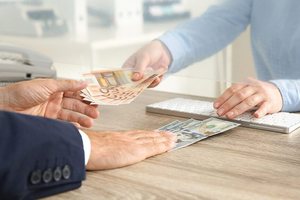
This Saturday, one US dollar is bought for 81.4 lek and so...
Despite years of efforts at regional cooperation and free ...
Albania is the country with the highest level of severe ma...

This Friday, one US dollar is bought for 81.3 lek and sold...