


Massive brawl in Saranda, 6 people escorted to the police
A massive brawl was recorded on Friday evening in Saranda,...

A massive brawl was recorded on Friday evening in Saranda,...

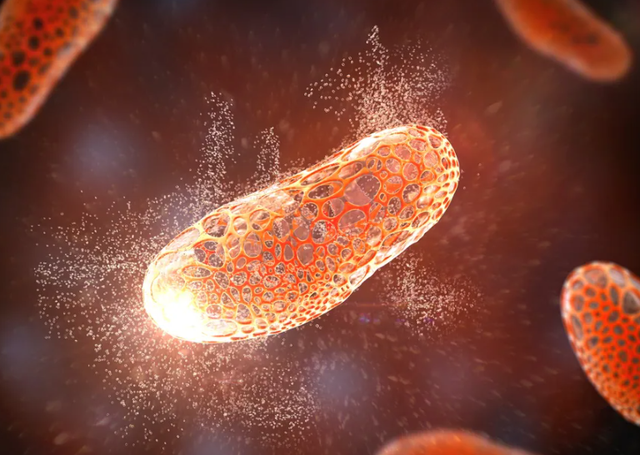
A new class of antibiotics, macrolones, affects bacteria in two different ways, making antibiotic resistance virtually impossible.
A new push to combat antibiotic resistance, one of the major challenges to global health, may come from a class of synthetic antibiotics that target bacteria not just in one way, but on two fronts at once.
Synthetic macrolone antibiotics destroy bacterial functionality, making the ability of microorganisms to develop resistance 100 million times more unlikely, according to a new study. The research was published in Nature Chemical Biology.
Scientists at the University of Illinois at Chicago have demonstrated experimentally that macrolone antibiotics make life difficult for bacteria in two ways: by preventing them from producing proteins and by corrupting the structure of their DNA.
Since both actions occur simultaneously at the same concentration, bacteria lose their ability to acquire random mutations in either of these two ways.
Thus the evolution of antibiotic resistance properties becomes almost impossible.
Macrolones are synthetic antibiotics that combine the antibacterial properties of two other common classes of antibiotics, called macrolides, into a single compound. The first is erythromycin, commonly prescribed against respiratory and urogenital infections. It works by blocking ribosomes, the organelles that bacteria need to efficiently make proteins.
The second class of antibiotics is that of the phloroquinolones such as ciprofloxacin, which are used only to fight urinary tract, respiratory and gastrointestinal infections.
This targets a bacterial enzyme called DNA gyrase, which has a very important role in DNA replication. This prevents their DNA from reaching the correct structure.
The team synthesized several macrolones and selected the one that, at the lowest dose, could perform both tasks at the same time. This makes it virtually impossible for bacteria to organize their own genetic defenses.
Further development of these compounds may constitute one of the best solutions yet investigated to combat antibiotic resistance./ CNA

The taste and aroma of cinnamon is an unforgettable pleasu...
A recently published study has revealed important data. P...
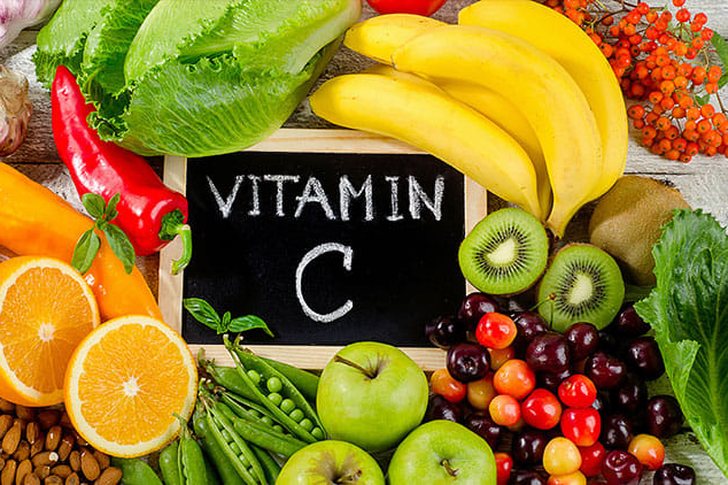
Vitamin C is an essential micronutrient for life, cont...
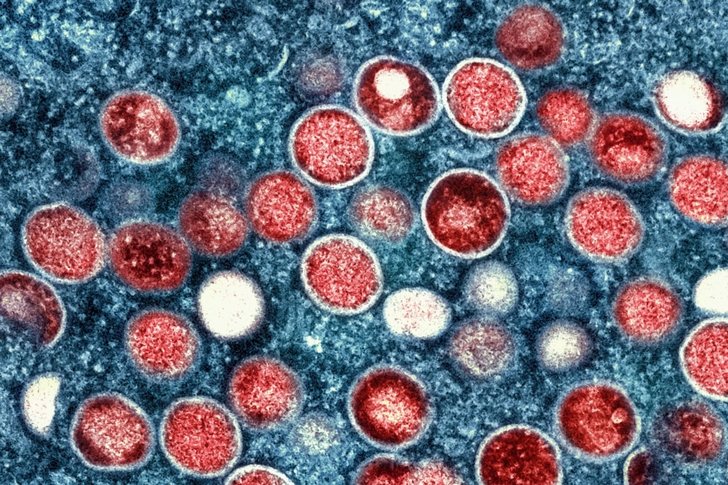
The World Health Organization has declared monkeypox, wide...
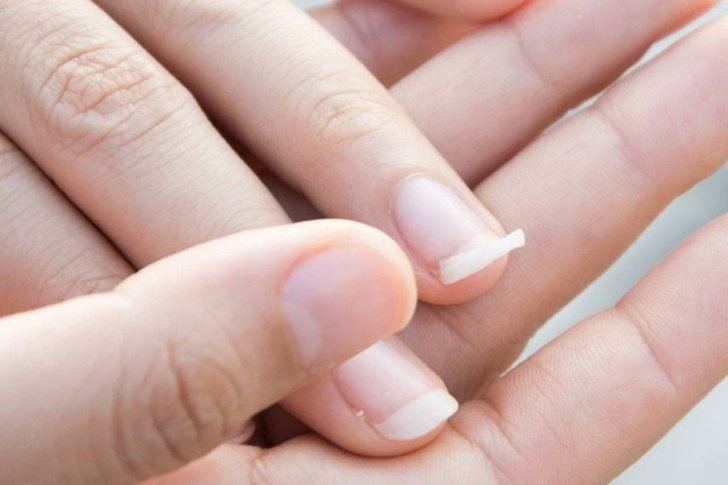
Nails are one of the most delicate and fragile parts o...

Man creates daily habits. This choice can be good or ...
Experts referred to by AgroWeb.org say that measuring ...

Cancer cases and deaths among men are expected to rise...
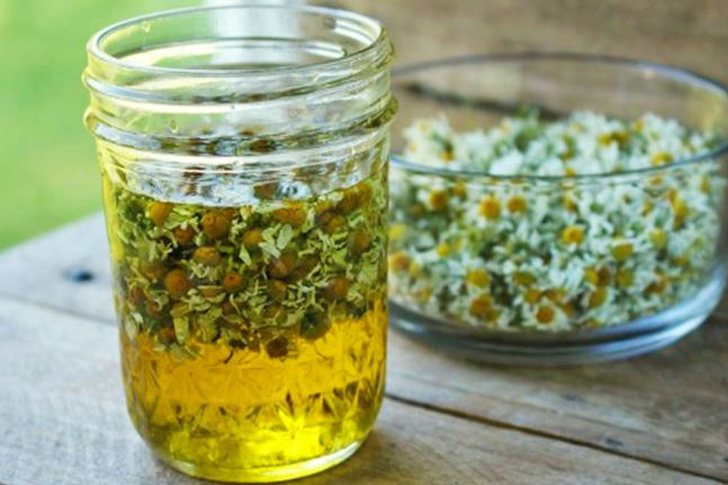
The properties are numerous, starting from skin proble...
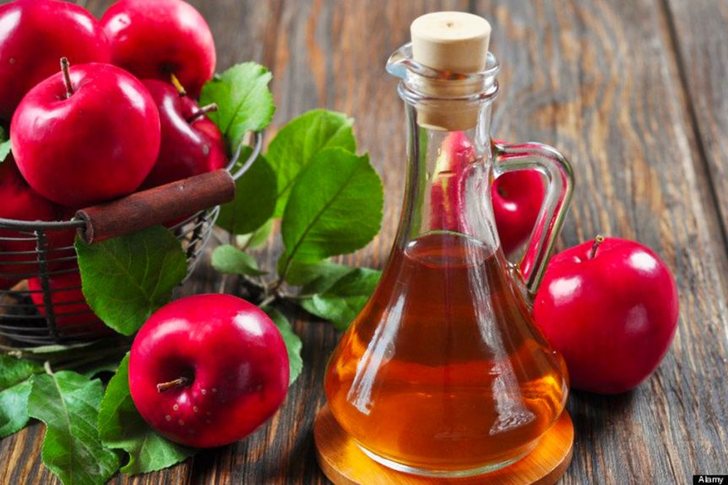
Apple cider vinegar is used for many different health purp...
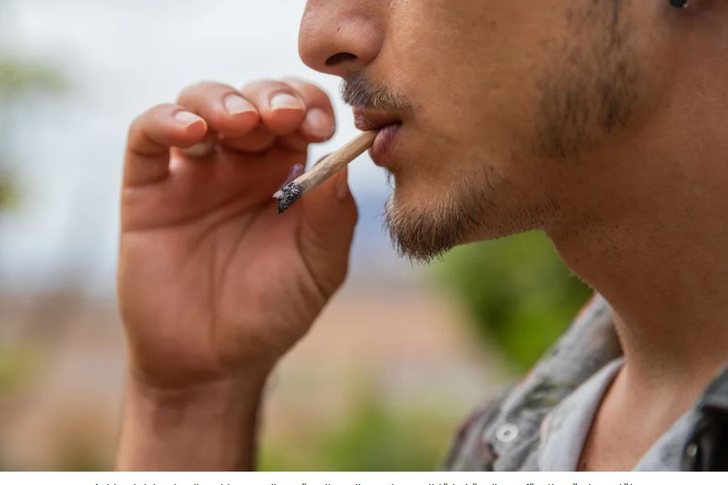
Daily marijuana use for years can increase the overall...
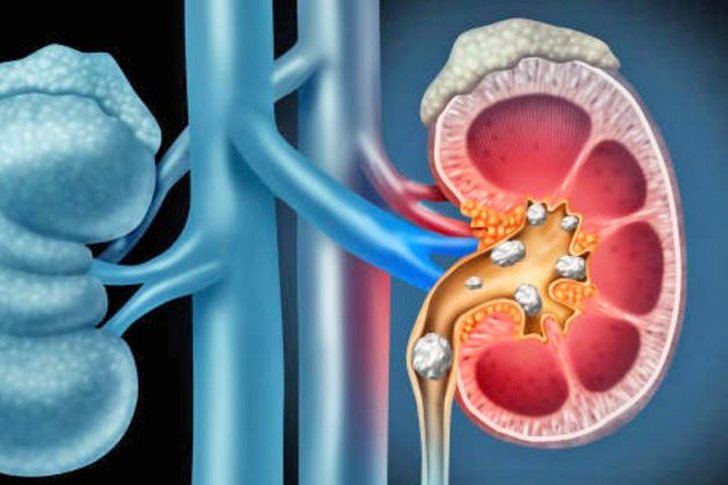
The kidneys are responsible for eliminating various minera...
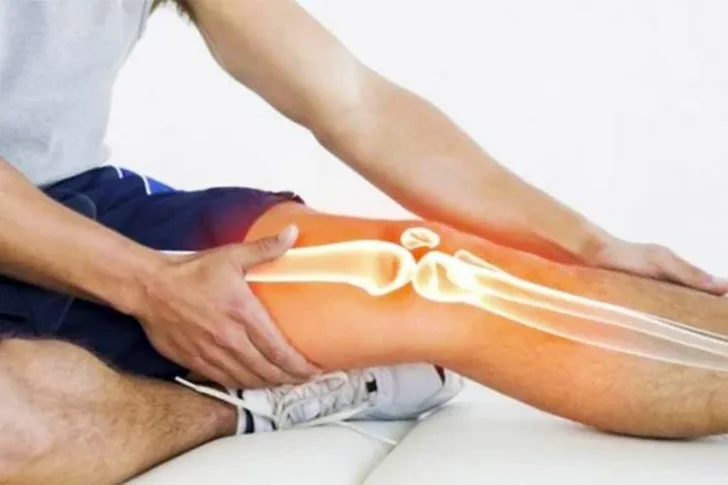
Although medicine has progressed with giant steps, unf...

Lemon water in the morning is a very good way to start the...

The gill is a part of the body that requires constant ...
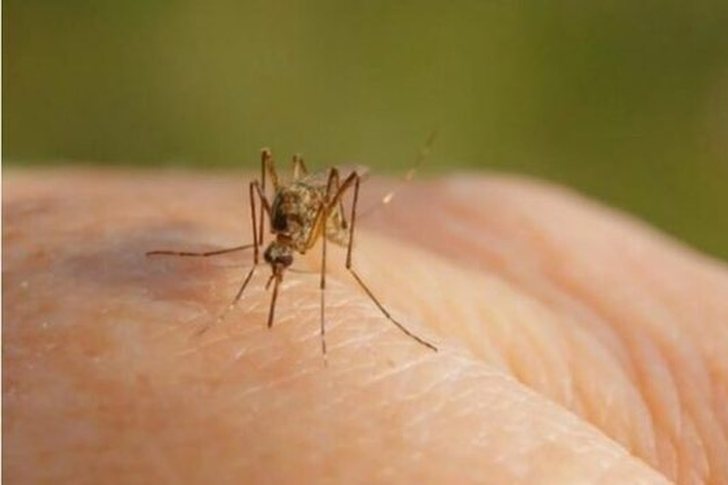
For several weeks, in addition to the countries of Eur...
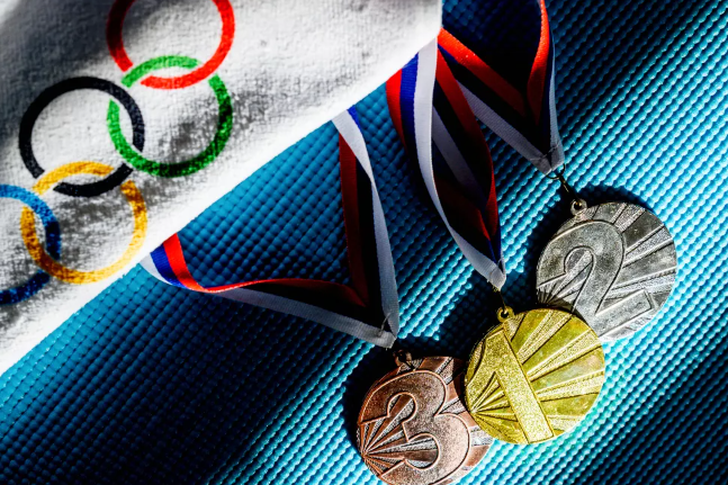
The Olympic Games are the pinnacle of an athlete's career....

Menopause is an almost universal experience for women who...

Ginger is one of the best friends of the human digesti...

The gill is a part of the body that requires constant care...

Irfan Hysenbelliu claims to be a big businessman, an hones...

The murder of officer Enea Mekolli in the line of duty has...

The next case broadcast on the show "Stop", this Thursday,...

The case published this Thursday, June 4, on the show "Sto...

The Special Board of Appeal (KPA) decided this Monday ...

The KPA vetting decided this Thursday to dismiss the p...

Suela Salavaçi, a prosecutor in the Prosecutor's Offic...

The Special Board of Appeal reinstated the prosecutor ...

A massive brawl was recorded on Friday evening in Saranda,...

A 38-year-old man was arrested today near the Kamza turnof...

A money changer in Durrës lost 60 thousand euros after bei...

The 6 citizens captured in Dubai, members of criminal grou...

This Saturday will be characterized by mostly clear weathe...
Today our country will be affected by stable weather condi...

For many children and teenagers, the long summer holidays ...

Albania is facing an unprecedented demographic transition,...

Following the Covid-19 pandemic, the World Health Organiza...

Leaders of the European Union and Western Balkan countries...

On the eve of the EU-Western Balkans summit, Germany and F...

Russian President Vladimir Putin said the war in Ukraine c...

Korça is ready to open the summer season with one of the c...

Two years after his passing, the renowned Korçë poet Skënd...
The Ethnographic Museum of Berat has opened its doors to v...

The story of Harilla Bakalli is one of the most chilling t...

This Saturday, one US dollar is bought for 81.4 lek and so...

Despite years of efforts at regional cooperation and free ...

Albania is the country with the highest level of severe ma...

This Friday, one US dollar is bought for 81.3 lek and sold...