


The best natural solutions for insomnia
Nowadays, modern scientific research shows that at lea...


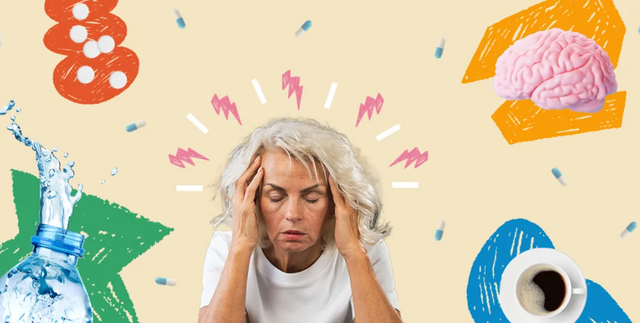
Primary headache
tension
Tension headaches are often considered the most common type of headache and what most of us will think of when it comes to headaches is a dull, pressure-like pain that feels like you have a tight band around your head. .
The exact cause of this type of headache is unknown and anyone who has experienced a tension headache will know that they can occur in all sorts of circumstances, such as stress, clenching your jaw or even holding your head in the same position for long. .
Historically, scientists thought that tension headaches were the result of the muscles in your shoulders, neck and head tightening when tense, but recently it has been argued that they may be the result of an increase in the pain pathway that activates chemicals in the brain.
Migraine
Migraine is in a league of its own within this category. Although classified as a primary headache condition, migraine does not necessarily equal a headache, many people experience migraine without one.
But when it comes with a headache, it can become quite intense, often involving a sensation that lasts for several hours.
Although more than 10 percent of people worldwide are estimated to be affected by migraines, researchers don't really know what causes them. There are well-known potential triggers, such as certain changes in the weather, certain foods, and lack of sleep, but on a physiological level, scientists haven't been able to determine much beyond that, which includes potential changes in blood vessels. of the brain and the balance of signaling molecules called neurotransmitters.
GROUPING
Compared to the previously mentioned types of primary headache, cluster headaches are rare. What they lack in prevalence, however, they more than make up for in the strength of their symptoms; they are characterized by sudden and severe pain on one side of the head, often around the eye, sometimes accompanied by swelling or drooping of the eyelid.
Like tension headaches and migraines, scientists don't know for sure what causes cluster headaches, but it is believed to involve the release of neurotransmitters and neuropeptides in three key components in the brain: the trigeminovascular pathway, the trigeminal-autonomic reflex, and the hypothalamus.
Secondary headache
Dehydration
A heavy night out at the bar or drinking can give you a nasty dehydration headache, but how this happens is unclear.
"Dehydration alone can cause headaches, but it often worsens underlying medical conditions, such as primary headache disorders or other conditions that depend on fluid balance," notes a 2021 paper.
One theory about the relationship between dehydration and headaches involves the meninges, the membrane layers that cover the brain.
Unlike the brain, these layers have pain receptors. The theory is that fluid movement from the brain in response to dehydration puts tension on the meninges, triggering pain receptors and giving you a headache.
Caffeine
Caffeine has an unstable relationship with headaches, it can relieve them, but also end up with them, and it depends on how caffeine consumption can affect the blood vessels in the brain.
In some cases, headaches are related to dilation of blood vessels in the brain, increased blood flow around the organ, and pressure on nerves, which respond by sending pain messages to the brain.
Some pain relievers contain caffeine, which "provides an additional benefit that amounts to an additional 5% to 10% of patients achieving a good level of pain relief," according to a 2014 review.
It causes blood vessels to constrict, which can help relieve headaches. On the other hand, if you consume caffeine regularly and suddenly stop, it can lead to dilation of blood vessels, giving you a withdrawal symptom in the form of a headache.
When to seek medical attention
While most headaches should not be a cause for concern, there is one particular circumstance when immediate medical attention should be sought - when a headache comes on suddenly and is extremely painful.
This is known as a thunderclap headache and may also be accompanied by nausea, vomiting and an altered mental state.
This type of headache can be a sign of something life-threatening happening in the brain, such as a stroke. rupture of a blood vessel, blood clot or an infection./ CNA

Nowadays, modern scientific research shows that at lea...
A Massachusetts city has closed its parks and municipa...

The hectic lifestyle in modern times highlights the im...

Eating healthy foods is very important to keep away from v...

Joe Wicks, famous for encouraging people to exercise durin...

Children can be taken to the beach even when they are very...

A US government report concludes that fluoride in drin...

Turmeric is a spice known for centuries, but in recent yea...

Various studies have shown that eating breakfast can h...
A World Health Organization official said Tuesday that mon...

Snoring is a problem that affects many people around the w...
A new class of antibiotics, macrolones, affects bacter...

The taste and aroma of cinnamon is an unforgettable pleasu...

A recently published study has revealed important data. P...

Vitamin C is an essential micronutrient for life, cont...
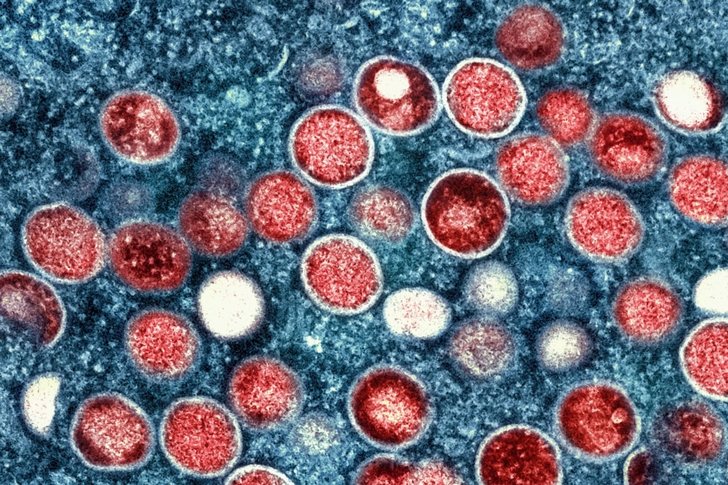
The World Health Organization has declared monkeypox, wide...

Nails are one of the most delicate and fragile parts o...

Man creates daily habits. This choice can be good or ...

Experts referred to by AgroWeb.org say that measuring ...
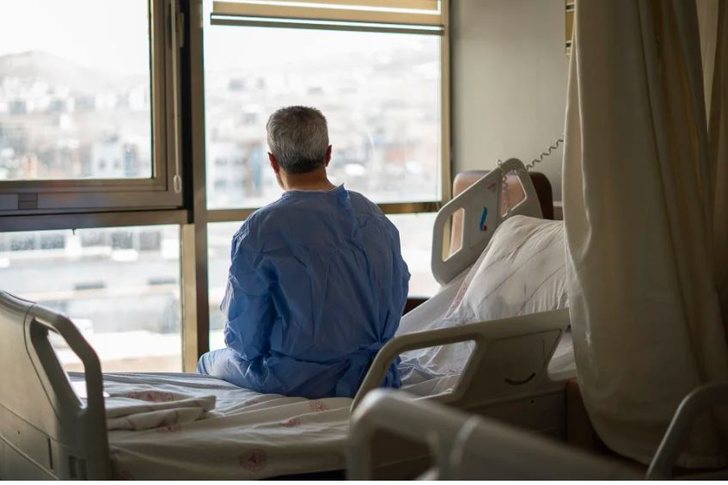
Cancer cases and deaths among men are expected to rise...

Irfan Hysenbelliu claims to be a big businessman, an hones...

The murder of officer Enea Mekolli in the line of duty has...

The next case broadcast on the show "Stop", this Thursday,...

The case published this Thursday, June 4, on the show "Sto...

The Special Board of Appeal (KPA) decided this Monday ...

The KPA vetting decided this Thursday to dismiss the p...

Suela Salavaçi, a prosecutor in the Prosecutor's Offic...

The Special Board of Appeal reinstated the prosecutor ...

A 38-year-old man was arrested today near the Kamza turnof...

A money changer in Durrës lost 60 thousand euros after bei...

The 6 citizens captured in Dubai, members of criminal grou...

A serious accident occurred on the Kardhiq-Delvinë axis, i...

Today our country will be affected by stable weather condi...

For many children and teenagers, the long summer holidays ...

Albania is facing an unprecedented demographic transition,...

On Thursday, our country will be affected by unstable weat...

Leaders of the European Union and Western Balkan countries...

On the eve of the EU-Western Balkans summit, Germany and F...

Russian President Vladimir Putin said the war in Ukraine c...

An extraordinary story of survival has been recorded in Ne...

Korça is ready to open the summer season with one of the c...

Two years after his passing, the renowned Korçë poet Skënd...

The Ethnographic Museum of Berat has opened its doors to v...

The story of Harilla Bakalli is one of the most chilling t...

Despite years of efforts at regional cooperation and free ...

Albania is the country with the highest level of severe ma...

This Friday, one US dollar is bought for 81.3 lek and sold...

The government aims to transform the country's industrial ...