


Murder of the officer/ Enea Mekolli's uncle raises accusations: They were without any kind of protection
The uncle of the murdered officer, Enea Mekolli, Hazbi Mek...

The uncle of the murdered officer, Enea Mekolli, Hazbi Mek...


Food safety experts have discovered four foods sold on supermarket shelves that they would never eat. In fact, some of them may surprise you. Kali Kniel, a microbiologist at the University of Delaware, and Dr. Bryan Quoc Le, a Washington, DC-based food chemist and industry consultant, found out what these four foods are.
Raw cabbage
If slaw is your sandwich favorite, you should know that the risks may outweigh the benefits. You don't have to avoid them completely, but they can be breeding grounds for bacteria like salmonella and E.coli, according to the US Centers for Disease Control and Prevention. According to experts, this happens when cabbage is consumed raw. They recommend steaming to kill germs and reduce the risk of food poisoning.
Raw, unpasteurized milk
If you see unpasteurized milk for sale in the grocery store, don't buy it. There are a lot of people touting raw milk, but it's just not worth the risk because there are a lot of pathogens that are still alive in that milk, especially if it comes straight from a factory. The Food and Drug Administration also supported this view, since raw milk can cause diseases such as salmonella, E. coli, listeria and campylobacter. The FDA also noted that drinking unpasteurized milk can be especially dangerous for those with weakened immune systems, children, the elderly, and pregnant women.
Pre-cut fruits or vegetables
Although you may like the convenience of having a bowl of pre-cut fruit or vegetables, it may not actually be that good for your health. Experts recommend washing cut products before eating. Also make sure pre-cut fruits and vegetables stay cool and separate them from raw meat, poultry and seafood that may be in your grocery cart. Expert Kniel also issued a special warning about cut melons, saying they are "more vulnerable" to contamination. The first reason is that melons are grown in soil, which means they can absorb contaminated water during the growing process and even come into contact with animal feces. The skin of the fruit can also contain bacteria.
Hot foods
Hot food served in canteens must always be kept at high temperatures. There is a "danger zone" where food can enter if left at room temperature for two hours. Bacteria can multiply rapidly in the "danger zone". “If the heating system is not working properly, avoid hot food,” advised Le HuffPo. "But if it is kept above the right temperature, then you can consume it, because it is not contaminated." /Agroweb

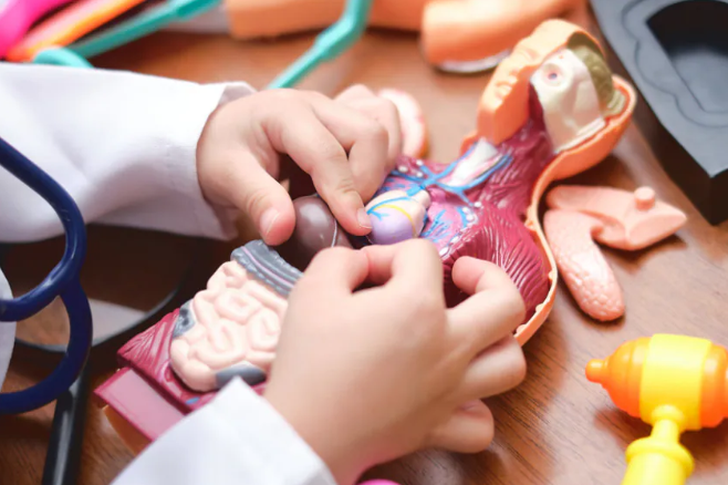
The analysis of the health condition of the tissues proves...

It is the season of viruses and health problems that are c...
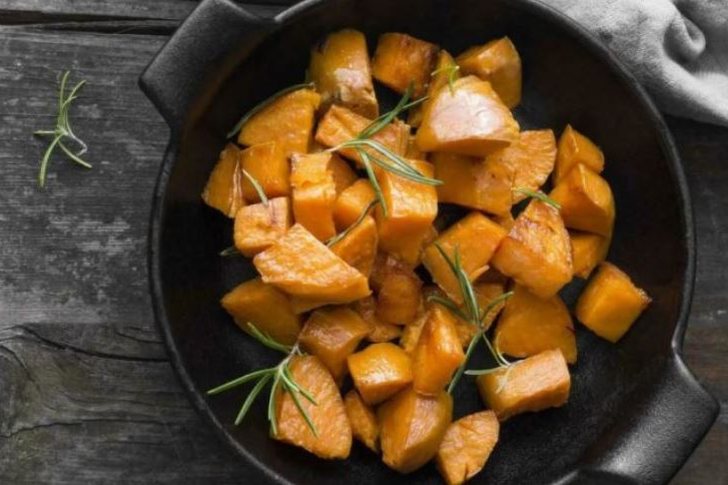
Whether due to weight loss efforts or personal prefere...
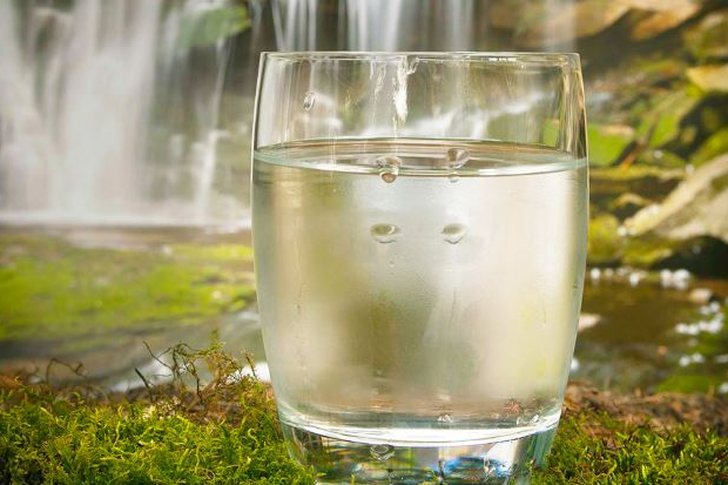
They are part of the recommendations of all nutritionists ...
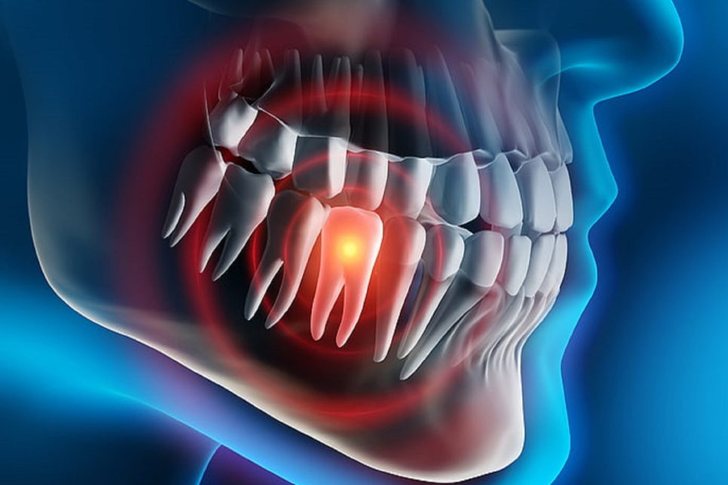
One of the reasons toothaches become more unbearable at ni...
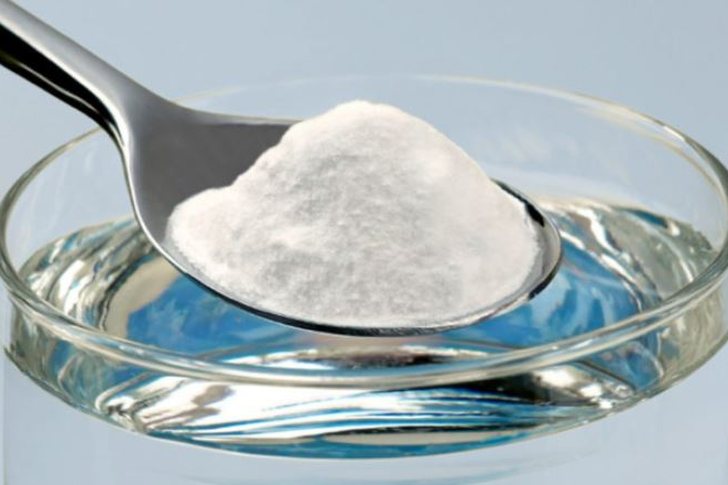
Coughing can become very harsh and difficult for the a...
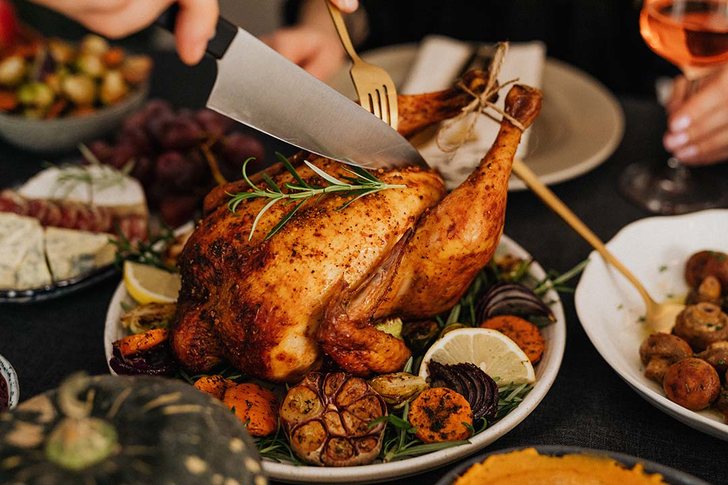
We can safely say that one of the most beautiful thing...
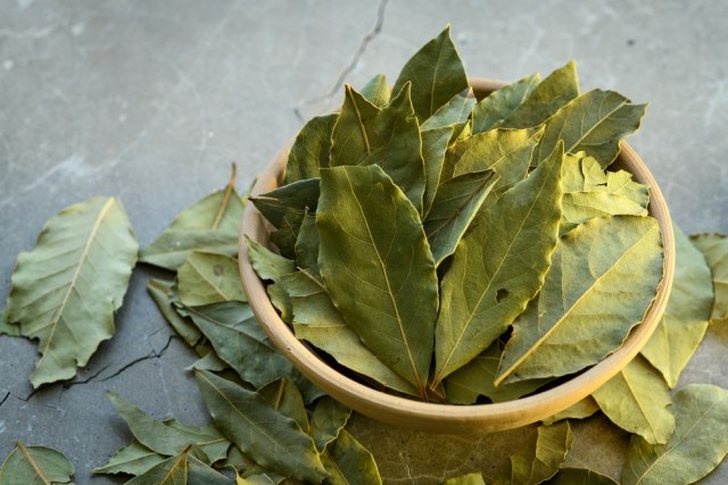
Bay leaves are rich in valuable plant compounds, vitam...
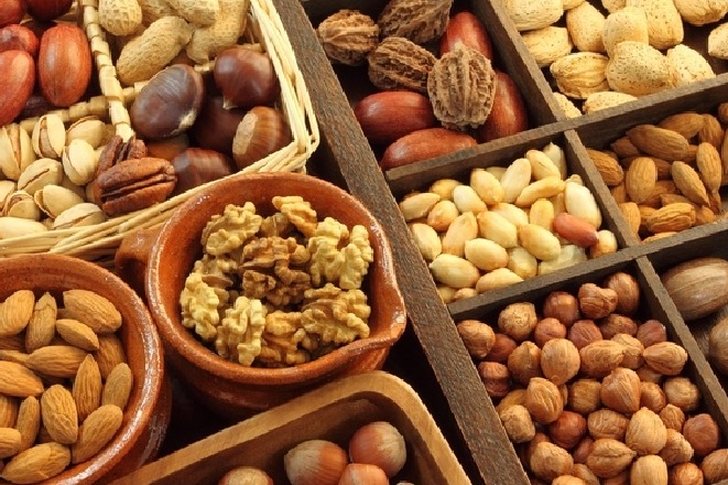
If you have frequent dizziness or feel tired and weak,...
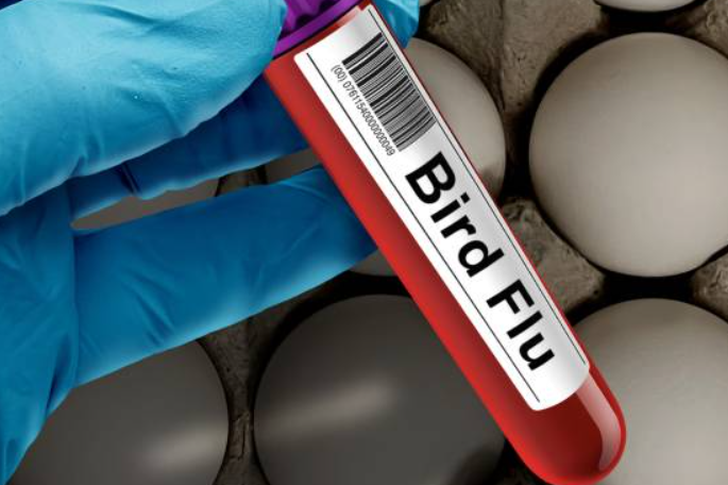
There have been 61 confirmed cases of bird flu in the Unit...

The Institute of Public Health has given some advice t...
How often a person should urinate has been a hot topic...

According to a study, sitting for a long time can caus...

Fifties are important years in a woman's life. This a...

Zinc deficiency is strongly associated with high blood pre...
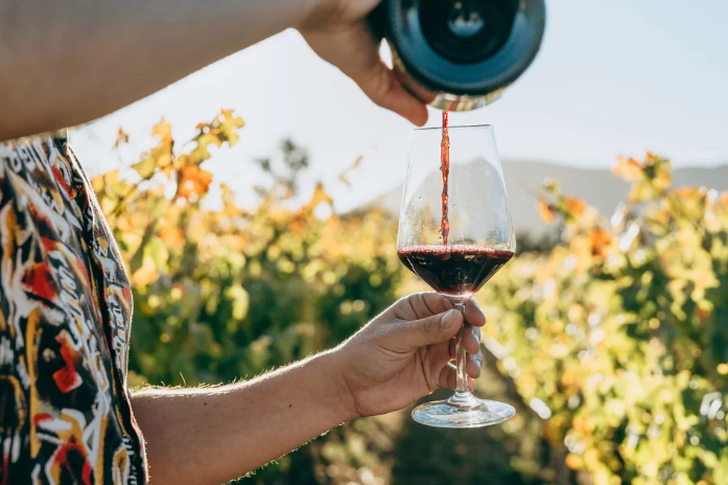
Drinking a small amount of wine each day can protect the h...

Coffee is one of the most consumed beverages in the wo...

Schizophrenia is considered a serious psychiatric diso...
We know that vitamin D helps strengthen our teeth and ...
Soft drinks, packaged foods and sweets, as well as energy ...

The murder of officer Enea Mekolli in the line of duty has...

The next case broadcast on the show "Stop", this Thursday,...

The case published this Thursday, June 4, on the show "Sto...

The protests of recent days related to the situation in Zv...

The Special Board of Appeal (KPA) decided this Monday ...

The KPA vetting decided this Thursday to dismiss the p...

Suela Salavaçi, a prosecutor in the Prosecutor's Offic...

The Special Board of Appeal reinstated the prosecutor ...

A money changer in Durrës lost 60 thousand euros after bei...

The 6 citizens captured in Dubai, members of criminal grou...
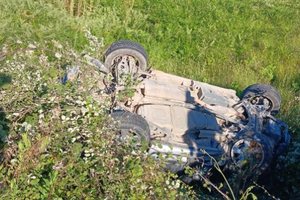
A serious accident occurred on the Kardhiq-Delvinë axis, i...

Authorities have conducted a large-scale anti-drug operati...
Today our country will be affected by stable weather condi...

For many children and teenagers, the long summer holidays ...

Albania is facing an unprecedented demographic transition,...

On Thursday, our country will be affected by unstable weat...

Russian President Vladimir Putin said the war in Ukraine c...

An extraordinary story of survival has been recorded in Ne...

The Peace Implementation Council in Bosnia and Herzegovina...

John Bolton, the former national security adviser to US Pr...

Korça is ready to open the summer season with one of the c...

Two years after his passing, the renowned Korçë poet Skënd...

The Ethnographic Museum of Berat has opened its doors to v...

The story of Harilla Bakalli is one of the most chilling t...

Despite years of efforts at regional cooperation and free ...

Albania is the country with the highest level of severe ma...

This Friday, one US dollar is bought for 81.3 lek and sold...

The government aims to transform the country's industrial ...