


Murder of the officer/ Enea Mekolli's uncle raises accusations: They were without any kind of protection
The uncle of the murdered officer, Enea Mekolli, Hazbi Mek...

The uncle of the murdered officer, Enea Mekolli, Hazbi Mek...

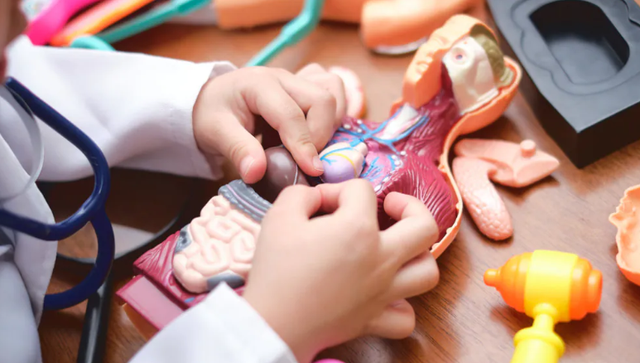
The analysis of the health condition of the tissues proves that the organs "get tired" by following different trajectories that burden the lifestyle.
Our organs have a perception of time marked by many different, internal clocks, with hands running at different speeds. A study on the functionality of the tissues of the human body has proven that the organs do not all age at the same rate. Some of them, like the kidneys and lungs, face a clear advance in their biological age decades before others.
The research from the University of Vienna has been posted in prepublication on the biorXiv server.
How do tissues change?
That organs age at different rates is not, in itself, a recent discovery. In 2022 a study from the University of Singapore had already suggested, however, estimated the biological age not so much of individual organs, but of 9 different systems (such as the immune system or the cardiovascular system) starting from a series of biological markers of detected in blood.
The Viennese researchers decided to evaluate changes in tissue structure, an indicative characteristic of aging, important for organs to continue to perform their functions. The researchers analyzed almost 26,000 images of tissue from 29 types of organs, donated postmortem by almost a thousand people who died between the ages of 20 and 70. Because of the tragic circumstances of death the tissues did not deteriorate as they would, for example, after a long illness. The team trained artificial intelligence models to learn to associate the donor's age at death with certain tissue characteristics, such as color, texture (consistency, density) and the distribution of cells within them.
Samples were obtained for each of the 29 organs analyzed. These AI systems were then able to infer the donor's age at death just from their tissue images, with an average accuracy difference of 4.9 years compared to the donor's age.
But the models were also used to understand how aging progressed for different organs over the course of people's lives. The weight of bad habits. Some organs, such as the kidneys and lungs, seem to age faster than all others between the ages of 20 and 40, it may happen "anyway", by nature, but the hypothesis is that more frequent lifestyle factors contribute to this speed, like alcohol, tobacco and others. Therefore the hypothesis is that reducing or abandoning these behaviors in these decades may offer special benefits for respiratory and kidney health.
What are the "critical" stages?
The heart ages faster than the rest of the body in the 30s, and again between 45 and 55. Time passes faster for the brain, skin and muscles than for the rest of the body between the ages of 30 and 60 (the reasons for these differences are currently unclear). The uterus ages at an accelerated rate between the ages of 45 and 55, a time frame that corresponds to the age at which menopause usually begins.
The results, which will be further investigated with extended studies in more representative samples from an ethnic and geographic point of view, may help to better understand some mechanisms of tissue aging and the consequences they have on the functionality of organs./ CNA


It is the season of viruses and health problems that are c...

Whether due to weight loss efforts or personal prefere...

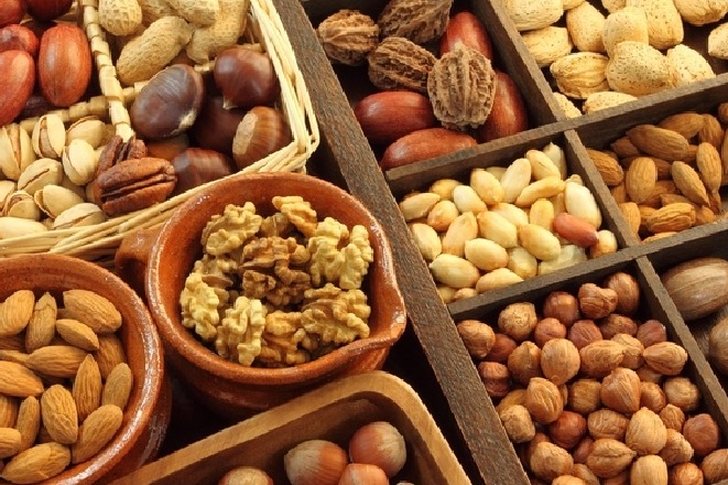
They are part of the recommendations of all nutritionists ...
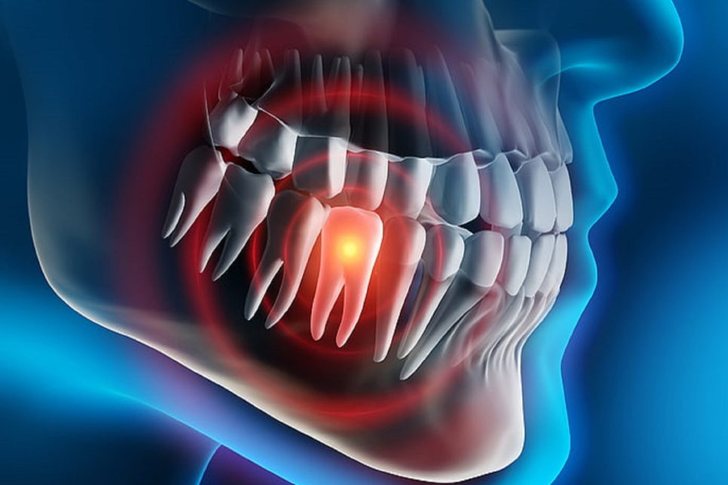
One of the reasons toothaches become more unbearable at ni...
Coughing can become very harsh and difficult for the a...

We can safely say that one of the most beautiful thing...
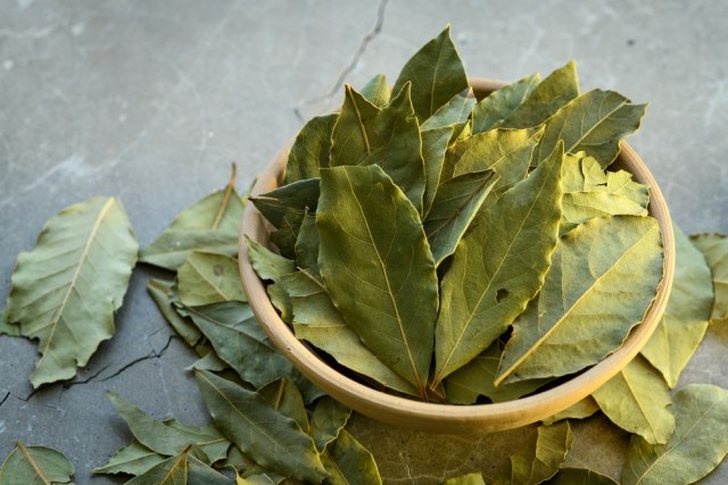
Bay leaves are rich in valuable plant compounds, vitam...
If you have frequent dizziness or feel tired and weak,...

There have been 61 confirmed cases of bird flu in the Unit...

The Institute of Public Health has given some advice t...

How often a person should urinate has been a hot topic...

According to a study, sitting for a long time can caus...

Fifties are important years in a woman's life. This a...

Zinc deficiency is strongly associated with high blood pre...
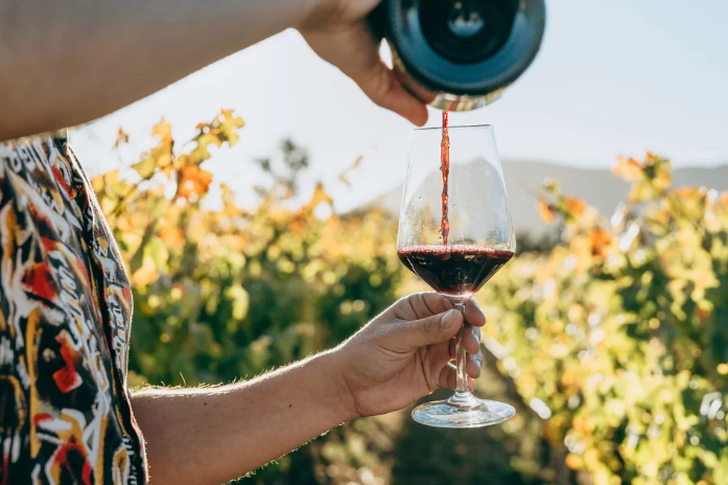
Drinking a small amount of wine each day can protect the h...

Coffee is one of the most consumed beverages in the wo...

Schizophrenia is considered a serious psychiatric diso...

We know that vitamin D helps strengthen our teeth and ...

Soft drinks, packaged foods and sweets, as well as energy ...

The health benefits of honey are scientifically proven...

The murder of officer Enea Mekolli in the line of duty has...

The next case broadcast on the show "Stop", this Thursday,...

The case published this Thursday, June 4, on the show "Sto...

The protests of recent days related to the situation in Zv...

The Special Board of Appeal (KPA) decided this Monday ...

The KPA vetting decided this Thursday to dismiss the p...

Suela Salavaçi, a prosecutor in the Prosecutor's Offic...

The Special Board of Appeal reinstated the prosecutor ...

A money changer in Durrës lost 60 thousand euros after bei...

The 6 citizens captured in Dubai, members of criminal grou...
A serious accident occurred on the Kardhiq-Delvinë axis, i...

Authorities have conducted a large-scale anti-drug operati...

Today our country will be affected by stable weather condi...

For many children and teenagers, the long summer holidays ...

Albania is facing an unprecedented demographic transition,...

On Thursday, our country will be affected by unstable weat...

Russian President Vladimir Putin said the war in Ukraine c...
An extraordinary story of survival has been recorded in Ne...
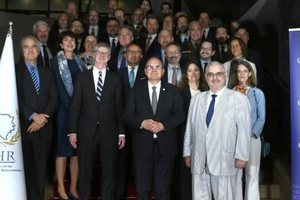
The Peace Implementation Council in Bosnia and Herzegovina...

John Bolton, the former national security adviser to US Pr...

Korça is ready to open the summer season with one of the c...

Two years after his passing, the renowned Korçë poet Skënd...

The Ethnographic Museum of Berat has opened its doors to v...

The story of Harilla Bakalli is one of the most chilling t...

Despite years of efforts at regional cooperation and free ...

Albania is the country with the highest level of severe ma...

This Friday, one US dollar is bought for 81.3 lek and sold...

The government aims to transform the country's industrial ...