


Murder of the officer/ Enea Mekolli's uncle raises accusations: They were without any kind of protection
The uncle of the murdered officer, Enea Mekolli, Hazbi Mek...

The uncle of the murdered officer, Enea Mekolli, Hazbi Mek...

They are part of the recommendations of all nutritionists who advise healthy food, we see them on every label of every product we buy. But how much information do we really have on the vital role of mineral salts in the body? What are they and in which products can we find them?
Like all other nutrients and mineral salts, the human body receives them through daily food.
Mineral salts enter into the composition of complex organic compounds and through them they fulfill important functions in the human body.
These substances are of great importance as they also serve as components of the human skeleton and teeth, in which calcium and phosphorus are included.
Mineral substances are called macroelements, this includes salts such as calcium, phosphorus, magnesium, sodium, iron, etc.
Products where you can find all mineral salts
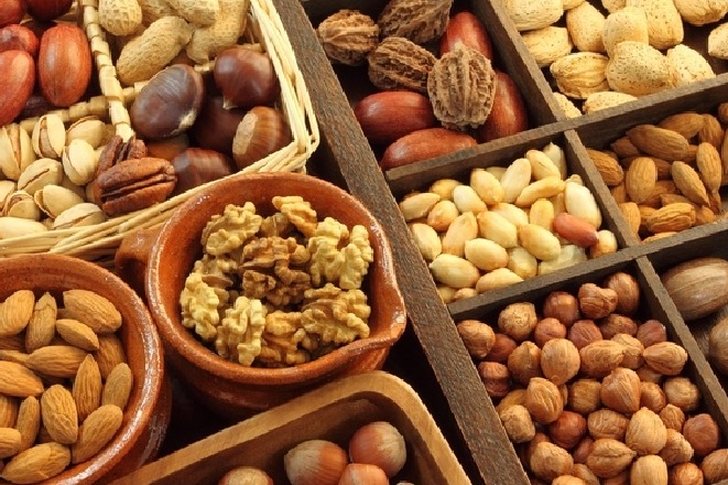
They are rich in calcium salts; milk, cheese, spinach, peanuts, soy, egg yolk, yogurt, etc.
They are rich in phosphorus; fish, lentils, wheat bread, egg yolk.
They are rich in iron; spinach, eggs, wheat bread, livers are separated from animal products.
Salt as a separate product
Table salt, which contains sodium and chlorine, is of particular importance.
Salt gives flavor to products, but it should be consumed in moderate amounts in daily food, as it increases the amount of water you drink, which burdens the kidneys, the work of the kidneys, the heart and other organs.
During the day, the average person should not take more than 15-20 g of salt, this is related to the climate and sweat production.
Water, the richest in mineral salts
It is the most necessary product for man and for every living being.
No living cell can live without water.
Water is found in all cells of the human body.
A person can survive several days without food, but not without water.
The average amount of water that the body should receive through food and liquids should be 2-2.5 liters of water per day.
Excess water hurts the work of the heart and kidneys, so it is not recommended to drink it in bulk, but to replenish it with fluids through soup, fruit juices, lemonades, etc.
To quench thirst, tea or even lukewarm water is used by drinking it with sips. /AgroWeb.org

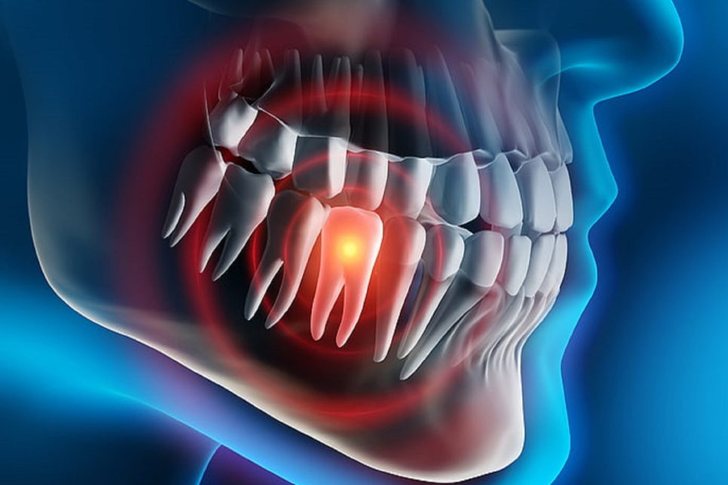
One of the reasons toothaches become more unbearable at ni...
Coughing can become very harsh and difficult for the a...

We can safely say that one of the most beautiful thing...
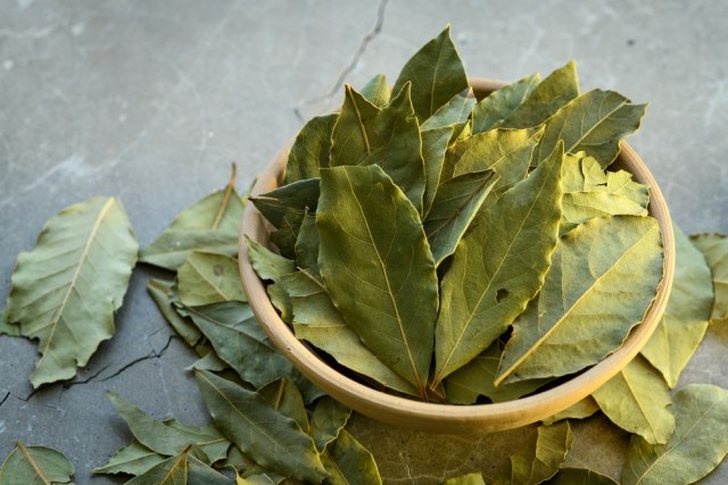
Bay leaves are rich in valuable plant compounds, vitam...
If you have frequent dizziness or feel tired and weak,...
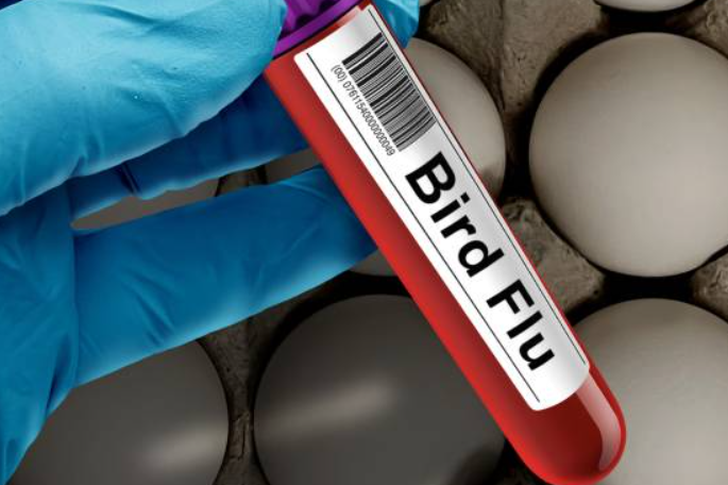
There have been 61 confirmed cases of bird flu in the Unit...

The Institute of Public Health has given some advice t...

How often a person should urinate has been a hot topic...

According to a study, sitting for a long time can caus...

Fifties are important years in a woman's life. This a...

Zinc deficiency is strongly associated with high blood pre...

Drinking a small amount of wine each day can protect the h...

Coffee is one of the most consumed beverages in the wo...

Schizophrenia is considered a serious psychiatric diso...

We know that vitamin D helps strengthen our teeth and ...

Soft drinks, packaged foods and sweets, as well as energy ...
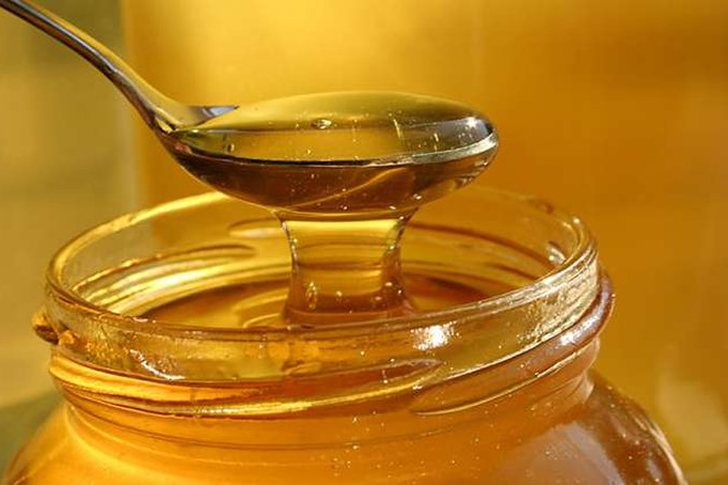
The health benefits of honey are scientifically proven...

The eyes are more than a window to the soul – they are...

Sweets have a comforting and fulfilling effect for many pe...

Beetroot is in the headlines for the best foods for human ...

The murder of officer Enea Mekolli in the line of duty has...

The next case broadcast on the show "Stop", this Thursday,...

The case published this Thursday, June 4, on the show "Sto...

The protests of recent days related to the situation in Zv...

The Special Board of Appeal (KPA) decided this Monday ...

The KPA vetting decided this Thursday to dismiss the p...

Suela Salavaçi, a prosecutor in the Prosecutor's Offic...

The Special Board of Appeal reinstated the prosecutor ...

A money changer in Durrës lost 60 thousand euros after bei...

The 6 citizens captured in Dubai, members of criminal grou...

A serious accident occurred on the Kardhiq-Delvinë axis, i...

Authorities have conducted a large-scale anti-drug operati...

Today our country will be affected by stable weather condi...

For many children and teenagers, the long summer holidays ...

Albania is facing an unprecedented demographic transition,...

On Thursday, our country will be affected by unstable weat...

Russian President Vladimir Putin said the war in Ukraine c...

An extraordinary story of survival has been recorded in Ne...

The Peace Implementation Council in Bosnia and Herzegovina...

John Bolton, the former national security adviser to US Pr...

Korça is ready to open the summer season with one of the c...

Two years after his passing, the renowned Korçë poet Skënd...

The Ethnographic Museum of Berat has opened its doors to v...
The story of Harilla Bakalli is one of the most chilling t...

Despite years of efforts at regional cooperation and free ...

Albania is the country with the highest level of severe ma...

This Friday, one US dollar is bought for 81.3 lek and sold...

The government aims to transform the country's industrial ...