


Businessman Artur Shehu breaks his silence: I am a long-time land owner in Zvërnec, I don't know the investors at all
Albanian businessman Artur Shehu spoke on the Opinion show...

Albanian businessman Artur Shehu spoke on the Opinion show...

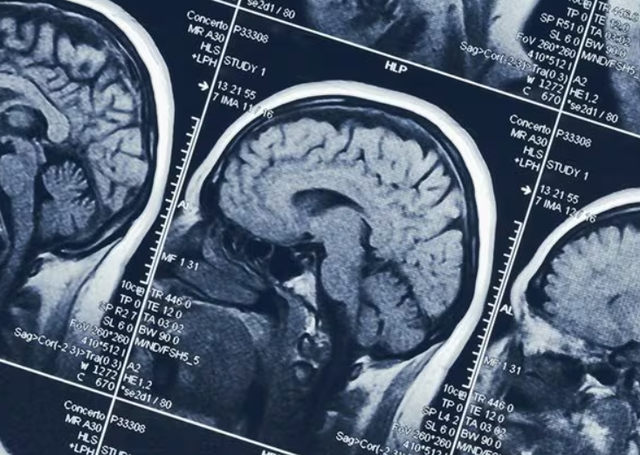
Small amounts of lithium, a naturally occurring metal, may help protect the brain from Alzheimer's disease and signs of aging, new research suggests.
Scientists at Harvard Medical School and Rush University found that when mice were fed a diet low in lithium, their brains developed more inflammation and signs of aging accelerated.
It turns out that lithium may play a critical role in how the brain stays healthy, researchers found.
In the study, they compared normal mice with mice that had grown up to develop brain changes associated with Alzheimer's disease, including a buildup of sticky proteins.
Mice on low-lithium diets developed problems more quickly, while those given a specific lithium compound called lithium orotate saw signs of brain improvement.
When given lithium orotate, the mice had fewer memory problems and fewer of the sticky clumps known as beta amyloid plaques. In humans, these plaques are hallmarks of Alzheimer's disease.
Many people know lithium as a medication used to treat bipolar disorder and depression. It has been used for decades.
But this study suggests that very small amounts of lithium are naturally present in the body and may be essential for brain health.
Researchers suspect that beta amyloid binds to lithium and prevents it from reaching the brain cells that need it.
Without enough lithium, cells called microglia, which help clear waste in the brain, stop functioning properly.
This creates a kind of cycle: As beta amyloid accumulates, lithium becomes less available and the brain has a harder time clearing the damaging proteins.
In the first phase of the study, scientists tested brain tissue and blood samples from people with and without Alzheimer's disease.
They examined 27 metals and found one key difference: Lithium levels were much lower in the brains of people with memory problems.
They repeated this test using brain samples from multiple hospitals and universities and found the same results.
"At first, frankly, we were skeptical about the result because we didn't expect it," Dr. Bruce Yankner, a professor of genetics at Harvard, told CNN.
Experts warn that people should not take lithium supplements without medical advice. The doses used in this study were about 1,000 times lower than doses used to treat mental illnesses such as bipolar disorder.
"A mouse is not a human. No one should take anything based solely on studies on mice," Yankner said.
"The data we have on lithium treatment are in mice and need to be replicated in humans. We need to find the right dose in humans," he added.
Still, the findings are promising. Mice given low doses of lithium orotate showed no signs of toxicity or organ damage. Yankner hopes that human trials will begin soon.
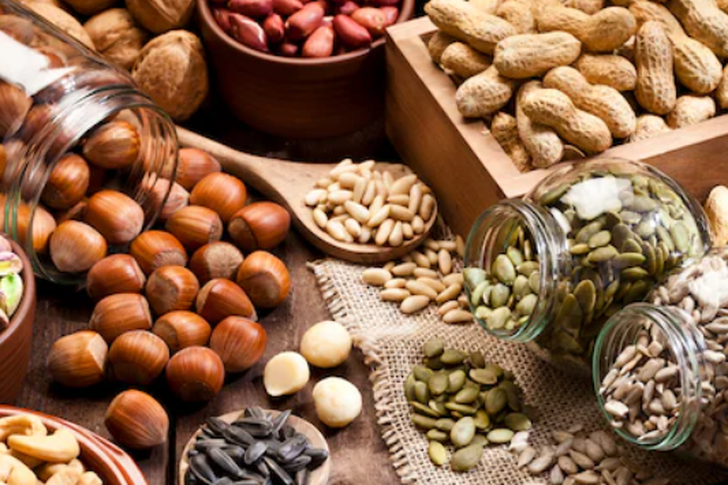
Many healthy foods contain small amounts of lithium. These include:
Green leafy vegetables
Nuts and legumes
Some spices like saffron and cumin
Some mineral waters
Previous studies have hinted at the benefits of lithium. A large Danish study found that people with higher levels of lithium in their tap water were less likely to be diagnosed with dementia.
Another study in the United Kingdom found that people who were prescribed lithium were about half as likely to develop Alzheimer's disease compared to those who did not take it.
Ashley Bush, a neuroscientist in Australia, wrote an editorial that accompanied the new research.
He said this represents "compelling evidence that lithium does in fact have a physiological role and that normal aging can impair the regulation of lithium levels in the brain."
Yankner pointed out the potential benefit.
"It's a potential candidate for a common mechanism leading to multisystem brain degeneration that precedes dementia," he told CNN.
"It's going to take a lot more science to determine whether this is a common pathway... or one of several pathways" for Alzheimer's, he added. "The data is very interesting."/ CNA

Besides enjoying food, a rich and nutritious diet is good ...

A new scientific study published in the Journal of Agricul...
It's well known that walking is important for health, that...

The United Nations has released its World Happiness Report...

It doesn't always take a lot of time or effort. There are ...
Why do some people eat more when they are stressed, while ...
One day, you can place a small piece on your skin to find ...
Doctors reveal a number of foods that they themselves avoi...

High blood sugar, often associated with diabetes and exces...
If you look at the label on a package of dried fruit, you ...
According to the Centers for Disease Control and Preventio...
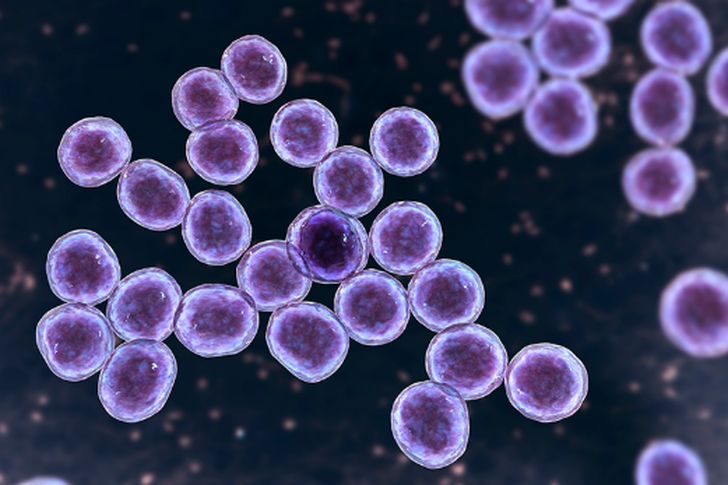
A new type of bacteria that can cause serious infections i...

Purple jellyfish have already been spotted on several beac...
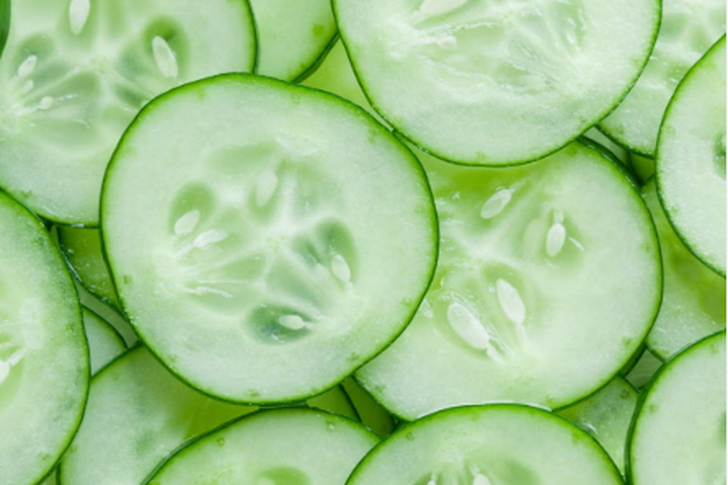
Kastraveci është një nga prodhimet e stinës së verës me sh...
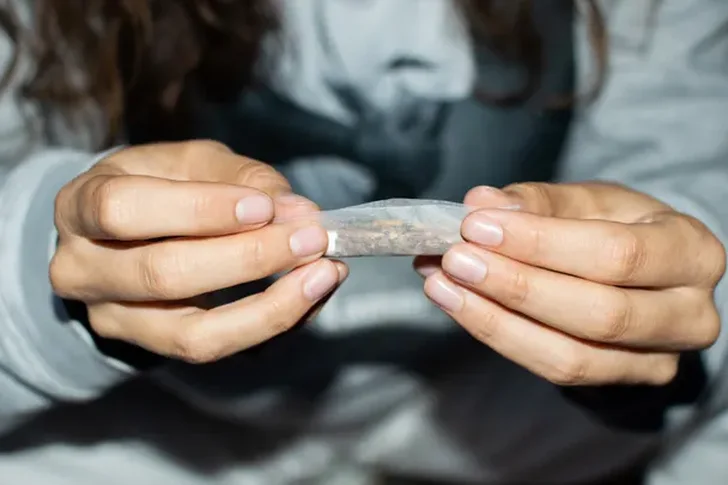
A recent French study said that cannabis use increases the...

Apples have a high nutritional value, which is why people ...

Doctors are routinely overlooking a common cause of high b...
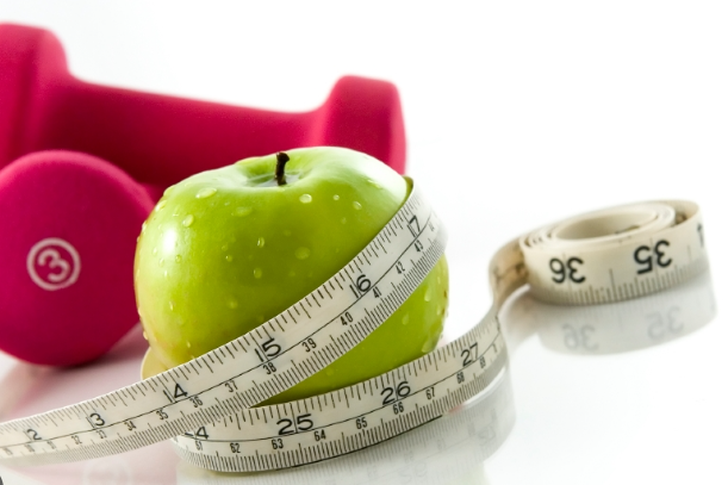
You've made the decision: you're going to start working ou...
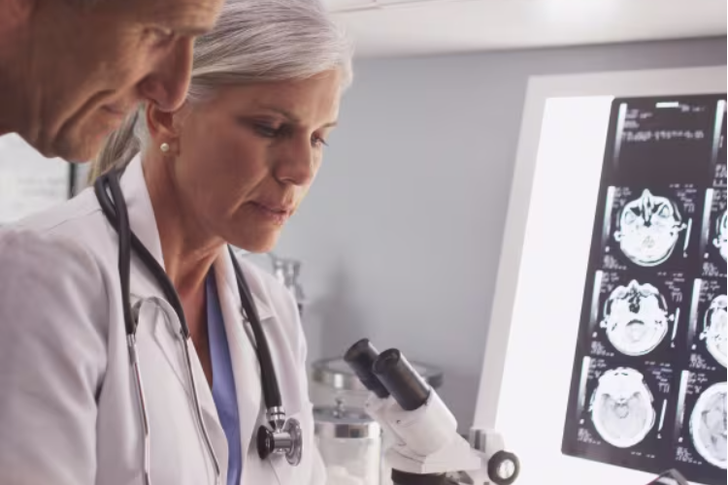
A team of researchers at Johns Hopkins Medicine may have d...
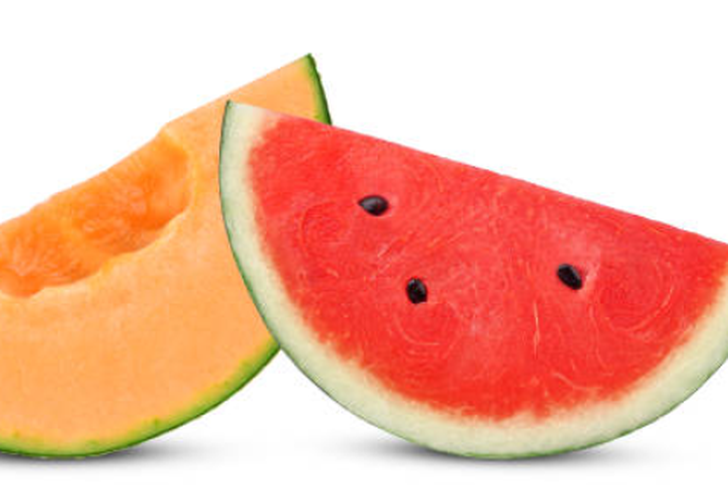
From the beginning to the end of summer, when we talk abou...

The next case broadcast on the show "Stop", this Thursday,...

The case published this Thursday, June 4, on the show "Sto...

The protests of recent days related to the situation in Zv...

The case addressed this Wednesday, June 3, on the show "St...

The Special Board of Appeal (KPA) decided this Monday ...

The KPA vetting decided this Thursday to dismiss the p...

Suela Salavaçi, a prosecutor in the Prosecutor's Offic...

The Special Board of Appeal reinstated the prosecutor ...

A convict was found dead today in the premises of the Pris...

Several images provided by CNA show the area where this mo...

A quantity of explosive material exploded this morning at ...

The Head of the State Police, Skënder Hita, expressed his ...

For many children and teenagers, the long summer holidays ...

Witnesses in Lozhan, Maliqi, have shared details from the ...

Albania is facing an unprecedented demographic transition,...

On Thursday, our country will be affected by unstable weat...

Russian President Vladimir Putin said the war in Ukraine c...
An extraordinary story of survival has been recorded in Ne...

The Peace Implementation Council in Bosnia and Herzegovina...

John Bolton, the former national security adviser to US Pr...

Korça is ready to open the summer season with one of the c...

Two years after his passing, the renowned Korçë poet Skënd...

The Ethnographic Museum of Berat has opened its doors to v...
The story of Harilla Bakalli is one of the most chilling t...

The government aims to transform the country's industrial ...

Kursi i këmbimit të euros me lekun ka rënë më tej këtë jav...

Profit margins in the construction sector have increased s...

The Transparency Board, at its meeting today, decided to i...