


23 days of protest/ The march towards the Prime Minister's Office begins
On the 23rd day of the protest against the government and ...

On the 23rd day of the protest against the government and ...

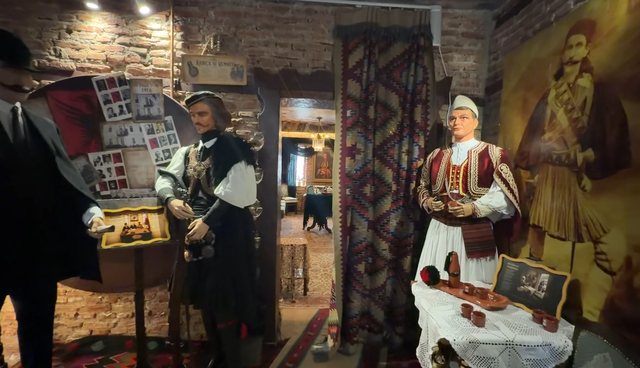
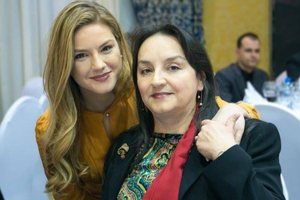
In the heart of one of the most characteristic areas of Korça, in the Old Bazaar, a new space has been added to the city's cultural mosaic. Costume designer Lirika Pojani has opened the "Etno Art" gallery, a place where Albanian tradition, folk costumes, objects inherited from generations and the memory of Korça families come together to tell the story of a city and a people.
This gallery is not conceived only as an exhibition space, but as a place where the visitor can touch a part of the past up close, learn about the lifestyle of previous generations, and discover the wealth of Albanian craftsmanship.
Located in one of the most frequented spots of Korça's Old Bazaar, "Etno Art" aims to be a bridge between tradition and the present, bringing a different narrative through folk clothing, handmade crafts, and objects that carry family history.
"This is a continuation and thank you for always following me in my first steps. And this is a continuation of what I started. It is my mission that continues. This gallery is where it should be, in the most beautiful area of ??the Bazaar, in the most historical area we have, which is most visited not only by tourists, but by all those who come to Korça. And not only is it in this area, but it fits the Bazaar very well, because it conveys all those jewels that Korça has in ethnography, in history, in memories. In the end, all those who will visit here will find their grandmother's house. Because even from the objects that are family, even from what the whole history brings us closer, they will find a nostalgia for childhood, they will find a nostalgia for those years, a beautiful memory. In the end, they will also find a cake, as their grandmother expected them" , says Pojani.
In the premises of "Etno Art", each element is intended to convey a separate story. Traditional costumes, old everyday objects and handicrafts bring visitors a picture of Albanian life over the years.
The gallery is divided into three spaces, each with a unique concept. One presents rural areas and communities, while the other spaces showcase Korça's civic life, through clothing, stories, and objects that have been part of families over the years.
"In fact, the gallery is composed of three environments. The first floor is rural areas and communities. In this environment that we are here, we have Korça life, civic life. I have brought it with costumes, with history, with family objects and what it contains. But I have brought them not only to remember those who have inherited these memories, these works, but to show all the women of Korça, how they worked, how they have passed on the tradition in the tool, in the hook, in the machine work and in all that it should be. It is a story of their work, of their dedication and of the way in which the tradition has passed from one generation to the next ," she adds.
One of the main goals of this gallery is how tradition can be brought closer to the younger generations. For this reason, Lirika Pojani has chosen to combine folkloric elements with a more modern approach, preserving the identity of traditional costumes, but making them closer to today's audience.
"By building the ethnography and history of the 'Etno Art' museum, I have tried to intertwine a bit with the modern. Because folk is beautiful, it is colorful, it has symbols, but by bringing in a bit of madness, I am in this stylization of the modern with the folk. Because it makes it more enjoyable, it also makes it more enjoyable for visitors and in the end, we also have to bring the god, to dress him in our Korça costume that we have for men ," said Pojani.
The opening of “Etno Art” was also a moment of appreciation for Lirika Pojani’s many years of work in the field of costume design and preserving tradition. This event was attended by artisans and representatives of traditional art from many areas of Albania, who shared their experiences and appreciated her contribution.
Pojani was also honored with the title of "Master", an award that she described as a motivation to continue her journey in preserving and transmitting cultural heritage.
"I have been waiting for this day for a long time. I have worked hard and I am very appreciated. Everyone has organized from Tirana to honor me and give me the award. Above all, I have artisans from all over Albania like Gjirokastër, Vlorë, Shkodër, Central Albania, all of them have come to honor me and to share, in the end, their experience with costumes. And they also honored me with the 'Master' award. Very much appreciated, I have been waiting for it a lot and thank you very much from the bottom of my heart. But it is a motivation of mine to continue this work and pass it on to the new generations, so that this thing continues ," she said.
Beyond the exhibition of traditional clothing and objects, "Ethno Art" aims to be a space of education and inspiration, where young people can learn about the values ??of cultural heritage and understand the importance of preserving it.
Lirika Pojani herself says that an important part of her mission is now passing this knowledge on to the younger generations. She has started a collaboration with a young girl, Justina, who has shown interest and love for folklore and tradition.
"We will continue to serve with great love, with the first love of our traditions, to convey them to all visitors who come, to tourists, not only in the community, but from all over Albania, to get to know the tradition, the costume design, the history. But I also have something very special this time, that a girl, Justina, has approached me, and she is very much in love with folk, with tradition. And this is my conveyance and mission to take it to generations. We are in the first steps, but I like her zeal and the energy she has, and I express it for the tradition ", said Pojani.
With the opening of "Etno Art", Korça gains another important cultural point, where history does not remain only in memories, but comes to life through the colors, costumes and stories of the people who have preserved it over the years. A space that invites every visitor to discover a part of the Korça spirit and Albanian tradition. /CNA

Korça has returned to the center of Balkan folklore these ...
A meeting was held today between local officials from Pogr...
Public beaches in Pogradec are once again at the center of...
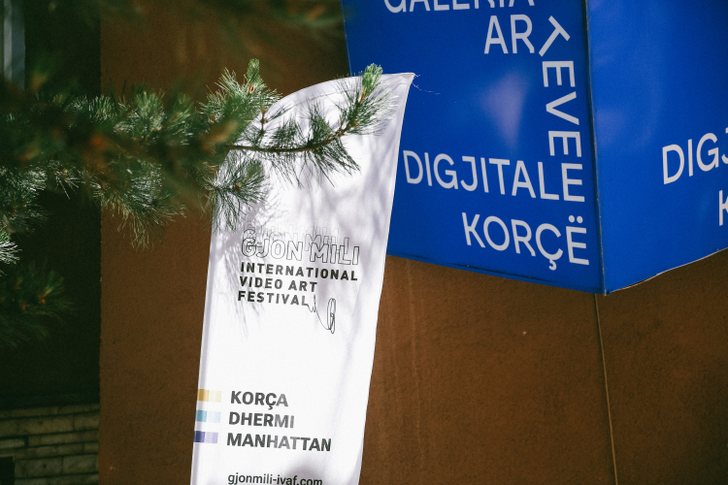
Korça welcomed on Friday the first day of the fourth editio...
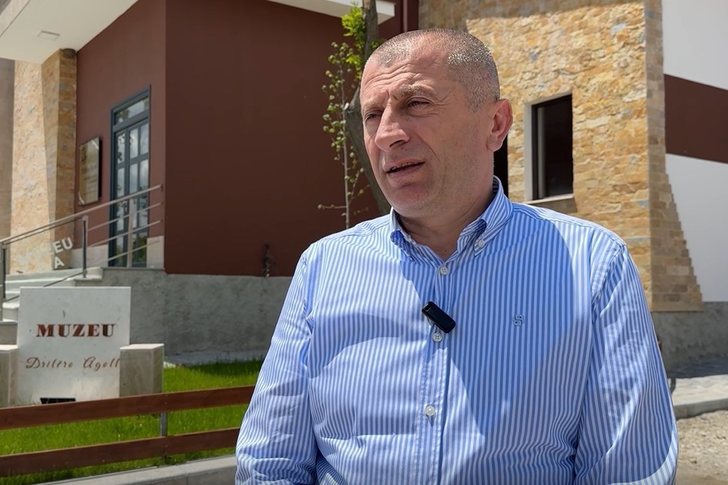
CNA TV travels to Devoll, one of the most special areas of...
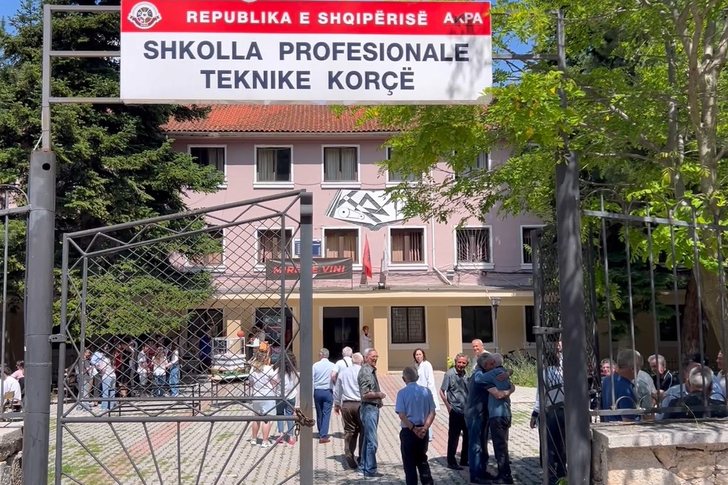
Para gjysëm shekulli ndanë bankat e shkollës dhe nisën rru...

Pogradec has officially opened the summer tourist season w...
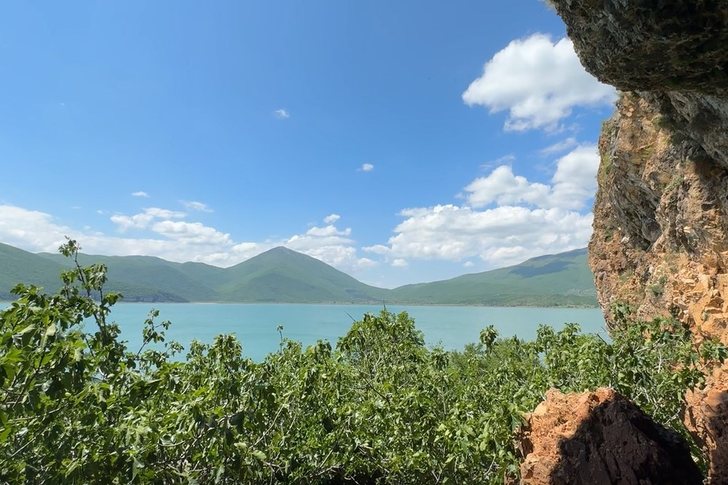
In the southeast of Albania, where borders unite cultures,...
Himara, the heart of the Albanian Riviera, transformed int...
Korça welcomed the Kosovo Philharmonic Orchestra for the f...
As part of the Balkan Romance Day, which is celebrated eve...
Maliqi traces its development back to November 1951, with ...
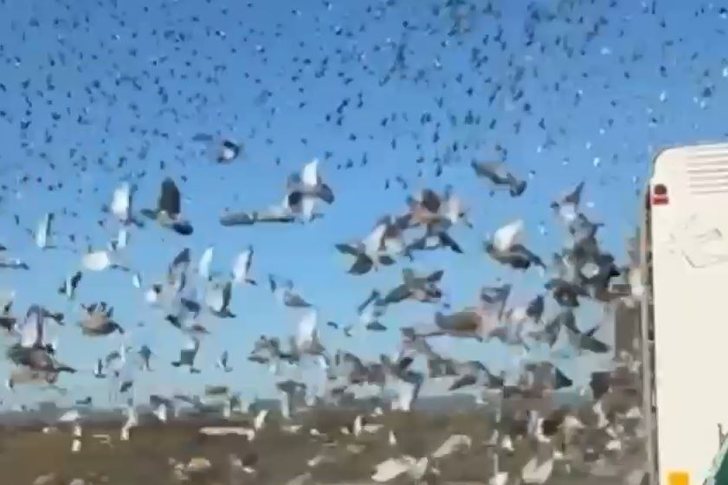
A tradition inherited over the years continues to gather d...
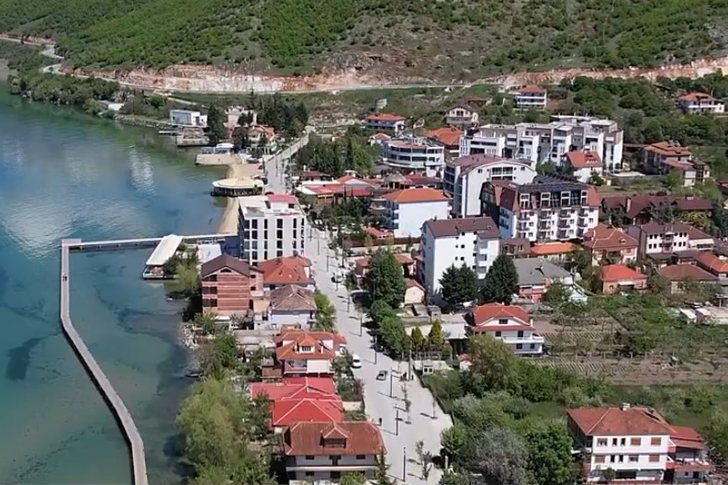
The city of Pogradec continues to remain one of the most f...
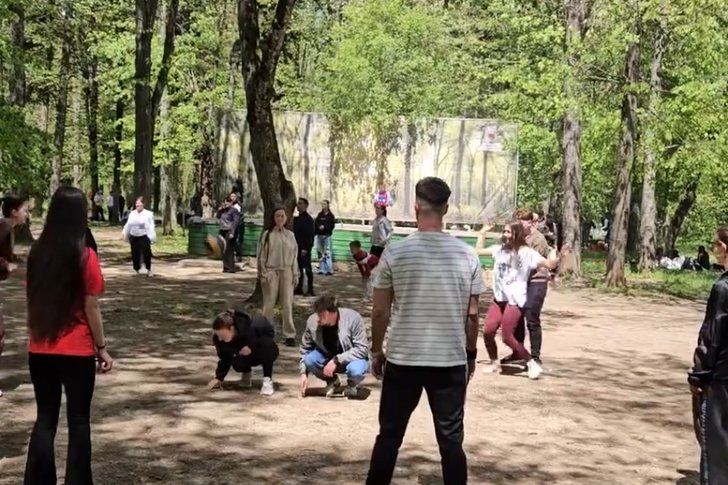
The Municipality of Maliq has chosen to open the tourist s...
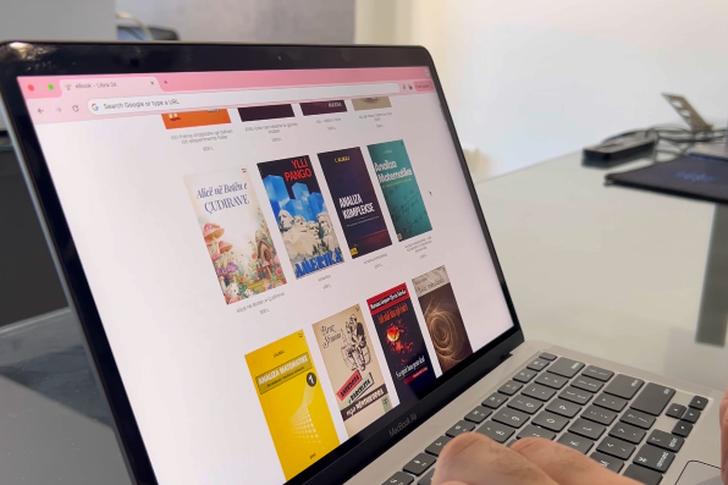
Një platformë e re digjitale e krijuar në Korçë synon të n...
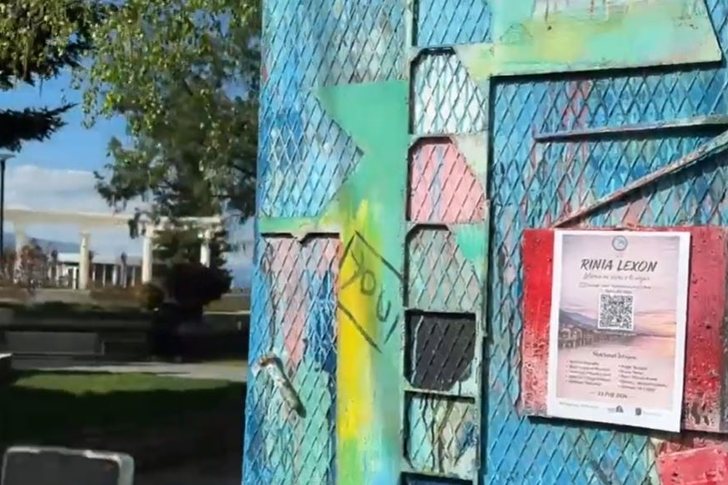
On International Book Day, the youth of Pogradec have chos...
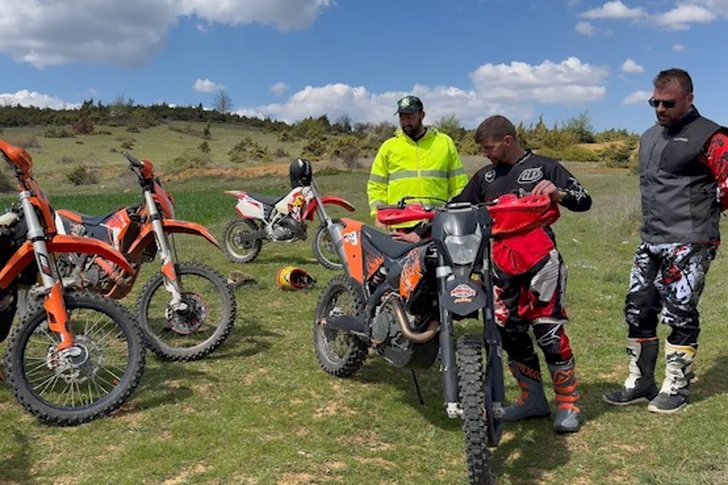
Extreme sports in Korça seem to be experiencing a new deve...
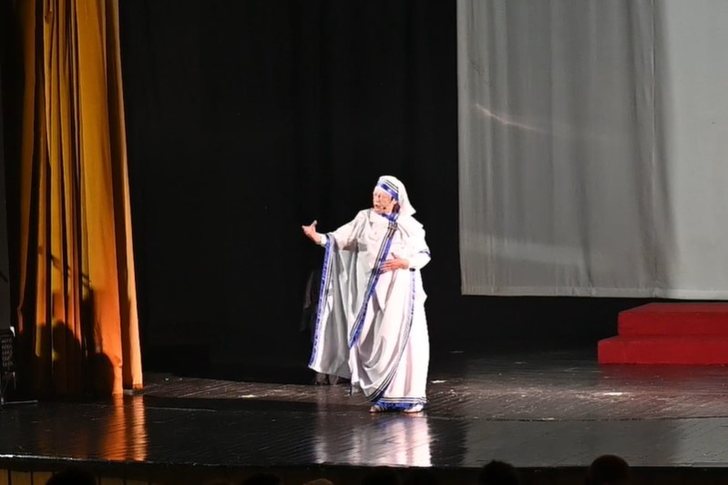
An evening filled with emotion and art was experienced at ...
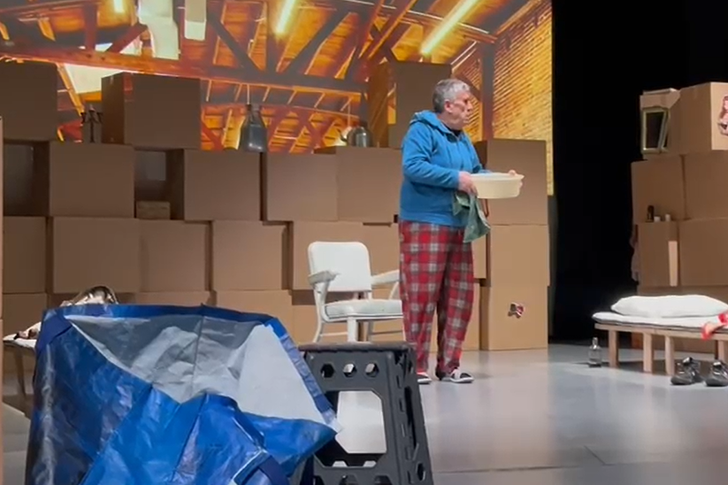
After its success in Pogradec, the comedy "Two Loves and a...
A mountain of documents for a flagrant case, in the na...
The Democratic Party has denounced a tender held by the Hi...
Since the summer of 2020, the Mayor of Tirana, Erion Velia...
The leader of the Democratic Party, Sali Berisha, denounce...

The Special Board of Appeal (KPA) decided this Monday ...

The KPA vetting decided this Thursday to dismiss the p...

Suela Salavaçi, a prosecutor in the Prosecutor's Offic...

The Special Board of Appeal reinstated the prosecutor ...
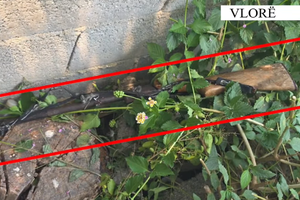
A 35-year-old man was arrested and taken to the police sta...
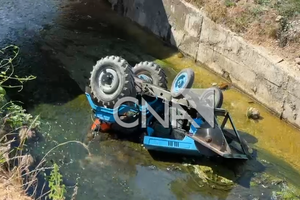
An accident occurred this Monday in the village of Çërrava...

Zbardhen detaje të reja nga ngjarja e shënuar sot në mesdi...

A wanted person was involved in a road accident on Monday ...

Albania is facing significant challenges in human capital ...

On Monday, our country will be affected by relatively stab...

Some of Europe's meteorological agencies are predicting a ...
Today, the country will be engulfed by a heat wave, with t...
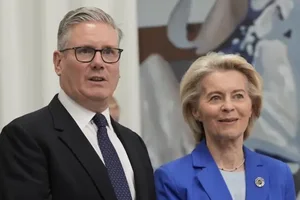
A summit between the UK and the EU, which was scheduled to...

US Secretary of State Marco Rubio will travel to the Unite...
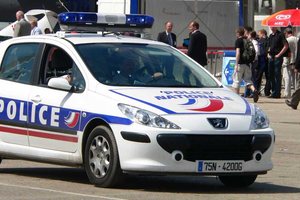
Dy fëmijë të moshës 2 dhe 4 vjeçare u gjetën të pajetë pas...
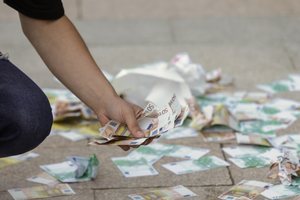
At a time when Kosovo citizens face rising prices and econ...
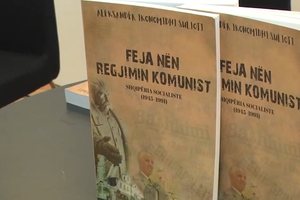
The promotion of the book by author Aleksandër Ikonomidhi ...
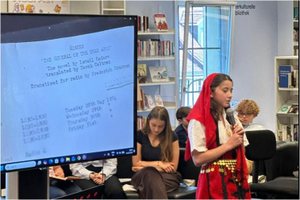
The Albanian Embassy in Switzerland has organized an eveni...

This Wednesday, the prominent actor of Albanian cinema, Gj...
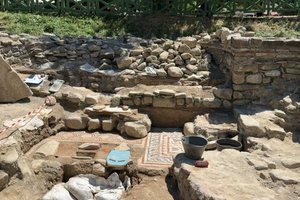
Several archaeological excavations conducted during this s...

Çmimi i karburanteve për transportin e mjeteve personale n...
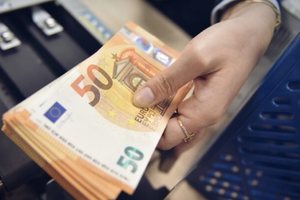
This Monday, one US dollar is bought for 81.4 lek and sold...

For almost a decade, the construction sector in our countr...

This Sunday, one US dollar is bought for 81.4 lek and sold...