


Zdromsi comes out before dawn, surprised by the citizen
Daily activity finds citizens at work at different tim...


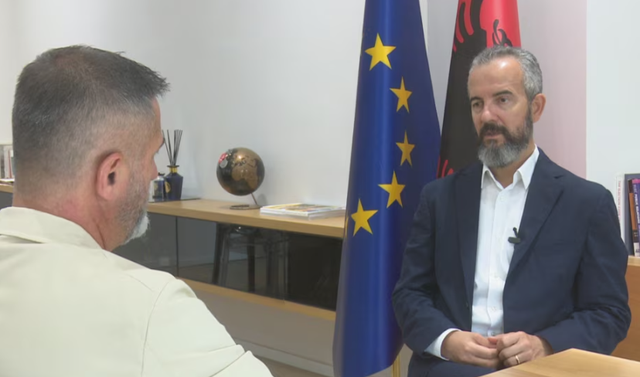
In Albania, the Central Election Commission is working on the preparation of all acts and procedures related to voting from abroad for immigrants. A practice which will be tested for the first time in the general elections next spring. Voting will be done by mail. State Commissioner Ilirjan Celibashi says in a conversation with the Voice of America that all efforts will be made from the point of view of guaranteeing the vote, everything is clear and there are no doubts. But on the other hand, he admits that it is a logistical operation which becomes somewhat difficult due to the limited time available. Precisely the tight deadlines are putting into serious question the implementation of electronic voting and counting in a reduced number of districts.
At the end of July, the Parliament approved changes to the electoral code, including the vote of immigrants, assigning the responsibility of organizing the entire process to the Central Election Commission. A day ago, this Commission submitted for consultation the draft decision on the rules for their registration and the preparation of the list of voters who will vote from abroad.
This process will be carried out through an online platform, where each of those who live abroad, and wants to vote, must open an account and then, as the State Commissioner of Elections, Ilirjan Celibashi, explains to the Voice of America, upload there the identification document and a document that shows where he lives, "this more to show the address where the ballot paper will have to go next. In short, it is a very simple process from a technical point of view and not at all complicated".
No one knows the exact number of immigrants with the right to vote, but according to rough estimates, the number could be around 1 or 1.1 million potential voters. Mr. Celibashi says that the CEC will engage in an information campaign to introduce them to this opportunity.
Voting will be done by mail. The voting paper for immigrants will start as soon as the CEC has completed the process of registering candidates and produced the ballot paper. "About 28-32 days remain for the CEC to produce the ballots and send them. From the moment we send the ballot, the voting process is considered open. So they can have a few days to vote", explains Mr. Celibashi.
The Commission will send to the address indicated by the voter abroad, the envelopes and the ballot paper which, after being filled out, will have to be returned to the CEC. "The envelope in which the ballot is located is a white envelope. This is placed in another envelope containing the voter's data. When it arrives, the envelope containing the address is torn open and the white envelope is kept. Everyone gathers in a basket and there the counting process takes place", says the Election Commissioner.
The voter will have to cover the cost of sending the ballot to the CEC. Mr. Celibashi admits that it is a costly process. "Enough with the international postal service. Depending on the distance, they range from 10-40 euros or dollars, and more, for one voter", he says.
The counting will be done at the Central Election Commission, which this time will have to engage in a new process for it. "It is a logistical operation, not so complicated, as with commitments, and for the time available, it puts us in a lot of trouble. We are working to address all questions about how the process will be administered. The division will be in 12 districts, because depending on where the civil status register is, that's where the vote goes. From the moment of arrival, it will be divided according to the districts. We are trying, from the point of view of the vote guarantee, to make sure everything is clear and there are no doubts", emphasizes Mr. Celibashi.
Time does not promise for other aspects of the electoral process that will take place in Albania. It is still not clear in how many districts, even in the next elections, electronic voting and counting will be implemented. "We had proposed that it be developed in 4 or 5 districts, but now, for the remaining time, this is impossible. We will have a final discussion with the representatives of the political parties, if we can extend the electronic voting process to at least two or three main districts of the country. But every day that passes reduces the possibility of electronic voting in three or two districts. Perhaps, if time passes further, we will not have the opportunity to prepare electronic voting, even in one district", says Mr. Celibashi, not hiding his regret for this. He expresses his conviction that "it would be useful that this method of voting to extend further". In the last local elections, electronic voting and counting was carried out in the municipalities of Kamza, Vora and Elbasan./ Voa

Daily activity finds citizens at work at different tim...

Prime Minister Edi Rama, at the meeting of the UN General ...

The chairman of the Democratic Party, Sali Berisha, respon...

Argita Berisha Malltezi, the daughter of former Prime ...

The chairman of the DP, Sali Berisha, has spoken about...
Former Prime Minister Sali Berisha spoke this evening ...

The chairman of the DP, Sali Berisha, made a promise t...
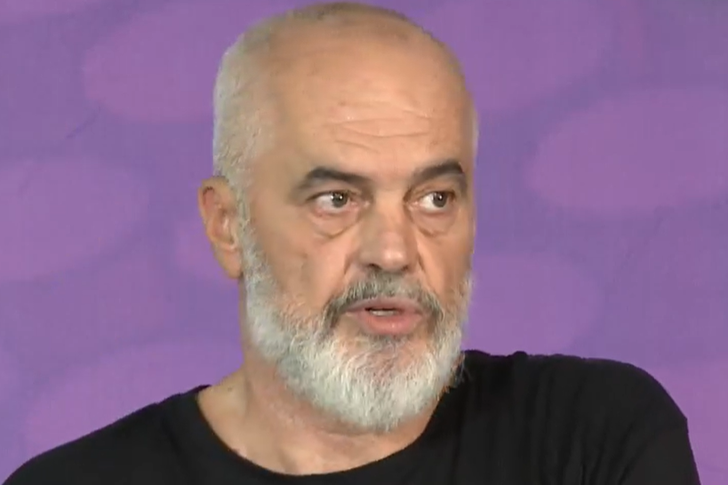
Prime Minister Edi Rama has suggested a book by Robert...

The president of the Democratic Party, Sali Berisha, h...
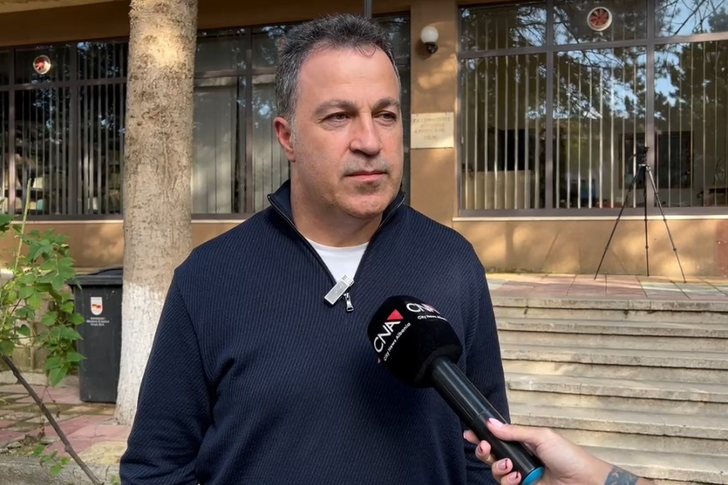
The Socialist Party aims to get at least 6 seats of de...

The chairman of LZHK, Dashamir Shehi, has commented on...
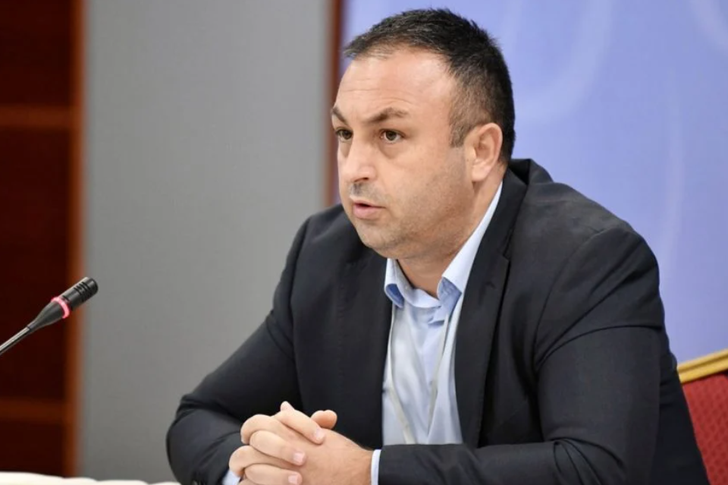
After being accused by the deputy of the Democratic Pa...
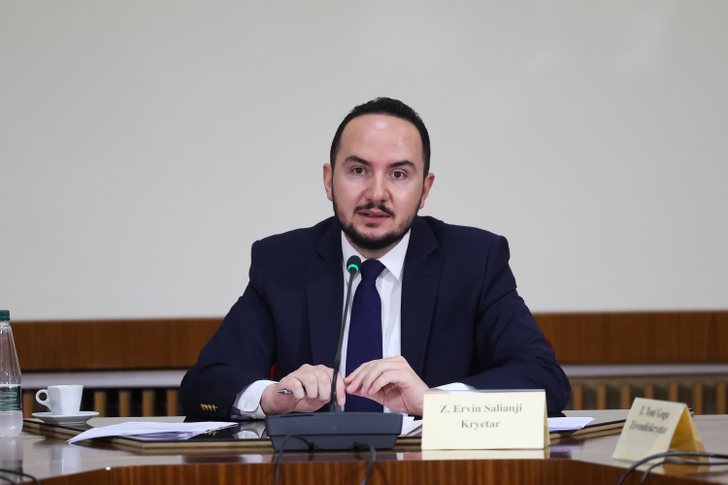
The deputy of the Democratic Party, Ervin Saljani, at ...
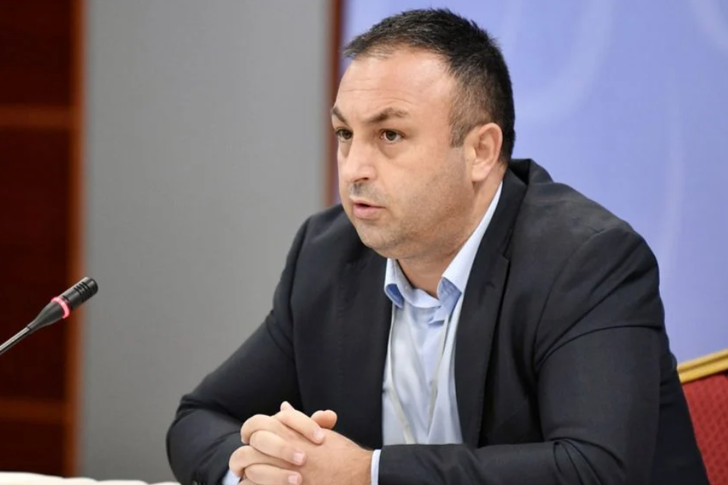
The Minister of the Interior, Ervin Hoxha, says at the Sec...
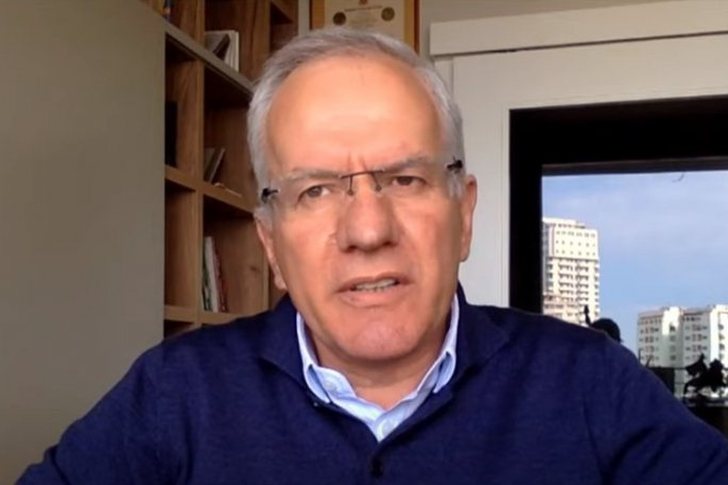
The meeting of the National Crime Commission started with ...
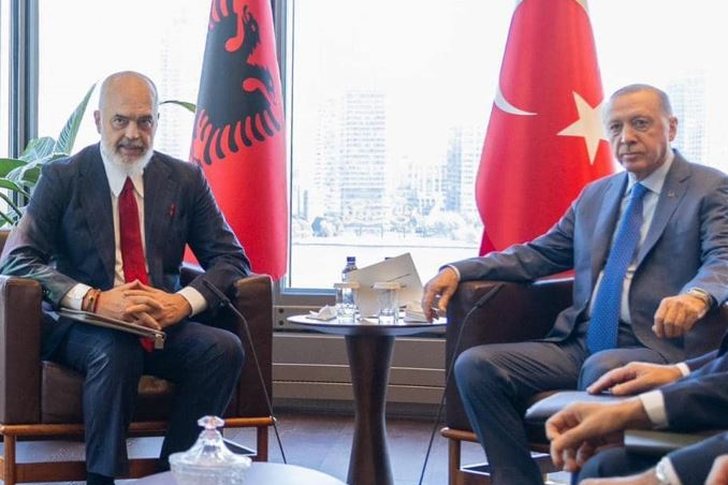
Prime Minister Edi Rama, accompanied by a delegation o...

The head of PD Sali Berisha, during today's protest, empha...
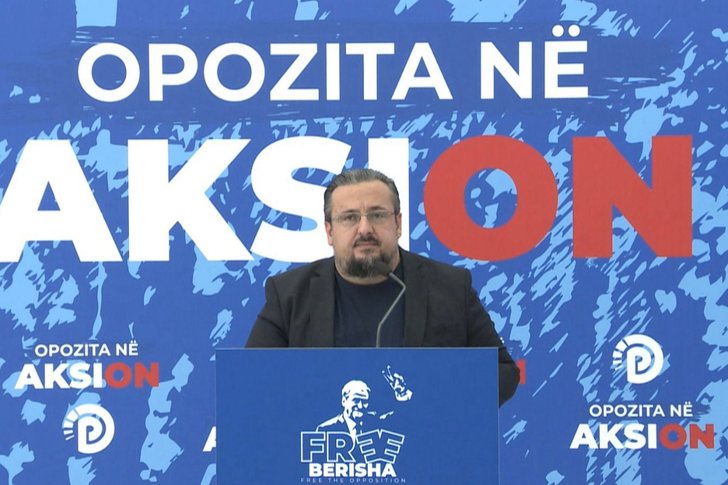
The advisor for economic issues in DP, Dorian Teliti, spok...
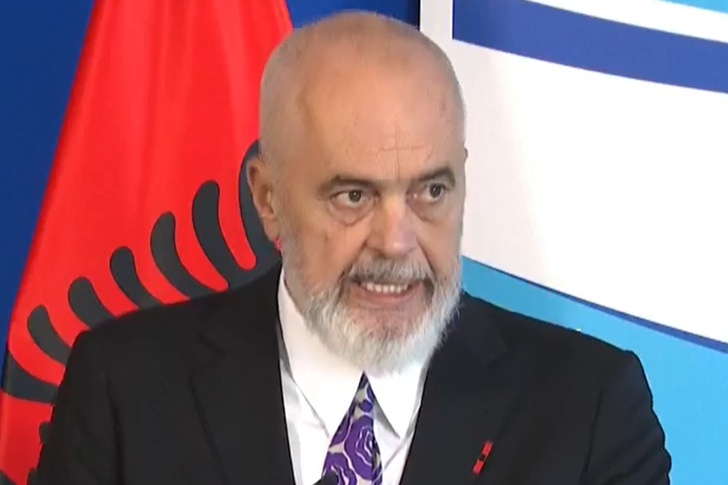
Former Minister of Justice Ylli Manjani has commented on P...
The Democratic Party has opened its branch in Parma, I...

CNA has launched another investigation that could lead to ...

Irfan Hysenbelliu is a businessman that we call "Irfan the...

In March 2026, CNA launched another investigation centered...
The arrested mayor of Tirana, Erion Veliaj, with 13 charge...

The Special Board of Appeal (KPA) decided this Monday ...

The KPA vetting decided this Thursday to dismiss the p...

Suela Salavaçi, a prosecutor in the Prosecutor's Offic...

The Special Board of Appeal reinstated the prosecutor ...
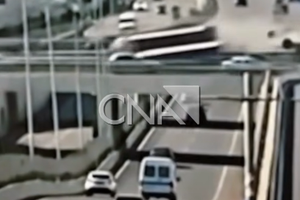
Footage emerges from the serious accident that occurred th...

A Shkodra traffic police officer was hit with hard objects...
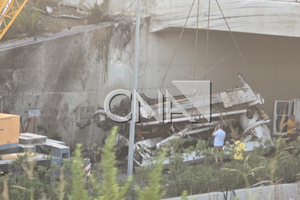
This Wednesday, around 4:00 PM, a serious accident occurre...

Tirana Police have shared details regarding the accident t...
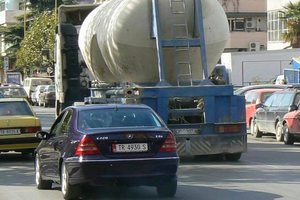
A serious accident that occurred this Wednesday with the c...

The Institute of Geosciences has shared a forecast for wea...
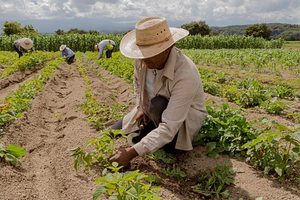
Rising energy and fertilizer prices are expected to contin...

Over 18,000 foreign citizens from 140 countries have appli...

The trial of ousted Venezuelan President Nicolas Maduro on...

US President Donald Trump has issued another warning to Ir...

Prime Minister Andy Burnham has announced that most bus fa...

France's parliament has passed a law to ban social media f...

At a time when industrial products are increasingly taking...

Trust among people is not just a three-syllable word. It c...

Master of humor Todi Llupi has passed away at the age of 7...

The ninth edition of "MIK Festival" kicked off with one of...

The price of diesel reached 206 lek per liter from 198 lek...

Businesses will no longer be required to simply register t...

Despite economic growth and income in recent years, Albani...

This Wednesday, one US dollar is bought for 81.4 lek and s...