

Strong denunciation/ AZHBR, campaign with taxpayers' money, 44 million euros were distributed during elections
DP leader Sali Berisha has made a strong denunciation,...


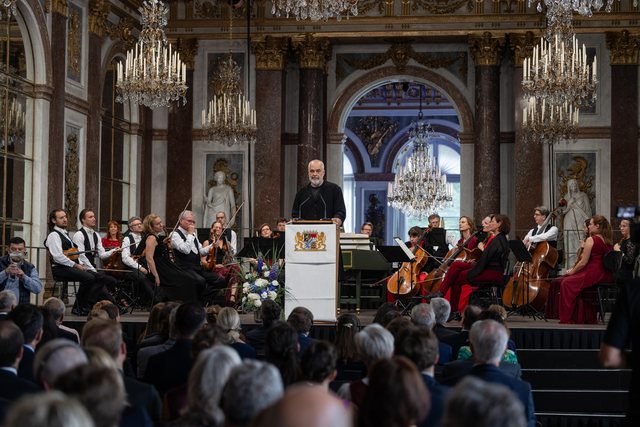
Prime Minister Edi Rama has been an honorary guest of the Bavarian government to deliver the keynote speech at the opening ceremony of the "Herrenchiemsee Festspiele", where each year a guest addresses the theme of Europe.
In his speech, Rama emphasized that Europe has never been just a treaty or a currency, nor simply a parliament or a market, but has been and must remain a civilization.
Between the lines, Rama said that the Europe he dreams of is not one where everyone speaks the same language and does the same things, but it is a Europe where a Bavarian king who persistently pursues beauty can speak across the centuries to a modern-day Albanian prime minister and they can agree. It is a Europe where a forgotten effort by a Bavarian statesman can become the root of a present-day friendship.
Rama's full speech
To be here, on the island of Herrenchiemsee, under the arches of a palace that was born not of politics but of a dream — a dream of beauty, solitude, and transcendence — is to sense something greater than architecture, more enduring than stone. It is to embrace an idea that has become eternal. And to be invited here, before you, on this special occasion, is not just an honor, it is a rare privilege, one that I will carry with me for the rest of my life.
King Ludwig II, the Bavarian sovereign who built this country, was called a madman. Mad because he spent his wealth not on an army but on Wagner. Not on conquests but on the perfection of beauty. Mad, in other words, because he chose the soul over the sword. Once, he said: “I want to remain an eternal enigma to myself and to others.” And so he became something else — the last great romantic of power. The man who ruled not by decree but by dreams.
Here we are today, at the heart of that dream, at a time when Europe, our common home, our collective heritage, is once again surrounded by the roar of arms, the fear of fragmentation and the temptation to forget what binds us together. Tonight, music invites us to remember. To remember that Europe has never been just a treaty or a currency, nor just a parliament or a market. Europe has been and must remain a civilization. A way of feeling the world. A way of believing, as Ludwig believed, that beauty has political weight, that art is not a luxury, but a way of life.
This festival is not just a cultural event. In its silent defiance, it is a gathering of resistance. Resistance to the cynicism that reduces Europe to bureaucracy. Resistance to the despair that sees culture as decor. Resistance to the noise that drowns out the human voice. We, in Albania, know the sound of silence. For decades, we lived behind the Iron Curtain that we built ourselves, cut off from the symphonies and sonatas that filled the concert halls of free Europe. And yet, even then, music found its way. A smuggled cassette, a banned score, a memory from a concert before the walls were erected.
And I remember, as a child, the first time I saw “Ludwig,” Luchino Visconti’s shocking masterpiece. Not in the cinema. Not even in color. But in black and white, through a small box with a screen, caught by an illegal antenna, made of clothesline, that defied the regime’s ban on foreign television. That film, that poetic leap deep into the soul of a king who loved deeply and beautifully, left a mark on me, not only as a viewer, but as a future citizen of a Europe that I had not yet seen and that, to be honest, I did not even imagine that I would see in my lifetime.
What about today? Today, Albanian musicians study in Munich and Berlin. Today, German musicians perform in Tirana. Now our children grow up without the dream of escaping, but of cooperating. This is no coincidence. This is Europe doing what it was created for: to unite through creation, to elevate through exchange. And how can I not remember here in Bavaria a courageous gesture from this land, which history has almost forgotten, but we have not. In 1984, when Albania was still closed to the world, Franz Josef Strauss, a major figure of Bavaria, came to Albania. He did not come with threats, but with offers. Not to flatter the savage regime, but to open a window for the Albanian people. He extended his hand to a country that did not know how to accept him. The regime said, “no”. History, fortunately, said, “wait”.
Today, that hand is still felt. Bavaria stood open when Albania was closed. Now Albania is open and grateful. That moment is valuable, because it proves that bridges are not built only when the passage is easy. Sometimes, they are built in silence, waiting for the other side to appear. Let me speak frankly: The Europe I dream of is not one where we all speak the same language or believe the same things. It is a Europe where a Bavarian king who pursues beauty can speak across the centuries to a modern-day Albanian prime minister and they can agree. It is a Europe where a forgotten effort by a Bavarian statesman can become the root of a present-day friendship.
To our hosts in Bavaria, I say a heartfelt thank you, not only for this invitation, but for the example you continue to set. Bavaria reminds us that economic power and cultural depth are not opposites — they are twins, that prosperity without poetry is empty, that power without memory is blind, that Europe without a soul is no longer Europe. And if we must rearm to defend the European soil, we must, at the same time, reinvent ourselves, to defend the soul of Europe.
Let me also thank your Prime Minister, Markus Söder, not only as a statesman of conviction and clarity, but as a friend. Albania values his voice, his vision for Bavaria and his respect for European diversity. And I, personally, appreciate the warmth and understanding that your Prime Minister has shown, which, believe me, are not as common as they should be in the high circles of our continent. Let the music we will hear tonight do what speeches cannot, and let the beauty of this palace add what words cannot. Let it carry the spirit of Europe, what Ludwig heard, when others heard nothing. What we must defend not only in treaties and not simply with soldiers, but in our streets, in our children's classrooms and in the silent recesses of dreams.
Let us be like Ludwig, a little crazy, at least a little, maybe not as much as he was. Crazy enough to believe in beauty, crazy enough to defend it. Crazy enough to make beauty the heart of Europe again. Thank you!/ CNA

DP leader Sali Berisha has made a strong denunciation,...
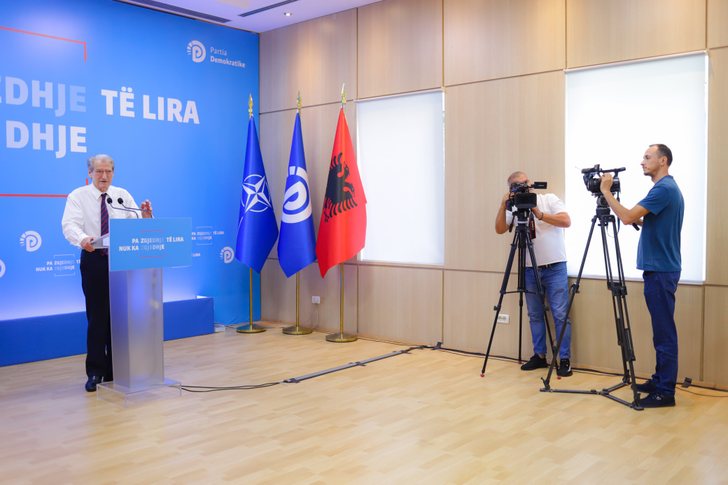
DP leader Sali Berisha has made a strong denunciation, lev...
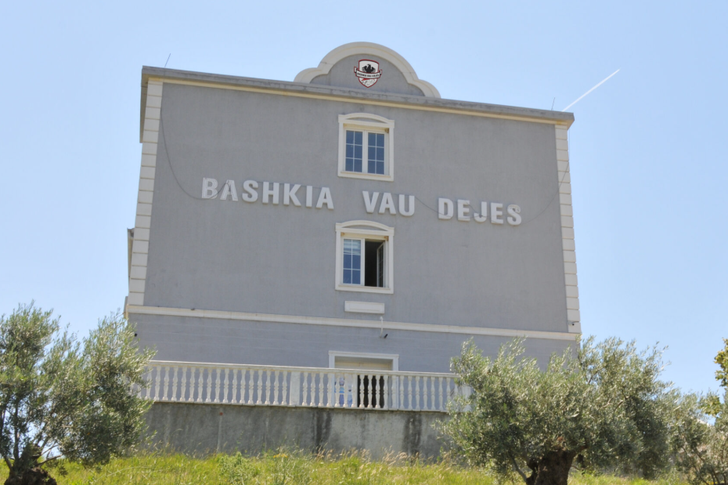
The meeting in the Vau Dejës municipality, called by Mayor...
The wave of resignations continues, with directors and...
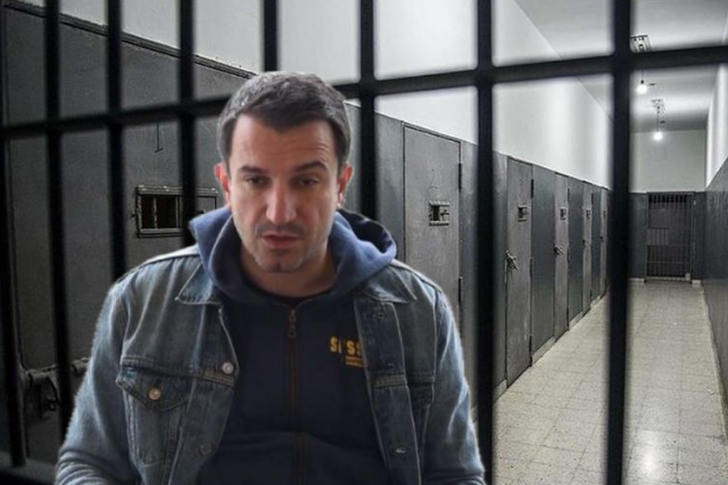
The mayor of Tirana, Erion Veliaj, arrested on 13 charges,...
Economic Affairs Expert, Dorian Teliti, has commented on P...
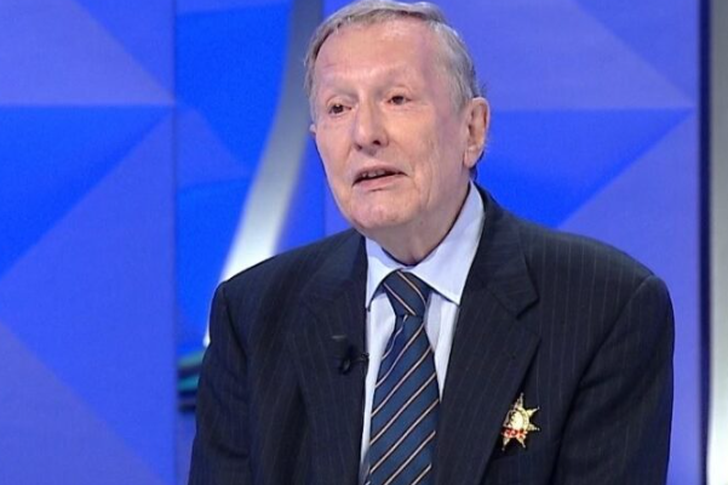
Former ambassador of the Federal Republic of Germany, Wern...
Analyst Andi Bushati expressed criticism of Prime Minister...
Former President Bamir Topi spoke today about his acquaint...
The Democratic Party MP in the Elbasan region, Tomor Alizo...
The elected MP of the Democratic Party, Bardh Spahia, toda...
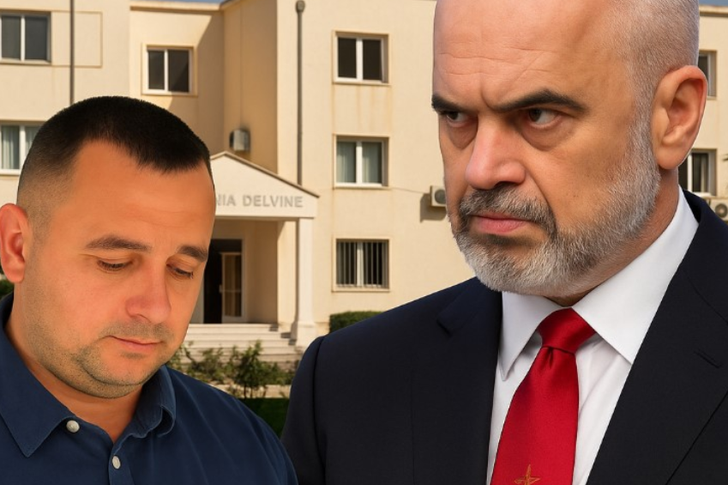
The Mayor of Delvina, Besmir Veli, seems to have followed ...
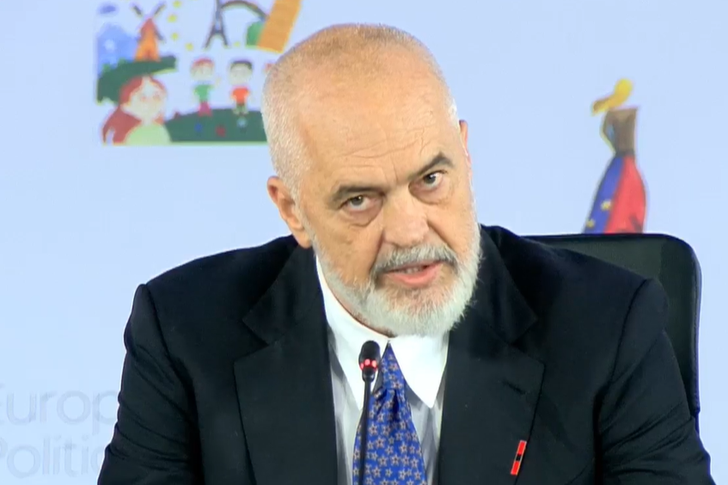
Prime Minister Edi Rama has announced that following the d...
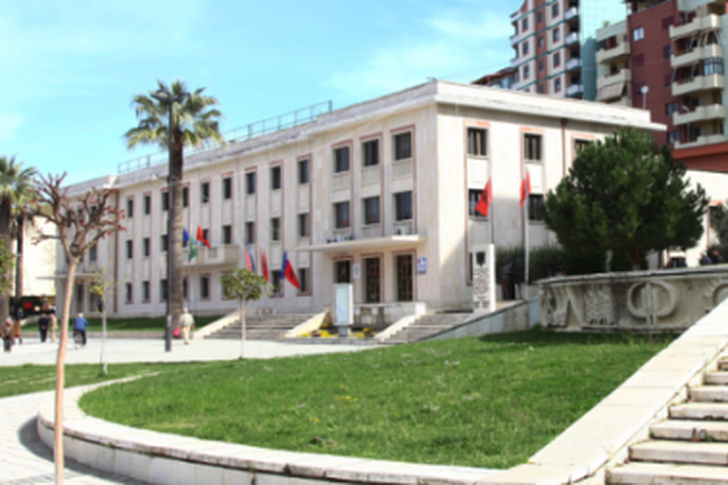
Following the ultimatum given by Prime Minister Edi Rama a...
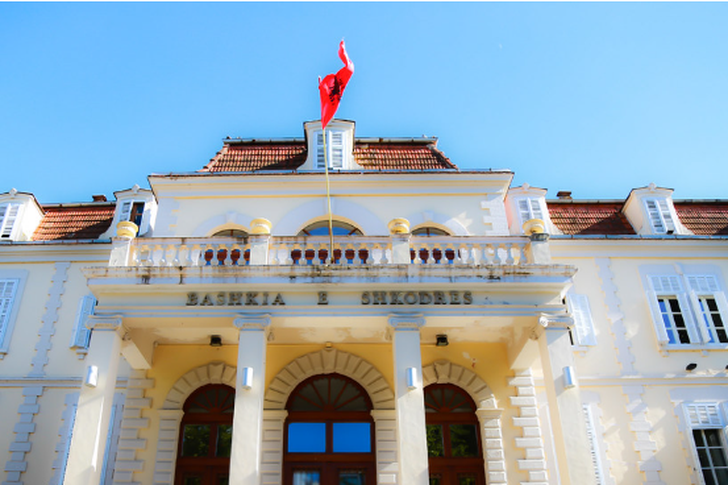
Prime Minister Edi Rama's order to refresh local staff has...
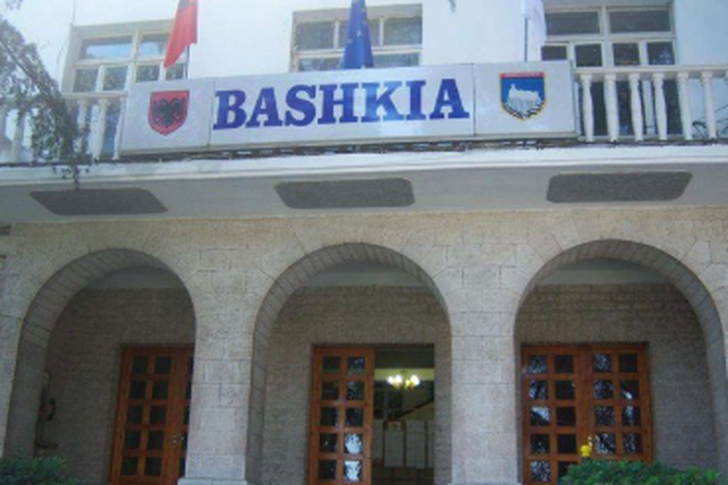
The wave of resignations in the country's municipalities c...
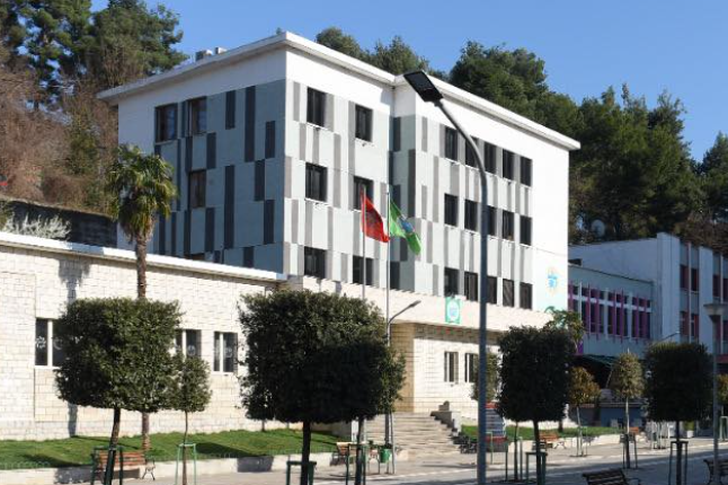
After a series of discussions in the Municipality of Libra...
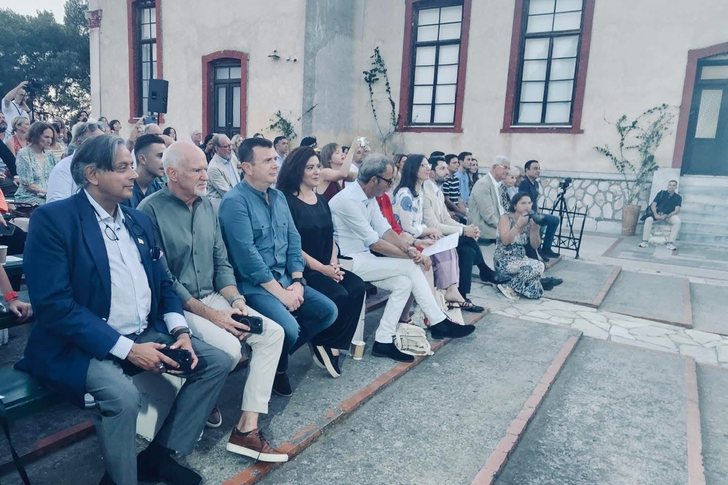
Minister of State, Taulant Balla is participating in the 2...
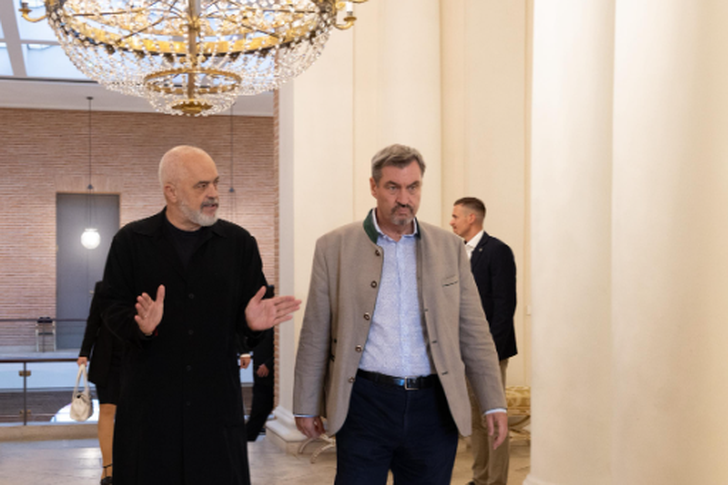
Prime Minister Edi Rama traveled this afternoon to Munich,...
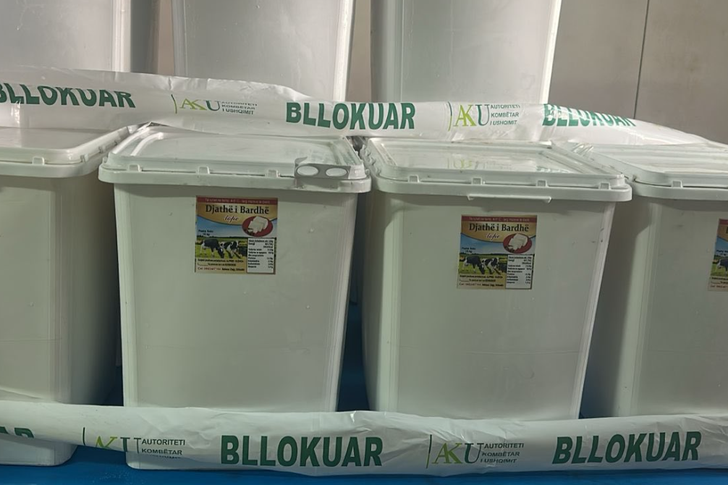
Prime Minister Edi Rama has shared footage from the launch...

CNA has launched another investigation that could lead to ...

Irfan Hysenbelliu is a businessman that we call "Irfan the...

In March 2026, CNA launched another investigation centered...
The arrested mayor of Tirana, Erion Veliaj, with 13 charge...

The Special Board of Appeal (KPA) decided this Monday ...

The KPA vetting decided this Thursday to dismiss the p...

Suela Salavaçi, a prosecutor in the Prosecutor's Offic...

The Special Board of Appeal reinstated the prosecutor ...
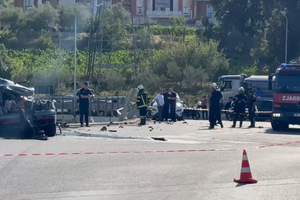
New details have emerged regarding the accident that occur...
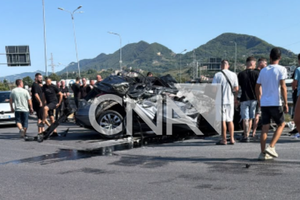
New details have emerged from the serious accident that oc...
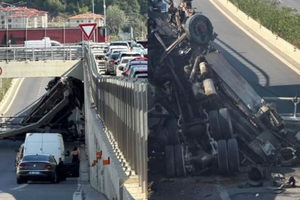
A serious accident occurred this Wednesday on the Elbasan-...
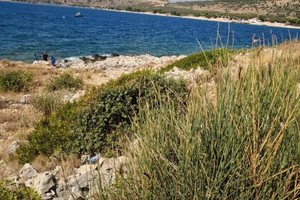
Citizen MH, 61, a fisherman, was found dead near the islan...

The Institute of Geosciences has shared a forecast for wea...
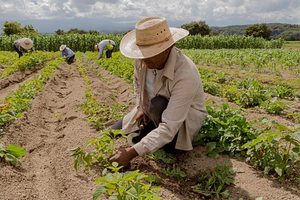
Rising energy and fertilizer prices are expected to contin...
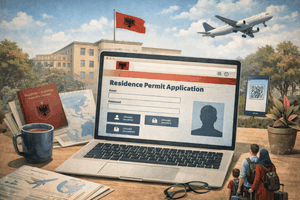
Over 18,000 foreign citizens from 140 countries have appli...
This Wednesday, our country will be under the influence of...
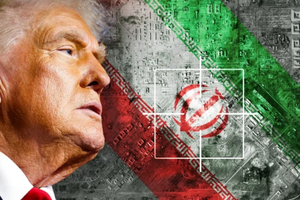
US President Donald Trump has issued another warning to Ir...
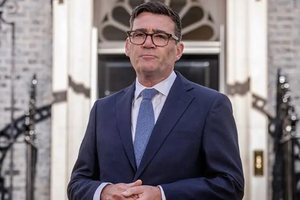
Prime Minister Andy Burnham has announced that most bus fa...

France's parliament has passed a law to ban social media f...
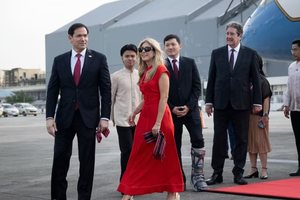
US Secretary of State Marco Rubio arrived in Manila on Jul...

At a time when industrial products are increasingly taking...

Trust among people is not just a three-syllable word. It c...

Master of humor Todi Llupi has passed away at the age of 7...

The ninth edition of "MIK Festival" kicked off with one of...

Businesses will no longer be required to simply register t...

Despite economic growth and income in recent years, Albani...

This Wednesday, one US dollar is bought for 81.4 lek and s...

Construction company licenses will have a validity period ...