


"GIVE UP, ELISA!"
I must say from the beginning, I have liked MP Elisa Spiro...

I must say from the beginning, I have liked MP Elisa Spiro...

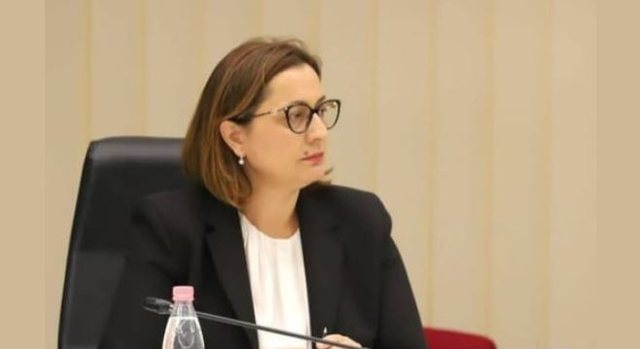
On Friday, 33 MPs of the country's opposition asked the Constitutional Court to repeal the law on Investigative Commissions, which was approved in December in the parliament.
Deputy Dhurata Çupi stated that with this law, the majority intends to deprive the opposition of the right to control the government.
5 reasons why the law according to the opposition deputies:
1-The consolidated positions of the Constitutional Court are not reflected in the law approved by the socialists, where it is emphasized that the Assembly, in case the establishment of a parliamentary commission is requested by a quarter of the deputies of the Assembly, has the obligation not to subject it to the parliamentary debate , but only to discuss the degree of respect for constitutional principles in the object of his activity. And in the event that the parliamentary majority raises claims related to non-respect of constitutional principles, it has the right to propose alternative formulations to the minority, until a consensus is reached. However, these alternative proposals cannot be such as to reduce the scope of the investigation to such an extent as to make it impossible for the commission to carry out its activity.
2- The lack of provisions that clearly express the obligation of the Assembly to establish parliamentary investigative commissions when required by the number of deputies defined in the Constitution, as well as the proposal of alternative wordings related to the object of the activity if it is estimated that constitutional principles or standards are violated, gives opportunity for the majority to evaluate at its discretion whether or not these principles have been met and, without making any effort to find consensus, decide to reject the requests for the establishment of investigative commissions. Practically, from the way the above-mentioned provisions are worded, the establishment or not of an investigative commission is entirely at the discretion and interpretation of the majority. The constitution maker intended to avoid exactly this type of discretion, which practically takes away this control mechanism that the opposition has in a democratic state.
3 - The law contradicts one of the main goals of setting up an investigative committee of the Assembly. Concretely, investigative commissions are set up in order to recognize and verify a phenomenon, an event or a specific activity. So, transparency for the media, public opinion and citizens lies at the core of the investigative commissions' activity. The increase of cases of holding meetings with closed doors, some of them quite evasive and leaving room for wide interpretation, only with the votes of the majority, comes against the principle of transparency. This is because, case by case, the members of the majority will assess when transparency should be made for certain aspects of the commission's activity and in which cases it will be acted upon in the absence of transparency.
4-Unlike the current provision that the taking of evidence and the calling of witnesses is done by each member of the commission and is accepted without a vote, the amended law provides that the taking of evidence and the calling of witnesses is carried out by a majority decision. Practically, through this provision, it is intended to sanction that the evidence to be taken and the witnesses to be called are completely at the will of the majority, which also has the largest number of members in the commission. So it will be the majority that will judge whether evidence should be taken or not, or whether a witness should be called or not. In fact, such a mechanism would undo the right of the parliamentary minority to conduct an effective investigation, since the data and evidence to be administered by the commission would be entirely at the discretion of the majority.
5-Receiving an authorization from the prosecution or the court is unprecedented in any state of law or democratic society, even in the context of the principle of separation and balancing of powers. As the Constitutional Court has repeatedly expressed, the existence of a criminal process does not constitute an obstacle for the investigative activity of the Assembly, in the conditions where the goals they pursue are different. On the other hand, giving the right to the witness to refuse the answer in any case that he considers that he or persons related to him may be exposed to investigations, can be used as a tactic by witnesses or their defenders to refuse transparency and accountability. in relation to the investigative commission./ CNA


The ambassador of the Netherlands, Reinout Vos, in a s...
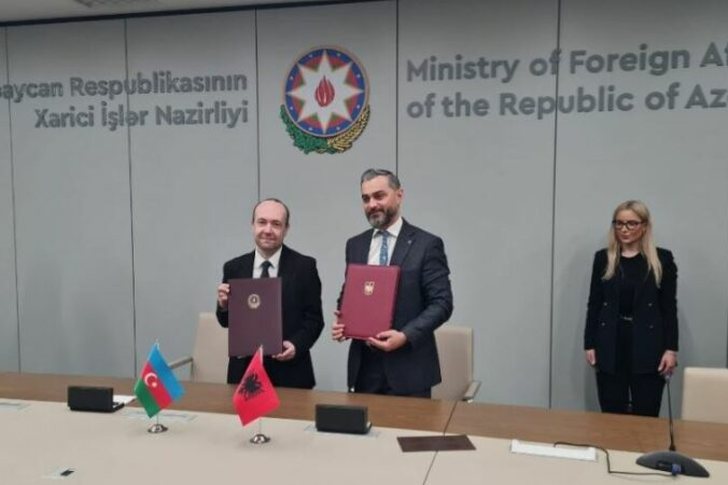
From today there are no more procedures, visas between Alb...
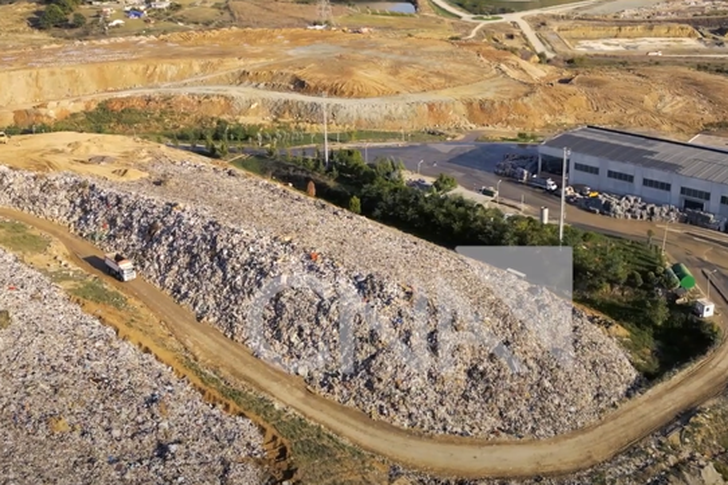
For several weeks, CNA has denounced the scandal in the co...
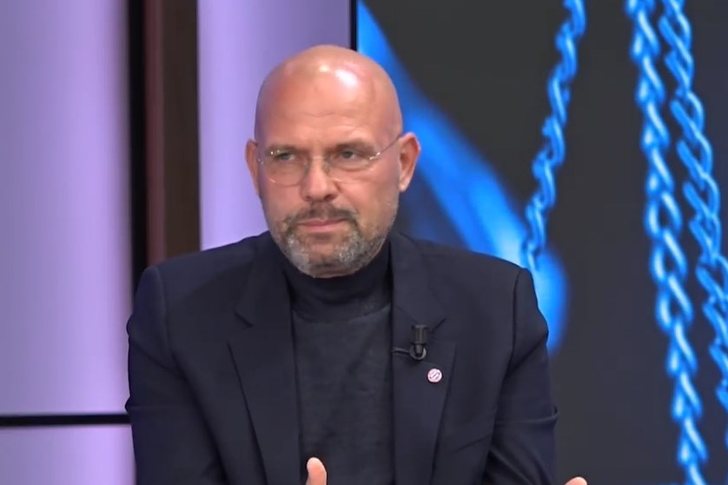
Former minister Ylli Manjani has expressed dissatisfac...
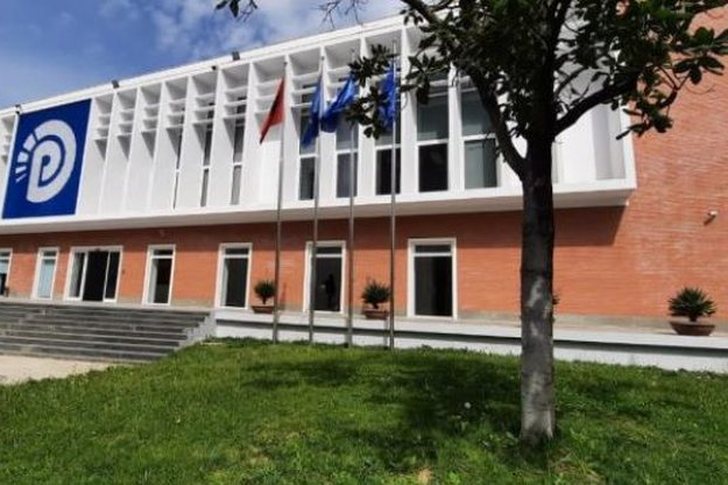
On Tuesday, March 5, the National Council of the Democ...
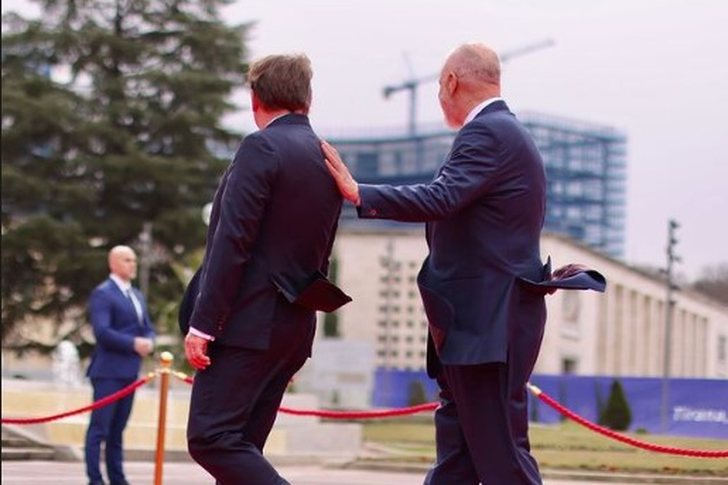
Prime Minister Edi Rama has released a photo with the EU C...
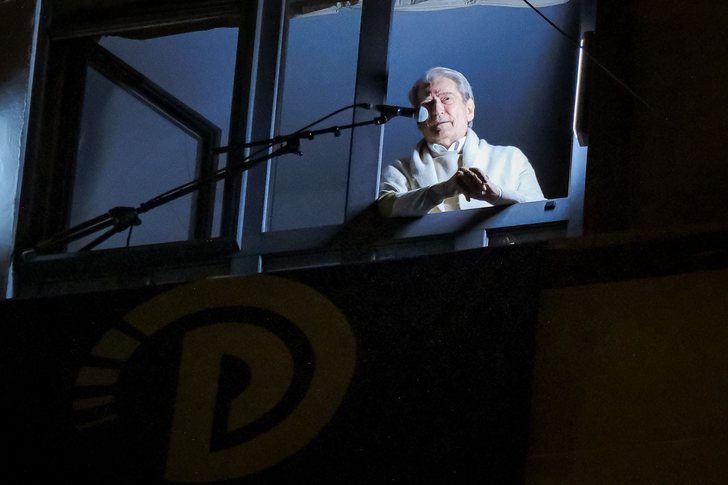
Ish-kryeministri Sali Berisha foli mbrëmjen e sotme për dy...
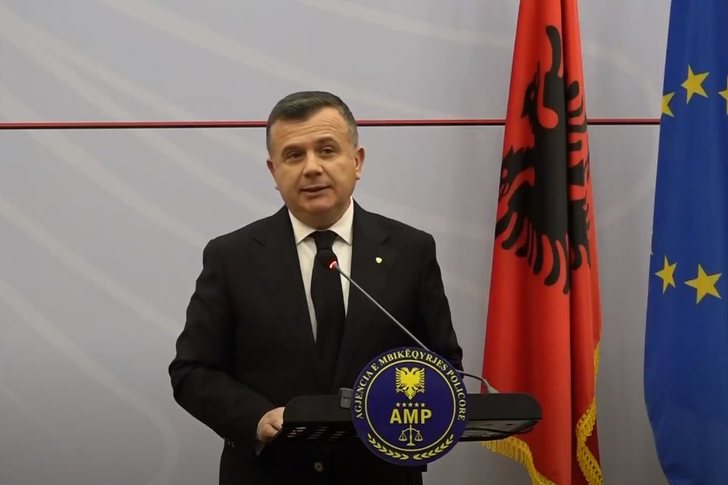
The blunders of politicians never end. One of these ha...
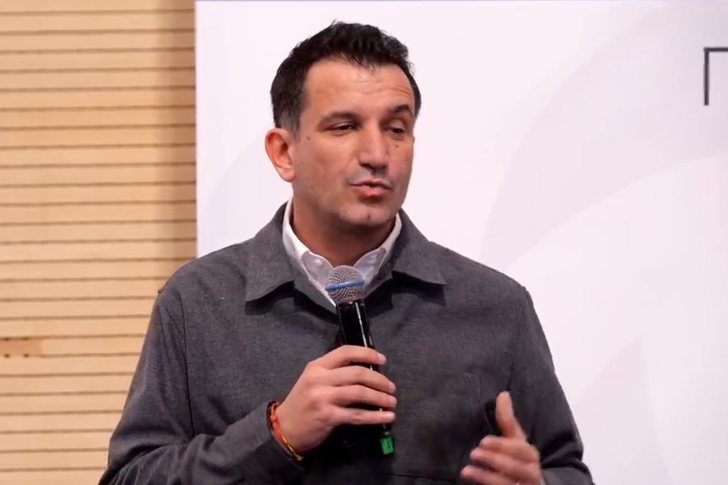
Although we are one year away from the parliamentary e...
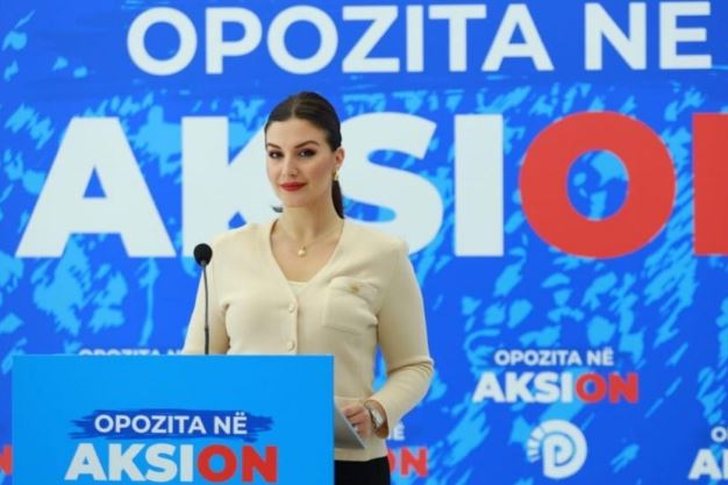
The spokesperson of the Democratic Party, Floriana Gar...

In the joint statement of the Growth and Convergence Confe...

The President of Serbia, Aleksandër Vučić, stated to t...
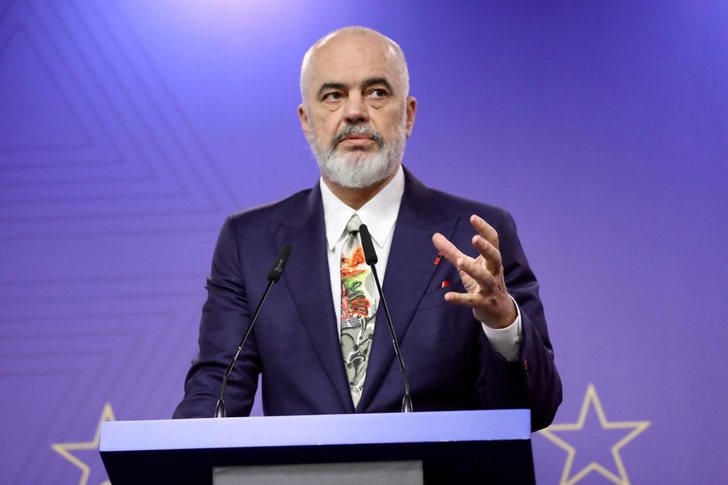
The member of the Presidency of the DP, Eno Bozdo, in ...

Six billion euros - this is the fund that the European Uni...
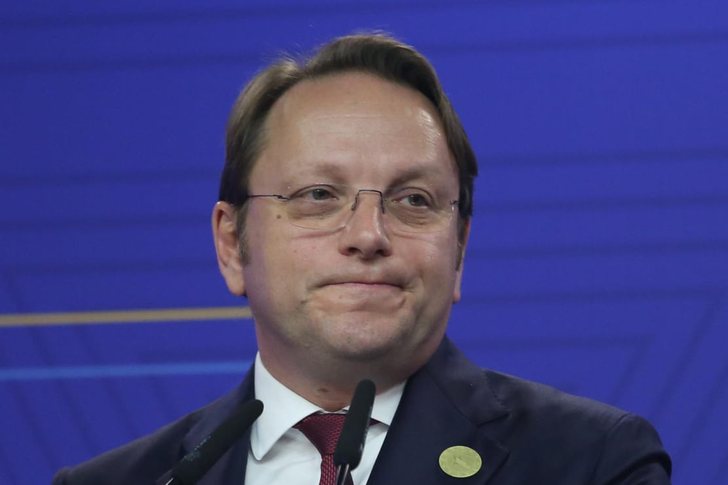
The EU Enlargement Commissioner, Oliver Varhelyi, during a...
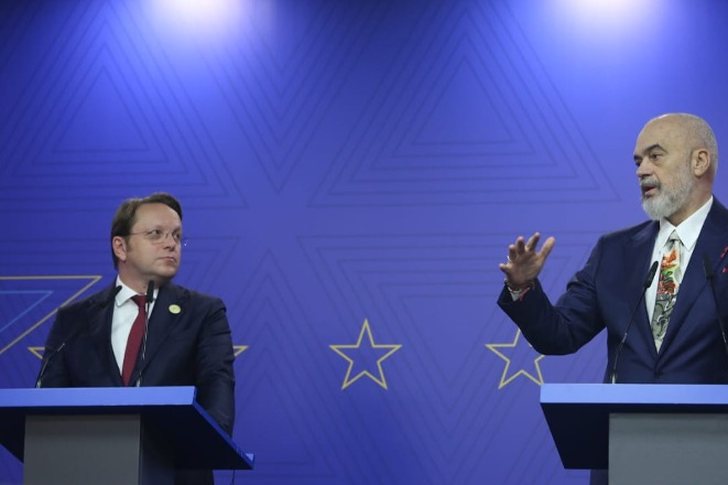
The EU Enlargement Commissioner, Oliver Varhelyi, gave det...
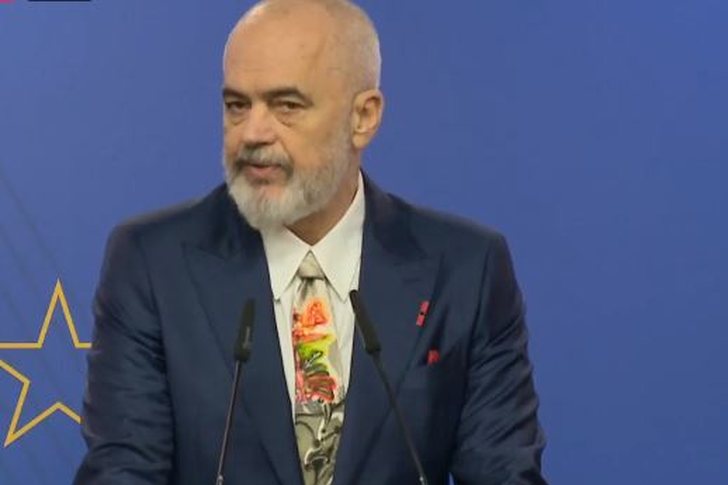
Kryeministri Edi Rama gjatë konferencës së përbashkët ...
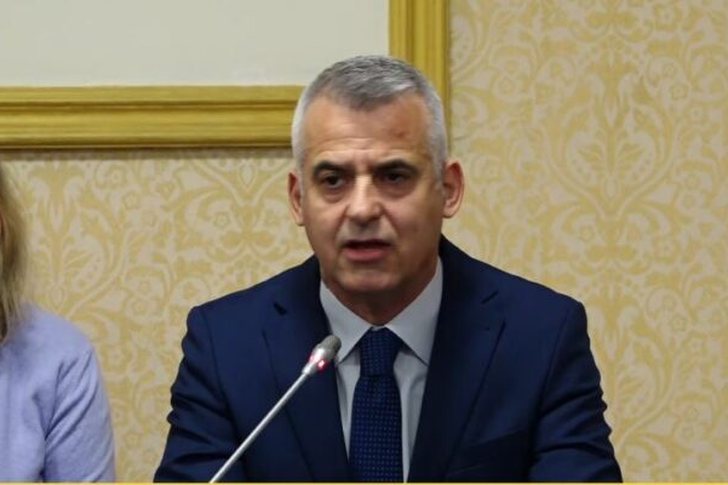
The head of PBDNJ Vangjel Dule, in a statement to the ...
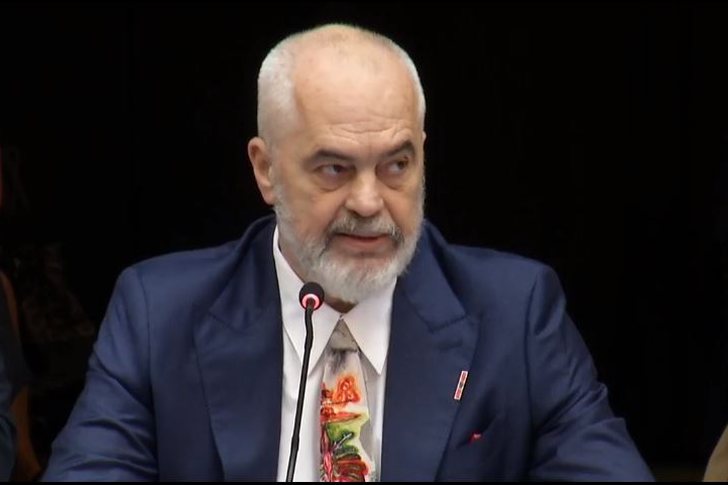
Since 10:00, the EU-Western Balkans summit is taking p...

Today in the Palace of Congresses, the EU-Western Balkans ...

CNA has launched another investigation that could lead to ...

Irfan Hysenbelliu is a businessman that we call "Irfan the...

In March 2026, CNA launched another investigation centered...
The arrested mayor of Tirana, Erion Veliaj, with 13 charge...

The Special Board of Appeal (KPA) decided this Monday ...

The KPA vetting decided this Thursday to dismiss the p...

Suela Salavaçi, a prosecutor in the Prosecutor's Offic...

The Special Board of Appeal reinstated the prosecutor ...
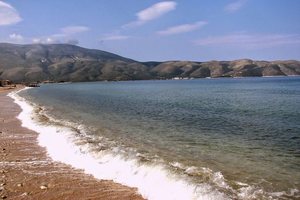
A person has died today on Orikum beach. According to repo...

Footage emerges from the serious accident that occurred th...

A Shkodra traffic police officer was hit with hard objects...
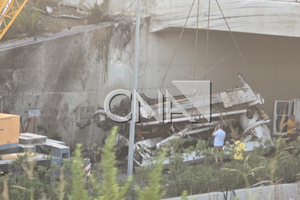
This Wednesday, around 4:00 PM, a serious accident occurre...

Children without parental care, for whom alternative famil...

On Thursday, our country will be under the influence of st...

A serious accident that occurred this Wednesday with the c...

The Institute of Geosciences has shared a forecast for wea...

Artificial intelligence (AI) models from the American comp...
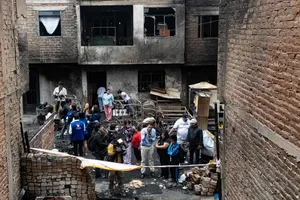
At least 10 people have died after a fire broke out in a h...

Yemen's Houthis have claimed to have attacked two Saudi oi...
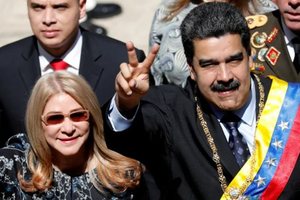
The trial of ousted Venezuelan President Nicolas Maduro on...

At a time when industrial products are increasingly taking...

Trust among people is not just a three-syllable word. It c...

Master of humor Todi Llupi has passed away at the age of 7...

The ninth edition of "MIK Festival" kicked off with one of...
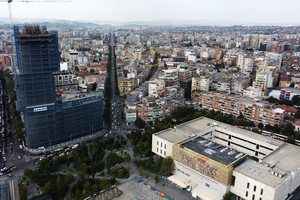
The average sale price of apartments in Tirana reaches rec...

This Thursday, one US dollar is bought for 81.5 lek and so...

The price of diesel reached 206 lek per liter from 198 lek...

Businesses will no longer be required to simply register t...