


Irfan the fraudster does not pay journalists' salaries
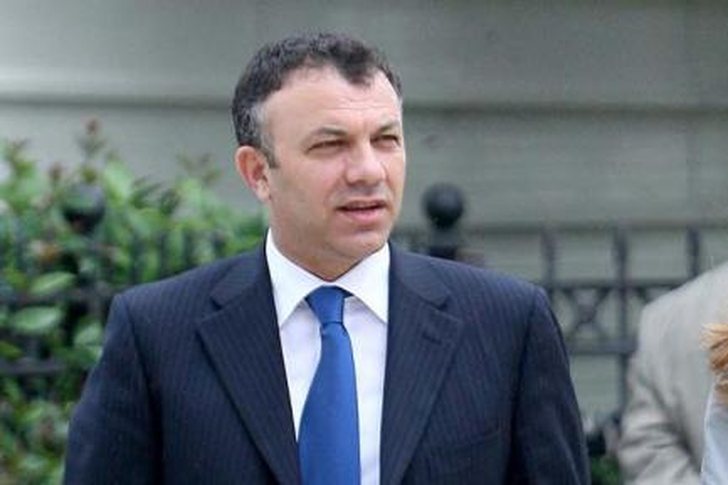
Irfan Hysenbelliu claims to be a big businessman, an hones...

Irfan Hysenbelliu claims to be a big businessman, an hones...

The OSCE/ODIHR mission in Albania has published a report on the local elections of May 14, when only two weeks have passed since the electoral campaign.
The report states that the campaign was not sensational and with moderate tones, but it is emphasized that the political environment continues to be characterized by deep polarization between the leaders of the major parties.
Foreign observers mention two cases of violence, where in one case the life of a party member was endangered, taking into account the explosive placed in the car of the leader of the DP in Vaun e Deja, Benard Ndreca.
OSCE-ODIHR declares that the major parties are oriented more towards the candidates' profiles than their specific political platforms and have left municipal councils in the background.
Also, the OSCE-ODIHR report raises concerns about the media.
Summary report:
• In the local elections of May 14, the voters will choose the mayors and councilors among the 61 municipalities of Albania. The political environment continues to be characterized by deep polarization between the leaders of the major parties.
• The Constitution and the Electoral Code were last amended in 2020, and new legal provisions, inter alia, related to electoral administration, campaign financing and safeguards against the abuse of public resources, will be implemented for the first time in local elections. These provisions addressed a number of previous ODIHR recommendations, but many priority recommendations remain to be implemented.
• After the 2020 changes, the Central Election Commission (CEC) consists of three separate governing bodies: the State Election Commissioner (Commissioner) and Deputy Commissioner, the Regulatory Commission, and the Complaints and Sanctions Commission (KAS). Election preparations are taking place with a broad and highly visible voter education campaign, including the languages ??of national minorities. So far, the election administration has respected most of the legal deadlines. Most of the interlocutors of the Election Observation Mission (EOM) noticed increased transparency and openness in the decision-making of the CEC. In three municipalities, the CEC will develop a pilot project of electronic voting.
• About 3.65 million voters were registered for these elections. Voters can verify their records and request corrections, including online, during the public review period. Identification of voters on election day is carried out using electronic identification devices. Some interlocutors of the Ministry of Internal Affairs of ODIHR have stated that the recent change of voting centers may disorient voters on election day.
• A total of 40 parties and coalitions with 144 candidates for mayors and about 23,700 candidates for councilors compete in these elections. All council lists meet the criteria for gender defined in the Electoral Code.
• The 30-day campaign period began on April 14 and is particularly visible in Tirana. So far, the campaign has not been sensational, and has generally had a moderate tone. The MVZ in ODIHR is aware of two cases of violence, in one of which the life of a party member was endangered. Recent amendments introduced additional safeguards against the abuse of state resources. However, many interlocutors of ODIHR's MVZ raised concerns regarding recent initiatives undertaken by the government, such as the pensioners' bonus and the Prime Minister's promises regarding the salaries of public sector employees. The commissioner publicly stated that according to his interpretation, the relevant legal provisions apply only to parliamentary elections.
• 13 out of 17 government ministers and 50 out of 140 members of parliament (35 percent) are women. The Electoral Code provides for a gender quota of 50 percent for the lists of municipal councils, with clearly defined criteria. There are only 15 women among the 144 candidates for mayor. Three of the 12 members of the CEC, including the Deputy Commissioner, are women, as are 29 percent of the mid-level members of the election commission.
• Contestants can finance their campaign with public and private funds. The law provides for limits on campaign donations and spending. Contestants are not required to publicly declare before Election Day the source and amount of funds raised but must submit financial reports after Election Day. The Electoral Code provides a detailed list of sanctions for campaign financial violations. Contestants were clarified about campaign spending limits only a week before the campaign began, when the CEC decided to allocate additional public funds to the campaign, which is used to calculate the spending limit.
• The media environment is diverse, with multiple operators operating in a limited advertising market. Some interlocutors of the ODIHR MVZ raised concerns that the concentration and control of the media by the combination of business interests and political interests create obstacles for editorial independence and make journalists vulnerable to pressure and self-censorship. Defamation remains a criminal offense and is punishable by heavy fines. By law, broadcast media must present unbiased and balanced coverage of the campaign, and measures have been put in place for the transparency of election advertising and reporting on
media monitoring. The law provides for free time on the public broadcaster and paid time on private broadcast media. The Audiovisual Media Authority is tasked with monitoring broadcasters for fulfilling the legal criteria for campaign coverage.
• Complaints may be filed by contestants whose legal interests are affected. Voters can file appeals regarding their inclusion in the list of voters and observers
can only appeal the rejection of their accreditation. The administrative appeal procedure is detailed and includes guarantees of due process. As of April 22, 23 complaints have been submitted to KAS, most of them related to the registration of candidates. KAS also reviewed 20 requests of the Commissioner for imposing sanctions for abuse of public resources and accepted 10 of them. The Electoral College has so far judged 11 appeals.
• The Electoral Code provides for citizen and international observation of all phases of the electoral process. Representatives of parties, coalitions and independent candidates can also observe. Until April 22, the CEC has registered about 180 local observers and 131 international observers./ CNA.al

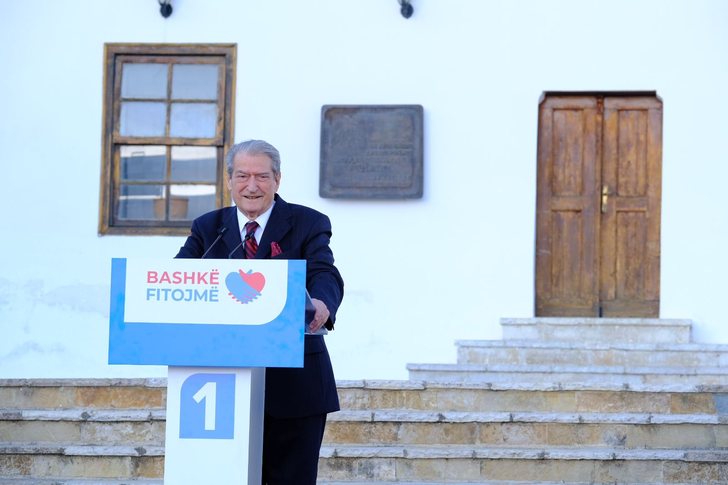
The chairman of the Democratic Party, Sali Berisha, ha...

During a meeting with the residents of Unit 9 in Tiran...
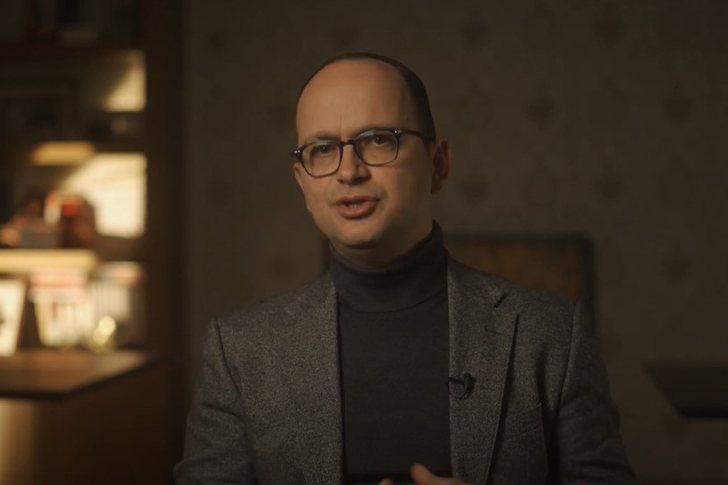
The next podcast "Public Square" by Ditmir Bushati, de...
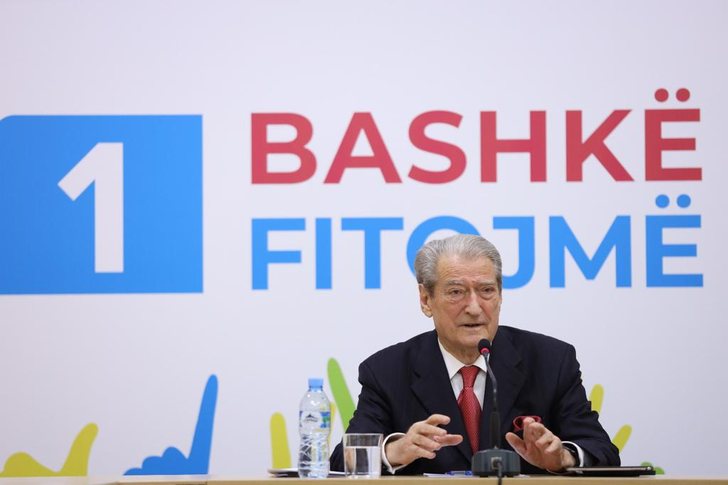
The chairman of the "Together We Win" coalition, Sali ...

Berti Qerosi's candidate, Endrit Braimllari, appeared ...

Roland Bejko, the Alibeaj PD candidate for Tirana Muni...

The leader of the Together We Win coalition, Sali Beri...
The candidate of the "Together We Win" coalition for t...
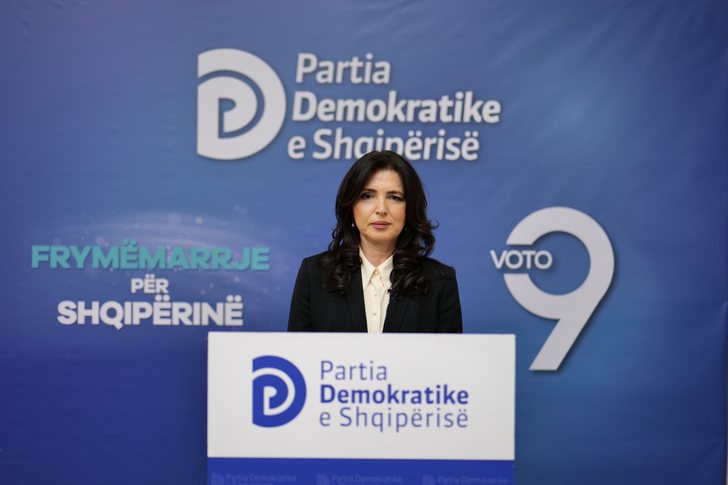
Kandidatja e vulës së PD-së, Mirela Karabina, në një d...
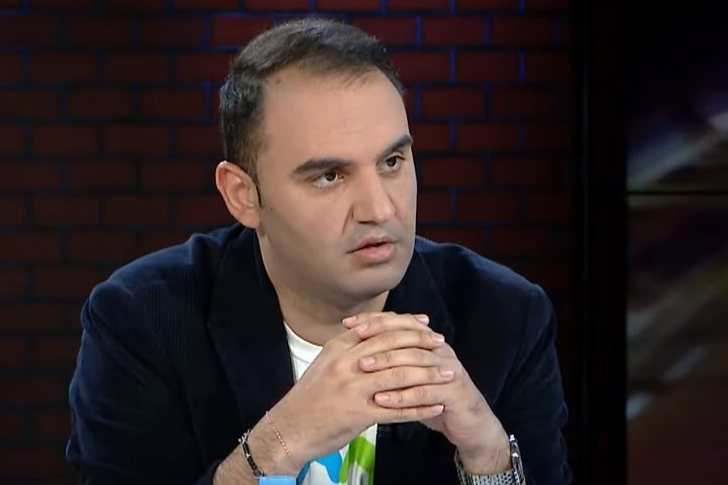
The candidate of the "Together We Win" coalition for t...
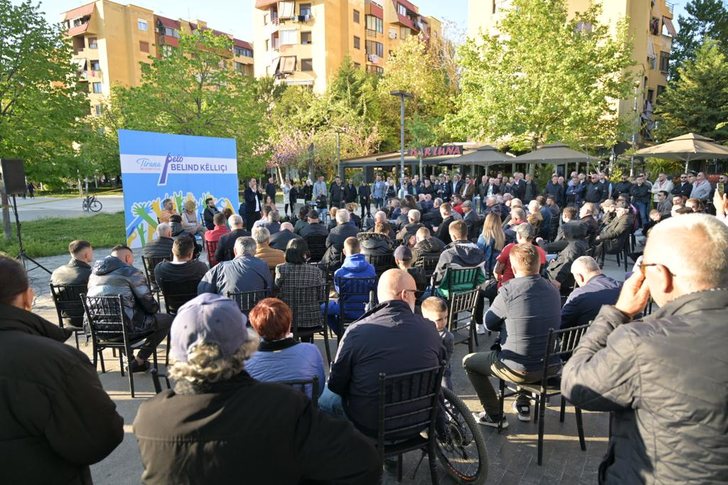
“Luftë me tolerancë zero dhe realizim të 5 prioritetev...
The MP of the Freedom Party, Monika Kryemadhi, stated ...

The SP candidate, Erion Veliaj, who is seeking a third ter...
The candidate of the opposition for the municipality o...
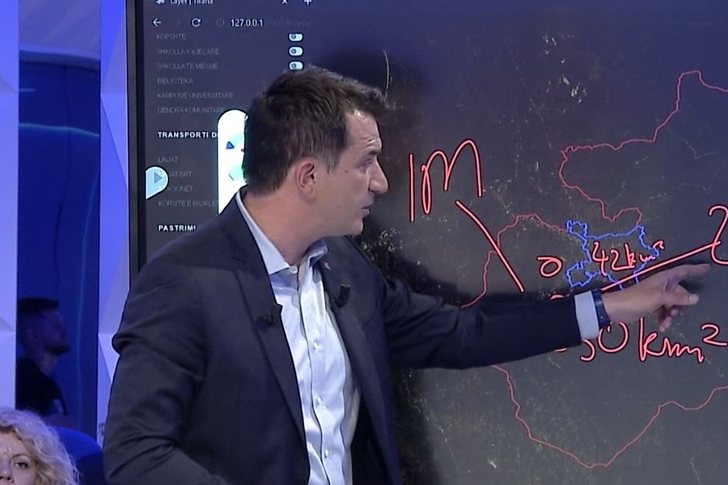
The candidate of SP for the municipality of Tirana, Er...
Free transport is one of the projects of the oppositio...
The chairman of the "Bashke Fitomjem" coalition,...
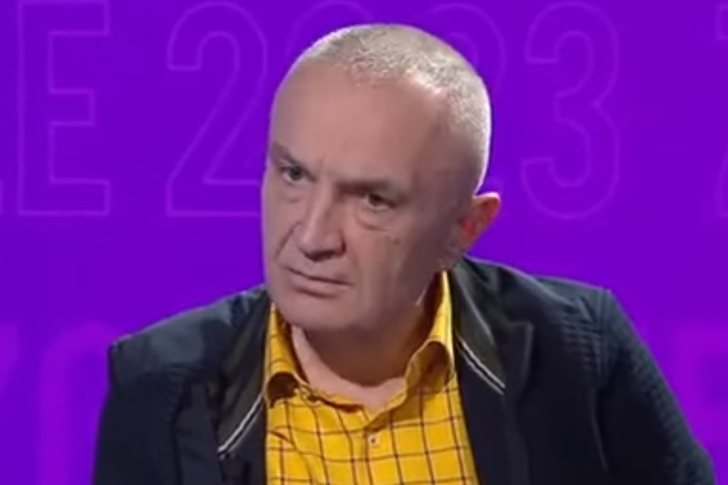
"The vote for my name will come very soon." This ...

The candidate of the "Together We Win" coalition, B...
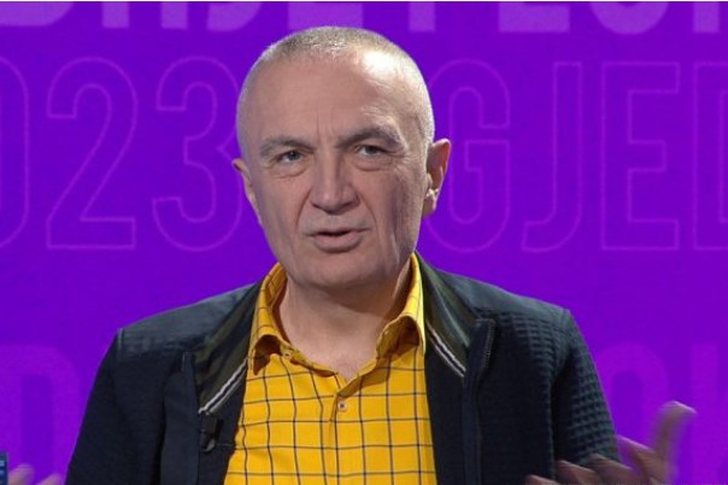
The head of the Freedom Party, Ilir Meta, spoke this e...

Irfan Hysenbelliu claims to be a big businessman, an hones...

The murder of officer Enea Mekolli in the line of duty has...

The next case broadcast on the show "Stop", this Thursday,...
The case published this Thursday, June 4, on the show "Sto...

The Special Board of Appeal (KPA) decided this Monday ...

The KPA vetting decided this Thursday to dismiss the p...

Suela Salavaçi, a prosecutor in the Prosecutor's Offic...

The Special Board of Appeal reinstated the prosecutor ...

A 38-year-old man was arrested today near the Kamza turnof...

A money changer in Durrës lost 60 thousand euros after bei...
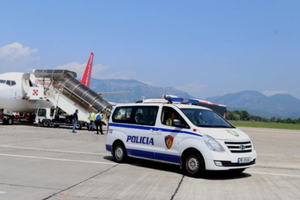
The 6 citizens captured in Dubai, members of criminal grou...

A serious accident occurred on the Kardhiq-Delvinë axis, i...

Today our country will be affected by stable weather condi...

For many children and teenagers, the long summer holidays ...

Albania is facing an unprecedented demographic transition,...

On Thursday, our country will be affected by unstable weat...
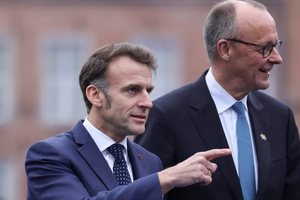
On the eve of the EU-Western Balkans summit, Germany and F...
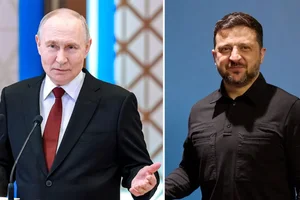
Russian President Vladimir Putin said the war in Ukraine c...
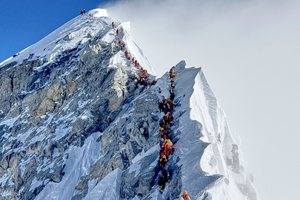
An extraordinary story of survival has been recorded in Ne...
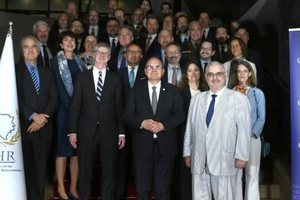
The Peace Implementation Council in Bosnia and Herzegovina...
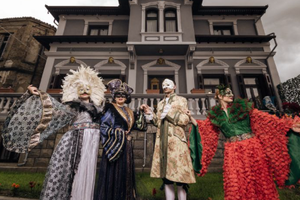
Korça is ready to open the summer season with one of the c...
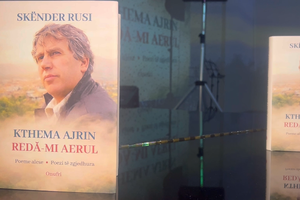
Two years after his passing, the renowned Korçë poet Skënd...
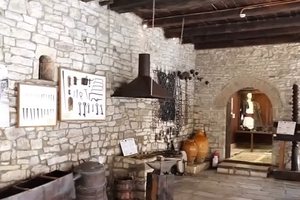
The Ethnographic Museum of Berat has opened its doors to v...
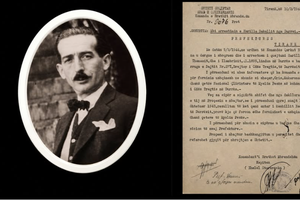
The story of Harilla Bakalli is one of the most chilling t...

Despite years of efforts at regional cooperation and free ...

Albania is the country with the highest level of severe ma...

This Friday, one US dollar is bought for 81.3 lek and sold...
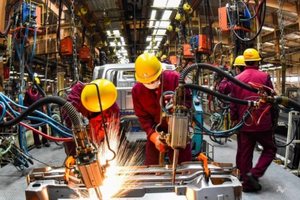
The government aims to transform the country's industrial ...