


From the village to Boston
I accidentally saw Alex, my high school friend, on Faceboo...


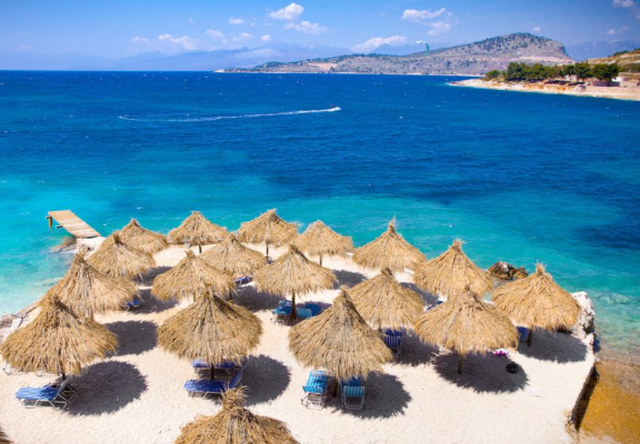
An article published in the Spanish magazine "El Nuevo Herald" by journalist Enrique Cordoba shares a road trip through Albania, which, as noted, is emerging for foreign visitors as an unknown gem of Europe.
Tirana: The lively capital
Tirana is a vibrant capital, full of color and life, where Skanderbeg Square and the Blloku neighborhood show the contrast between the past and the present: from mosques and cathedrals returning to the city, to modern bars, bookstores, and cafes where youth discuss Europe and the future.
At first glance, Tirana appears to be a new capital, full of life and bright colors, with seemingly limitless traffic. A few steps further, it becomes clear that behind this dynamism lies a heavy history that still breathes. In the New Bazaar, the renovated old market, the fruits shine like a manifesto: red pomegranates, purple figs, clusters of olives. In a corner, a group of men play backgammon amidst cigarette smoke and deep laughter.
One of them greeted me in fluent Spanish: he had learned it while working in Valencia.
“Brother, there is always room for tourists here,” he said, pulling up a chair. His name was Leka and he spoke calmly. When he mentioned the Enver Hoxha years, the conversation changed tone: it wasn’t history, it was a fond memory.
That “silence” is not a metaphor. Albania lived under one of the most closed regimes in Europe: Stalinist communism that turned fear into a system. The bunkers remained a symbol: tens of thousands scattered along beaches, mountains and roads, small concrete domes that even today appear on the landscape like wounds.
But today's Tirana looks ahead. Vast and almost scenic, Skanderbeg Square functions as the urban heart: families, musicians, students.
The National Museum displays the large mosaic on the facade like a postcard from the past; a few meters away, mosques and cathedrals return to their place, in a society where faiths naturally coexist.
The former Bloc area shows the transition: where the party elite once lived and access was limited, today bars, bookstores, and cafes have been built, and young people discuss Europe, remote work, and the future.
The contrast is a tourist attraction: walking through the former Bloc is to see a city that transforms an invisible wall into public life.
Tirana is an excellent starting point to taste Albanian products: pie (with cheese or spinach), white cheese salad, grilled lamb and coffee remain traditional. If someone offers you raki, remember: it is not just a joy, it is a warm welcome.
Kruja: The city of identity
Kruja, qyteti i identitetit shqiptar, ngjitet mbi luginën e Adriatikut, ku kështjella dhe Pazari i Vjetër tregojnë historinë dhe artizanatin e vendit. Një pjatë qingji, djathë, bukë e ngrohtë dhe mjaltë, përçojnë më shumë se çdo histori muzeale.
Rreth 40 minuta nga Tirana, ndodhet qyteti i Krujës, historia e të cilit lidhet me Heroin e madh Kombëtar, Gjergj Kastrioti Skënderbeu, udhëheqësi i cili i rezistoi osmanëve në shekullin XV.
Kalaja e Krujës dominon luginën si foltore shqiponjeje. Nga lart, mund të shihni Adriatikun… edhe gjate ditëve të kthjellta. Tirana duket larg. Në muzeun e dedikuar Heroit Kombëtar, Skënderbeut, epika bëhet objekt: harta, armë, simbole.
Pazari i Vjetër shfaq jetën e përditshme: artizanë që gdhendin shqiponja dykrenare në dru, që shesin qilima, qëndisma e thika. Në Krujë, gjithashtu mund të shijoni një vakt me mish qingji, djathë, bukë të ngrohtë dhe mjaltë.
Nga mali në det: Durrësi
Durrësi, porta e Adriatikut, ku shfaqet e kaluara romake dhe veneciane, ndërsa plazhet dhe bulevardi bregdetar ofrojnë kombinimin perfekt të relaksit e historisë.
Durrësi është 30 minuta larg nga Tirana dhe funksionon si porti kryesor i vendit. Era e kripës përzihet me naftën e trageteve që nisen për Itali; vinçat lëvizin ngadalë; qyteti tingëllon si derë e hapur. Nën pamjen e një bregdeti modern, Durrësi ruan një të kaluar shumë të lashtë: i njohur dikur si Durraco dhe pikënisje e Via Egnatias, rruga lidhte Adriatikun me Bizantin e lashtë.
Amfiteatri romak, i zbuluar në vitet ’60, shfaqet në mes të qytetit me shkallë, harqe, bar ku dikur uleshin 20 mijë spektatorë. Në bulevardin bregdetar, familjet ecin e restorantet ekspozojnë peshkun e pjekur, ndërsa deti kujton se këtu kanë kaluar grekët, romakët, venedikasit, osmanët dhe emigrantët modernë.
Berati dhe Gjirokastra
Berati, qyteti i një mbi një dritareve dhe Gjirokastra, trashëgimi të UNESCO-s me shtëpi osmane e rrugë të pjerrëta, tregojnë harmoninë mes kulturës, historisë e jetës së përditshme. Rruga përmes kodrave me ullinj duket si e pikturuar me durim.
Berati, një Trashëgimi Botërore, kuptohet me një shikim të vetëm: shtëpi të bardha të grumbulluara në shpat, dhjetëra dritare që vëzhgojnë luginën. Lumi i Osumit ndan lagjet me histori muslimane e kristiane, por e tashmja i përzien ato me një bashkëjetesë të qetë.
Rrugës për në Kalanë e Beratit do të shihni kishat, mbetjet bizantine dhe rrugët me kalldrëm. Zgjidhni një nga lokalet me tarracë dhe shijoni ushqimet tradicionale si mish qingji, speca të pjekur, kos i trashë, verë lokale.
Më në jug, ndodhet Gjirokastra, një tjetër qytet në UNESCO që duket i gdhendur në shkëmb. Shtëpitë osmane dhe rrugët e pjerrëta krijojnë një atmosferë magjepsëse.
Këtu lindi Ismail Kadare, shkrimtari i madh shqiptar dhe gjithashtu Enver Hoxha: dy biografi të kundërta nga e njëjta tokë. Vizita në Shtëpinë e Kadaresë jep një kontekst intim: si shkruhet në një vend që mësoi të heshtë.
Cold War tunnels, built for an attack that never happened, complete the portrait of an era where fear was built in concrete.
The Ionian Sea, where the "scene" changes
Saranda and Ksamil offer azure seas, small islands and theatrical sunsets, turning Albania into a pure Mediterranean destination. The archaeological park of Butrint, also included in UNESCO, offers a journey through civilizations, in a magically preserved landscape.
The road to Saranda and Ksamil offers postcard-perfect scenery, with crystal clear waters and a sparkling coastline. Saranda is vibrant with new hotels, cafes, terraces and growing tourism.
With nearby islands and the "theatrical light" of the sunset, Ksamil is where Albania becomes the "main Mediterranean destination": swimming, relaxing, fresh fish, cold white wine.
Natural park: Butrint
An Archaeological Park and a World Heritage Site, in Butrint you will discover a Hellenistic theater, Roman layers, Byzantine basilicas, Venetian castles. Butrint is not just a park of ruins: it offers a journey through civilizations in a landscape of lagoon and forest, where silence seems carefully preserved.
Albania is a place where history remains there, visible but not paralyzing. Prices are more reasonable than neighboring countries, nature is still wild, and the direct hospitality makes the visit unforgettable.
This place invites visitors to dream and discover a story that has just awakened.

I accidentally saw Alex, my high school friend, on Faceboo...
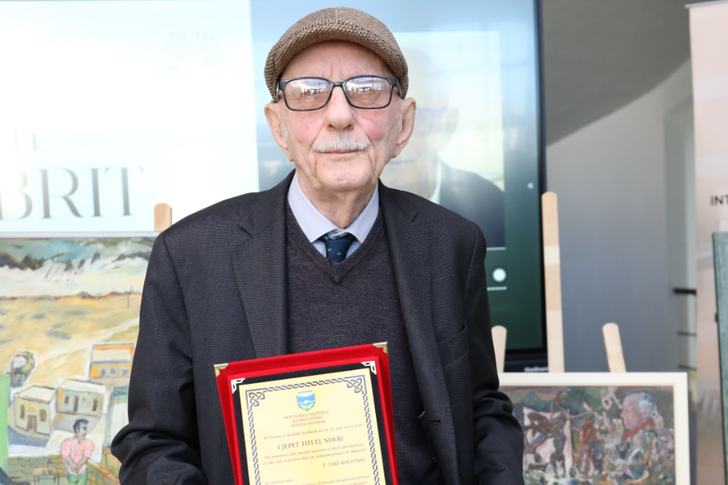
This Wednesday, writer and former political prisoner Lekë ...
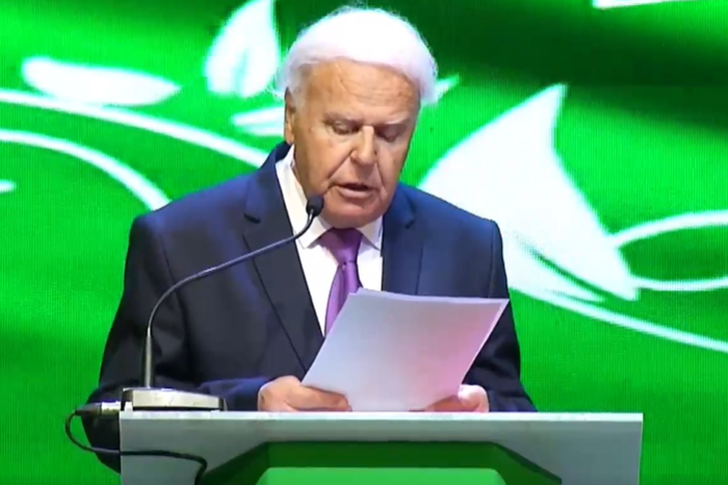
Ferdinand Samarxhi, the well-known journalist of all relig...
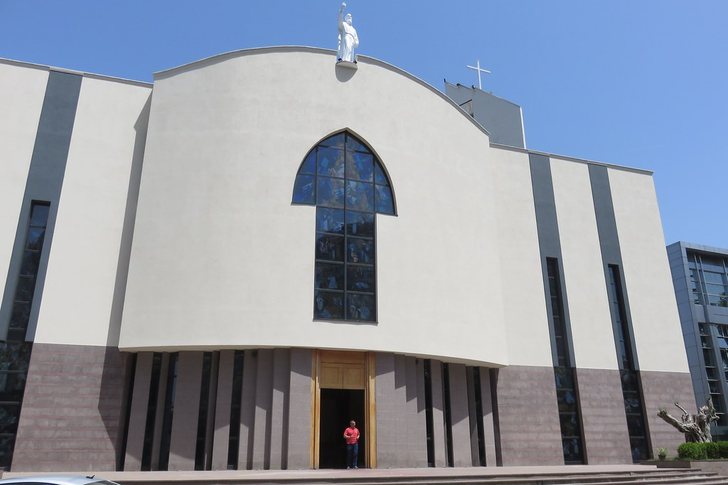
Ash Wednesday marks the beginning of the 40 days of Lent f...
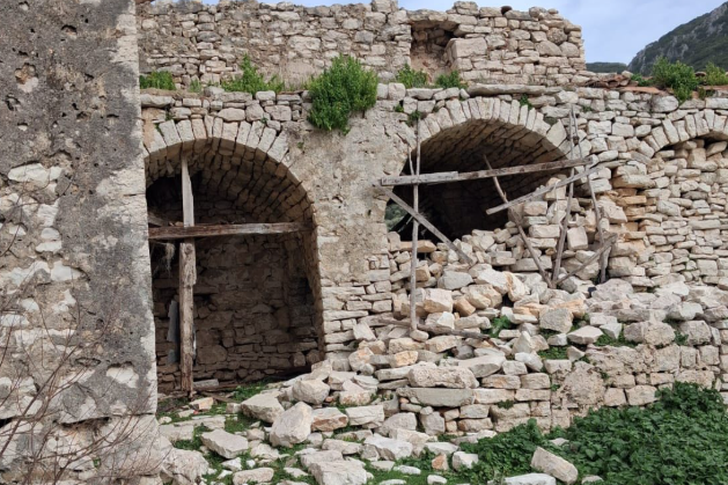
At the Ali Pasha Towers in the village of Qeparo, some mai...
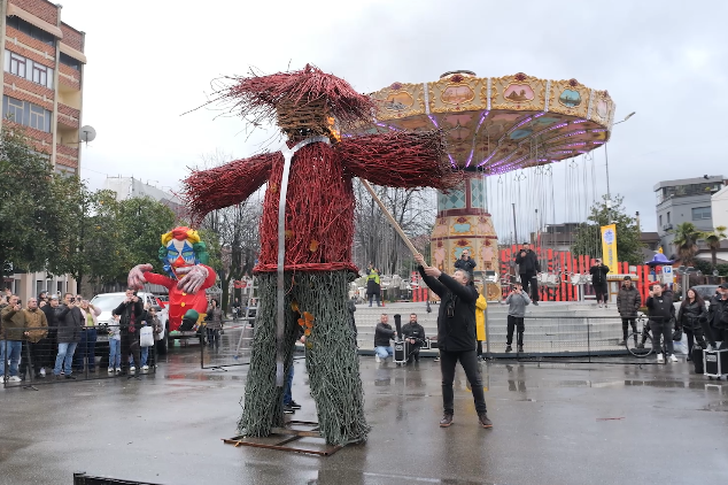
With the burning of the scarecrow, Shkodra brought the 'Ca...
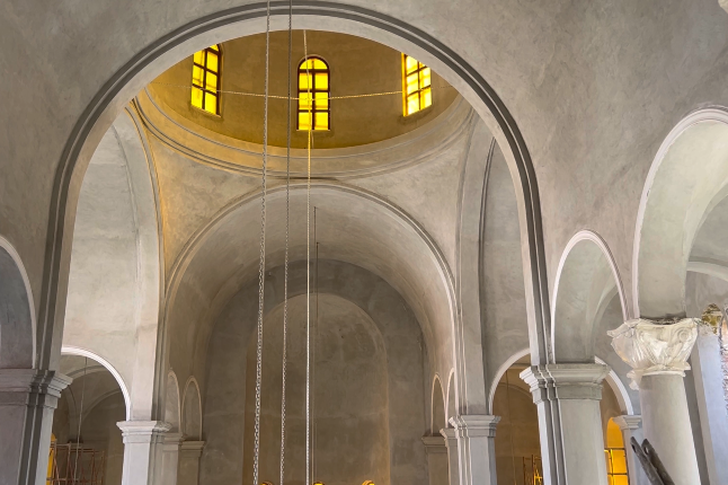
In the heart of Korça, where history and faith have intert...
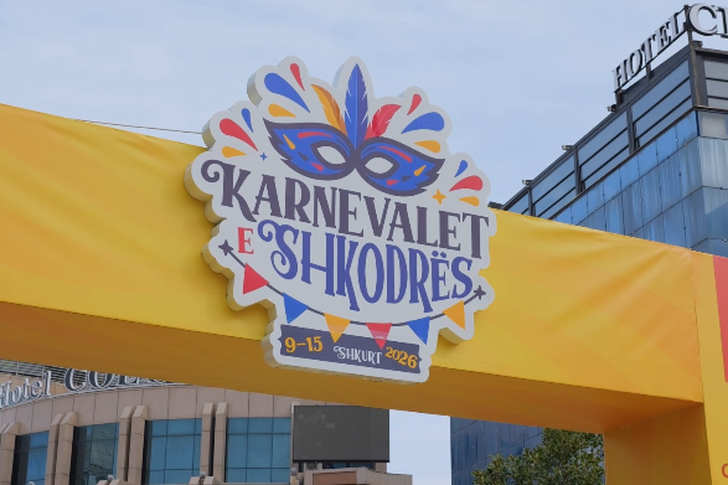
Shkodra is officially in the week of Carnival celebrations...
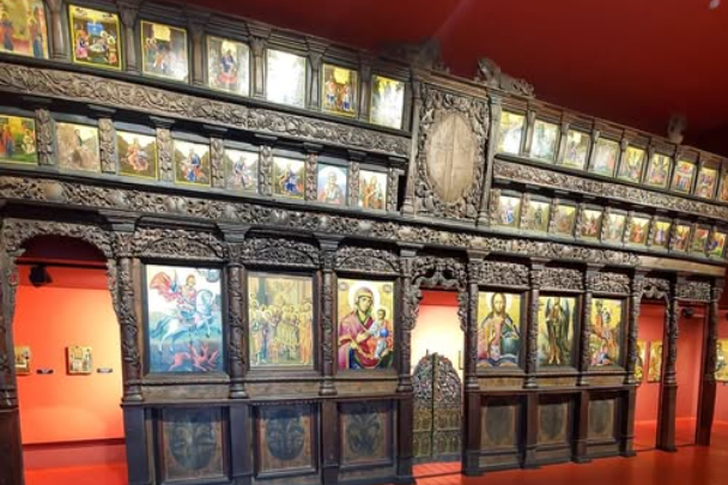
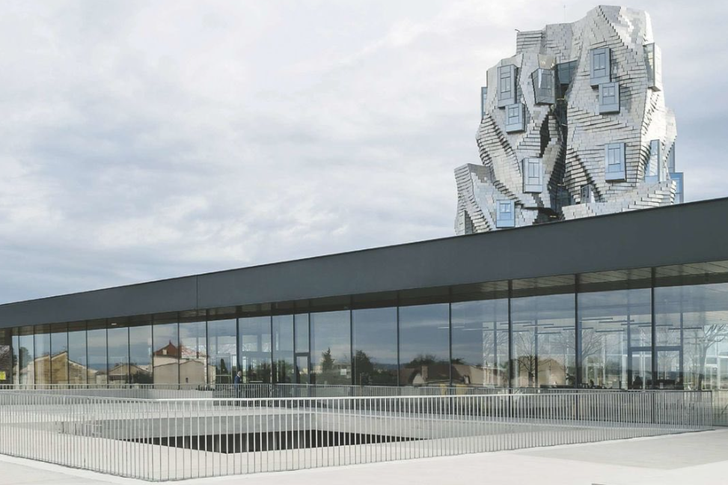
In Chambery, France, Albania and the country's culture wil...
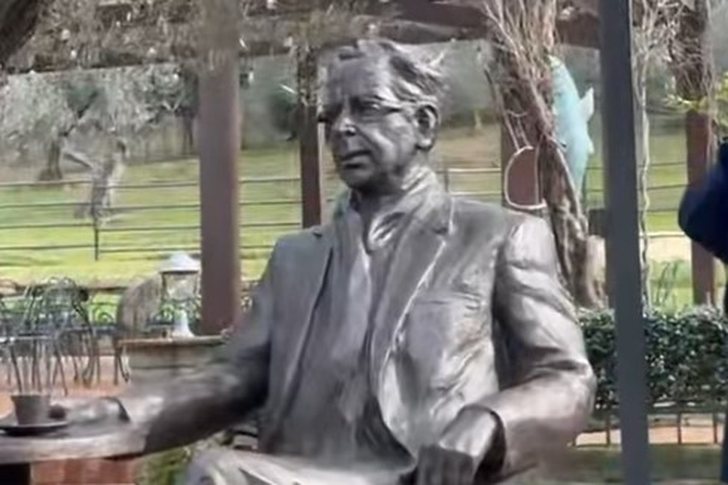
The Gjergj Fishta Memorial in Lezha is preparing to turn i...
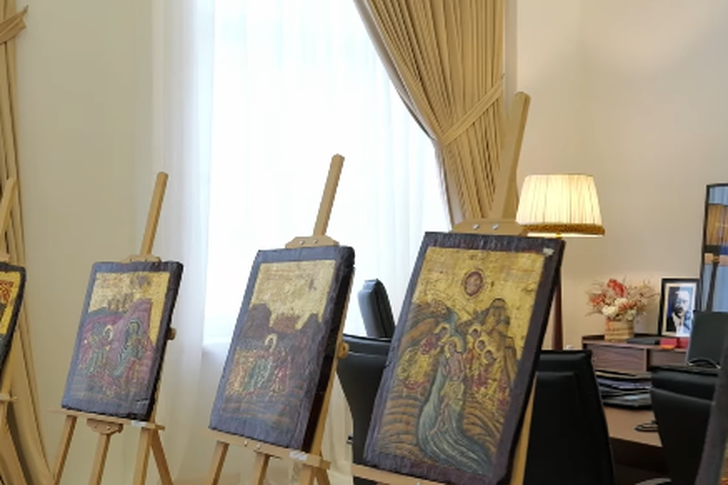
His Beatitude, Archbishop of Tirana, Durrës and All Albani...
The head of the National Emergency, Skënder Brataj, has un...
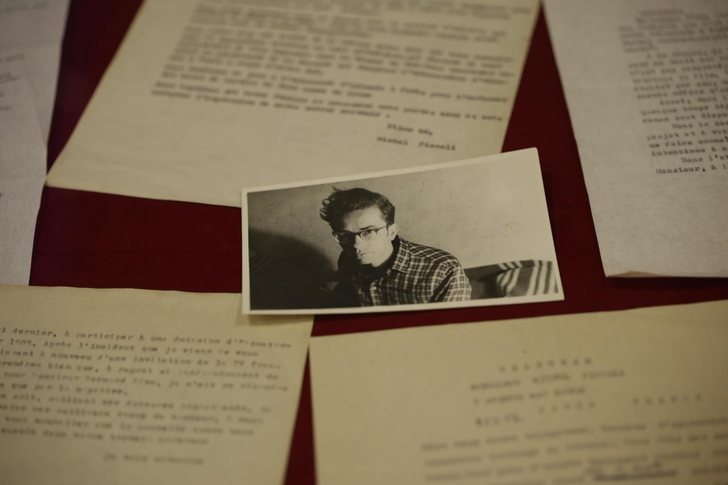
Today marks 90 years since the birth of the great Albanian...
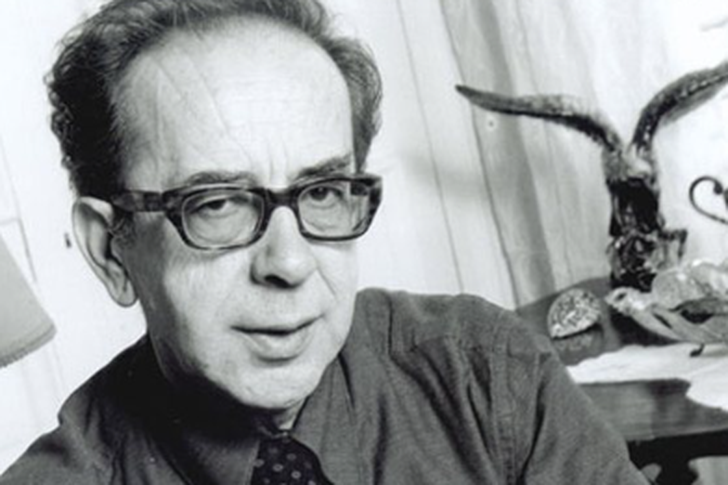
On January 28, 1936, the great writer Ismail Kadare, poet,...
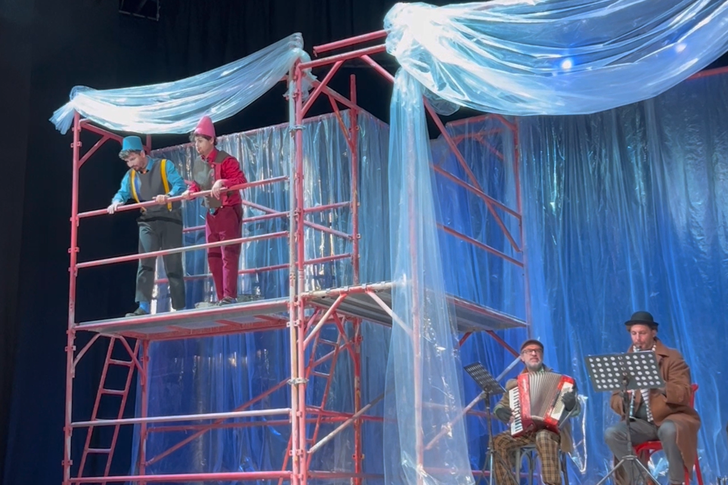
The theatrical play "24 Hours from the Life of a Voter" wa...
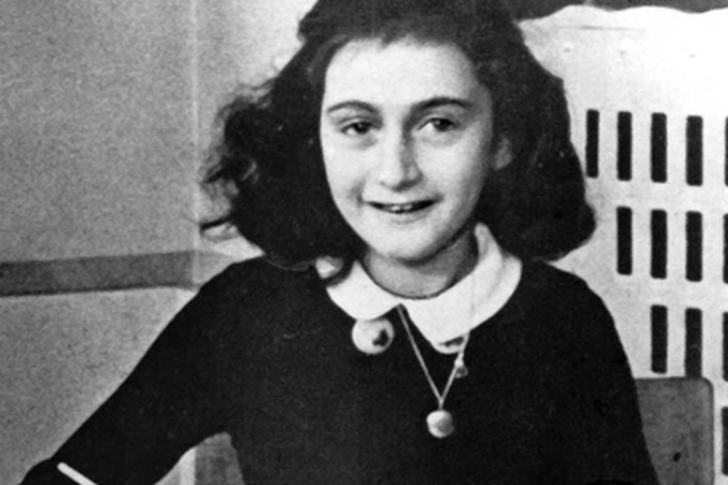
Anne Frank lindi më 12 qershor 1929 në Frankfurt am Main (...
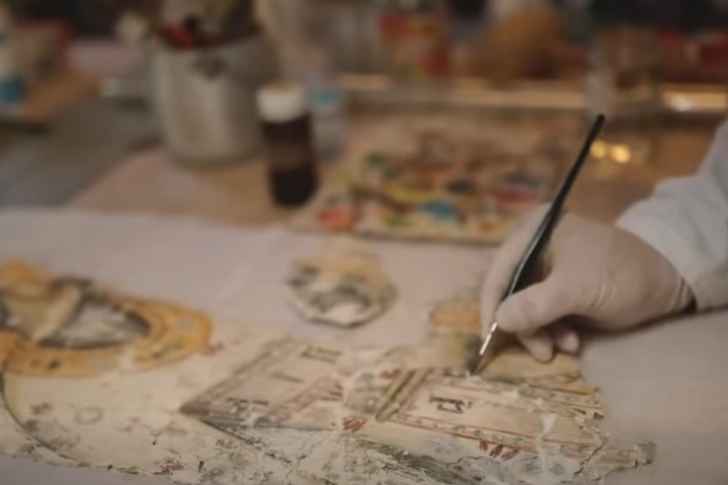
Specialized conservation and restoration interventions are...
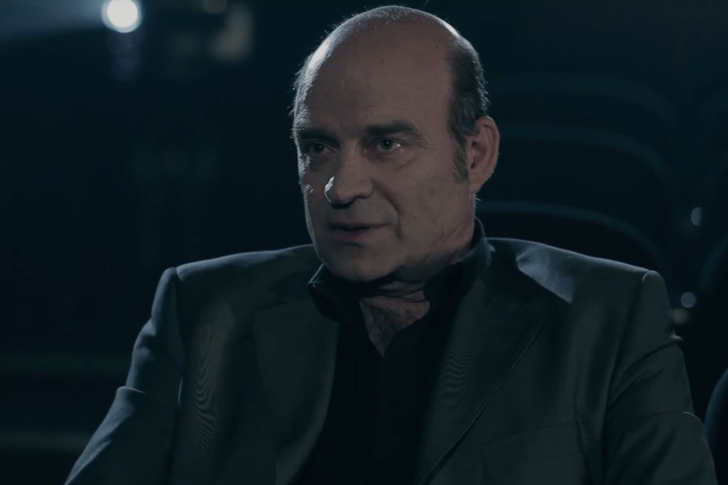
This Wednesday, the well-known actor Ndriçim Xhepa celebra...
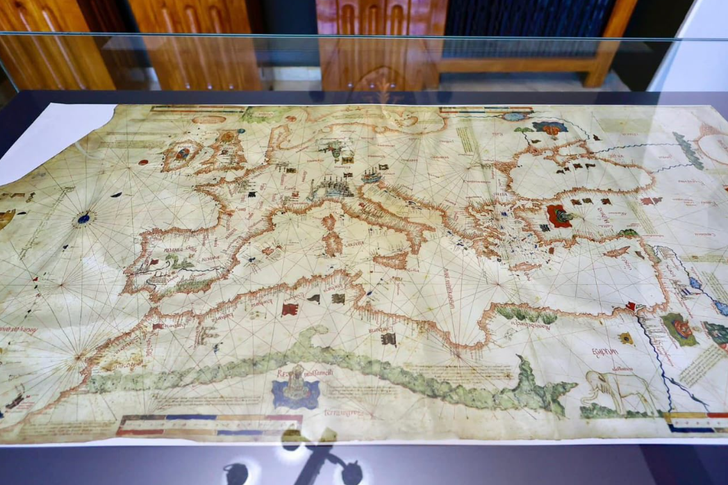
The "Gjergj Kastrioti Skanderbeg" National Museum in Kruja...
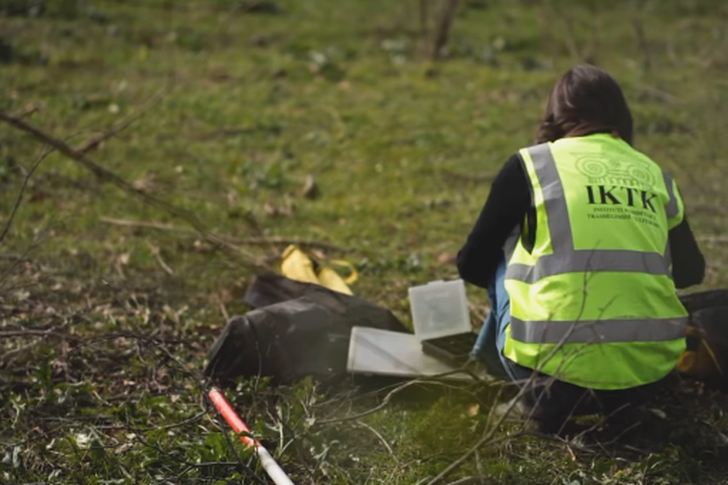
Kishës së Shën Sotirit, që ndodhet në fshatin Thanë, në Ba...

CNA has launched another investigation that could lead to ...

Irfan Hysenbelliu is a businessman that we call "Irfan the...

In March 2026, CNA launched another investigation centered...
The arrested mayor of Tirana, Erion Veliaj, with 13 charge...

The Special Board of Appeal (KPA) decided this Monday ...

The KPA vetting decided this Thursday to dismiss the p...

Suela Salavaçi, a prosecutor in the Prosecutor's Offic...

The Special Board of Appeal reinstated the prosecutor ...
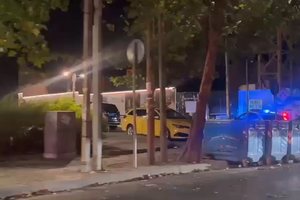
A road accident occurred this evening on Nikolla Zoraqi St...
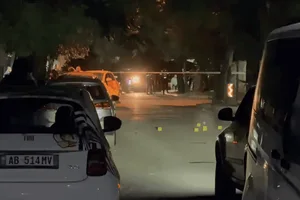
Three people were shot and wounded in Elbasan last night b...
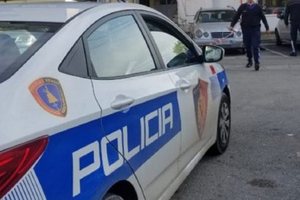
A serious incident occurred this Tuesday in the Yrshek are...
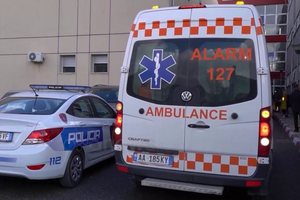
An accident occurred this Tuesday on "Dituria" street in K...
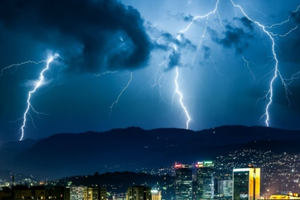
All of Southern Europe will face changing weather conditio...
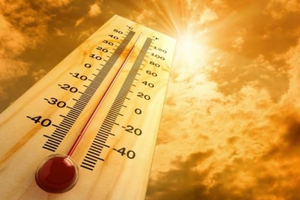
Albania was hit by temperatures significantly higher than ...
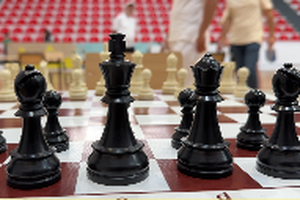
For the first time, Pogradec welcomed the Inter-Lake Chess...
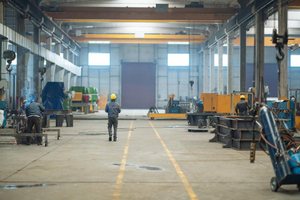
Albania has achieved a record for the employment of foreig...
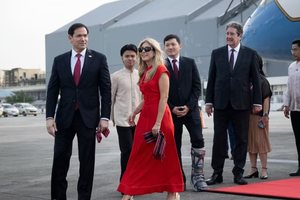
US Secretary of State Marco Rubio arrived in Manila on Jul...
In the space of a few days, Ukrainian President Volodymyr ...
The spokesman for the Iranian Foreign Ministry warned Bulg...
Autoritetet italiane sekuestruan pako me afër 800 kilogram...

At a time when industrial products are increasingly taking...

Trust among people is not just a three-syllable word. It c...

Master of humor Todi Llupi has passed away at the age of 7...

The ninth edition of "MIK Festival" kicked off with one of...
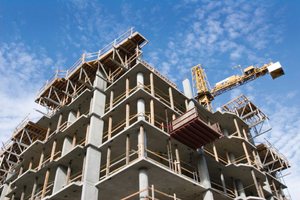
Construction company licenses will have a validity period ...
The Centralized Purchasing Operator recently opened a tend...
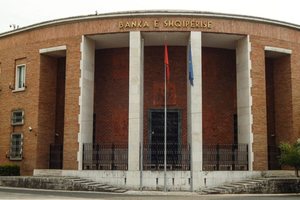
The new draft law "On the Bank of Albania" provides that t...
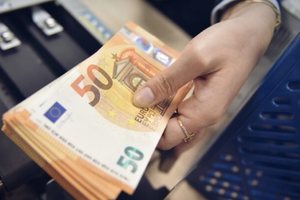
This Tuesday, one US dollar is bought for 81.2 lek and sol...