

Julian Assange will plead guilty and be released from prison
WikiLeaks founder Julian Assange is expected to plead ...


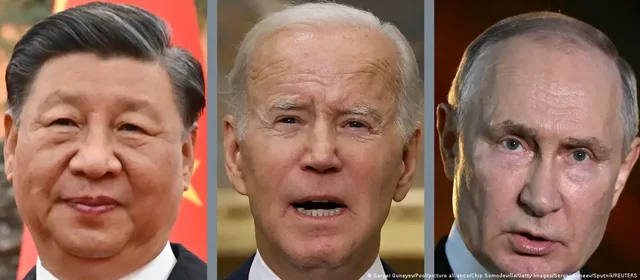
US President Joe Biden warned Israeli Prime Minister Benjamin Netanyahu in March 2024 of the dangers of a ground offensive in Rafah: "Because another 30,000 Palestinians cannot be killed," he declared in an interview with the American television station, "MSNBC". "The border should not be crossed."
In February 2023, the EU's foreign minister, Josep Borrell, threatened China that if Beijing sent weapons to Moscow for the war against Ukraine, then this would mean for the EU that the line had been crossed.
The same, Vladimir Putin called the possible membership of Ukraine in NATO, shortly before the start of the war. And for Chinese President Xi Jinping, the limit of publicly formulated tolerance is crossed if Taiwan formally declares independence.
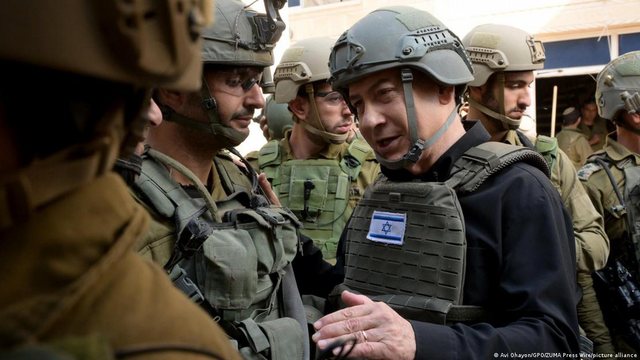
In the nuclear weapons dispute with Iran, Israeli Prime Minister Benjamin Netanyahu drew the line very figuratively, drawing a red line with a pen. In September 2012, he warned before the UN General Assembly that in a short time Tehran will finish building the atomic bomb, and pointed this out by means of a graph, in which he drew the line, which should not be crossed in any way .
In fact, the declaration that the border should not be crossed has increased recently in international politics. According to an analysis of the American website for data journalism, "Smart politics", before Barack Obama, only two other presidents have publicly announced this. Obama himself used this stylistic device 11 times. He is especially known the warning he gave to Syrian President Bashar al-Assad about the dangers of using chemical weapons in Syria's civil war.
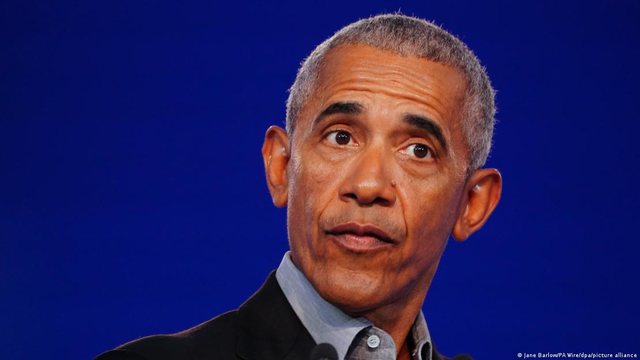
For the researcher of conflicts, Anne Holper, at the European University Viadrina in Frankfurt/Oder, the announcement that "the cup is full" is an expression of the ever greater displacement of geopolitical power relations. According to Holper, the hegemonic powers signal in this way that "For us the limit is set here, and must not be crossed so that our world order does not change."
The use of chemical weapons in Syria, the dropping of an atomic bomb in Tehran's hands or the Russian march into Ukraine have all been taboo violations that have fundamentally shaken this world order. "Whenever an order that is thought to be stable feels challenged, then it is declared that the cup is full, because the indignation has reached its peak," states the conflict researcher. "In such a situation the defiance is maximum and the need is felt to give the signal that the threat has caused the maximum effect, and considering this the other side does not dare to take other steps."
When the cup is declared full, it is often accompanied by serious consequences. It is often not clear what the consequences are. "The goal is to instill fear," says Anne Holper. "In fact, always." they will come if the line is crossed."
Even Joe Biden did not say what the reactions of the US would be if the Israeli ground offensive was carried out in Rafah, the threat was actually made that there would be a "reduction in military aid" to Israel. A short time later, Washington took a step back. , stating rhetorically that it should not be forced to do such a thing: "The US does not think that Israel's activities in Rafah are a ``major ground operation,'' that would cross the line set by President Joe Biden," was said from the White House.
Therefore for Anne Holper the establishment of the border is "a paradoxical instrument: Because there is no desire to go there, but it is forced by the opponent, when he crosses the border." But this has little or no consequence, "because even the person who declares the cup full experiences a loss of credibility and power, which is much greater than what happens when the boundary is actually crossed: A threat that is not put in life it is seen as a weakness in implementation.
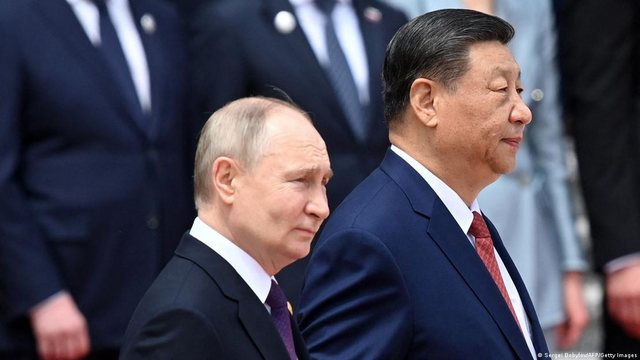
So why is it that boundaries are still being set that should not be crossed? Because the distribution of forces in the world is fundamentally changing, and therefore in a badly escalated situation there are no other means to bluntly and without possibility of misunderstanding for all participants "this far and no further". The efforts of Russia, China and some states of the global South have created the concern that the existing world order has been called into question and that the limits of the possible must be established from the beginning. Especially the powers that seek to preserve the existing order, prevent its creation cracks in the borders" because it is known that: If this thing is done once, then many others will want to do the same thing. Then they put us once in a while with this new order and new rules, which are just fed into the system."
But at the same time this shift of forces creates the concern that these borders cannot always and everywhere be maintained consistently. Therefore, the challenger is shown how far it is allowed to break taboos. And what would be the measures that would be taken, but also that would not be taken.
Therefore, from the point of view of conflict studies, it is unwise to publicly show the establishment of boundaries, to use it as a mechanism to instill fear: "Because it is usually impossible to formulate the instillation of fear in such a way as not to leave open the way to 'forced unwillingly afterwards.' That's how you can inadvertently end up in an escalation of the situation. "Therefore, don't bother with statements about where the limit is!" advises Anne Holper.
Delimiting where the red lines are is not necessary at all to have clear boundaries and to say, "These are our rules, and these are the rules we protect," the conflict researcher says further. clearly the formulation of these rules and limits depends on the Archimedean axis one has available in the relevant context." It makes a lot of sense for limits to be set in internal communication, for example between allied powers or for the armed forces to set the limits of themselves, to indicate when to act, but these limits are not shown to others.
Anne Holper advises that the discussion should be controlled and moderated, to avoid escalating the situation. In the example of the Ukraine war, she says, everyone knows that Russia's open border crossing would not be tolerated. "It would be good for NATO and EU allies to appear united and speak with one voice, to make it clear that: "We cannot deal with them, they cannot be divided. And do not deal with other hasty proposals. "But that they fight together to protect their values."/ DW

WikiLeaks founder Julian Assange is expected to plead ...
"€1.4 billion will be made available over the next mon...
The US Secretary of State, Antony Blinken, has appoint...
A 61-year-old police officer has been killed and anoth...
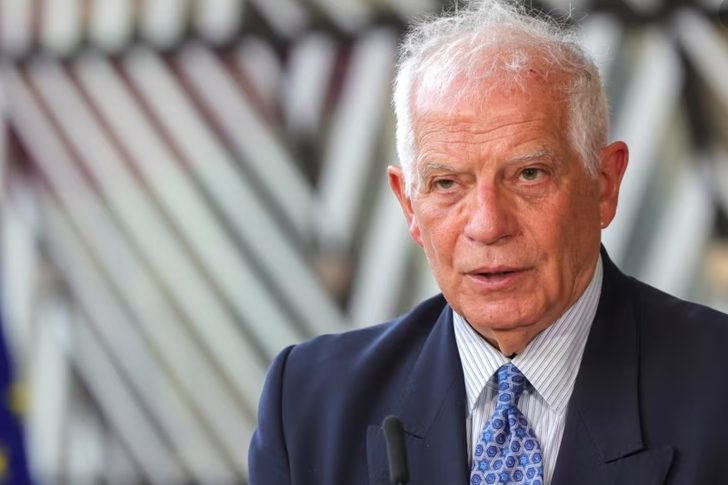
The European Union's high representative for foreign p...
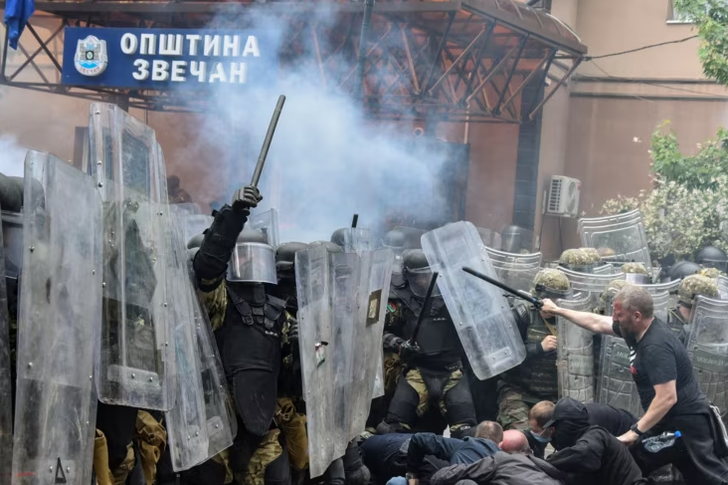
A court in Pristina on Monday sentenced a member of th...
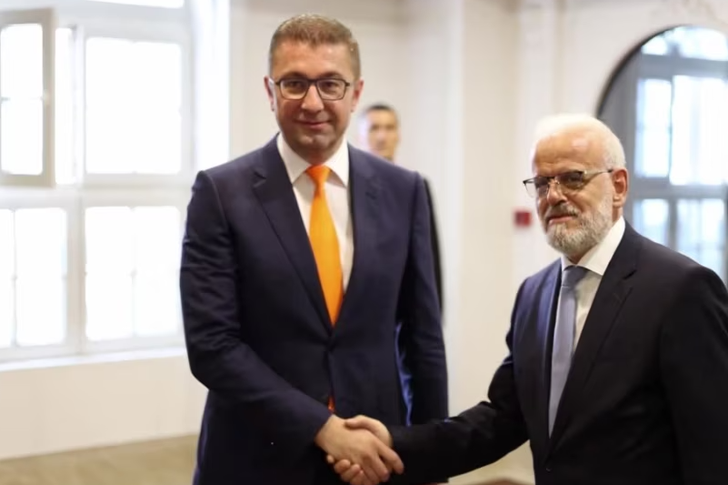
Qeveria e re e Maqedonisë së Veriut filloi sot detyrën pas...
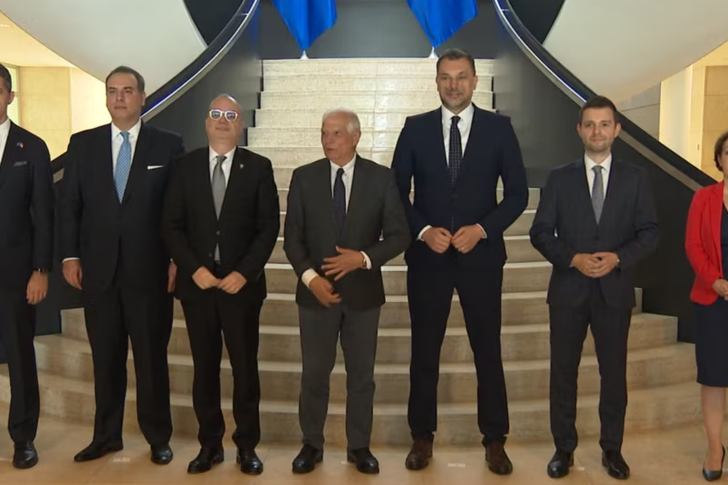
Senior European Union officials said on Monday that th...
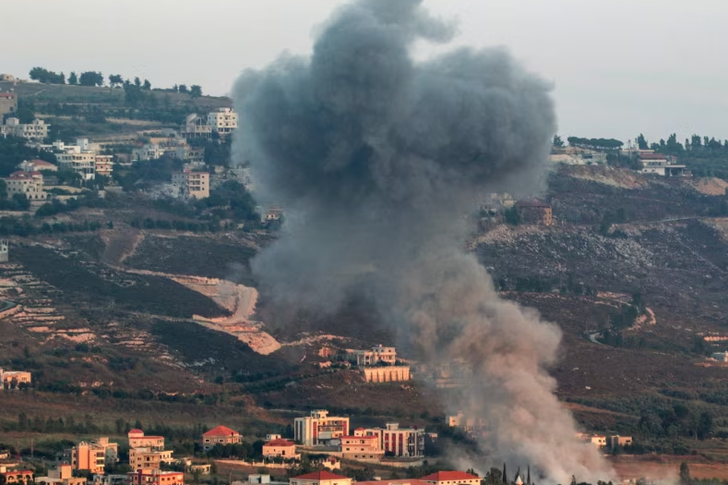
Israeli Prime Minister Benjamin Netanyahu says he is r...
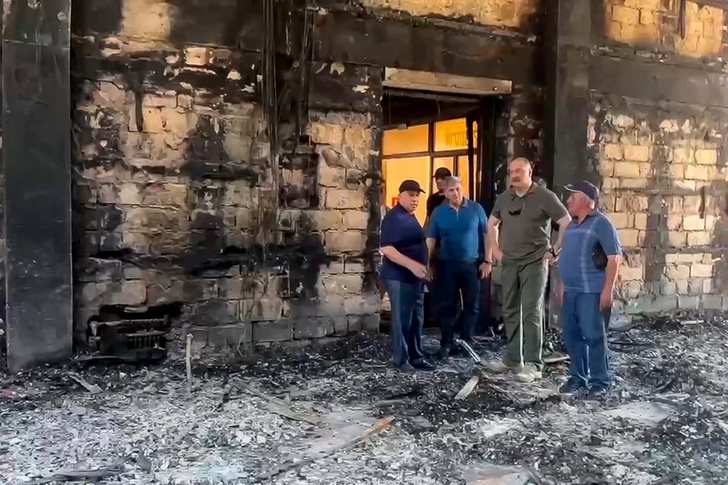
More than 15 police officers and several civilians, includ...
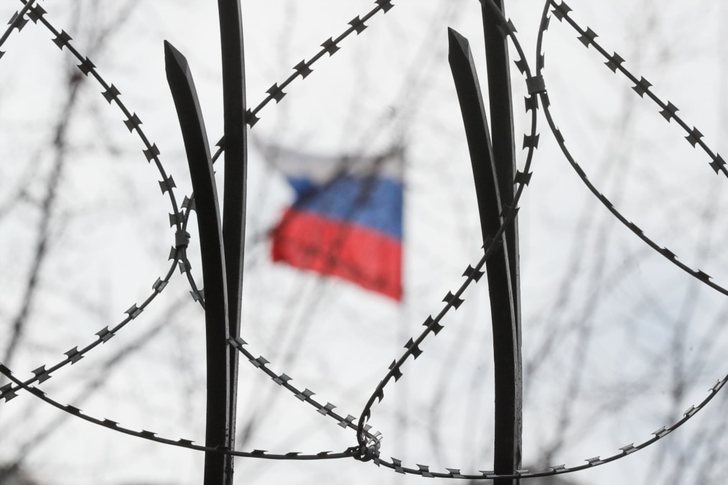
The European Union has approved on Monday a new packag...
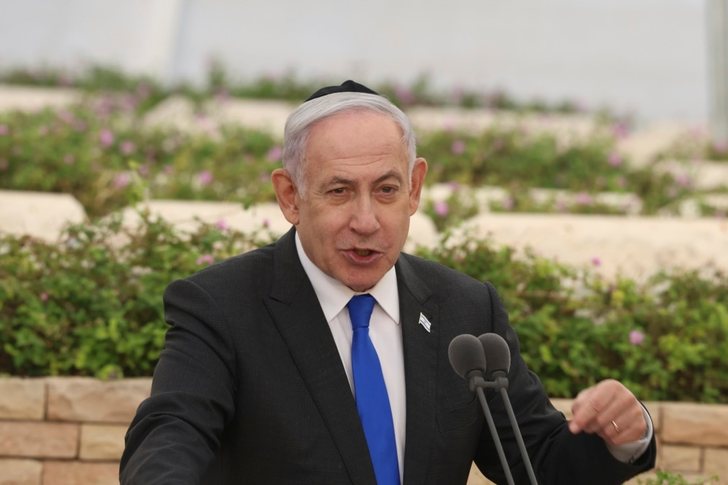
Israeli Prime Minister Benjamin Netanyahu has said he ...
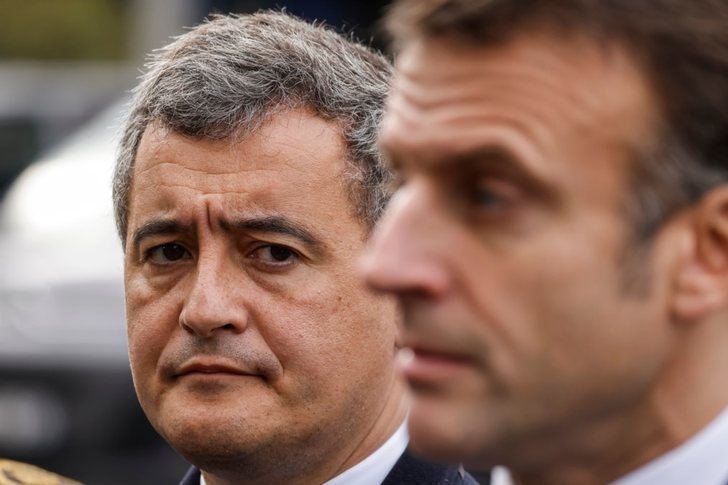
France could face civil unrest and violence in connect...
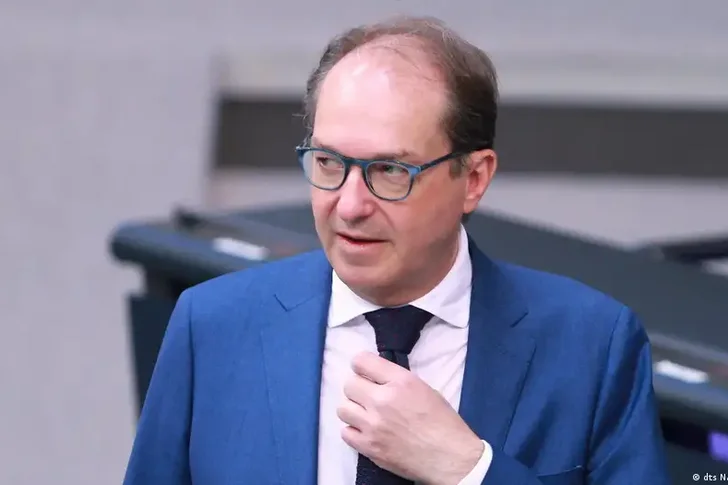
The chairman of the parliamentary group of the Bavaria...
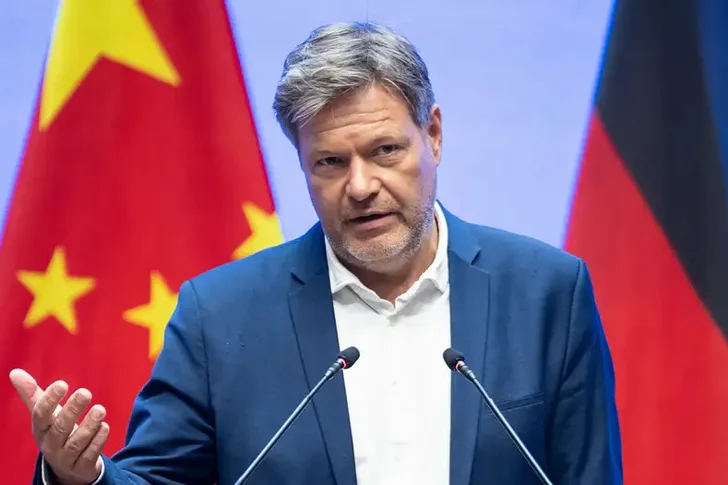
According to Germany's Vice Chancellor, Robert Habeck,...
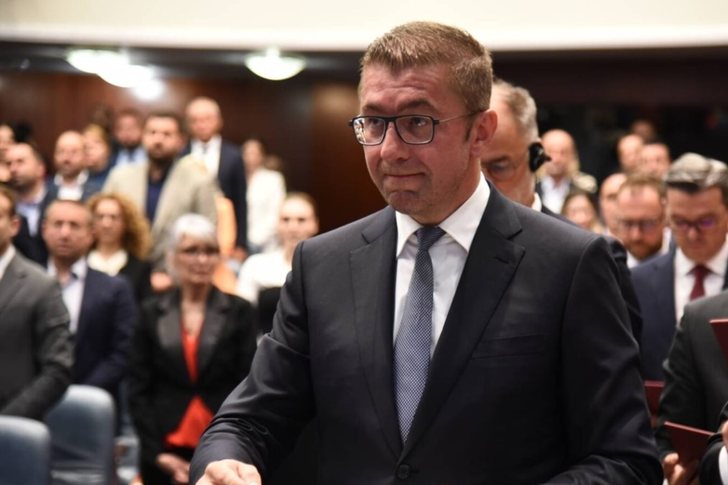
The new government of North Macedonia was approved on ...
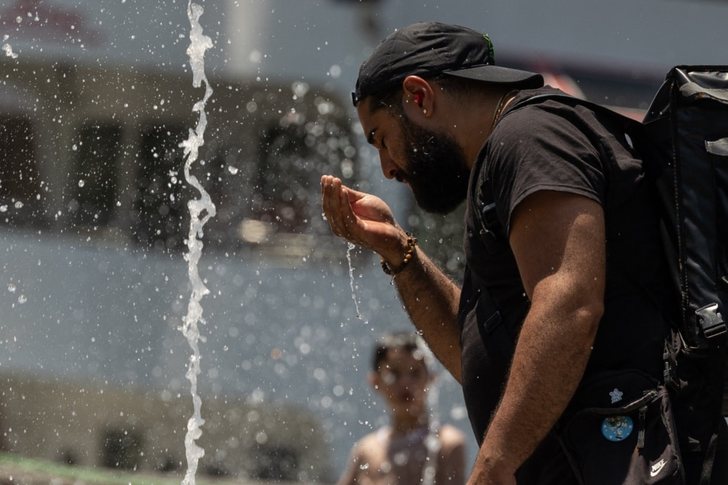
More than 100 million people across the United States ...
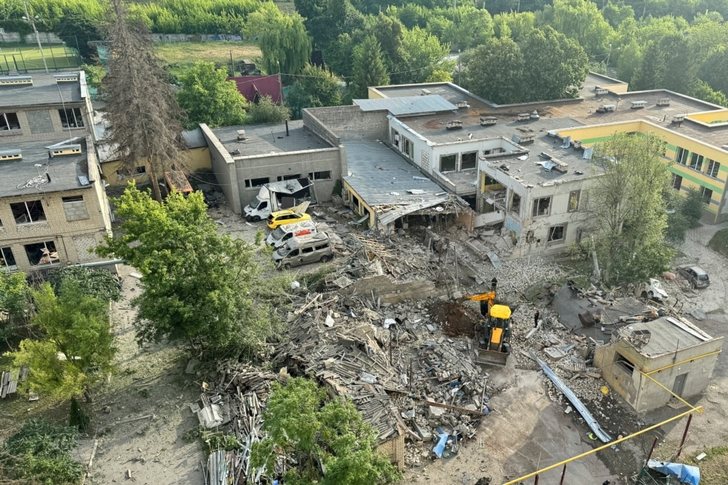
Russian authorities said six people were killed and mo...
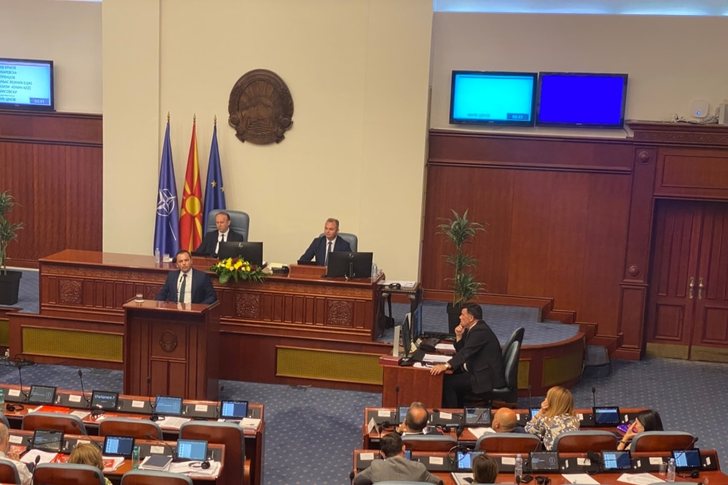
In the Parliament of North Macedonia, the debate conti...

Since launching its offensive in Ukraine, the Kremlin ...
SPAK's standards, the way it investigates, how it secures ...
Irfan Hysenbelliu claims to be a big businessman, an hones...

The murder of officer Enea Mekolli in the line of duty has...

The next case broadcast on the show "Stop", this Thursday,...

The Special Board of Appeal (KPA) decided this Monday ...

The KPA vetting decided this Thursday to dismiss the p...

Suela Salavaçi, a prosecutor in the Prosecutor's Offic...

The Special Board of Appeal reinstated the prosecutor ...

Another gunshot wound occurred at the scene. According to...

A gunshot wound occurred this afternoon in Shijak. Accordi...
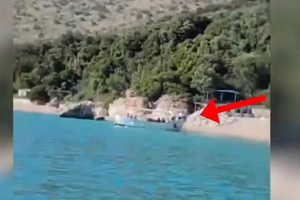
The Border Police blocked the vessel and fined the driver ...
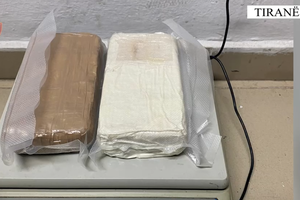
A police operation codenamed "Zonet" has ended with the se...
On Monday, our country will be affected by relatively stab...

More than 860 million people fall ill and 1.5 million die ...
The mother of Violand Braçellari, the perpetrator of the s...

The modern European traveler seeks a meaningful connection...
The European Union Commissioner for Enlargement, Marta Kos...
The counting of votes for political entities in Kosovo has...

Oil prices rose on Monday, with Brent crude rising 4.5% to...
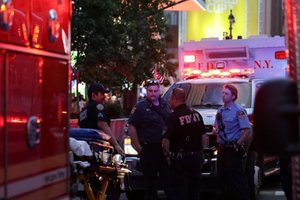
Six people were injured in a stabbing attack at New York's...
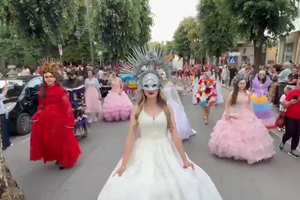
Korça has transformed this weekend into the capital of cel...

Korça is ready to open the summer season with one of the c...
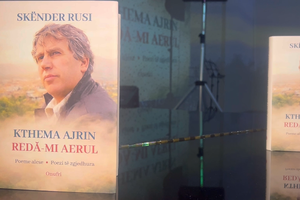
Two years after his passing, the renowned Korçë poet Skënd...

The Ethnographic Museum of Berat has opened its doors to v...
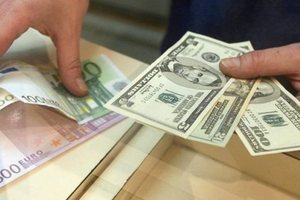
This Monday, one US dollar is bought for 81.8 lek and sold...

The tourist apartment market is continuing to expand at a ...
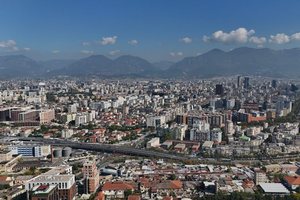
The number of properties sold by entities monitored by the...
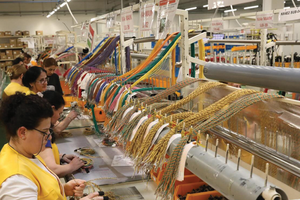
The automotive industry in Albania is currently at a turni...