


How dangerous are high temperatures?
High temperatures and heat, which will continue over the c...


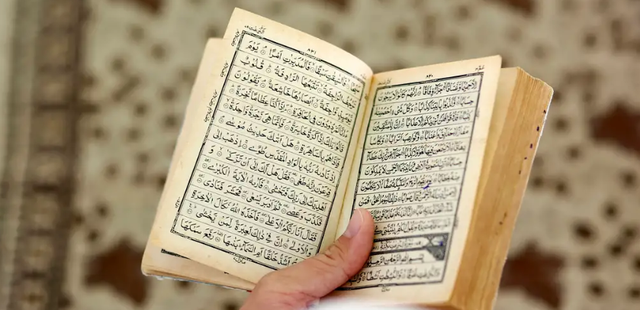
Turkey's religious authority, Diyanet, may ban translations of the Quran it deems incompatible with Islamic principles, a move that is drawing criticism and raising concerns about religious freedom.
Diyanet is one of the most influential government authorities in Turkey. According to its own information, it employs over 140,000 people and provides religious services in more than 100 countries around the world. Founded in 1924, the agency has been directly subordinate to Islamic-conservative President Recep Tayyip Erdogan since 2018. Its annual budget of approximately three billion euros exceeds the budgets of several ministries, including the Turkish Interior Ministry.
Diyaneti manages 90,000 mosques across Turkey, organizes annual pilgrimages, coordinates Eid al-Adha rituals, and organizes Quranic courses and cultural events. It also trains imams and sends them to teach both in Turkey and abroad. Its foundation is active in 150 countries and reaches millions of people through educational programs and scholarships, from the Far East to Latin America.
Diyanet takes authority over interpretation of Quran translations
In recent years, the Diyanet's powers have been steadily expanded. The agency has also been given the authority to interpret Quranic translations. A recently passed law gives it the power to review translations, and if they "do not comply with the fundamental characteristics of Islam," they can be banned. "Problematic copies" that have already been published can be confiscated and destroyed. This also applies to digital content, such as texts, audio recordings and videos on the Internet.
President Erdogan had previously granted the Diyanet this authority by decree, which led to the classification of some translations as "false." However, this decision was not accepted by the Constitutional Court. With the new law, this power is now legally sanctioned and is therefore no longer unconstitutional.
Critics: "Declaration of bankruptcy of the Turkish state"
Theologians critical of the government speak of censorship and a "state-dictated Islam" that threatens religious freedom. For renowned theologian Prof. Dr. Sönmez Kutlu, this step is a declaration of bankruptcy for the state. According to him, a country with over 100,000 Diyanet employees and more than 100 theology faculties should be able to protect the Quran from so-called problematic translations not through bans, but through intellectual and scientific methods. He also warns that publications containing translated Quranic verses that are alleged to "contradict the fundamental characteristics of Islam" could also lead to investigations and prosecution.
Theologian Ihsan Eliacik sees the Diyanet's new authority as a fundamental violation of Islam. "In Islam," says Eliacik, "no institution can stand between people and Allah. Yet the Diyanet's examination of the Quran for 'authenticity' does exactly that." Eliacik's own translation of the Quran had previously been considered problematic and was banned by the Diyanet. He sued the Constitutional Court and won. With the new legal provisions, that is no longer possible.
Ömer Özsoy, Professor of Theology at Goethe University in Frankfurt am Main, suspects that the new law reflects the growing influence of religiously-entrenched circles in government. "For about a decade, these circles have openly opposed academic, critical and pluralistic theology in Islamic theological faculties in Turkey," Özsoy says, adding that they "have been carrying out systematic campaigns against prominent theologians for some time." The new law could be widely applied in an "oppressive and politically motivated interpretation," the expert points out.
The role of Quran translations
The Quran, the holy book of Muslims, is written in Arabic. Translations are important in making the texts accessible to millions of people. However, they also involve interpretations, especially when it comes to unclear words or passages. This makes the subject very sensitive. The importance of Quran translations in non-Arab countries such as Turkey has increased in recent years. In the past, explains theology professor Özsoy, "studying the Quran was the responsibility of religious scholars." However, the theologian says that things are different today. "Today, secular believers read the Quran directly and interpret it independently." According to him, this is due to individualization, critical thinking and the emergence of different movements and trends. According to Özsoy, the number of Turkish translations of the Quran has increased in recent decades. Many of the translators do not have the necessary professional qualifications. This problem is widely discussed among experts and there is extensive academic literature on the subject.
Religion is increasingly at the center of social discourse in Turkey. Young people, in particular, are reading scriptures and discussing Islam, questioning many of its theories, which is a concern for the government. President Erdogan has long emphasized his desire to raise a "pious generation."
However, recent studies by the Konda polling institute show the opposite: the percentage of people who describe themselves as religious fell from 55 percent in 2018 to 46 percent today, while the percentage of atheists or non-believers increased from two to eight percent over the same period./ DW

High temperatures and heat, which will continue over the c...
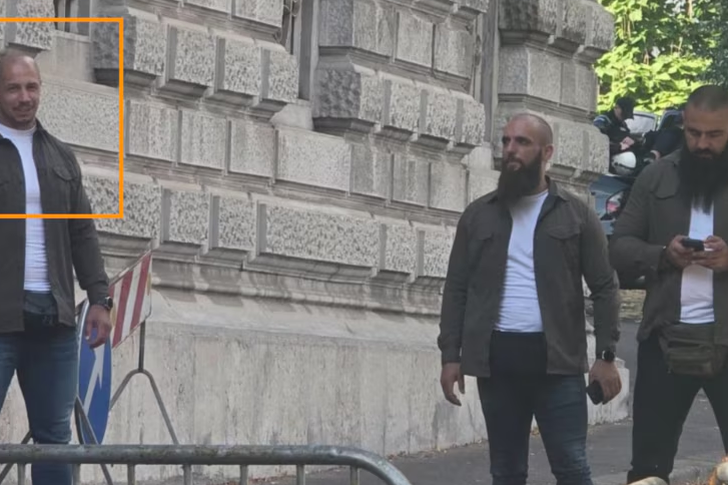
Some of the people whom the Kosovo Special Prosecution cha...
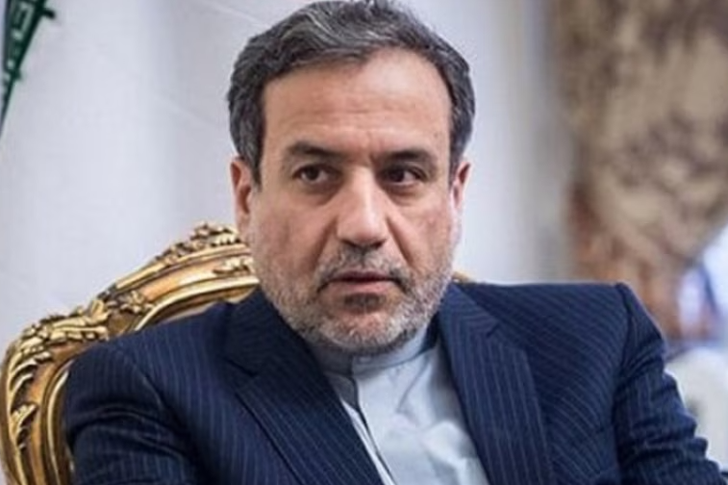
Iranian Foreign Minister Abbas Araqchi ruled out the possi...

Novo Nordisk and Eli Lilly, the two giants that dominate t...
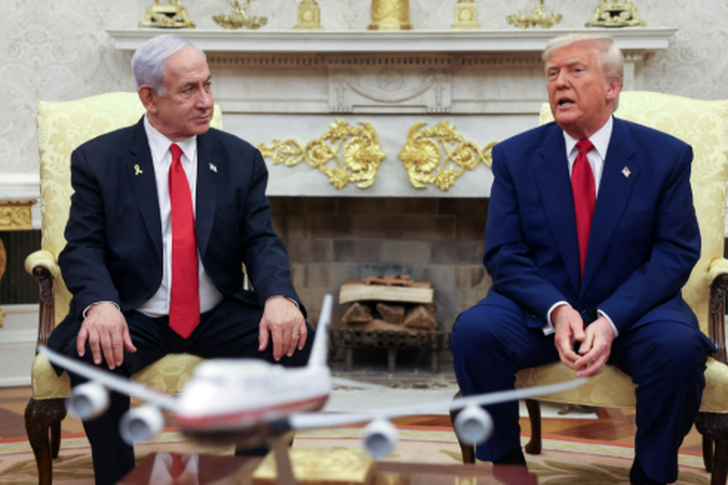
United States President Donald Trump will welcome Israeli ...
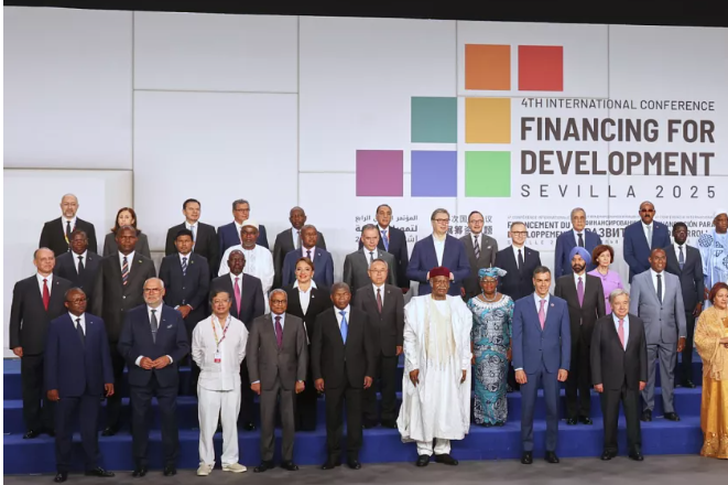
Many of the world's countries gathered in Spain on Monday ...
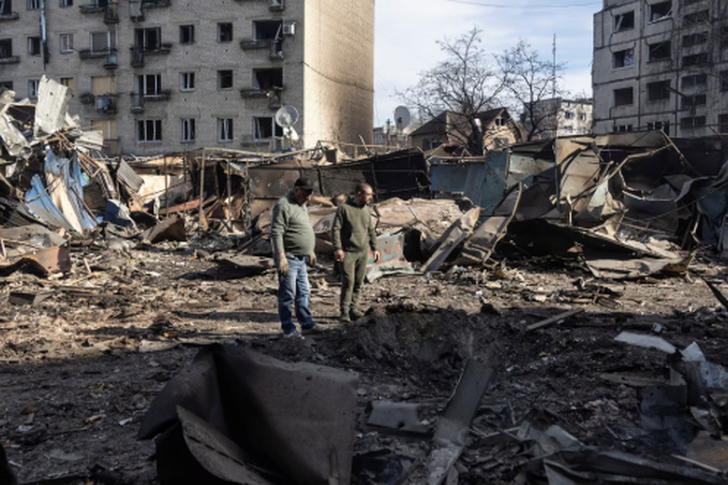
Russia launched a record 5,337 Shahed-type drones against ...
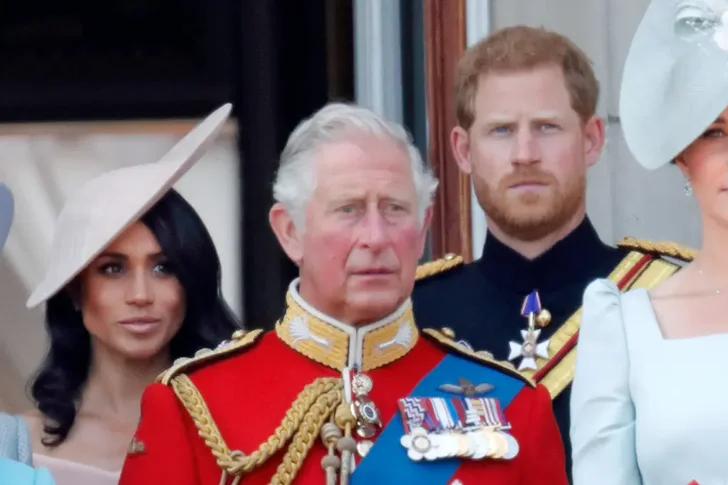
Prince Harry and Meghan Markle are part of the funeral pla...
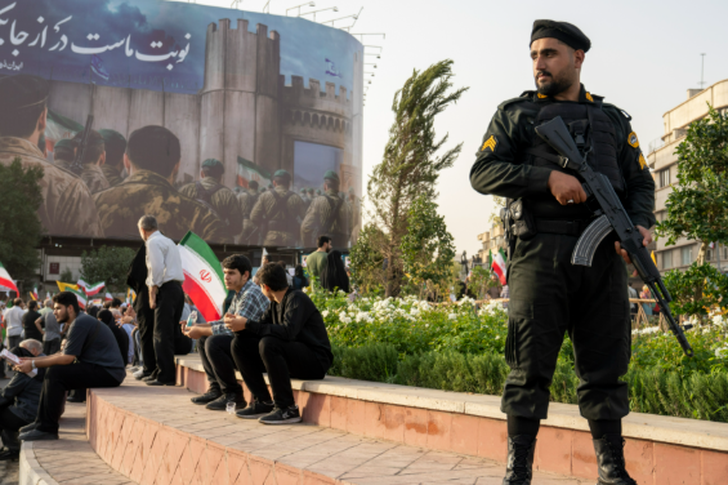
Iranian authorities have arrested hundreds of people and e...
The European Commission is working to resolve concerns tha...
The European Union and Ukraine have agreed on an initial a...
The US Senate began voting on Monday on a massive spending...
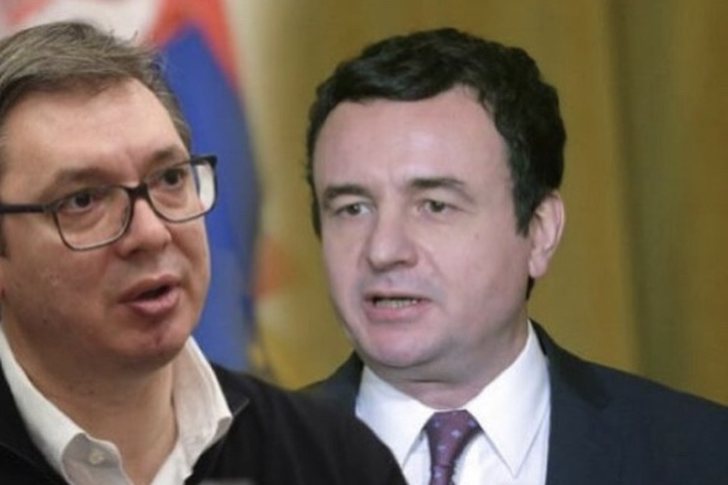
Western Balkan leaders and European Union representatives ...
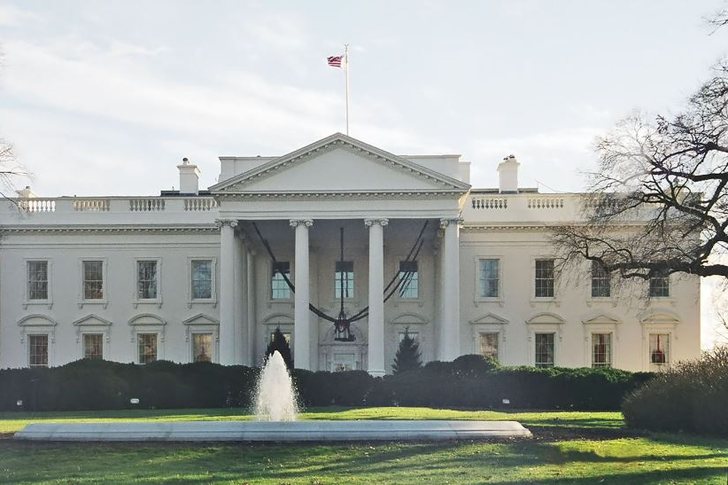
Official Washington announced that it will immediately beg...
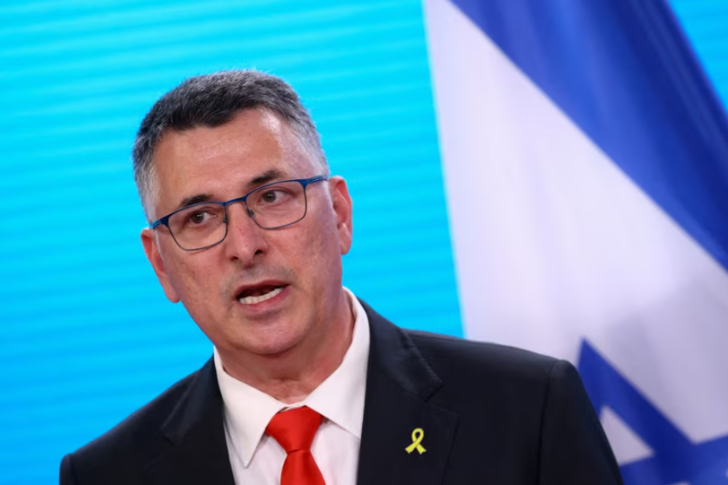
Israel is interested in formally establishing diplomatic r...
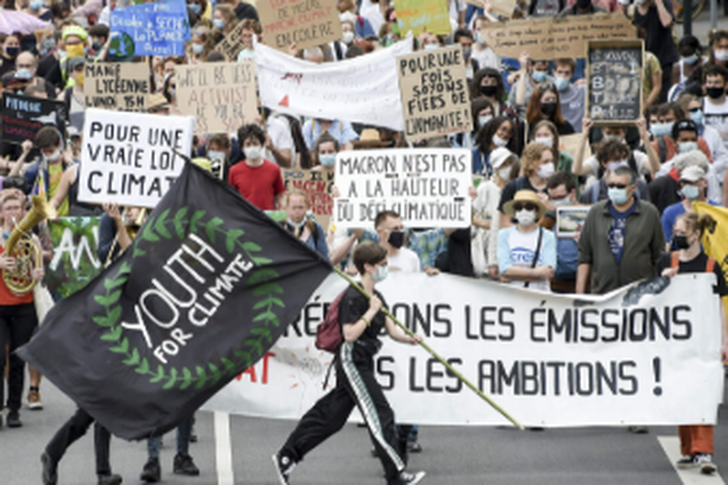
On July 2, the European Commission is due to present its p...
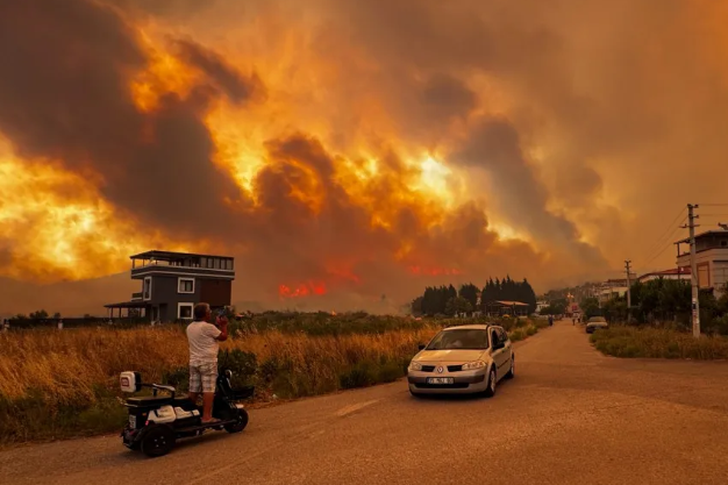
Zjarret masive në Turqi kanë vazhduar të përhapen në vende...

Naples has been hit by its strongest earthquake in 40 year...
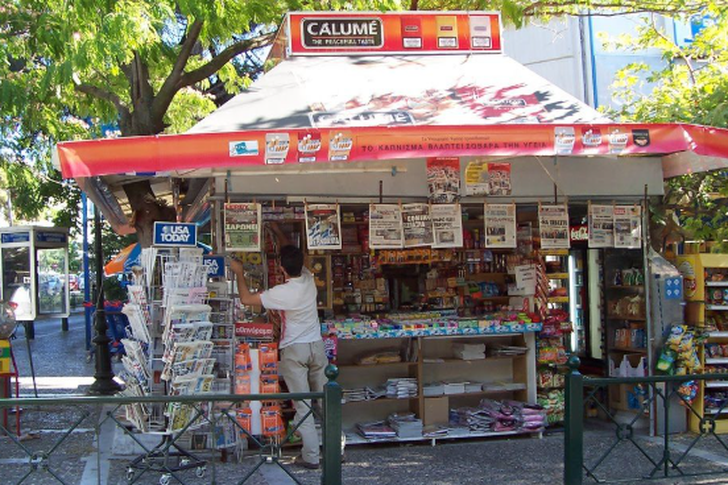
Greece is tightening rules on the sale of tobacco and alco...
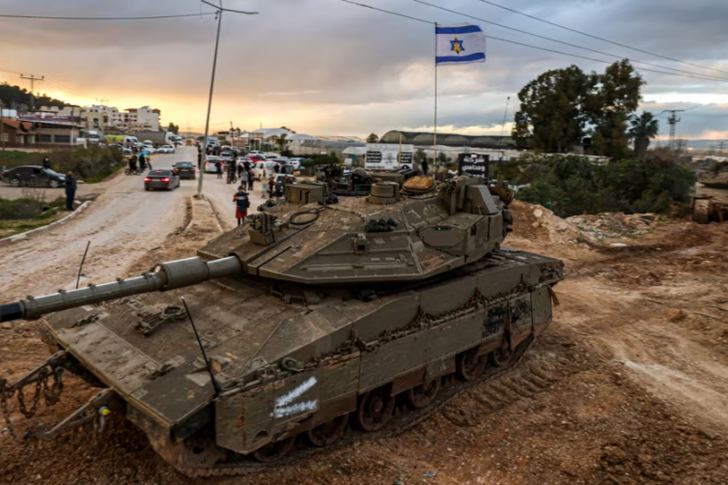
Israeli settlers have attacked security forces and vandali...

CNA has launched another investigation that could lead to ...

Irfan Hysenbelliu is a businessman that we call "Irfan the...

In March 2026, CNA launched another investigation centered...
The arrested mayor of Tirana, Erion Veliaj, with 13 charge...

The Special Board of Appeal (KPA) decided this Monday ...

The KPA vetting decided this Thursday to dismiss the p...

Suela Salavaçi, a prosecutor in the Prosecutor's Offic...

The Special Board of Appeal reinstated the prosecutor ...
Footage emerges from the serious accident that occurred th...

A Shkodra traffic police officer was hit with hard objects...
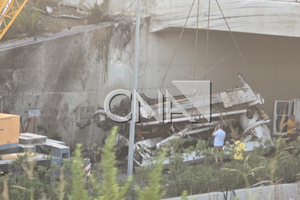
This Wednesday, around 4:00 PM, a serious accident occurre...

Tirana Police have shared details regarding the accident t...
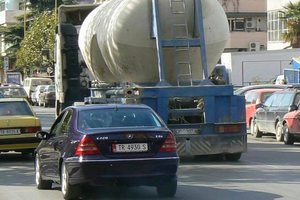
A serious accident that occurred this Wednesday with the c...

The Institute of Geosciences has shared a forecast for wea...
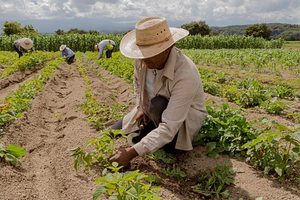
Rising energy and fertilizer prices are expected to contin...

Over 18,000 foreign citizens from 140 countries have appli...
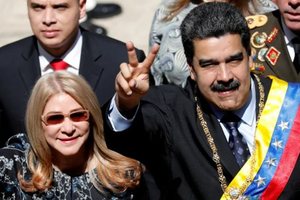
The trial of ousted Venezuelan President Nicolas Maduro on...
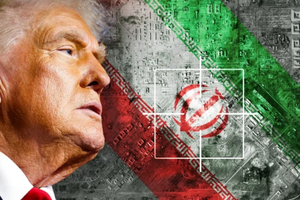
US President Donald Trump has issued another warning to Ir...
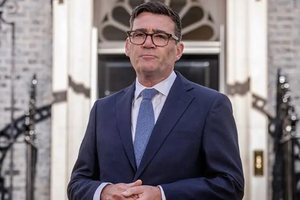
Prime Minister Andy Burnham has announced that most bus fa...

France's parliament has passed a law to ban social media f...

At a time when industrial products are increasingly taking...

Trust among people is not just a three-syllable word. It c...

Master of humor Todi Llupi has passed away at the age of 7...

The ninth edition of "MIK Festival" kicked off with one of...
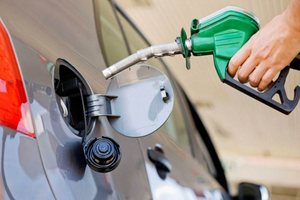
The price of diesel reached 206 lek per liter from 198 lek...

Businesses will no longer be required to simply register t...

Despite economic growth and income in recent years, Albani...

This Wednesday, one US dollar is bought for 81.4 lek and s...