

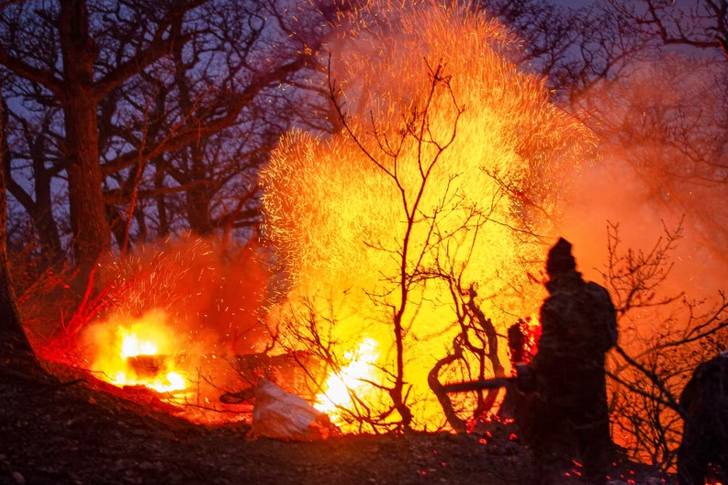
Iran seeks urgent help to fight fires in its ancient forests
Iran has requested immediate international assistance to e...



Summers on the continent could become much longer, a new study shows. European summers have been getting longer and hotter.
However, there has been a “high degree of uncertainty” about how or why exactly this is happening, says Dr. Celia Martin-Puertas, a lead researcher from the Department of Geography at Royal Holloway.
A new study finds that today's heat patterns mimic those of 6,000 years ago and could be a sign of even hotter days to come.
For the study, published in Nature Communications, Martin-Puertas and team focused on an important document of climate history: mud. Sediments found at the bottom of European lakes provide a snapshot of how the seasons have changed over the past 10,000 years.
They assessed the "latitudinal temperature gradient," or the temperature difference between the Arctic and the equator. This gradient is what drives the weather in Europe, driving winds from the Atlantic Ocean to the continent.
And as the Arctic warms, the temperature difference between the Arctic and the equator decreases. As a result, air currents slow down, intensifying and expanding summer weather patterns like heat waves.
According to the study, for every 1°C decrease in the latitudinal temperature gradient, the summer season would be extended by about six days. This could add up to 42 additional summer days by 2100 if warming continues at the current rate. However, with the current trend of Arctic warming, Europe could see eight months of summer weather by the end of the century.
This reflects conditions in Europe around 6,000 years ago, where the warm season lasted almost 200 days.
While the temperature gradient has always existed, greenhouse gas emissions are accelerating the warming of the Arctic. The region is currently warming up to four times faster than the global average.
How has Europe warmed in recent years?
Europe is the fastest-warming continent in the world. Cities in particular are hit hard by global warming due to the urban heat island effect, where heat is trapped by buildings and absorbed by asphalt and concrete.
An analysis published this summer by Climate Resilience for All examined temperature data from 85 cities around the world, covering the period from 2019 to 2023. They found that "heat seasons" no longer only occurred during the summer months.
Athens in Greece had a particularly long heat season. High temperatures lasted from mid-May to early October. Tirana in Albania also saw 143 days of extreme heat. Lisbon in Portugal and Madrid in Spain had long heat seasons of 136 days and 119 days, respectively.
Previous research also showed that last year, human-caused climate change added an average of one month of extreme heat for about half the world's population./ CNA

Iran has requested immediate international assistance to e...

The 28-point US plan includes major concessions from Ukrai...

Brazil's far-right former president Jair Bolsonaro was arr...

The US has drawn up a draft peace plan to end Russia's war...

British Prime Minister Keir Starmer is expected to approve...

US President Donald Trump held a meeting this Friday with ...

At a meeting with his security cabinet earlier, Putin said...
The European Union has imposed sanctions on a senior leade...
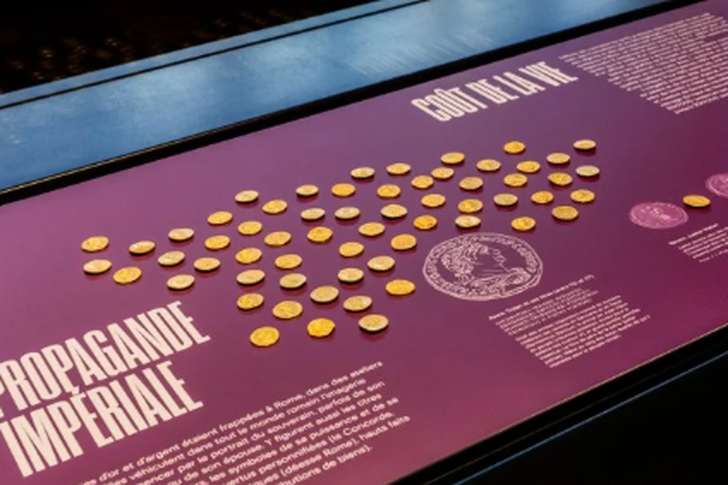
Authorities in Switzerland are searching for two robbers w...
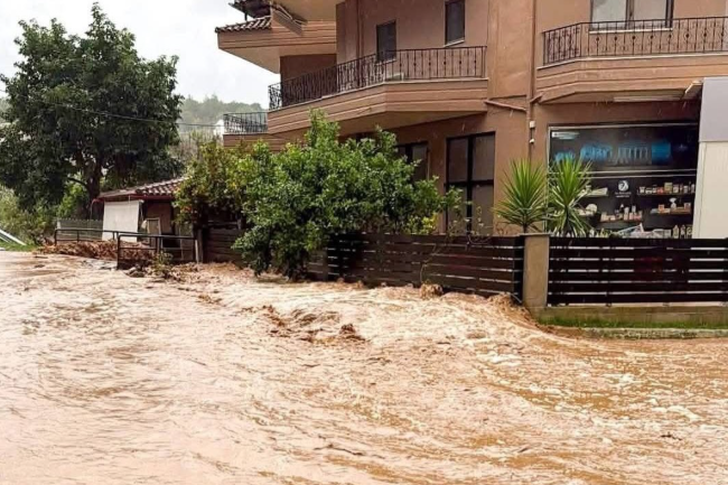
Bad weather with heavy, intense rainfall has also affected...

With a range of up to 500 kilometers, the Taurus missile i...
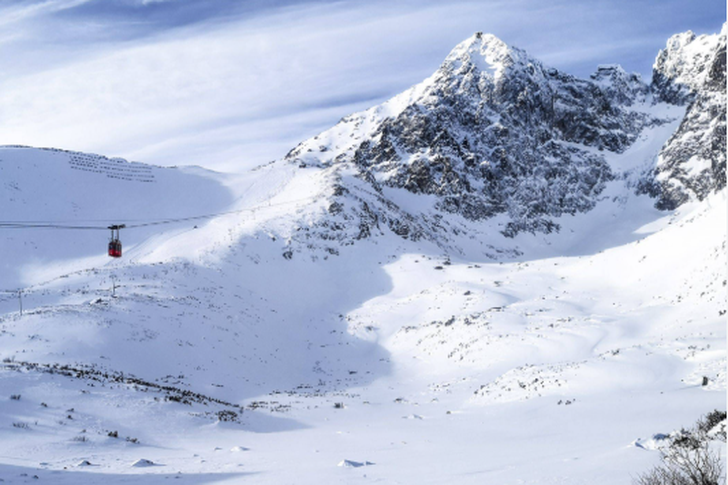
Mountain watchers in Poland's Tatra mountain range warned ...

Russian President Vladimir Putin confirms he has received ...

US President Trump has spoken out about the deadline his a...

Pope Leo XIV is preparing for his first apostolic journey ...
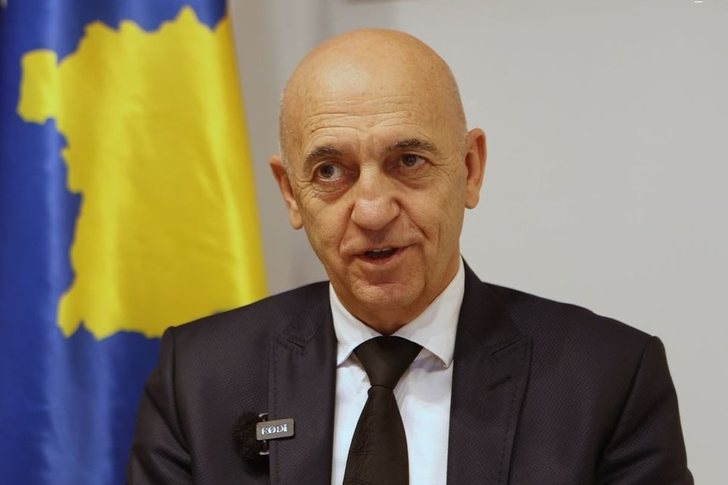
The European Union Office in Kosovo reacted to yesterday's...

The US government under President Donald Trump has drawn u...

Ukrainian President Volodymyr Zelensky says he is ready fo...
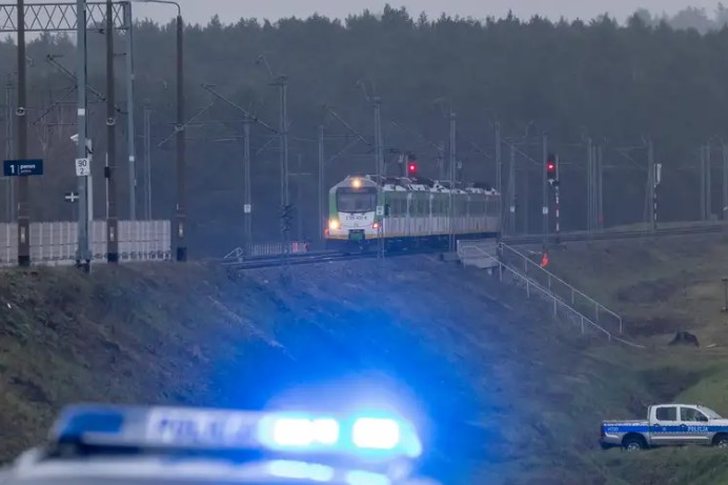
Polish Foreign Minister Radoslaw Sikorski made no secret o...

Një gjyqtare federale urdhëroi ditën e djeshme tërheqjen e...

CNA has launched another investigation that could lead to ...

Irfan Hysenbelliu is a businessman that we call "Irfan the...

In March 2026, CNA launched another investigation centered...
The arrested mayor of Tirana, Erion Veliaj, with 13 charge...

The Special Board of Appeal (KPA) decided this Monday ...

The KPA vetting decided this Thursday to dismiss the p...

Suela Salavaçi, a prosecutor in the Prosecutor's Offic...

The Special Board of Appeal reinstated the prosecutor ...

Footage emerges from the serious accident that occurred th...

A Shkodra traffic police officer was hit with hard objects...

This Wednesday, around 4:00 PM, a serious accident occurre...

Tirana Police have shared details regarding the accident t...

A serious accident that occurred this Wednesday with the c...

The Institute of Geosciences has shared a forecast for wea...

Rising energy and fertilizer prices are expected to contin...

Over 18,000 foreign citizens from 140 countries have appli...

The trial of ousted Venezuelan President Nicolas Maduro on...

US President Donald Trump has issued another warning to Ir...

Prime Minister Andy Burnham has announced that most bus fa...

France's parliament has passed a law to ban social media f...

At a time when industrial products are increasingly taking...

Trust among people is not just a three-syllable word. It c...

Master of humor Todi Llupi has passed away at the age of 7...

The ninth edition of "MIK Festival" kicked off with one of...

The price of diesel reached 206 lek per liter from 198 lek...

Businesses will no longer be required to simply register t...

Despite economic growth and income in recent years, Albani...

This Wednesday, one US dollar is bought for 81.4 lek and s...