


What does the US plan to end the war in Ukraine contain?
The US government under President Donald Trump has drawn u...


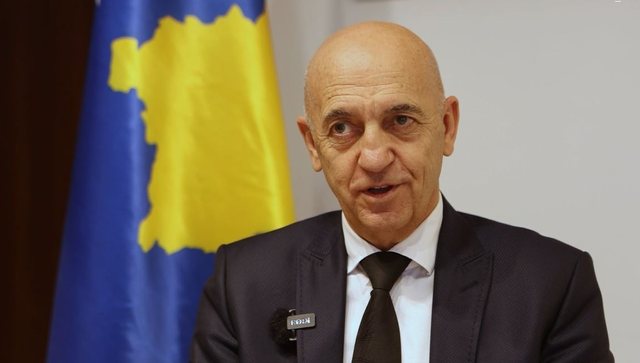
The European Union Office in Kosovo reacted to yesterday's decision by some members of the Kosovo Prosecutorial Council (KPK), who dismissed the Acting Chief State Prosecutor, Besim Kelmendi, and appointed another to this position, Agron Qalaj. According to the EU, Kelmendi's dismissal "impedes the necessary reforms in the KPK and disregards the principles of the rule of law". "It also undermines Kosovo's progress on its path towards the EU", the reaction states.
The interview that led to the dismissal
The dismissal of Acting Chief Prosecutor Besim Kelmendi came after he was interviewed by the Kosovo Special Prosecution Office as a witness to the 1999 Recak Massacre, in which Serbian forces killed 45 Albanians. The reason for the interview of Prosecutor Kelmendi was the reporting in several media outlets that during the war he had been an associate of the Serbian judge, Danica Marinkovi?, who in 1999 had taken over the case of the Recak massacre and had described it as a "fictional event". William Walker, who during 1999 had served as head of the OSCE Mission, had documented the crimes committed by Serbian forces in the village of Recak, where 45 civilians were killed.
Kelmendi denies the reports
Acting Chief State Prosecutor, Besim Kelmendi, in a press conference denied reports that he had collaborated with Serbian judge, Danica Marinkovi?, but admitted that at the time he "was working at the District Court in Pristina as a professional associate", emphasizing that he performed the work of a "proceeding officer".
After the dismissal of the Acting Chief State Prosecutor by the Kosovo Prosecutorial Council, the position was contested by some members of the KPC, who did not participate in the meeting of this Council to dismiss prosecutor Kelmendi. Kelmendi himself and some members of the KPC argued that at the November 20 meeting of the KPC there was no quorum for his dismissal.
In a press conference, member of the Prosecutorial Council, Visar Krasniqi, who opposed the decision, said that "Kelmendi's dismissal was done illegally because there was no quorum at the meeting", emphasizing that more than half of the KPK's composition, or six members, are required. According to him, without a quorum, any decision "is non-existent". According to Krasniqi, Besim Kelmendi will continue his duties as Acting Chief State Prosecutor, while Besim Kelmendi himself said that "he has not yet received any decision to dismiss him from the position of Acting Chief Prosecutor".
"The moment I make the decision, it is my legal right to address the competent judicial bodies and they have the right to suspend or review this decision. Depending on the court's decisions, I will also act. I always respect the decisions of the court and the competent bodies," said Kelmendi.
Reactions from civil society in Kosovo
Even civil society organizations that constantly monitor the Kosovo prosecutorial system say that the dismissal of the Acting Chief Prosecutor without a quorum of KPK members is "illegal, arbitrary and abusive". "While with this composition of the KPK, the minimum decision-making quorum is at least six members, without whom the meeting cannot be held, holding the meeting and issuing the decision for the dismissal and new appointment of the Acting Chief Prosecutor, in the absence of a quorum, it is an abusive decision of a part of the KPK members, who do not have the necessary majority for holding KPK meetings and even less for decision-making", states a reaction from the Kosovo Justice Institute.
Another organization, the Group for Legal and Political Studies (GLPS), also expressed concerns about developments in the KPK, calling the dismissal decision illegal. "Specifically, the legal provisions clearly stipulate that KPK meetings can be held and decisions can only be made if the necessary quorum is ensured, while the agenda and decisions must be made by majority vote. Failure to comply with these provisions renders any decision taken in violation of mandatory legal procedures invalid," the GLPS organization said in a statement. /DW

The US government under President Donald Trump has drawn u...

Ukrainian President Volodymyr Zelensky says he is ready fo...
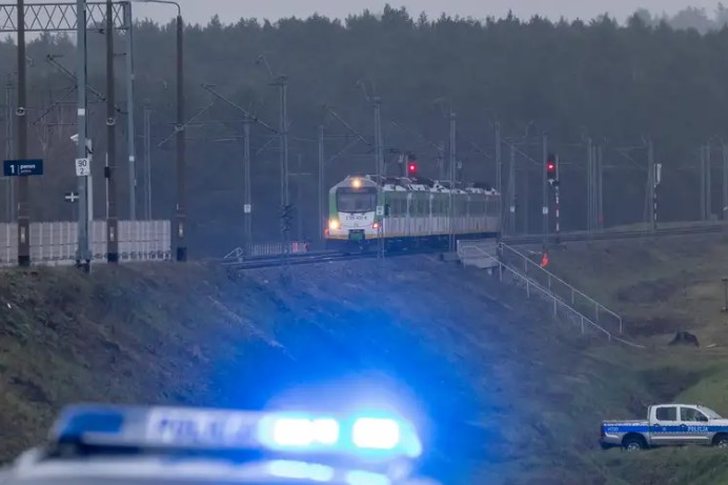
Polish Foreign Minister Radoslaw Sikorski made no secret o...

Një gjyqtare federale urdhëroi ditën e djeshme tërheqjen e...
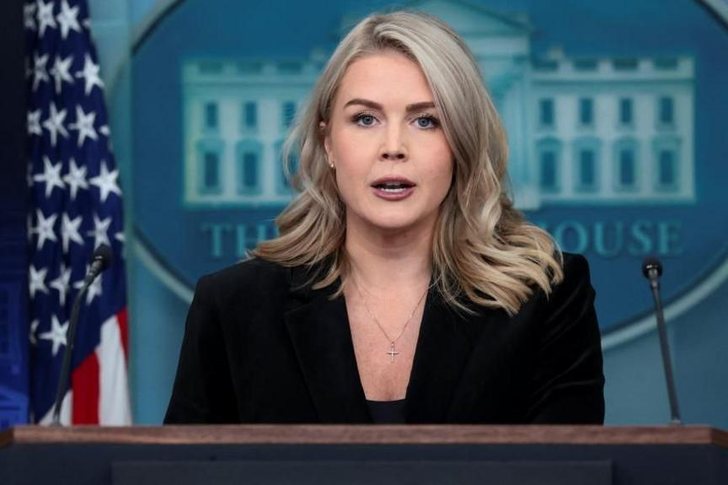
White House Press Secretary Caroline Leavitt stated in a p...

The UN atomic watchdog demanded that Iran cooperate fully ...

Volodymyr Zelensky will speak with Donald Trump after the ...
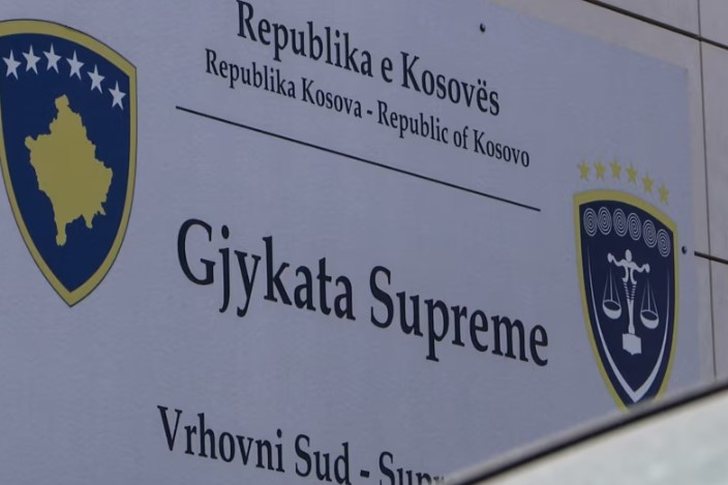
The Supreme Court has rejected as "unfounded" the request ...

European health officials are bracing for a tough flu seas...
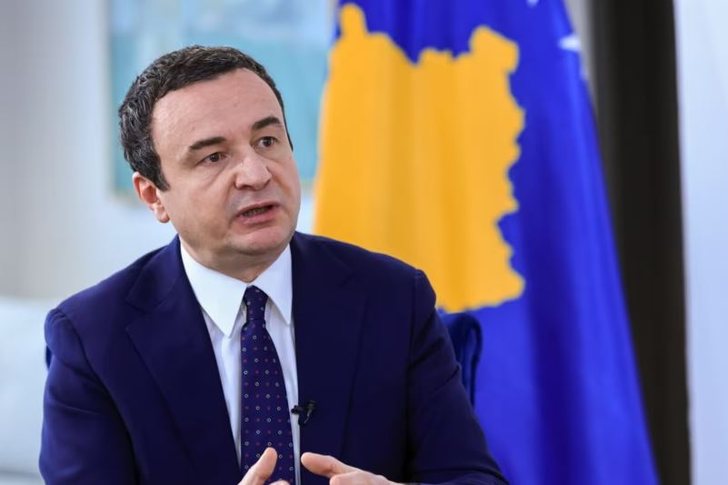
The acting Prime Minister of Kosovo, Albin Kurti, has reac...
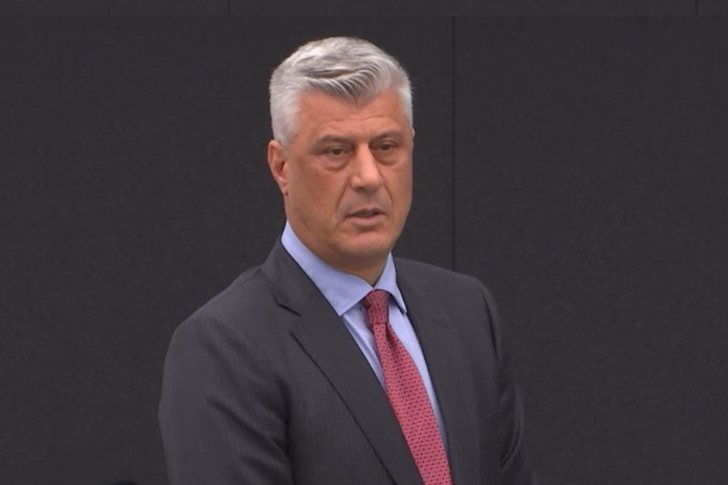
Hearings scheduled for November and December in the trial ...
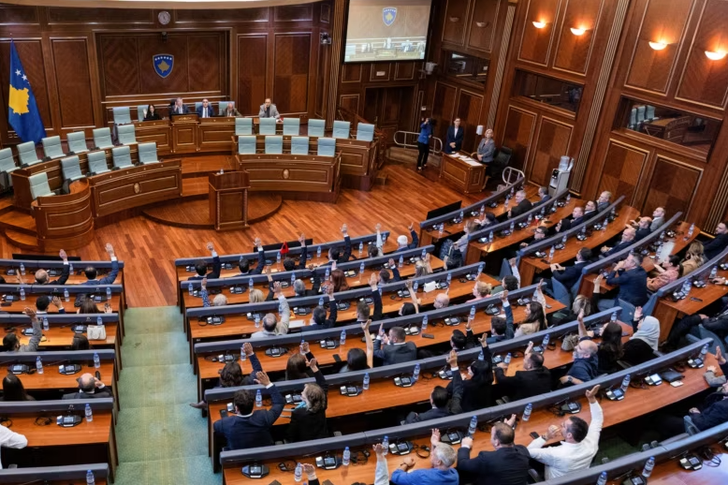
The President of Kosovo, Vjosa Osmani, has set December 28...

Moscow's plan for Ukraine, which was reportedly recently p...
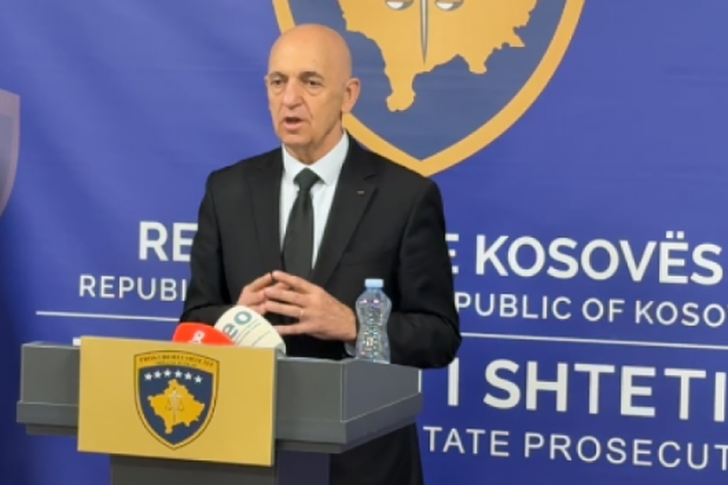
This Thursday, the Chief State Prosecutor in Kosovo, Besim...
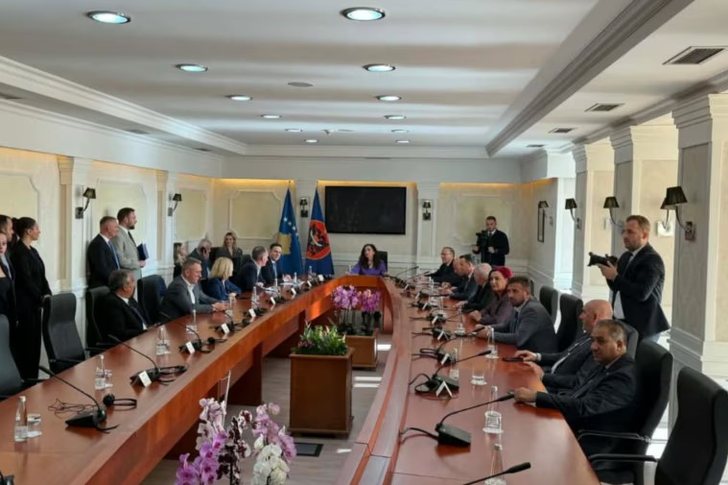
Kosovo President Vjosa Osmani signed the decision to disso...
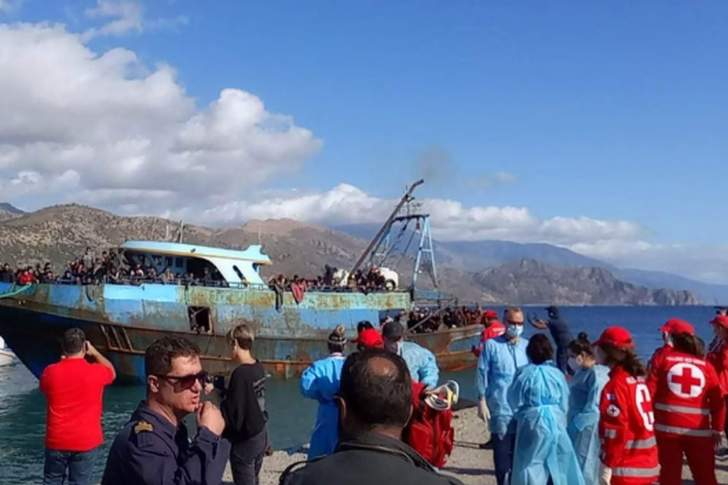
More than 100 foreign nationals trying to enter the Europe...

Parts of Paris and the Hauts-de-Seine region were hit by a...
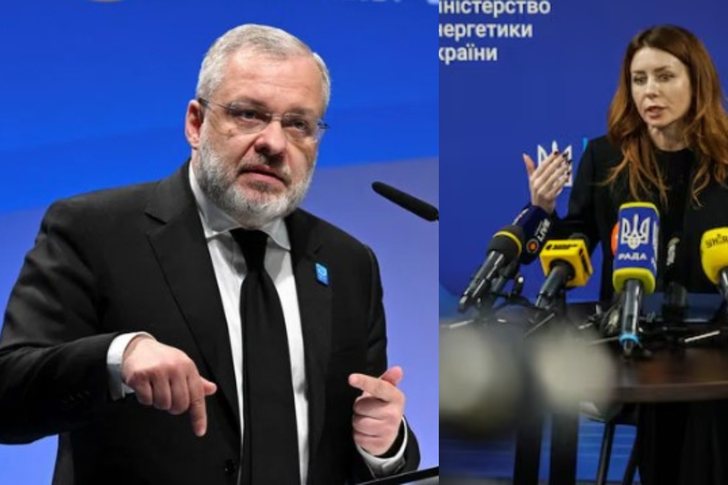
Ukraine's parliament voted yesterday evening to dismiss tw...

The Basic Court in Pristina announced on Thursday that it ...
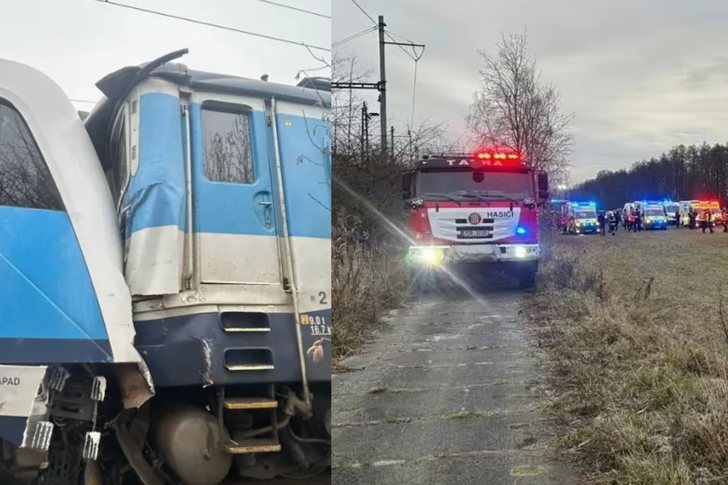
A serious rail accident occurred in the early hours of thi...

CNA has launched another investigation that could lead to ...

Irfan Hysenbelliu is a businessman that we call "Irfan the...

In March 2026, CNA launched another investigation centered...
The arrested mayor of Tirana, Erion Veliaj, with 13 charge...

The Special Board of Appeal (KPA) decided this Monday ...

The KPA vetting decided this Thursday to dismiss the p...

Suela Salavaçi, a prosecutor in the Prosecutor's Offic...

The Special Board of Appeal reinstated the prosecutor ...

Footage emerges from the serious accident that occurred th...
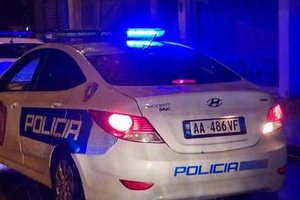
A Shkodra traffic police officer was hit with hard objects...

This Wednesday, around 4:00 PM, a serious accident occurre...
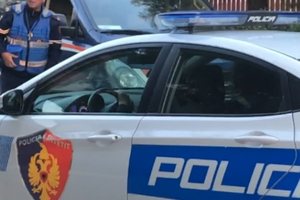
Tirana Police have shared details regarding the accident t...

A serious accident that occurred this Wednesday with the c...

The Institute of Geosciences has shared a forecast for wea...

Rising energy and fertilizer prices are expected to contin...

Over 18,000 foreign citizens from 140 countries have appli...
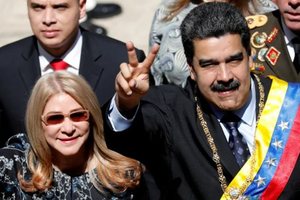
The trial of ousted Venezuelan President Nicolas Maduro on...

US President Donald Trump has issued another warning to Ir...
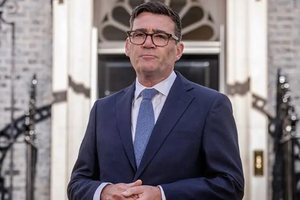
Prime Minister Andy Burnham has announced that most bus fa...

France's parliament has passed a law to ban social media f...

At a time when industrial products are increasingly taking...

Trust among people is not just a three-syllable word. It c...

Master of humor Todi Llupi has passed away at the age of 7...

The ninth edition of "MIK Festival" kicked off with one of...

The price of diesel reached 206 lek per liter from 198 lek...

Businesses will no longer be required to simply register t...

Despite economic growth and income in recent years, Albani...

This Wednesday, one US dollar is bought for 81.4 lek and s...