

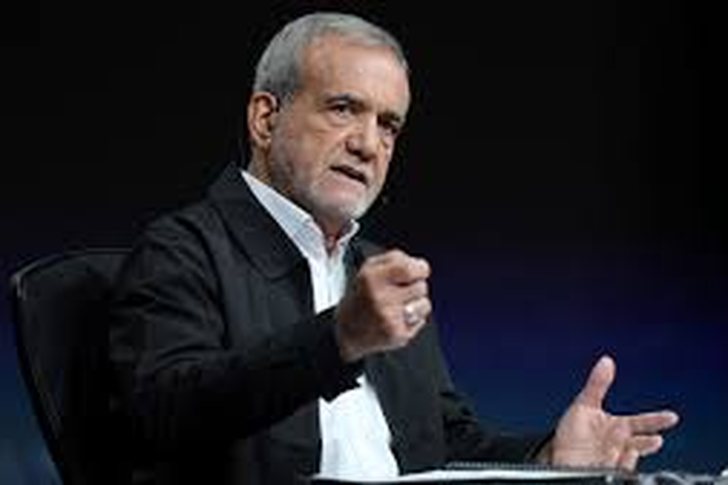
Talks with the US in Geneva/ Iranian President: They could have a positive outcome
Iranian President Masoud Pezeshkian has stated that there ...


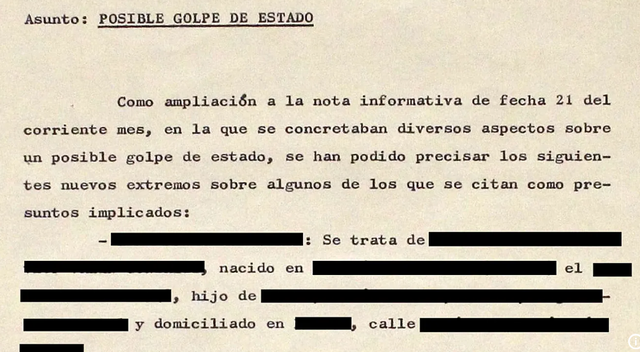
Spain on Wednesday released 153 classified documents related to the failed military coup of February 23, 1981, also known as 23-F, ending 45 years of secrecy surrounding one of the most dramatic moments in the southern European country's transition to democracy.
The documents were made available on the La Moncloa government website as of midday on Wednesday, following the publication of a ministerial order in the Official State Gazette that removed the classified status.
The publication includes transcripts of telephone conversations between military commanders, intelligence reports from the former CESID intelligence service, and data from the defense, interior and foreign ministries during the 18-hour parliamentary hostage crisis, which collapsed shortly after being denounced by the king.
The release represents about a quarter of the total documentation found so far, according to the government. The documents are transcripts only and do not include audio recordings.
Spain's Prime Minister Pedro Sánchez announced the declassification earlier this week, calling it an act to "resolve a historical debt with citizens" on the 45th anniversary of the 23rd coup attempt.
"Memory cannot be locked away," Sánchez wrote in X. "Democracies must recognize their past to build a freer future."
Government spokeswoman Elma Saiz said on Tuesday that the publication represents "all the documentation" found in government ministries related to the coup.
However, the full judicial summary of the trial in the Supreme Court remains classified, as the government has authority only over the executive branch archives.
What do the documents reveal?
Lieutenant Colonel Antonio Tejero and 200 armed Civil Guard officers attacked the Congress of Deputies on February 23, 1981 during a vote to confirm Leopoldo Calvo Sotelo as prime minister.
The officers held parliamentarians and ministers hostage for 18 hours, while General Jaime Milans del Bosch deployed tanks in Valencia.
General Alfonso Armada, who had served in the royal family, tried to position himself as a savior who would form a coalition government.
Declassified materials show conversations between coup plotters, including instructions to “shoot to kill” after an initial warning shot and references to having “tanks and chariots” ready for deployment.
A document records that King Juan Carlos I heard about the coup via radio at 6:22 pm on February 23, 1981, according to the notes of his Secretary General Sabino Fernández Campos.
The Spanish monarch was listening to a live broadcast of the parliamentary vote to confirm Calvo Sotelo as prime minister when Tejeros' forces forced their way into the chamber.
King Juan Carlos I denounced the coup in a televised speech shortly after 1 a.m. on February 24, calling for the continuation of the rule of law and democratic governance. The coup ended a few hours later.
The materials also include intelligence reports on pro-coup factions within the military after the failed attempt, indicating concern about possible future plots.
A trial in the Supreme Court sentenced Milans del Bosch, Armada, and Tejero to 30 years in prison as the main instigators of 23-F.
The military uprising arose from deep unrest within some parts of the Spanish armed forces over the country's democratic transition after 40 years of Francisco Franco's dictatorship.
Spain faced an economic crisis that caused unemployment of almost 20% and inflation of 16%, while military hardliners rejected the new political model and believed that strong authority was essential to governance.
They were further irritated by the ongoing violence by the Basque separatist group ETA, the complications over a territorial reorganization that would grant further autonomy to the regions, and the increasingly diminished influence of the military in society.
Will Spain rework its state secrets law?
The declassification comes at a time when the parliamentary process for a Classified Information Bill remains deadlocked in Congress.
The bill, approved by the Council of Ministers in July and sent to parliament on July 22, would replace the 1968 Official Secrets Law passed during Franco's dictatorship.
The proposed legislation would establish a 25-year limit on classified information, with 10-year extensions available in exceptional circumstances and automatic declassification after 10 years for lower-level classified matters.
Opposition parties have criticized the timing of the release, with some accusing the government of political opportunism.
However, historians and civil society groups have welcomed greater transparency since the events that took place around 23-F more than four decades ago./ CNA

Iranian President Masoud Pezeshkian has stated that there ...
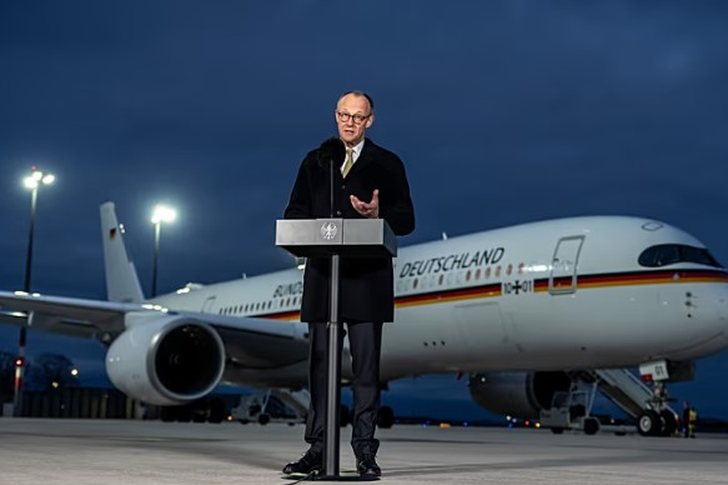
German Chancellor Friedrich Merz said China will buy up to...
Të paktën 60 persona janë vrarë nga dhuna që ka shpërt...

The Duke and Duchess of Sussex met children at a refugee c...
Serbian President Aleksandar Vučić announced that he met i...
Indian Prime Minister Narendra Modi is visiting Israel for...
Kosovo's Minister of Foreign Affairs and Diaspora, Glauk K...
Turkey is considering all possible measures in the event o...
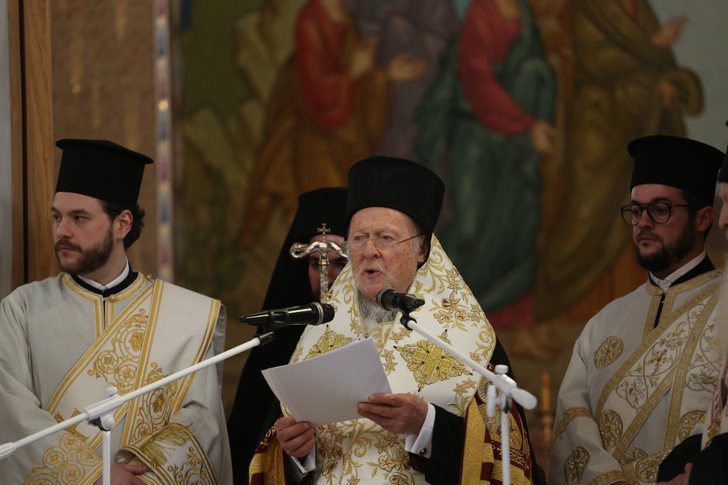
Ecumenical Patriarch Bartholomew stated during a divine li...
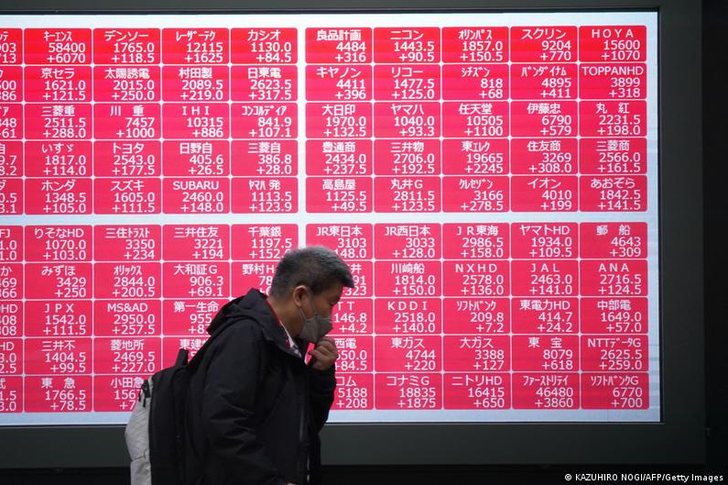
China took action against 40 Japanese companies and entiti...
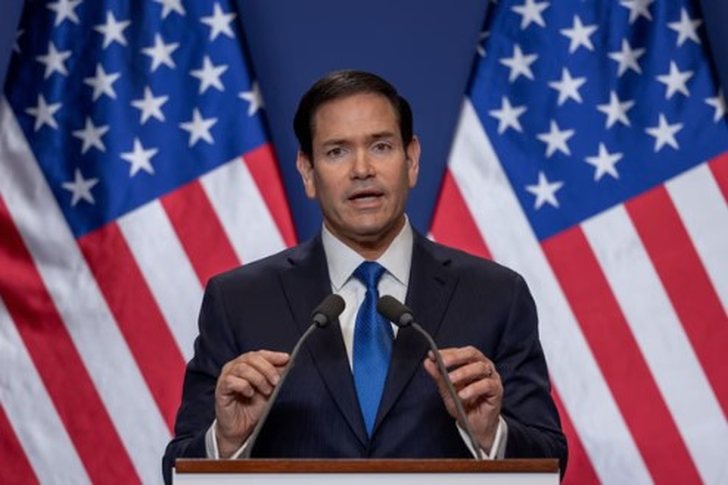
Marco Rubio held a rare briefing to top US lawmakers on Ir...
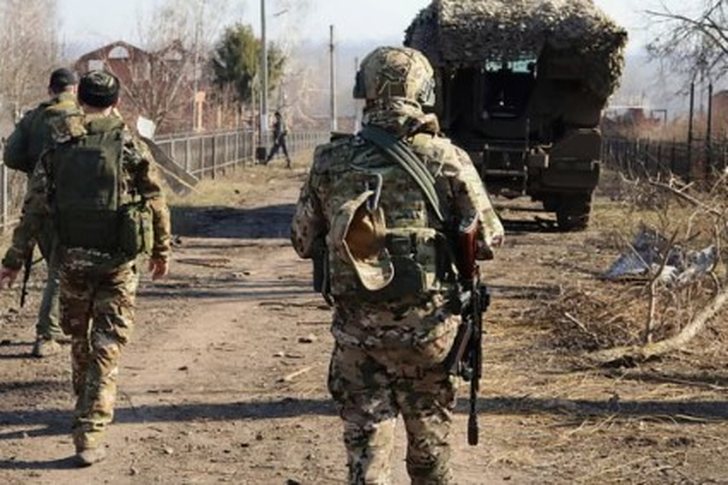
Russia will be able to withstand an invasion of Ukraine th...
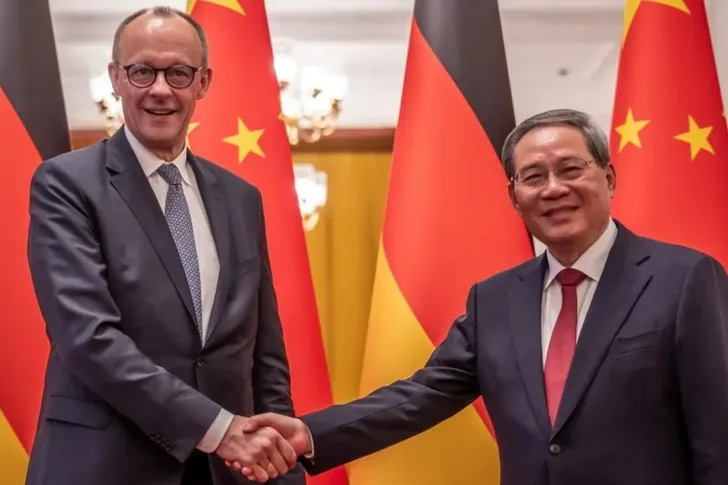
The German Chancellor has arrived in China as German busin...
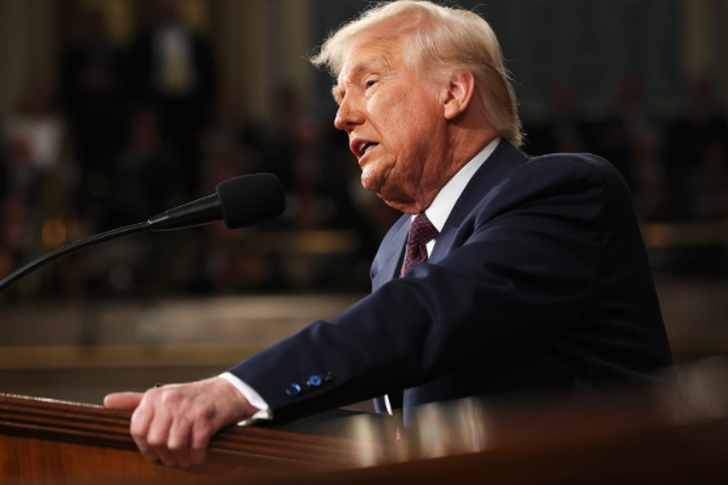
US President Donald Trump spoke for about 1 hour and 40 mi...
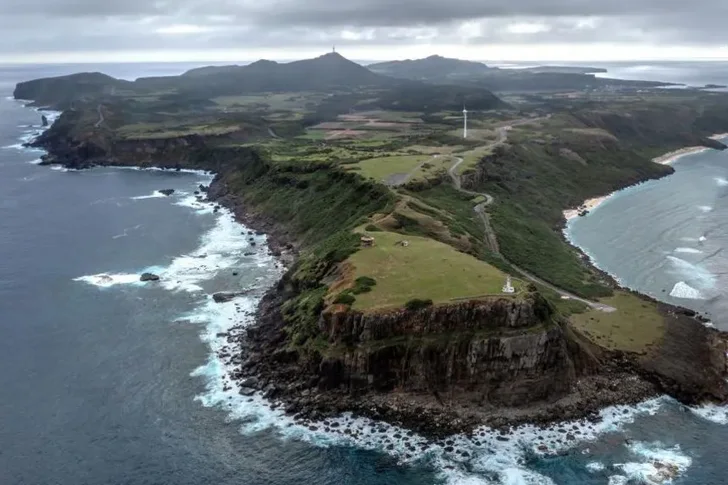
Japan plans to deploy surface-to-air missiles on its remot...
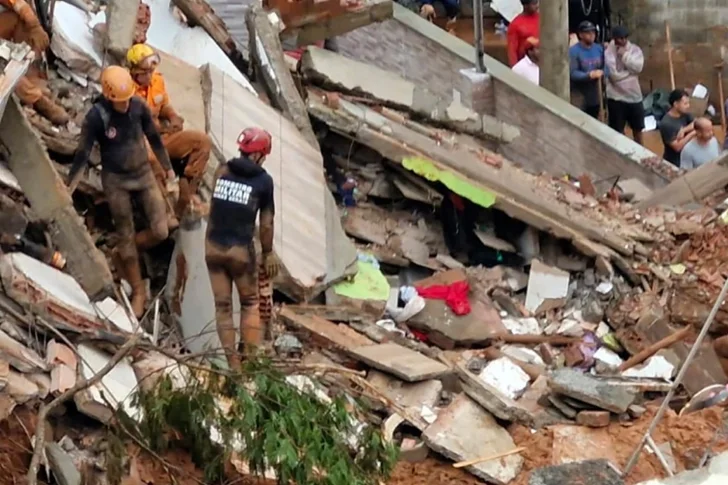
At least 22 people have died in torrential rains that hit ...
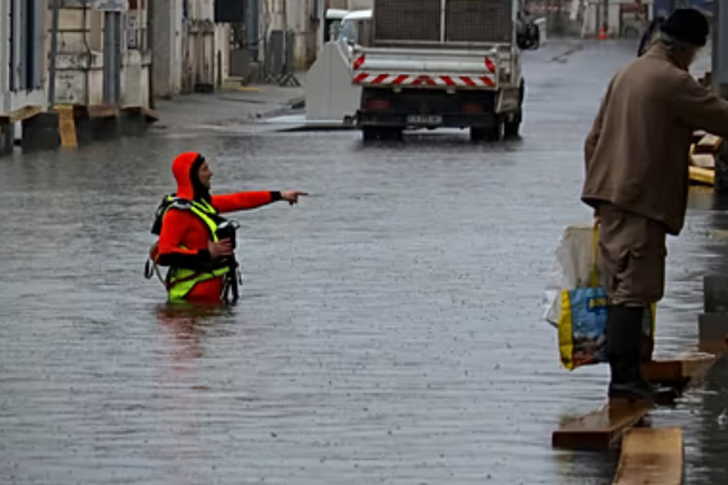
Météo-France has announced that a record 40-day streak of ...
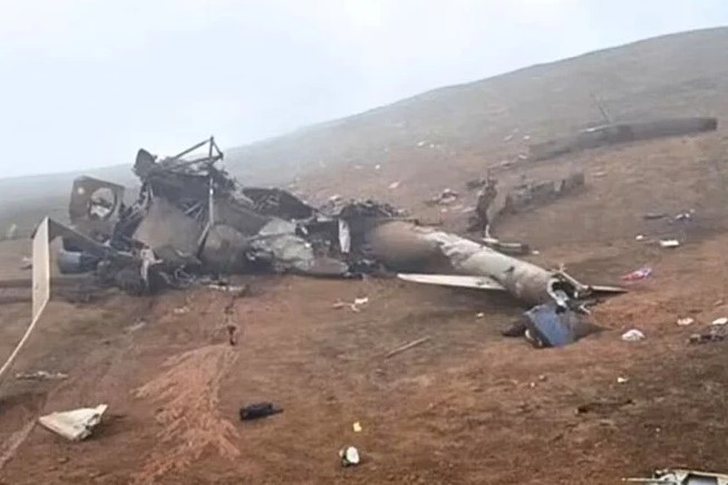
A plane crash has been recorded in Peru, where 15 people h...
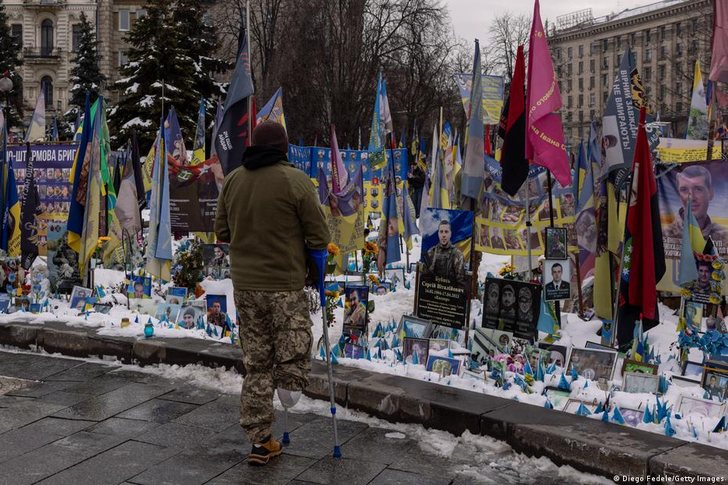
In early February, the Kiev International Institute of Soc...
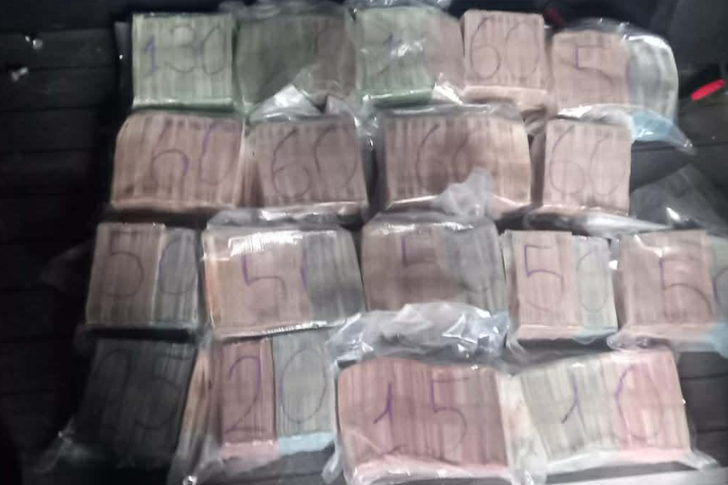
Around 1 million euros in undeclared cash has been discove...

CNA has launched another investigation that could lead to ...

Irfan Hysenbelliu is a businessman that we call "Irfan the...

In March 2026, CNA launched another investigation centered...
The arrested mayor of Tirana, Erion Veliaj, with 13 charge...

The Special Board of Appeal (KPA) decided this Monday ...

The KPA vetting decided this Thursday to dismiss the p...

Suela Salavaçi, a prosecutor in the Prosecutor's Offic...

The Special Board of Appeal reinstated the prosecutor ...
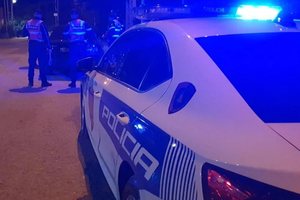
A conflict occurred this Thursday evening in the toy area ...
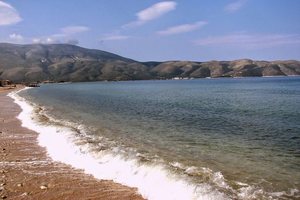
A person has died today on Orikum beach. According to repo...
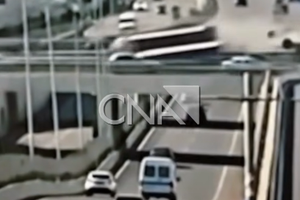
Footage emerges from the serious accident that occurred th...

A Shkodra traffic police officer was hit with hard objects...

Children without parental care, for whom alternative famil...

On Thursday, our country will be under the influence of st...

A serious accident that occurred this Wednesday with the c...

The Institute of Geosciences has shared a forecast for wea...

The European Union Office in Kosovo has called on all poli...
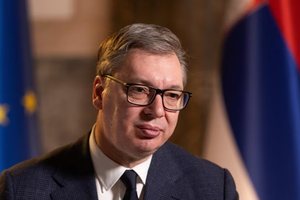
Serbian President Aleksandar Vučić, at a press conference ...
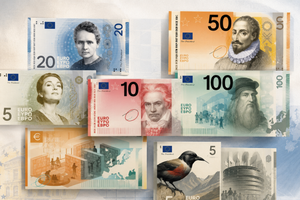
For the first time since the launch of the euro, European ...

Artificial intelligence (AI) models from the American comp...

At a time when industrial products are increasingly taking...

Trust among people is not just a three-syllable word. It c...

Master of humor Todi Llupi has passed away at the age of 7...

The ninth edition of "MIK Festival" kicked off with one of...
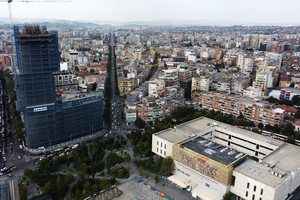
The average sale price of apartments in Tirana reaches rec...

This Thursday, one US dollar is bought for 81.5 lek and so...

The price of diesel reached 206 lek per liter from 198 lek...

Businesses will no longer be required to simply register t...