


Serbia reaches new agreement for gas supplies from Russia
Serbia has reached an agreement to extend the existing con...


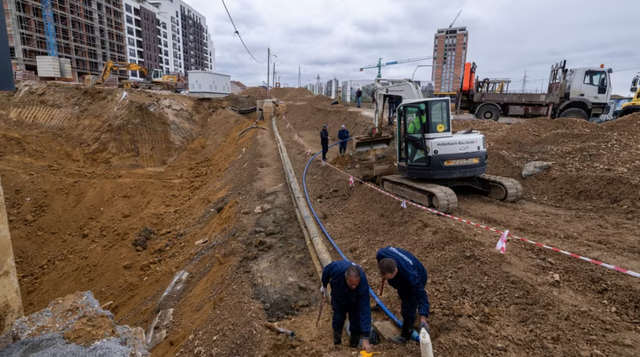
The “Don Shtjefën Kurti” street, which collapsed near a construction pit, prompted investigations into causing a general hazard, while the Municipality of Pristina suspended two inspectors in the area and decided to start inspecting all workplaces. There are still different versions about the exact cause of the collapse.
In just a few seconds, protective pillars several meters high collapsed along with part of "Don Shtjefën Kurti" street in Pristina, on March 29.
Images circulating online showed an open construction pit next to this road, and visibly damp ground.
The collapse of the road was preceded by the fall of piles, called "piles", which are usually placed at the edge of deep excavations, to prevent exactly what happened - a landslide.
The collapse caused no injuries, but it caused disruptions to the electricity and water systems, leaving several neighborhoods of the Kosovo capital without supply.
The hole dug along the road was the start of work on a construction project by the company "Klub Invest", which already has several other projects built around that area.
How did the collapse come about?
The main suspicion from all parties involved is that the collapse occurred as a result of water pressure.
But there is controversy about how this dampness came about, and whether it could have been prevented.
Radio Free Europe spoke with the owner of the company "Klub Invest", who indicated that the works have been underway for about a month, namely the digging of the pit for the new construction.
Fatmir Syla said that his main doubts are related to groundwater leakage.
"Due to groundwater leaks... it has put pressure on and damaged the soil structure," Syla claimed, adding that, according to his assessment, "90 percent" of the case can be linked to this factor.
He considered that it could have been a water main break, implying that it was not just about precipitation.
"In a way, it is impossible to know [to predict]. Although geomechanical drilling is usually done, soil measurements, all these procedures have turned out to be in order. But this is an ad hoc factor, which has come up on the spot," Syla told REL.
According to him, although he was interviewed by the Prosecution, it has not yet been proven that his company is to blame for the collapse.
"The case is under procedure. Responsibility is unknown, because cases happen, but here a commission of experts is needed to know exactly what happened," he said, adding that the construction is with permission, and that there have been no such problems with the construction of other buildings.
The Regional Water Supply Company "Prishtina" has denied statements that a breakdown in the water supply system may have caused the collapse.
In a statement on Facebook on March 29, the company said that, based on initial observations, this situation is not related to the water supply network: “Rather, [it is] related to excavation and intervention activities in the field, which have contributed to the destabilization of soil layers, and the creation of conditions for landslides.”
The water utility added that it will begin a detailed analysis of the situation on the ground, but did not respond to REL's questions about whether this analysis has already begun.
What do the experts say?
Upon first observation, from the videos that have circulated online, construction professor Naser Kabashi noticed an initial problem.
"The road construction and the construction pit, where the facility is planned to be built, in my opinion, had an insufficient distance. They were too close to each other," he told Radio Free Europe.
According to him, the presence of water or moisture changes the behavior of the soil, making it more unstable.
"In the presence of moisture or water, soils change, slide against each other, lose cohesion and create pressure," Kabashi asserted.
According to him, "the construction pit is designed to accept the loads, and not lead to landslides, as happened in this case," he said, emphasizing that the collapse process was gradual.
"This didn't happen in a day," Kabashi said.
The head of the capital, Rama, said on March 30 that "all workplaces where serious safety violations or problems are identified will be closed immediately, without any exceptions."
He requested the launch of "an internal investigation to verify inspection reports, the frequency of on-site checks and to identify any possible omissions, negligence or breach of duty."
According to him, "the cases will be subject to in-depth institutional analysis, which may result in the revocation of construction permits."/ Rel

Serbia has reached an agreement to extend the existing con...
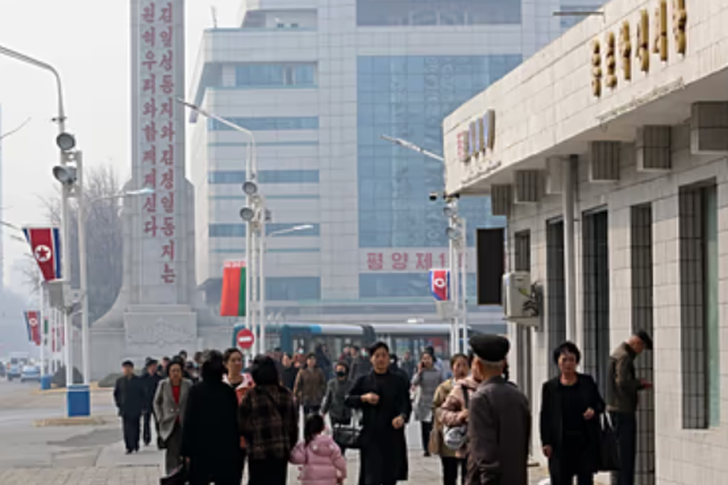
Air China resumed direct flights to North Korea on Monday,...

Garda Revolucionare Islamike e Iranit ka konfirmuar vdekje...

Global oil prices have risen sharply, while stock markets ...
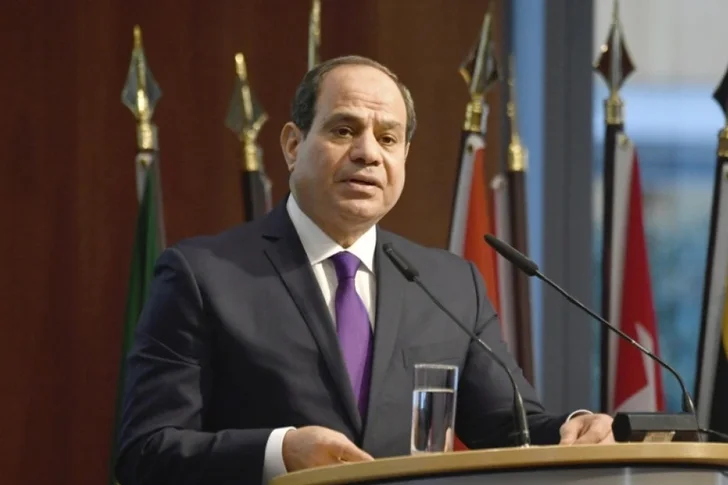
Egyptian President Abdel Fattah al-Sisi called on US Presi...

Prime Minister Keir Starmer has insisted that British troo...
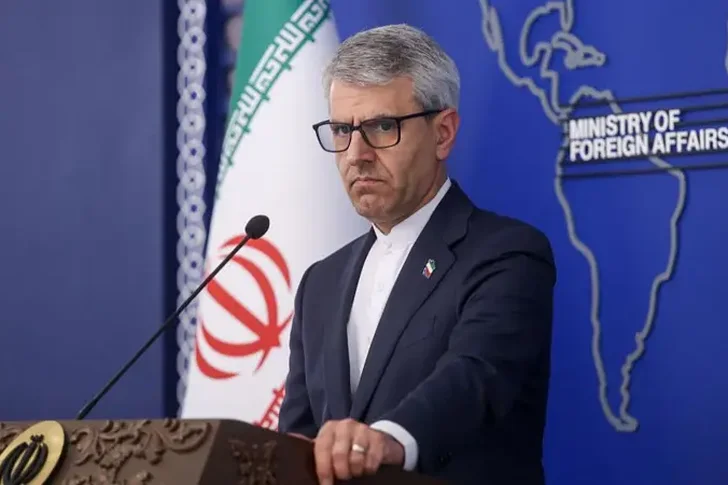
Iranian Foreign Ministry spokesman Esmail Baghaei h...

US President Donald Trump says the US is in serious discus...

Kosovo Prime Minister Albin Kurti has announced that he wi...
Spain has closed its airspace to US military aircraft inv...
US President Donald Trump has warned of the possibility of...
The Kosovo government has approved the proposal of the Min...
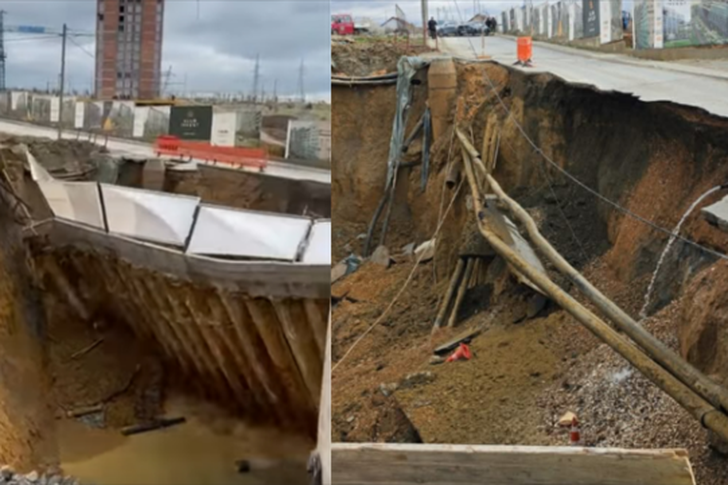
“Don Shtjefën Kurti” Street in Pristina has completely col...

The Australian government will halve fuel taxes for three ...
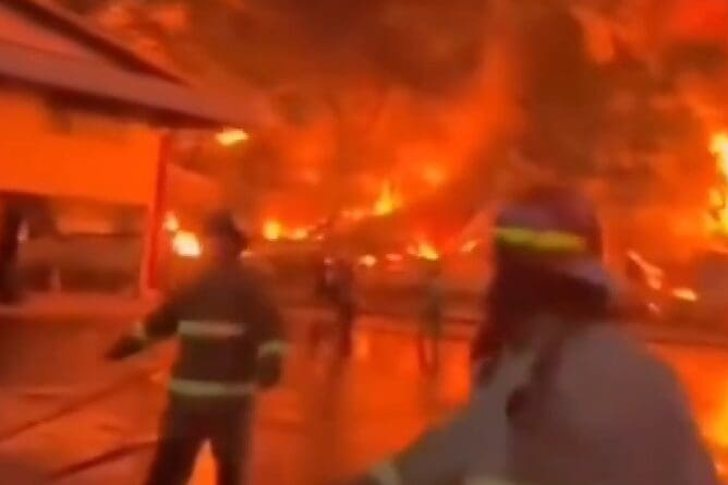
A massive fire has broken out at a plastics factory in the...
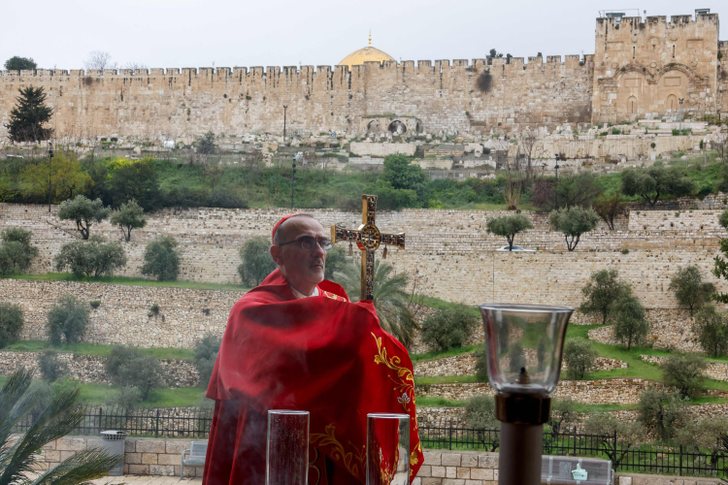
Israeli Prime Minister Benjamin Netanyahu has said that th...

Phil Werring is considering refusing to join the military....
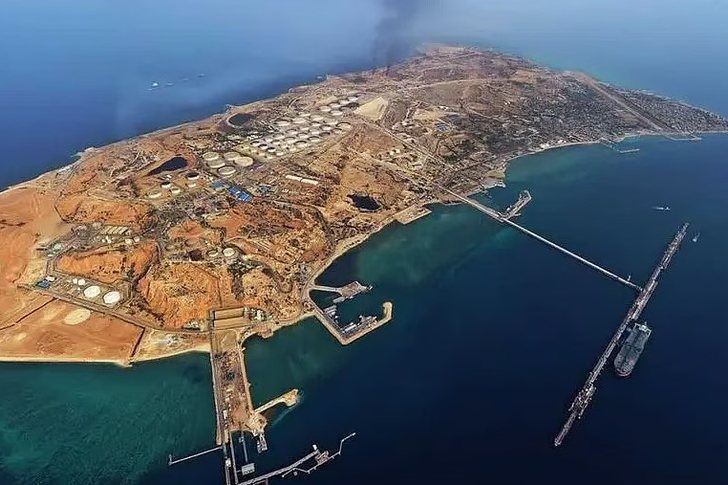
US President Donald Trump has stated that he wants to take...

United States President Donald Trump has stated that Iran ...

Italian authorities have launched an investigation into be...

CNA has launched another investigation that could lead to ...

Irfan Hysenbelliu is a businessman that we call "Irfan the...

In March 2026, CNA launched another investigation centered...
The arrested mayor of Tirana, Erion Veliaj, with 13 charge...

The Special Board of Appeal (KPA) decided this Monday ...

The KPA vetting decided this Thursday to dismiss the p...

Suela Salavaçi, a prosecutor in the Prosecutor's Offic...

The Special Board of Appeal reinstated the prosecutor ...
A road accident occurred this evening on Nikolla Zoraqi St...
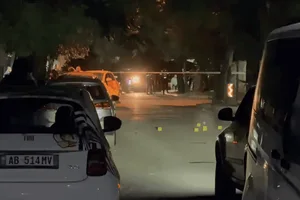
Three people were shot and wounded in Elbasan last night b...
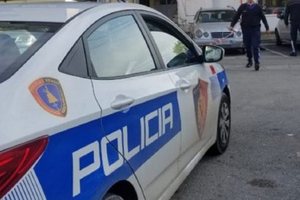
A serious incident occurred this Tuesday in the Yrshek are...

An accident occurred this Tuesday on "Dituria" street in K...
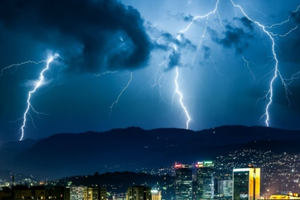
All of Southern Europe will face changing weather conditio...
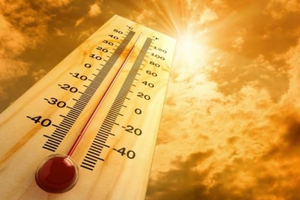
Albania was hit by temperatures significantly higher than ...

For the first time, Pogradec welcomed the Inter-Lake Chess...
Albania has achieved a record for the employment of foreig...

US Secretary of State Marco Rubio arrived in Manila on Jul...

In the space of a few days, Ukrainian President Volodymyr ...

The spokesman for the Iranian Foreign Ministry warned Bulg...
Autoritetet italiane sekuestruan pako me afër 800 kilogram...

At a time when industrial products are increasingly taking...

Trust among people is not just a three-syllable word. It c...

Master of humor Todi Llupi has passed away at the age of 7...

The ninth edition of "MIK Festival" kicked off with one of...
Construction company licenses will have a validity period ...
The Centralized Purchasing Operator recently opened a tend...
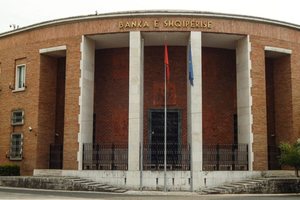
The new draft law "On the Bank of Albania" provides that t...

This Tuesday, one US dollar is bought for 81.2 lek and sol...