

Starmer tough on Putin: We can't let him play games with the deal
British Prime Minister Sir Keir Starmer, in his speech at ...


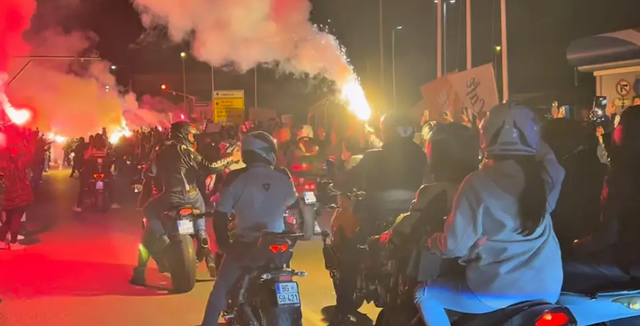
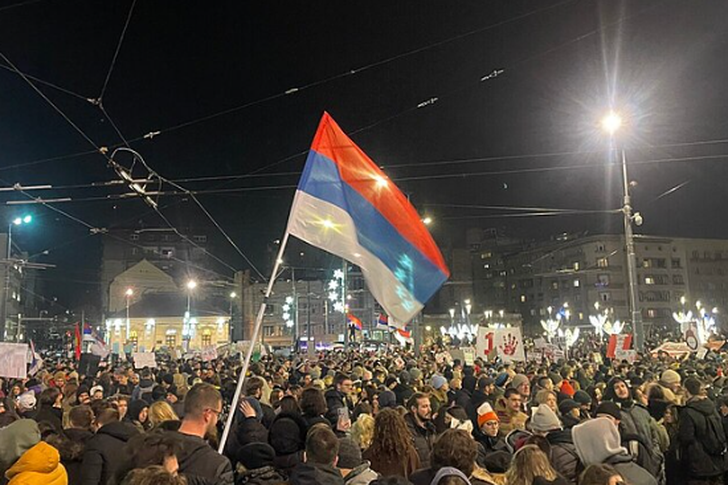
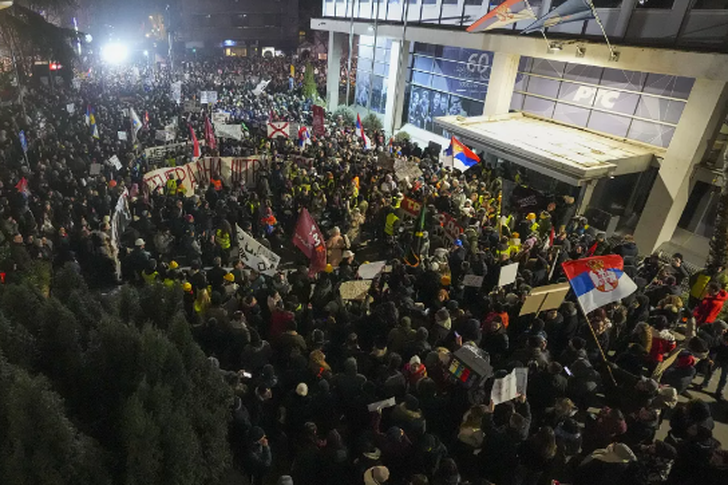
Students who blocked universities on December 4 have mobilized massively for protests across Serbia. After cities like Kragujevac and Niš, Belgrade is next.
Students and citizens have been marching towards the Serbian capital for days. Dozens of protests and incidents have occurred in the past week alone. President Aleksandar Vu?i? and his government are not giving up easily. He says the protests are over, while the students say that this is up to them, not the president.
Miloš Obrenovi?'s long road to the small town of Obrenovac
About 32 kilometers from the center of the Serbian capital is Obrenovac. Its center was packed with people on Thursday evening, February 13, two days before the large protest announced in Belgrade.
At first, everything seemed calm, but then a line of people walked towards the last intersection leading out of town, near a high school and a Serbian tavern. "Students will come from both sides," says Marija, a woman walking with her husband and son. "We set out because we love this country and we want to live here, but not in a country where dictatorship prevails," she tells DW, walking with the flag raised on a pole. "There are many people who are still afraid to go out into the streets, but the people have risen up and that gives hope," says her husband, who suggests quoting his wife more, since they both think the same way.
"Pumpaj..." chants the son, about ten years old. In Albanian, "pumpaj" means to blow, and this is the main motto of the protests in Serbia. Many of them carry bicycle tire pumps and vuvuzelas to make as much noise as possible and to "blow" until the government "bursts".
The meeting point is at the elementary school named after the children's poet, doctor and politician Jovan Jovanovi? Zmaj and at the Serbian tavern "?udo" - Albanian "Çudia".
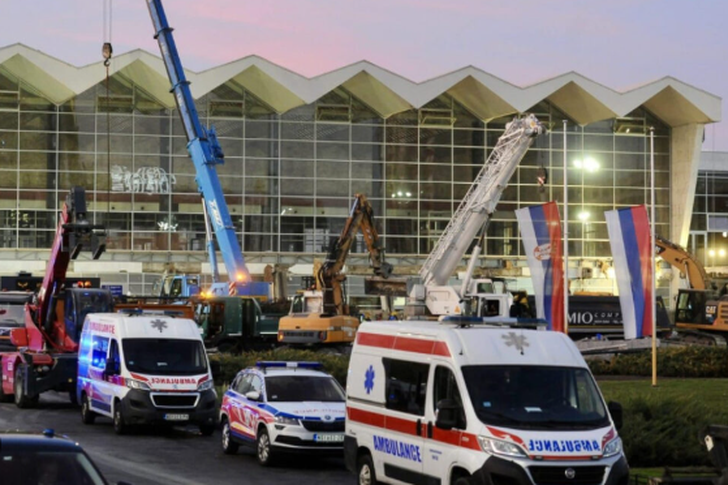
The protests began as a protest against corruption and demands for accountability following the collapse of the roof of the Novi Sad railway station in early November last year, which killed 15 people and injured two. But they have now turned into a mass movement demanding a political solution.
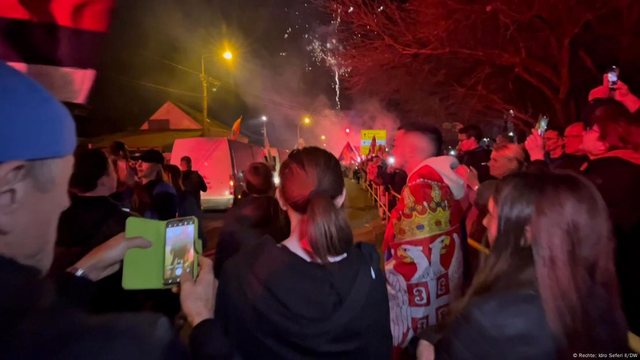
Young girls dressed in national costumes hold bread, cakes and salt in their hands as a traditional welcome to the students who started their walk four days ago from different parts of Serbia, on a protest march. The lines of citizens seem endless in this small town and everything is buzzing non-stop. "The students will arrive in another 20-30 minutes..." shouts a young man with a megaphone dressed in a yellow fur coat, who keeps order on the streets.
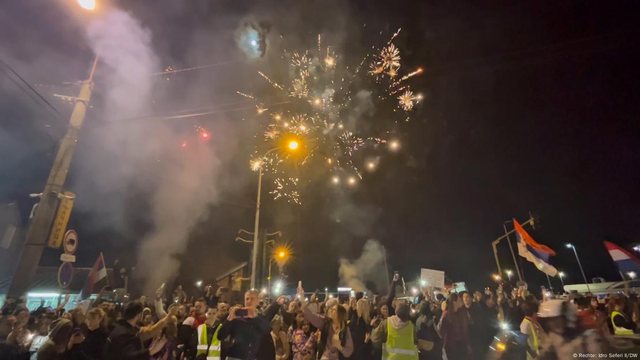
A little later, two police cars are heard, like a spark at the end of the road in the distance. Behind them, several more lights appear in the shadows. Serbian motorcyclists have joined the students since the incidents and violence occurred months ago. They lead the way, waving and cheering, while on the other side dozens of giant tractors, some with people on top, cheer. A little later, the students head towards the main road. Fireworks explode in the sky. For the students, flowers, handshakes and hugs, along with tears. "I've been walking for two days, but we're marching for freedom," says Miloš, a student from the town of Šabac.
These images have been numerous over the past week, as groups from all over Serbia have set off on foot. When they reach Belgrade, they will be housed in the homes of other students, faculty, and strangers who are offering shelter to protesters in various online groups.
A number of farmers from Serbia have also joined the protests, driving their machinery towards Belgrade. Tractors were also reported in front of the camp of those supporting the end of the boycott at universities, and the media reported that the authorities are bringing their tractors to several centers on the outskirts of Belgrade in response.
Students who "want to learn" - and the red berets
March 6 marked the moment when several hundred young people with tents landed in Pioneer Park, near the Presidential building, to set up a camp. In a press release, they said they were a group that wanted to stop the university boycott, the strikes, and restore normality. They called themselves "Students 2.0" and said they were "students who want to learn."
They sent a letter to the institutions, Serbian President Aleksandar Vu?i?, Parliament Speaker Ana Brnabi?, and other officials, stating that all of the students' demands have been met and calling for a return to normality.
"We don't want violence, we want to go back and study," said Miloš Pavlovi?, a medical student who identified himself as one of the group's leaders. His faculty distanced themselves from him, calling him a man of power who does not represent them.
On social media, some of the group's students were identified as extras on various television shows, while Belgrade media claim that most are not students and have new IDs.
A few days later, they were joined by several others: veterans of the Red Berets, former special members of the State Security, units associated with the wars of the former Yugoslavia, the Kosovo war, and the assassination of Prime Minister Zoran Djindjic in 2003. This group in the park was also joined by a number of Kosovo Serbs.
President Aleksandar Vu?i? appeared from his terrace to address the group of students, mentioning the current situation and the young Donald Trump, the son of the president of the United States of America, during his stay in Belgrade, where he gave an interview for the podcast that the young Trump hosts. "The protests are also financed by America...", said Trump Jr, citing the conversation with the Serbian president.
The day before Saturday's protest, Vu?i? appealed to Students 2.0 to leave after the protest and hosted them at his headquarters. "I thank the president, because he was the only one who hosted us and listened to us," said Pavlovi?, who leads the group.
The political future of Serbia
Serbian President Aleksandar Vu?i? has been warning for days about the risk of possible violence in Saturday's protests. "They want to create violence and this is their only way," Vu?i? said in an address to the media.
"We know that riots are being planned on March 15. They are nervous because they know that the color revolution will not pass them by," he declared. The president, in an extraordinary address from the Presidency, said that he had clearly warned about what would happen ten days ago. "I said that there is a decline in the numbers of those who block Serbia and that people have now understood this, that support for those rallies organized by the opposition is falling and that they will turn to radicalization," he added.
Dušan Spasojevi?, a professor at the Faculty of Political Science in Belgrade, told DW that the protests have affected general life in Serbia. "In a normal situation, the government would meet the demands of the students and everything would be fine. Or, we could have extraordinary elections that would show whether there is another majority," he said. But he believes that the conditions for free and democratic elections no longer exist. "We need an extraordinary solution and most people would agree that a transitional government with representatives from the government, the opposition, as well as experts and university professors is necessary to get out of the crisis in a period of 6-12 months, and then elections can be held," Spasojevi? said.
But this option is not acceptable to the President of Serbia, Aleksandar Vu?i?, who has repeatedly publicly reiterated that he would never do such a thing.
The protests led to the resignation of Prime Minister Miloš Vuk?evi?, which was accepted by the Serbian Parliament, despite the numerous tensions that have occurred in recent days. Vu?i? has announced a new prime minister.
The students say the protests will not stop and that their end will not come when the president says so, but when they say the conditions have been met. For now, they have no intention of stopping./ DW

British Prime Minister Sir Keir Starmer, in his speech at ...
Germany's CDU and SPD parties reached a historic agreement...
Thousands of people are gathering in Serbia's capital, Bel...
US officials who traveled to Moscow this week are expected...
SHISH Vlora Hyseni, the director of the institute, has sig...

The G7 countries focused on discussions, particularly on U...
Two earthquakes struck the island of Crete today. The firs...
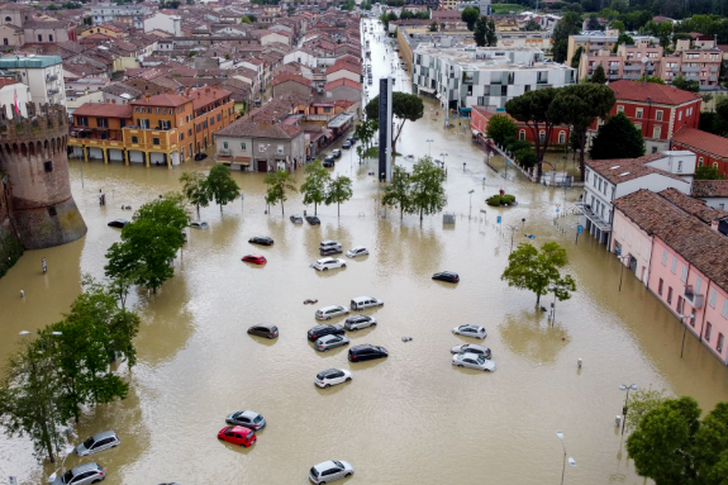
Florence is facing a red weather warning this Friday after...
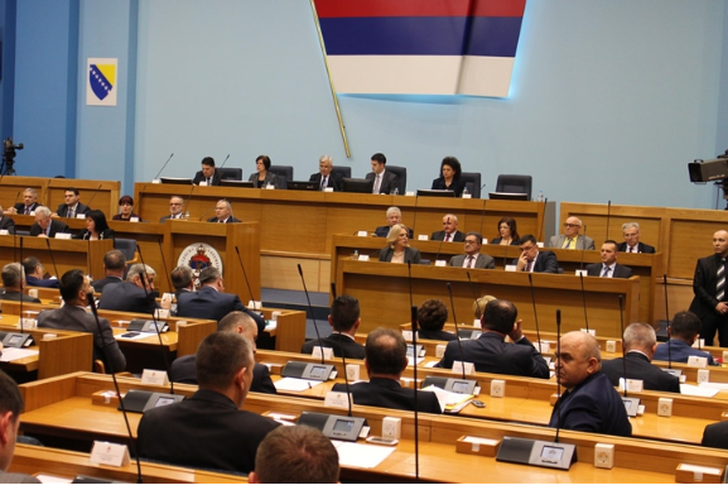
The Parliamentary Assembly of Republika Srpska adopted a d...
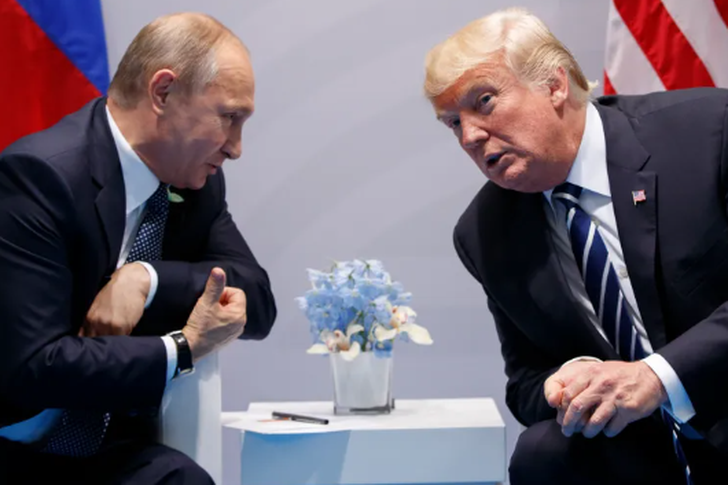
US President Donald Trump today hailed the very good and p...
The European Public Prosecutor's Office, led by Laura Köve...
Ukrainian President Volodymyr Zelensky has described Kreml...
NATO Secretary General Mark Rutte visited the White House ...
Former Kosovo President Hashim Thaçi has arrived in Kosovo...
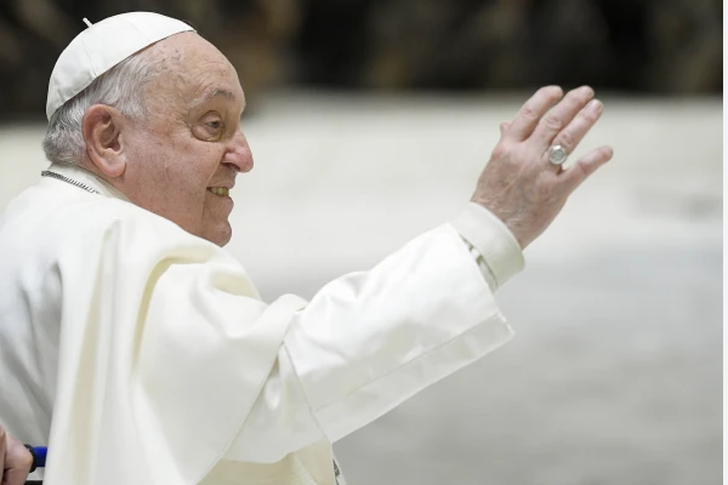
Today, March 13, 2025, marks the 12th anniversary of Pope ...
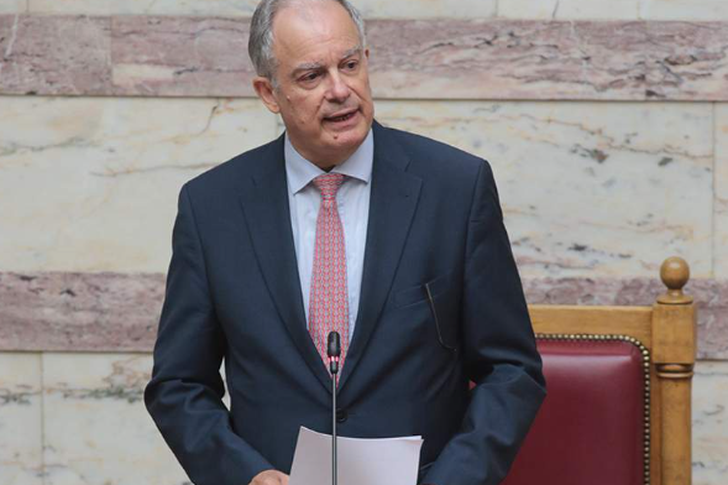
This Thursday, the country's new president, Konstantinos T...
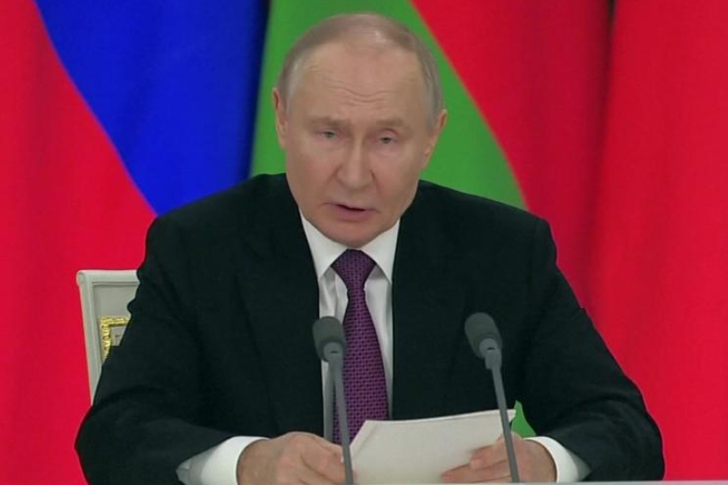
Russian President Vladimir Putin has expressed his agreeme...
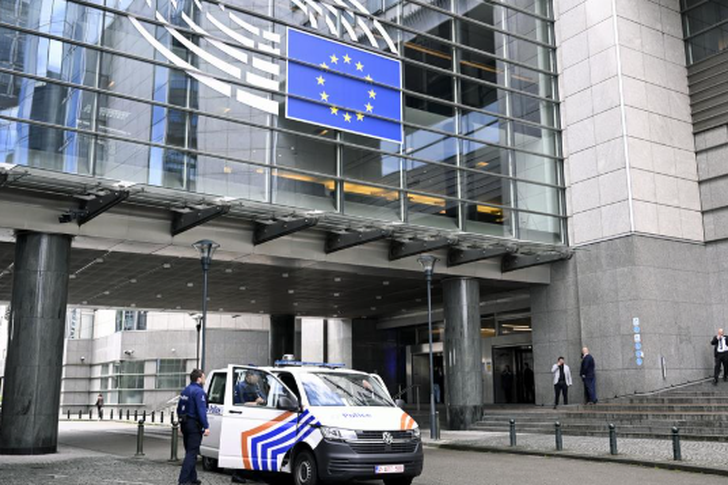
Belgian police raided more than 20 addresses in the early ...
A serious incident occurred today in Thessaloniki. A man k...
A few days before the large protest announced for March 15...
A 39-year-old citizen has been arrested in Lezha, after se...

CNA has launched another investigation that could lead to ...

Irfan Hysenbelliu is a businessman that we call "Irfan the...

In March 2026, CNA launched another investigation centered...

The Special Board of Appeal (KPA) decided this Monday ...

The KPA vetting decided this Thursday to dismiss the p...

Suela Salavaçi, a prosecutor in the Prosecutor's Offic...

The Special Board of Appeal reinstated the prosecutor ...
A conflict for weak motives was recorded today in the vill...
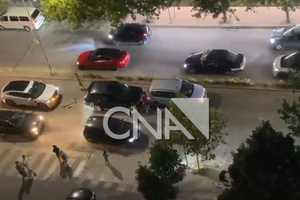
An accident involving three vehicles occurred a few minute...
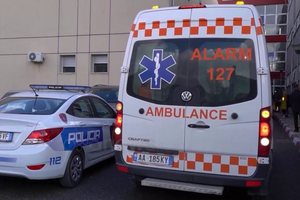
55-year-old Belere Plaka, who was injured today with a sho...
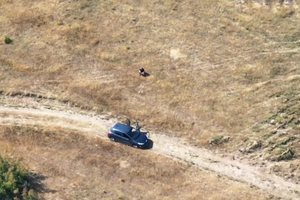
Police Announcement: Following preliminary information...

By noon, cloudiness is expected to prevail in almost all o...
Children without parental care, for whom alternative famil...
On Thursday, our country will be under the influence of st...
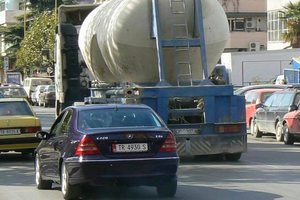
A serious accident that occurred this Wednesday with the c...
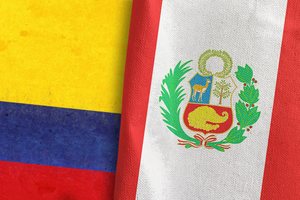
Peru and Venezuela will restore diplomatic relations, the ...
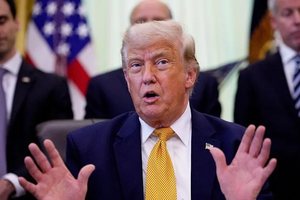
United States President Donald Trump has left open the pos...
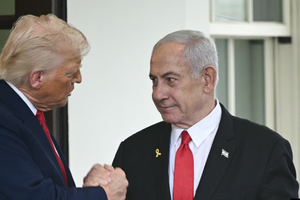
Israeli Prime Minister Benjamin Netanyahu will travel to t...
A bipartisan group of US lawmakers is calling for a Europe...
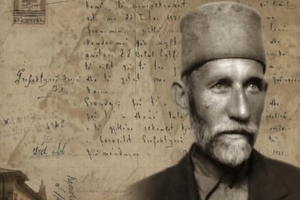
In my research at the Central State Archives, specifically...

At a time when industrial products are increasingly taking...

Trust among people is not just a three-syllable word. It c...

Master of humor Todi Llupi has passed away at the age of 7...
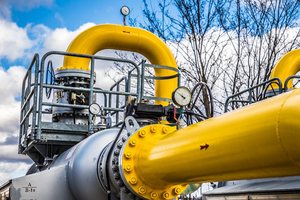
War, weather and supply disruptions could send gas prices ...
The number of active enterprises in Albania continued to g...
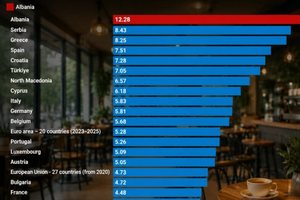
In Albania, the bar-cafe has long become an almost unique ...

This Friday, one US dollar is bought for 81.7 lek and sold...