

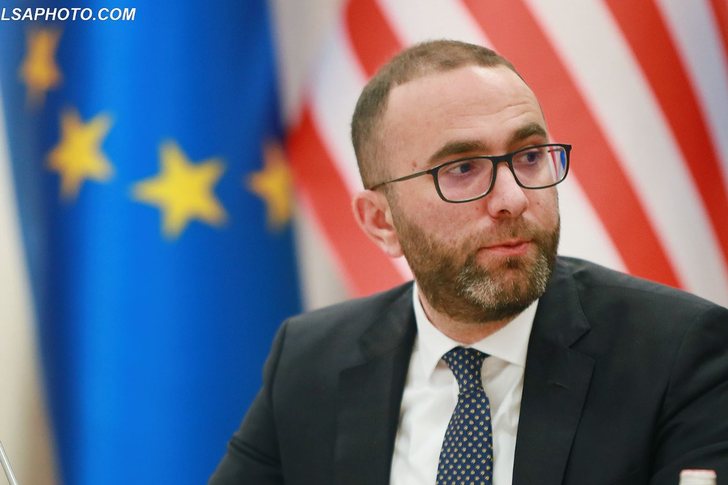
Argita Malltezi at the head of the DP?/ Bardhi: We don't have a vacancy
The chairman of the DP Parliamentary Group, Gazment Ba...


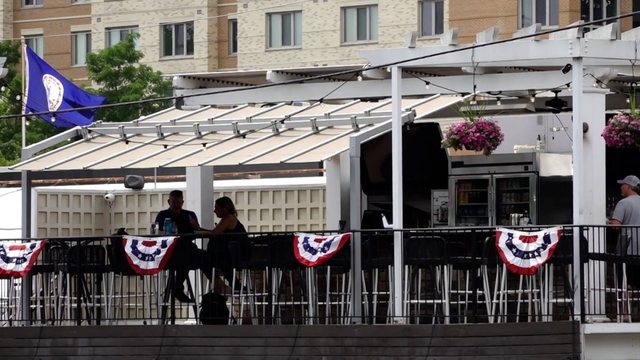
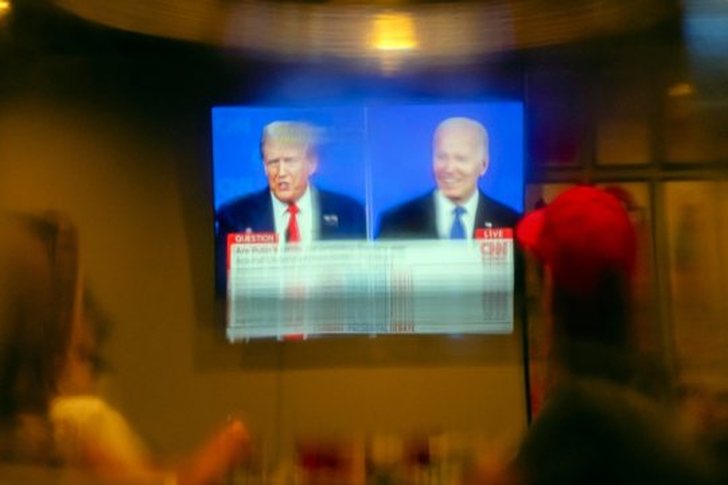
With only four months away from the presidential elections in the United States, the political divisions of the electorate are extreme. According to VOA correspondent Veronica Balderas Iglesias, some voters blame the media for deepening this sense of division.
American voters say there's no doubt the United States is polarized as the November presidential election approaches. John LaRussa is one of them.
"I don't think the country has been this divided since the civil rights era. We are in a situation where people are not able to talk to each other", he says.
Michael McDermott, another voter, says the politically polarized media is exacerbating the problem.
"We have special news stations for special points of view. You have to treat every piece of information you hear with skepticism," he says.
A 2023 poll found that Americans tend to see the media as damaging to democracy and as something that increases political divisions rather than smoothing them.
Only 16 percent of respondents say they are completely convinced that the media reports the news completely, accurately and fairly.
Student Nicki Dolce is one of the skeptics.
"When you read the news, you understand from the way they write that they are trying to influence the reader in one way or another," she says.
Media contributing to polarization is no accident, says Justin Owen, president of the Beacon Center in Tennessee, which advocates for policies that support a free market.
“It's about clicks, isn't it? It is about the number of readers for the news. And frankly, being more extreme pays off because it gets more attention," he says.
Many voters also blame social media for widening political divides.
"People express their opinions there, too. I think they add fuel to the fire," says another voter.
But while traditional media and social media may be fueling the rifts, experts say they are not causing them.
According to Syracuse University political science professor Johanna Dunaway, polarization is not a new phenomenon.
"There is very little evidence that the media can influence people beyond the attitudes they already have. Polarization existed even before the media changed and before the media that held party positions came back on the scene," she says.
As the presidential election approaches, Professor Dunaway says she is more concerned about the spread of false information and the increased challenges news readers face in distinguishing truth from lies./ VOA

The chairman of the DP Parliamentary Group, Gazment Ba...
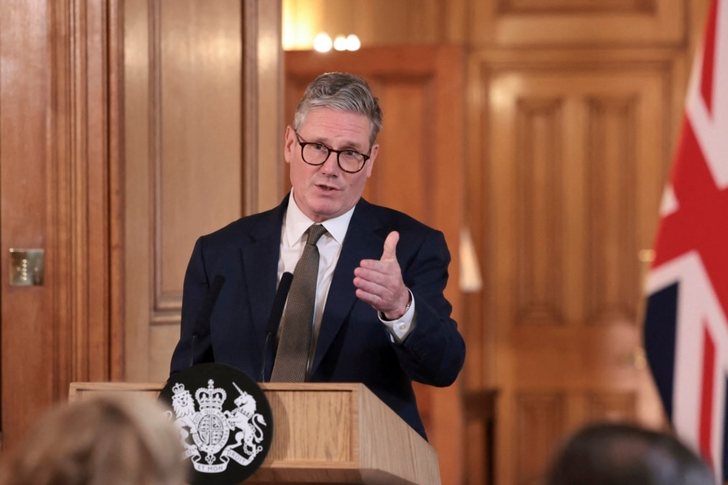
Newly-elected UK Prime Minister Keir Starmer confirmed...
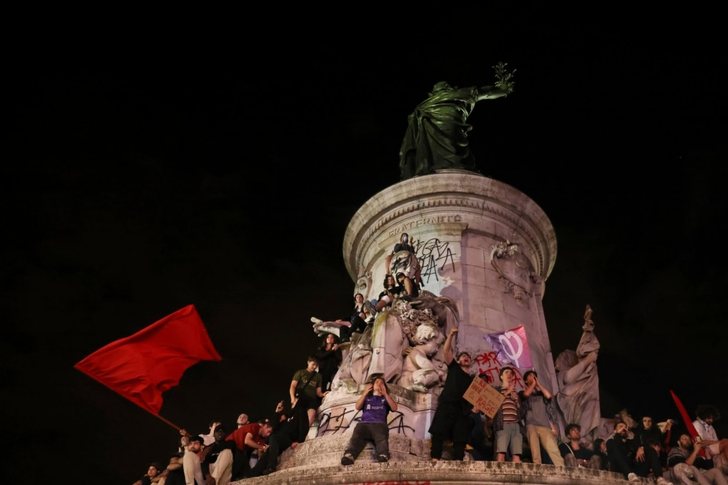
Parties across the political spectrum urged French peo...
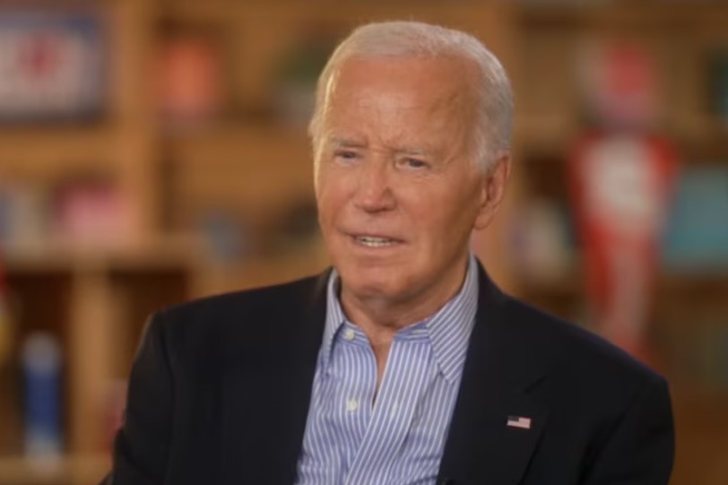
US President Joe Biden, with his political career span...
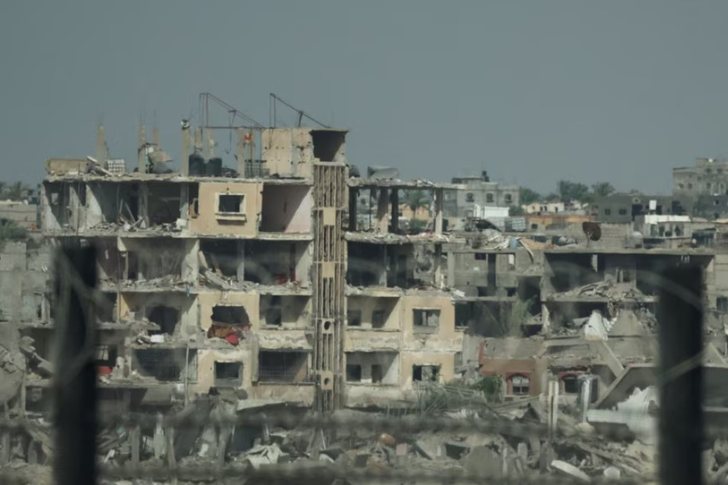
Hamas has accepted the American proposal to start talk...
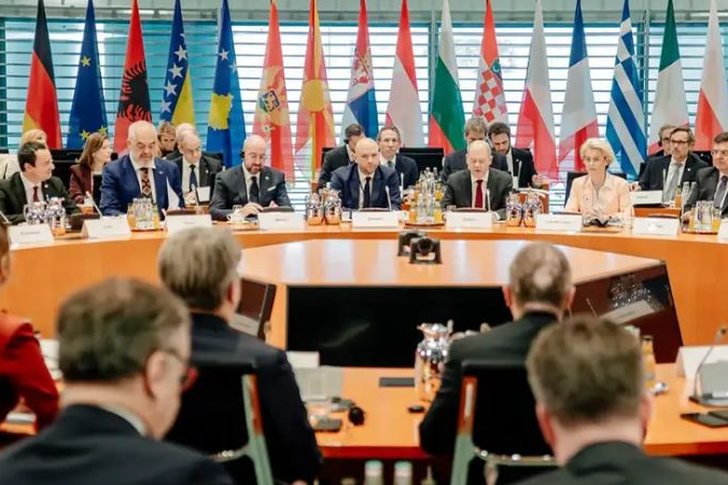
Twenty years after the last major expansion of the Europea...
The only Albanian deputy in the Parliament of Serbia, ...
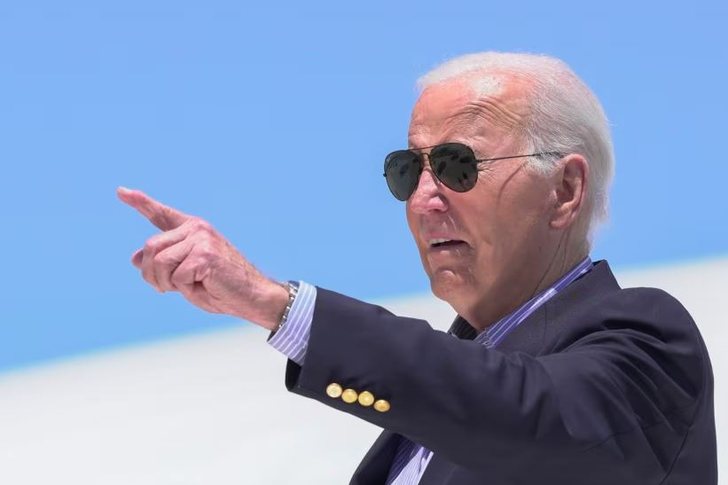
The President of the United States, Joe Biden, has sai...
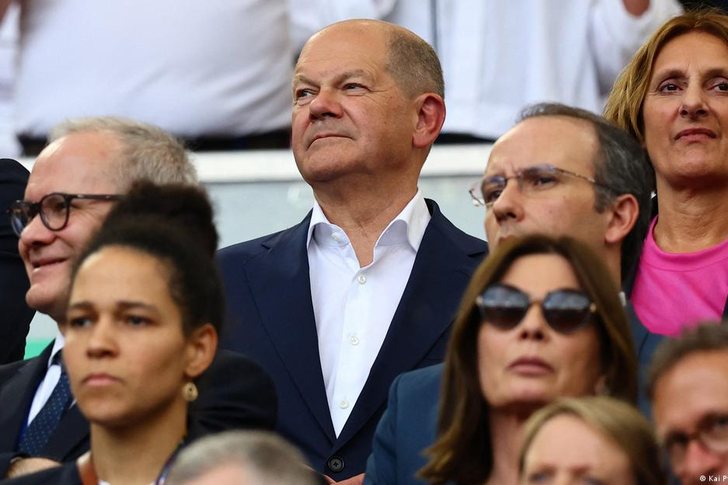
The dream of a fourth triumph in the Euro2024 European...
The Czech Republic has decided to ban the entry of Rus...
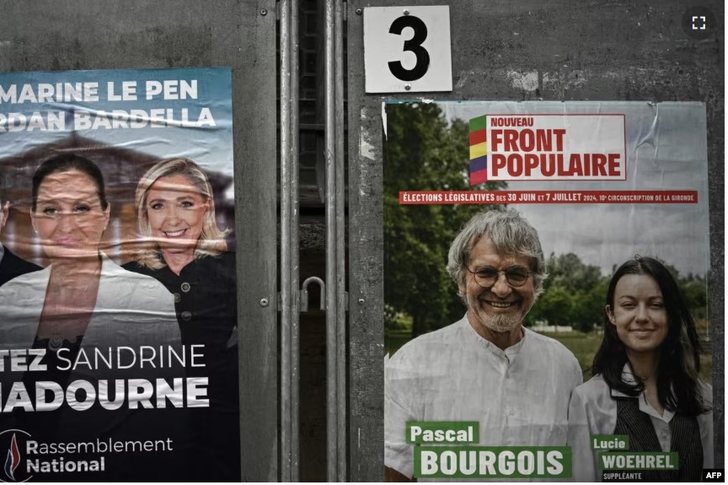
In the final days of campaigning ahead of the second r...
Israeli Prime Minister Benjamin Netanyahu has agree...
Hungarian Prime Minister Viktor Orban arrived in Mosco...
USA- President Joe Biden again acknowledged his poor c...
Great Britain is now under Labor leadership. The count...
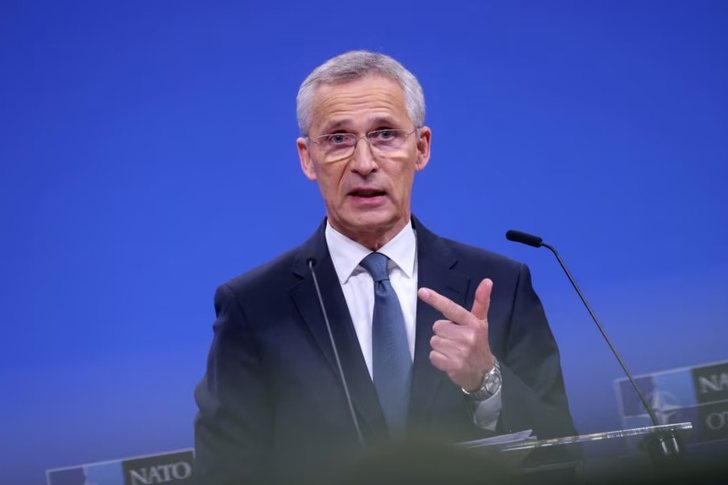
The outgoing head of NATO, Jens Stoltenberg, has said ...
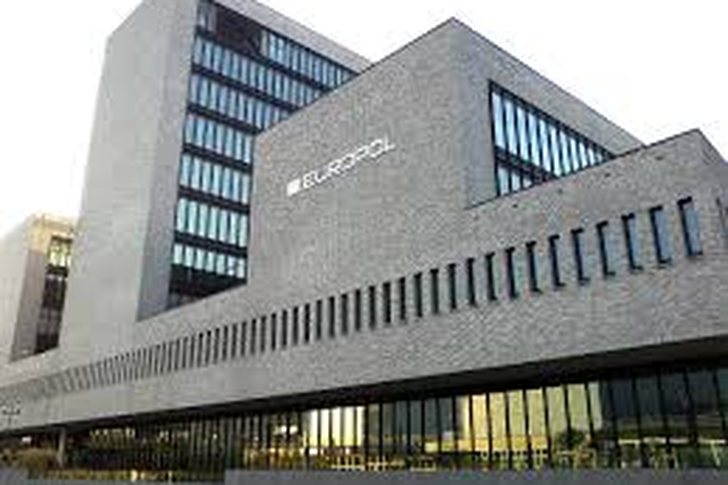
Five members of a Chinese criminal network were arrested t...
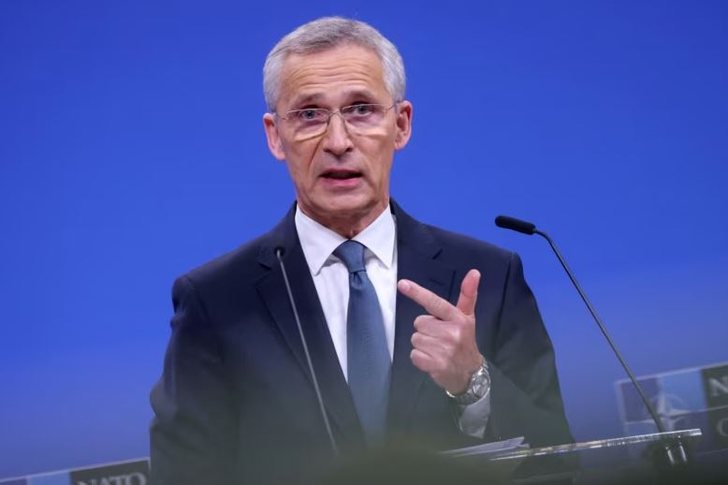
The outgoing head of NATO, Jens Stoltenberg, has said ...
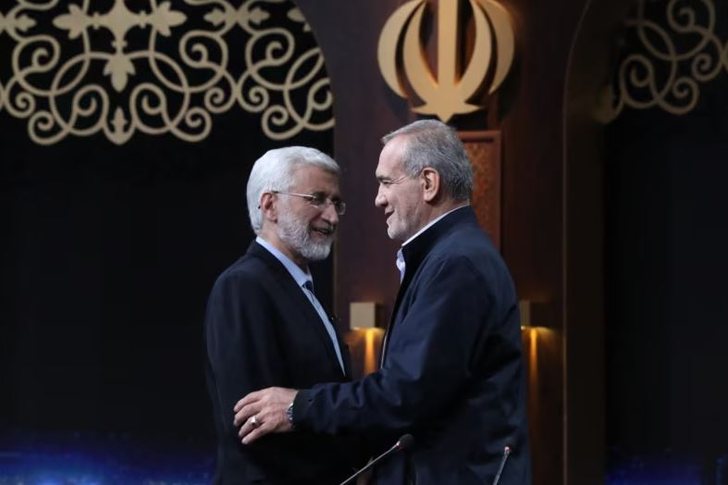
Iranians began voting early Friday in the presidential...
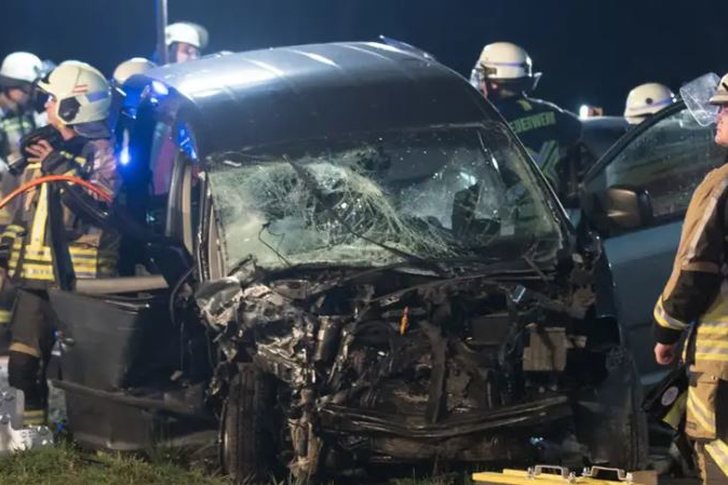
Road accidents are the leading cause of death in the w...
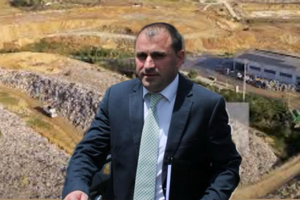
SPAK's standards, the way it investigates, how it secures ...
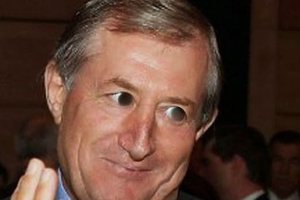
Irfan Hysenbelliu claims to be a big businessman, an hones...
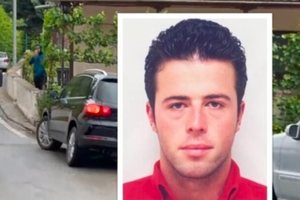
The murder of officer Enea Mekolli in the line of duty has...
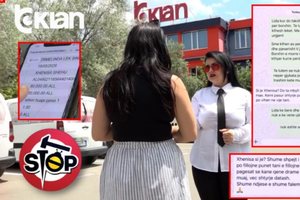
The next case broadcast on the show "Stop", this Thursday,...

The Special Board of Appeal (KPA) decided this Monday ...

The KPA vetting decided this Thursday to dismiss the p...

Suela Salavaçi, a prosecutor in the Prosecutor's Offic...

The Special Board of Appeal reinstated the prosecutor ...
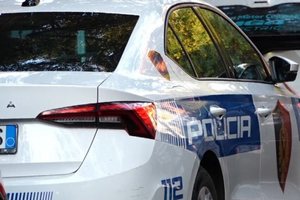
Another gunshot wound occurred at the scene. According to...

A gunshot wound occurred this afternoon in Shijak. Accordi...
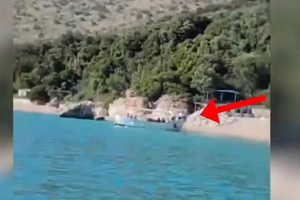
The Border Police blocked the vessel and fined the driver ...
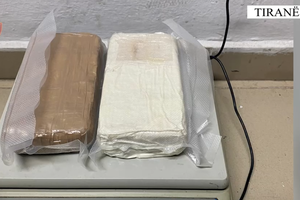
A police operation codenamed "Zonet" has ended with the se...
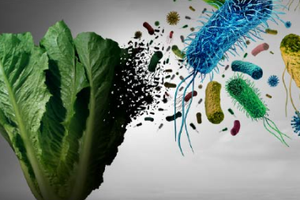
More than 860 million people fall ill and 1.5 million die ...
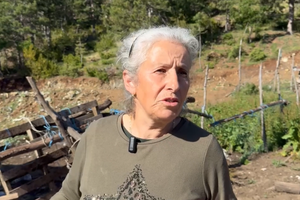
The mother of Violand Braçellari, the perpetrator of the s...
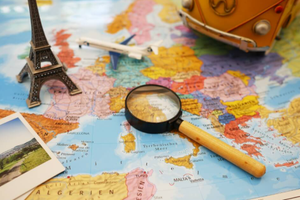
The modern European traveler seeks a meaningful connection...
This Sunday, weather conditions are forecast to be clear a...
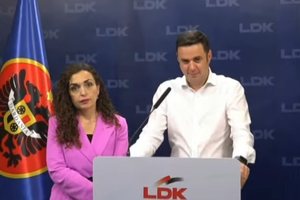
LDK leader Lumir Abdixhiku and former president Vjosa Osma...
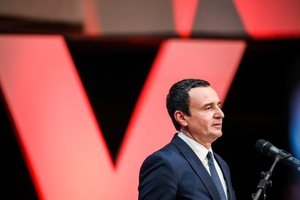
The Vetëvendosje movement has declared victory in the snap...
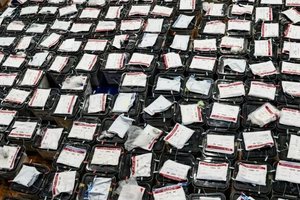
The counting of votes for political entities in Kosovo is ...
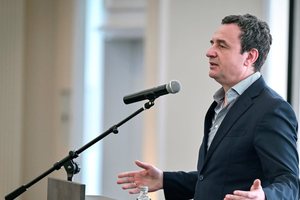
Kosovo's acting Prime Minister, Albin Kurti, has reacted a...
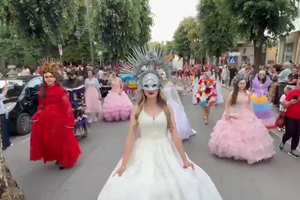
Korça has transformed this weekend into the capital of cel...
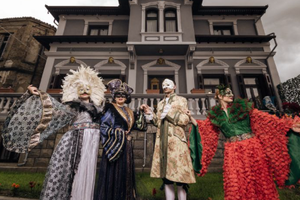
Korça is ready to open the summer season with one of the c...
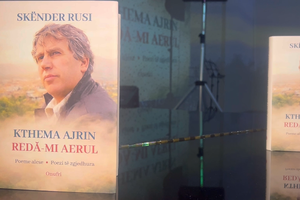
Two years after his passing, the renowned Korçë poet Skënd...

The Ethnographic Museum of Berat has opened its doors to v...
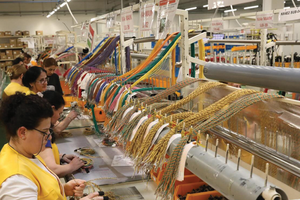
The automotive industry in Albania is currently at a turni...
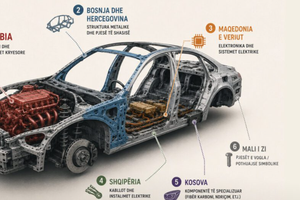
If you were to follow the industrial map of the Western Ba...

The Transparency Board, in today's meeting, decided to red...

This Saturday, one US dollar is bought for 81.4 lek and so...