


1.2 million people die every year from road accidents
Road accidents are the leading cause of death in the w...


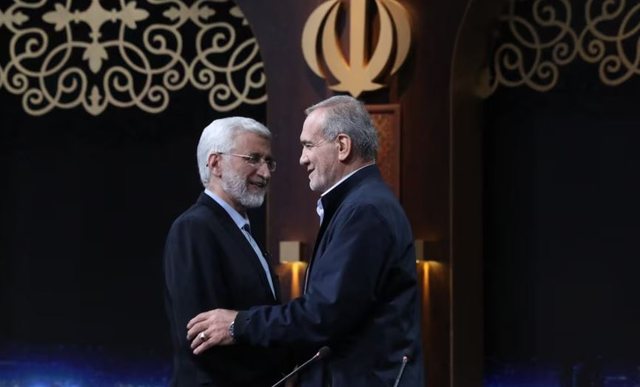
Iranians began voting early Friday in the presidential runoff, after no candidate managed to win enough votes to be elected the new president in the first round of elections on June 28, when turnout hit a record low.
The vote is being held at a time when Iranians are facing a lack of freedom, poor living conditions and a weakened economy.
In the election, which was called because of the death of Ebrahim Raisi in a helicopter crash last month, Iranians must choose between reformist and veteran lawmaker Masud Pezeshkian and former nuclear negotiator conservative Saeed Jalili.
Jalili serves as Supreme Leader Ayatollah Ali Khamenei's personal representative on the Supreme National Security Council (SNSC). He was secretary of this council from 2007 to 2013, and during that time he led the Iranian delegation to the failed talks with the West over Iran's nuclear program.
Pezeshkian has been a member of the Iranian Parliament since 2008 and served as deputy speaker between 2016 and 2020, when reformists and moderates enjoyed a majority in the legislature.
He has questioned Iran's methods of mandating the hijab, an Islamic headscarf for women. Pezeshkian has also spoken in favor of talks with the West.
However, he supports the principles of the Islamic republic and says he will follow Khamenei's policies if elected president.
The outcome of the election is unlikely to bring major political changes, but could have an impact on who succeeds Khamenei, the 85-year-old who has been the country's supreme leader since 1989.
Only 39.9 percent of voters participated in the first round of elections, despite Khamenei's calls for a high turnout to protect the image of a powerful Iran, where its people support the political leadership.
The Islamic Republic has long insisted that its legitimacy comes from voter participation in elections, but low turnout in elections in recent years and deadly protests against the leadership have challenged the legitimacy of the current government.
Pezeshkian won the first round with 10.5 million votes, while Jalili came second with 9.5 million votes. However, Pezeshkian also benefited from the division of the conservative vote, because the other conservative candidate, Mohammad Baqer Qalibaf, won 3.4 million votes and says that he supports Jalil in the runoff.
But there is no guarantee that Qalibafi's votes will go to Jalil in the runoff, because they represent two completely different groups in the divided conservative camp.
Pezeshkiani's camp has tried to convince the voters who boycotted the first round to come out and vote in the runoff. His supporters have argued that if Jalili comes to power, his administration will use repressive policies and further isolate Iran.
Jalil's supporters have portrayed Pezeshkian as a man who is soft on the West and will make Iran's progress dependent on good relations with Western countries.
Meanwhile, opponents have called on voters to boycott the runoff, insisting that the elections in Iran are neither free nor fair and that the past elections have failed to bring about changes, since Khamenei is the main power.
In Iran, the supreme leader has the final say on all state affairs and the president has no power in many important matters./ REL

Road accidents are the leading cause of death in the w...
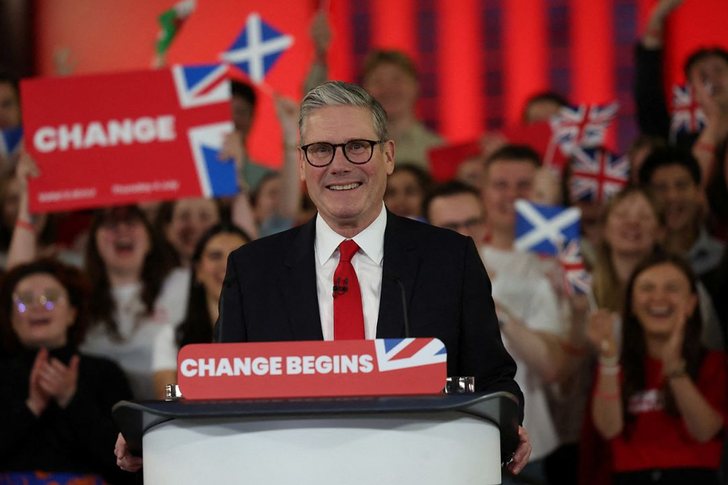
Labor wins the UK general election, with more than 500...
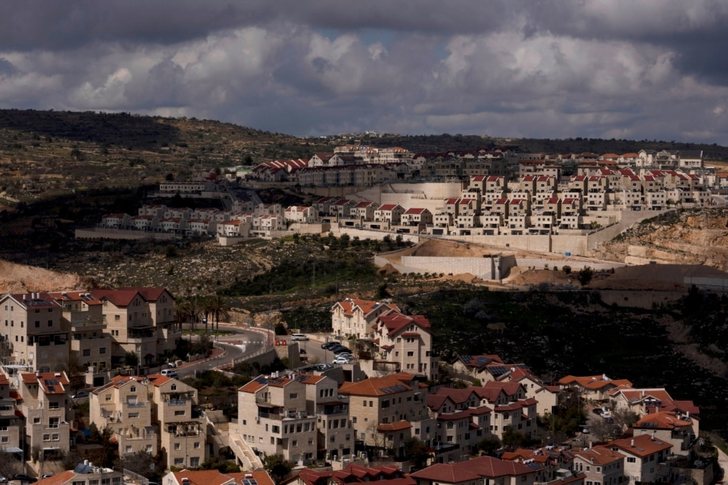
The Israeli government has approved plans to build almost ...
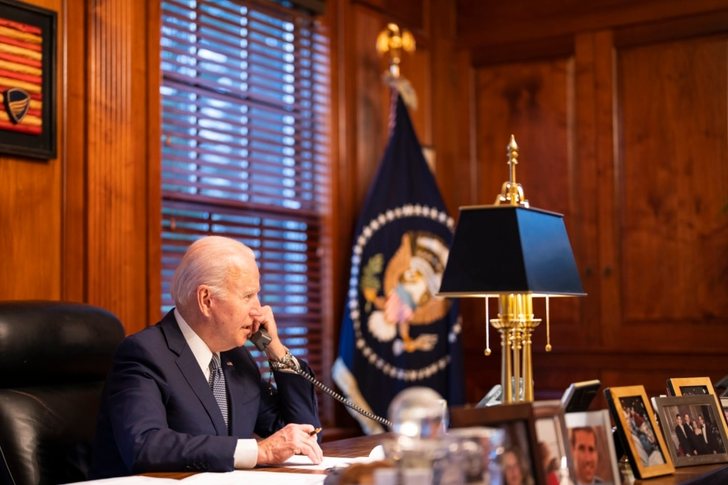
Israeli Prime Minister Benjamin Netanyahu told US Pres...
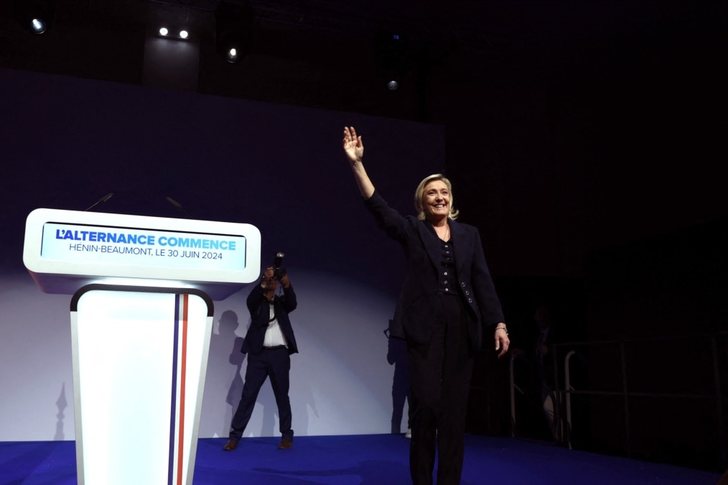
France's far-right National Rally party is expected to...
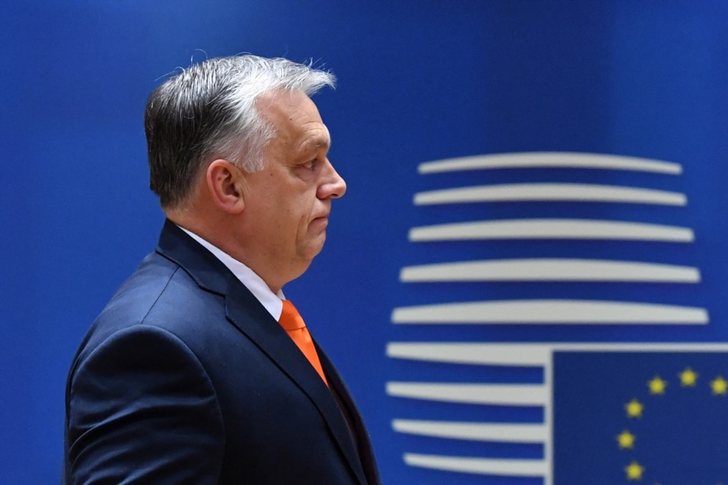
Hungarian Prime Minister Viktor Orban will travel to M...
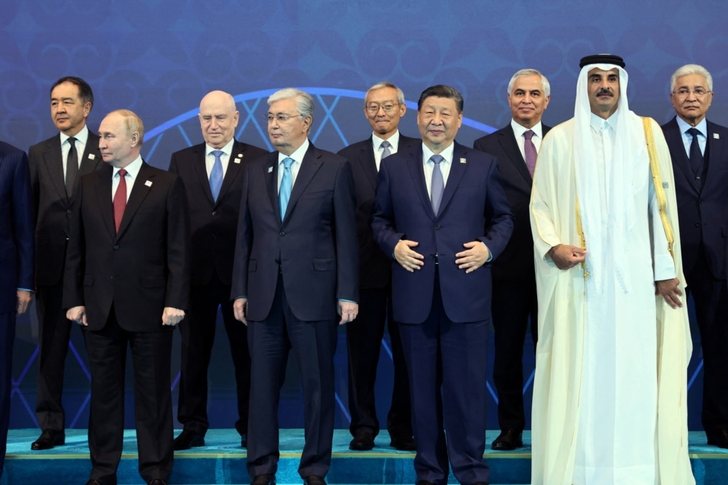
The forum on security and defense in Eurasia, which Mo...
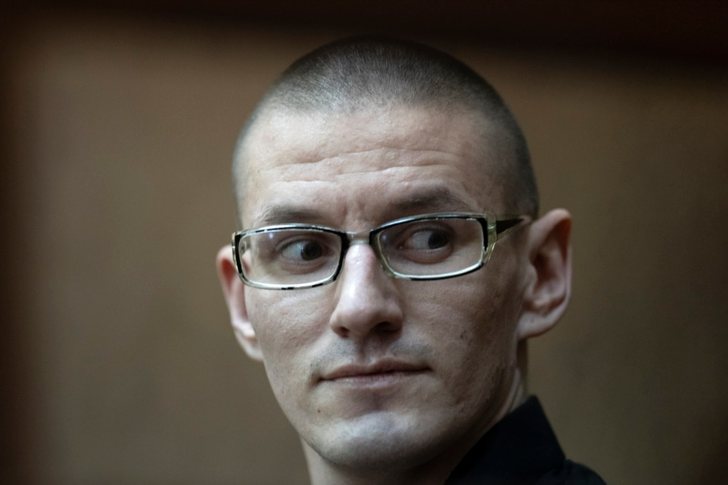
A Russian court has sentenced the American citizen, Ro...
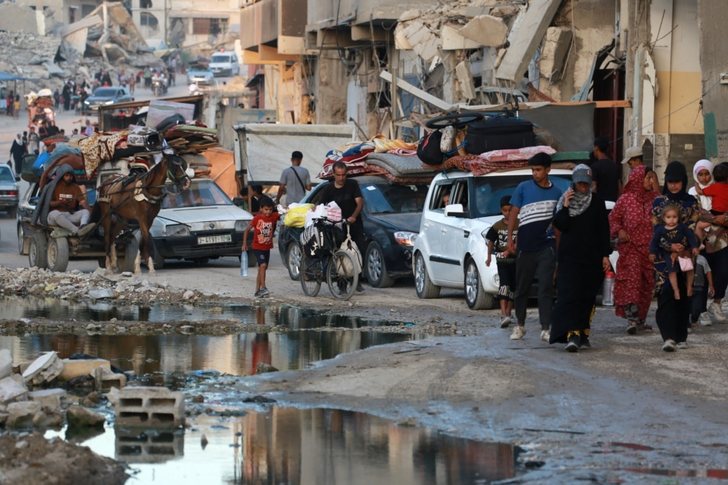
Israeli forces and the Lebanon-based Hebzollah militan...
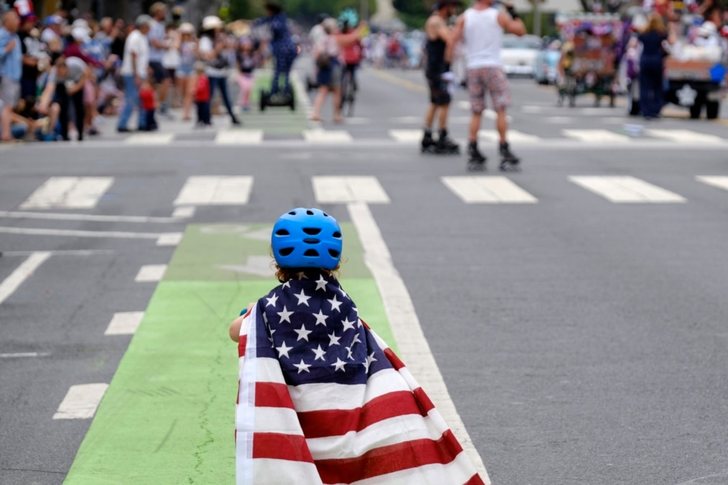
The 4th of July holiday, Independence Day of the Unite...
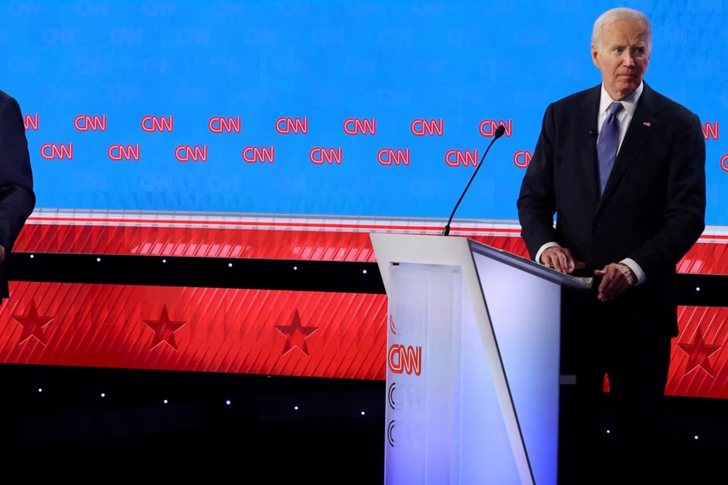
The question that follows the first presidential debat...
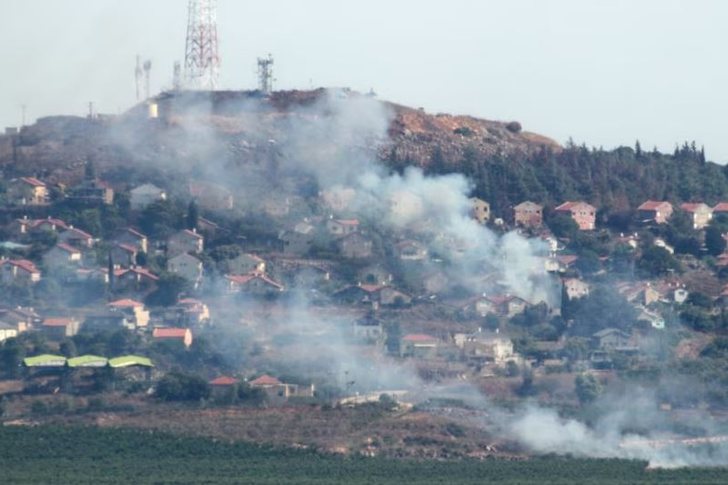
The Lebanese group Hezbollah says it has fired more than 2...
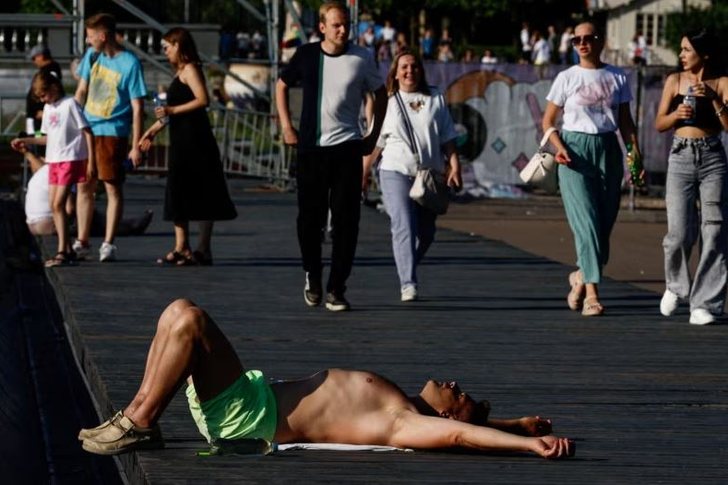
Russians are facing their worst heat wave in a hundred...
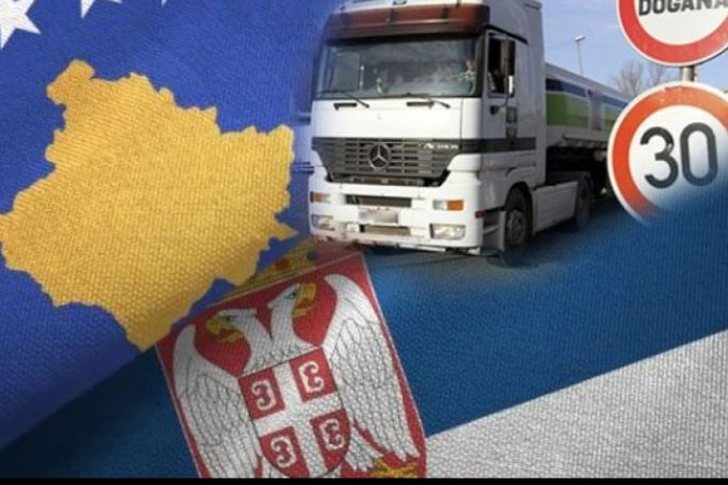
Serbia is no longer among the main countries that domi...
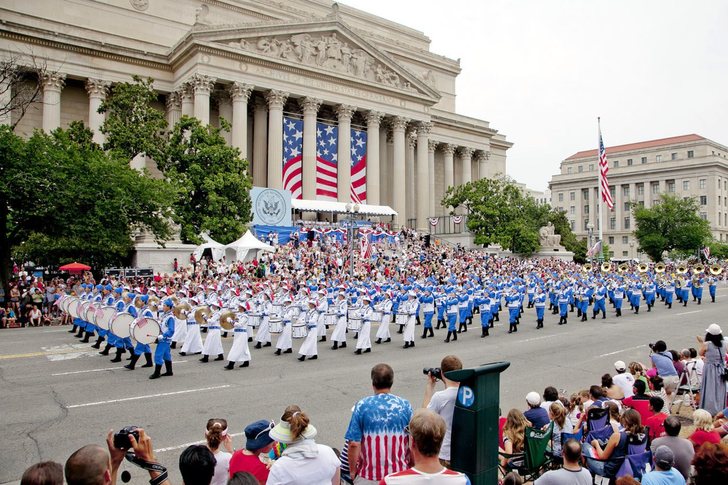
The Fourth of July, Independence Day, is a federal hol...
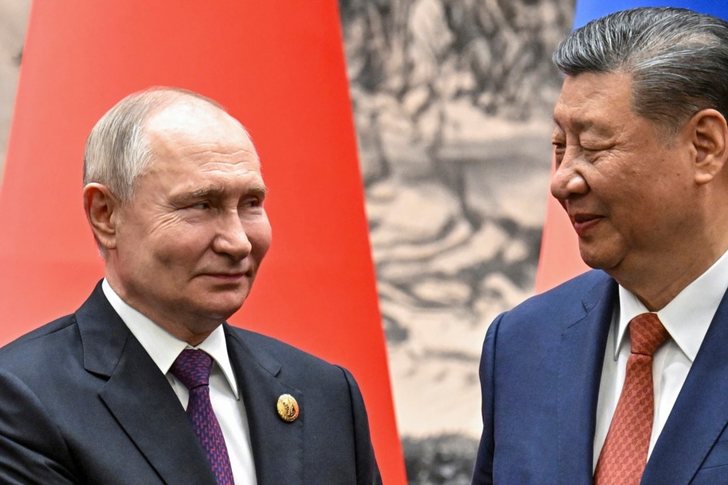
Russian President Vladimir Putin and Chinese President...
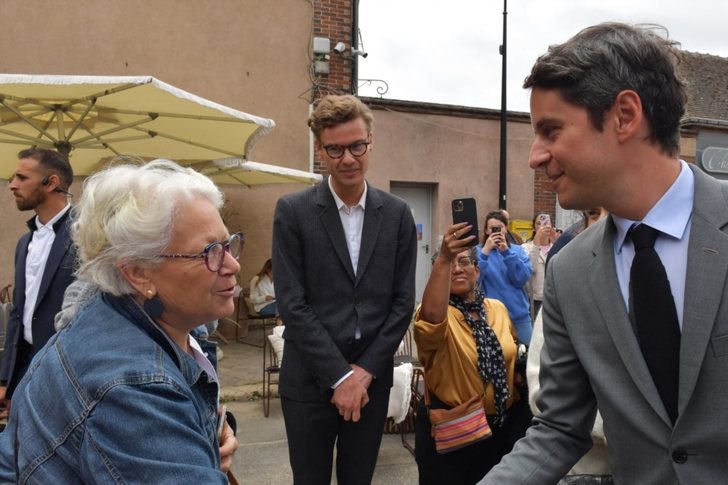
The far-right National Union party is the only party t...
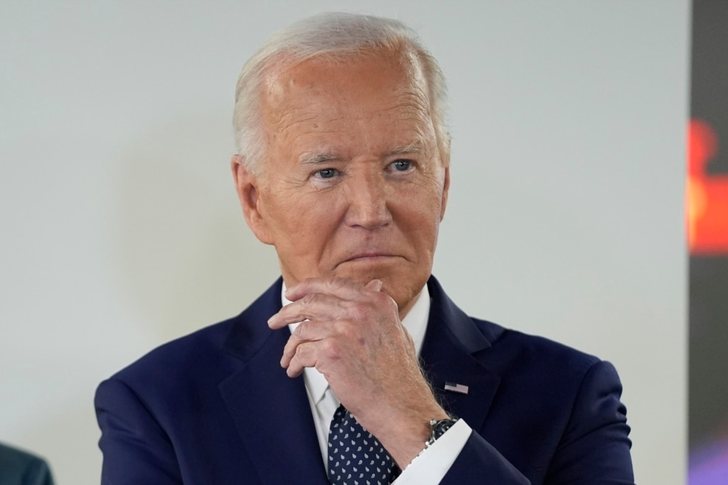
US President Joe Biden will meet with some of the 23 D...
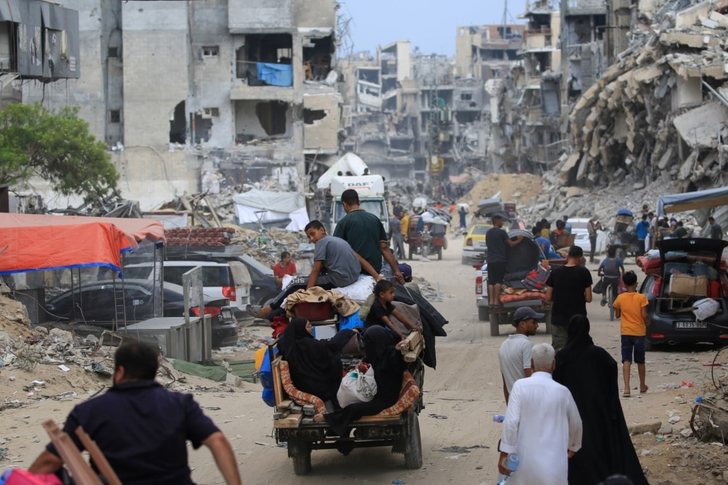
On Wednesday, Israeli forces launched attacks in central a...
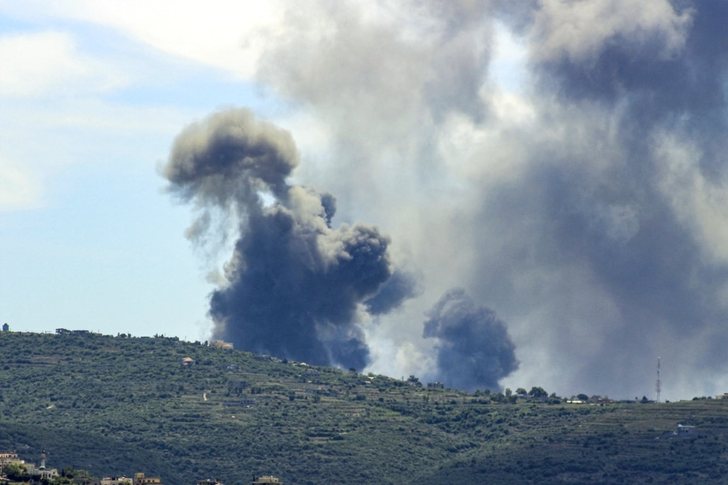
A senior Hezbollah commander was killed Wednesday by a...
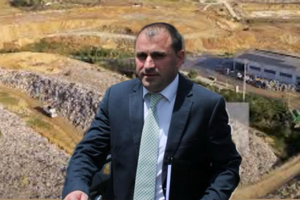
SPAK's standards, the way it investigates, how it secures ...
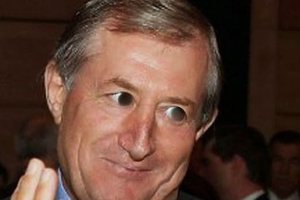
Irfan Hysenbelliu claims to be a big businessman, an hones...
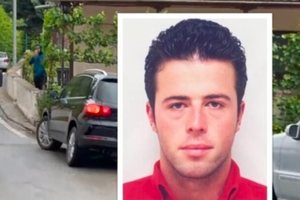
The murder of officer Enea Mekolli in the line of duty has...

The next case broadcast on the show "Stop", this Thursday,...

The Special Board of Appeal (KPA) decided this Monday ...

The KPA vetting decided this Thursday to dismiss the p...

Suela Salavaçi, a prosecutor in the Prosecutor's Offic...

The Special Board of Appeal reinstated the prosecutor ...

Another gunshot wound occurred at the scene. According to...

A gunshot wound occurred this afternoon in Shijak. Accordi...
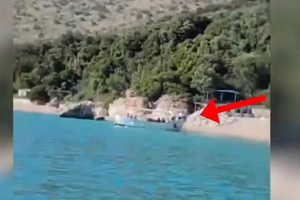
The Border Police blocked the vessel and fined the driver ...
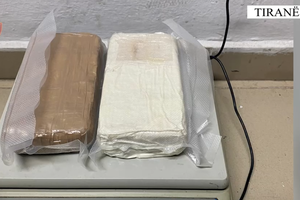
A police operation codenamed "Zonet" has ended with the se...

More than 860 million people fall ill and 1.5 million die ...
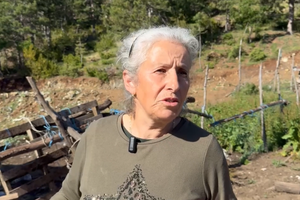
The mother of Violand Braçellari, the perpetrator of the s...
The modern European traveler seeks a meaningful connection...

This Sunday, weather conditions are forecast to be clear a...
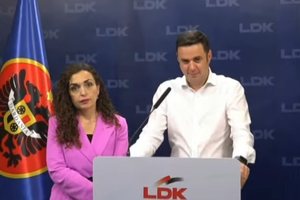
LDK leader Lumir Abdixhiku and former president Vjosa Osma...
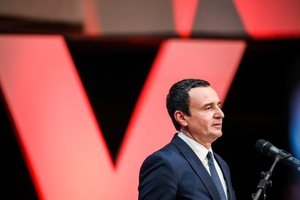
The Vetëvendosje movement has declared victory in the snap...
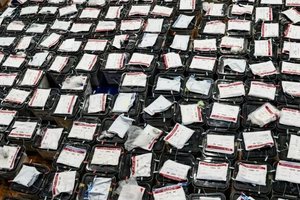
The counting of votes for political entities in Kosovo is ...
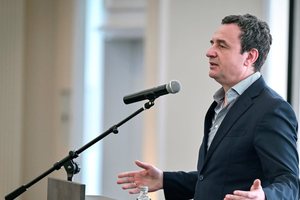
Kosovo's acting Prime Minister, Albin Kurti, has reacted a...

Korça has transformed this weekend into the capital of cel...
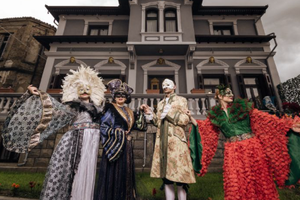
Korça is ready to open the summer season with one of the c...
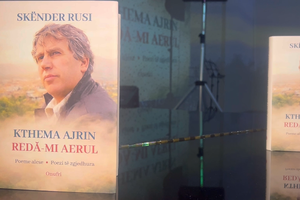
Two years after his passing, the renowned Korçë poet Skënd...
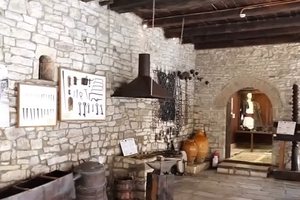
The Ethnographic Museum of Berat has opened its doors to v...
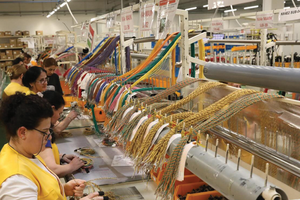
The automotive industry in Albania is currently at a turni...
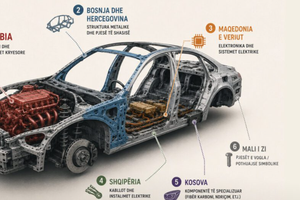
If you were to follow the industrial map of the Western Ba...
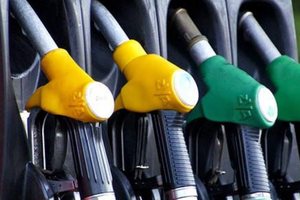
The Transparency Board, in today's meeting, decided to red...

This Saturday, one US dollar is bought for 81.4 lek and so...