

Hetim për korrupsion në ushtri/ Arrestohen zyrtarët ukrainas
Një deputet ukrainas dhe zyrtarë të tjerë janë arrestuar p...


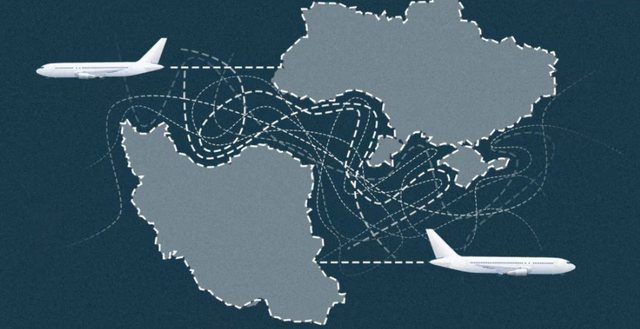
High in the sky, the familiar lines of global air travel are disappearing. Where pilots once flew direct transcontinental routes, they are now navigating a sky that looks like broken glass – millions of flights are being made through overcrowded corridors. At the same time, vast swaths of airspace remain strangely empty or buzz with missiles and drones.
This shift is no coincidence. The spread of wars, regional hostilities, and military escalations in recent years has made the world’s skies more dangerous and unpredictable than at any time since the Cold War. From Russia to the Middle East to Africa, “no-fly zones” have proliferated, plunging international aviation into crisis and reshaping the economy, security, and travel.
Russia's Air Chaos: The New Normal
In early July 2025, chaos gripped airports across Russia. Over the weekend of July 5-6 alone, over 2,000 flights were canceled or delayed after a series of drone attacks from Ukraine caused the closure of a large portion of Russian airspace.
At Moscow's Sheremetyevo airport, passenger Tatyana described the situation as "a disaster." Waiting areas were overcrowded, with people lying on the floor, and basic amenities such as drinking water were in short supply. "There was nowhere to sit and people were sleeping on the tiles," she said.
In St. Petersburg, taxi drivers were charging up to 80,000 rubles ($1,025) for trips to Moscow after train tickets were sold out following closures at Pulkovo Airport. On July 6 alone, more than 15,000 passengers were stranded at Sheremetyevo, while smaller airports in Kaluga, Tambov and Pskov suspended all operations.
Russian defense officials claimed to have shot down as many as 120 drones that night, some of which crashed just a few kilometers from Moscow. Authorities cited “external interference” as the reason for the repeated airspace closures, which have now become commonplace. In Russia, airports have been closed more than 600 times since the start of the Russian invasion of Ukraine in 2022.
Trapped in the sky
But if being stuck at an airport is terrifying, imagine being stuck in the sky. In June of this year, after Iran fired missiles at the US Al Udeidah base in Qatar, surrounding countries immediately closed their airspace. A Qantas plane from Perth to Paris was stuck in the air for 15 hours doing somersaults before returning to Australia. Another flight was forced to divert to Singapore.
Tensionet Indi-Pakistan në maj të vitit 2025 çuan në mbylljen e korridoreve kyç ajrore, duke detyruar që fluturimet mes Evropës dhe Azisë Juglindore të përshkonin rrugë më të gjata dhe më të shtrenjta. Kohëzgjatja e fluturimeve u shtua deri në dhjetë orë, ndërsa ndalesat e paparashikuara për furnizim me karburant në aeroporte të panjohura u bënë rutinë.
Të dhënat nga Flightradar24 tregojnë se pilotët tani përballen me “korridore super të ngarkuara” – rrugë të ngushta të mbushura me aeroplan dhe me zona, në të dyja anët, ku ka ndalesë fluturimi. Fluturimet në një trafik të tillë të rënduar rrisin ndjeshëm rrezikun e aksidenteve, ndërkohë që kontrollorët e trafikut ajror bëjnë përpjekje të jashtëzakonshme për ta menaxhuar situatën.
Mbi Detin e Kuq, Libinë, Sudanin, Sirinë dhe në disa pjesë të Afrikës Sub-Sahariane, fluturimet po devijohen gjithnjë e më shumë për shkak të shqetësimeve për sigurinë. Kontrolli ajror në zonat e konfliktit shpesh është i çrregullt ose nuk ekziston fare, dhe pilotët detyrohen të koordinojnë devijimet në ajër duke përdorur kanale të vjetruara ose rrugë alternative komunikimi.
Pasojat mjedisore dhe ekonomike
Të gjitha këto devijime të fluturimeve kanë një kosto të madhe për mjedisin. Sipas një studimi të fundit të kryer nga Universiteti Reading në Mbretërinë e Bashkuar dhe Institut Pierre-Simon Laplace në Francë, shmangia e hapësirës ajrore ruse ka shkaktuar një rritje prej 8.2 milionë tonësh në emetimet e dyoksidit të karbonit brenda një viti. Fluturimet që janë prekur nga ky devijim kanë djegur mesatarisht 13 për qind më shumë karburant, dhe rritja më e madhe është regjistruar në rrugët ajrore ndërmjet Evropës dhe Azisë si dhe Amerikës së Veriut dhe Azisë.
Një hulumtim tjetër, i kryer më 2024 nga Viktoriia Ivannikova, studiuese e njohur në fushën e aviacionit në Universitetin City të Dublinit, gjeti se fluturimet e devijuara nga Evropa drejt Azisë tani i kushtojnë linjave ajrore deri në 39 për qind më shumë për karburant dhe lëshojnë deri në 40 për qind më shumë dyoksid karboni – shifra të mëdha për një industri që tashmë po përballet me presion të madh për dekarbonizim.
Fituesit dhe humbësit në luftërat e qiellit
Transportuesit ajrorë kinezë kanë përfituar nga mundësia për të përdorur hapësirën ajrore ruse. Rrugët e tyre nga Evropa drejt Azisë janë më të shpejta dhe më të lira, duke rritur konkurrencën për kompanitë perëndimore që nuk kanë qasje në të njëjtat korridore.
British Airways, për shembull, u detyrua të anulonte linjën Londër-Pekin dhe njërën nga fluturimet ditore Londër-Hong Kong gjatë verës së vitit 2024 për shkak të humbjeve të mëdha financiare.
Finnair, kompania kryesore e Helsinkit, e ka humbur avantazhin e saj në lidhjen midis Evropës dhe Azisë. Një fluturim për në Shangai, që dikur zgjaste 9 orë me kompaninë ajrore kineze Juneyao, tani zgjat 12 orë ose më shumë me Finnair.
In the United States, airlines are also feeling the pressure. United Airlines, for example, has shifted its Delhi-Newark route from a 13-hour direct flight to a 15-hour journey via Europe and the Middle East, due to the closure of Russian airspace. This adaptation, while a response to hardship, is a testament to the resilience of the aviation industry.
Air India initially capitalized on this situation, but then lost its advantage after airspace restrictions by Pakistan, following the terrorist attack in April this year in disputed Kashmir.
Missiles in the sky
In regions near war zones, the skies are no longer just the domain of commercial aircraft. Military activity is now also on civilian roads. In February, China conducted unannounced naval exercises in the Tasman Sea. Commercial aircraft were forced to change course mid-flight after a Virgin Australia pilot mistakenly received a warning on an unused radio frequency.
In December 2024, a Russian air defense system accidentally shot down an AZAL flight from Azerbaijan near Aktau in Kazakhstan. Thirty-eight of the 67 people on board were killed. In another case, a cargo plane from Kyrgyzstan was shot down in Sudan by rebel fighters who mistook it for a military aircraft.
These are not isolated incidents. Ukraine International Airlines Flight PS752 was shot down by Iran in 2020, while Malaysia Airlines Flight MH17 was destroyed by a Russian-supplied missile over Ukraine in 2014. Both tragedies served as stark warnings: commercial aircraft are increasingly at risk of becoming collateral damage.
The global air travel system, once a marvel of speed, safety and connectivity, now resembles a complex web of geopolitical interests. Every new conflict reshapes the map. Every closure, every reroute and every airspace ban adds delays, emissions and costs./ REL

Një deputet ukrainas dhe zyrtarë të tjerë janë arrestuar p...

Last year, America recorded a budget deficit of 7% of Gros...
A massive fire at an oil depot is breaking out near the Ru...
Mainland Portugal will enter a state of alert from midnigh...
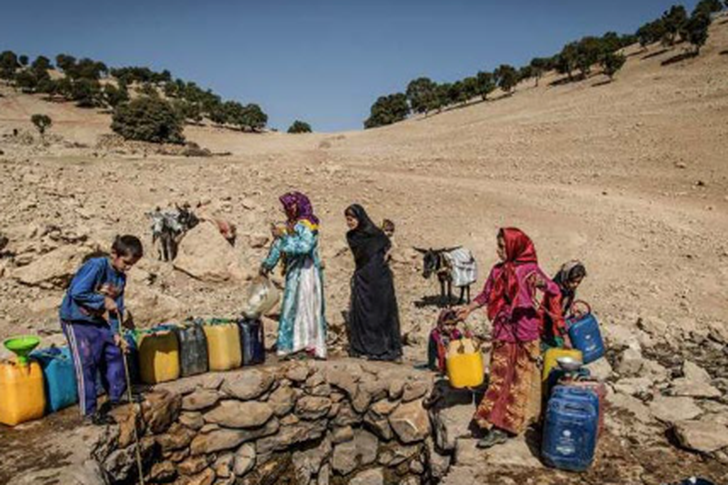
Iran's President Masoud Pezeshkian warned against excessiv...
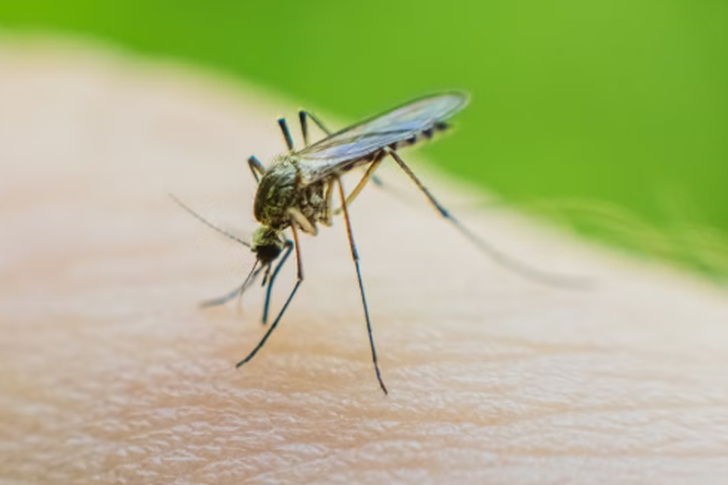
The number of deaths from West Nile virus in Italy since t...

A rare archaeological discovery has been made in the Ulpia...
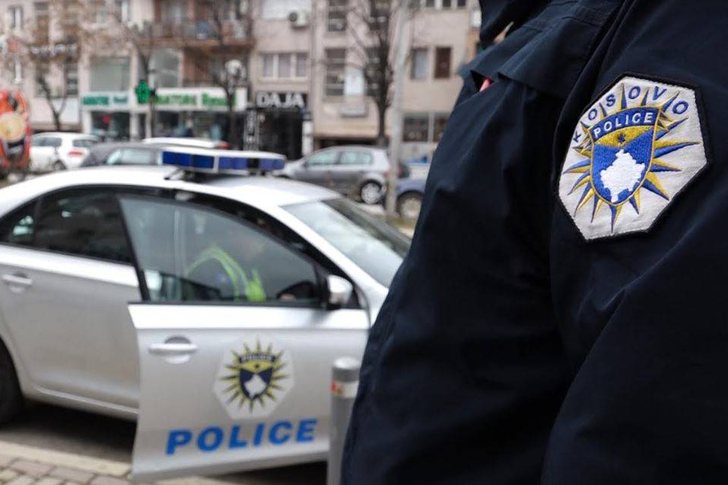
Deputeti i Kuvendit të Kosovës, Adem Hoxha, bashkëshortja ...
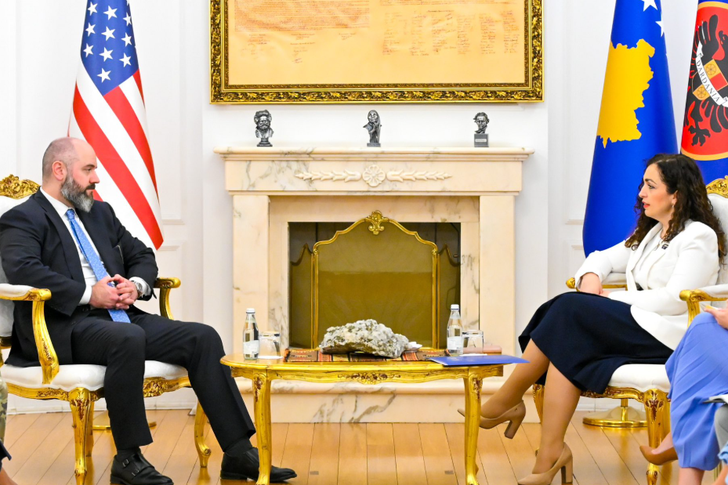
The President of Kosovo, Vjosa Osmani, hosted this Saturda...

The month of August has just begun, and so has the tempera...
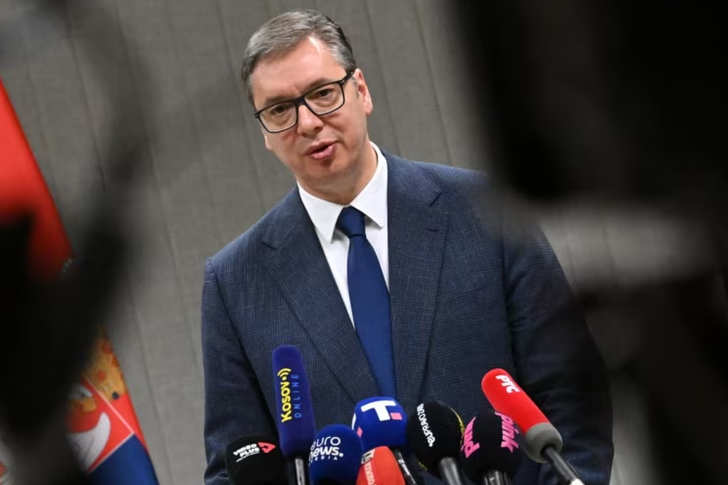
Serbia's National Security Council will meet on Saturday a...
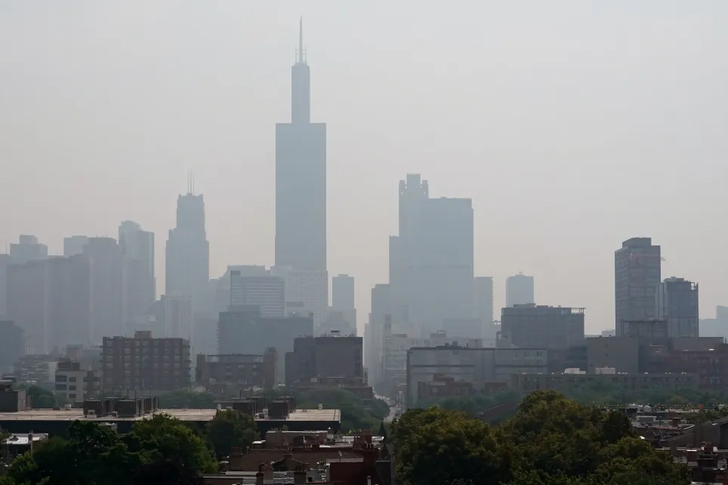
Chicago briefly had the worst air quality in the world, ac...

US President Donald Trump has fired the head of one of Ame...

The NATO-led KFOR mission is continuing to place new marke...
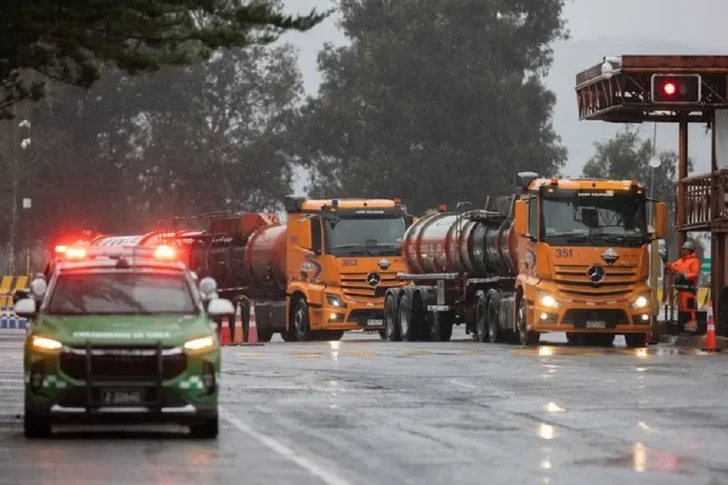
One miner died and five others went missing after an accid...
Donald Trump has posted on Truth Social that he is orderin...
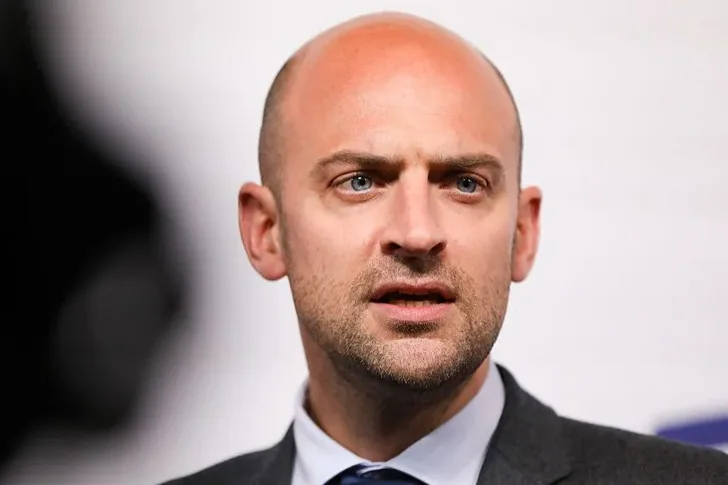
France has suspended its program to host Palestinians leav...
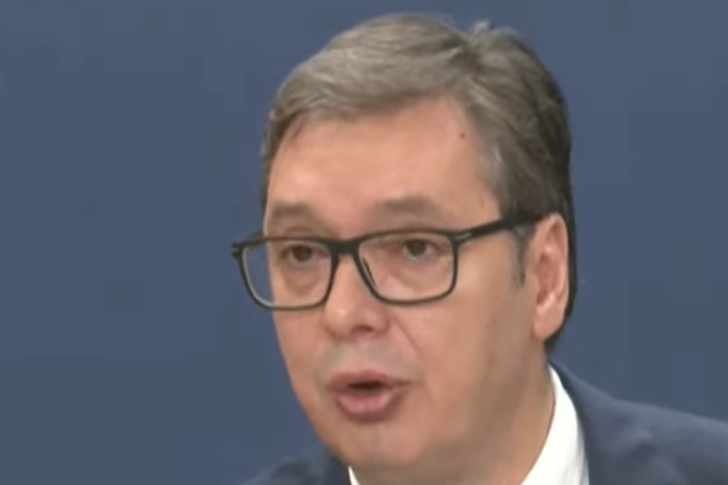
Serbian President Aleksandar Vučić said that his country's...
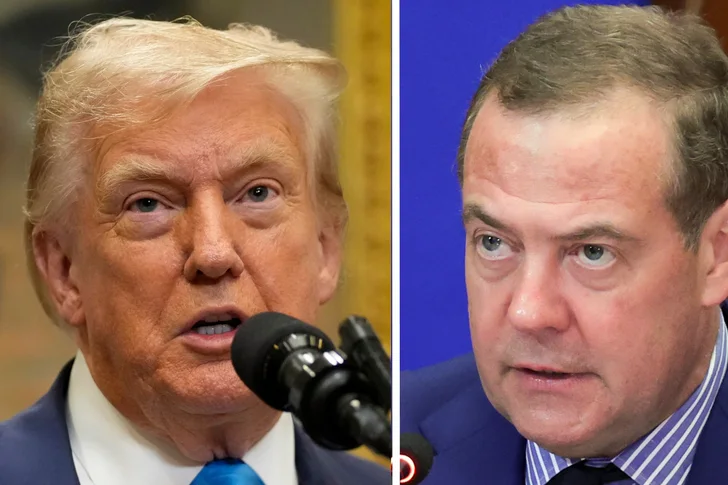
The President of the United States of America, Donald Trum...

The European Court of Justice (ECJ) has strengthened the c...

CNA has launched another investigation that could lead to ...

Irfan Hysenbelliu is a businessman that we call "Irfan the...

In March 2026, CNA launched another investigation centered...
The arrested mayor of Tirana, Erion Veliaj, with 13 charge...

The Special Board of Appeal (KPA) decided this Monday ...

The KPA vetting decided this Thursday to dismiss the p...

Suela Salavaçi, a prosecutor in the Prosecutor's Offic...

The Special Board of Appeal reinstated the prosecutor ...
Footage emerges from the serious accident that occurred th...

A Shkodra traffic police officer was hit with hard objects...
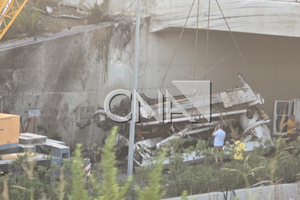
This Wednesday, around 4:00 PM, a serious accident occurre...

Tirana Police have shared details regarding the accident t...
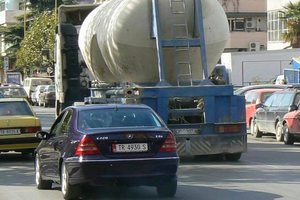
A serious accident that occurred this Wednesday with the c...

The Institute of Geosciences has shared a forecast for wea...

Rising energy and fertilizer prices are expected to contin...

Over 18,000 foreign citizens from 140 countries have appli...

The trial of ousted Venezuelan President Nicolas Maduro on...
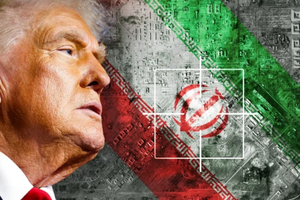
US President Donald Trump has issued another warning to Ir...

Prime Minister Andy Burnham has announced that most bus fa...

France's parliament has passed a law to ban social media f...

At a time when industrial products are increasingly taking...

Trust among people is not just a three-syllable word. It c...

Master of humor Todi Llupi has passed away at the age of 7...

The ninth edition of "MIK Festival" kicked off with one of...
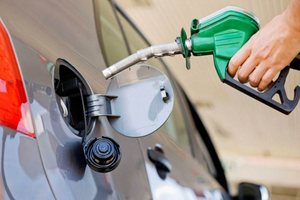
The price of diesel reached 206 lek per liter from 198 lek...

Businesses will no longer be required to simply register t...

Despite economic growth and income in recent years, Albani...

This Wednesday, one US dollar is bought for 81.4 lek and s...