

From the most wanted criminals to tariffs/ What did Trump say during his long speech?
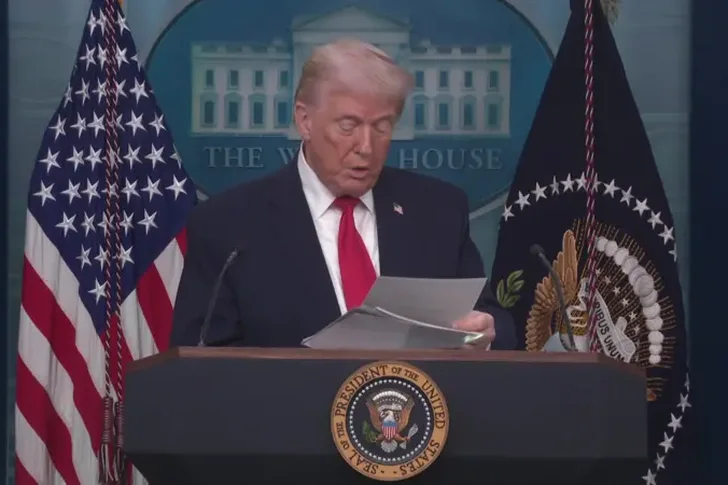
US President Donald Trump, on the one-year anniversary of ...


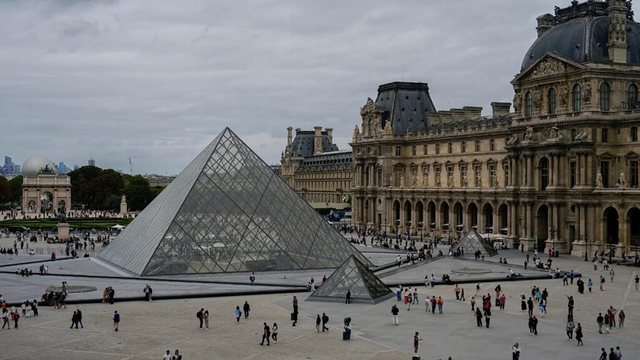
Working in more than one country can improve employees' adaptability, self-confidence and cultural intelligence. In the European Single Market, 17% of job seekers have had international work experience, giving them a taste of life away from their home country.
The opportunity to work abroad has a strong impact on career paths, as employees develop skills they might not have cultivated at home. Thanks to Europe's status as a single market, the number of people who have worked abroad is relatively high, but where in Europe do employees have the most international experience?
Employment platform Indeed defines "internationally mobile workers" as those who have at least one work experience in a country other than where they currently live.
At the end of 2025, 16.7% of job seekers in the single market had international experience on their CV, according to employment platform Indeed. By comparison, only about 5.1% of workers in the United States had international mobility.
“The high share of internationally mobile workers in Europe reflects both policies that support mobility and the value placed on cross-border professional experience,” said Sneha Puri, immigration policy analyst at Indeed.
Indeed's data covers eight European countries, one of which is no longer part of the single market, and the weight of international work experience varies significantly between them.
Switzerland and Ireland: relatively smaller economies
Switzerland has the highest proportion of foreign work experience, with more than half of job seekers (51%) reporting experience abroad. This figure is higher than two in five (42%) in Ireland. These two countries are exceptions.
Germany ranks third, with a quarter of job seekers having work experience abroad. This share is also higher than one in five job seekers in Spain and the United Kingdom.
Foreign work experience is higher than the Single Market average in both the Netherlands and France.
Geographic proximity and size of economies
Sneha Puri noted that there are several factors contributing to the changing levels of internationally mobile workers across Europe.
"Geographical proximity plays an important role in movement within the single market. Countries located near several large labour markets tend to experience more cross-border mobility and facilitate movement within the single market," she said.
For example, internationally mobile employees in Switzerland can very easily come from one of its many neighboring countries, such as Austria, France, Germany, Italy, and Liechtenstein.
Puri explained that some European countries also attract more intercontinental immigrants than others, either due to the presence of more multinational corporations, or due to the higher number of international students.
Referring to Switzerland and Ireland, she added: “Finally, and perhaps one of the biggest factors, is the number of employees in the economy itself.”
European job seekers look beyond borders
Indeed data shows that job seekers in the European single market are increasingly looking for opportunities outside their home countries, both within the bloc and beyond. This interest falls into two categories.
Interest within the single market refers to job searches by employees in one member state for roles in another member state.
Outbound interest includes searches by job seekers in member countries for jobs in non-member countries.
The two rates were roughly equal until mid-2024, typically fluctuating between 2% and 4%. From December 2024, however, the outgoing interest rate began to rise, peaking at 7.2% in October 2025. The interest rate within the single market remains at 5.4%.
The US and the UK are the main destinations outside the European single market for job searches outside the bloc. In 2025, they accounted for 40.5% and 30.4% of these searches respectively, with Germany as the main country of origin for both destinations.
The United Kingdom left the Single Market after Brexit at the end of 2020.

US President Donald Trump, on the one-year anniversary of ...
Kosova dhe Bahamet kanë nënshkruar marrëveshje për heqjen ...
US President Donald Trump also spoke about NATO at his Whi...
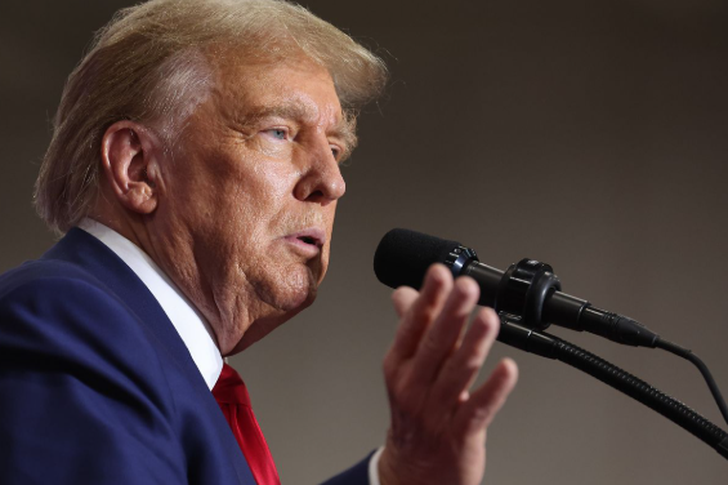
Donald Trump's second and current term as president of the...
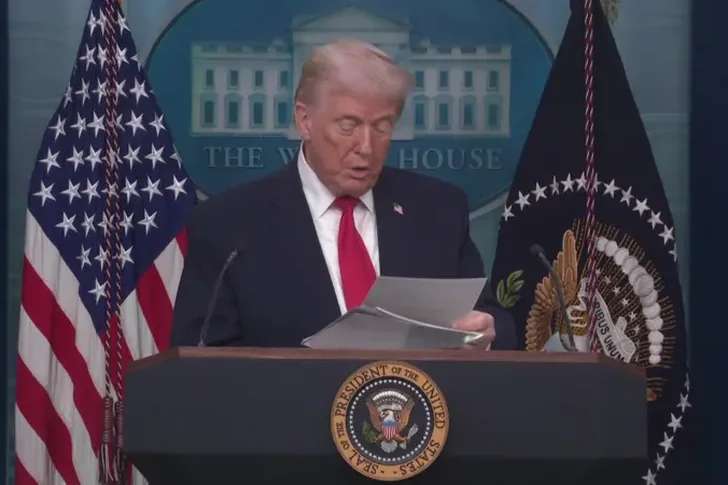
The President of the United States of America, Donald Trum...
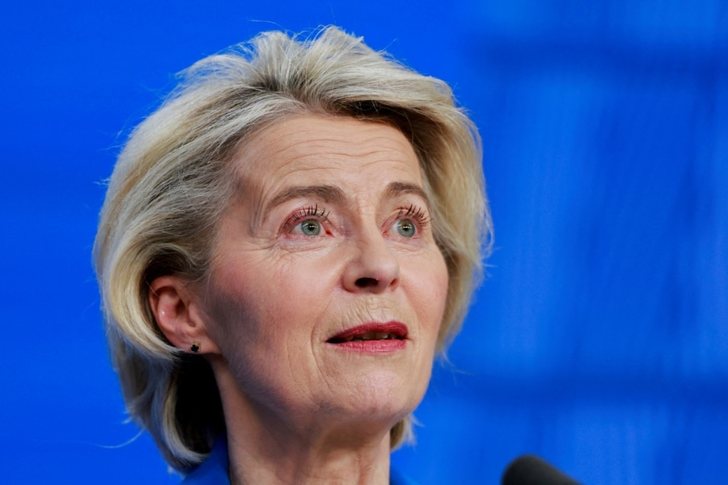
The European Union proposed on Tuesday to ban the export o...
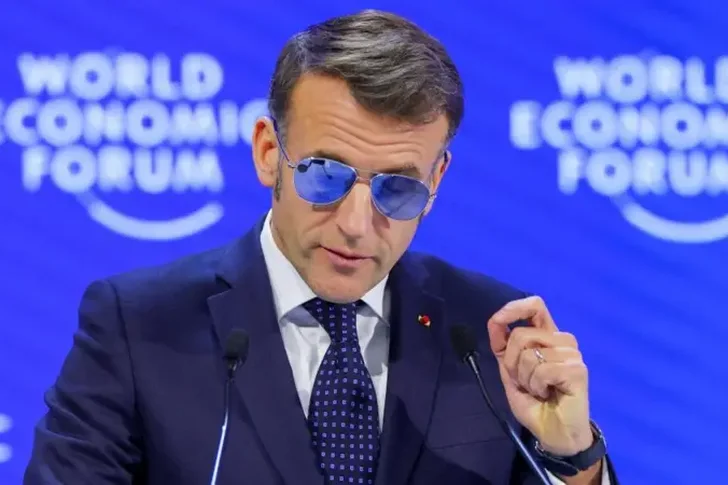
French President Emmanuel Macron said on Tuesday that Euro...
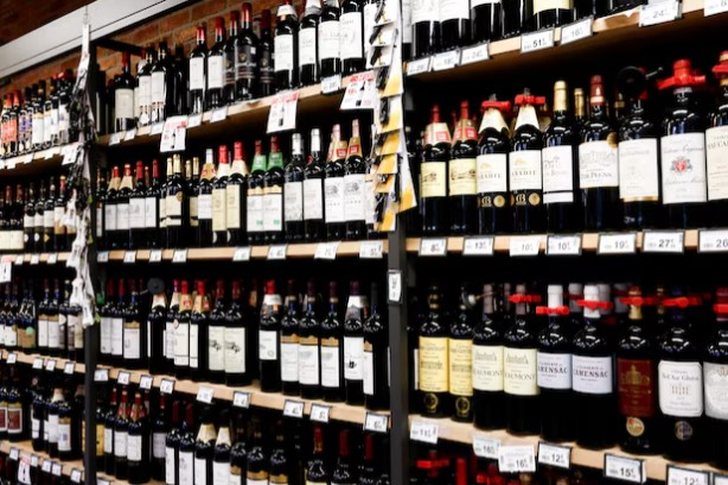
US President Donald Trump threatened to hit French wines a...
European Commission President Ursula von der Leyen stated ...
Schools across the Attica region of Greece will remain clo...
As Trump's rhetoric towards European leaders escalates, Mo...
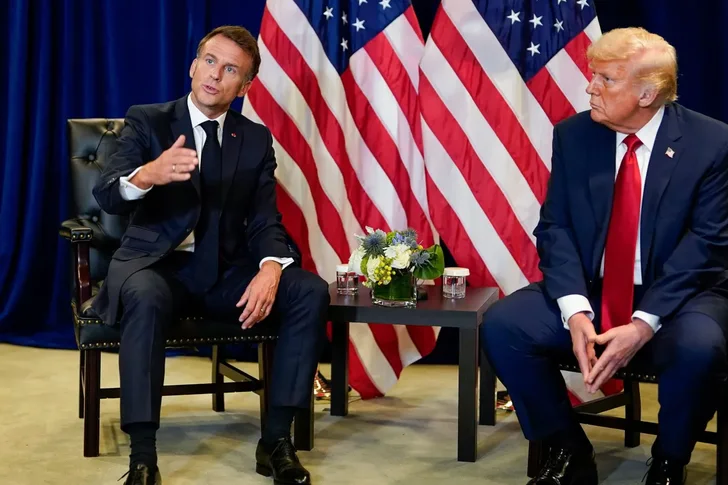
US President Donald Trump has threatened to impose a 200% ...
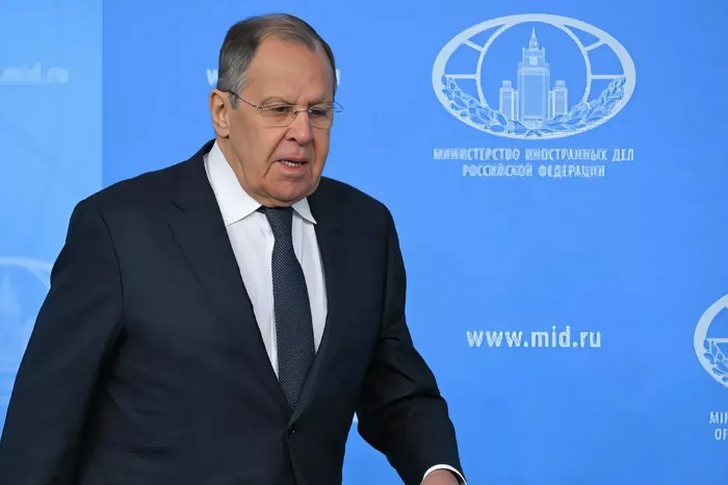
Russian Foreign Minister Sergei Lavrov stated in a press c...
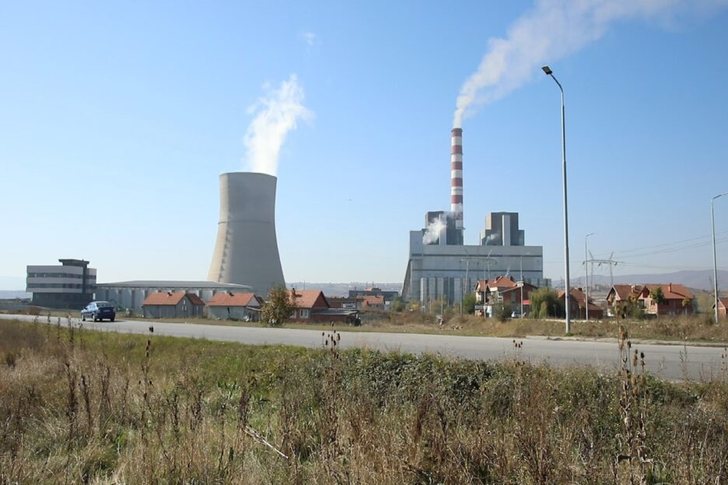
Today, Kosovo woke up to the sound of generators. For the ...
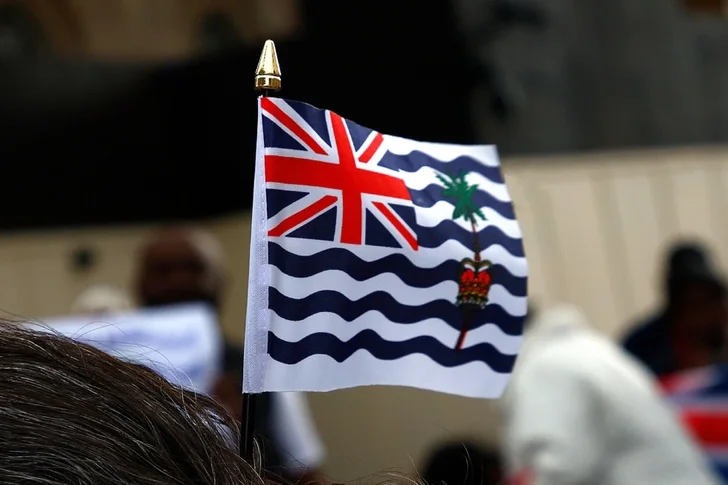
US President Donald Trump has said in a social media post ...
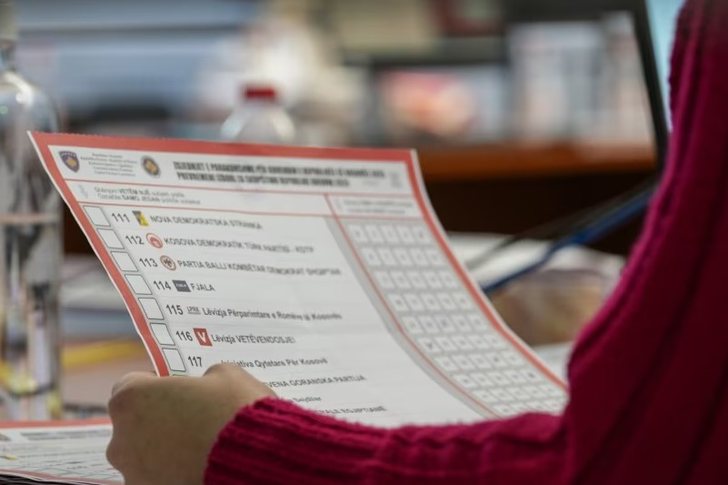
At a time when it seemed that Kosovo was moving towards th...
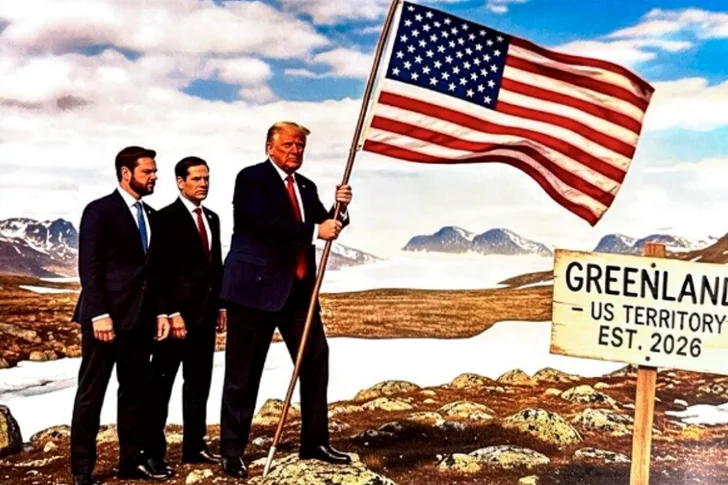
US President Donald Trump has made it clear that he has no...
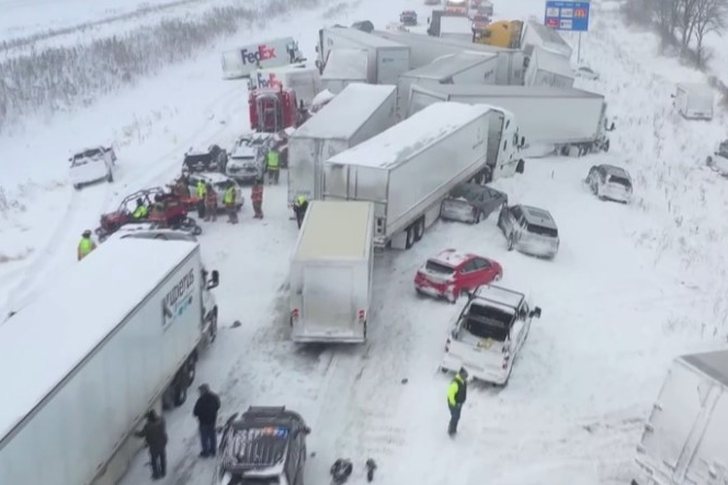
More than 100 vehicles have been involved in a massive acc...
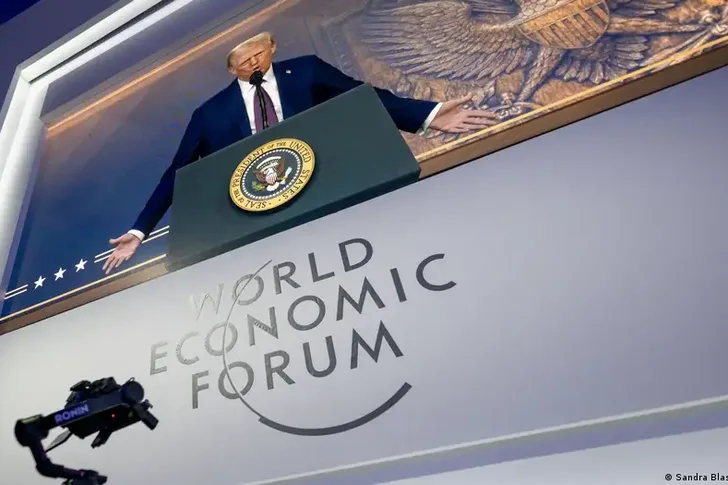
Donald Trump's participation in the Davos Forum aroused gr...
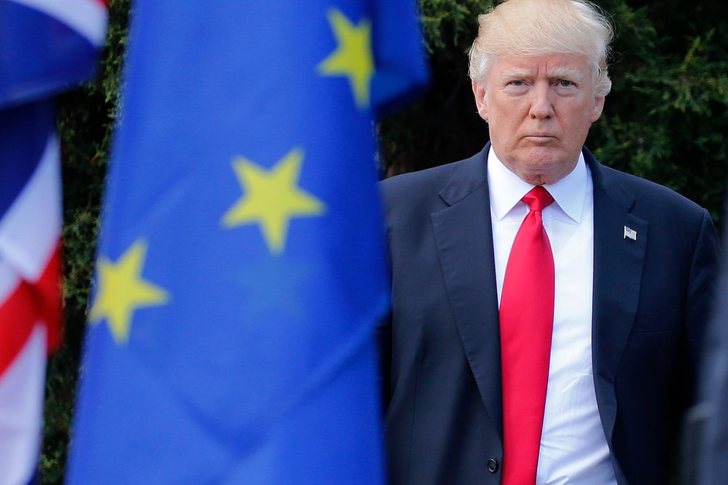
US President Donald Trump has vowed to fully implement his...

There have been 12 days of protests in the capital, which ...
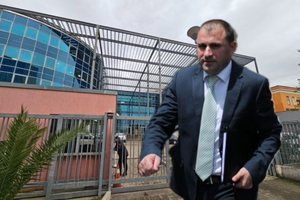
Dritan Prençi is the SPAK prosecutor who is sleeping on th...
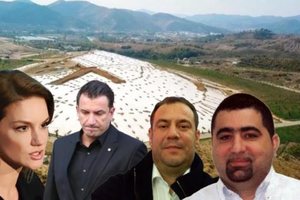
The in-depth investigations that SPAK conducted into Ajola...
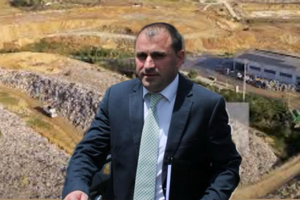
SPAK's standards, the way it investigates, how it secures ...

The Special Board of Appeal (KPA) decided this Monday ...

The KPA vetting decided this Thursday to dismiss the p...

Suela Salavaçi, a prosecutor in the Prosecutor's Offic...

The Special Board of Appeal reinstated the prosecutor ...
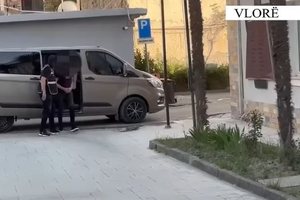
Policia e Vlorës ka finalizuar operacionin e koduar “Sigur...

New details have emerged regarding the serious accident th...
An Albanian businessman was arrested this afternoon in Gre...
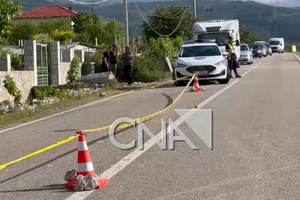
A serious accident has occurred on the Korça-Ersekë axis, ...

Today our country will be affected by stable weather condi...
A tragic accident occurred this Friday afternoon in Kameni...

Today our country will be affected by unstable weather con...
On Thursday, our country will be affected by relatively un...
Switzerland will head to the polls this Sunday to decide o...
Good news for those who fly: After years of negotiations, ...
It took more than two years, but now the EU can begin acce...

US President Donald Trump announced that the US military h...
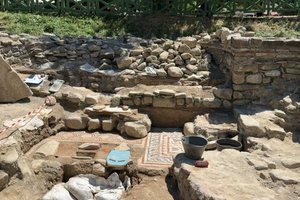
Several archaeological excavations conducted during this s...

At the Museum of Fine Arts in Chambéry, France, an exhibit...

Korça has transformed this weekend into the capital of cel...

Korça is ready to open the summer season with one of the c...
The labor market is facing increasing polarization where w...
This Saturday, one US dollar is bought for 81.5 lek and so...
The Governor of the Bank of Albania, Gent Sejko, shared to...

Business lending has increased in the first half of this y...