


Billions at risk/ Chancellor Merz supports European patriotism for steel
If German steel production is moved abroad, researchers wa...


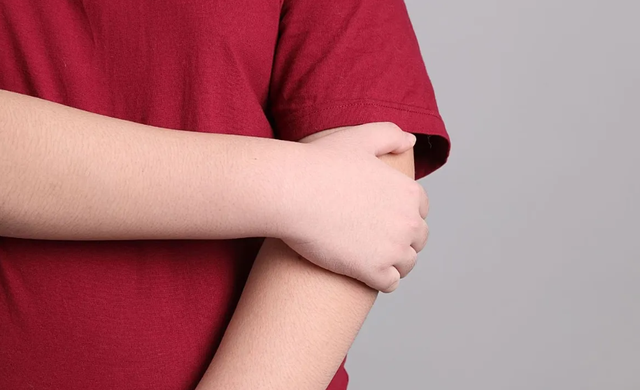
Childhood obesity rates have stabilized in some countries in recent years, but global health officials said they are still too high.
Childhood obesity is a major problem in Europe and comes with "life-threatening" health risks, a new report warns.
One in four young children is overweight, including one in 10 who is obese, according to a survey from across Europe published by the World Health Organization (WHO).
These rates are much higher in Southern Europe, where nearly one in five children live with obesity.
Childhood obesity increases the risk of diabetes, cancer, heart disease, stroke, and other chronic diseases in adulthood.
The survey, conducted from 2022 to 2024, included data from about 470,000 children aged six to nine in 37 countries. The researchers collected additional details on family and health behaviors for more than 150,000 children.
Overall, boys are more likely to be obese than girls, by 13 percent to 9 percent, the study found.
Obesity rates have stabilized in some countries in recent years, but global health officials have not been complacent.
"Overweight and obesity in children remain at alarming levels and continue to threaten the health of current and future generations," said Kremlin Wickramasinghe, who works on nutrition, physical activity and obesity issues at the WHO's Europe office.
The report also found that parents of overweight or obese children tend to underestimate their weight. Overall, 66 percent of overweight children had parents who thought they were either underweight or normal weight.
Children's diets were generally poor across Europe. Overall, only 32 percent of children ate vegetables every day, for example.
Meanwhile, unhealthy foods were widespread: 41 percent of children eat sweets, 29 percent drink carbonated drinks, and 16 percent eat salty foods more than three times a week.
There were differences by socioeconomic status, with children more likely to have healthier diets if their parents were more educated.
Notably, almost all parents said their children were active for at least an hour a day, and 89 percent of children slept at least nine hours a night, both factors that are important for children's health.
However, the report found that many children are spending too much time on mobile devices, television and other screens. Overall, 42 percent of children spend at least two hours a day on screens during the week and 78 percent spend the same amount of time in front of screens on weekends.
Screen time was higher among boys and children whose parents had lower educational levels.
The WHO recommended that countries take steps to create healthier environments for children, including taxes on sugary drinks and unhealthy foods, higher nutritional standards for school meals, and policies to promote physical exercise./ CNA

If German steel production is moved abroad, researchers wa...

Belgium's defense minister said that the National Airspace...

October 2025 was the third warmest month ever recorded glo...

Shareholders have approved a record pay package that could...

Extremely high temperatures have put 2025 on track to be a...

Two adult brothers were shot dead on Thursday in a village...

Israel attacked Hezbollah targets in southern Lebanon on N...

US President Donald Trump has reacted to Nancy Pelosi's an...
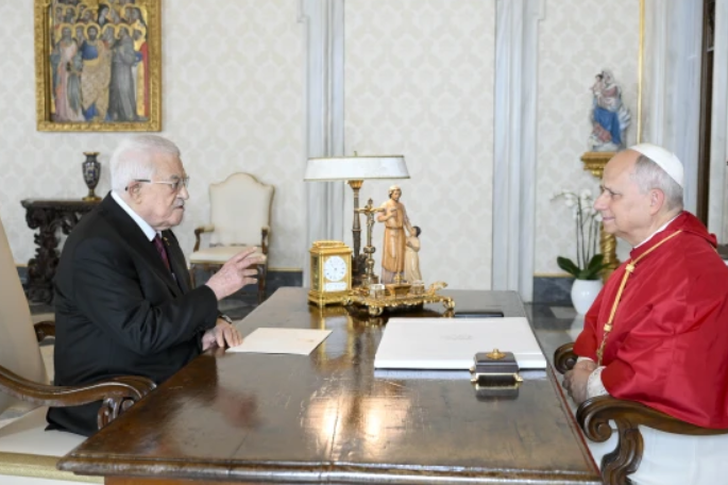
Pope Leo XIV received the President of Palestine, Mahmoud ...

Autoritetet austriake kanë sekuestruar disa armë në Vjenë ...

Nancy Pelosi, the first and only woman to serve as Speaker...

Avionët luftarakë izraelitë goditën tre qytete në Libanin ...

The diet plan that the former president of the French Repu...

Bad weather conditions have disrupted air travel in northe...
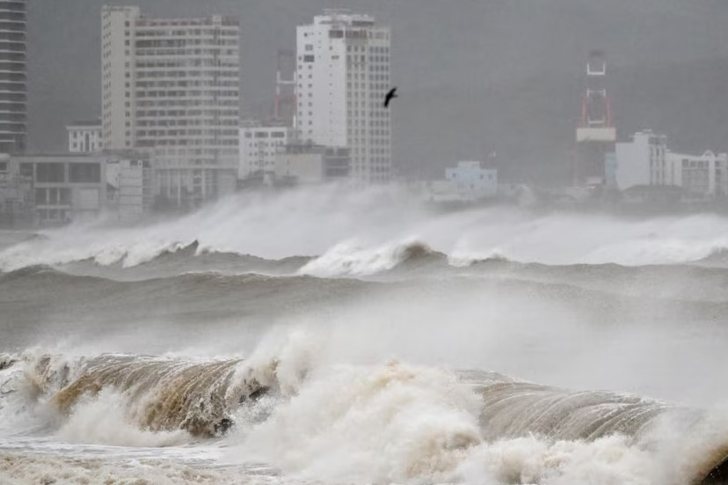
Typhoon Kalmaegi hit central Vietnam on Thursday, forcing ...

Seven firefighters were injured, including some with serio...

A serious incident occurred today in the village of Gollub...

Poland will begin implementing a new military training pro...

A resident of the commune of Neuville-sur-Saine near Lyon ...
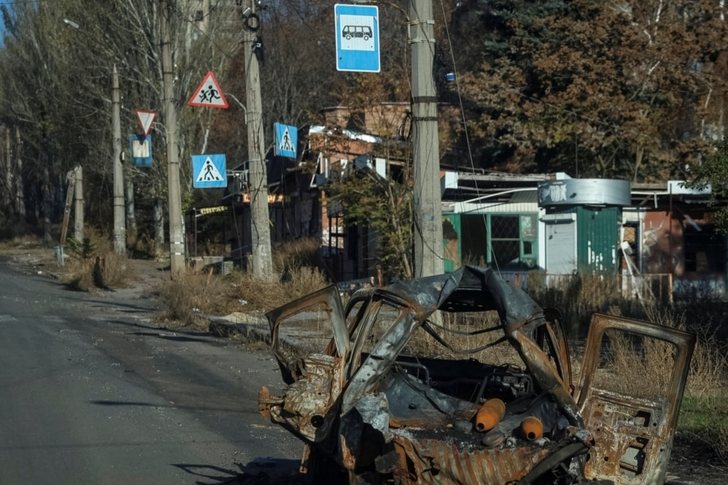
The South African government announced on Thursday that it...

CNA has launched another investigation that could lead to ...

Irfan Hysenbelliu is a businessman that we call "Irfan the...

In March 2026, CNA launched another investigation centered...
The arrested mayor of Tirana, Erion Veliaj, with 13 charge...

The Special Board of Appeal (KPA) decided this Monday ...

The KPA vetting decided this Thursday to dismiss the p...

Suela Salavaçi, a prosecutor in the Prosecutor's Offic...

The Special Board of Appeal reinstated the prosecutor ...

Footage emerges from the serious accident that occurred th...

A Shkodra traffic police officer was hit with hard objects...

This Wednesday, around 4:00 PM, a serious accident occurre...

Tirana Police have shared details regarding the accident t...

On Thursday, our country will be under the influence of st...

A serious accident that occurred this Wednesday with the c...

The Institute of Geosciences has shared a forecast for wea...
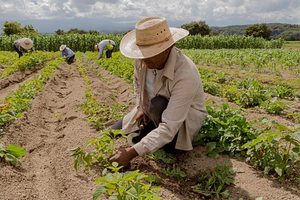
Rising energy and fertilizer prices are expected to contin...

Artificial intelligence (AI) models from the American comp...

At least 10 people have died after a fire broke out in a h...

Yemen's Houthis have claimed to have attacked two Saudi oi...

The trial of ousted Venezuelan President Nicolas Maduro on...

At a time when industrial products are increasingly taking...

Trust among people is not just a three-syllable word. It c...

Master of humor Todi Llupi has passed away at the age of 7...

The ninth edition of "MIK Festival" kicked off with one of...

The average sale price of apartments in Tirana reaches rec...

This Thursday, one US dollar is bought for 81.5 lek and so...

The price of diesel reached 206 lek per liter from 198 lek...

Businesses will no longer be required to simply register t...