

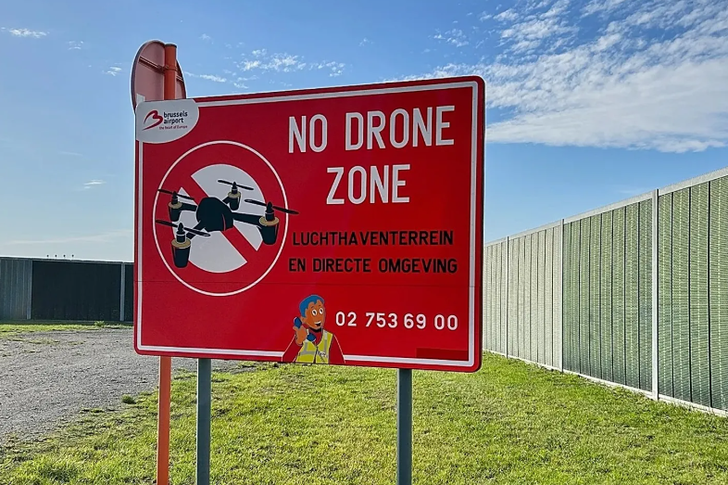
Belgium to strengthen airspace security after drone incidents
Belgium's defense minister said that the National Airspace...


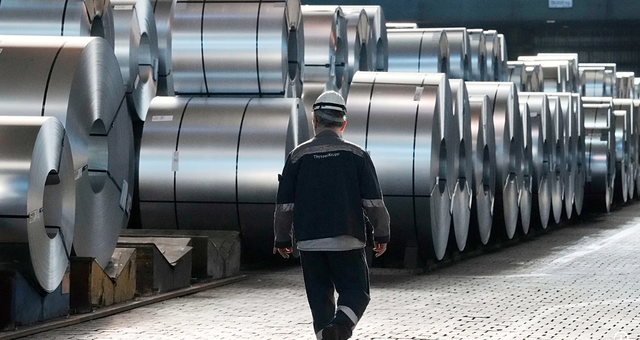
If German steel production is moved abroad, researchers warn that this could result in a loss of up to 50 billion euros per year in added value.
“The steel industry in Germany is facing an existential crisis,” Chancellor Friedrich Merz warned, signaling a shift toward greater economic self-confidence in Europe. He spoke alongside Finance Minister Lars Klingbeil after a summit at the Chancellery on Thursday, convened to find ways to secure the sector’s future.
Mr. Klingbeil said that if Germany is going to make significant investments in its defense industry, it must also be able to give priority to European and domestic suppliers.
"A little more 'buy European products,' a little more European patriotism — I think that would help," he told reporters.
Chancellor Merz said he would support an EU plan aimed at protecting the bloc's steel industry, adding that a joint Franco-German initiative could be in the works.
More than half a million people in Germany are employed in roles related to steel production, from suppliers to customers. Rising energy costs and low-priced imports have left the industry struggling to remain competitive.
50 billion euros at risk
Steel production in Germany is highly dependent on high temperatures, making it particularly sensitive to rising energy prices. As a result, German steel has become increasingly less competitive compared to imports.
In the worst-case scenario, the country could lose its status as an industrial power, with companies moving production abroad. A study by the University of Mannheim, commissioned by the Hans Böckler Foundation, warned that such a shift could cost the German economy up to 50 billion euros a year in lost value added.
The researchers estimated that at least 30,000 jobs could be lost if domestic production collapsed. They said key sectors such as metal fabrication, mechanical and electrical engineering, and the automotive industry would face much higher costs if forced to rely on imported steel.
To protect industrial capacity, the study recommends maintaining annual steel production of around 40 million tonnes in Germany to ensure that demand can be reliably met in the long term.
US tariffs and Chinese subsidies
As Germany's economy continues to stagnate, China has poured record levels of subsidies into its steel industry. The result is a massive expansion of production capacity, allowing Chinese firms to sell steel at highly competitive prices on the global market.
The United States has responded with steep import tariffs. Since President Donald Trump's trade policies took effect, steel imports have faced additional tariffs, including a 50% tariff on European steel, creating major challenges for German exporters.
Although the European Union is the world's second-largest steel producer, it accounts for only about 14% of global output, according to figures from industry body Eurofer. Asia dominates the sector, producing about three-quarters of the world's crude steel, with Germany remaining the EU's top producer.
However, steel production in Europe has been in steady decline. Eurofer data shows that crude steel production in the EU fell to 130 million tonnes in 2024, from around 170 million tonnes in 2010. Germany also recorded a weak year for steel production and at the end of 2024, its largest producer Thyssenkrupp announced plans to cut 11,000 jobs.
EU calls for tougher trade measures
Demand for steel across Europe has fallen in recent years due to slow economic growth.
However, industry analysts warn that Chinese exports to the EU could increase further as Beijing redirects steel originally destined for the US, where higher tariffs now apply.
EU Commission investigations have found that some Chinese steel products — such as tin-coated and organically coated varieties — have been sold in Europe below their cost of production, prompting the imposition of anti-dumping duties. Brussels has described the situation as unfair competition.
In early October, the European Commission proposed extending and tightening tariffs on steel. Under the plan, the quota for duty-free imports would be halved, while tariffs on excess imports could rise to 50%. The proposal still needs approval from both the European Parliament and EU member states.
Germany's options, energy costs under scrutiny
Germany has limited influence over global trade dynamics, but could seek relief through domestic energy policy. One proposal is the introduction of an industrial electricity price aimed at reducing costs for energy-intensive sectors such as steel.
Unions and industry leaders have called on the government to act quickly. The powerful IG Metall union is demanding the introduction of an industrial electricity tariff of five cents per kilowatt hour from January 1, 2026, as stipulated in the coalition agreement.
Economy Minister Katherina Reiche (CDU) confirmed this week that a lower industrial electricity price will come into effect in 2026, although details of the cost and implementation have not yet been announced./ CNA

Belgium's defense minister said that the National Airspace...

October 2025 was the third warmest month ever recorded glo...
Shareholders have approved a record pay package that could...
Extremely high temperatures have put 2025 on track to be a...

Two adult brothers were shot dead on Thursday in a village...
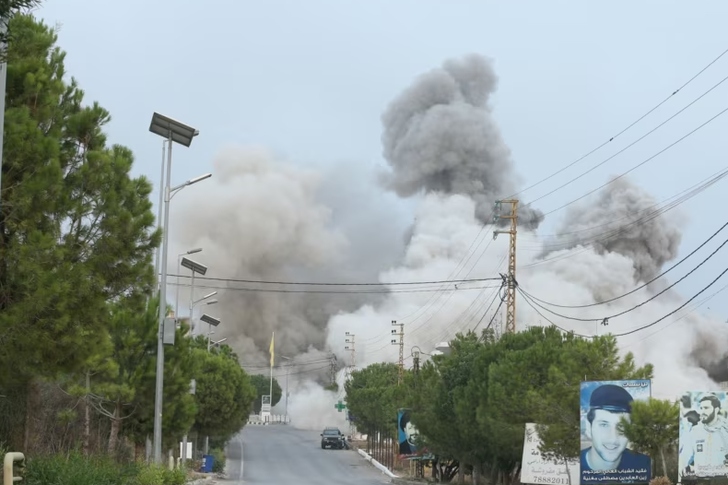
Israel attacked Hezbollah targets in southern Lebanon on N...
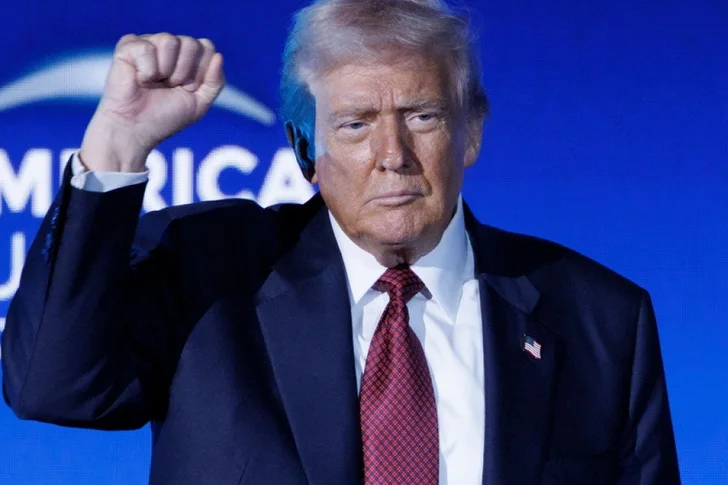
US President Donald Trump has reacted to Nancy Pelosi's an...
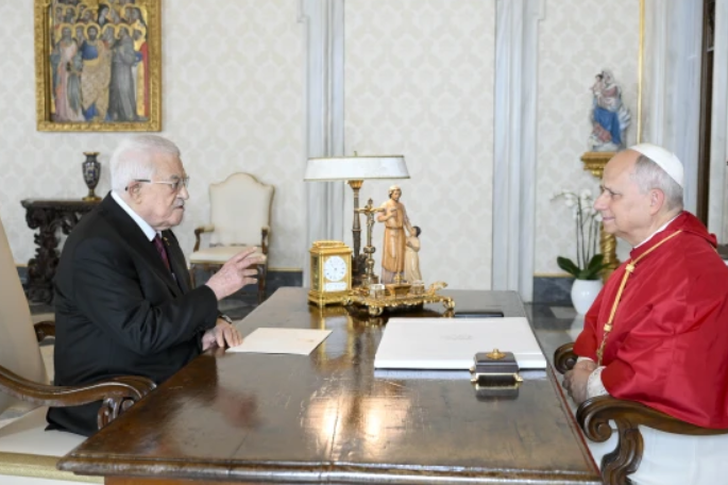
Pope Leo XIV received the President of Palestine, Mahmoud ...
Autoritetet austriake kanë sekuestruar disa armë në Vjenë ...
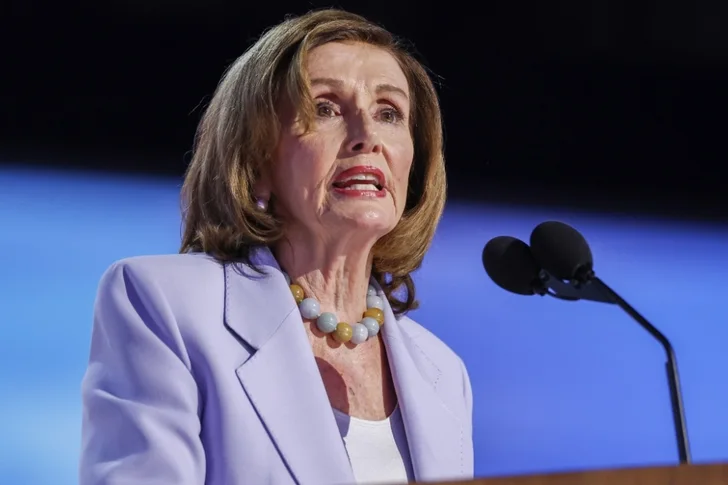
Nancy Pelosi, the first and only woman to serve as Speaker...
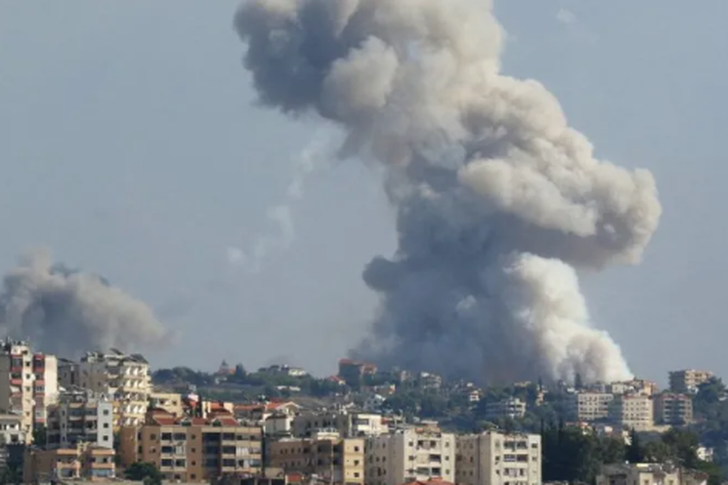
Avionët luftarakë izraelitë goditën tre qytete në Libanin ...

The diet plan that the former president of the French Repu...
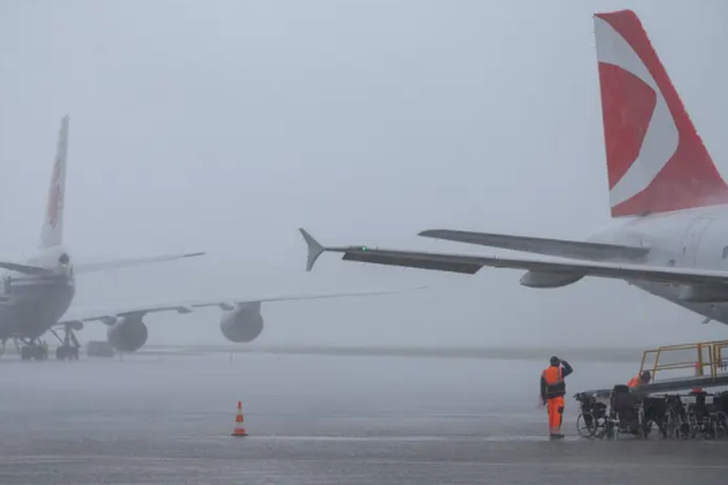
Bad weather conditions have disrupted air travel in northe...
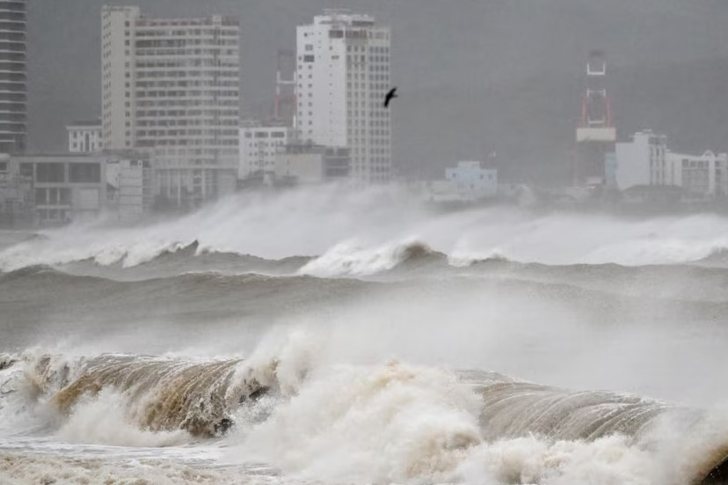
Typhoon Kalmaegi hit central Vietnam on Thursday, forcing ...

Seven firefighters were injured, including some with serio...

A serious incident occurred today in the village of Gollub...
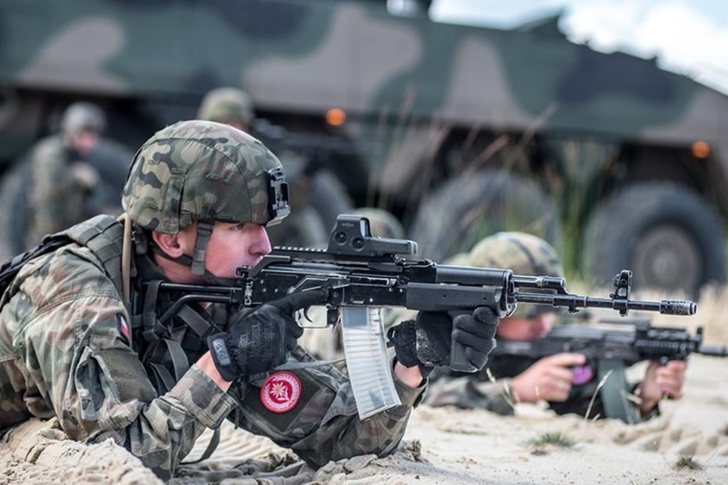
Poland will begin implementing a new military training pro...
A resident of the commune of Neuville-sur-Saine near Lyon ...
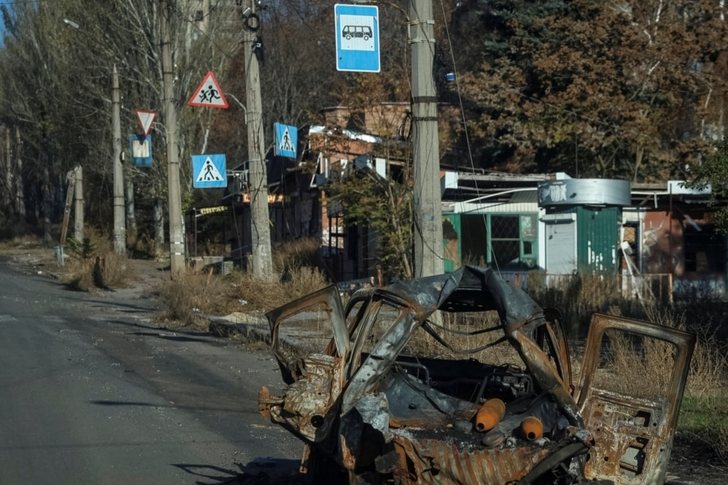
The South African government announced on Thursday that it...
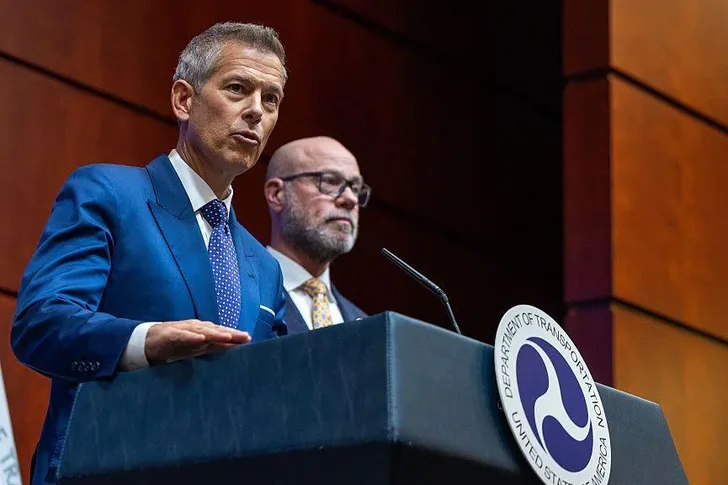
Transportation Secretary Sean Duffy warned that there will...

CNA has launched another investigation that could lead to ...

Irfan Hysenbelliu is a businessman that we call "Irfan the...

In March 2026, CNA launched another investigation centered...
The arrested mayor of Tirana, Erion Veliaj, with 13 charge...

The Special Board of Appeal (KPA) decided this Monday ...

The KPA vetting decided this Thursday to dismiss the p...

Suela Salavaçi, a prosecutor in the Prosecutor's Offic...

The Special Board of Appeal reinstated the prosecutor ...
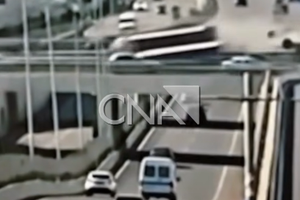
Footage emerges from the serious accident that occurred th...

A Shkodra traffic police officer was hit with hard objects...
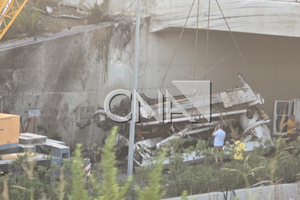
This Wednesday, around 4:00 PM, a serious accident occurre...

Tirana Police have shared details regarding the accident t...

On Thursday, our country will be under the influence of st...
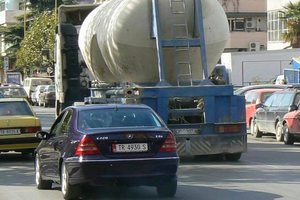
A serious accident that occurred this Wednesday with the c...

The Institute of Geosciences has shared a forecast for wea...
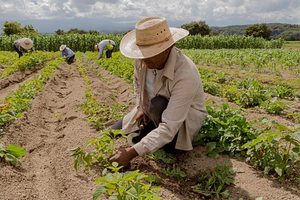
Rising energy and fertilizer prices are expected to contin...

Artificial intelligence (AI) models from the American comp...
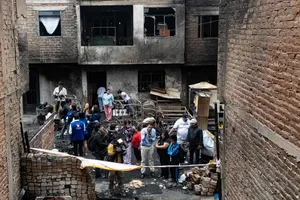
At least 10 people have died after a fire broke out in a h...
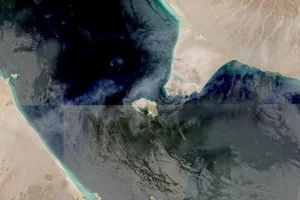
Yemen's Houthis have claimed to have attacked two Saudi oi...

The trial of ousted Venezuelan President Nicolas Maduro on...

At a time when industrial products are increasingly taking...

Trust among people is not just a three-syllable word. It c...

Master of humor Todi Llupi has passed away at the age of 7...

The ninth edition of "MIK Festival" kicked off with one of...

The average sale price of apartments in Tirana reaches rec...
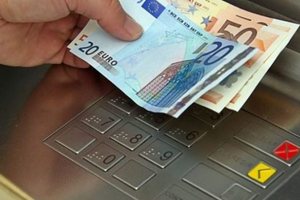
This Thursday, one US dollar is bought for 81.5 lek and so...
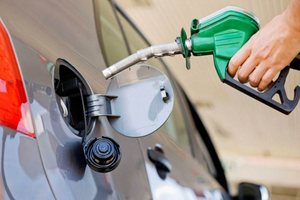
The price of diesel reached 206 lek per liter from 198 lek...

Businesses will no longer be required to simply register t...