


Alarm in Greece/ Dozens hospitalized for salmonella infection
Part of Greece has been put on alert after numerous cases ...


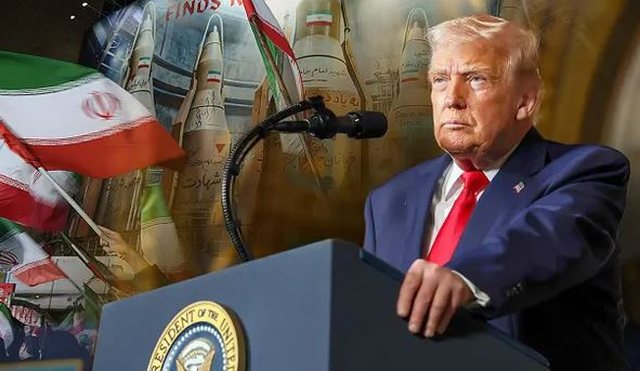
Amid renewed tensions, US President Donald Trump said on Monday he would impose a 20% tariff on all cargo passing through the Strait of Hormuz.
The statement contradicts previous positions of his administration officials, while such regulations are considered direct violations of international law.
Before the conflict began in February, about 20% of the world's oil supply passed through this energy corridor, which was a critical artery for global energy supplies.
The prestigious American media outlet 'New York Times' explains what the effects of a possible American tariff on global maritime transport would be.
A memorandum of the temporary ceasefire agreement stated that neither country would collect taxes, although it left open the possibility of imposing such measures after 60 days.
What are the implications for shipping and markets?
The newspaper reports that, according to experts, a 20% tariff on the value of a ship's cargo could double the cost of transporting oil.
For a large tanker carrying two million barrels of oil, for example, the tariff could add more than $30 million to the cost. As a result, consumers are likely to face higher prices.
On the other hand, for shipping operators in the region, the prospect of tariffs is currently less worrisome than an escalation of the conflict between Iran and the United States, experts said.
Where else are there taxes?
Another waterway, the Strait of Malacca in Southeast Asia, through which about 23 million barrels of oil pass per day, is a critical example.
Ships passing through this strait, which is jointly managed by Singapore, Indonesia and Malaysia, pay fees when they need certain services, such as towing assistance or help navigating narrower sections.
However, ships do not charge tolls for the crossing.
The political environment is also different in this case, where three countries are responsible, without significant conflicts and security issues.
How is Iran reacting?
Since Tehran effectively blocked the waterway, taking advantage of the conflict, Iranian officials have repeatedly stated their intention to exploit the Strait of Hormuz.
In this context, the NYT concludes, Iran and Oman, which is located on the southern side of the strait, are reportedly exploring ways for both countries to take advantage of the situation and load ships passing through the strait.

Part of Greece has been put on alert after numerous cases ...
A powerful heatwave has swept across Italy and other p...

Property owners in Europe face a range of tax obligations,...
Bhutan, Ghana and Nigeria charge visitors more for tourist...
Hungary's parliament has approved the dismissal of Preside...
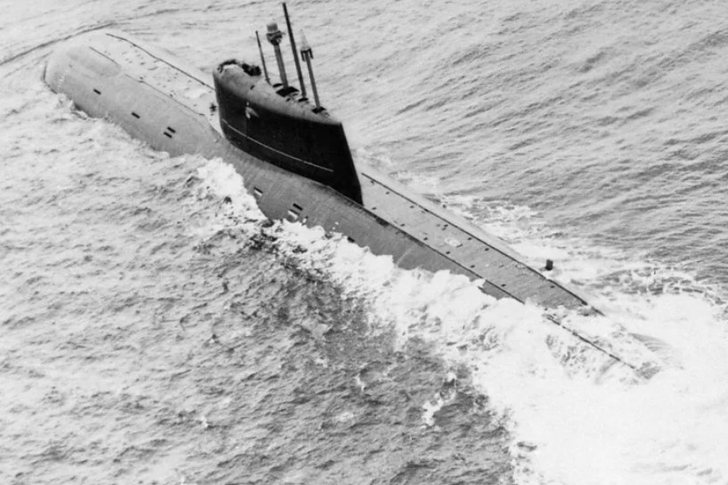
The Soviet nuclear submarine Komsomolets, which sank in th...
The United Arab Emirates has strongly condemned the attack...
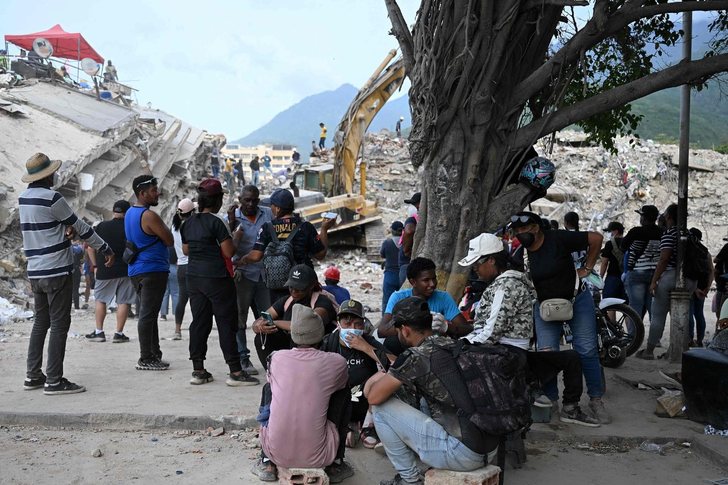
The death toll from two powerful earthquakes that struck V...
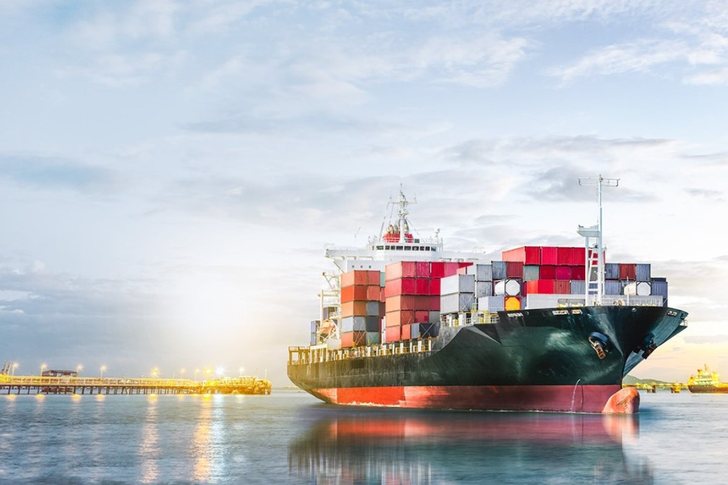
Oil prices rose to their highest levels in a month after t...
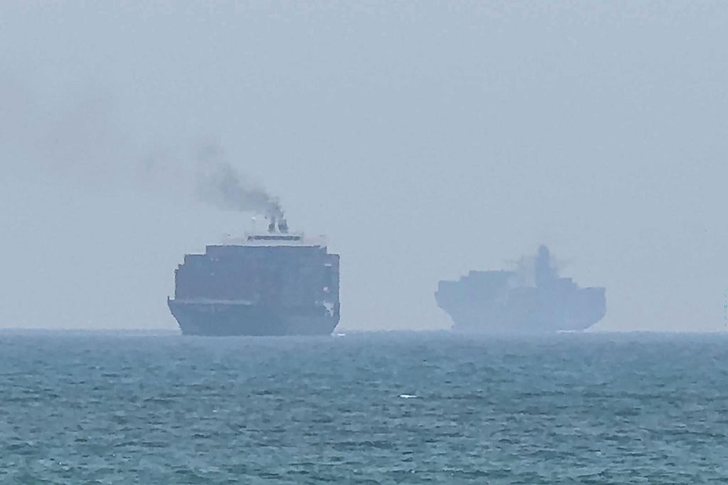
Iran has reacted to US President Donald Trump's statements...

Counter-terrorism police have taken control of the investi...
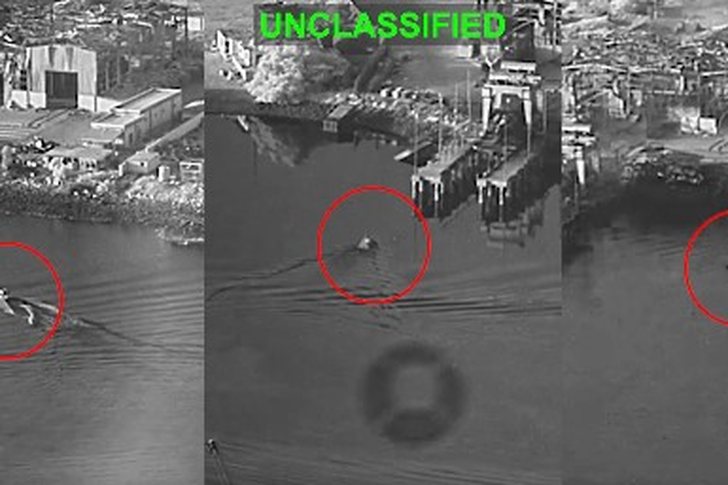
The United States Central Command (CENTCOM) announced that...
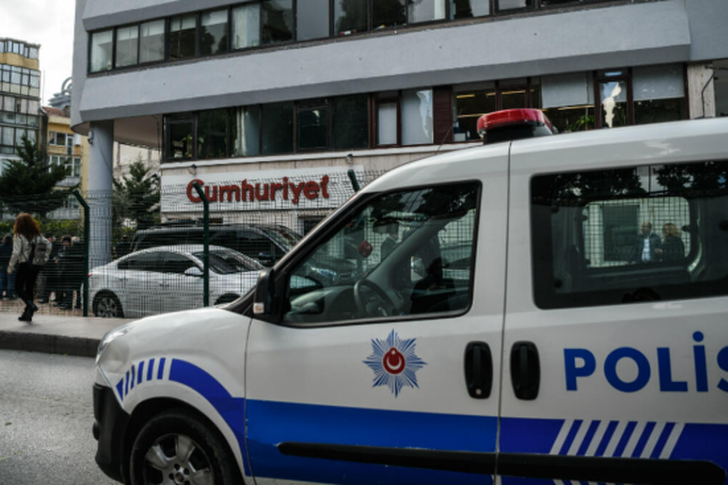
Prosecutors in the Turkish capital have ordered the arrest...
A person has died in Biddeford, Maine, after a shooting in...
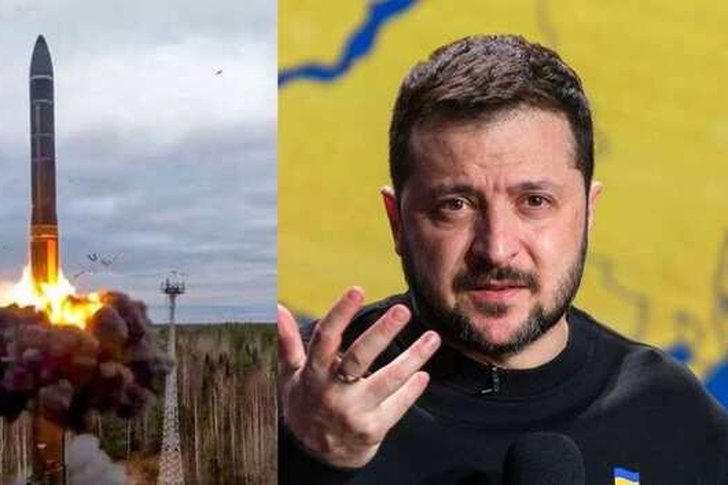
Ukrainian President Volodymyr Zelensky announced that Ukra...
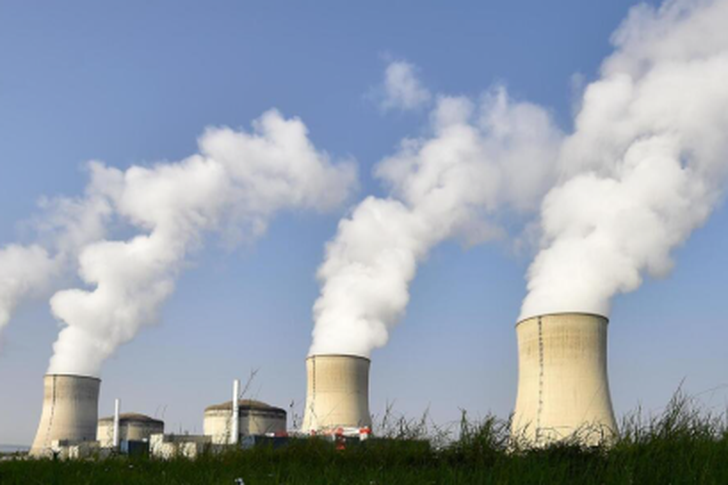
France's main energy supplier, EDF, temporarily shut down ...

A panel of experts advising the European Union on protecti...
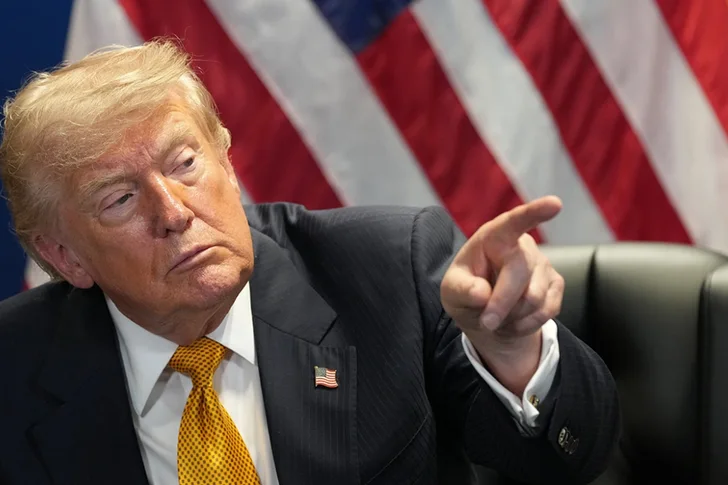
US President Donald Trump declared on Monday that the US w...
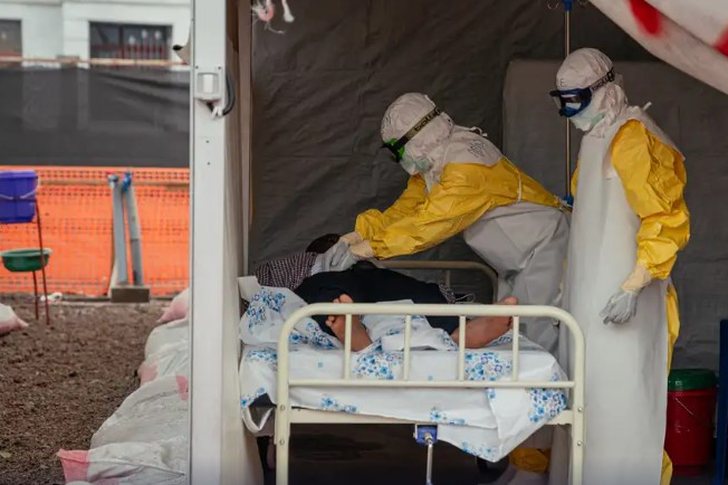
An American citizen infected with the Ebola virus has been...
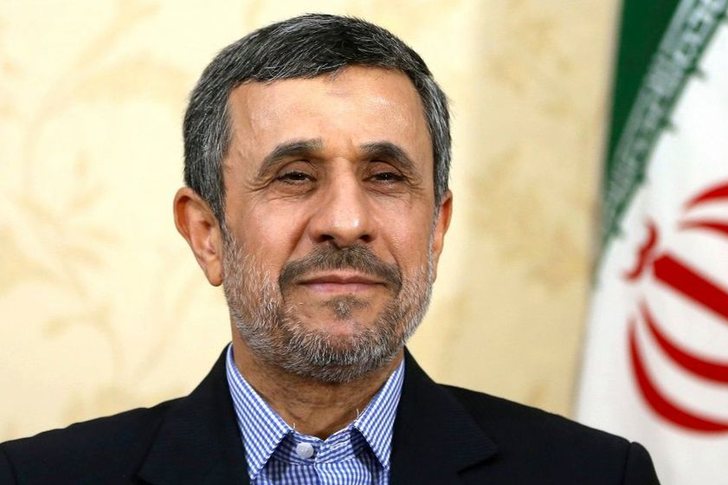
Former Iranian President Mahmoud Ahmadinejad has been plac...

On the morning of July 7, 2026, the Ministry of Culture ur...

After the disclosure of the portfolio of properties an...

For 6 months now, CNA has been sending several letters to ...

The word "fatherland" with properties is not enough. The m...

The Special Board of Appeal (KPA) decided this Monday ...

The KPA vetting decided this Thursday to dismiss the p...

Suela Salavaçi, a prosecutor in the Prosecutor's Offic...

The Special Board of Appeal reinstated the prosecutor ...
Two rubber boats that have been sailing near the coast and...
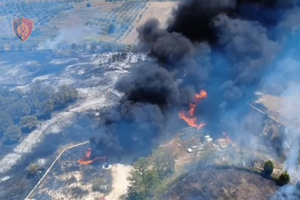
29 arsonists in the country were arrested and prosecuted i...

A knife attack occurred this evening in Fushë-Krujë. Acco...

A 44-year-old man in Saranda has been seriously injured af...

The latest report compiled by the European Transport Safet...

The Albanian woman is on average 2 years older than the Al...

The number of theft-related crimes has increased following...

Renowned doctor Shkëlqim Balili shared some important heal...

David Sanchez, the brother of Spanish Prime Minister Pedro...

Several people have reportedly died in a fire that broke o...

The Minister of Public Administration and Local Self-Gover...
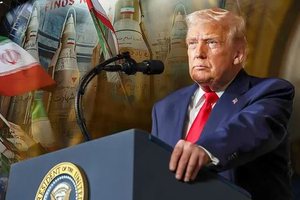
Amid renewed tensions, US President Donald Trump said on M...

Master of humor Todi Llupi has passed away at the age of 7...

The ninth edition of "MIK Festival" kicked off with one of...

A historic evening for Albanian culture was marked in the ...

When I turned 10, another building was built in front of o...
In addition to the effect on the decline in demand for rea...

This Tuesday, one US dollar is bought for 81.5 lek and sol...

The tax administration has announced the completion of the...
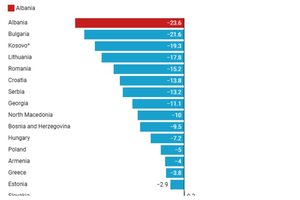
Albania has lost almost a quarter of its population since ...