


Administrative-Territorial Reform 2.0/ Report, 5 issues under "magnifying glass" for the new map
The Report on the Administrative-Territorial Reform 2.0, d...

The Report on the Administrative-Territorial Reform 2.0, d...

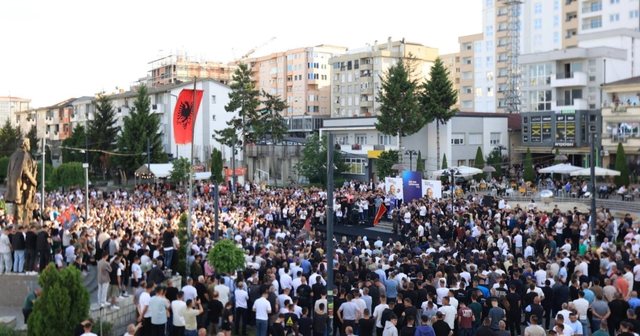
There are nine statues in Drenas Square.
In this city of about 48 thousand inhabitants, in the central part of Kosovo, each of them represents a story from the war: from the three statues of the brothers Adem, Shaban and Hamëz Jashari to that of the doctor Hafir Shala, who is still missing.
The last war in Kosovo during 1998-99 has determined much for this city of Drenica - the region that was among the most affected by its consequences.
Because it was the main focus of the Kosovo Liberation Army (KLA) resistance, the inhabitants of this area suffered heavy losses, both in people and property.
Now, 27 years later, many of them continue to vote for the Democratic Party of Kosovo (PDK), which was founded in 1999 by KLA leaders.
The party's former leader, Hashim Thaçi - who is currently awaiting trial in The Hague on charges of war crimes and crimes against humanity - was also prime minister in February 2008, when Kosovo declared independence.
This party's history makes many residents of Drenas, whom Radio Free Europe spoke with, not question their political choice.
Ruzhdi Orana, a former member of the KLA, is one of them.
"KLA members formed the PDK. That's where the path to independence began, which this party brought back. For me, it would be a great sin if I voted for another party," Orana tells REL.
He emphasizes that stories of war and suffering have been transmitted from older generations to younger ones, and thus, in this region, a sense of loyalty has been built that transcends political programs.
Shyqyri Hoxha, from the same municipality, holds the same position.
"Drenica cannot leave PDK because we know what war is. We cannot leave PDK," he says.
The same spirit of loyalty has been enjoyed by the Democratic League of Kosovo (LDK) over the years, due to its former leader, Ibrahim Rugova, who led the peaceful resistance to the former Serbian regime.
Nearly two decades after Rugova's death, his son, Ukë Rugova, returned to politics. In the snap elections of last December, with nearly 50,000 votes, he was the third most voted candidate on the LDK list.
"RUGOVISM LIVES! RUGOVISM WINS!" Vjosa Osmani, the first candidate on this party's list for the parliamentary elections to be held on June 7, recently wrote in a Facebook post after an electoral rally.
In the past, one of the strongholds of this party was the Municipality of Podujeva, which has now transformed into a place where the Vetëvendosje Movement (LVV) wins around 60 percent, and has also won the local elections.
In this municipality, a citizen has even built a statue of the leader of the LVV, Albin Kurti, now the acting prime minister.
He placed it in front of his house, calling it "the last hope."
These two forms of political connection, with the history of the party and with the figure of the leader, also reflect the findings of a survey by the research company, UBO Consulting, according to which they are the main factors influencing the vote of citizens in Kosovo.
In this context, Bryan McGraw, professor of Political Science at the American Wheaton College, emphasizes that modern democracies everywhere in the world are experiencing a kind of transformation in the way parties function and how political selection is made.
According to him, the weakening of parties as institutions and the increasing role of individual leaders are the result of institutional reforms and changes in political communication.
"Parties have been weakened by changes in electoral systems and the increasing influence of media and social networks, which make it easier for leaders to communicate directly with voters and bypass party structures," he tells Radio Free Europe.
McGraw also argues that this brings about a knock-on effect: campaigns become increasingly personal, parties increasingly transform into “insiders” and less into policy-making institutions, while political accountability becomes harder to identify.
In this process, according to him, voters are often oriented more by political figures and spectacle than by concrete programs.
He points out that in such systems, even informed voting becomes more difficult.
In Kosovo, this dynamic takes on a special dimension, given that the June parliamentary elections will be the third parliamentary elections since February of last year.
This frequent electoral cycle keeps politics constantly on the campaign trail.
"If voters are going to make political decisions based primarily on the 'news' they get from their social networks, we should not expect those choices to be well-informed at all," McGraw concludes.
Radio Free Europe has reported in the past how political parties and their representatives have spent tens of thousands of euros on social media advertising during election campaigns, to reach their target audience.
The same thing is seen now, on the eve of the new parliamentary elections. In the last seven days, the biggest spenders appear to be Ardian Gjini of the Alliance for the Future of Kosovo with almost 3 thousand euros, Bedri Hamza of the PDK with around 2,100 and Uran Ismaili of the PDK with around 1,300.
Almost all sponsored posts are calls for support and summaries of activities from electoral rallies./REL

The head of the Iranian negotiating team in talks with Was...
The US said it had struck Iranian military bases over the ...
Israeli Prime Minister Benjamin Netanyahu and Defense Mini...
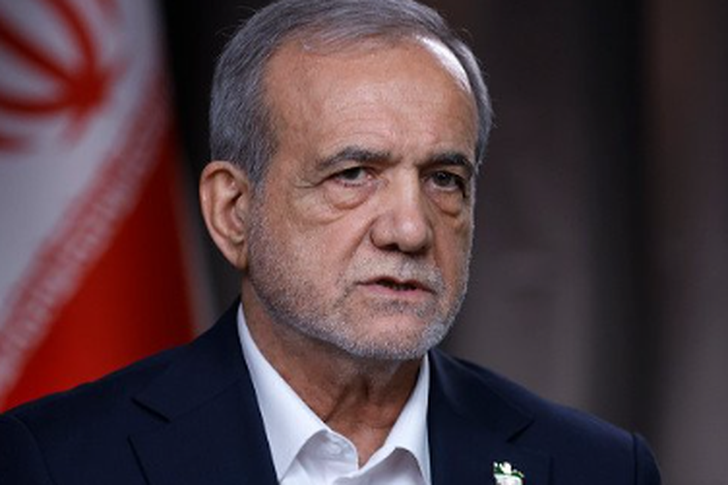
Iranian President Masoud Pezheskian called for a fundament...
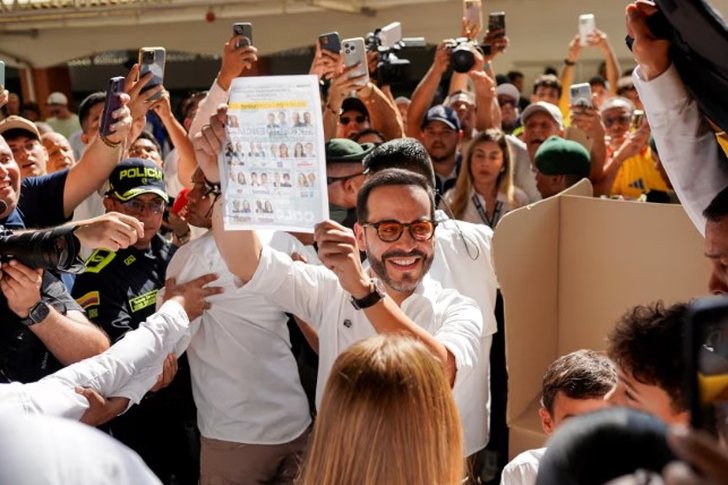
In a surprisingly strong showing, right-wing candidate Abe...
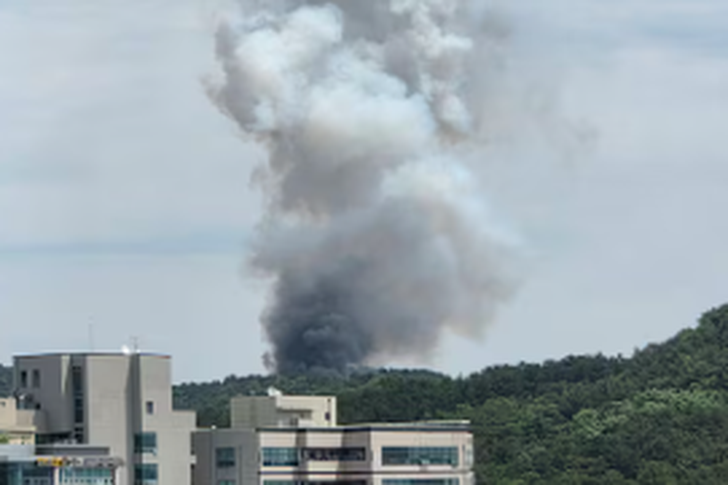
Five people were killed and two others were injured after ...
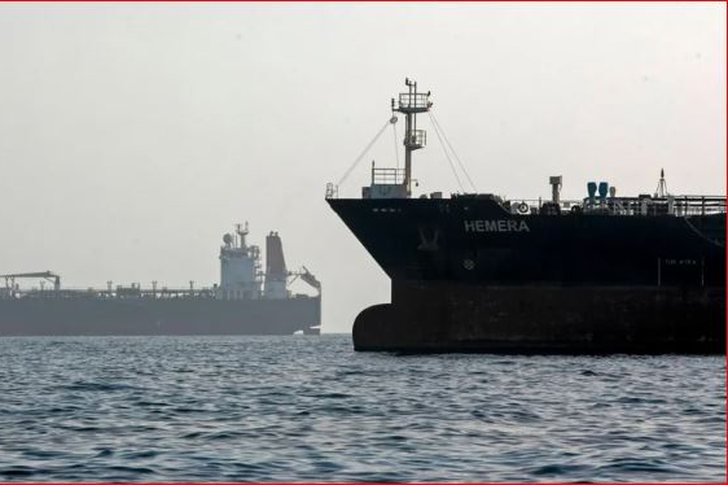
Airstrikes between the US and Iran resumed over the weeken...
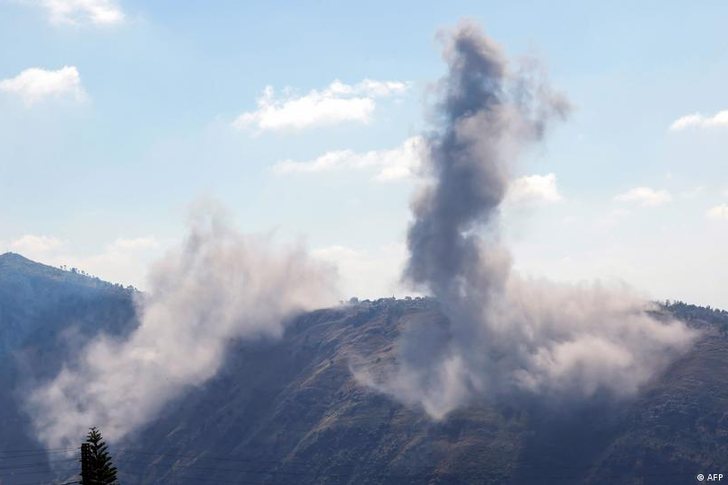
Ministri i Jashtëm i Gjermanisë, Johann Wadephul ka reagua...
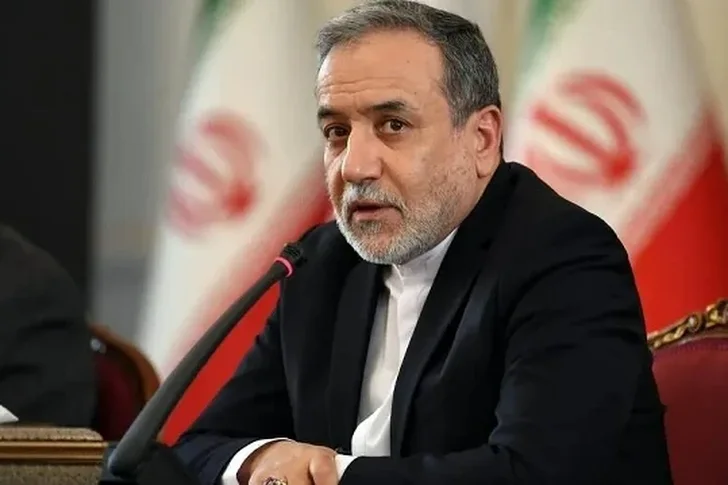
Iranian Foreign Minister Abbas Araghchi told state media t...
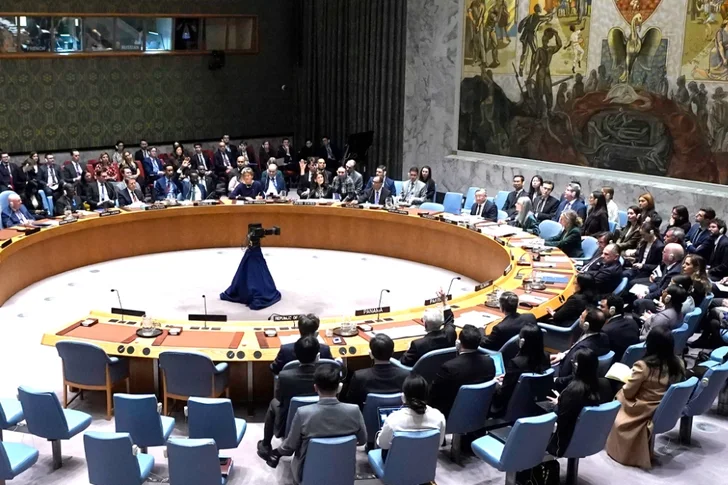
The UN Security Council will hold an emergency meeting on ...
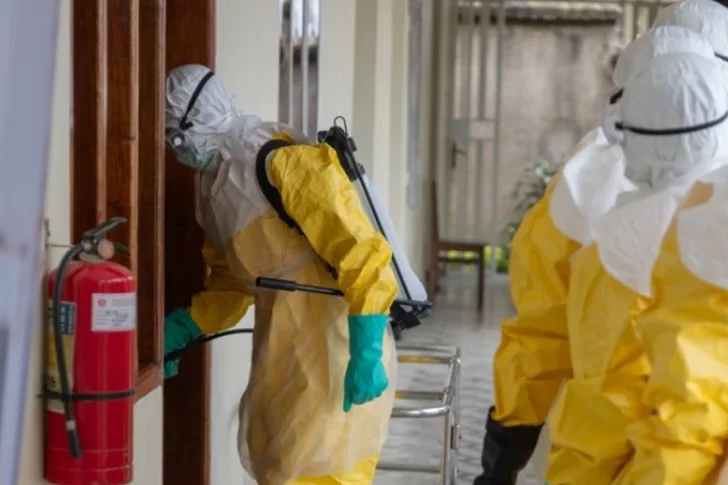
An Italian citizen who recently returned from the Democrat...
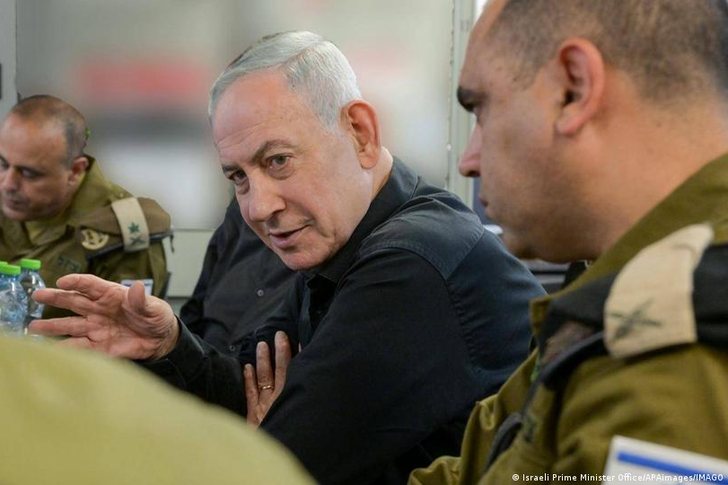
Israeli Prime Minister Benjamin Netanyahu said he had orde...
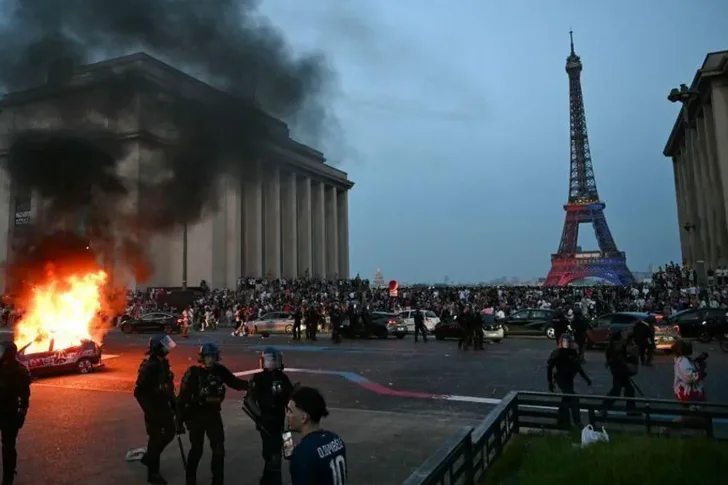
A total of 219 people have been injured in clashes between...
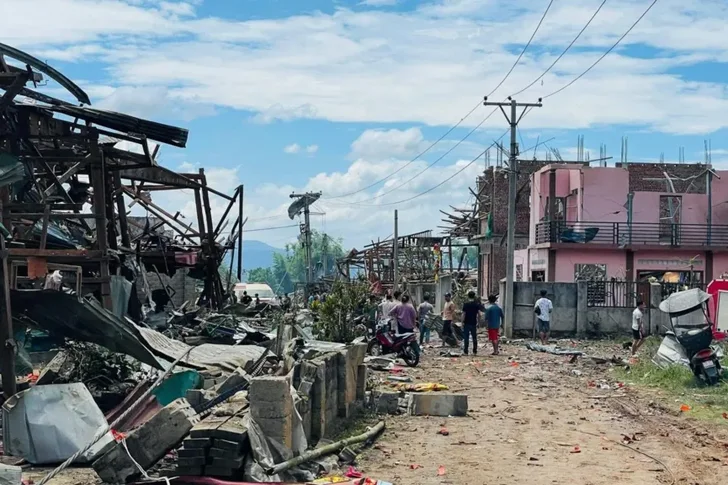
More than 50 people were killed on Sunday when a building ...
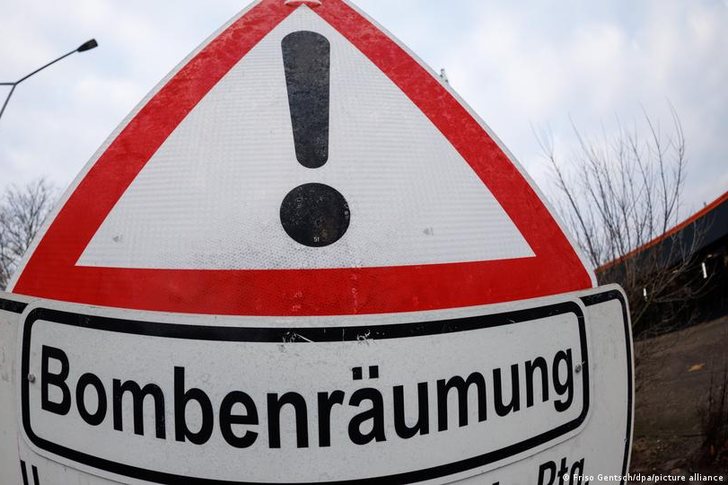
Bomb disposal experts in the northwestern German city of O...
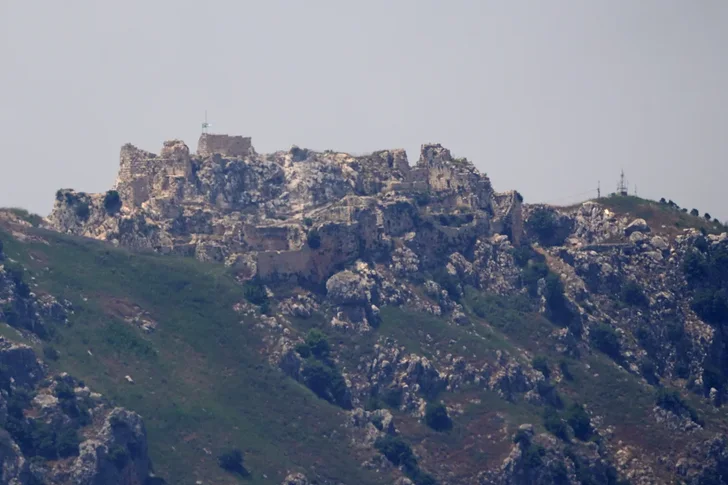
Israeli Defense Minister Israel Katz has announced that tr...
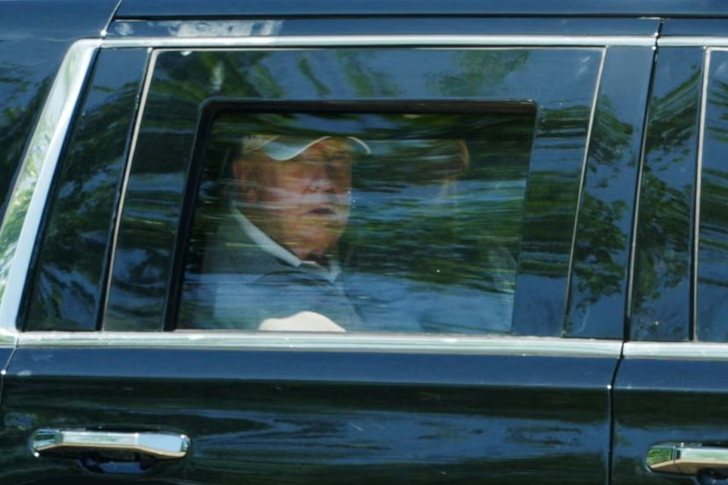
US President Donald Trump said Iran has given guarantees t...
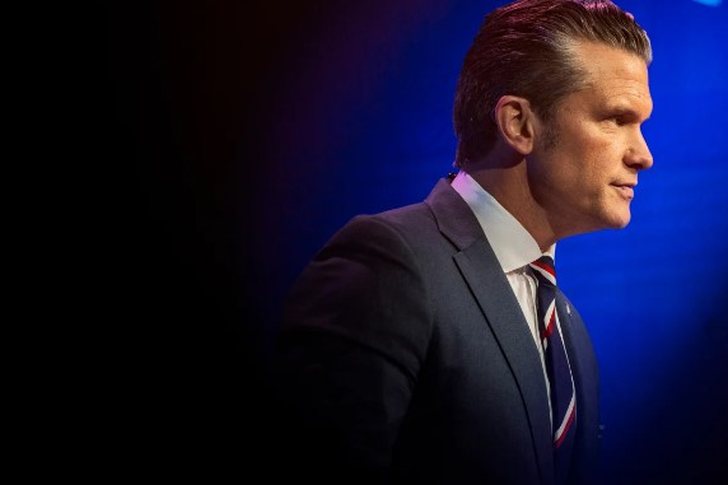
Defense Secretary Pete Hegseth has told the media that the...
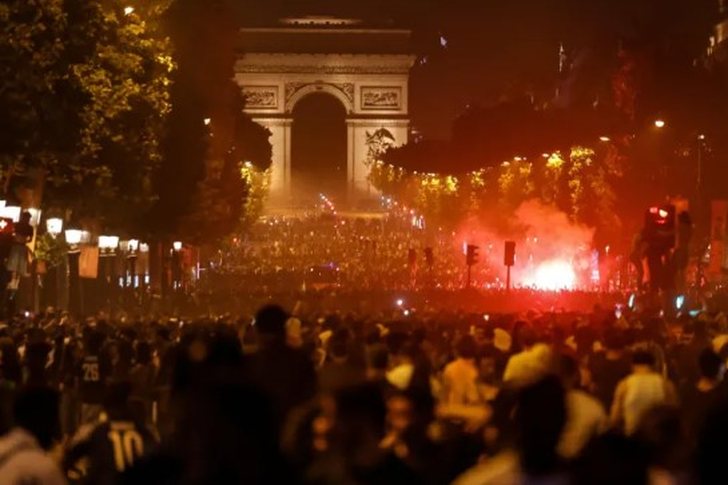
More than 400 people have been arrested across France afte...
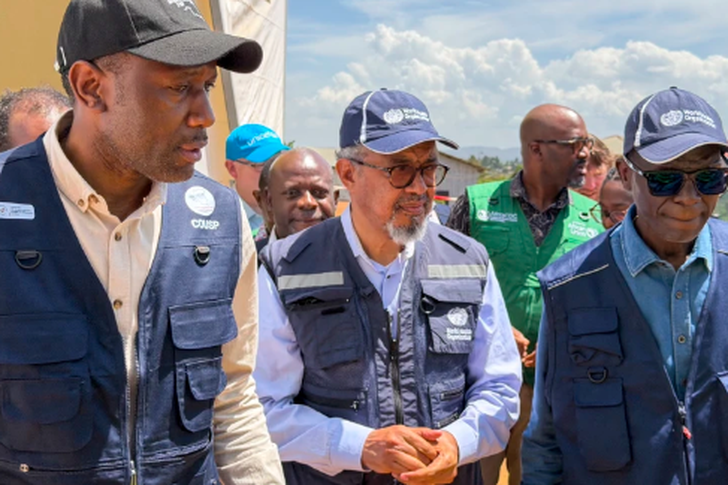
Drejtori i Përgjithshëm i OBSH-së, Tedros Adhanom Ghebreye...
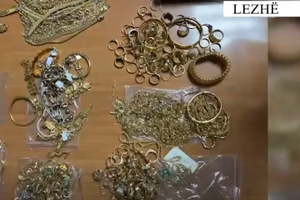
A 39-year-old citizen has been arrested in Lezha, after se...

CNA has launched another investigation that could lead to ...

Irfan Hysenbelliu is a businessman that we call "Irfan the...

In March 2026, CNA launched another investigation centered...

The Special Board of Appeal (KPA) decided this Monday ...

The KPA vetting decided this Thursday to dismiss the p...

Suela Salavaçi, a prosecutor in the Prosecutor's Offic...

The Special Board of Appeal reinstated the prosecutor ...
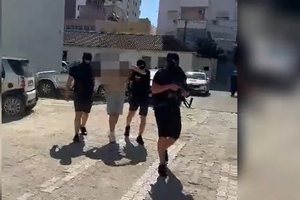
Following the successive operations carried out by the ope...
The Police Supervision Agency has seized the service weapo...
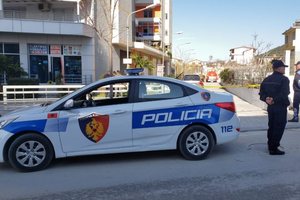
A serious incident occurred in Lushnje, where citizen IY, ...
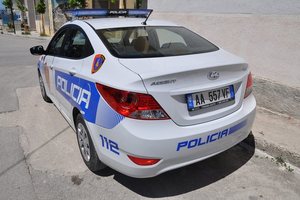
As a result of the investigative and procedural actions ca...

As the year 2026 is in its second half, the world is exper...

Today, our country will be under the influence of stable a...

By noon, cloudiness is expected to prevail in almost all o...

Children without parental care, for whom alternative famil...
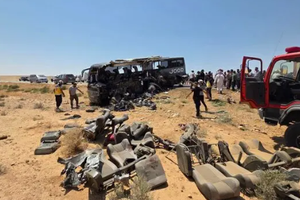
Thirty-five people were killed and 30 others were injured ...

US President Donald Trump has announced that he will seek ...
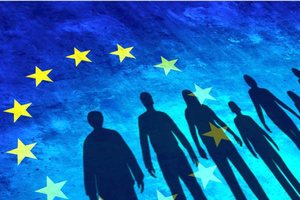
Almost half of people living in France, Germany, Italy and...
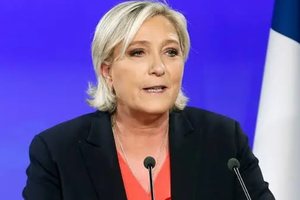
Marine Le Pen is entering the decisive phase of the presid...
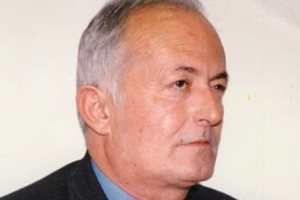
Two windows, a century of history and the metaphysics of p...
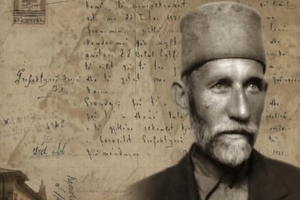
In my research at the Central State Archives, specifically...

At a time when industrial products are increasingly taking...

Trust among people is not just a three-syllable word. It c...
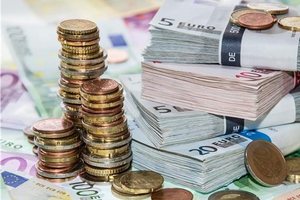
This Saturday, one US dollar is bought for 81.7 lek and so...
War, weather and supply disruptions could send gas prices ...
The number of active enterprises in Albania continued to g...
In Albania, the bar-cafe has long become an almost unique ...