


VIDEO/ Heavy traffic on the Elbasan-Tirana axis, vehicles in kilometer-long queues
The Elbasan-Tirana axis was affected by heavy traffic this...

The Elbasan-Tirana axis was affected by heavy traffic this...

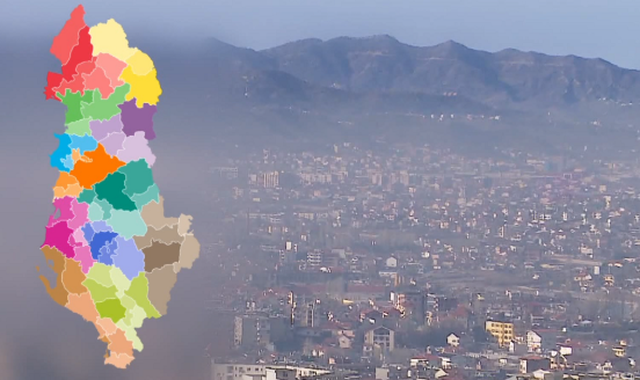
The Report on the Administrative-Territorial Reform 2.0, drafted by the Special Parliamentary Committee and presented to the Assembly by socialist deputies, also focuses on several measuring indicators of the current map.
Based on the findings of the report by reform experts, 5 issues are listed as the most concerning, including economic performance, territorial inequality, urban index, local functions and financing, and legal framework.
The final report drafted by the majority emphasizes that 2026 is the critical deadline, as according to international standards these changes must be completed at least one year before the 2027 local elections, while it is assessed that the legal changes to the map also require public consultation, as stipulated by law.
Excerpts from the report's findings:
Scale matters, but not equally for every function
Larger municipalities perform systematically better: they maintain 13 employees per 1,000 inhabitants versus 26 in smaller ones, with per capita costs following a U-shaped curve with a minimum above ~20,000 inhabitants. However, economies of scale are selective: for some functions the solution is intermunicipal cooperation or regional organization, not changing borders.
Territorial inequality is the central problem
Tirana concentrates about a quarter of the population, about 40% of local income and almost half of active enterprises; 47 municipalities each generate less than 1% of the country's local income. More than half of the municipalities remain below the medium functionality threshold, while about 36.6% of local tax revenues come from the cyclical infrastructure impact tax.
Geography allows for consolidation, with clear exceptions
In all 12 counties, the municipality with the highest urban index is the county center, the natural anchorage skeleton. Half of the municipalities measured reach the anchorage within 30 minutes; only three (Tropoja, Fushë-Arrëza, Himara) exceed one hour: cases that, like units with minority and identity characteristics, require special treatment, not mechanical unification. Meanwhile, 50 mountainous administrative units remain over an hour from any municipal center, a problem that requires remote service models, not new border lines.
Functions and financing require simultaneous recalibration
Of the 41 local functions, only 4 are exercised well and 6 remain practically unexercised; sectoral legislation interferes with local competences and some mandates have been transferred without funding. The transfer formula is based on outdated indicators, the property tax remains below potential without a fiscal cadastre, while the “financed competence” principle should guide any reallocation, including the fiscal architecture of a possible second level, without gaps and without double funding.
The legal framework allows for reform without constitutional change.
The map is changed by a qualified law, with the obligation to obtain the opinion of the population (Article 108/2), while the concept of a regional level over the 12 existing counties avoids a two-thirds majority. International standards require the completion of territorial changes at least one year before the 2027 local elections; 2026 is the critical deadline./CNA


DP Deputy Chairman and MP Belind Këlliçi, in a statement t...
At the meeting of the SP group and the government, Prime M...
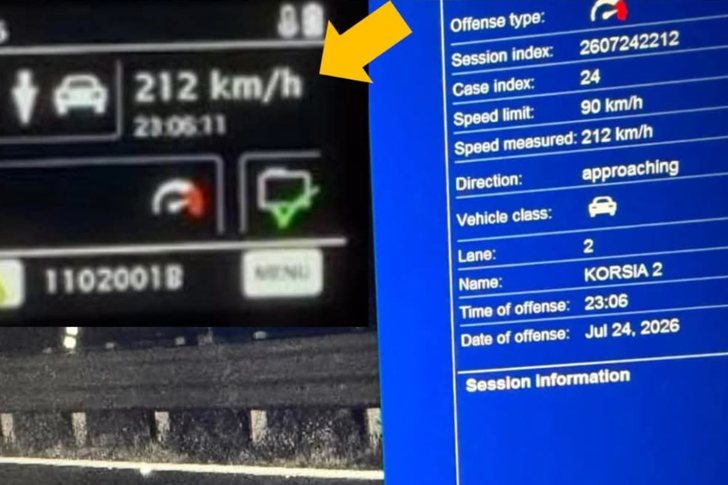
The Minister of Interior, Besfort Lamallari, has reacted t...
DP leader Sali Berisha, in a conversation with citizens, s...
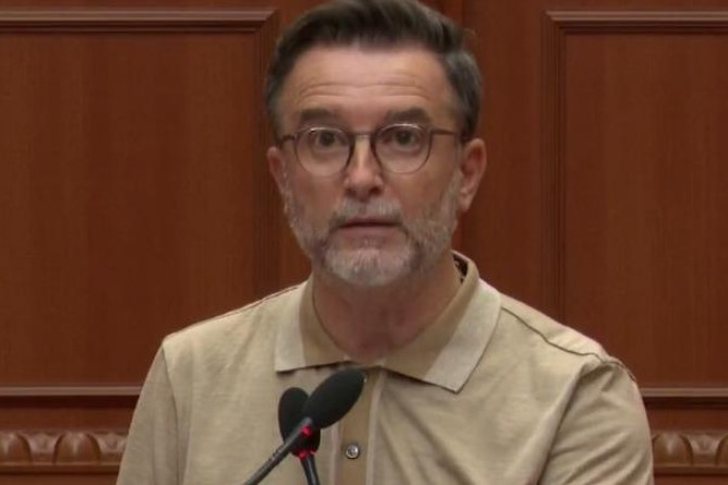
A day ago, after the meeting of the SP group and the gover...
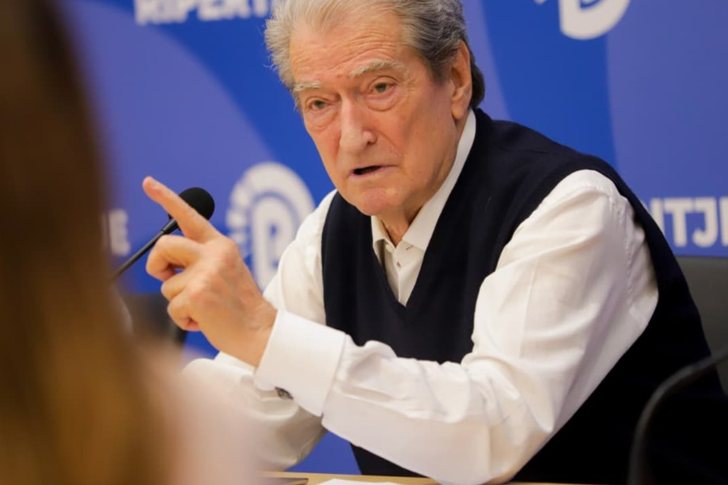
The leader of the Democratic Party, Sali Berisha, has reac...
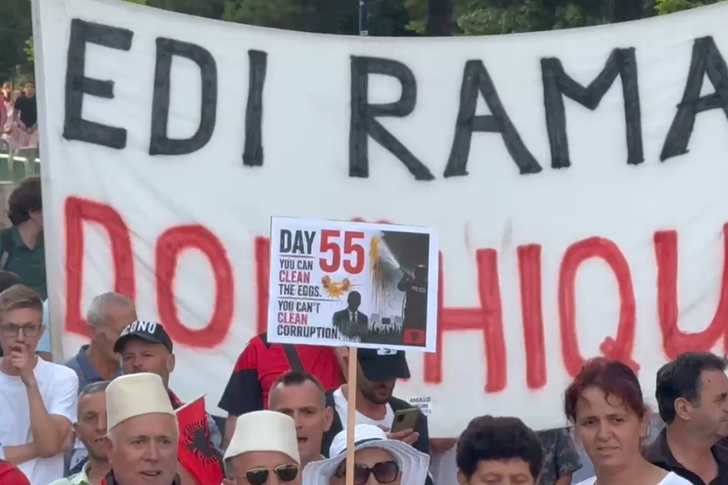
This Friday, the 55th civic protest against the government...
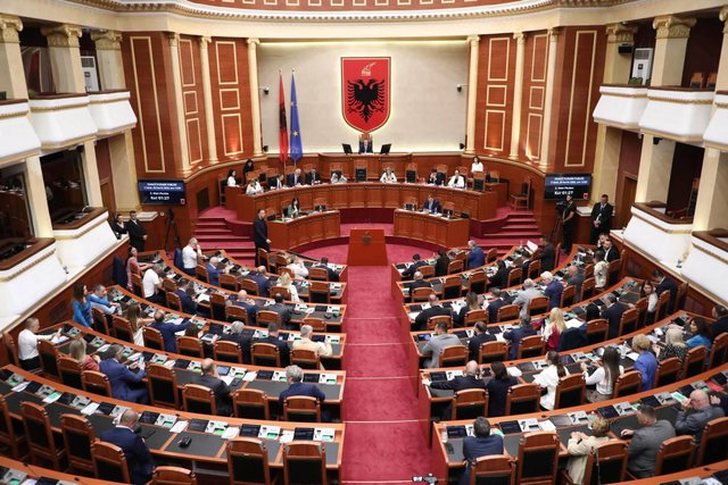
The Albanian Parliament will convene again on Monday to ho...
Former chairman of the SP Korça and journalist for "Zërit ...
Deputeti dhe nënkryetari i Partisë Demokratike, Belind Kël...
Parliament Speaker Niko Peleshi has revealed that in the f...
After Health, Prime Minister Edi Rama also targeted offici...
Prime Minister Edi Rama, during a meeting of the SP group ...
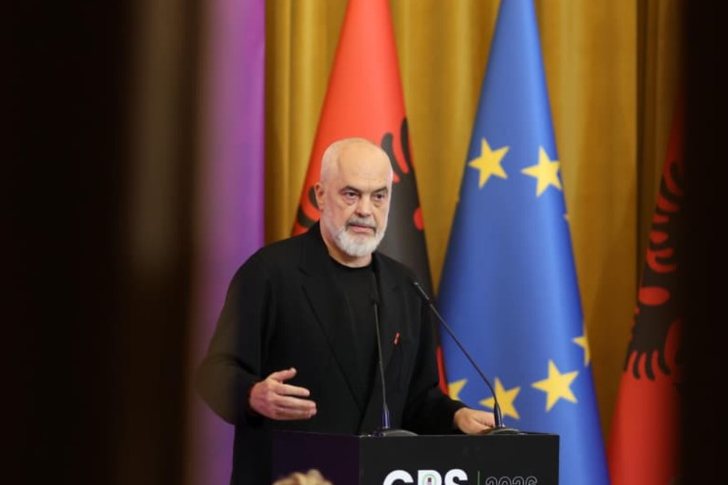
Prime Minister Edi Rama, at a meeting of the Socialist Par...
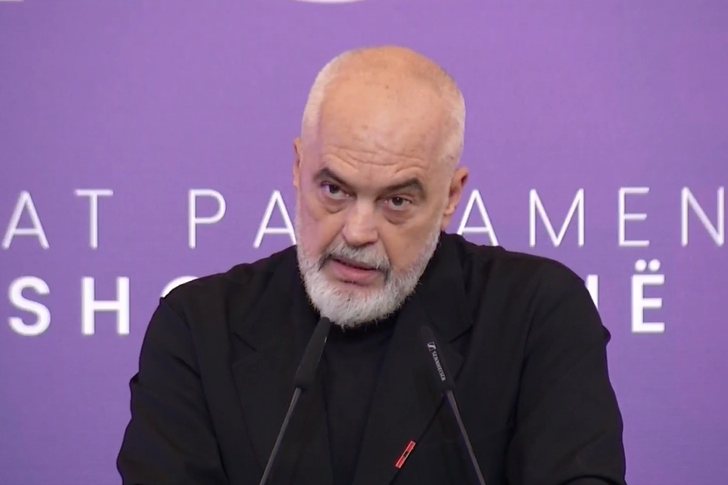
Prime Minister Edi Rama has sent a public message to the p...
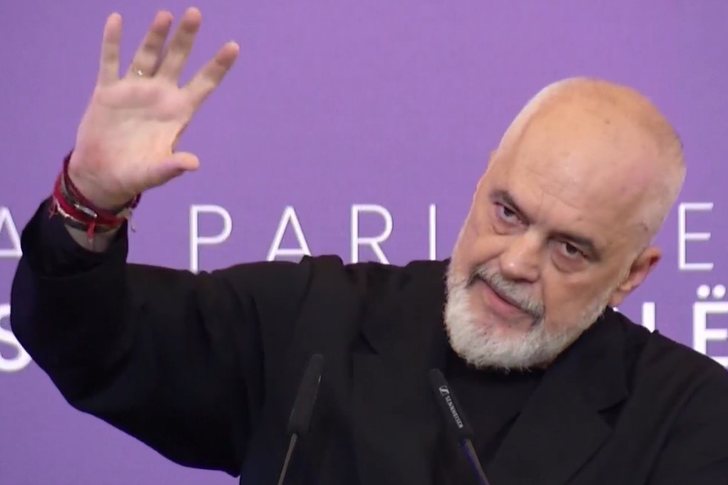
Prime Minister Edi Rama has given the Socialists a cold sh...
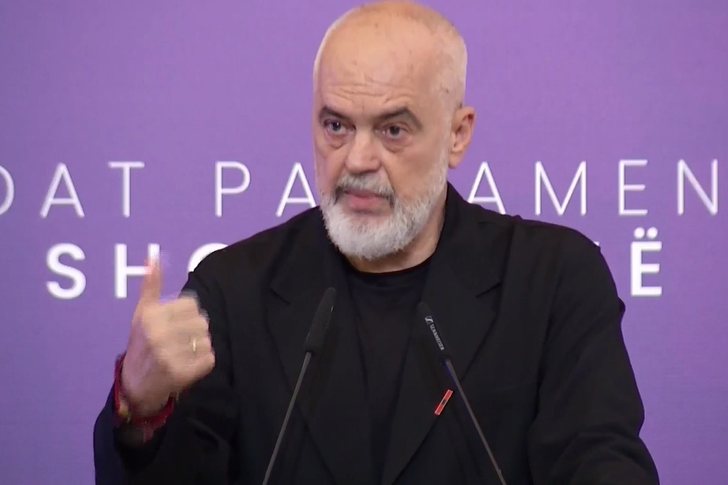
Prime Minister Edi Rama has spoken about the protests in f...
Prime Minister Edi Rama has spoken about the protests, whi...
Prime Minister Edi Rama, during a meeting with the SP grou...
Prime Minister Edi Rama, during a meeting of the Socialist...
A 39-year-old citizen has been arrested in Lezha, after se...

CNA has launched another investigation that could lead to ...

Irfan Hysenbelliu is a businessman that we call "Irfan the...

In March 2026, CNA launched another investigation centered...

The Special Board of Appeal (KPA) decided this Monday ...

The KPA vetting decided this Thursday to dismiss the p...

Suela Salavaçi, a prosecutor in the Prosecutor's Offic...

The Special Board of Appeal reinstated the prosecutor ...
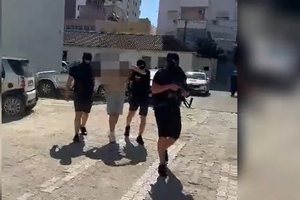
Following the successive operations carried out by the ope...
The Police Supervision Agency has seized the service weapo...
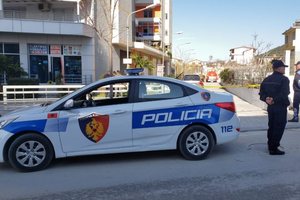
A serious incident occurred in Lushnje, where citizen IY, ...
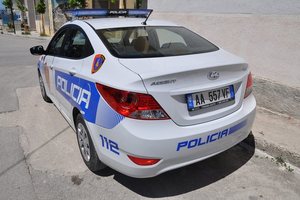
As a result of the investigative and procedural actions ca...

As the year 2026 is in its second half, the world is exper...

Today, our country will be under the influence of stable a...

By noon, cloudiness is expected to prevail in almost all o...

Children without parental care, for whom alternative famil...
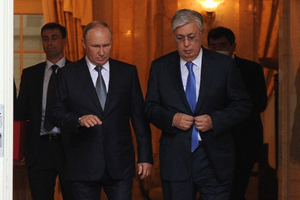
Kazakh President Kassym-Jomart Tokayev shared some critici...
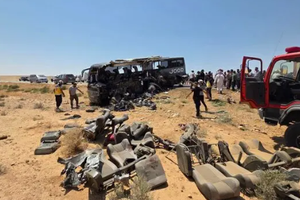
Thirty-five people were killed and 30 others were injured ...

US President Donald Trump has announced that he will seek ...

Almost half of people living in France, Germany, Italy and...
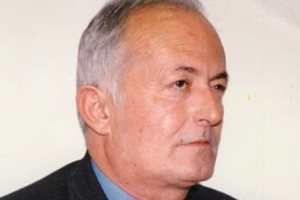
Two windows, a century of history and the metaphysics of p...
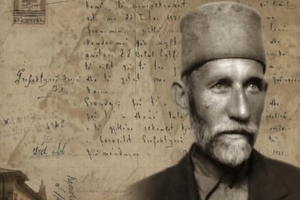
In my research at the Central State Archives, specifically...

At a time when industrial products are increasingly taking...

Trust among people is not just a three-syllable word. It c...

This Saturday, one US dollar is bought for 81.7 lek and so...
War, weather and supply disruptions could send gas prices ...
The number of active enterprises in Albania continued to g...
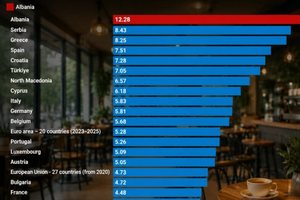
In Albania, the bar-cafe has long become an almost unique ...