


"They have risen up against the government with good reason"/ Berisha: DP did not call the protest, but supports it
The President of the Democratic Party, Sali Berisha, deliv...

The President of the Democratic Party, Sali Berisha, deliv...

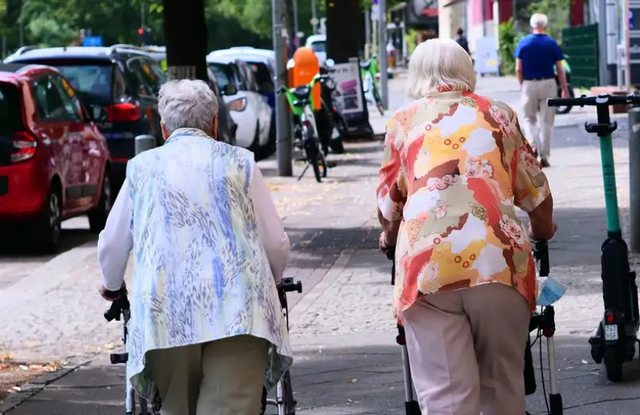
The demographic time bomb has been ticking for decades in Europe. European Union countries are aging, people are living longer. More than a fifth of the population in the EU is aged 65 or older. In 2050, there will be a third. Last year, the World Health Organization warned that in 2024, for the first time, 65-year-olds would outnumber 15-year-olds.
Despite the huge increase in immigration in the last two decades, the European continent still needs workers whose taxes will pay for the high costs of public pensions. Economists calculate that in 2050 there will be less than two workers for one pensioner, today the ratio is one to three. Meanwhile, in 17 of the 27 member countries of the European Union, the annual expenditure on public pensions takes 10% of the gross domestic product (GDP). All but one country is located in Western Europe. In Italy and Greece, pensions cost public finances more than 16% of GDP.
To cope with the large increase in expenses, some EU countries have modified their public pension systems, including raising the retirement age. France, for example, last year faced months of protests against plans to force workers to retire at age 64 rather than the current age of 62.
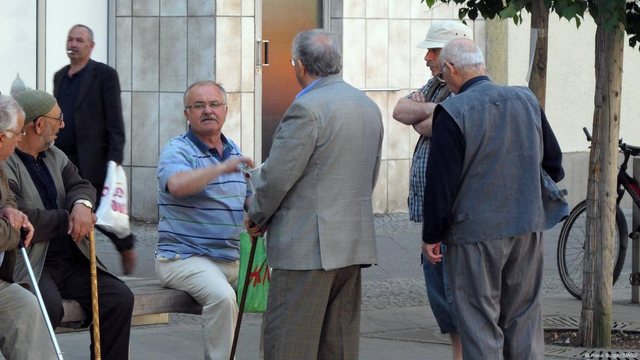
Other European countries have gone further. In the UK there are plans to let people work until the age of 68 from the mid-2040s. Women in Britain used to retire 5 to 7 years earlier than men, but the attempt to equalize the retirement age with men has led to women affected seeking compensation.
"The Dutch have recently reformed their pension system, but they are not achieving their goals," Hans van Meerten, professor of European pension law at the University of Utrecht, told DW. "Also in Germany, Belgium and many other countries European I do not see the necessary reforms. They are making their own graves."
Despite the difficult situation with public finances in Europe, millions of people still do not invest enough in private or workplace pensions to supplement the state pension. EU barometer data for last year show that only 23% of EU citizens have a workplace pension and 19% a private insurance. Figures in EU countries are different.
"In the last decade, the pension crisis in Europe worsened significantly due to persistently low interest rates, which were unable to balance inflation," Arnaud Houdmont, director of communications at investor group Better, told DW. Finance based in Brussels. According to Houdmont: "this has led to a huge loss of depositors' purchasing power."

Analysis by the Finnish Pension Center found that pension interest worldwide last year averaged 8%. But given the high inflation that followed the COVID-19 pandemic, the interest that remained was only 2%. Inflation in the Eurozone peaked at 10.6% in October 2022.
Houdmont is of the opinion that the causes for the low interest rates are also the high fees, the poor distribution of assets and the lack of transparency in the pension products.
To help solve the savings gap, the EU introduced the pan-European private pension product (PEPP) in March 2022. The scheme allows employees to deposit into an additional pension, which they take with them when they move to other EU countries. However, only one country - Slovakia - has implemented this scheme.
"PEPP has been in place for two and a half years," van Meerten asserts. "but the big investment funds say they don't have the expertise to work with PEPP products and are looking for other partners."
According to pension experts, the problem is that PEPP is too complicated and restrictive. PEPP is seen as unwanted competition by investment funds such as BlackRock or Fidelity, whose broad clientele are Dutch, Norwegian and German pension funds, which means many millions of European depositors.
Van Meerten thinks PEPP should be simplified and made more flexible, as some EU countries do not give the new pension scheme the same tax advantages as other pension savings products.
Some branches of industry in EU countries — from the chemical industry and the German metallurgical sector to the French railway operator — offer pensions to their employees. Almost 60% of German employees who pay social security contributions take advantage of this opportunity. These schemes, in addition to other benefits, offer especially those who do heavy physical work, the possibility of early retirement.
However, consumers demand more flexibility in their investments and retirement age. The success of neo-brokers like Robinhood, eToro and Trade Republic, which give users the ability to manage their investments on smartphone apps, has somehow usurped many of Europe's overly complicated and burdensome pension systems./ DW

US Secretary of State Antony Blinken aimed to reach a ...

Two people have been arrested and another has been dec...

US Secretary of State Antony Blinken arrived in Doha o...
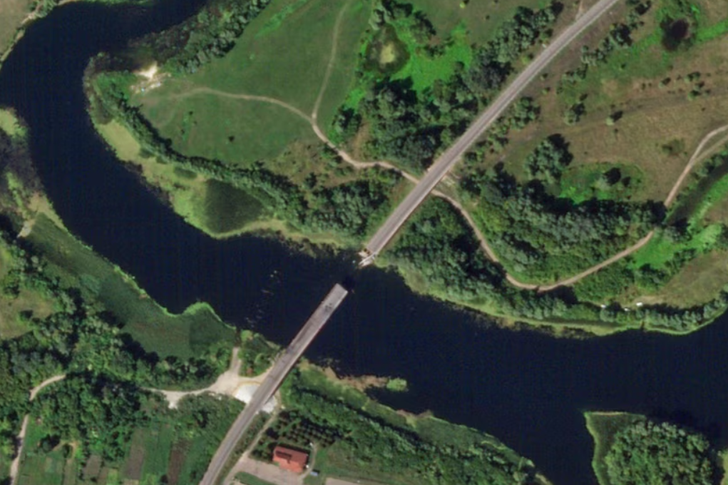
Ukrainian forces have destroyed or damaged three bridges o...

Hamas today accused the United States of adding to the unc...
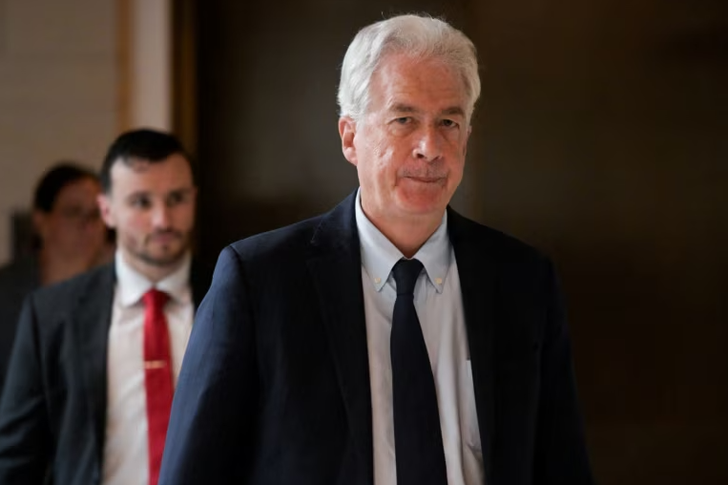
The director of the US Central Intelligence Agency (CIA), ...
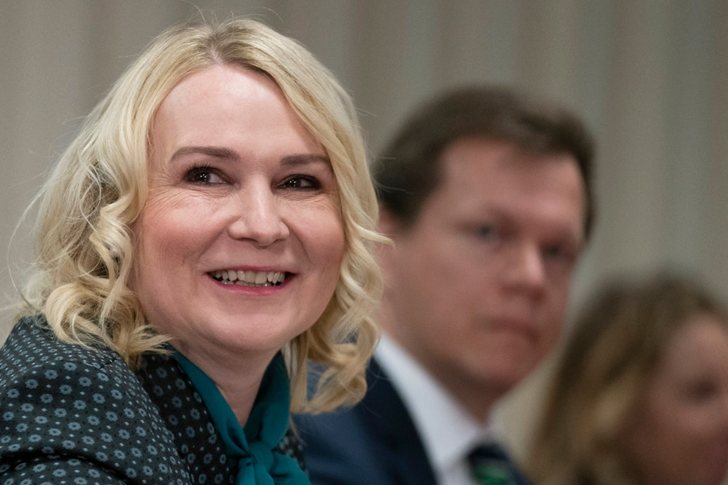
The Czech Republic will use part of the revenue collected ...
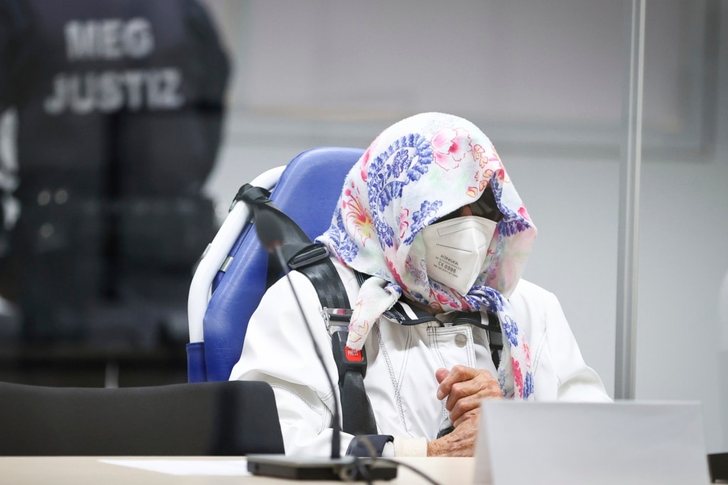
The Federal Court of Justice in Germany has upheld the con...
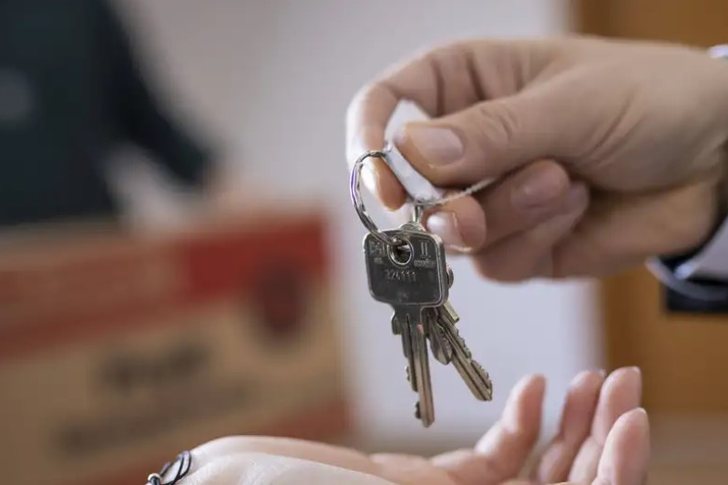
The apartment was not renovated properly. But the real est...

The Israeli army said on Tuesday it had recovered the ...
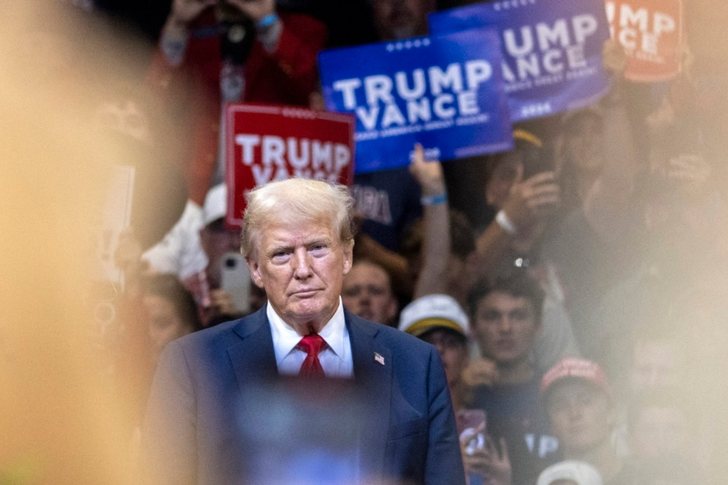
Iran was behind recent attempts to hack Donald Trump's...

The United Nations condemned on Monday the "unacceptable" ...
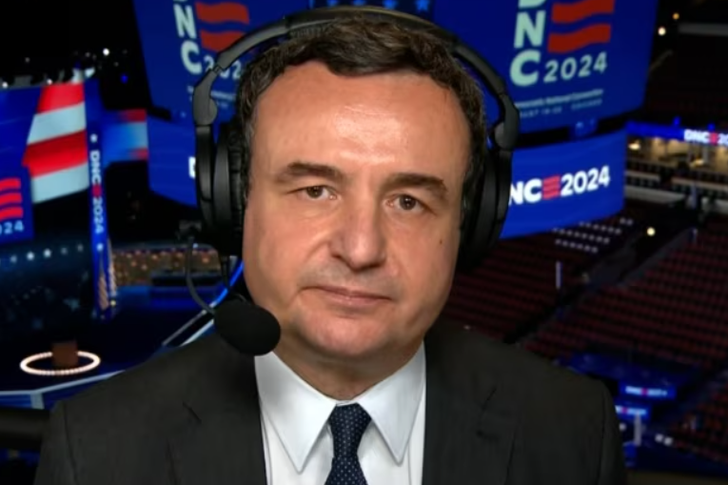
The Prime Minister of Kosovo, Albin Kurti, said during an ...
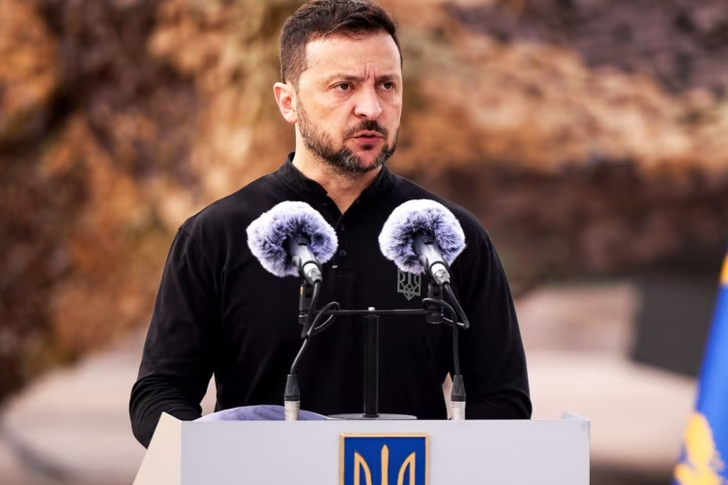
Ukrainian President Volodymyr Zelensky on Monday again...

US Secretary of State Antony Blinken on Monday called ...
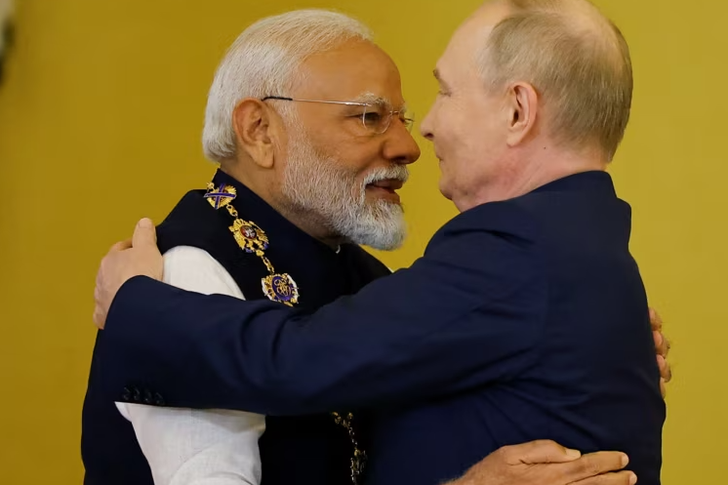
Indian Prime Minister Narendra Modi will visit Ukraine on ...
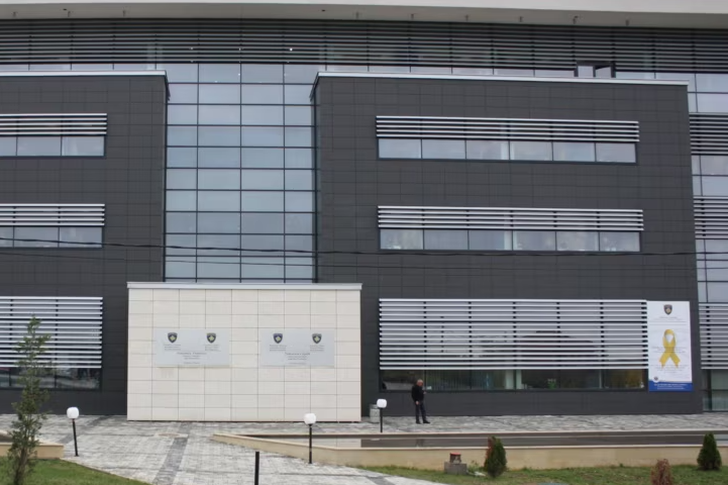
The Special Prosecutor's Office of Kosovo filed an indictm...
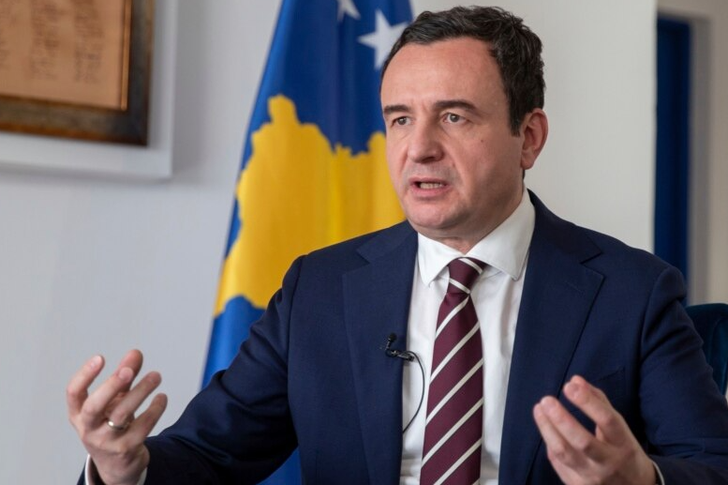
The Prime Minister of Kosovo, Albin Kurti, is staying ...

US Secretary of State Antony Blinken is staying in the Mid...
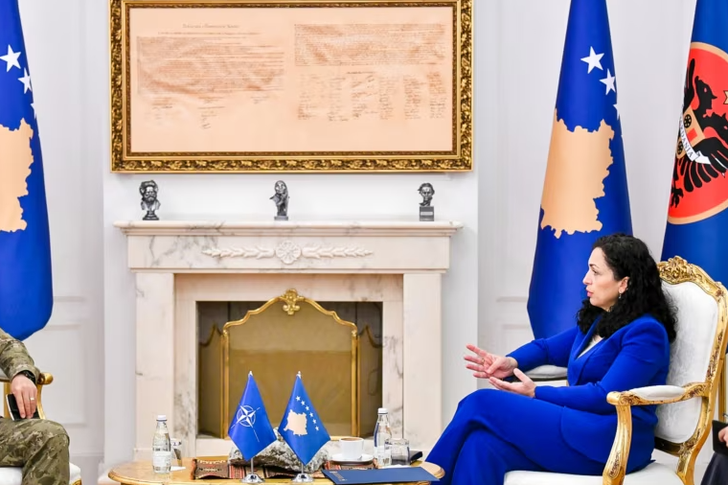
The President of Kosovo, Vjosa Osmani, has said that the K...
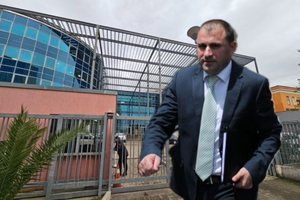
Dritan Prençi is the SPAK prosecutor who is sleeping on th...
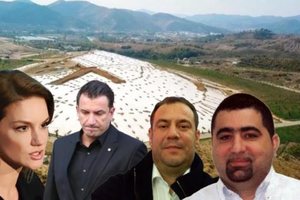
The in-depth investigations that SPAK conducted into Ajola...
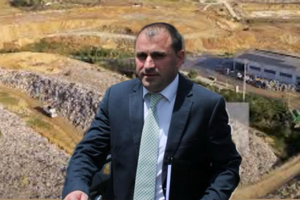
SPAK's standards, the way it investigates, how it secures ...

Irfan Hysenbelliu claims to be a big businessman, an hones...

The Special Board of Appeal (KPA) decided this Monday ...

The KPA vetting decided this Thursday to dismiss the p...

Suela Salavaçi, a prosecutor in the Prosecutor's Offic...

The Special Board of Appeal reinstated the prosecutor ...

A TNT explosion has occurred in the village of Balldren i ...
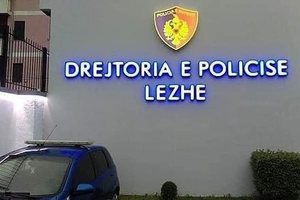
Gunfire broke out this morning in Lezha. According to repo...
A serious incident occurred this morning in Gjirokastra. ...

Four people have been arrested and two others have been de...

Albania is facing a deep demographic crisis where official...
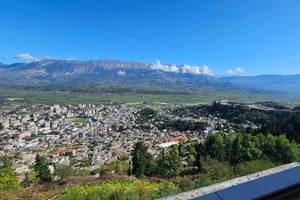
This Wednesday, our country will be affected by relatively...
The UN's World Meteorological Organization now warns that ...
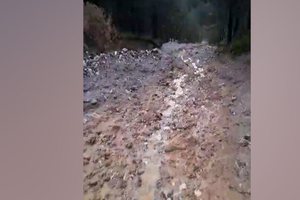
Intense rainfall has caused numerous problems in the Radom...
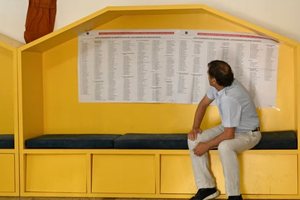
Over 1.2 million citizens of Kosovo chose not to vote. In ...
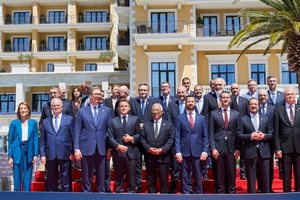
A group of European Union (EU) member states have proposed...
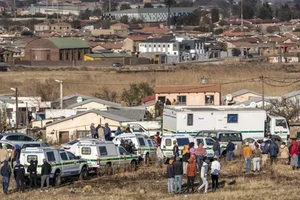
At least 12 people have been killed and nine others injure...
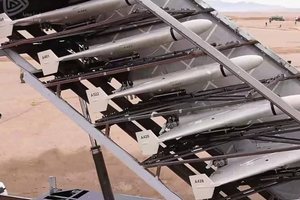
Just over three months into the Gulf conflict, the importa...

Korça has transformed this weekend into the capital of cel...

Korça is ready to open the summer season with one of the c...

Two years after his passing, the renowned Korçë poet Skënd...

The Ethnographic Museum of Berat has opened its doors to v...
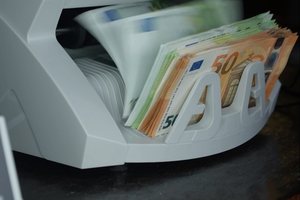
This Wednesday, one US dollar is bought for 81.6 lek and s...

The 2025 turnover reassessment for businesses in Tirana ha...
Predictions of a severe oil shortage this summer have not ...
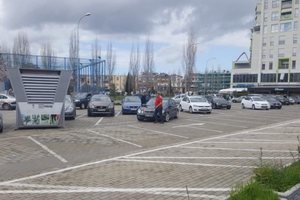
Improving the performance of public parking lots in Vlora,...