

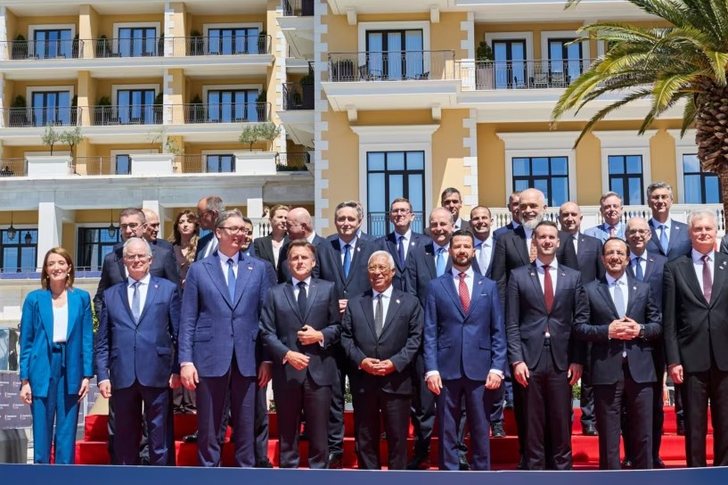
"Limited voting rights for new EU members"/ Proposal by Germany, France and the Benelux states
A group of European Union (EU) member states have proposed...


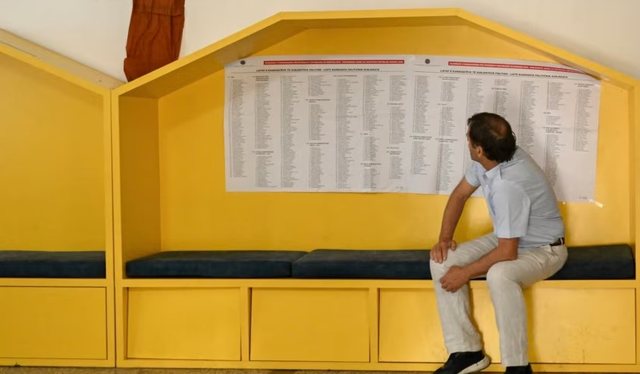
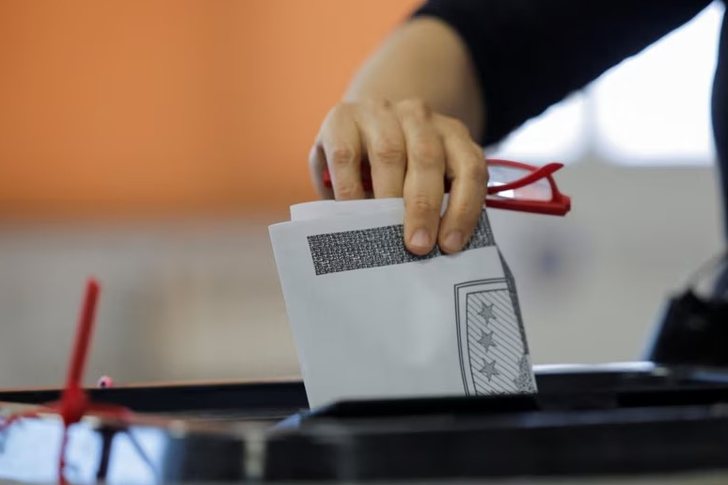
Over 1.2 million citizens of Kosovo chose not to vote. In a country where voter turnout has traditionally been high, this is not just a statistic - it is a wake-up call for the political system, say experts on political and social developments.
The June 7 elections produced one of the lowest levels of participation in recent years, raising, they say, serious questions about representation, trust, and the functioning of democracy.
Of the 1,959,962 eligible citizens, only 726,071 voted, or 37.05%, according to the Central Election Commission.
Compared to around 45% turnout in last December's elections, the drop is significant.
Abstention as revolt
Sociologist Besim Gollopeni from the "Isa Boletini" University in South Mitrovica sees this decline as a direct reflection of citizens' disappointment with the political class.
According to him, the fact that these are the third elections in less than a year and a half - after those of February 9, 2025 and the early elections of December 28 - has produced significant fatigue among the electorate.
"Frequent calls for voting are perceived as a sign of a system that fails to function normally," he told Radio Free Europe, adding that this directly affects the reduction of motivation for participation.
Analyst Belgzim Kamberi from the "Musine Kokalari" Institute in Pristina defines this phenomenon as a "revolting abstention".
According to him, citizens did not choose to punish just one party - neither the government nor the opposition.
"They simply felt that they were not represented by either party and stayed home. This is a rational reaction to a policy that does not produce concrete solutions," Kamberi emphasizes to Radio Free Europe.
The crisis of trust and the endless cycle of crises
Beyond election fatigue, Gollopen highlights another problem: the crisis of trust in politics.
"Recent years have been characterized by difficulties in forming and making institutions functional, repeated political crises, and a widespread perception that, regardless of who wins the elections, the lives of citizens do not change," he says.
This perception, combined with the rising cost of living, economic insecurity, and emigration, has shifted citizens' focus away from politics.
"Attention shifts from politics to everyday challenges. And this makes participation in elections less or not a priority at all, especially for young people or for those who feel disconnected from institutional processes," he adds.
"Wake-up call" for political parties
The decline in turnout was also considered worrying by international missions and local organizations.
Misioni vëzhgues i Asamblesë Parlamentare të Këshillit të Europës (PACE) e cilësoi këtë trend si një “zile zgjimi” për subjektet politike, ndonëse procesin zgjedhor e vlerësoi si të qetë dhe profesional.
Organizata “Demokracia në Veprim” (DnV) vlerësoi, po ashtu, se zgjedhjet e fundit u mbajtën në një klimë të qartë lodhjeje zgjedhore dhe me interesim dukshëm më të ulët krahasuar me proceset e fundit.
Një nga faktorët, sipas saj, mbetet edhe mungesa e ofertave të reja politike dhe riciklimi i të njëjtave figura dhe premtime gjatë fushatave.
Vetë partitë nuk e adresuan drejtpërdrejt këtë fenomen, ndërsa për të tërhoqën vëmendjen disa përfaqësues diplomatikë në vend.
Ambasadori britanik në Kosovë, Jonathan Hargreaves, vlerësoi për Radion Evropa e Lirë se “pjesëmarrja e dukshme e ulët në zgjedhjet e së dielës tregon se durimi i qytetarëve me politikanët po shteron”.
Rezultatet dhe ndryshimet
Sipas të dhënave preliminare të Komisionit Qendror të Zgjedhjeve, Lëvizja Vetëvendosje (LVV) doli e para me rreth 42% të votave, e ndjekur nga Partia Demokratike e Kosovës (PDK) me rreth 21%, Lidhja Demokratike e Kosovës (LDK) me rreth 17%, Aleanca për Ardhmërinë e Kosovës (AAK) me rreth 7% dhe Lista Serbe me rreth 6%.
Këto rezultate, ndonëse nuk përfshijnë votat e diasporës, votat me kusht dhe ato të personave me nevoja të veçanta, tregojnë disa ndryshime në pozicionim krahasuar me zgjedhjet e dhjetorit 2025.
Organizata për Bashkëpunim Ekonomik dhe Zhvillim (OECD) konsideron se pjesëmarrja e lartë në zgjedhje tregon angazhim qytetar dhe legjitimitet të sistemit politik, ndërsa rënia e saj, sidomos në mesin e të rinjve, është trend në shumë vende.
Në një raport të publikuar nga OECD-ja në vitin 2024 thuhet se një në katër të rinj nuk ka fare interes për politikën, krahasuar me një në pesë për të gjitha grupmoshat.
“Midis fillimit të viteve 1990 dhe fillimit të viteve 2020, pjesëmarrja në zgjedhjet parlamentare në të gjithë OECD-në ra nga 75% në 65% mesatarisht”, sipas këtij raporti.
Ngjashëm, edhe një analizë e Programit për Zhvillim të Kombeve të Bashkuara (UNDP) tregon se pjesëmarrja globale në zgjedhje ka rënë nga rreth 65% në vitin 2008 në rreth 56% më 2023, duke reflektuar rritjen e skepticizmit ndaj proceseve demokratike.
Si të rikthehet besimi?
Për ekspertët, rënia e pjesëmarrjes është sfidë politike që kërkon zgjidhje të thella.
Kamberi përmend mundësinë e reformave në legjislacionin zgjedhor, duke përfshirë edhe modele si votimi i detyrueshëm, i aplikuar në vende si Belgjika.
“Ajo që është e qartë, është se duhet rishikim apo një reformë e thellë e legjislacionit në fuqi për zgjedhjet”, pohon Kamberi.
Për Gollopenin, çelësi mbetet te besimi.
“Qytetarët duhet të shohin se zgjedhjet prodhojnë zgjidhje, jo kriza. Vetëm atëherë pjesëmarrja mund të rritet”, thotë ai.
Ai paralajmëron se abstenimi, megjithëse i kuptueshëm si reagim, në fund është një zgjedhje që mund t’i dëmtojë vetë qytetarët.
"If we withdraw from electoral processes, we risk producing even more unfavorable situations for our well-being," concludes Gollopeni. /REL

A group of European Union (EU) member states have proposed...
At least 12 people have been killed and nine others injure...
Just over three months into the Gulf conflict, the importa...
One of the most important events of the Year of Gaudi is t...
Working hours vary considerably across Europe, with some c...
The still uncounted votes of the diaspora for the early pa...
While the number of active conflicts in the world has reac...
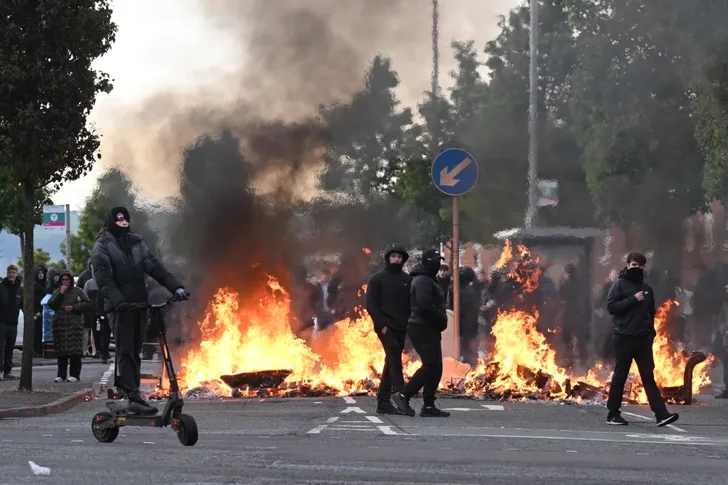
Anti-immigration protests have spread to parts of the Unit...
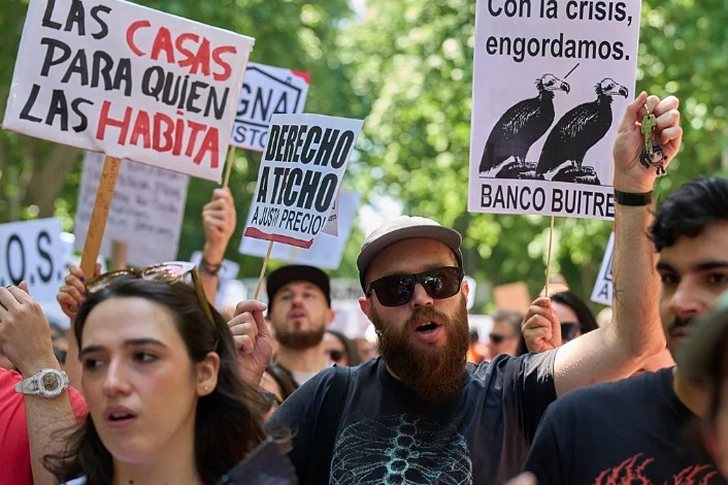
The housing crisis in Spain is reaching alarming levels, w...
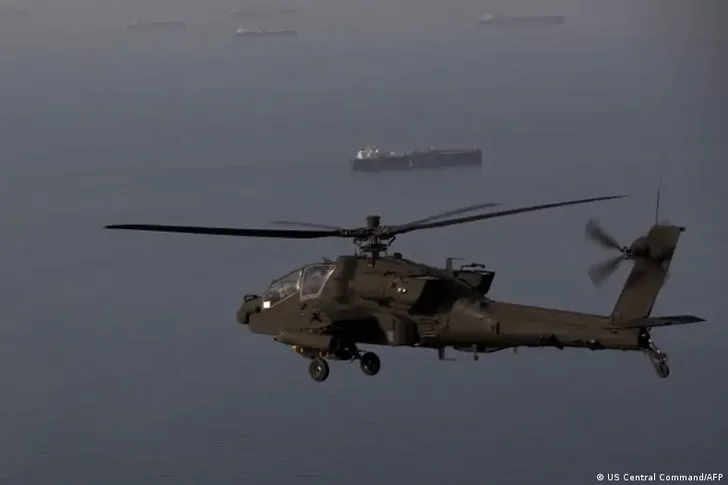
The US military has carried out airstrikes in Iran in resp...

Artificial intelligence is rapidly transforming the health...
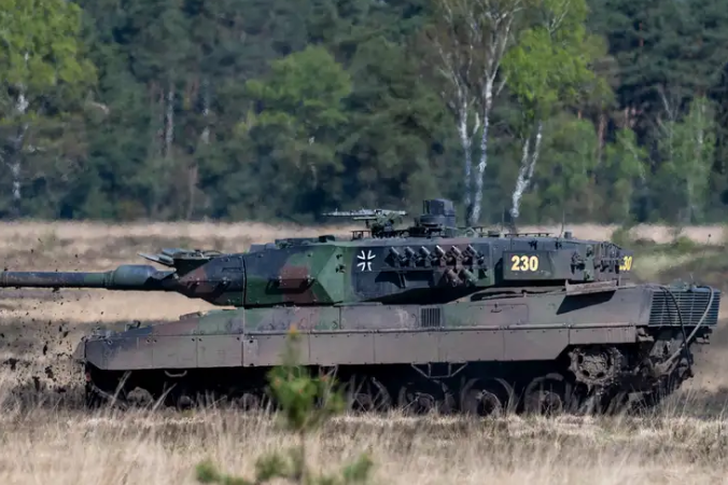
Bulgaria's newly appointed Defense Minister, Dimitar Stoya...

NASA has named its crew for its next major mission to the ...
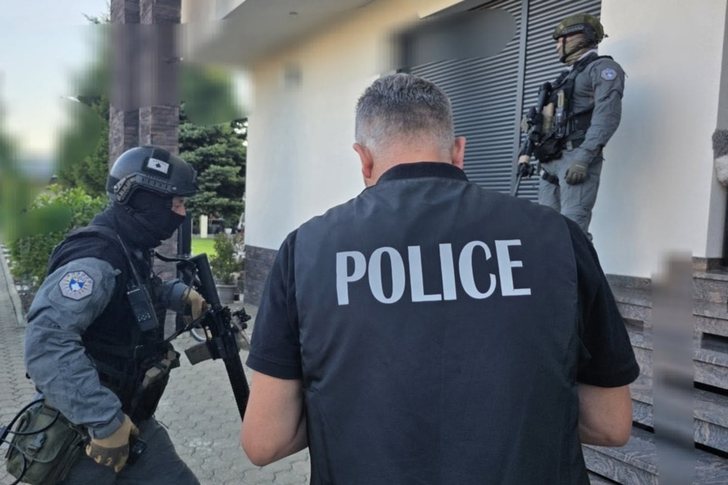
Five people have been arrested in Kosovo on suspicion of i...
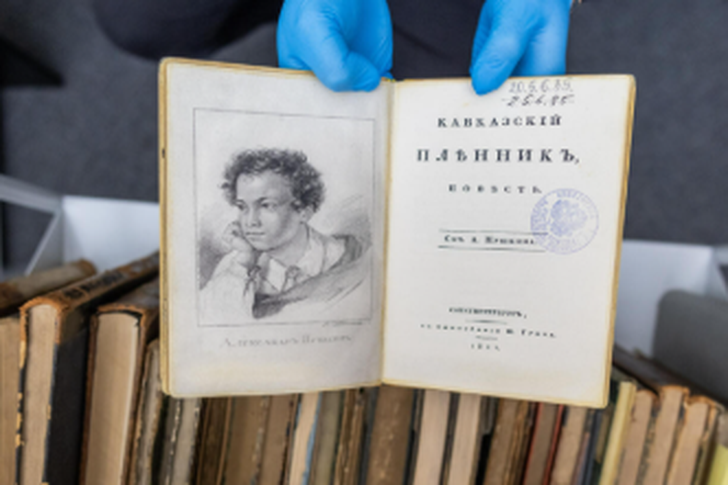
Six Georgian citizens appeared before a Paris court on Tue...
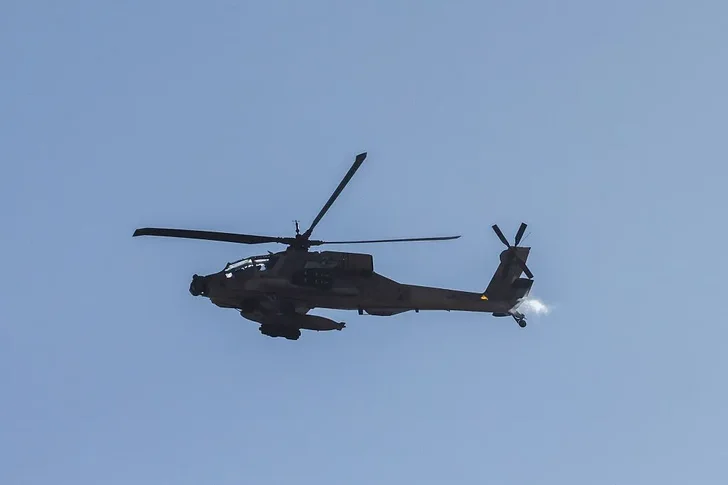
President Donald Trump has accused Iran of shooting down a...
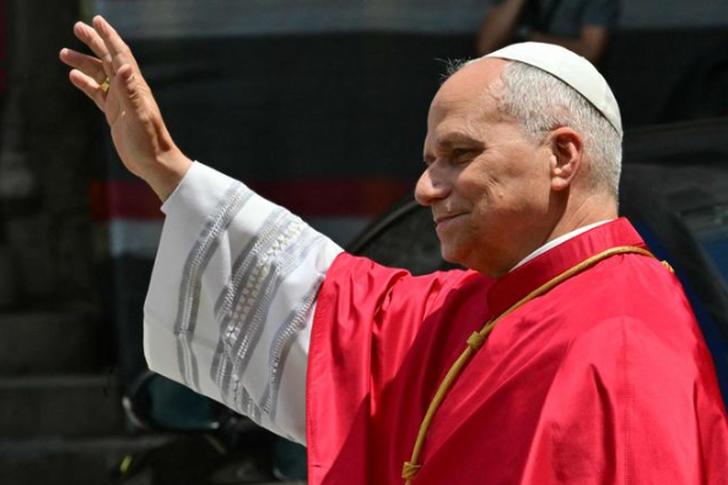
Pope Leo XIV arrived in Barcelona this Tuesday, in what ma...
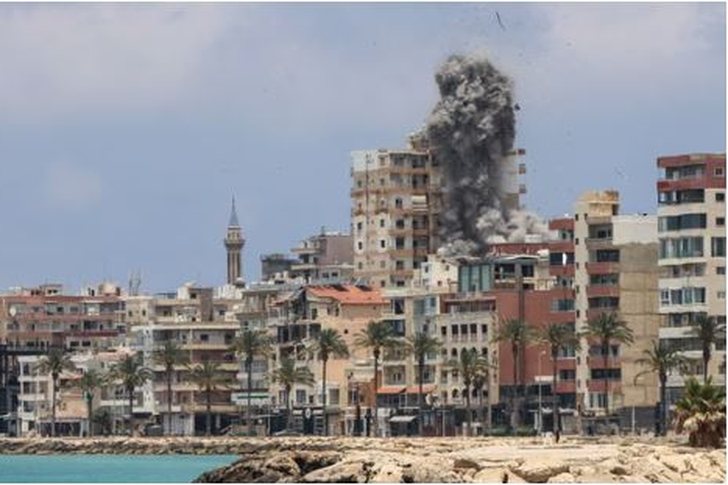
Israel has bombed the city of Tyre, killing eight people a...
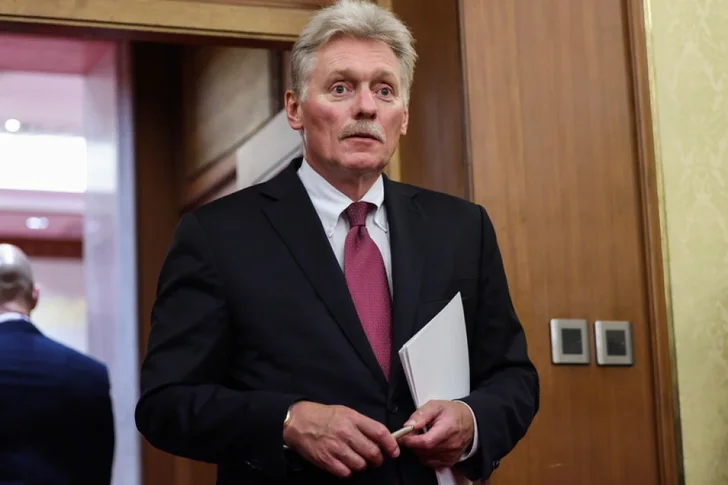
Zëdhënësi i Kremlinit, Dmitry Peskov, deklaroi sot se nuk ...
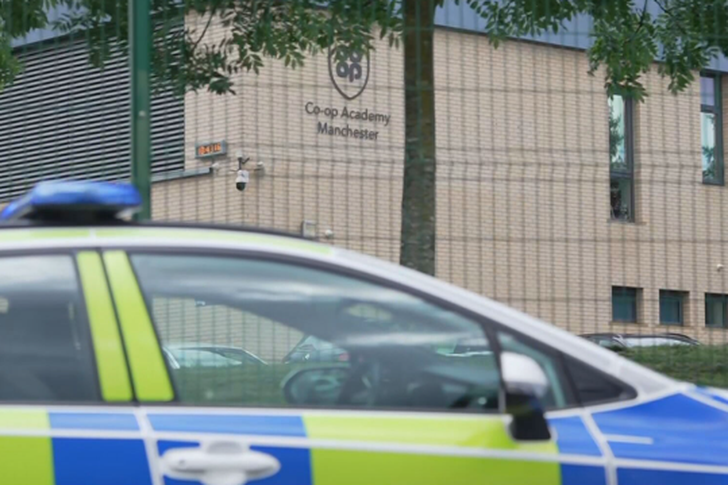
Two students and a teacher were injured in a stabbing inci...
CNA has put under scanner the assets of Sokol Sadushi, the...
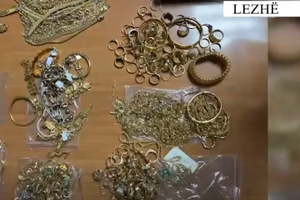
A 39-year-old citizen has been arrested in Lezha, after se...

CNA has launched another investigation that could lead to ...

Irfan Hysenbelliu is a businessman that we call "Irfan the...

The Special Board of Appeal (KPA) decided this Monday ...

The KPA vetting decided this Thursday to dismiss the p...

Suela Salavaçi, a prosecutor in the Prosecutor's Offic...

The Special Board of Appeal reinstated the prosecutor ...
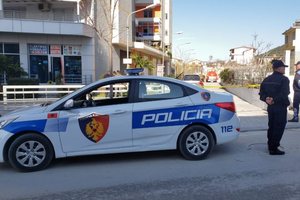
Police have revealed details of the incident that occurred...
According to preliminary information, a person in his 60s ...
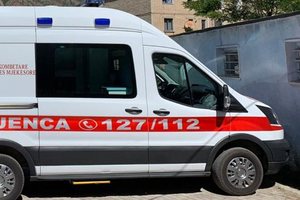
A triple accident occurred on the Peqin-Elbasan axis n...
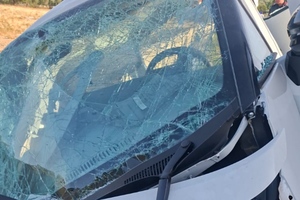
The police have provided details regarding the accident th...

The public sector took the lead in absorbing the workforce...
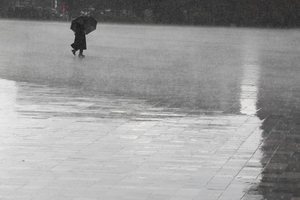
Today, our country will be under the influence of unstable...
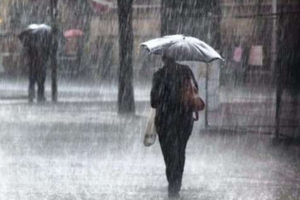
The Institute of Geosciences has today shared a forecast r...
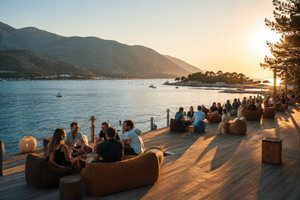
Company leaders can improve productivity by investing in a...
Oil prices fell in early trading on Monday, falling furthe...
Although Albania does not have a developed industry on the...
North Korea is said to have achieved some impressive resul...

US Ambassador to the United Nations, Mike Waltz, said toda...
Two windows, a century of history and the metaphysics of p...
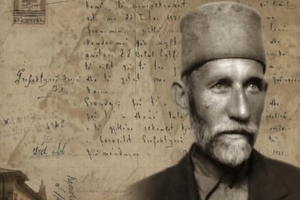
In my research at the Central State Archives, specifically...

At a time when industrial products are increasingly taking...

Trust among people is not just a three-syllable word. It c...

After strong savings growth in the years following the pan...
This Monday, one US dollar is bought for 81.5 lek and sold...
This Sunday, one US dollar is bought for 81.5 lek and sold...
This Saturday, one US dollar is bought for 81.7 lek and so...