

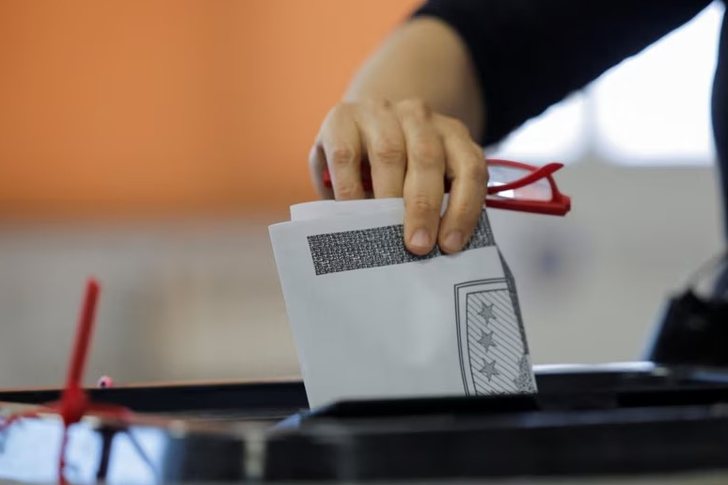
Diaspora votes, "determinative" in the formation of new institutions in Kosovo
The still uncounted votes of the diaspora for the early pa...


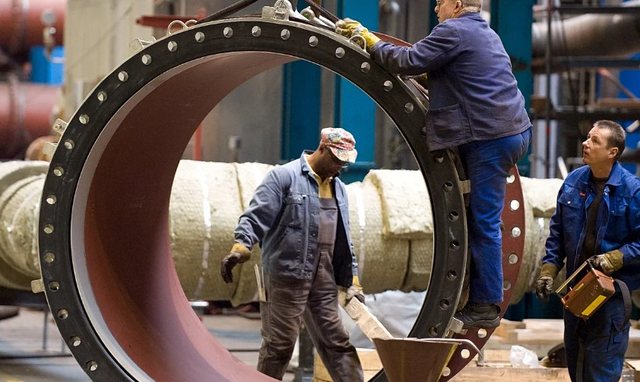
Working hours vary considerably across Europe, with some countries working nearly eight hours more per week than others. The latest Eurostat data shows that the average working week in the European Union is 35.9 hours, but differences between countries remain large.
According to the report, Turkey tops the European rankings with 42.4 working hours per week, followed by Bosnia and Herzegovina with 40.9 hours and Serbia with 40.6 hours. Within the EU countries, Greece ranks first with 39.6 working hours per week, while North Macedonia and Bulgaria follow with 39.5 and 38.7 hours respectively.
Experts point out that lower productivity, labor shortages, and the way work schedules are regulated are among the main factors influencing the longer work weeks in these countries.
At the other end of the scale is the Netherlands, which has the shortest average working week in Europe, with just 31.9 hours per week. It is followed by Germany, Norway and Denmark, each with 33.9 hours per week. Average working hours also remain below 35 hours in Austria, Belgium and Finland.
According to experts, one of the main reasons for this result in the Netherlands is the high prevalence of part-time work. Around 43 percent of employees in the country work part-time, the highest percentage in the European Union.
The report also highlights differences between the EU's largest economies. Germany records the shortest working week at 33.9 hours, while France has an average of 35.6 hours. In Italy, employees work an average of 36.1 hours a week, while in Spain it is 36.3 hours, making the latter the country with the longest working week among the bloc's four major economies.
Experts estimate that union strength and collective bargaining play an important role in reducing working hours. Countries where unions have greater influence and where collective agreements are stronger tend to have shorter work weeks and fewer overtime hours.
The data also shows that working hours vary by sector. Workers in agriculture, forestry and fishing work an average of 42 hours a week, topping the list of occupations with the highest workload. They are followed by managers with 40.6 hours and armed forces personnel with 39.4 hours.
In contrast, elementary occupations record the shortest workweek at 31.8 hours, while office support workers and sales and service workers work an average of 34 to 35 hours per week.
The Eurostat report highlights that, beyond cultural and economic differences, factors such as the structure of the labor market, the level of self-employment, part-time work and the strength of collective bargaining continue to determine how long Europeans work./ CNA

The still uncounted votes of the diaspora for the early pa...
While the number of active conflicts in the world has reac...
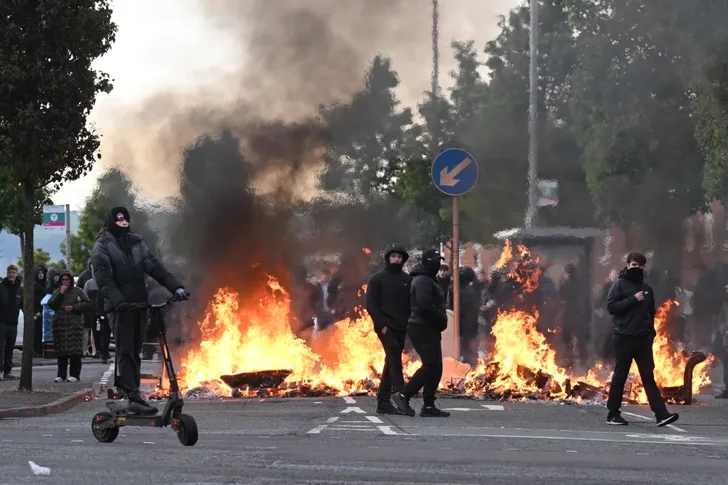
Anti-immigration protests have spread to parts of the Unit...
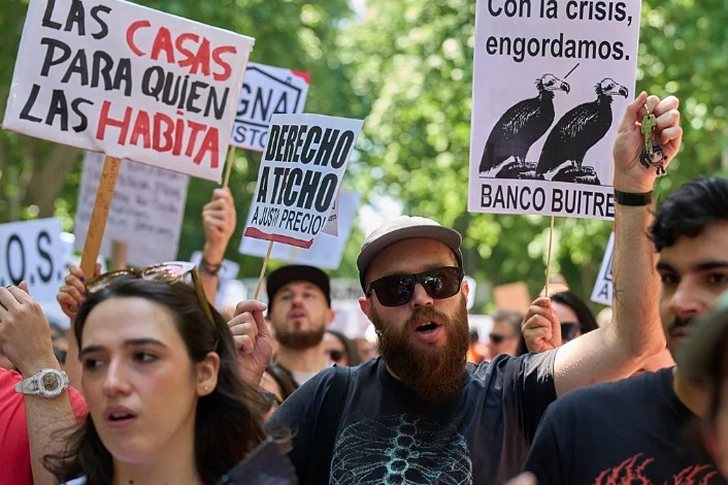
The housing crisis in Spain is reaching alarming levels, w...

The US military has carried out airstrikes in Iran in resp...

Artificial intelligence is rapidly transforming the health...
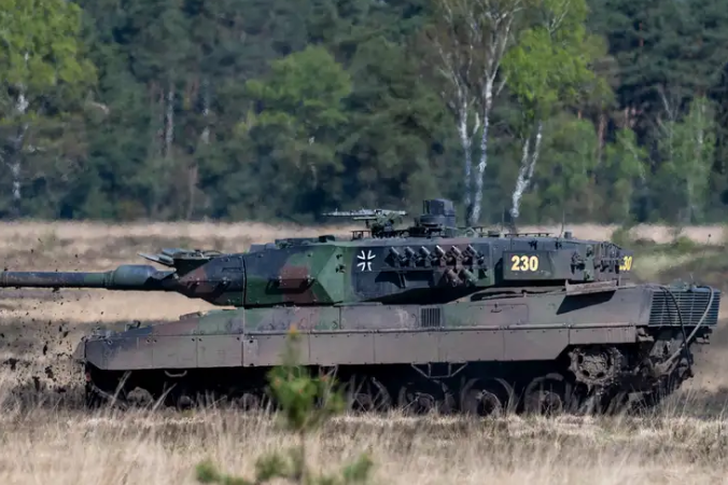
Bulgaria's newly appointed Defense Minister, Dimitar Stoya...

NASA has named its crew for its next major mission to the ...
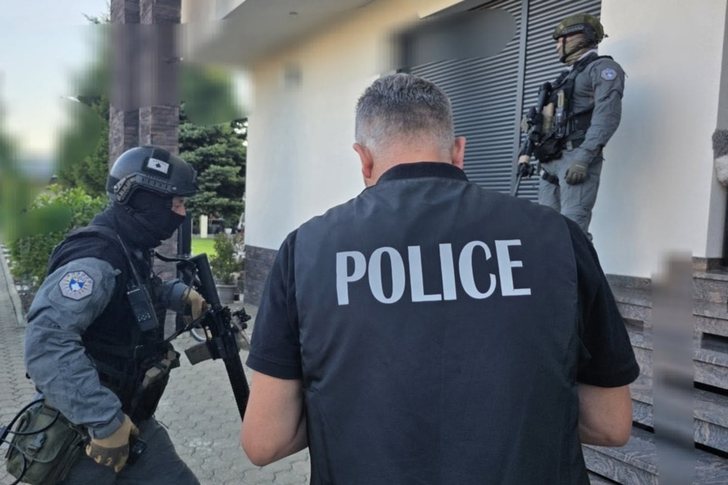
Five people have been arrested in Kosovo on suspicion of i...
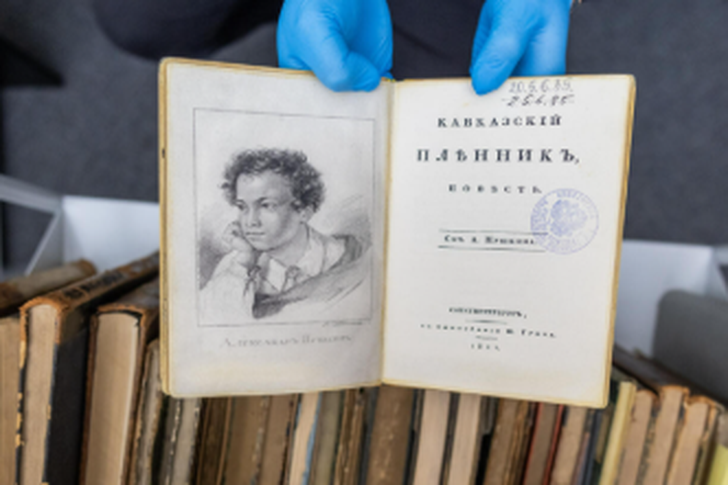
Six Georgian citizens appeared before a Paris court on Tue...

President Donald Trump has accused Iran of shooting down a...
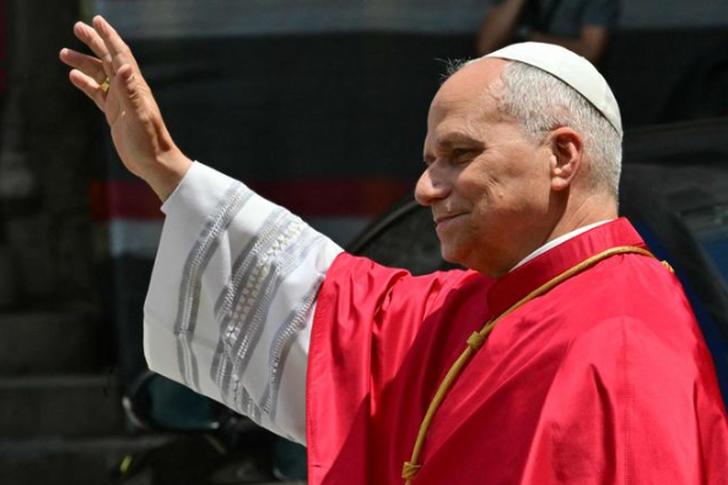
Pope Leo XIV arrived in Barcelona this Tuesday, in what ma...
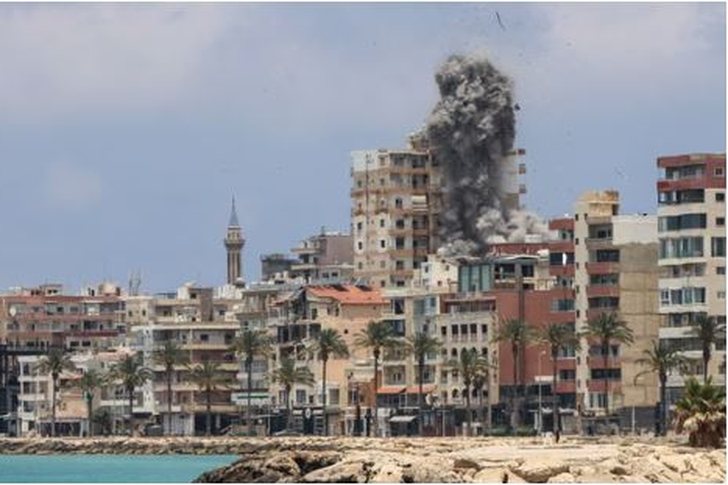
Israel has bombed the city of Tyre, killing eight people a...
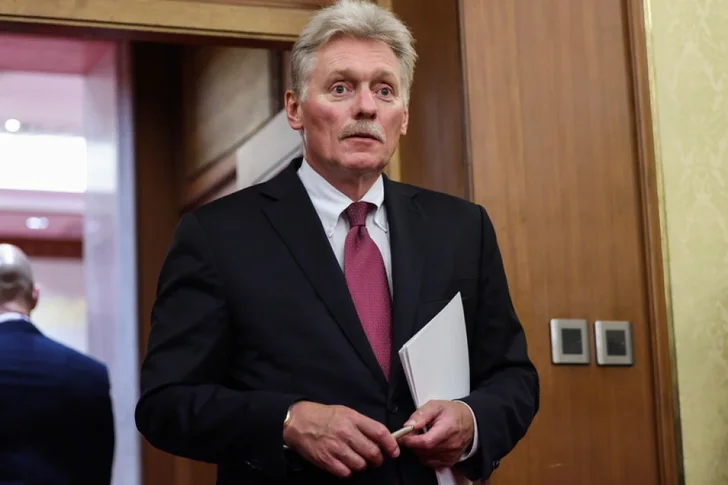
Zëdhënësi i Kremlinit, Dmitry Peskov, deklaroi sot se nuk ...
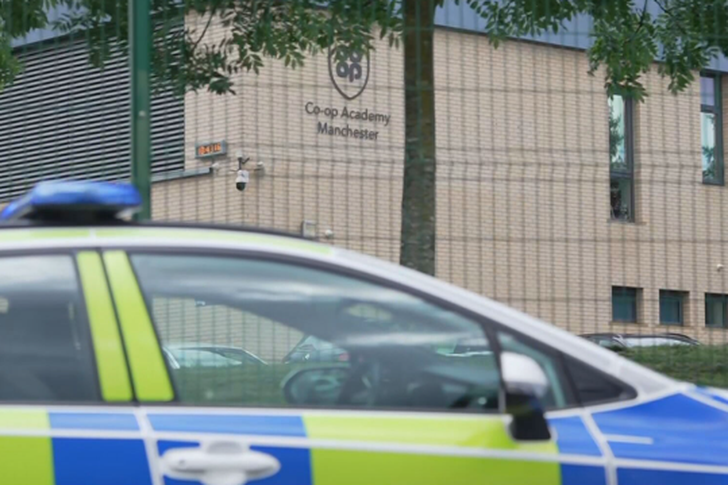
Two students and a teacher were injured in a stabbing inci...
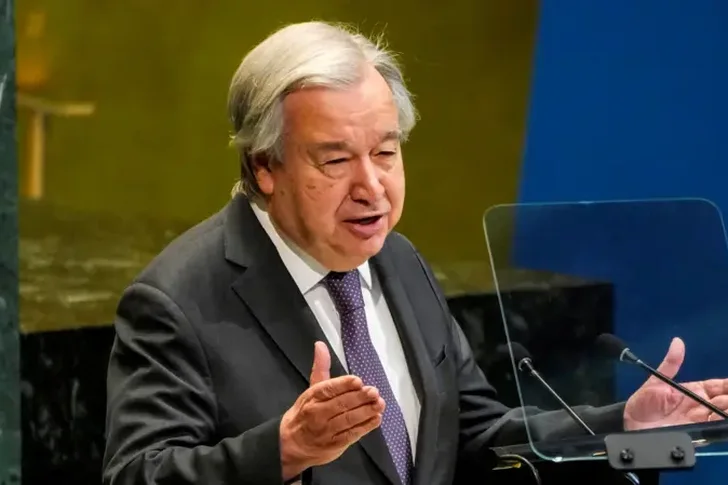
Antonio Guterres says he is deeply alarmed by the new esca...

Two crew members of a US military helicopter that crashed ...

Authorities in the city of Utsunomiya in Japan have captur...
The European Investment Bank and the European Commission h...
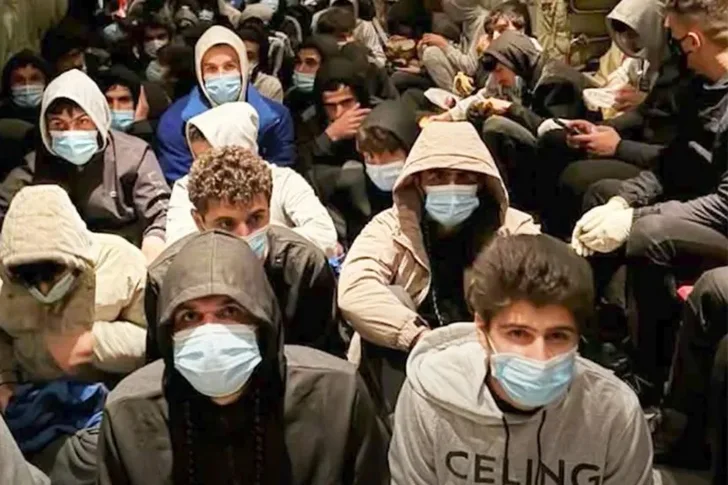
More than 300 migrants from Iraqi Kurdistan, who were tryi...
CNA has put under scanner the assets of Sokol Sadushi, the...
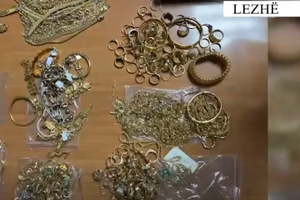
A 39-year-old citizen has been arrested in Lezha, after se...

CNA has launched another investigation that could lead to ...

Irfan Hysenbelliu is a businessman that we call "Irfan the...

The Special Board of Appeal (KPA) decided this Monday ...

The KPA vetting decided this Thursday to dismiss the p...

Suela Salavaçi, a prosecutor in the Prosecutor's Offic...

The Special Board of Appeal reinstated the prosecutor ...
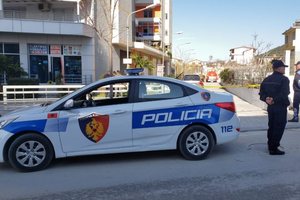
Police have revealed details of the incident that occurred...
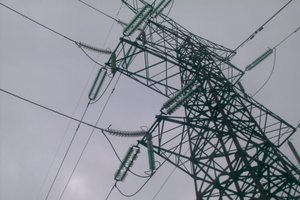
According to preliminary information, a person in his 60s ...
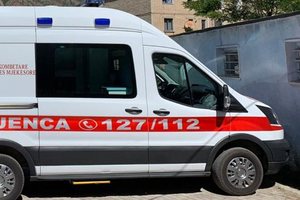
A triple accident occurred on the Peqin-Elbasan axis n...

The police have provided details regarding the accident th...

The public sector took the lead in absorbing the workforce...

Today, our country will be under the influence of unstable...
The Institute of Geosciences has today shared a forecast r...
Company leaders can improve productivity by investing in a...
Oil prices fell in early trading on Monday, falling furthe...
Although Albania does not have a developed industry on the...
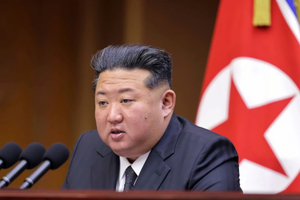
North Korea is said to have achieved some impressive resul...

US Ambassador to the United Nations, Mike Waltz, said toda...
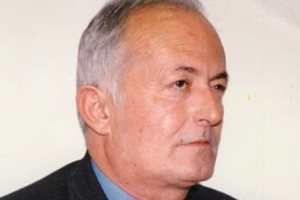
Two windows, a century of history and the metaphysics of p...
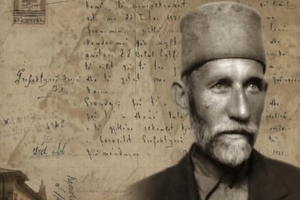
In my research at the Central State Archives, specifically...

At a time when industrial products are increasingly taking...

Trust among people is not just a three-syllable word. It c...

After strong savings growth in the years following the pan...

This Monday, one US dollar is bought for 81.5 lek and sold...

This Sunday, one US dollar is bought for 81.5 lek and sold...

This Saturday, one US dollar is bought for 81.7 lek and so...